
Aquarium Mastery: Crafting the Perfect Planted Tank for Your Tetra Shoal

Welcome to Aquarium Mastery!
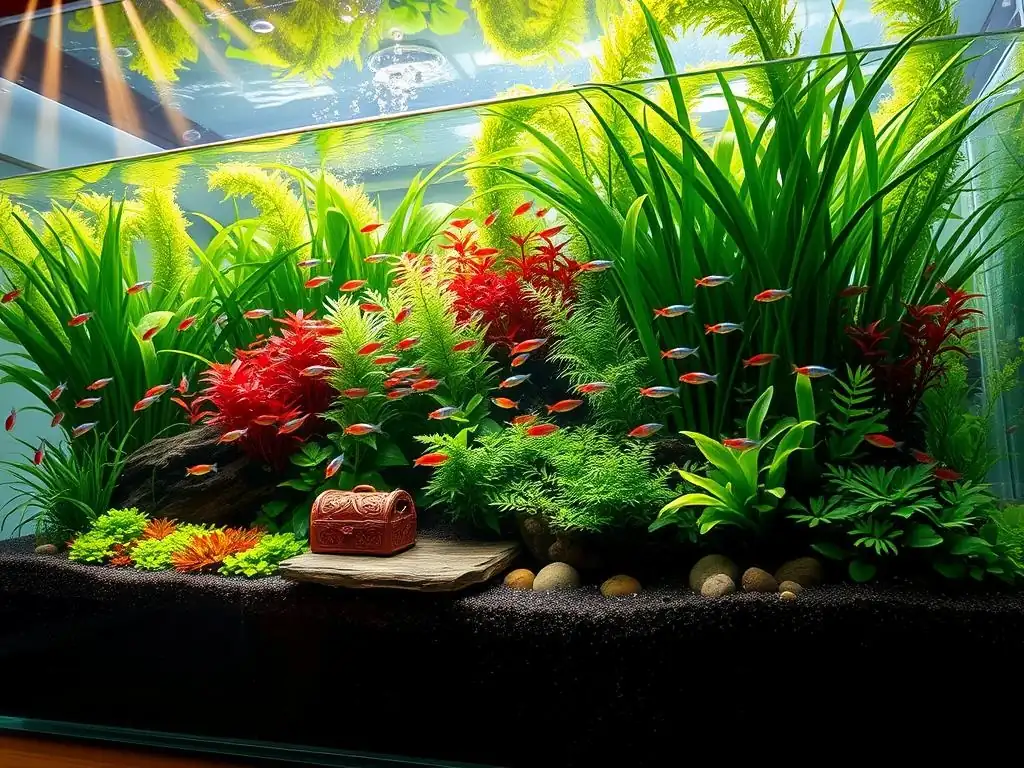
Dive into the mesmerizing world of planted aquariums and uncover the secrets to creating a thriving ecosystem for your vibrant tetra shoal. Ever wondered how to achieve perfect water parameters and lush plant growth that your tetras will adore? Our in-depth guide on Planted tank tetra care is just the beginning. Get ready to unlock the full potential of your freshwater haven and discover the harmony between flora and fauna. Let's explore!
- Understanding Planted Tank Tetra Care: A Comprehensive Guide
- Why Planted Tanks are Ideal for Tetra Species
- Selecting Tetra Species for Your Planted Tank
- Essential Equipment for a Planted Tank Tetra Aquarium
- Setting Up Your Planted Tank for Tetras: A Step-by-Step Guide
- Maintaining Your Planted Tank with Tetras: Routine Care
- Feeding Your Tetras in a Planted Tank Environment
- Common Issues and Solutions in Planted Tetra Tanks
- Aquascaping Ideas
- Conclusion: Enjoying Your Thriving Planted Tank with Happy Tetras.
-
Frequently Asked Questions
- How do I choose the right plants for a planted tank with tetras?
- What are the ideal water parameters for a planted tank housing tetras?
- How often should I perform water changes in my planted tank with tetras?
- What type of substrate is best for a planted tank with tetras?
- What should I feed my tetras in a planted tank environment?
- Final Reflection: Cultivating Harmony Beneath the Surface
- Ignite Your Aquarium Passion: Design the Tetra Paradise!
Understanding Planted Tank Tetra Care: A Comprehensive Guide
Crafting a planted tank for your tetra shoal is more than just adding greenery; it's about replicating their natural habitat and fostering a thriving ecosystem. This specialized approach to aquarium keeping, known as planted tank tetra care, focuses on creating an environment where both aquatic plants and delicate tetra species can flourish in harmony. It involves a meticulous balance of lighting, substrate, CO2, and water parameters, all tailored to meet the specific needs of these vibrant fish and the plants that support them.
The synergy between live plants and tetras offers numerous benefits, from enhanced water quality to reduced stress for the fish. A well-designed planted tank provides natural hiding spots, encourages schooling behavior, and contributes to a more stable aquatic environment. Understanding the intricate relationship between plants and fish is fundamental to successful planted tank tetra care, transforming a simple fish tank into a captivating, self-sustaining underwater landscape.
Why Planted Tanks are Ideal for Tetra Species
Natural Habitat Enrichment for Tetras
Planted tanks excel at mimicking the natural environments where many tetra species originate, such as the Amazon basin's slow-moving blackwater rivers, which are often rich with submerged vegetation and leaf litter. This dense foliage offers crucial cover and reduces stress for these typically shy, schooling fish. For instance, species like Neon Tetras ( Paracheirodon innesi) and Black Neon Tetras ( Hyphessobrybertaxelrodi) instinctively seek refuge among plants, exhibiting more natural behaviors and vibrant coloration when they feel secure.
Beyond providing physical shelter, the complex structure of a planted tank creates a more stimulating environment, encouraging tetras to explore and interact with their surroundings in ways a barren tank cannot. This enrichment directly contributes to their overall well-being and can significantly increase their lifespan. Studies suggest that stress reduction in well-structured environments can lead to a 15-20% increase in the lifespan for some aquarium fish species, highlighting the profound impact of a naturalistic setup on planted tank tetra care.
Benefits of Live Plants for Tetra Health and Well-being
Live aquatic plants are biological powerhouses, playing a vital role in maintaining pristine water quality, which is paramount for the health of sensitive fish like tetras. Through photosynthesis, plants absorb harmful nitrates, phosphates, and other waste products from the water, effectively acting as natural filters. This nutrient absorption directly competes with algae, helping to keep the tank clean and clear.
Furthermore, plants release oxygen into the water during daylight hours, enhancing aeration and supporting the metabolic processes of your tetras. This natural oxygenation reduces the workload on mechanical filters and provides a more stable, oxygen-rich environment. A well-planted 20-gallon tank, for example, can actively absorb up to 5-10 ppm of nitrates per week, significantly reducing the burden on mechanical filtration and improving water quality, which is a cornerstone of effective planted tank tetra care.
Stability and Water Quality in Planted Tetra Aquariums
One of the most significant advantages of a planted tank for tetras is the enhanced ecological stability it provides. Live plants contribute to a more balanced and resilient ecosystem by buffering water parameters and reducing drastic fluctuations. They help stabilize pH levels, absorb excess nutrients that could lead to dangerous ammonia or nitrite spikes, and even contribute to temperature stability by increasing the overall thermal mass of the tank.
This inherent stability minimizes stress on tetras, making them less susceptible to disease and promoting their long-term health. For instance, planted tanks often exhibit pH fluctuations of less than 0.2 units over a 24-hour period, compared to barren tanks which can see swings of 0.5-1.0 units or more. Such consistent parameters are invaluable for planted tank tetra care, as tetras are highly sensitive to sudden changes in their environment, which can lead to weakened immune systems and increased susceptibility to illness.
Selecting Tetra Species for Your Planted Tank
Popular Tetra Varieties for Planted Aquariums
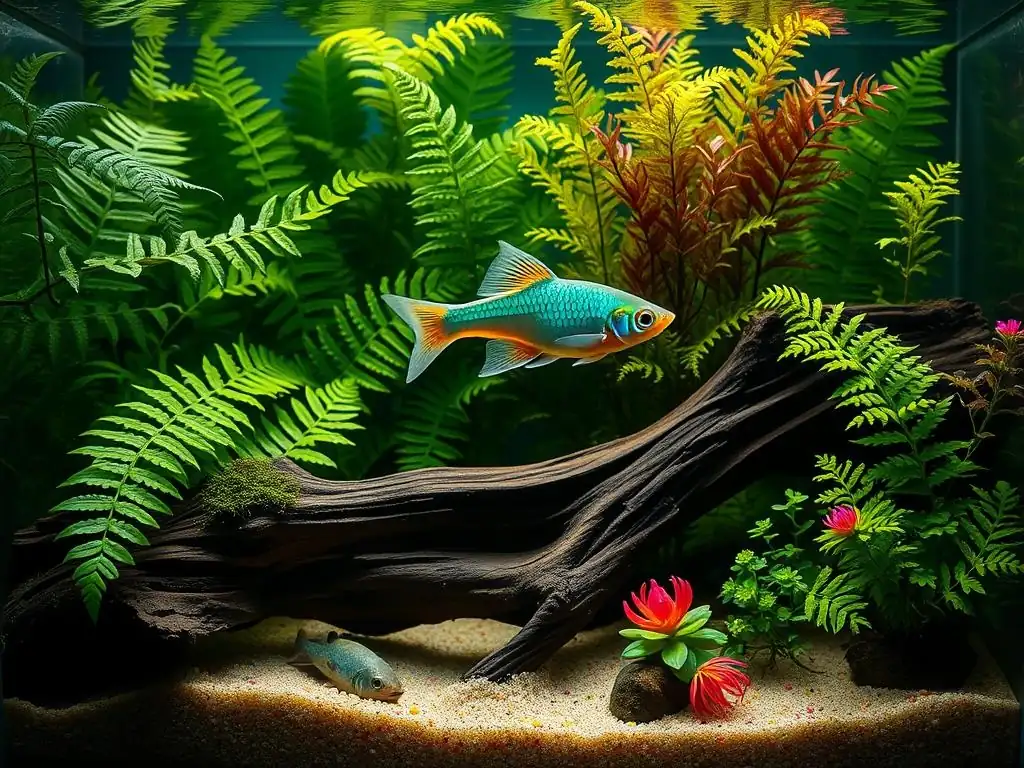
When selecting tetras for your planted tank, it's essential to choose species that not only thrive in densely planted environments but also complement the aesthetics of your aquascape. Popular choices often include smaller, peaceful schooling species that will not disturb delicate plants. Their vibrant colors often stand out beautifully against a lush green backdrop, creating a captivating visual display.
Considering their natural schooling behavior, it's generally recommended to keep tetras in groups of at least six, though a shoal of 10-15 or more will exhibit more natural and impressive schooling patterns. This larger group size contributes to their sense of security and reduces individual stress levels, which is a key aspect of successful planted tank tetra care.
Neon Tetras in Planted Tanks: A Classic Choice
Neon Tetras ( Paracheirodon innesi) are arguably the most iconic choice for planted aquariums, and for good reason. Their small size, typically reaching about 1.5 inches, makes them suitable for a range of tank sizes, and their brilliant iridescent blue and red stripe contrasts stunningly with green aquatic plants. They are peaceful, active schooling fish that truly come alive when provided with ample hiding spots and open swimming areas within a planted setup.
These tetras thrive in soft, acidic water conditions, with temperatures between 72-78°F (22-26°C) and a pH range of 6.0-7.0, which are often the very conditions maintained in a well-managed planted tank. Their preference for dim lighting and dense vegetation makes them feel secure, encouraging their vibrant colors to shine through. This makes them an excellent example of how specific fish needs align perfectly with good planted tank tetra care.
Cardinal Tetras and Planted Aquascapes: Vibrant Colors
Cardinal Tetras ( Paracheirodon axelrodi) are often mistaken for Neons but boast an even more extensive and intense red stripe that runs the entire length of their body, making them incredibly striking in a planted aquascape. Slightly larger than Neons, reaching up to 2 inches, they share similar preferences for soft, acidic water and densely planted environments. Their deeper coloration truly pops against the green and brown tones of plants and driftwood, adding immense visual appeal.
Like their Neon cousins, Cardinal Tetras are peaceful schooling fish that benefit immensely from the security and enrichment provided by a planted tank. In a well-maintained planted tank, Cardinal Tetras can live up to 3-5 years, a testament to their longevity when kept in ideal conditions that mimic their natural Amazonian homes. Their robust health in such environments underscores the effectiveness of proper planted tank tetra care.
Ember Tetras: A Smaller Tetra for Nano Planted Tanks
For those with smaller aquariums or nano planted setups, Ember Tetras ( Hyphessobrycon amandae) are an exquisite choice. These tiny fish, rarely exceeding 1 inch in length, possess a captivating fiery orange coloration that adds a warm glow to any aquascape. Despite their diminutive size, they are active schoolers and benefit greatly from being kept in groups, preferably 8-10 or more, to display their natural behaviors.
Their small stature makes them perfect for 5 to 10-gallon planted tanks, where larger tetras would feel cramped. They are peaceful and do not bother plants, making them ideal inhabitants for even the most delicate aquascapes. A minimum of six Ember Tetras is recommended for a healthy shoal, even in a 5-gallon planted tank, to ensure they feel secure enough to exhibit their charming schooling behaviors, which is a crucial consideration in planted tank tetra care for smaller setups.
Considering Tetra Temperament and Plant Compatibility
When selecting tetras for a planted tank, it's crucial to consider their temperament and how they interact with live plants. While most small schooling tetras are peaceful and plant-safe, some larger or more active species might pose a risk to delicate aquatic flora. For instance, species like the Buenos Aires Tetra ( Hyphessobrycon anisitsi) are notorious plant-nippers and are generally best avoided in heavily planted aquariums, as they can quickly decimate soft-leaved plants.
Focus on peaceful schooling species that are known to coexist harmoniously with plants. Researching the specific dietary habits and behaviors of potential tetra species is vital to ensure they won't uproot newly planted stems or graze on valuable leaves. Prioritizing species known for their gentle nature is a fundamental step in ensuring a thriving and visually appealing planted tank, making this consideration integral to effective planted tank tetra care.
Essential Equipment for a Planted Tank Tetra Aquarium
Choosing the Right Aquarium Size for Your Tetra Shoal
The size of your aquarium is a foundational decision for successful planted tank tetra care, directly impacting the health and happiness of both your fish and plants. While some smaller tetra species like Ember Tetras can thrive in 5-10 gallon tanks, a 20-gallon long (approximately 30x12x12 inches) is often considered an excellent starting point for a shoal of 6-10 Neon or Cardinal Tetras. This size provides ample swimming space and greater stability in water parameters compared to smaller tanks.
For larger shoals or more active tetra species, a 30-gallon or 40-gallon breeder tank offers even more horizontal space, which is especially beneficial for schooling fish. A 20-gallon long tank, for example, offers approximately 20% more horizontal swimming space than a standard 20-gallon high, allowing tetras to exhibit more natural schooling behaviors. Remember, bigger tanks are generally more stable ecosystems, making them more forgiving for beginners in planted tank tetra care.
Substrate Selection: Promoting Plant Growth and Tetra Health
The substrate forms the foundation of your planted tank, providing essential nutrients and a rooting medium for aquatic plants, while also being safe for your tetras. Nutrient-rich substrates, such as specialized planted tank soils (e.g., ADA Aqua Soil, Fluval Stratum), are highly recommended as they slowly release nutrients directly to plant roots, promoting vigorous growth. These substrates also often buffer pH towards the acidic side, which is ideal for many tetra species.
Alternatively, inert substrates like fine sand or small-grained gravel can be used, but they require the addition of root tabs or liquid fertilizers to provide nutrients for plants. Regardless of the type, aim for a substrate depth of 2-3 inches to allow for adequate root development. This depth is generally recommended for optimal root development in a planted tank, ensuring your plants establish strong root systems, which is crucial for nutrient uptake and overall tank health in planted tank tetra care.
Lighting: Balancing Plant Needs and Fish Comfort
Lighting is a critical component of any planted tank, as it drives photosynthesis in your aquatic plants. However, the intensity and duration of light must be carefully balanced to meet plant requirements without stressing your light-sensitive tetras or promoting excessive algae growth. High-quality LED lights are often preferred due to their energy efficiency, customizable spectrums, and ability to provide the specific PAR (Photosynthetically Active Radiation) values needed for various plant types.
For low-light plants (e.g., Anubias, Java Fern), a PAR value of 10-20 at the substrate level is generally sufficient, while high-light plants (e.g., Glosso, Dwarf Hairgrass) may require 50-80+ PAR. Most tetras prefer subdued lighting, so consider floating plants or denser background plants to create shaded areas. A typical photoperiod of 6-8 hours daily is often sufficient for most planted tanks, striking a balance between plant growth and algae prevention, which is a key aspect of effective planted tank tetra care.
Filtration Systems: Maintaining Water Quality
Even with the natural filtration provided by plants, a reliable filtration system is essential for maintaining optimal water quality in a planted tank with tetras. Hang-on-back (HOB) filters or canister filters are popular choices. Canister filters, like the Fluval 207 or Eheim Classic 250, are particularly effective for planted tanks as they offer large media capacities for biological, mechanical, and chemical filtration, and their outflow can often be diffused to create a gentle current.
The primary goal of filtration in a planted tank for tetras is to ensure crystal clear water and efficient removal of particulate matter, without creating excessive current that would stress these small fish. Canister filters often turn over tank water 5-7 times per hour, providing excellent mechanical and biological filtration without an overly strong current, which is paramount for the comfort and well-being of your tetras in a planted tank setup.
CO2 Injection: Enhancing Plant Growth
For enthusiasts aiming for lush, vibrant plant growth, especially with demanding plant species, CO2 (carbon dioxide) injection is often a game-changer. CO2 is a crucial nutrient for plant photosynthesis, and supplementing it can dramatically accelerate plant growth rates, leading to healthier, more robust plants that outcompete algae for nutrients. Pressurized CO2 systems, comprising a CO2 cylinder, regulator, solenoid, and diffuser, offer precise control over CO2 levels.
While not strictly necessary for all planted tanks, especially those with low-light, undemanding plants, CO2 injection can increase plant growth rates by 200-300%. It’s crucial to monitor CO2 levels carefully using a drop checker to ensure they remain within a safe range for your tetras (typically 20-30 ppm). Too much CO2 can lower pH too drastically and deprive fish of oxygen, so precise control and monitoring are vital for safe and effective planted tank tetra care.
Setting Up Your Planted Tank for Tetras: A Step-by-Step Guide
Preparing the Aquarium: Cleaning and Placement
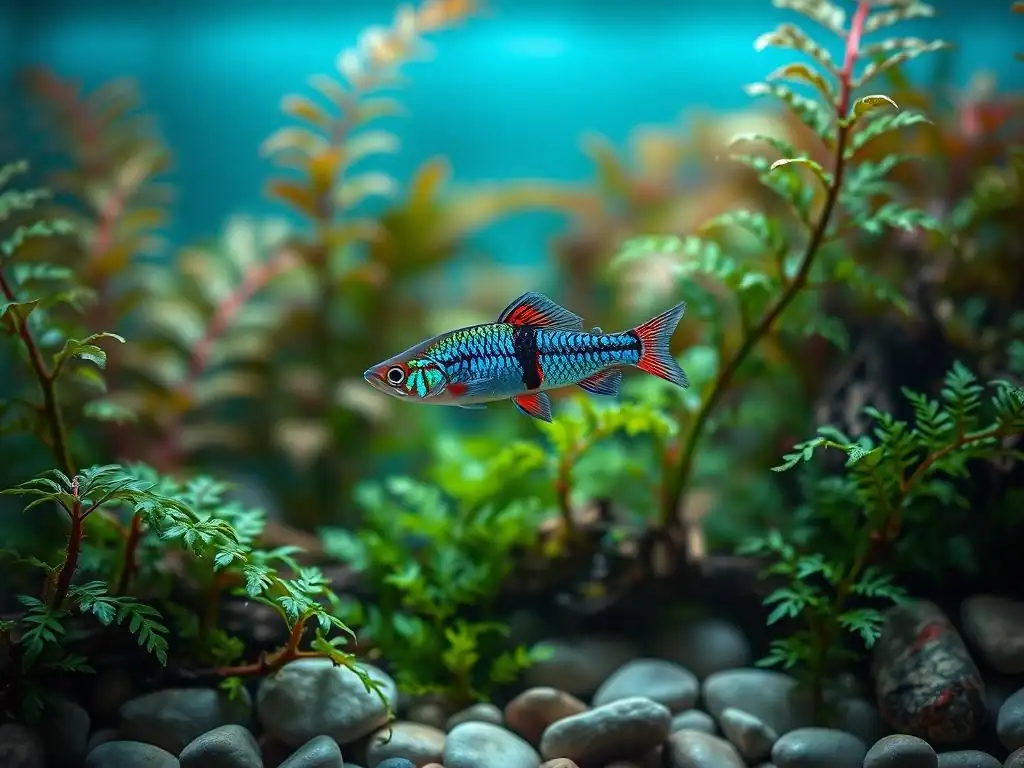
Before beginning your aquascape, thoroughly clean the aquarium with warm water only, avoiding any soaps or detergents that could leave harmful residues. Once clean, decide on the tank's final placement. Choose a sturdy, level surface that can support the considerable weight of a filled aquarium, and position it away from direct sunlight to minimize algae growth and temperature fluctuations.
Ensure the location is near electrical outlets for your equipment and consider accessibility for future maintenance. Placing a tank away from direct sunlight can reduce algae growth by up to 40% in some cases, simplifying long-term maintenance and contributing significantly to easier planted tank tetra care.
Installing Substrate, Hardscape, and Lighting
Begin by carefully adding your chosen substrate. If using a nutrient-rich base layer, spread it evenly before topping with a cap of inert sand or gravel, if desired. Next, arrange your hardscape elements—driftwood, rocks, and decorative stones. These elements not only add aesthetic appeal but also provide crucial hiding spots and anchor points for plants. Consider creating visual depth and interest by following principles like the rule of thirds.
Once the hardscape is in place, install your lighting fixture above the tank. Ensure it is securely mounted and positioned to provide even illumination. When placing hardscape, ensure at least 25-30% of the tank footprint remains open for swimming space, particularly for a schooling tetra shoal. This balance ensures both visual appeal and functional space for your fish.
Planting Your Aquarium: Techniques and Plant Placement
With the substrate and hardscape ready, it's time to introduce your plants. Start by preparing your plants: remove any rock wool or ties, trim unhealthy leaves, and gently separate larger clumps. Use aquascaping tweezers for precision, especially with smaller foreground plants. Plant taller, background plants towards the back and sides, midground plants in the middle, and low-growing carpeting plants in the foreground.
Create dense clusters and varied textures to mimic a natural environment, providing ample cover for your tetras. For epiphytic plants like Anubias or Java Fern, attach them to driftwood or rocks using fishing line or super glue, rather than burying their rhizomes in the substrate. Using a variety of plant heights and textures can increase biological diversity by 10-15%, offering more niche habitats and a richer environment for tetras.
Filling the Tank and Cycling: Establishing a Healthy Ecosystem
Once planting is complete, gently fill the tank with dechlorinated water. Place a plastic bag or plate on the substrate to diffuse the water flow and prevent disturbance. After filling, install your filter, heater, and CO2 system (if applicable), and ensure all equipment is functioning correctly. Now, the crucial cycling process begins.
This involves establishing the nitrogen cycle, where beneficial bacteria convert harmful ammonia and nitrite into less toxic nitrates. A fishless cycle, using an ammonia source, typically takes 4-6 weeks. During this period, regularly test water parameters (ammonia, nitrite, nitrate) until ammonia and nitrite consistently read zero.
A typical fishless cycle using ammonia dosing can take 4-6 weeks to establish a robust bacterial colony capable of processing 2-3 ppm of ammonia daily, ensuring a safe environment for your tetras. Only after the tank is fully cycled should you introduce your tetra shoal, ensuring a stable and healthy start to your planted tank tetra care journey.
Maintaining Your Planted Tank with Tetras: Routine Care
Water Changes: Keeping Your Tank Clean and Healthy
Regular water changes are fundamental to maintaining pristine water quality in a planted tank with tetras. While plants absorb nitrates, they cannot remove all pollutants, and essential minerals can become depleted over time. A weekly water change of 25-30% is generally recommended to replenish trace elements, remove accumulated nitrates, and eliminate other dissolved organic compounds that can build up.
Always use a reliable dechlorinator to treat tap water, and ensure the new water is roughly the same temperature as the tank water to prevent temperature shock for your tetras. Consistent weekly water changes of 25% can keep nitrate levels consistently below 20 ppm in a moderately stocked planted tank, significantly reducing stress on tetras and preventing the buildup of harmful substances, which is a cornerstone of effective planted tank tetra care.
Plant Trimming and Fertilization: Optimizing Plant Growth
To maintain the aesthetic and health of your planted tank, routine plant trimming is essential. Stem plants, in particular, will grow tall and bushy, requiring trimming to encourage bushier growth and prevent shading of lower plants. Use sharp aquascaping scissors for clean cuts. Fertilization is also crucial, as plants will eventually deplete nutrients from the substrate and water column.
Liquid fertilizers, root tabs, or a combination of both can be used to provide macro and micronutrients. It's important to balance nutrient addition to avoid excess, which can lead to algae blooms. Many planted tank enthusiasts report a 10-20% increase in plant density and vibrancy with consistent, balanced fertilization, which in turn creates a more robust and self-sustaining environment for your tetras.
Monitoring Water Parameters: Ensuring Well-being
Consistent monitoring of water parameters is a non-negotiable aspect of successful planted tank tetra care. Key parameters to regularly test include pH, ammonia, nitrite, nitrate, GH (General Hardness), and KH (Carbonate Hardness). For most tetras, ideal ranges are typically pH 6.0-7.0, GH 3-8 dGH, and KH 3-5 dKH. Ammonia and nitrite should always read zero after the tank is cycled.
Regular testing, perhaps weekly or bi-weekly after the initial cycling phase, allows you to detect any fluctuations or issues early, before they can negatively impact your fish or plants. Daily testing during the cycling phase and weekly testing post-cycle can help detect parameter swings within 24 hours, allowing for prompt correction and ensuring a stable environment that reduces stress and disease in your tetra shoal.
Algae Control
Algae are a common challenge in planted tanks, but they are often an indicator of an imbalance in light, nutrients, or CO2. Common types include green spot algae (often due to low phosphates or CO2), hair algae (excess nutrients, too much light), and black beard algae (fluctuating CO2, low flow). Effective algae control involves identifying the root cause and addressing it systematically.
Strategies include adjusting light duration (reducing to 6-8 hours), ensuring proper CO2 levels, increasing water changes to export excess nutrients, and introducing algae-eating inhabitants like Otocinclus catfish or Amano shrimp. Reducing light duration from 10 hours to 8 hours, for instance, can decrease the incidence of green spot algae by up to 50% in some planted tanks, demonstrating the impact of proper lighting management on planted tank tetra care.
Feeding Your Tetras in a Planted Tank Environment
Choosing the Right Food
Feeding your tetras a varied and high-quality diet is essential for their health, coloration, and overall vitality in a planted tank. Due to their small mouths, tetras require appropriately sized food. High-quality flake foods or micro-pellets formulated for small tropical fish should form the staple of their diet. Look for foods with good protein content and natural color enhancers.
Supplement their diet with frozen or live foods such as bloodworms, brine shrimp, and daphnia. These provide essential nutrients, encourage natural hunting behaviors, and can significantly boost their immune system and coloration. A varied diet, including both commercial foods and live/frozen supplements, can boost tetra coloration by 15-20% and improve breeding success rates, showcasing the importance of nutrition in planted tank tetra care.
Feeding Frequency and Amount: Preventing Overfeeding
Overfeeding is a common mistake that can quickly lead to poor water quality, elevated nitrate levels, and health issues for your tetras. It's generally best to feed your tetras small amounts 1-2 times daily. The rule of thumb is to offer only what they can consume completely within 2-3 minutes. Any uneaten food should be promptly removed to prevent it from decaying and polluting the water.
In a planted tank, excess food can also contribute to algae growth by releasing additional nutrients into the water column. Overfeeding is a leading cause of elevated nitrate levels, potentially increasing nitrates by 5-10 ppm per week in a 20-gallon tank if not managed. This highlights why careful feeding practices are a critical component of effective planted tank tetra care.
Supplementing Their Diet
To further enhance the health and vibrancy of your tetras, consider regularly supplementing their diet with specialized foods. Freeze-dried or frozen bloodworms and brine shrimp offer excellent protein and essential fatty acids, promoting robust growth and vivid colors. Live foods, if available and safe, provide the ultimate enrichment, stimulating their natural predatory instincts.
Spirulina flakes or pellets can also be offered periodically. Spirulina is a blue-green algae rich in vitamins, minerals, and carotenoids, which are known to enhance the red and blue pigments in fish. Offering live daphnia or brine shrimp once or twice a week can provide essential micronutrients and stimulate natural predatory instincts, promoting overall vigor and contributing to the optimal health of your tetras in a planted environment.
Common Issues and Solutions in Planted Tetra Tanks
Dealing with Algae Blooms
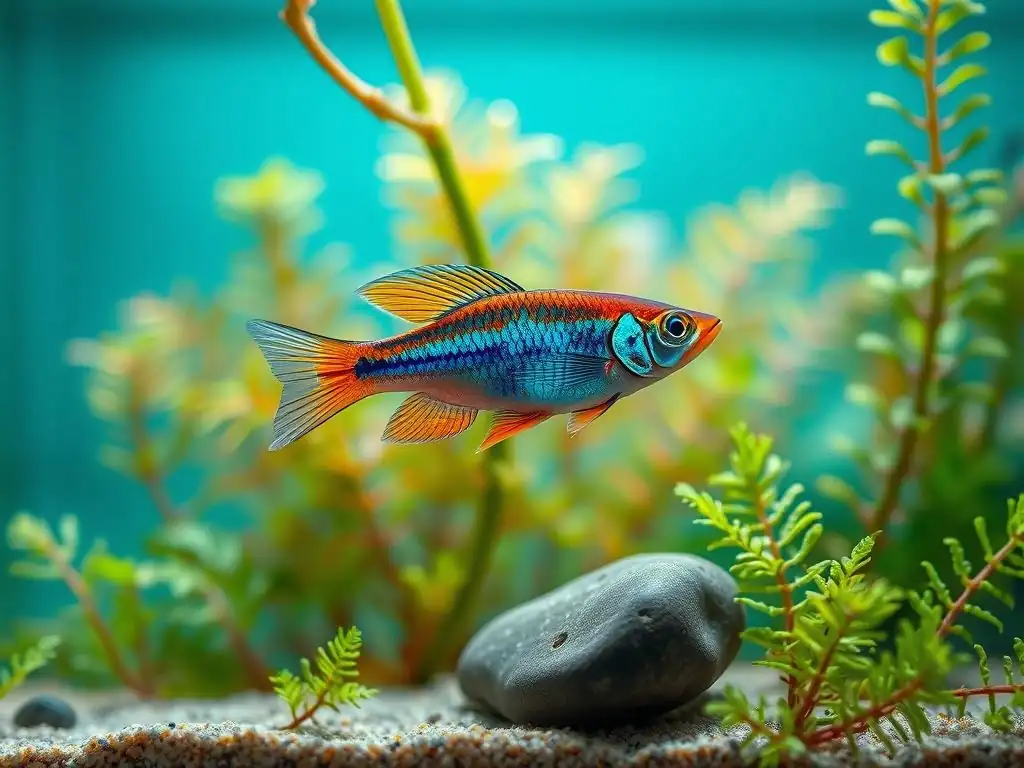
Algae blooms are a common frustration in planted tanks, often signaling an imbalance in the tank's ecosystem. Common causes include excessive lighting duration or intensity, an imbalance of nutrients (e.g., too much light with insufficient CO2 or nutrients), or insufficient water changes. Green spot algae, for example, often indicates low phosphate levels, while hair algae can suggest too much light or excess nutrients.
Solutions involve systematically addressing the root cause. This might include reducing your light photoperiod to 6-8 hours, ensuring consistent CO2 levels if you inject it, increasing water changes to export excess nutrients, or introducing algae-eating invertebrates like Amano shrimp or Nerite snails. Addressing the root cause of an algae bloom within 72 hours can prevent it from spiraling out of control and becoming a persistent problem, crucial for maintaining a healthy environment for planted tank tetra care.
Addressing Plant Deficiencies
Just like any living organism, aquatic plants require a balanced array of nutrients to thrive. Deficiencies manifest as visible symptoms on your plants, providing clues to what they are lacking. Yellowing leaves, particularly in new growth, often indicate an iron deficiency. Stunted growth or pale, older leaves can point to a lack of nitrogen or potassium. Holes in leaves might suggest a potassium deficiency.
Addressing these issues involves targeted fertilization. Liquid fertilizers provide nutrients to the water column, while root tabs deliver nutrients directly to the substrate for heavy root feeders. Regular water testing can also reveal nutrient imbalances. Iron deficiency, characterized by yellowing new growth, can reduce a plant's photosynthetic efficiency by up to 30%, directly impacting the tank's overall health and aesthetic, making proper plant nutrition a key part of planted tank tetra care.
Recognizing and Treating Tetra Diseases
Despite the benefits of a planted tank, tetras can still fall victim to common fish diseases, often triggered by stress, poor water quality, or the introduction of new, unquarantined fish. Common ailments include Ich (Ichthyophthirius multifiliis), characterized by white spots on the body and fins, and fin rot, where fins appear frayed or ragged. Dropsy, indicated by a swollen body and scales protruding outwards, is a more serious internal bacterial infection.
Early recognition and prompt action are vital. Isolate affected fish in a quarantine tank if possible to prevent spread and treat them with appropriate medications. More importantly, focus on improving water parameters, maintaining stable temperatures, and reducing stress in the main tank, as these are critical preventative measures. Maintaining stable water parameters and low stress levels can reduce the incidence of common fish diseases by over 50%, highlighting the preventative power of excellent planted tank tetra care.
Troubleshooting Cloudy Water
Cloudy water can be a frustrating issue in any aquarium, including planted tetra tanks, and can have several causes. In new setups, a milky cloudiness often indicates a bacterial bloom, part of the natural cycling process as beneficial bacteria multiply. This usually resolves on its own within a few days. Other causes include decaying organic matter (uneaten food, dead plants), disturbed substrate, or insufficient filtration.
Solutions depend on the cause. For bacterial blooms, ensure good oxygenation and avoid overfeeding; patience is key. For decaying matter, perform a water change and thoroughly vacuum the substrate. Ensure your filter is adequately sized and properly maintained. A bacterial bloom in a new tank can typically clear within 3-7 days with good oxygenation and minimal disturbance, demonstrating that many issues can resolve with proper management and time in planted tank tetra care.
Aquascaping Ideas
Creating Natural-Looking Habitats
Aquascaping your planted tank is an art form that transforms your aquarium into a miniature underwater landscape, greatly enhancing the environment for your tetra shoal. The goal is often to create natural-looking habitats that mimic rivers, forests, or open plains, providing both aesthetic beauty and functional space for your fish. Consider the "golden ratio" or "rule of thirds" to position key elements like large rocks or driftwood, creating visual balance and focal points.
Using varying heights of plants—tall background plants, mid-height bushier plants, and low-growing foreground carpets—adds depth and perspective. This layered approach not only looks appealing but also provides diverse hiding spots and territories for your tetras. Using the "rule of thirds" in aquascaping can lead to a more balanced and visually appealing layout for over 70% of viewers, making your planted tank a true centerpiece for optimal planted tank tetra care.
Incorporating Driftwood and Rocks
Driftwood and rocks are indispensable elements in planted aquascapes, offering both structural interest and biological benefits. Driftwood, such as Malaysian, Manzanita, or Spider wood, provides a natural anchor for epiphytic plants like Anubias and Java Fern, and its intricate shapes create numerous hiding spots and territorial boundaries for your tetras. Many types of driftwood also release beneficial tannins, which can slightly lower pH and tint the water, mimicking the blackwater conditions preferred by many tetra species.
Rocks, like Seiryu stone, Dragon stone, or lava rock, add texture and elevation, allowing for creative hardscape designs. They can be used to build caves, define pathways, or create dramatic slopes. Driftwood can slowly release beneficial humic substances and tannins, which can slightly lower pH and tint water, mimicking natural blackwater conditions preferred by many tetras, further enhancing the suitability of your tank for excellent planted tank tetra care.
Aquascaping Styles
Exploring different aquascaping styles can inspire your planted tank design. The Dutch style is characterized by dense groupings of various plant species, arranged in contrasting colors and textures, with little to no hardscape visible. It's a vibrant, colorful "underwater garden" that requires meticulous trimming and nutrient management.
The Nature Aquarium style, popularized by Takashi Amano, seeks to replicate natural landscapes, often featuring sparse yet impactful hardscape elements (rocks, driftwood) combined with carefully selected plants to create a sense of depth and wild beauty. The Iwagumi style is a minimalist approach, focusing primarily on a few carefully placed rocks (often three) as the main hardscape, with a carpeting plant covering the foreground.
The Dutch style, with its emphasis on diverse plant species and colors, can support a higher biomass of beneficial bacteria compared to less densely planted tanks, contributing to a more robust ecosystem for your tetras. Choosing a style that resonates with your vision and provides ample space and cover for your tetras is key to successful planted tank tetra care.
Conclusion: Enjoying Your Thriving Planted Tank with Happy Tetras.
Creating and maintaining a planted tank for your tetra shoal is a rewarding endeavor that transforms a simple aquarium into a vibrant, living ecosystem. By understanding the intricate balance between aquatic plants and your fish, you provide an environment that not only mirrors their natural habitat but also actively contributes to their health and well-being. From the natural filtration provided by plants to the psychological security of dense foliage, every element works in concert to foster thriving tetras.
The journey of planted tank tetra care is continuous, involving careful planning, consistent maintenance, and a keen eye for detail. However, the reward—a dazzling display of colorful tetras darting through lush greenery—is immeasurable. With dedication, your planted tank will become a source of endless fascination and a testament to the beauty of a perfectly balanced aquatic world, ensuring your tetras live long, happy, and vibrant lives.
Frequently Asked Questions
How do I choose the right plants for a planted tank with tetras?
When selecting plants, prioritize those that offer ample cover for your tetras and are compatible with their water parameters. Amazon swords and Java fern are excellent choices.
What are the ideal water parameters for a planted tank housing tetras?
Tetras thrive in slightly acidic water, typically with a pH between 6.0 and 7.0. Maintain a stable temperature around 75-80°F (24-27°C) and ensure excellent water quality through regular water changes.
How often should I perform water changes in my planted tank with tetras?
Regular water changes are crucial. Aim for 25-50% water changes every 1-2 weeks to remove nitrates and maintain optimal water quality for both your plants and tetras.
What type of substrate is best for a planted tank with tetras?
A nutrient-rich substrate is essential for plant growth. Consider using aquarium soil or a substrate specifically designed for planted tanks to provide the necessary nutrients for your aquatic plants.
What should I feed my tetras in a planted tank environment?
Offer a varied diet consisting of high-quality flake food, supplemented with live or frozen foods like daphnia or bloodworms. Avoid overfeeding to prevent water quality issues in the planted tank.
Final Reflection: Cultivating Harmony Beneath the Surface
The journey of creating a thriving planted tank for tetra shoals, as we've explored, is more than just assembling equipment and adding fish. It's about understanding and replicating a miniature ecosystem, a delicate balance where plants and fish coexist in symbiotic harmony. This pursuit of aquatic equilibrium resonates deeply today, as we increasingly recognize the importance of biodiversity and sustainable practices in all aspects of our lives.
This endeavor, the creation of a living, breathing artwork within our homes, reflects a deeper yearning to connect with nature and find tranquility amidst the chaos of modern life. The dedication and patience required to nurture a planted tank mirrors the commitment needed to foster growth and well-being in ourselves and our communities. In nature, nothing is perfect and everything is perfect. Trees can be contorted, bent in weird ways, and they're still beautiful.
- Alice Walker. This quote perfectly encapsulates the beauty found in the imperfections and natural processes within a planted tank, and within ourselves.
Now, as you consider the potential of your own planted tank, I invite you to reflect on the broader implications of this microcosm. How can you apply the principles of balance, patience, and nurturing that you've learned here to cultivate harmony in other areas of your life? Embrace the challenge, experiment with creativity, and let the serene beauty of your planted tank inspire you to create a more balanced and fulfilling world around you.
Ignite Your Aquarium Passion: Design the Tetra Paradise!
Thank you for diving into the world of planted aquariums! Now that you've learned how to create the perfect haven for your tetra shoal, it's time to bring your vision to life. Ready to transform your tank into a vibrant underwater ecosystem?
Here's how to take the next steps:
- Prioritize your plants. Identify the best locations within your aquarium for light-loving plants and shade-tolerant varieties. This is the most crucial element to ensure a thriving, balanced environment for your tetras.
- Explore the unexpected: Try introducing a unique, natural element like carefully selected driftwood or river rocks to add visual interest and create hiding spots for your tetras.
- Share your progress! Post photos of your planted tetra tank setup on social media using #AquariumMastery and inspire others to join the planted aquarium movement.
What unique plant combination will you use to create a truly breathtaking aquascape for your tetras?