
Essential Water Parameters for African Rift Lake Cichlids: pH, GH, KH & Temp

Welcome to Aquarium Mastery!
Dive into the fascinating world of freshwater aquariums and unlock the secrets to a thriving aquatic ecosystem. Ever wondered how to perfectly replicate the unique environment of African Rift Lake cichlids? Our comprehensive guide to Rift lake cichlid water chemistry will equip you with the knowledge to maintain optimal pH, GH, KH, and temperature, ensuring the health and vibrancy of your prized fish. Explore further and discover the key to their long-term well-being!
- Essential Water Parameters for African Rift Lake Cichlids: pH, GH, KH & Temperature
- Understanding Rift Lake Cichlid Water Chemistry
- pH: Maintaining Optimal Acidity
- GH: General Hardness and Its Role
- KH: Carbonate Hardness and pH Buffering
- Temperature: The Right Heat
- Achieving and Maintaining Ideal Water Chemistry: A Summary
- Troubleshooting Common Issues
- Advanced Techniques
- Conclusion: Mastering Water Parameters
-
Frequently Asked Questions
- What are the essential water parameters for keeping African Rift Lake Cichlids healthy?
- Why is proper pH so important for Rift Lake Cichlids?
- How does GH (General Hardness) affect Rift Lake Cichlids?
- What role does KH (Carbonate Hardness) play in a Rift Lake Cichlid tank?
- How can I maintain stable water parameters for my Rift Lake Cichlids?
- Final Reflection: The Delicate Balance of Life
- Dive Deeper: Transform Your Cichlid Tank Today!
Essential Water Parameters for African Rift Lake Cichlids: pH, GH, KH & Temperature
Understanding Rift Lake Cichlid Water Chemistry
Why Water Parameters Matter for African Cichlids
Maintaining precise and stable water parameters is not merely a recommendation; it is an absolute necessity for the health, vibrant coloration, successful breeding, and overall longevity of African cichlids. These fascinating fish, particularly those from the Great Rift Lakes, are highly sensitive to fluctuations in their environment. Even slight or sudden changes in water chemistry can induce severe stress, weakening their immune systems and making them highly susceptible to diseases like bloat, fin rot, and parasitic infections, ultimately leading to premature death.
By diligently managing the Rift lake cichlid water chemistry in your aquarium, you are effectively replicating the stable, unique conditions of their natural habitats. This meticulous approach minimizes physiological stress on the fish, allowing them to display their natural behaviors, brilliant colors, and thrive in an environment that truly supports their well-being. A consistent aquatic environment is the cornerstone of successful African cichlid keeping.
The Unique Water Chemistry of African Rift Lakes: Malawi, Tanganyika, and Victoria
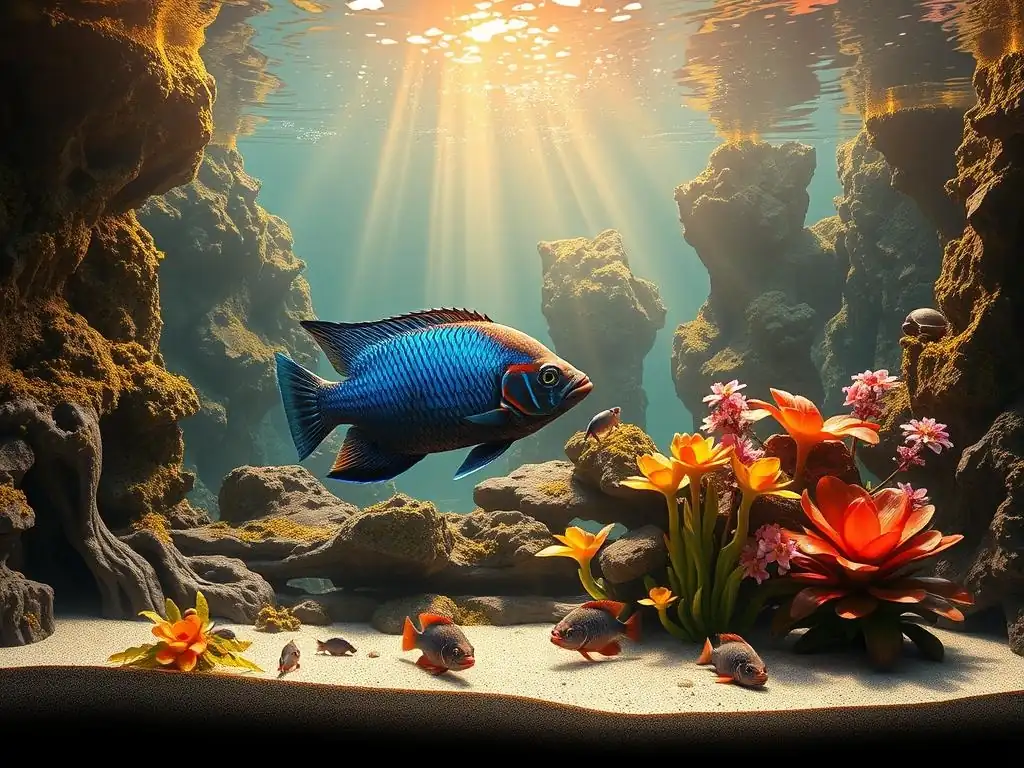
The three major African Rift Lakes – Malawi, Tanganyika, and Victoria – are renowned for their highly alkaline and hard water conditions, a direct result of their geological origins. These ancient lakes are vast, deep, and relatively stable in terms of temperature and water chemistry, which has allowed for the evolution of thousands of endemic cichlid species. Understanding the distinct parameters of each lake is fundamental to replicating optimal Rift lake cichlid water chemistry in your home aquarium.
Lake Malawi, home to species like Mbuna and Peacock cichlids, typically exhibits a pH range of 7.8 to 8.6, a General Hardness (GH) of approximately 4-6 dGH (degrees of General Hardness), and a Carbonate Hardness (KH) of 6-8 dKH. Lake Tanganyika, known for species such as Tropheus and Frontosa, boasts even higher alkalinity and hardness, with pH values generally between 8.0 and 9.2, GH ranging from 7-11 dGH, and KH between 10-16 dKH.
Lake Victoria, though less common for cichlid imports, also features hard, alkaline water, with a pH of 7.2-8.6, GH of 2-4 dGH, and KH of 3-5 dKH. All three lakes maintain relatively warm temperatures, typically between 24-28°C (75-82°F).
pH: Maintaining Optimal Acidity
Ideal pH Range for African Rift Lake Cichlids
The pH level, a measure of acidity or alkalinity, is perhaps the most critical parameter when discussing Rift lake cichlid water chemistry. For Lake Malawi cichlids (Mbuna and Peacocks), the ideal pH range is generally between 7.8 and 8.6. Species originating from Lake Tanganyika, such as Tropheus, Julidochromis, and Frontosa, thrive in an even higher pH range, typically from 8.0 to 9.2. It's crucial to research the specific pH requirements for the particular cichlid species you intend to keep, as even within these broad categories, slight variations can exist.
While these ranges provide a guideline, the paramount importance lies in maintaining consistency. A stable pH, even if slightly outside the absolute "ideal" for a brief period, is far less stressful for cichlids than wild fluctuations. Rapid shifts of even 0.2-0.3 pH units in a short period can induce pH shock, leading to severe health complications and potentially death. Therefore, the goal is not just to hit a target pH, but to ensure that target remains incredibly stable.
The Importance of pH Stability
pH stability is non-negotiable for African Rift Lake cichlids due to their extreme sensitivity to environmental changes. In their natural habitats, the vast volume of water in the lakes ensures virtually no pH fluctuations. In an aquarium, however, biological processes like nitrification (the breakdown of ammonia to nitrite and then nitrate) constantly produce acids, which can steadily lower pH over time if not adequately buffered. This acid accumulation, coupled with inconsistent water changes or the use of unbuffered source water, can lead to dangerous pH swings.
When pH fluctuates dramatically, cichlids experience severe physiological stress. Their delicate gill membranes can be damaged, affecting their ability to properly absorb oxygen and expel waste. This stress compromises their immune system, making them highly susceptible to common cichlid ailments such as Malawi bloat, a deadly internal parasitic infection. Ensuring a robust buffering capacity in your aquarium water, primarily through Carbonate Hardness (KH), is vital to prevent these hazardous pH shifts and maintain healthy Rift lake cichlid water chemistry.
How to Raise pH in Your African Cichlid Aquarium
For most African Rift Lake cichlid setups, the primary challenge is maintaining a high and stable pH. Several methods can be employed to effectively raise and buffer pH, mimicking the natural Rift lake cichlid water chemistry. The most popular and natural approaches involve the use of calcium carbonate-rich materials.
Substrates like crushed coral or aragonite sand are excellent long-term solutions. These materials slowly dissolve, releasing calcium and carbonate ions into the water, which naturally increase both pH and buffering capacity. A layer of 1-2 inches of aragonite sand can effectively maintain a pH between 8.0 and 8.4 in many setups. Additionally, incorporating limestone or tufa rock into your aquascape also contributes to raising and stabilizing pH and hardness.
For more immediate, controlled adjustments, commercial cichlid buffers containing carbonate salts can be used. Sodium bicarbonate (baking soda) can provide a temporary boost; adding about 1 teaspoon per 10 gallons of water can raise KH by approximately 2-3 dKH and slightly increase pH, but it's not a long-term buffering solution on its own. Always add slowly and monitor closely.
How to Lower pH (Generally Not Recommended)
For African Rift Lake cichlids, the need to lower pH is exceedingly rare and generally not recommended. These species have evolved over millennia in highly alkaline environments, and their physiology is specifically adapted to high pH levels. Attempting to significantly lower the pH from their preferred range can cause immense stress, weaken their immune systems, and lead to serious health problems, including severe osmotic imbalance.
Methods typically used to lower pH in other aquarium types, such as the addition of peat, driftwood, or using reverse osmosis (RO) water without remineralization, are fundamentally unsuitable for maintaining optimal Rift lake cichlid water chemistry. While RO water can dilute existing minerals, it creates water with virtually no buffering capacity, making it highly unstable and prone to dangerous pH crashes unless specific buffering agents are added back. The focus should always be on maintaining the naturally high and stable pH that these fish require.
GH: General Hardness and Its Role
Understanding General Hardness (GH)
General Hardness (GH) refers to the concentration of dissolved divalent metallic ions in water, primarily calcium (Ca²⁺) and magnesium (Mg²⁺). These minerals are crucial for the overall health and physiological functions of fish. Unlike Carbonate Hardness (KH), which is specifically about buffering capacity, GH relates to the total mineral content that affects osmotic regulation within the fish's body.
Proper GH levels are essential for healthy bone development, muscle function, and critical enzymatic processes in African cichlids. It plays a vital role in maintaining the osmotic balance between the fish's internal fluids and the surrounding water. If the GH is too low, fish may struggle with osmotic regulation, leading to stress and susceptibility to disease. Therefore, understanding and maintaining appropriate GH is a key component of optimal Rift lake cichlid water chemistry.
Ideal GH Levels for African Rift Lake Cichlids
The ideal General Hardness (GH) levels for African Rift Lake cichlids vary slightly depending on their lake of origin, mirroring the natural Rift lake cichlid water chemistry. For species from Lake Malawi, a GH range of 4-6 dGH (approximately 70-100 ppm) is generally recommended. This range provides sufficient mineral content for their physiological needs without being excessively high.
Lake Tanganyika cichlids, adapted to even harder water, thrive in a GH range of 7-11 dGH (approximately 120-200 ppm). For the less commonly kept Lake Victoria cichlids, a slightly softer GH of 2-4 dGH (35-70 ppm) is more appropriate. Regular testing of your aquarium's GH is essential to ensure these vital minerals are present in the correct concentrations, contributing significantly to the overall well-being of your cichlids.
Increasing GH: Using Supplements and Minerals
If your source water is naturally soft or you are using purified water (like RO/DI water) that lacks essential minerals, you will need to increase the General Hardness (GH) to match the requirements of African Rift Lake cichlids. There are several effective ways to achieve this, contributing to robust Rift lake cichlid water chemistry.
One common method is the use of Epsom salts (magnesium sulfate). Adding approximately 1 teaspoon of Epsom salt per 10 gallons of aquarium water can increase the GH by about 3 dGH. Calcium chloride can also be used to raise GH, though it's often included in commercial cichlid mineral supplements.
Many reputable aquarium brands offer specific GH boosters formulated for cichlid tanks, which provide a balanced blend of calcium and magnesium salts. When adding any GH-increasing supplement, it is crucial to do so gradually over several hours or days, testing the water frequently to avoid sudden spikes that could stress your fish.
Decreasing GH: Is it Necessary?
In the context of African Rift Lake cichlids, decreasing General Hardness (GH) is rarely necessary, and in most cases, it is actively discouraged. These fish originate from environments characterized by very hard water, and their biological systems are specifically adapted to these conditions. Attempting to significantly lower GH in an established cichlid tank could lead to severe osmotic stress and health complications.
The only scenario where decreasing GH might be considered is if your tap water is exceptionally hard, exceeding the natural parameters of the Rift Lakes (e.g., above 15 dGH consistently). In such extreme cases, blending your tap water with purified reverse osmosis (RO) or deionized (DI) water could be an option.
However, if using RO/DI water, it is absolutely critical to remineralize it with appropriate cichlid-specific salts to achieve the desired GH, KH, and pH before adding it to the aquarium. This ensures that the essential minerals required for Rift lake cichlid water chemistry are still present, just at a more controlled level.
KH: Carbonate Hardness and pH Buffering
What is Carbonate Hardness (KH)?
Carbonate Hardness (KH), also known as alkalinity, measures the concentration of carbonates and bicarbonates dissolved in the water. While often confused with GH, KH serves a distinctly different and crucial function in an aquarium: it acts as a primary pH buffer. This means KH has the vital role of neutralizing acids that are naturally produced in the aquarium, thereby preventing drastic and dangerous fluctuations in pH.
The biological filtration process, specifically nitrification, continuously produces nitric acid as ammonia and nitrite are converted into nitrate. Without sufficient KH, these acids would quickly deplete the buffering capacity of the water, leading to a rapid and potentially fatal drop in pH, often referred to as a "pH crash." Therefore, a robust KH level is absolutely essential for maintaining stable and healthy Rift lake cichlid water chemistry.
Ideal KH Levels for African Rift Lake Cichlid Aquariums
The ideal Carbonate Hardness (KH) levels for African Rift Lake cichlids are directly linked to their natural habitats and are crucial for maintaining stable pH. For Lake Malawi cichlids, a KH range of 6-8 dKH (approximately 100-140 ppm) is generally recommended. This level provides ample buffering capacity to counteract the acidic byproducts of biological processes.
For Lake Tanganyika cichlids, which thrive in even more alkaline conditions, a higher KH range of 10-16 dKH (approximately 180-280 ppm) is ideal. Lake Victoria cichlids typically require a KH of 3-5 dKH (50-90 ppm). Maintaining these specific KH ranges is paramount to preventing pH swings and ensuring that the Rift lake cichlid water chemistry remains consistently within safe and healthy parameters for your fish.
Buffering Capacity: Preventing pH Swings
The buffering capacity provided by Carbonate Hardness (KH) is arguably the most critical aspect of Rift lake cichlid water chemistry. Think of KH as a sponge for acids: it absorbs acidic compounds released into the water, preventing them from directly impacting the pH level. Without adequate KH, even small amounts of acid, such as those from fish respiration, decomposing organic matter, or the beneficial nitrification process, can cause the pH to plummet rapidly.
A sudden drop in pH, or a "pH crash," is highly detrimental to cichlids. It can lead to severe stress, damage to gills, and even death within hours. This is particularly dangerous in established tanks where nitrate levels might be accumulating and biological activity is high. By maintaining a stable and sufficient KH level, aquarists ensure that their aquarium water can effectively resist pH changes, providing a consistently safe and hospitable environment for their African cichlids.
Raising KH: Using Buffers and Additives
If your aquarium's Carbonate Hardness (KH) is consistently low, it indicates insufficient buffering capacity, which puts your African cichlids at risk of pH instability. Fortunately, several effective methods exist to safely raise and maintain KH, contributing to ideal Rift lake cichlid water chemistry.
One of the simplest and most common additives is sodium bicarbonate, or plain baking soda. Adding approximately 1 teaspoon of baking soda per 10 gallons of aquarium water can increase the KH by about 2-3 dKH. However, this is often a temporary solution. For more sustained buffering, incorporating calcium carbonate-rich materials like crushed coral, aragonite sand, or limestone rock into your substrate or aquascape is highly effective.
These materials slowly dissolve, continuously releasing carbonate ions. Commercial cichlid buffers are also available, specifically formulated to raise both KH and pH to the desired levels for Rift Lake species. Always add these products gradually and monitor your KH and pH levels closely to avoid overshooting your target.
Maintaining Stable KH Levels
Achieving the ideal Carbonate Hardness (KH) is only half the battle; maintaining its stability is equally, if not more, important for healthy Rift lake cichlid water chemistry. KH is gradually consumed as it neutralizes acids produced by biological processes in the aquarium, necessitating regular replenishment.
The most effective strategy for maintaining stable KH levels involves a combination of regular water changes with appropriately buffered water and the continuous presence of buffering materials within the tank. Performing weekly or bi-weekly partial water changes (e.g., 25-30%) with water that has a similar or slightly higher KH than your target range helps to replenish depleted carbonates.
Additionally, utilizing substrates like aragonite or crushed coral, and incorporating limestone or tufa rock into your aquascape, provides a natural, slow-release source of carbonates, helping to continuously buffer the water and prevent sudden drops in KH. Consistent monitoring with a reliable KH test kit is crucial to proactively address any downward trends before they become problematic.
Temperature: The Right Heat
Optimal Temperature Range for African Rift Lake Cichlids
While pH, GH, and KH define the chemical aspects of Rift lake cichlid water chemistry, temperature is an equally vital physical parameter that directly impacts fish metabolism and overall well-being. African Rift Lake cichlids are tropical fish and require consistently warm water.
For most species from Lake Malawi and Lake Tanganyika, the optimal temperature range is generally between 24-28°C (75-82°F). Lake Victoria cichlids also thrive within this range, typically preferring 24-27°C (75-80°F). Maintaining a temperature within this sweet spot ensures optimal metabolic rates, promotes healthy digestion, and supports a robust immune system. Temperatures outside this range can stress the fish, making them lethargic if too cool or overly active and susceptible to oxygen deprivation if too warm.
Importance of Consistent Water Temperature
Consistency in water temperature is as crucial as the correct temperature range itself. African Rift Lake cichlids are highly sensitive to sudden temperature fluctuations, which can induce significant stress, weaken their immune systems, and make them prone to various diseases. Even a drop or rise of a few degrees Celsius in a short period can be detrimental.
Fluctuations can occur due to unheated top-off water, faulty heaters, or significant changes in room temperature. When the temperature fluctuates, the fish's metabolic rate is constantly adjusting, which expends valuable energy and compromises their ability to fight off pathogens. Therefore, beyond setting the right temperature, ensuring its unwavering stability is a cornerstone of proper Rift lake cichlid water chemistry management.
Choosing the Right Heater
Selecting the appropriate heater is paramount for maintaining the stable temperatures African Rift Lake cichlids require. A general rule of thumb for heater sizing is to provide 3-5 watts of heating power per gallon of aquarium water. For example, a 50-gallon tank would typically require a 150-250 watt heater.
It is often recommended to use two smaller heaters rather than one large one in tanks over 75 gallons. This provides more even heat distribution throughout the aquarium and offers a crucial layer of redundancy: if one heater fails, the other can still maintain a reasonable temperature, preventing a catastrophic temperature drop. Always choose a fully submersible, adjustable heater from a reputable brand, and ensure it is adequately sized for your tank volume to prevent overworking the unit or inadequate heating.
Monitoring Water Temperature
Regular and accurate monitoring of water temperature is an indispensable part of maintaining ideal Rift lake cichlid water chemistry. Relying solely on the heater's thermostat can be risky, as these can sometimes be inaccurate or fail.
It is highly recommended to use a separate, reliable thermometer placed at the opposite end of the tank from the heater to ensure consistent temperature readings across the entire aquarium. Both digital and traditional glass thermometers are available, but digital thermometers often provide more precise and easily readable measurements. Check the temperature daily, especially during routine maintenance or after any changes to the electrical setup. Being vigilant about temperature monitoring allows for prompt intervention if any fluctuations occur, safeguarding the health of your African cichlids.
Achieving and Maintaining Ideal Water Chemistry: A Summary
Regular Water Testing
Regular water testing is the foundation of successful African cichlid keeping and the cornerstone of managing Rift lake cichlid water chemistry. It provides the crucial data needed to understand your aquarium's current state and to identify any trends or issues before they become critical. For new setups or tanks experiencing issues, weekly testing is advisable. For established, stable tanks, testing every two weeks to a month is usually sufficient.
Key parameters to test include pH, General Hardness (GH), Carbonate Hardness (KH), Ammonia, Nitrite, and Nitrate. While test strips offer convenience, liquid reagent test kits are generally far more accurate and provide a clearer picture of your water parameters. Consistent testing allows you to track changes over time, understand how your maintenance routine impacts the water, and make informed adjustments to keep your cichlids thriving in their ideal environment.
Water Changes: Maintaining Stability
Regular partial water changes are one of the most effective and fundamental practices for maintaining stable and healthy Rift lake cichlid water chemistry. While biological filtration handles ammonia and nitrite, nitrates accumulate over time and can only be effectively removed through water changes. Beyond nitrate reduction, water changes also replenish essential minerals that contribute to GH and KH, which are slowly depleted through biological processes and fish uptake.
For most African cichlid tanks, a weekly or bi-weekly water change of 25-30% of the tank volume is recommended. It is crucial to condition the new water and, most importantly, to ensure its parameters (pH, GH, KH, and temperature) closely match those of the water already in the aquarium. Drastic differences between old and new water can induce shock and stress in your cichlids. Consistent water changes prevent the buildup of harmful substances and help maintain the vital mineral balance that these fish require.
Choosing the Right Substrate: Aragonite and Crushed Coral
The choice of substrate plays a significant role in naturally influencing and maintaining the desired Rift lake cichlid water chemistry. For African Rift Lake cichlids, aragonite sand and crushed coral are highly recommended over inert substrates like regular play sand or gravel.
Both aragonite and crushed coral are primarily composed of calcium carbonate (CaCO₃). They slowly dissolve over time, releasing calcium ions (Ca²⁺) and carbonate ions (CO₃²⁻) into the water. This natural dissolution process effectively increases both the General Hardness (GH) and Carbonate Hardness (KH) of the water, while also helping to buffer and maintain a high, stable pH. Aragonite sand is often preferred for its finer grain size, which is less abrasive for bottom-dwelling cichlids, and its aesthetic appeal, mimicking the natural lake beds. A layer of 1-2 inches of either substrate can provide significant long-term buffering benefits.
The Role of Rockwork: Limestone and Tufa Rock
Beyond substrate, the type of rockwork used in an African cichlid aquarium also contributes significantly to the desired Rift lake cichlid water chemistry. Limestone and tufa rock are excellent choices, serving a dual purpose: providing essential hiding spots and territories for the cichlids, and naturally enhancing water parameters.
These rocks are also primarily composed of calcium carbonate, similar to aragonite and crushed coral. As they are submerged in the aquarium water, they slowly release calcium and carbonate ions, contributing to increased GH and KH, and helping to buffer the pH. Examples of popular types include Lace Rock and Texas Holey Rock, both of which are forms of limestone. Their porous nature also provides additional surface area for beneficial nitrifying bacteria to colonize, further aiding in biological filtration. When selecting rockwork, ensure it is aquarium-safe and free of sharp edges that could injure your fish.
Troubleshooting Common Issues
Identifying and Addressing pH Fluctuations
pH fluctuations are a common and serious issue in African cichlid aquariums, often indicative of an underlying problem with the Rift lake cichlid water chemistry. Symptoms in fish can include lethargy, clamped fins, darting movements, rapid breathing, and a general loss of color. The primary cause of pH fluctuations is typically insufficient Carbonate Hardness (KH), which means the water lacks the buffering capacity to neutralize the acids produced by the aquarium's biological processes. Other causes can include large, infrequent water changes with unbuffered source water or severe overstocking leading to excessive waste production.
To address pH fluctuations, the immediate step is to test KH levels. If low, gradually increase KH using methods like adding baking soda (1 tsp per 10 gallons, slowly over hours) or commercial cichlid buffers. For a long-term solution, incorporate buffering substrates like crushed coral or aragonite, and limestone rockwork. Ensure regular, smaller water changes (e.g., 25% weekly) with water matched to the tank's parameters to prevent sudden shifts and maintain consistent Rift lake cichlid water chemistry.
Dealing with Low KH and pH Crashes
A critically low Carbonate Hardness (KH) level is a precursor to a dangerous pH crash, where the pH plummets rapidly and often without warning. Symptoms of an impending crash might be subtle, but during a crash, fish will exhibit severe signs of stress, including gasping at the surface, erratic swimming, loss of balance, and rapid deterioration. The main cause is the exhaustion of the water's buffering capacity due to the continuous production of acids in the aquarium, often exacerbated by infrequent water changes or an absence of buffering materials.
If a pH crash occurs, immediate, but gradual, intervention is crucial. Do not attempt large, rapid pH adjustments. Instead, slowly add small amounts of sodium bicarbonate (baking soda), about 1/4 teaspoon per 10 gallons, every few hours, while constantly monitoring the pH and KH. The goal is to slowly raise the pH by no more than 0.2-0.3 units per hour. For prevention, consistently monitor KH, perform regular water changes with buffered water, and utilize calcium carbonate-rich substrates and rockwork to provide continuous buffering, ensuring stable Rift lake cichlid water chemistry.
Managing High Nitrate Levels
While not directly a parameter of hardness or pH, high nitrate levels significantly impact overall water quality and fish health, making their management integral to comprehensive Rift lake cichlid water chemistry. Nitrates are the final product of the nitrogen cycle and, while less toxic than ammonia or nitrite, can cause chronic stress, suppress the immune system, stunt growth, and contribute to excessive algae growth if allowed to accumulate. Levels consistently above 20-40 ppm are generally considered problematic for cichlids.
The primary causes of high nitrates are overfeeding, overstocking, and insufficient water changes. To manage high nitrate levels, the most effective solution is to increase the frequency and volume of partial water changes (e.g., 30-50% weekly). Additionally, reduce feeding amounts to prevent excess food decomposition, ensure your filtration system (especially biological filtration) is adequate for your tank's bioload, and consider adding fast-growing live plants in the sump or compatible with cichlids to absorb nitrates. Implementing these practices will help maintain cleaner water and support overall Rift lake cichlid water chemistry.
Addressing Cloudy Water
Cloudy water is a common aquarium problem that can indicate various issues impacting overall water quality and, by extension, Rift lake cichlid water chemistry. There are several types of cloudiness:
- Milky or hazy cloudiness often signifies a bacterial bloom, common in new tanks during the cycling process or in established tanks after a significant disturbance (e.g., large water change, filter cleaning).
- Green cloudiness points to an algal bloom, usually caused by excess nutrients (like nitrates and phosphates) and too much light.
- Dusty or particulate cloudiness can be from fine substrate particles, decaying organic matter, or insufficient mechanical filtration.
To address cloudy water, first identify the type. For bacterial blooms, patience and consistent water changes (20-25% every few days) are usually best, avoiding overfeeding. For green water, reduce lighting periods, perform water changes, and consider a UV sterilizer. For particulate cloudiness, ensure proper mechanical filtration (e.g., filter floss), vacuum the substrate thoroughly, and perform water changes. Always avoid adding chemical clarifiers as a first resort, as they can sometimes precipitate problems for sensitive cichlids.
Advanced Techniques
Using Aragonite to Buffer pH and Increase Hardness
Aragonite is a naturally occurring form of calcium carbonate (CaCO₃) that is highly effective for maintaining the specific Rift lake cichlid water chemistry required by African cichlids. Its chemical composition allows it to slowly dissolve in aquarium water, continuously releasing calcium (Ca²⁺) and carbonate (CO₃²⁻) ions. This process naturally buffers the pH, preventing it from dropping, and simultaneously increases both General Hardness (GH) and Carbonate Hardness (KH) to desired levels.
To effectively utilize aragonite, it is typically used as a substrate layer of 1-2 inches. Its fine grain size not only mimics the natural lakebeds but also provides a large surface area for the chemical exchange. Unlike chemical buffers that require periodic dosing, aragonite provides a stable, long-term buffering solution, reducing the need for constant manual adjustments. This passive buffering system is highly beneficial for maintaining consistent water parameters and promoting the long-term health of your cichlids.
The Benefits of a Sump Filter
For serious African cichlid enthusiasts, incorporating a sump filter can significantly enhance water quality management and contribute to superior Rift lake cichlid water chemistry. A sump is essentially an external reservoir connected to the main display tank, typically located beneath it. Its primary benefits include greatly increasing the total water volume of the system, which in turn dilutes waste products and provides greater stability for water parameters. A larger water volume is inherently more resistant to rapid fluctuations in pH, GH, KH, and temperature.
Furthermore, sumps offer immense flexibility for filtration media. They can house large quantities of mechanical filtration (e.g., filter socks, sponges), biological media (e.g., bio-balls, ceramic rings), and chemical media (e.g., activated carbon, GFO). Crucially, a sump provides an ideal location to add buffering materials like crushed coral or aragonite in media bags, allowing them to continuously dissolve and bolster the tank's buffering capacity without affecting the main display's aesthetics. This comprehensive approach to filtration and water volume management leads to a much more robust and forgiving aquatic environment.
Automated Water Change Systems
For the ultimate in water parameter stability and convenience in managing Rift lake cichlid water chemistry, automated water change systems represent an advanced solution. These sophisticated setups are designed to perform small, frequent water changes automatically, often on a daily or even continuous basis. This method minimizes the impact of new water on the tank's established parameters, preventing the "rollercoaster" effect that can sometimes occur with large, infrequent manual water changes.
The benefits of automated water changes are substantial:
- Unparalleled Stability: By constantly replenishing fresh water and removing waste, these systems maintain incredibly stable pH, GH, KH, and nitrate levels.
- Reduced Nitrate Buildup: Small, frequent changes prevent nitrates from ever accumulating to problematic levels.
- Less Manual Labor: Once set up, the system handles the most time-consuming aspect of aquarium maintenance.
While automated water change systems require a higher initial investment and more complex plumbing, their ability to consistently maintain pristine and stable Rift lake cichlid water chemistry makes them an invaluable tool for dedicated aquarists seeking the best possible environment for their African cichlids.
Conclusion: Mastering Water Parameters
Frequently Asked Questions
What are the essential water parameters for keeping African Rift Lake Cichlids healthy?
The essential parameters are pH (7.8-8.6), GH (High - 180-300 ppm), KH (High - 120-180 ppm) and Temperature (76-82°F). Maintaining these parameters within the correct range is crucial for their survival.
Why is proper pH so important for Rift Lake Cichlids?
Rift Lake Cichlids have evolved in alkaline environments. A stable, high pH is vital to prevent stress and maintain their overall health. Fluctuations in pH can be extremely detrimental.
How does GH (General Hardness) affect Rift Lake Cichlids?
GH, or General Hardness, measures the concentration of calcium and magnesium in the water. Rift Lake Cichlids require high GH levels for proper bone development and osmoregulation.
What role does KH (Carbonate Hardness) play in a Rift Lake Cichlid tank?
KH, or Carbonate Hardness, acts as a buffer, preventing drastic pH swings. Maintaining adequate KH levels ensures a stable pH, crucial for the well-being of these sensitive fish.
How can I maintain stable water parameters for my Rift Lake Cichlids?
Regular water testing is essential. Use appropriate buffering agents and water conditioners to maintain ideal pH, GH, and KH levels. Consistent water changes also help.
Final Reflection: The Delicate Balance of Life
The intricacies of Rift Lake cichlid water chemistry might seem like a niche concern, yet understanding and replicating these conditions is paramount to the health and thriving of these vibrant creatures in our aquariums. This article has explored the essential parameters – pH, GH, KH, and temperature – demonstrating how their delicate interplay dictates the well-being of these fascinating fish, highlighting the responsibility we undertake when bringing a piece of the African Rift Lakes into our homes.
The influence of understanding these parameters extends beyond the aquarium. It's a microcosm of the larger ecological challenges facing the actual Rift Lakes, where pollution and climate change threaten the very water chemistry that sustains these unique species. The dedication to maintaining proper water conditions in our tanks mirrors the dedication needed to protect these natural habitats. In the end, we will conserve only what we love; we will love only what we understand; and we will understand only what we are taught.
- Baba Dioum's words resonate deeply, reminding us that knowledge is the first step towards conservation.
As you consider the information presented here, I encourage you to reflect on your own role in this delicate ecosystem. Whether you are a seasoned aquarist or just beginning your journey, strive to deepen your understanding of the water chemistry that sustains life, both within your aquarium and beyond. By embracing this knowledge and acting responsibly, you contribute to the preservation of these incredible fish and the fragile ecosystems they call home.
Dive Deeper: Transform Your Cichlid Tank Today!
Thank you for exploring the intricacies of African Rift Lake cichlid care! You've unlocked key insights to ensuring a thriving aquatic environment for these vibrant fish. Now, let's put that knowledge into action and elevate your aquarium hobby.
- Immediately test your tank water for pH, GH, and KH to establish a baseline. This is the crucial first step towards creating optimal conditions.
- Share this article with fellow cichlid enthusiasts to spread knowledge and foster a community of successful keepers.
- Consider experimenting with natural buffering methods like aragonite sand to maintain stable water parameters and replicate the natural environment.
What specific parameter will you adjust first in your cichlid tank, and why?