
Setting Up a Swordtail Paradise: From Substrate to Filtration

Welcome to Aquarium Mastery!
Ever wondered how to create the perfect vibrant habitat for your Swordtails? We're diving deep into the secrets of Swordtail aquarium setup! Get ready to transform your tank from ordinary to extraordinary with our comprehensive guide. Discover the essential elements, from choosing the right substrate to mastering filtration, and unlock the key to a thriving Swordtail paradise. Intrigued? Let's get started!
- Introduction: Creating the Ideal Swordtail Aquarium
- Planning Your Swordtail Tank: Size, Location, and Compatibility
- Essential Equipment for a Thriving Swordtail Aquarium
- Setting Up Your Swordtail Aquarium: A Step-by-Step Guide
- Introducing Your Swordtails to Their New Home: Acclimation Process
- Maintaining Your Swordtail Paradise: Regular Care and Water Changes
- Troubleshooting Common Swordtail Aquarium Issues
- Conclusion: Enjoying Your Thriving Swordtail Aquarium
-
Frequently Asked Questions
- What size aquarium is recommended for a Swordtail aquarium setup?
- What are the key considerations for choosing the right substrate for my Swordtail aquarium?
- What are the essential components of a good filtration system for a Swordtail aquarium?
- What type of plants are suitable for a Swordtail aquarium, and how do they benefit the fish?
- What are some common problems new aquarists face when setting up a Swordtail aquarium, and how can they be avoided?
- Final Reflection: Cultivating Aquatic Harmony
- Cultivate Your Swordtail Sanctuary Today!
Introduction: Creating the Ideal Swordtail Aquarium
The vibrant Swordtail (Xiphophorus hellerii), with its distinctive elongated caudal fin on males, is a freshwater fish celebrated by aquarists for its striking colors, active nature, and relative hardiness. Originating from Central America, these livebearers are a joy to observe, but their well-being hinges entirely on a properly established and maintained habitat.
This comprehensive "Swordtail aquarium setup guide" will walk you through every critical step, from selecting the right tank size and essential equipment to the nuanced process of acclimation and ongoing care. By following these guidelines, you'll be well-equipped to create a thriving and visually stunning environment where your Swordtails can flourish, breed, and display their full spectrum of natural behaviors.
Planning Your Swordtail Tank: Size, Location, and Compatibility
Choosing the Right Size Tank for Swordtails: Space Requirements
When embarking on your "Swordtail aquarium setup guide" journey, tank size is paramount. While a single male and two to three females might survive in a 10-gallon (approximately 38-liter) tank, this is generally considered the absolute minimum and often leads to stress and aggression due to limited space. For a small group of Swordtails, a 20-gallon long (approximately 75-liter) aquarium is highly recommended as a starting point.
This tank footprint offers more horizontal swimming space, which is crucial for these active, mid-to-top dwelling fish, and helps disperse potential male aggression. Adult male Swordtails can reach up to 4 inches (10 cm) and females up to 5 inches (13 cm), necessitating adequate room for growth and movement.
Larger tanks, such as a 30-gallon or 40-gallon breeder, are even more beneficial for a Swordtail community. A larger water volume inherently provides greater stability in water parameters like temperature and pH, making the tank more forgiving of minor fluctuations and easier to maintain.
For instance, a 40-gallon breeder tank provides ample space for a larger group of Swordtails, perhaps one male and four to five females, alongside suitable tank mates, reducing overall stress and promoting natural behaviors. The traditional "one inch of fish per gallon" rule is often insufficient for active species; prioritizing swimming space and surface area is a more accurate approach for a successful Swordtail aquarium setup.
Ideal Location for Your Swordtail Aquarium: Avoiding Stressors
The strategic placement of your Swordtail aquarium within your home plays a significant role in the fish's health and the tank's stability. Choose a location that is stable, level, and can support the substantial weight of a filled aquarium (water weighs approximately 8.34 pounds per gallon, so a 20-gallon tank can weigh over 200 pounds when full of water, gravel, and equipment).
Avoid areas exposed to direct sunlight, as this can lead to rapid temperature swings that stress fish and promote excessive algae growth. Similarly, placing the tank near heat sources like radiators, air conditioning vents, or drafty windows can cause undesirable temperature fluctuations.
Furthermore, select a spot away from high-traffic areas or sudden noises. Constant vibrations, loud sounds, or sudden movements can startle Swordtails, leading to chronic stress which weakens their immune system and makes them susceptible to disease.
For example, placing the tank in a quiet corner of a living room rather than a busy hallway or directly next to a frequently used door can significantly contribute to your fish's comfort. Ensure there is also convenient access to electrical outlets for the heater and filter, and enough surrounding space for routine maintenance tasks such as water changes and filter cleaning, which are vital components of any effective Swordtail aquarium setup guide.
Swordtail Tank Mates: Selecting Compatible Species
Swordtails are generally peaceful community fish, but males can exhibit territorial behavior towards each other, especially if kept in insufficient numbers or without enough females. To create a harmonious Swordtail aquarium setup, select tank mates that are similarly sized, peaceful, and prefer similar water parameters (pH 7.0-8.0, temperature 72-82°F / 22-28°C). Excellent choices include other livebearers like Platies, Mollies, and Guppies (though cross-breeding with Guppies and Platies is possible).
Other compatible species include peaceful bottom dwellers such as Corydoras catfish, Bristlenose Plecos, and Otocinclus catfish. Mid-water swimmers like larger, peaceful Tetras (e.g., Black Skirt Tetras or Congo Tetras) or Cherry Barbs can also coexist well.
It is crucial to avoid fin-nipping species such as Tiger Barbs (unless kept in a very large school of their own) or overly aggressive fish like most Cichlids (e.g., Oscars or Convicts) that will predate on or stress your Swordtails. Very small invertebrates like Dwarf Shrimp might also be seen as food. A critical aspect of a successful Swordtail aquarium setup is maintaining a proper male-to-female ratio to mitigate male aggression; a ratio of one male to two or three females is ideal.
This disperses the male's attention, reducing stress on individual females who might otherwise be constantly harassed. For example, if planning a 30-gallon tank, a group of one male and three females, alongside six Corydoras catfish, creates a balanced and peaceful community.
Essential Equipment for a Thriving Swordtail Aquarium
Substrate Selection for Swordtail Aquariums: Gravel, Sand, and More
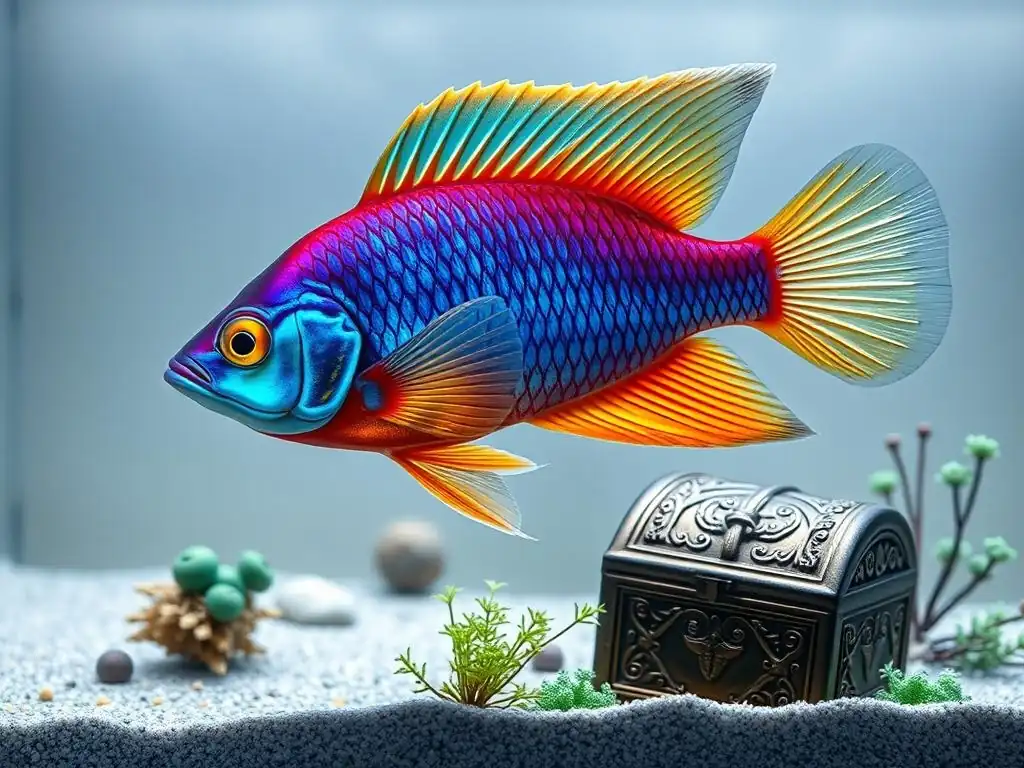
The substrate forms the foundation of your Swordtail aquarium setup, serving multiple functions beyond mere aesthetics. It provides a surface for beneficial bacteria to colonize, which are crucial for the nitrogen cycle, and acts as an anchoring medium for live plants. For Swordtails, a fine to medium-sized gravel (2-5mm diameter) is a popular and practical choice.
It is easy to clean with a gravel vacuum, allowing detritus to settle on top for removal. Sand, particularly fine play sand or specialized aquarium sand, can also be used, especially if you plan to keep bottom-dwelling tank mates like Corydoras catfish, as it is gentle on their delicate barbels. However, sand requires more careful cleaning to prevent the formation of anaerobic pockets, which can produce toxic gases.
When considering substrate for your "Swordtail aquarium setup guide," think about your overall tank design. If you intend to cultivate live plants, a nutrient-rich plant substrate or a layer of specialized plant soil beneath a cap of inert gravel or sand can significantly boost plant growth. For the Swordtails themselves, the specific type of inert substrate (gravel vs. sand) is less critical than ensuring it is clean and safe.
A darker substrate can often enhance the natural colors of your Swordtails, making their vibrant reds, oranges, and greens stand out more prominently. Aim for a substrate depth of 1 to 2 inches (2.5-5 cm) across the bottom, perhaps slightly sloped towards the back for visual depth.
Swordtail Aquarium Filtration: Maintaining Water Quality
Choosing the Right Filter for Your Swordtail Tank: Types and Considerations
Effective filtration is absolutely non-negotiable for a healthy Swordtail aquarium setup, given their active nature and moderate waste production. There are several types of filters, each with distinct advantages. Hang-on-Back (HOB) filters are widely popular for tanks up to 50-60 gallons due to their affordability, ease of installation, and provision of mechanical, chemical, and biological filtration. Canister filters are generally preferred for larger tanks (e.g., 30 gallons and above) or for aquarists seeking superior filtration capacity and efficiency, offering excellent biological filtration and customization options for media.
Sponge filters, powered by an air pump, provide gentle flow and excellent biological filtration, making them ideal for breeding tanks or as supplemental filtration. Internal filters are compact but often have less media capacity. When selecting a filter for your Swordtail aquarium setup, aim for one rated to process at least 2-3 times your tank's volume per hour (GPH). For instance, a 20-gallon tank would benefit from a filter with a flow rate of 40-60 GPH. Ensure the water flow isn't excessively strong, as while Swordtails appreciate moderate current, an overly turbulent environment can stress them.
Maintaining Your Swordtail Aquarium Filter: Cleaning and Replacement
Regular filter maintenance is as crucial as the filter's initial selection for your Swordtail aquarium setup. Mechanical media, such as filter floss or sponges, traps physical debris and should be rinsed weekly or bi-weekly. Always rinse these materials in old aquarium water removed during a water change, rather than tap water, to avoid killing beneficial nitrifying bacteria with chlorine. Chemical media, like activated carbon, adsorbs dissolved organic compounds and should be replaced every 3-4 weeks as it becomes saturated and loses effectiveness.
Biological media, which provides the primary surface for beneficial bacteria, should be disturbed as little as possible. If it becomes visibly clogged, gently swish it in old tank water; never clean it vigorously or replace all biological media at once, as this can crash your tank's nitrogen cycle and lead to dangerous ammonia or nitrite spikes.
For example, if using an HOB filter, you might rinse the pre-filter sponge every week and replace the carbon cartridge monthly, while only rinsing the bio-wheel or ceramic rings sparingly when flow is significantly impeded, ensuring continuous biological filtration for your Swordtail aquarium setup.
Swordtail Aquarium Heating and Lighting: Creating the Right Environment
Maintaining Optimal Water Temperature for Swordtails
As tropical fish, Swordtails require stable, warm water to thrive, making a reliable heater an indispensable component of your "Swordtail aquarium setup guide." The ideal temperature range for Swordtails is between 72-82°F (22-28°C), with many aquarists finding 75-78°F (24-26°C) to be optimal for their health and activity. A fully submersible aquarium heater with an integrated thermostat is recommended for consistent temperature control. The general rule of thumb for heater wattage is 5 watts per gallon of water; thus, a 20-gallon tank would typically require a 100-watt heater.
Position the heater in an area of the tank with good water circulation, such as near the filter's outflow, to ensure heat is distributed evenly throughout the aquarium. It is absolutely vital to use an accurate aquarium thermometer to monitor the water temperature daily. This allows you to verify that your heater is functioning correctly and maintaining the desired temperature. Sudden or significant temperature fluctuations can severely stress Swordtails, weakening their immune systems and making them highly susceptible to common fish diseases like Ich. Consistency is key to a successful Swordtail aquarium setup.
Lighting Considerations for Planted Swordtail Aquariums
Lighting in your Swordtail aquarium setup serves both aesthetic and biological purposes. For a basic setup without live plants, a simple LED light strip providing 8-10 hours of illumination per day is sufficient for viewing your fish and simulating a natural day-night cycle. However, if your goal is to cultivate live plants alongside your Swordtails, lighting requirements become more specific and crucial. Live plants contribute significantly to water quality by consuming nitrates and providing natural hiding spots, enriching the Swordtail habitat.
For low-light plants like Anubias, Java Fern, or Cryptocoryne, moderate LED lighting (typically 0.25-0.5 watts per liter or 20-40 PAR at the substrate level) for a consistent 8-10 hour photoperiod is usually adequate. More demanding plants will require higher intensity lighting and often supplemental CO2 injection. It is important to establish and stick to a consistent lighting schedule, perhaps using a timer, to prevent excessive algae growth, which often thrives on prolonged or overly intense light. A balanced lighting scheme is crucial for both the aesthetic appeal and the ecological balance of your Swordtail aquarium setup.
Setting Up Your Swordtail Aquarium: A Step-by-Step Guide
Preparing Your Aquarium: Cleaning and Placement
The very first step in your "Swordtail aquarium setup guide" is to thoroughly clean your new aquarium. Use only plain water and a clean, dedicated sponge or cloth. Never use soaps, detergents, or household cleaners, as residues from these chemicals are highly toxic to fish and extremely difficult to rinse away completely. After scrubbing, rinse the tank multiple times until you are absolutely certain no residue remains. Once clean, carefully place the aquarium on its sturdy, level stand in your chosen location.
Confirm that the stand is robust enough to support the full weight of the filled tank, which can be considerable. For instance, a 20-gallon tank filled with water, substrate, and decor can easily exceed 200 pounds. Ensure the location is free from direct sunlight, drafts, or significant temperature fluctuations, and that electrical outlets are conveniently accessible for your heater and filter. Proper preparation and placement are fundamental to a stable and safe Swordtail aquarium setup.
Installing the Substrate and Decorations for Swordtails
Once your tank is clean and in place, the next step is to prepare and add your chosen substrate. Thoroughly rinse your gravel or sand under running tap water until the water runs completely clear. This removes dust and fine particles that can cloud your aquarium water. Gently add a layer of 1 to 2 inches (2.5-5 cm) of substrate across the bottom of the tank, optionally sloping it slightly higher towards the back to create a sense of depth.
Next, carefully introduce your decorations. Rinse any rocks, driftwood, or artificial plants thoroughly. Ensure all decorations are aquarium-safe and do not have sharp edges that could injure your Swordtails. Arrange them to create visual interest, but more importantly, to provide hiding spots and natural breaks in line of sight. This is particularly beneficial for Swordtails, as it allows less dominant males or females to escape constant attention from more boisterous tank mates, contributing to a less stressful Swordtail aquarium setup. For example, a well-placed piece of driftwood can offer multiple crevices and sheltered areas.
Filling the Aquarium: Water Preparation and Cycling
With the substrate and decorations in place, you can begin filling your aquarium. To avoid disturbing the substrate, place a clean plate or a piece of plastic wrap on top of the substrate and slowly pour the water onto it. Fill the tank to about 80-90% capacity. It is absolutely crucial to use a high-quality water conditioner to remove chlorine, chloramines, and detoxify any heavy metals present in your tap water. These chemicals are highly lethal to fish and beneficial bacteria.
Now begins the most critical phase of any "Swordtail aquarium setup guide": the nitrogen cycle. This process, which typically takes 4 to 6 weeks, establishes the beneficial bacteria colonies necessary to break down toxic fish waste (ammonia and nitrite) into less harmful nitrates. You can "fishless cycle" your tank by adding a source of ammonia (e.g., pure ammonia solution, a pinch of fish food, or commercial bacterial starter cultures).
Regularly test your water for ammonia, nitrite, and nitrate levels. Ammonia and nitrite should peak and then drop to zero, indicating a fully cycled tank, while nitrates will rise, signaling the need for future water changes.
Adding Plants to Your Swordtail Aquarium: Creating a Natural Habitat
Live plants are an invaluable addition to any Swordtail aquarium setup, enhancing the aesthetic appeal while providing numerous benefits for your fish. They absorb nitrates, produce oxygen, and offer natural hiding spots and a sense of security for your Swordtails, particularly for fry if you plan to breed them. Choose hardy, easy-to-care-for species suitable for beginners, such as Java Fern, Anubias, Amazon Swords, Cryptocorynes, or various types of Vallisneria.
Before introducing plants, thoroughly rinse them to remove any snails or unwanted hitchhikers. Plant them firmly in the substrate or, for epiphytic plants like Java Fern and Anubias, attach them to driftwood or rocks using fishing line or super glue. Arrange your plants to create a balance between open swimming areas and dense vegetation. For instance, place taller plants like Vallisneria at the back and sides, and shorter plants or mosses in the foreground. This thoughtful arrangement contributes significantly to a natural and thriving Swordtail aquarium setup.
Introducing Your Swordtails to Their New Home: Acclimation Process
Acclimating Swordtails to the Aquarium: Minimizing Stress
The acclimation process is a critical step in your "Swordtail aquarium setup guide" that minimizes stress on your new fish and prevents shock. Begin by floating the sealed bag containing your Swordtails in your aquarium for 15-20 minutes. This allows the water temperature in the bag to gradually equalize with your tank's water temperature. Temperature shock can be fatal or severely compromise a fish's immune system.
After temperature equalization, open the bag, roll down the edges to create an air pocket, and begin slowly adding small amounts of your aquarium water into the bag. A good practice is to add approximately 1/4 cup of tank water every 5-10 minutes over a period of 30-60 minutes. This gradual mixing helps the fish adjust to your tank's specific water chemistry (pH, hardness, etc.).
Once the bag contains roughly 50% tank water, gently net the Swordtails and release them into the aquarium. Never pour the bag water directly into your tank, as it may contain high levels of ammonia or pathogens from the fish store. Turning off the aquarium lights for a few hours after introduction can also help reduce initial stress and allow the Swordtails to quietly explore their new environment.
Monitoring Water Parameters After Introduction: Ensuring Stability
Even after a successful fishless cycle, it is imperative to closely monitor your water parameters for the first few weeks after introducing your Swordtails. The addition of fish increases the biological load on your filtration system, and sometimes the beneficial bacteria need a little time to catch up, potentially causing a "mini-cycle." Use a reliable liquid test kit to check ammonia, nitrite, and nitrate levels daily or every other day. Ammonia and nitrite should consistently remain at 0 parts per million (ppm).
If you detect any ammonia or nitrite (even small amounts like 0.25 ppm), perform small, immediate water changes (10-20% daily) until these levels return to zero. Reduce feeding during this period to minimize waste production. High levels of these toxins are extremely harmful and potentially lethal to Swordtails.
Consistent monitoring is a cornerstone of this "Swordtail aquarium setup guide," ensuring the stability and health of your aquatic ecosystem as your new fish settle in. For instance, if ammonia spikes to 0.5 ppm, a prompt 20% water change can dilute the toxin and give your beneficial bacteria a chance to recover.
Maintaining Your Swordtail Paradise: Regular Care and Water Changes
Regular Water Changes for Swordtail Health: Frequency and Volume
Regular partial water changes are the most crucial maintenance task for a healthy and thriving Swordtail aquarium setup. They remove accumulated nitrates, replenish essential minerals, and maintain stable water chemistry. For an established and moderately stocked Swordtail tank, a 25-30% water change weekly is generally recommended. This consistent routine helps keep nitrate levels low (ideally below 20 ppm) and prevents the buildup of other undesirable dissolved organic compounds.
When performing a water change, use an aquarium gravel vacuum to siphon out detritus and uneaten food from the substrate while simultaneously removing water. Always ensure that the fresh water you add back to the tank is dechlorinated using a reputable water conditioner and is temperature-matched to the aquarium water (within 1-2°F or 0.5-1°C) to prevent temperature shock to your Swordtails. For example, in a 20-gallon Swordtail tank, changing 5-6 gallons of water weekly is a good benchmark for maintaining pristine conditions.
Monitoring Water Parameters: Ammonia, Nitrite, and Nitrate Levels
Continuous monitoring of water parameters is fundamental to the long-term success of your "Swordtail aquarium setup guide." Regular testing for ammonia, nitrite, and nitrate levels should be done weekly or bi-weekly using a reliable liquid test kit (these are generally more accurate than test strips). Ammonia and nitrite should always read 0 ppm. Elevated levels indicate a problem with your nitrogen cycle or overstocking. Nitrate levels should be kept below 20 ppm; consistently higher readings necessitate more frequent or larger water changes.
It is also important to regularly check the pH of your aquarium water. Swordtails prefer a slightly alkaline to neutral pH, typically ranging from 7.0 to 8.0. Significant or rapid fluctuations in pH can stress fish. If nitrate levels are consistently creeping up, for instance, reaching 30-40 ppm between weekly water changes, consider increasing the volume of your weekly water change to 35-40% or performing two smaller water changes per week to maintain optimal water quality for your Swordtails.
Swordtail Feeding Guide: Optimal Diet and Nutrition
Swordtails are omnivores and thrive on a varied and balanced diet, which is essential for their vibrant coloration, health, and activity levels. A high-quality flake or pellet food specifically formulated for tropical fish should serve as the staple of their diet. Supplement this with live or frozen foods 2-3 times a week, such as brine shrimp, bloodworms, daphnia, or blackworms. These provide essential proteins and fats. Swordtails also benefit from vegetable matter; offer blanched zucchini, spirulina flakes, or specialized veggie pellets occasionally.
Feed your Swordtails small amounts 2-3 times a day, only what they can consume within 2-3 minutes. Overfeeding is a common mistake that leads to excess uneaten food decaying in the tank, which in turn causes ammonia spikes, cloudy water, and can contribute to various fish health issues. For a small group of Swordtails in a 20-gallon tank, a pinch of quality flake food twice a day, supplemented with a small cube of frozen bloodworms a few times a week, is often sufficient to meet their nutritional needs without polluting the tank, ensuring a healthy Swordtail aquarium setup.
Troubleshooting Common Swordtail Aquarium Issues
Dealing with Algae Growth in Swordtail Aquariums
Algae growth is a common issue in any "Swordtail aquarium setup guide" and is typically a symptom of an imbalance rather than a disease itself. The primary culprits are usually excess light, high nutrient levels (especially nitrates and phosphates), or both. To combat algae, first reduce your aquarium's lighting duration to a consistent 8 hours per day. Second, increase the frequency or volume of your water changes to lower nitrate and phosphate levels.
Consider adding fast-growing live plants to your tank. Plants compete with algae for available nutrients, effectively starving the algae. Introducing compatible algae-eating tank mates, such as Otocinclus catfish or Nerite snails, can also help manage minor algae issues, but they are not a substitute for proper maintenance. Manually remove stubborn algae from glass surfaces with an algae scraper or from decorations by scrubbing them during water changes. For example, if you observe green spot algae, it often indicates low phosphates, while brown diatom algae is common in newer tanks or suggests high silicates.
Addressing Common Swordtail Diseases: Prevention and Treatment
Prevention is always the best approach to managing diseases in your Swordtail aquarium setup. This involves maintaining stable, pristine water parameters, providing a varied and nutritious diet, and avoiding overstocking, which can stress fish and compromise their immune systems. Despite best efforts, Swordtails can sometimes fall ill. Common diseases include Ich (white spot disease), Fin Rot, and Velvet.
Ich often manifests as tiny white spots resembling salt grains on the fish's body and fins, typically triggered by sudden temperature changes or stress. It can often be treated by slowly raising the water temperature to 82-84°F (28-29°C) for several days, along with the addition of aquarium salt or a commercial Ich medication.
Fin Rot, characterized by ragged, deteriorating fins, is usually a bacterial infection caused by poor water quality. Immediate large water changes (50% or more) and a course of appropriate antibiotic medication are often necessary. Always quarantine new fish for 2-4 weeks in a separate tank before introducing them to your main Swordtail aquarium setup. This prevents the introduction of diseases to your established community. Regularly observe your Swordtails for any signs of distress or illness, such as clamped fins, lethargy, loss of appetite, or abnormal growths, to allow for early intervention.
Maintaining a Balanced Ecosystem in Your Swordtail Tank
A thriving Swordtail aquarium setup is a miniature, balanced ecosystem. Achieving this balance involves several interconnected factors: appropriate stocking levels, robust filtration, consistent maintenance, and a healthy nitrogen cycle. Overstocking is a common pitfall that puts immense strain on the biological filter, leading to poor water quality, increased stress for fish, and a higher susceptibility to disease. Aim for a stocking density that allows each Swordtail ample swimming space and minimizes competition.
Regularly test your water parameters and adjust your maintenance routine based on the results. If nitrates are consistently high despite your weekly water changes, it may indicate overstocking or insufficient filtration, prompting you to consider increasing water change volume or adding more live plants to help absorb nitrates.
Introducing beneficial bacteria starters during setup and after major cleanings can also help maintain the biological filter. For instance, if your 20-gallon tank consistently shows 30 ppm nitrates with weekly 25% water changes, increasing to 30-35% water changes or adding a few more bunches of fast-growing plants like hornwort can significantly improve water quality, solidifying your "Swordtail aquarium setup guide" into a truly balanced aquatic paradise.
Conclusion: Enjoying Your Thriving Swordtail Aquarium
Creating a "Swordtail paradise" is a rewarding endeavor that brings vibrant life and dynamic beauty into your home. As this comprehensive "Swordtail aquarium setup guide" has detailed, success hinges on meticulous planning, the selection of appropriate equipment, a patient cycling process, and consistent, diligent maintenance. From ensuring the right tank size and compatible tank mates to mastering water changes and troubleshooting common issues, each step contributes to the overall health and longevity of your Swordtails.
By providing a stable environment with optimal water parameters, a balanced diet, and sufficient space, you will not only witness their striking colors and lively behaviors but also foster a thriving ecosystem. Enjoy the captivating world you've built, a testament to your dedication to responsible fishkeeping.
Frequently Asked Questions
What size aquarium is recommended for a Swordtail aquarium setup?
A minimum of 20 gallons is recommended for a small group of Swordtails. Larger tanks, like 30 gallons or more, are preferable if you plan to keep a larger community or breed them.
What are the key considerations for choosing the right substrate for my Swordtail aquarium?
Swordtails aren't particularly picky, but a smooth gravel or sand substrate is best. This helps prevent injuries and allows for easy cleaning of fish waste and debris.
What are the essential components of a good filtration system for a Swordtail aquarium?
A high-quality filter is crucial for removing waste and maintaining water quality. Consider a filter with mechanical, chemical, and biological filtration to ensure a healthy environment.
What type of plants are suitable for a Swordtail aquarium, and how do they benefit the fish?
Swordtails appreciate live plants like Java Fern, Anubias, and Vallisneria. Plants provide shelter, reduce stress, and improve water quality by consuming nitrates.
What are some common problems new aquarists face when setting up a Swordtail aquarium, and how can they be avoided?
New aquarists often struggle with cycling the tank properly before adding fish. Ensure the nitrogen cycle is established to avoid ammonia and nitrite spikes which are harmful to Swordtails.
Final Reflection: Cultivating Aquatic Harmony
The journey of crafting a thriving Swordtail aquarium, as we've explored, is more than just assembling a tank; it's about creating a miniature ecosystem that mirrors the vibrant beauty of their natural habitat. Understanding the nuances of substrate, filtration, and plant life is not merely a technical exercise, but a commitment to the well-being of these captivating creatures and a testament to the delicate balance of nature we can recreate within our homes.
This endeavor extends beyond the confines of our aquariums, influencing our appreciation for the interconnectedness of life. The act of meticulously planning and maintaining a Swordtail paradise fosters a deeper understanding of ecological principles and our role as stewards of the environment. In nature, nothing exists alone.
- Rachel Carson. This quote resonates deeply when observing the symbiotic relationships within a healthy aquarium, reminding us that every element plays a crucial role in the overall harmony.
Now, as you embark on your own Swordtail aquarium adventure, consider the profound impact of your choices. Let this guide serve not only as a practical resource, but also as an invitation to reflect on the responsibility we bear when bringing nature into our lives. May your Swordtail paradise flourish, inspiring you and others to cultivate a greater appreciation for the wonders of the aquatic world and the delicate balance that sustains it.
Cultivate Your Swordtail Sanctuary Today!
Thank you for diving into the art of creating the perfect swordtail haven! Now that you're armed with the knowledge to craft an ideal environment, it's time to bring your vision to life. Ready to take the next step?
- Embark on your aquascaping adventure: Begin by carefully selecting and arranging your substrate, plants, and decorations to replicate a natural and stimulating habitat for your swordtails. This is your primary action – the foundation for a thriving ecosystem.
- Share your knowledge: Spark conversations by sharing this guide with fellow aquarium enthusiasts and comparing your setup ideas.
- Explore beyond the basics: Research advanced filtration techniques to optimize water quality and create an exceptionally healthy environment.
What unique touch will you add to your swordtail paradise to truly make it their own?