
Is a Variatus Platy Your Next Aquarium Star? An InDepth Look

Welcome to Aquarium Mastery!
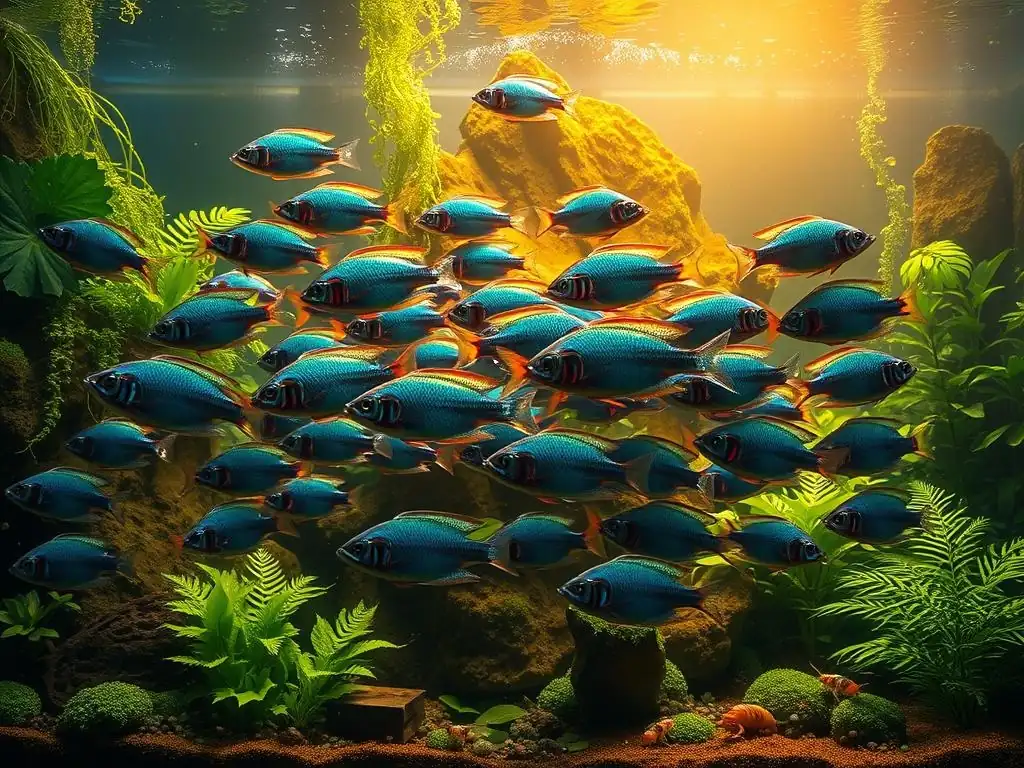
Ever wondered if the vibrant Variatus platy is the perfect splash of color and personality your freshwater aquarium needs? Dive in! This Variatus platy care guide unlocks the secrets to keeping these captivating fish thriving, from their ideal tank conditions to their fascinating breeding habits. Prepare to be amazed – your journey to becoming a true aquarium master starts right here!
- Understanding the Allure of the Variatus Platy: An Introduction
- Variatus Platy Care Guide: Essential Requirements for a Thriving Fish
- Variatus Platy Varieties and Colors: Exploring the Range
- Variatus Platy Tank Mates: Choosing Compatible Companions
- Variatus Platy Breeding: A Comprehensive Guide
- Common Variatus Platy Diseases and Prevention
- Troubleshooting Common Variatus Platy Problems
- The Benefits of Keeping Variatus Platies: More Than Just a Pretty Fish
- Conclusion: The Variatus Platy – A Rewarding Addition to Your Aquarium
- Frequently Asked Questions
- Final Reflection: The Enduring Sparkle of the Variatus Platy
- Dive Deeper: Unleash Your Platy Paradise!
Understanding the Allure of the Variatus Platy: An Introduction
Why Choose a Variatus Platy for Your Freshwater Aquarium?
The Variatus Platy, scientifically known as Xiphophorus variatus, is an exceptionally popular choice for freshwater aquariums, beloved for its vibrant colors, peaceful disposition, and remarkable hardiness. These qualities make them an ideal candidate for both beginner and experienced aquarists looking to add a splash of color and activity to their tanks. Their energetic swimming patterns and engaging interactions with tank mates provide continuous visual interest.
Furthermore, Variatus Platies are highly adaptable to a range of water conditions, making them a forgiving species for those new to the hobby. Their relatively small adult size, typically ranging from 2.0 to 2.8 inches (5-7 cm), allows them to comfortably inhabit moderately sized community aquariums, contributing to a balanced and lively aquatic environment without requiring excessively large setups.
A Brief Overview of Variatus Platy Characteristics and Temperament
Physically, Variatus Platies possess a streamlined, torpedo-shaped body, often adorned with a high dorsal fin. While some variations may exhibit a slight elongation of the caudal fin, it is generally less pronounced than in their close relatives, the swordtails. Adult females tend to be slightly larger and fuller-bodied than males.
In terms of temperament, Variatus Platies are renowned for their peaceful and social nature. They thrive when kept in groups, ideally with a ratio of at least two females per male to distribute male attention and reduce stress. They are not known to be fin-nippers and generally coexist harmoniously with other non-aggressive community fish, making them a fantastic addition to a diverse tank. As livebearers, they add an exciting dimension to the hobby, as they give birth to live, free-swimming fry.
Variatus Platy Care Guide: Essential Requirements for a Thriving Fish
Optimizing Your Aquarium for Variatus Platies: Tank Size and Setup
For a small group of 3-5 Variatus Platies, a 10-gallon (approximately 38 liters) aquarium is often considered the absolute minimum. However, to provide ample swimming space, maintain greater water stability, and allow for a larger, healthier group, a 20-gallon (75 liters) long tank is highly recommended. Larger tanks dilute waste more effectively, leading to more consistent water parameters and reducing stress on the fish.
The aquarium setup for Variatus Platies should include plenty of live plants, such as Anubias, Java Fern, and Cryptocoryne, which offer essential hiding spots and a sense of security for the fish. A fine gravel or sand substrate is suitable. Incorporate driftwood or smooth rocks to create visual breaks and additional territories. Ensure the tank has adequate filtration—a sponge filter or a hang-on-back filter with a gentle flow is ideal—along with a reliable heater to maintain stable water temperatures.
Water Parameters: Maintaining Ideal Conditions for Variatus Platy Health
Temperature and pH Levels for Variatus Platies
Variatus Platies are tropical freshwater fish and require stable, warm water to thrive. The ideal temperature range for these fish is between 72°F and 78°F (22°C to 26°C). Maintaining a consistent temperature is crucial, as significant or rapid fluctuations can cause stress, weaken their immune systems, and make them more susceptible to common diseases. Daily temperature swings should ideally be kept to less than 1-2°F.
Regarding pH, Variatus Platies prefer slightly alkaline to neutral water conditions. An optimal pH range for their long-term health is 7.0 to 8.0. Just as with temperature, stability is key; sudden shifts in pH can be highly detrimental. Regular monitoring with a high-quality aquarium test kit is an indispensable part of any comprehensive Variatus platy care guide, ensuring these vital parameters remain within the healthy range.
Water Hardness and Ammonia Control in Variatus Platy Tanks
Variatus Platies originate from areas with moderately hard to hard water and will flourish in similar conditions in captivity. An ideal General Hardness (GH) range is 10-25 dGH (175-450 ppm), and a Carbonate Hardness (KH) of 10-20 dKH (180-360 ppm) is recommended. This level of hardness provides essential minerals and acts as a buffer, helping to stabilize the water's pH.
Like all freshwater fish, Variatus Platies are highly sensitive to nitrogenous waste products. Ammonia and nitrite levels must be kept at undetectable levels (0 ppm) at all times, as even small concentrations can be toxic. Nitrate levels, while less harmful, should be maintained below 20 ppm through regular weekly water changes, typically 25-30% of the tank volume. A fully cycled aquarium with a robust colony of beneficial bacteria is fundamental for processing these wastes and ensuring a healthy environment for your Variatus Platies.
Variatus Platy Diet and Feeding Schedule: What to Feed Your Platies
Recommended Foods for Variatus Platies: Live, Frozen, and Flake Options
Variatus Platies are omnivores with a notable inclination towards vegetable matter in their diet. The cornerstone of their feeding regimen should be a high-quality flake food specifically formulated for omnivorous tropical fish. This should be supplemented regularly with spirulina flakes, blanched zucchini slices, or shelled peas to ensure they receive adequate plant-based nutrients.
To provide a well-rounded diet and encourage natural foraging behaviors, offer occasional live or frozen foods. Excellent choices include brine shrimp, daphnia, and bloodworms. These protein-rich supplements are particularly beneficial for conditioning breeding pairs, enhancing color vibrancy, and promoting overall vitality.
Feeding Frequency and Portion Control for Optimal Health
For adult Variatus Platies, it is best to feed them 1-2 times daily, providing small portions that they can completely consume within 2-3 minutes. Overfeeding is a prevalent issue in aquariums, leading to deteriorated water quality, excessive algae growth, and potential digestive problems for the fish. Observing their feeding behavior will help you fine-tune the appropriate portion sizes.
For Variatus platy fry, a more frequent feeding schedule is necessary due to their rapid growth rate. They should be fed 3-4 times daily with very finely crushed flake food, powdered spirulina, or specialized fry food. Consistent, small feedings are crucial for the healthy development of young Variatus Platies, making this a vital aspect of any thorough Variatus platy care guide.
Variatus Platy Varieties and Colors: Exploring the Range
Popular Variatus Platy Color Morphs: From Orange to Red
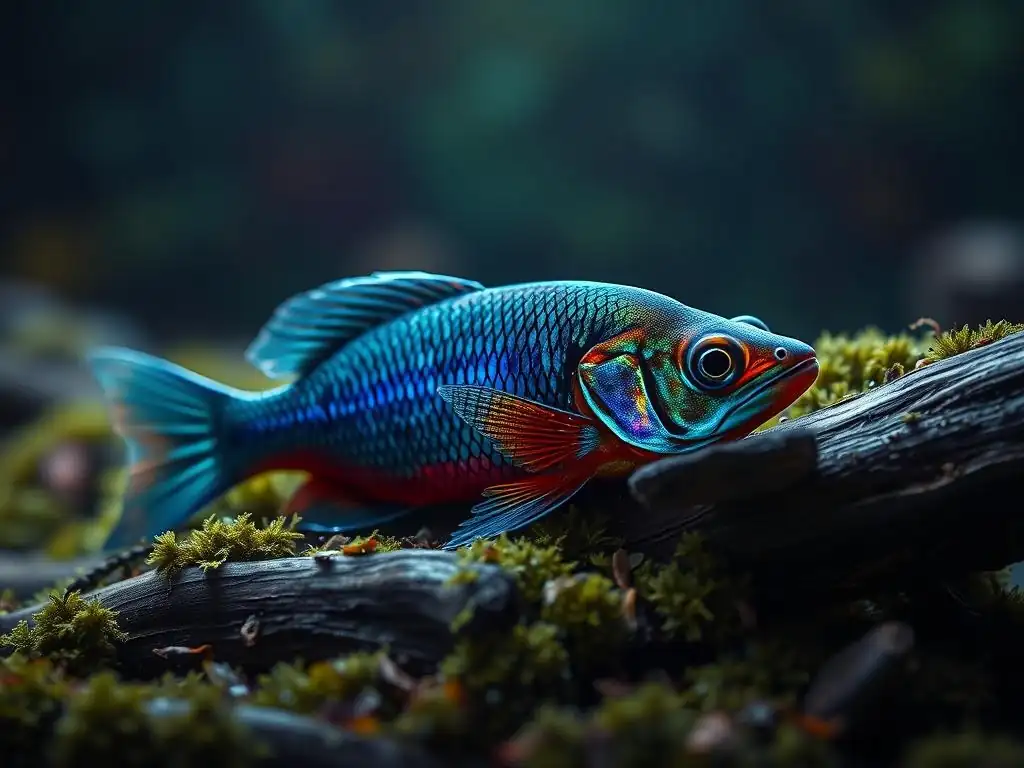
The Variatus Platy ( Xiphophorus variatus) is celebrated for its astounding spectrum of colors, a testament to years of selective breeding by aquarists. Among the most popular morphs is the "Sunset Variatus Platy," which showcases a striking gradient from vibrant orange or red on the front half of the body, fading into bright yellow or white towards the caudal fin. Other beloved variations include the "Marigold Variatus Platy," known for its deep, uniform orange hue, and the "Pineapple Variatus Platy," characterized by a yellow body contrasted with bright red fins.
Beyond these, the hobby boasts numerous other captivating color forms. The "Blue Variatus Platy" exhibits iridescent blue-grey tones that shimmer under aquarium lighting, while the "Wagtail Variatus Platy" is distinguished by its solid black caudal and dorsal fins, which strikingly contrast with a brightly colored body, often red or orange. This extensive palette ensures there is a Variatus Platy to suit almost any aesthetic preference in a community tank.
Identifying Different Variatus Platy Patterns and Fin Types
In addition to their diverse coloration, Variatus Platies can also display various patterns and subtle fin type variations. Common patterns include "Speckled" or "Salt-and-Pepper," featuring numerous small dark spots scattered across the body, and "Mottled," where irregular patches of different colors create a marbled effect. The "Tuxedo" pattern, with its distinct black lower body and a lighter, often brightly colored, upper body, is another popular and recognizable variation.
While the standard, somewhat rounded fin type is most prevalent, some selectively bred forms may exhibit slightly elongated or more pointed fins, though these are typically less exaggerated than the elaborate finnage seen in some other livebearer species. The dorsal fin on Variatus Platies is characteristically high and broad. Observing these subtle differences in patterns and fin shapes adds another layer of appreciation for these fish and is a rewarding aspect of a comprehensive Variatus platy care guide.
Variatus Platy Tank Mates: Choosing Compatible Companions
Best Tank Mates for Variatus Platies: Peaceful and Community-Friendly Fish
Variatus Platies are exemplary community fish owing to their inherently peaceful and non-aggressive nature. The best tank mates are other similarly sized, docile species that thrive in comparable water parameters. Excellent choices include other popular livebearers such as Guppies, Mollies, and other Platy species, as they share similar environmental needs and social behaviors.
Small, schooling fish like Neon Tetras, Cardinal Tetras, and Harlequin Rasboras also make ideal companions. These species typically occupy different water columns, minimizing competition for space, and their schooling behavior provides additional visual interest. Peaceful bottom-dwellers such as Corydoras catfish (e.g., Panda Cory, Bronze Cory) and Otocinclus catfish are also highly suitable, as they help with algae control and do not interfere with the Variatus Platies. Ensuring all chosen tank mates are compatible in terms of temperament and water requirements is crucial for a thriving community.
Fish to Avoid: Aggressive Species That Can Stress Variatus Platies
It is imperative to avoid housing Variatus Platies with aggressive, territorial, or fin-nipping fish species. Large cichlids, such as Oscars or Jack Dempseys, are entirely unsuitable as they are predatory and will likely view Variatus Platies as food. Certain Gourami species, particularly some of the larger or more territorial ones like the Three Spot Gourami, can be prone to fin-nipping, which can stress and injure the more delicate platies.
Similarly, some Barb species, most notably Tiger Barbs, are notorious fin-nippers and can relentlessly harass Variatus Platies, leading to chronic stress, fin damage, and increased susceptibility to disease. Additionally, avoid very small or extremely slow-moving fish that could be easily intimidated or outcompeted for food by the more active platies. While Variatus Platies are generally hardy, constant stress from incompatible tank mates can severely compromise their health and lifespan, underscoring the importance of careful tank mate selection in any Variatus platy care guide.
Variatus Platy Breeding: A Comprehensive Guide
Creating a Breeding Environment for Variatus Platies
Variatus Platies are well-known livebearers, making them relatively straightforward to breed in a home aquarium, even for beginners. To encourage successful breeding, it is essential to maintain optimal water parameters as outlined in this Variatus platy care guide, ensuring stable temperatures and appropriate pH/hardness levels. Providing a consistent and high-quality diet, rich in both plant and protein matter, also significantly contributes to the health and fertility of breeding pairs. Maintaining a male to female ratio of 1:2 or 1:3 is highly recommended to distribute the males' attention and reduce stress on individual females.
A heavily planted tank is crucial for a successful breeding environment. Dense stands of live plants, particularly floating varieties like hornwort, guppy grass, or even large clumps of Java moss, provide excellent hiding spots. These serve as crucial refuges for pregnant females seeking solitude before birth and, more importantly, offer immediate cover for the fry once they are born, protecting them from predation by adult fish, including their parents. Many breeders also opt to use a separate "fry tank" or a breeding box to maximize fry survival rates.
Identifying Pregnant Variatus Platies and Caring for Fry
Identifying a pregnant Variatus Platy female is relatively easy. Her abdomen will become noticeably swollen and develop a distinct "squared-off" appearance, particularly in the days leading up to birth. A dark spot, known as the gravid spot, will also become prominent near her anal fin. The gestation period for Variatus Platies typically ranges from 24 to 30 days, influenced by factors such as water temperature and the quality of their diet.
Once the fry are born, they are immediately free-swimming and remarkably small, usually only a few millimeters in length. A single female can give birth to a significant number of live fry per brood, often ranging from 20 to 80. If the fry are not moved to a separate grow-out tank or breeding net, they will instinctively seek refuge within the dense plant cover to avoid being eaten by adult fish.
Raising Variatus Platy Fry: Food and Tank Conditions
Variatus Platy fry, due to their minuscule size, require very fine food particles. High-quality fry flakes, which can be crushed into a fine powder, powdered spirulina, or newly hatched brine shrimp are excellent initial food choices. It is crucial to feed the fry small amounts multiple times a day (3-5 times) to support their rapid growth and development during their vulnerable early stages.
The fry tank or grow-out container must be kept meticulously clean, as young fish are highly sensitive to water pollutants. Daily small water changes of 10-15% are recommended to maintain pristine water quality. A sponge filter is the ideal filtration method for a fry tank, as it provides gentle biological filtration without the risk of sucking up the tiny fish. Maintaining a consistent temperature within the optimal range (75-78°F or 24-26°C) further promotes healthy growth and reduces the risk of disease, making these details essential for a successful Variatus platy care guide.
Common Variatus Platy Diseases and Prevention
Recognizing Signs of Illness in Your Variatus Platies
Early recognition of illness is paramount for effective treatment and preventing the spread of disease in your Variatus Platy aquarium. Be vigilant for changes in behavior such as lethargy, a noticeable loss of appetite, flashing (rubbing their bodies against decorations or substrate), clamped fins held close to the body, or erratic swimming patterns. Physical signs to look out for include the appearance of white spots (indicative of Ich), fuzzy white or grey growths (fungal infections), red streaks on fins or body, a bloated appearance (often a symptom of dropsy), or frayed and deteriorating fins (fin rot).
Additionally, any unusual discoloration, such as fading colors or the development of dark, patchy areas on the body, can signal stress or an underlying health issue. Fish that isolate themselves from the group, hover listlessly near the surface, or rest on the bottom for extended periods also warrant immediate closer inspection. Regular, attentive observation of your fish, a cornerstone of any good Variatus platy care guide, will enable you to spot these subtle signs quickly.
Preventing Common Diseases: Water Quality and Quarantine Measures
The vast majority of fish diseases are opportunistic and often arise from stress, with poor water quality being a primary culprit. Therefore, maintaining excellent water quality is the most effective preventative measure. This involves consistent weekly water changes of 25-30% of the tank volume, avoiding overfeeding, and ensuring your aquarium is fully cycled with a robust biological filter. Regular testing of ammonia, nitrite, and nitrate levels is crucial to confirm stable and healthy parameters.
A critical preventative strategy is to quarantine all new fish in a separate, dedicated tank for 2-4 weeks before introducing them to your main aquarium. This isolation period allows you to observe new arrivals for any signs of disease and treat them if necessary, preventing the introduction of pathogens that could devastate your established Variatus Platy community.
Treating Sick Variatus Platies: Medications and Remedies
Once a disease is positively identified, prompt and appropriate treatment is essential. For common parasitic infections like Ich ( Ichthyophthirius multifiliis), a combination of gradually increasing the water temperature to 82°F (28°C) and using an Ich-specific medication containing malachite green or formalin is often effective. Always meticulously follow the dosage instructions provided with any medication.
Bacterial infections, which commonly manifest as fin rot, mouth rot, or open body sores, typically respond well to broad-spectrum antibacterial medications. Fungal infections, characterized by cotton-like growths on the fish's body or fins, can be treated with antifungal remedies. In more severe cases like dropsy, which is usually a symptom of underlying organ failure (often kidney-related), treatment is considerably more challenging. While methods such as adding Epsom salts (1 teaspoon per 5 gallons) to reduce fluid retention and using specialized internal bacterial medications can be attempted, the prognosis for Variatus Platies with advanced dropsy is unfortunately often poor.
Troubleshooting Common Variatus Platy Problems
Cloudy Eye in Variatus Platies
Cloudy eye, appearing as a white or hazy film over one or both eyes of your Variatus Platy, is a common issue that can stem from several causes, including poor water quality, bacterial infection, or physical injury. The immediate course of action upon noticing this symptom is to perform a significant water change, typically 50%, and thoroughly test all water parameters, paying particular attention to ammonia and nitrite levels, as elevated levels are a frequent trigger.
If water quality is confirmed to be suboptimal, continue with daily smaller water changes (20-25%) until all parameters stabilize and remain within healthy ranges. If water quality is pristine, the cloudy eye might indicate a bacterial infection, in which case a broad-spectrum antibiotic treatment in a hospital tank may be necessary. Furthermore, inspect your aquarium decorations for any sharp edges or rough surfaces that could potentially cause eye injuries.
Dropsy in Variatus Platies
Dropsy is not a disease in itself but rather a severe symptom of an underlying internal issue, most commonly kidney failure, leading to a dangerous accumulation of fluid within the fish's body cavity. This fluid retention causes the fish's scales to protrude outwards, giving it a distinctive "pinecone" appearance. It is often triggered by chronic stress, prolonged exposure to poor water quality, or internal bacterial infections that compromise organ function.
Unfortunately, dropsy is usually very difficult to treat successfully, especially once the "pinecone" appearance is evident, as it signifies advanced organ damage. The affected fish should be immediately isolated in a hospital tank. While treatment is challenging, some aquarists attempt to reduce fluid retention by adding Epsom salts (1 teaspoon per 5 gallons) to the water and administering a broad-spectrum antibiotic, though the long-term prognosis for Variatus Platies with dropsy remains generally unfavorable.
Shimmying in Variatus Platies
Shimmying is a peculiar behavior where a fish appears to be swimming in place, rapidly swaying its body back and forth without making significant forward progress. This is a clear and concerning indicator of stress in Variatus Platies, almost always linked to unstable or incorrect water parameters. The most common culprits are sudden or prolonged temperature fluctuations, or water that is too soft, too acidic, or has significant swings in pH or carbonate hardness (KH).
To address shimmying, the first and most critical step is to immediately test all water parameters: temperature, pH, ammonia, nitrite, nitrate, General Hardness (GH), and Carbonate Hardness (KH). Perform a partial water change if any parameters are outside the optimal range. Gradually adjust the temperature to the preferred 72-78°F (22-26°C) and ensure pH and hardness are within the stable, preferred ranges for Variatus Platies. In some cases, adding a small amount of non-iodized aquarium salt (1 teaspoon per 5 gallons) can help reduce stress and aid recovery, as detailed in a comprehensive Variatus platy care guide.
The Benefits of Keeping Variatus Platies: More Than Just a Pretty Fish
Contributing to a Healthy and Balanced Aquarium Ecosystem
Variatus Platies are more than just attractive inhabitants; they play a subtle yet beneficial role in maintaining a healthy and balanced aquarium ecosystem. As omnivores, they are known to graze on small amounts of algae and detritus, helping to keep the substrate cleaner and reducing the buildup of organic waste. Their active foraging behavior can also help to gently stir the substrate, preventing the formation of anaerobic pockets that can release harmful gases.
Furthermore, their relatively small bioload, when managed with an appropriately sized tank and efficient filtration, means they do not excessively contribute to water pollution. This makes it easier for the aquarist to maintain stable and pristine water parameters. In essence, a thriving group of Variatus Platies can serve as an excellent indicator species; if they are healthy and active, it often signals a well-maintained and thriving environment for other community fish, showcasing their contribution to the overall tank health.
The Joy of Observing Variatus Platy Behavior and Interactions
Keeping Variatus Platies offers immense personal satisfaction and joy, largely due to their vibrant colors and captivating personalities. They are continuously active swimmers, constantly exploring their environment, darting through plants, and interacting with each other. Observing their social behaviors, such as the persistent courtship dances of the males or the subtle movements of females nearing birth, provides a fascinating window into the aquatic world.
For many aquarists, successfully maintaining a healthy group of Variatus Platies and witnessing their prolific breeding cycle – from the initial courtship to the eventual birth and growth of tiny fry – is a deeply rewarding experience. Their engaging antics, coupled with their relatively straightforward Variatus platy care guide requirements, solidify their status as a truly captivating and gratifying addition to any freshwater aquarium, bringing continuous delight to their keepers.
Conclusion: The Variatus Platy – A Rewarding Addition to Your Aquarium
Recap of Variatus Platy Care Essentials
Ensuring the optimal health and vibrancy of your Variatus Platies hinges on providing a few essential care elements. This includes maintaining a minimum 10-gallon tank, though a 20-gallon or larger setup is highly recommended to accommodate their active nature and social needs, along with dense live planting for security. Stable water temperatures between 72-78°F (22-26°C), a pH range of 7.0-8.0, and moderately hard water are crucial parameters to consistently monitor and maintain.
A varied and balanced diet consisting of high-quality flakes, supplemented with spirulina and occasional live or frozen foods, is vital for their nutritional needs. Crucially, strict adherence to regular water changes (25-30% weekly), ensuring undetectable ammonia and nitrite levels (0 ppm), and keeping nitrates below 20 ppm are foundational to preventing stress and disease. Implementing a quarantine period for new fish and promptly addressing any signs of illness are also indispensable practices within a comprehensive Variatus platy care guide, guaranteeing a thriving and colorful population.
Final Thoughts on the Appeal of Variatus Platies
The Variatus Platy stands out as an exceptional choice for both novice and experienced aquarists, solidifying its reputation as a true aquarium star. Its striking coloration, peaceful and active demeanor, and relative ease of care make it an accessible yet endlessly fascinating species. Their adaptability to various tank conditions and their prolific breeding habits offer an engaging and educational experience for those interested in observing the complete life cycle of livebearing fish firsthand.
Beyond their undeniable aesthetic appeal, Variatus Platies contribute positively to the overall health and balance of a community aquarium. Their hardiness, combined with diligent attention to their specific needs as detailed in this Variatus platy care guide, ensures they will remain a captivating and rewarding addition to your aquatic display. For these reasons, the Variatus Platy truly earns its place as a cherished and enduring inhabitant in freshwater tanks around the world.
Frequently Asked Questions
How difficult is it to care for Variatus Platies?
Variatus Platies are generally considered easy to care for, making them a great choice for beginner aquarists. They are hardy fish that adapt well to various water conditions. However, maintaining stable water parameters is still essential.
What size tank do Variatus Platies need?
A minimum tank size of 10 gallons is recommended for a small group of Variatus Platies. A larger tank, like a 20-gallon tank, is preferable, especially if you plan to keep them with other fish. This allows for more swimming space and helps maintain water quality.
What do Variatus Platies eat?
Variatus Platies are omnivores and eat a variety of foods. A balanced diet should include high-quality flake food, supplemented with live or frozen foods like brine shrimp and bloodworms. They also enjoy algae, which helps keep your tank clean.
What are the ideal water parameters for Variatus Platies?
The ideal water temperature for Variatus Platies is between 72-78°F (22-26°C). The pH should be between 7.0 and 8.0, and the water hardness should be moderate. Consistent water changes are crucial for maintaining these parameters.
Are Variatus Platies compatible with other fish?
Variatus Platies are generally peaceful fish and can be kept with other non-aggressive community fish. Avoid keeping them with fin-nipping fish or overly large and aggressive species. Good tank mates include tetras, corydoras, and other peaceful livebearers.
Final Reflection: The Enduring Sparkle of the Variatus Platy
The journey through the world of the Variatus platy, as we've explored in this guide, underscores the enduring appeal of these vibrant fish. Their ease of care and captivating colors make them a perfect entry point for aspiring aquarists, and a delightful addition to any community tank. But beyond their practical benefits, they represent something more: a connection to the natural world, brought into our homes.
The Variatus platy, though small, teaches us valuable lessons about responsibility, observation, and the delicate balance of an ecosystem. My own experience with these fish has instilled a deeper appreciation for the intricacies of aquatic life, and the joy of creating a thriving environment. As the renowned marine biologist Sylvia Earle once said, No water, no life. No blue, no green.
This simple truth reminds us that even the smallest creatures play a vital role in the larger tapestry of life.
Now, as you consider whether a Variatus platy is the right addition to your aquarium, I encourage you to reflect on the joy and responsibility that comes with caring for another living being. Embrace the opportunity to learn, to observe, and to create a beautiful, thriving ecosystem within your own home. Let the vibrant colors and playful nature of the Variatus platy inspire you to connect with the natural world and appreciate the beauty that surrounds us.
Dive Deeper: Unleash Your Platy Paradise!
Thanks for exploring the vibrant world of Variatus Platies with us! We hope this guide has given you the knowledge and inspiration to potentially add these colourful fish to your aquarium. Now it's time to take action!
Here are a few things you can do right now to continue your platy journey:
- Plan your aquarium setup: Determine if your current tank is suitable for Variatus Platies, or start researching the ideal tank size, water parameters, and tank mates.
- Explore advanced platy care: Research specialized care techniques, such as breeding strategies, disease prevention, and enhancing their vibrant colors through diet.
- Share your platy passions: Join the Aquarium Mastery community forum and share your experiences, ask questions, and connect with other platy enthusiasts.
What specific plant combinations are you considering to create the ultimate platy-friendly habitat?