
Indian Almond Leaves in Tetra Breeding: Beyond Basics with Aquarium Mastery

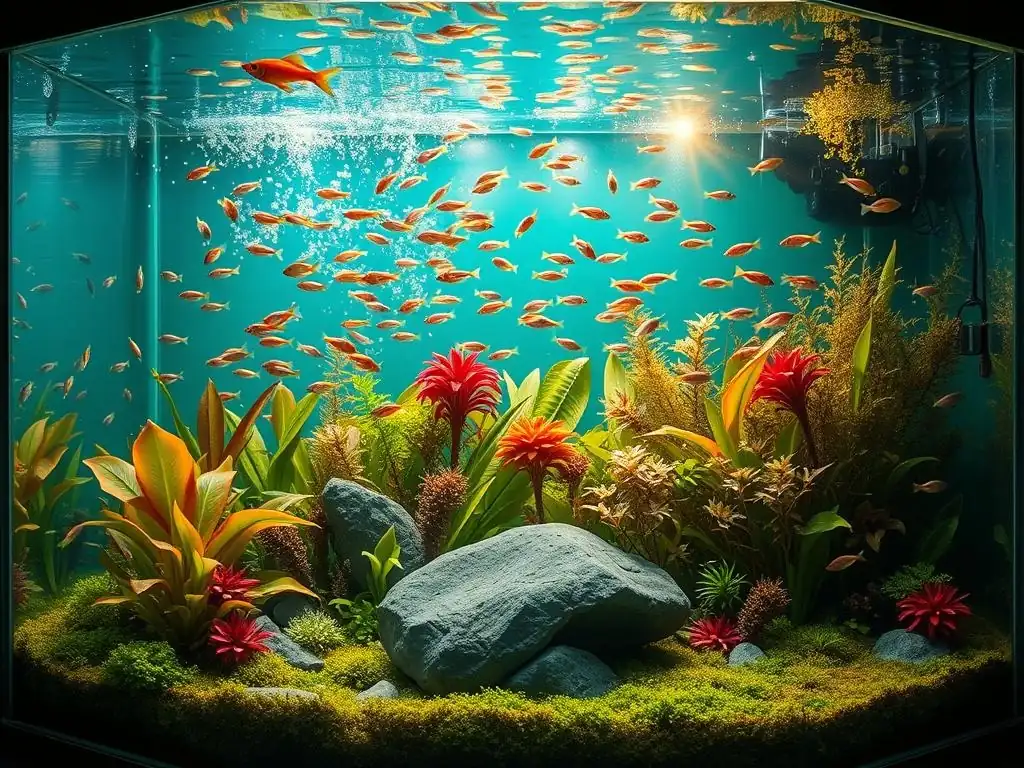
Welcome to Aquarium Mastery!
Ever wondered if the secret to vibrant, thriving tetra lies hidden in a simple leaf? Dive into our comprehensive guide to uncover the surprising power of Indian Almond Leaves in Indian almond leaf tetra breeding. We'll go beyond the basics, revealing how this natural wonder can unlock breeding success and create the perfect environment for your beloved tetras. Curious to learn more? Let's explore!
- Indian Almond Leaves in Tetra Breeding: Achieving Success
- Understanding the Role of Indian Almond Leaves (IAL) in Tetra Breeding
- Optimizing Water Chemistry for Tetra Breeding with IAL
- Selecting Tetra Species for IAL-Enhanced Breeding
- Setting Up Your Tetra Breeding Tank with Indian Almond Leaves
- Monitoring and Maintaining Your IAL-Enriched Tetra Breeding Tank
- Raising Tetra Fry in an IAL-Infused Environment
- Advanced Techniques: Combining IAL with Other Breeding Methods
- Troubleshooting Common Tetra Breeding Problems with IAL
- Case Studies: Successful Tetra Breeding with Indian Almond Leaves
-
Frequently Asked Questions
- What are Indian Almond Leaves (IALs) and why are they used in Tetra breeding?
- How do Indian Almond Leaves affect the water chemistry in a Tetra breeding tank?
- How many Indian Almond Leaves should I use in my Tetra breeding tank?
- Besides Tetra breeding, what other benefits do Indian Almond Leaves offer in an aquarium?
- How often should I replace the Indian Almond Leaves in my Tetra breeding tank?
- Final Reflection: The Enduring Wisdom of Nature's Brew
- Transform Your Tetra Tank Today!
Indian Almond Leaves in Tetra Breeding: Achieving Success
Understanding the Role of Indian Almond Leaves (IAL) in Tetra Breeding
Why Indian Almond Leaves are Beneficial for Tetra Breeding
Indian Almond Leaves, often referred to as IALs or Catappa leaves, are highly prized by aquarists, particularly those focused on Indian almond leaf tetra breeding. These leaves replicate the natural blackwater conditions found in the native habitats of many popular tetra species, such as Cardinal Tetras, Neon Tetras, and Rummy-Nose Tetras, which originate from the Amazon basin.
The presence of IALs helps to significantly reduce stress in these fish by providing a more natural and subdued environment, encouraging their natural behaviors, including courtship and spawning. Furthermore, the leaves offer excellent hiding spots for delicate eggs and newly hatched fry, protecting them from parental predation and other tank inhabitants.
Beyond environmental replication, IALs possess inherent anti-fungal and anti-bacterial properties. When submerged, they release beneficial tannins and humic substances into the water. These compounds actively inhibit the growth of common pathogens that can devastate delicate tetra eggs, such as Saprolegnia, a widespread water mold. This protective effect is crucial for increasing the viability of eggs and significantly improving fry survival rates, making them an indispensable tool for successful Indian almond leaf tetra breeding endeavors.
Chemical Properties of IAL and Their Impact on Tetra Breeding Water
The primary beneficial compounds released by Indian Almond Leaves are tannins, which include humic and fulvic acids, along with various flavonoids. These organic acids are responsible for the distinctive amber to dark tea color of the water, and more importantly, for their water-conditioning effects. They act as natural pH buffers, gently and gradually lowering the pH of the water, creating the slightly acidic conditions that many tetra species require for successful spawning and egg development. This natural buffering action is much safer and more stable than using chemical pH adjusters, which can lead to dangerous pH swings.
The impact of IALs extends to water hardness as well. The humic and fulvic acids released by the leaves chelate (bind with) minerals such as calcium and magnesium ions present in the water. This process effectively reduces both General Hardness (GH) and Carbonate Hardness (KH), transforming hard water into the soft, acidic conditions crucial for many tetra species' breeding. For instance, species like Cardinal Tetras typically require water with a pH between 5.5 and 6.5 and a GH of 1-5 dGH for optimal breeding success, parameters that IALs help achieve and maintain naturally.
Sourcing and Preparing Indian Almond Leaves
When embarking on Indian almond leaf tetra breeding, sourcing high-quality Indian Almond Leaves is paramount. It is crucial to obtain leaves specifically sold for aquarium use from reputable suppliers. This ensures that the leaves are free from pesticides, herbicides, or other harmful chemicals that could be detrimental to your fish and fry. Leaves should be fully dried and free from mold or excessive dirt. They are available in various sizes, with larger leaves generally releasing more tannins and lasting longer.
Before introducing IALs into your breeding tank, a simple preparation process is recommended. First, rinse the leaves thoroughly under cool, running water to remove any surface dust or debris. While some aquarists opt to boil the leaves for 10-15 minutes to sterilize them and encourage faster tannin release, this can also reduce their longevity and the gradual release of beneficial compounds. For Indian almond leaf tetra breeding, a gentle rinse is often sufficient, allowing for a more sustained and natural conditioning of the water over time.
Optimizing Water Chemistry for Tetra Breeding with IAL
Achieving Ideal pH Levels for Tetra Spawning with IAL
Many tetra species, particularly those from the Amazon basin, are obligate soft, acidic water breeders. Indian Almond Leaves are exceptionally effective at naturally lowering the pH due to the gradual release of humic and fulvic acids. This natural acidification process is significantly safer and more stable than using chemical pH down products, which can cause sudden and dangerous pH crashes. For most successful Indian almond leaf tetra breeding, the target pH range typically falls between 5.5 and 6.5, depending on the specific tetra species.
To achieve these ideal pH levels, it's recommended to start by adding a moderate number of leaves and monitoring the pH daily. For instance, in a 10-gallon (38-liter) breeding tank, starting with 1-2 medium-sized IALs might gradually lower the pH by 0.5 to 1.0 units over the course of a week, depending on your initial water parameters and buffering capacity. Consistency is key; avoid adding too many leaves at once, which could lead to a rapid pH drop that stresses the fish. Instead, aim for a slow, steady decline to the desired range, ensuring a stable environment for spawning.
Using IAL to Lower Water Hardness (GH and KH)
The humic and fulvic acids released by Indian Almond Leaves are highly effective at reducing both General Hardness (GH) and Carbonate Hardness (KH) in aquarium water. These acids bind with calcium and magnesium ions, which are the primary contributors to GH, making the water softer. This reduction in GH is crucial because many tetra eggs require very soft water to absorb water properly and prevent the egg membrane from hardening prematurely, which would hinder hatching.
While IALs primarily target GH, their acidic nature also contributes to a gentle reduction in KH over time. A lower KH means less buffering capacity, allowing the pH to drift downwards more easily, which is desirable for creating the soft, acidic conditions preferred by breeding tetras. Although the effect on KH is less pronounced than on GH, the combined action helps create an environment where tetra eggs are more likely to develop successfully. For optimal Indian almond leaf tetra breeding, aiming for a GH of 1-5 dGH is often ideal.
The Tannin Effect: Creating a Blackwater Environment
One of the most noticeable effects of Indian Almond Leaves is the "tannin effect," which transforms clear water into an amber or dark tea-colored blackwater environment. This visual change is more than just aesthetic; it serves a crucial purpose in mimicking the natural habitats of many tetra species. The darkened water reduces light penetration, providing a subdued and secure environment that helps reduce stress in light-sensitive species like Cardinal Tetras, encouraging them to feel safe enough to engage in natural breeding behaviors.
Beyond the visual aspect, the blackwater environment provides significant psychological and physiological benefits. For tetras, this tinted water signals "home," triggering natural breeding instincts and reducing shyness. The sense of security offered by the reduced visibility helps potential breeding partners feel more comfortable interacting and spawning. Furthermore, the tannins themselves have mild antiseptic properties, contributing to overall fish health and creating a more conducive and protective environment for both adult fish and newly hatched fry, thus enhancing the overall success of Indian almond leaf tetra breeding projects.
Selecting Tetra Species for IAL-Enhanced Breeding
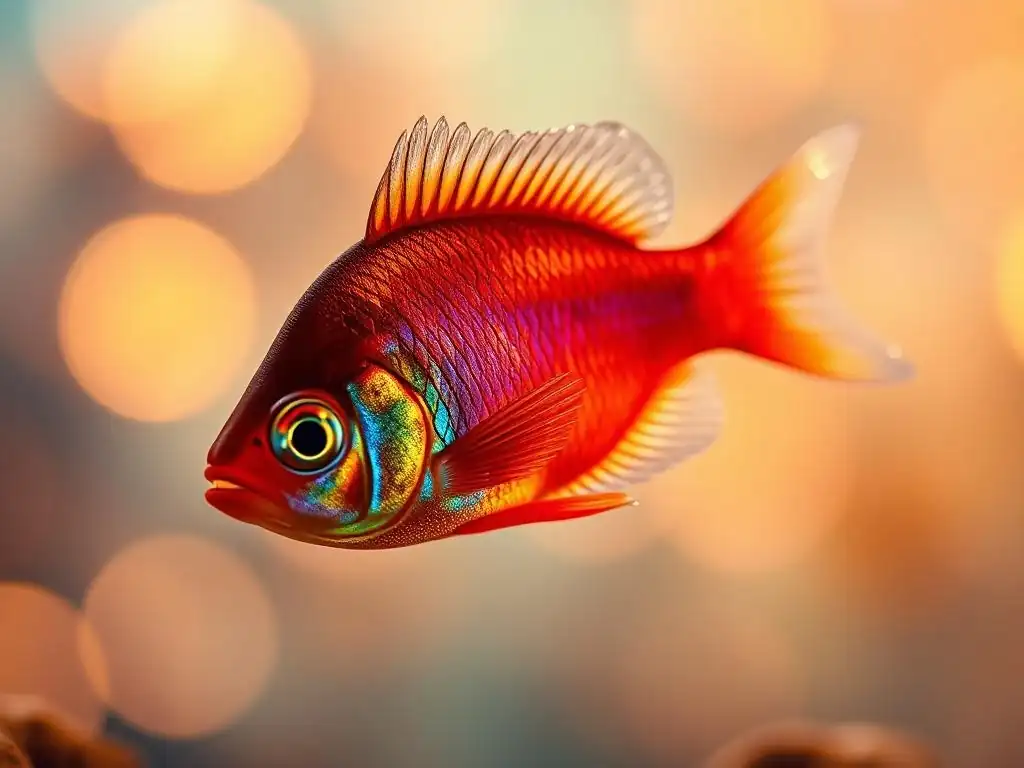
Tetra Species That Benefit from Blackwater Conditions
Numerous popular tetra species originate from blackwater environments and significantly benefit from the conditions created by Indian Almond Leaves for breeding. Key examples include the highly sought-after Cardinal Tetras ( Paracheirodon axelrodi), their close cousins Neon Tetras ( Paracheirodon innesi), the distinct Rummy-Nose Tetras ( Hemigrammus rhodostomus), and the robust Black Skirt Tetras ( Gymnocorymbus ternetzi), as well as the vibrant Serpae Tetras ( Hyphessobrycon eques). These species are naturally found in rivers and streams with low pH, low hardness, and a high concentration of dissolved organic matter, making IALs an ideal tool for their reproduction in captivity.
The primary reason these species thrive in IAL-enhanced conditions for Indian almond leaf tetra breeding lies in the sensitivity of their eggs and fry. Tetra eggs, particularly those of Cardinal and Neon Tetras, are highly susceptible to fungal infections and often fail to hatch in hard water. The anti-fungal properties of IALs, combined with their ability to create soft, acidic water, directly address these challenges. The low pH and soft water are absolutely essential for successful egg development and hatching, providing a critical advantage that significantly boosts the success rate of breeding these delicate fish.
Adapting IAL Usage for Different Tetra Breeding Needs
While IALs are beneficial for a wide range of tetras, the specific quantity and duration of their use can be adapted based on the particular species' requirements. For instance, highly sensitive species like Cardinal Tetras, which demand very dark and acidic conditions, may require a higher concentration of leaves (e.g., 3-4 medium leaves per 10 gallons) to achieve a deeper tint and lower pH.
In contrast, more robust species like Black Skirt Tetras, which are slightly more tolerant of varied conditions, might only need a lighter tannin tint from 1-2 leaves per 10 gallons to encourage spawning and provide egg protection.
Many experienced breeders also practice "aging" water with IALs in a separate container before introducing it to the breeding tank. This pre-conditioning allows the water parameters to stabilize to the desired soft, acidic levels before the fish are introduced, minimizing stress from sudden environmental changes. This method ensures a consistent and optimal breeding environment, especially for delicate species. By carefully monitoring water parameters and observing fish behavior, aquarists can fine-tune their Indian almond leaf tetra breeding setup to suit the specific needs of their chosen species.
Understanding Tetra Breeding Behavior and IAL's Influence
Understanding the typical breeding behavior of tetras is crucial for successful Indian almond leaf tetra breeding, and IALs play a significant role in facilitating these natural processes. Most tetra species are egg scatterers, meaning they broadcast their eggs freely, often among fine-leaved plants or spawning mops. Spawning typically occurs in the early morning hours, often at dawn. The presence of Indian Almond Leaves directly on the substrate or as part of the aquascape provides natural spawning sites, with eggs often adhering to the rough surface of the leaves.
Furthermore, the subdued lighting and increased sense of security provided by the tannin-tinted blackwater environment can significantly influence tetra breeding behavior. Shyer species, which might otherwise be hesitant to spawn in bright, open tanks, become more comfortable and active in a IAL-infused setup. This reduced shyness can lead to more natural courtship rituals and reduced aggression between potential breeding partners, ultimately facilitating more successful spawning attempts and higher yields in your Indian almond leaf tetra breeding projects.
Setting Up Your Tetra Breeding Tank with Indian Almond Leaves
Tank Size and Substrate Considerations for IAL and Tetra Breeding
For successful Indian almond leaf tetra breeding, selecting the appropriate tank size is crucial. A 5-10 gallon (19-38 liter) aquarium is often sufficient for a single breeding pair or a small group of most tetra species. This size allows for easy monitoring of the fish and eggs, while also making it simpler to maintain the precise water parameters required.
When it comes to substrate, a bare-bottom tank is generally preferred for breeding setups. This makes it significantly easier to spot and collect eggs after spawning, and also simplifies tank hygiene, preventing the accumulation of waste that could foul the water.
If a substrate is desired for aesthetic reasons or to provide additional surface area for beneficial bacteria, a very thin layer of dark, inert sand or fine gravel can be used. However, the primary focus for Indian almond leaf tetra breeding should remain on the IALs themselves. These leaves should be scattered directly on the bottom of the tank.
For a 10-gallon tank, starting with 2-3 medium-sized leaves is a good approximation. The leaves not only release beneficial tannins but also provide a natural surface for the growth of infusoria and biofilm, which can serve as a vital initial food source for newly hatched fry.
Filtration and Water Circulation in IAL-Infused Tetra Breeding Tanks
Proper filtration and gentle water circulation are paramount in an Indian almond leaf tetra breeding tank. Sponge filters are universally recommended as the ideal filtration method for these setups. They provide efficient biological filtration without creating strong currents that could harm delicate tetra eggs or newly hatched fry, which are extremely vulnerable to turbulent water. The large surface area of a sponge filter also provides an excellent habitat for beneficial bacteria, contributing to stable water quality.
Water circulation should be gentle, primarily to distribute the beneficial tannins released by the IALs evenly throughout the tank and to ensure adequate oxygenation. The air pump powering a sponge filter typically provides sufficient water movement for this purpose. It is crucial to avoid powerful hang-on-back (HOB) or canister filters, as their strong flow can dislodge eggs, stress breeding fish, and even suck up fragile fry. The goal is a tranquil environment that encourages spawning and protects the next generation of your Indian almond leaf tetra breeding project.
Lighting Considerations for an IAL-Enriched Tetra Breeding Environment
Lighting is a critical, yet often overlooked, aspect of setting up an Indian almond leaf tetra breeding tank. Dim lighting is absolutely crucial for many tetra species. The tannins released by the IALs naturally darken the water, mimicking the subdued light conditions of their native blackwater habitats. However, additional light control is often beneficial. This can be achieved by using a low-wattage LED light, positioning the tank in a dimly lit area of your home, or even covering parts of the tank with dark paper or fabric.
The importance of dim lighting for successful Indian almond leaf tetra breeding cannot be overstated. Many tetra species are highly light-sensitive and prefer subdued conditions for spawning, feeling more secure and less stressed in darker environments. Bright lighting can inhibit spawning behavior and make the fish more prone to stress. Furthermore, reduced light penetration also helps to minimize unwanted algae growth, which can be a persistent issue in tanks with specific nutrient levels and light exposure, especially when trying to maintain pristine water parameters for delicate fry.
Monitoring and Maintaining Your IAL-Enriched Tetra Breeding Tank
Regular Water Changes and IAL Replacements
Consistent water quality is paramount for successful Indian almond leaf tetra breeding, and this requires diligent monitoring and maintenance. Small, frequent water changes are generally preferred over large, infrequent ones. Performing 10-15% water changes every 2-3 days is a good guideline. It is crucial to use aged, pre-conditioned water for these changes, ideally water that has also been treated with IALs in a separate container to match the parameters of the breeding tank. This consistency prevents sudden shifts in pH and hardness that could stress the fish or harm delicate eggs and fry.
Indian Almond Leaves typically leach their beneficial tannins for a period of 2 to 4 weeks, depending on their size and the water flow. Over time, their effectiveness diminishes, and the water tint will lighten. To maintain stable water parameters and consistent blackwater conditions, observe the water color and regularly test your pH and GH levels. Replace the leaves as needed to ensure the continuous release of humic substances. A general rule of thumb for Indian almond leaf tetra breeding is to replace leaves when they become heavily decomposed or when the desired water tint begins to fade significantly.
Observing Tetra Breeding Behavior
Careful observation of your tetra breeding pair or group is essential for successful Indian almond leaf tetra breeding. Look for key signs that indicate readiness to spawn. Females will typically appear noticeably plumper or "gravid" with eggs, while males may display more vibrant coloration and engage in increased chasing behavior around the female. Spawning often occurs in the early morning hours, usually at dawn, and can last for several hours. During this time, the fish may be seen darting through spawning mops or over the IALs on the substrate, scattering eggs.
Once spawning is complete, it is crucial to promptly remove the adult fish from the breeding tank. Most tetra species are opportunistic egg eaters and will consume their own eggs if given the chance. While the IALs and any spawning mops provide some natural hiding spots for the eggs, parental predation is a common cause of low fry yield. Removing the adults ensures that the maximum number of eggs are left undisturbed to hatch, significantly improving the success rate of your Indian almond leaf tetra breeding project.
Addressing Potential Issues: Water Cloudiness
While Indian Almond Leaves are highly beneficial, their use can occasionally lead to certain issues, one of which is water cloudiness. Cloudiness can occur for a few reasons: if too many leaves are added too quickly, leading to an overload of organic material; if the water parameters are unstable; or, most commonly, due to a bacterial bloom. A bacterial bloom often appears as a milky white haze and is typically a sign of excess organic waste or an immature biological filter.
To address water cloudiness in an IAL-treated tank, first assess the cause. If it's simply from too many leaves, reduce the number of them and perform a small water change with pre-conditioned water. If it appears to be a bacterial bloom, ensure your gentle filtration (e.g., sponge filter) is adequately established and clean.
Perform small, frequent water changes (e.g., 10% daily) to dilute the bacterial load and remove excess organic matter. Avoid overfeeding, which is a common contributor to bacterial blooms. Consistent monitoring of ammonia and nitrite levels can also help diagnose underlying water quality issues in your Indian almond leaf tetra breeding setup.
Raising Tetra Fry in an IAL-Infused Environment
The Benefits of IAL for Tetra Fry Development
The benefits of Indian Almond Leaves extend significantly beyond the spawning phase, providing crucial advantages for the development and survival of newly hatched tetra fry. The tannins released by IALs impart natural anti-fungal and anti-bacterial properties to the water, which are vital for the extremely delicate fry during their most vulnerable stage. These compounds help protect fry from common infections that can lead to high mortality rates. Additionally, the tinted water offers a sense of security and protection from bright light, which can stress young, developing fish.
Perhaps one of the most remarkable benefits for Indian almond leaf tetra breeding is the promotion of infusoria and biofilm growth. As IALs slowly decompose, they create a perfect substrate for the proliferation of microscopic organisms and biofilm. These natural occurrences serve as an invaluable initial food source for newly hatched fry, particularly during the first few days after their yolk sac is absorbed. This natural, readily available food supply is critical for ensuring the survival and healthy development of the fry before they are large enough to accept prepared foods, significantly boosting overall breeding success.
Feeding Tetra Fry in a Blackwater Aquarium
Feeding newly hatched tetra fry in an IAL-infused blackwater aquarium requires specific attention due to their microscopic size and the tinted water. Once the fry have absorbed their yolk sac (typically 2-3 days post-hatch), they require microscopic food. In an IAL-infused tank, the naturally occurring infusoria and biofilm on the leaves often provide an excellent initial food source. Supplementation with liquid fry food or specialized powdered fry food designed for egg-laying fish is also highly effective. These foods are small enough for the fry to consume and can be dispersed throughout the tank.
As the fry grow, typically after 1-2 weeks, they can be transitioned to slightly larger, more nutritious foods. Newly hatched brine shrimp nauplii are an excellent choice, as they are highly nutritious and stimulate the fry's hunting instincts. Microworms are another good option.
It is crucial to feed very small amounts multiple times a day (e.g., 3-5 times) to ensure all fry get enough food, but avoid overfeeding, which can quickly foul the water in a small breeding tank. Maintaining pristine water quality through small, regular water changes is just as important as providing adequate food for successful Indian almond leaf tetra breeding and fry rearing.
Transitioning Tetra Fry to Clear Water
While an IAL-infused blackwater environment is ideal for the initial stages of tetra fry development, a gradual transition to clearer water is often beneficial once the fry are larger and more robust. This transition typically begins when the fry are around 3-4 weeks old, or when they are large enough to comfortably accept a wider range of foods and navigate a slightly more open environment. The process should be slow and deliberate to avoid shocking the young fish with sudden changes in water parameters or light intensity.
The transition involves performing small water changes (e.g., 10% daily or every other day) using regular, un-tinted, but still appropriately conditioned soft water. As the water is replaced, the tannin concentration will gradually decrease, and the water will become clearer. This prepares the fry for a potential move to a community tank environment and allows for better observation of their growth and health. The goal of Indian almond leaf tetra breeding is to produce healthy, robust fish, and this gradual acclimatization ensures they are well-prepared for their next stage of life.
Advanced Techniques: Combining IAL with Other Breeding Methods
Integrating IAL with Peat Moss for Enhanced Blackwater Conditions
For aquarists aiming for the most extreme blackwater conditions or breeding highly sensitive tetra species, integrating Indian Almond Leaves with aquarium-grade peat moss can offer a synergistic approach. Peat moss, when used in the aquarium, also releases significant amounts of humic and fulvic acids, further lowering pH and softening water more aggressively than IALs alone. It can be placed in a filter bag within the filtration system or even layered thinly on the substrate, though the latter can make tank maintenance more challenging.
The combination of IALs and peat moss creates a potent and stable blackwater environment, particularly useful for very demanding species like some wild-caught tetras or those requiring extremely low pH levels (e.g., below 5.5). While IALs provide a more gradual and visually appealing tint, peat moss can drive the parameters down more quickly and intensely. This combined method offers a powerful strategy for achieving and maintaining the precise water chemistry necessary for the most challenging Indian almond leaf tetra breeding projects, ensuring an even more authentic replication of their natural habitat.
Using IAL Extract as a Supplement for Tetra Breeding
In addition to whole Indian Almond Leaves, commercially available liquid IAL extracts offer a convenient and precise way to supplement tannins in a tetra breeding setup. These extracts provide the beneficial humic and fulvic acids without the leaf debris, offering a cleaner aesthetic and more controlled dosing. They are particularly useful for maintaining stable water parameters during water changes, or for quickly adjusting conditions to encourage spawning without waiting for whole leaves to leach.
IAL extracts can be used in conjunction with whole leaves to boost tannin levels or as a standalone supplement for those who prefer a debris-free tank. They allow aquarists to precisely control the intensity of the blackwater effect and the corresponding pH and hardness levels. While whole leaves offer the added benefits of providing a substrate for biofilm and natural hiding spots, IAL extract serves as an excellent tool for fine-tuning water chemistry, making it a valuable addition to advanced Indian almond leaf tetra breeding techniques.
Combining IAL with Suitable Tetra Breeding Diets
While Indian Almond Leaves optimize the physical and chemical environment for Indian almond leaf tetra breeding, a highly nutritious and varied diet is equally critical for conditioning breeding pairs. Prior to attempting to spawn tetras, it is essential to feed them high-quality, protein-rich foods for several weeks. Live foods such as blackworms, daphnia, and newly hatched brine shrimp are exceptionally effective for conditioning fish, as they are packed with nutrients and stimulate natural hunting behaviors, promoting peak health and readiness to spawn.
The synergy between optimal water chemistry provided by IALs and a superior diet is undeniable. IALs create the perfect external conditions, reducing stress and mimicking the natural habitat, which encourages the fish to feel secure enough to breed. Simultaneously, a conditioning diet ensures that the fish are internally robust, full of energy, and capable of producing viable eggs and sperm. This combined approach maximizes the chances of successful spawning, high egg fertility, and the production of healthy, vigorous fry, leading to far greater success in your Indian almond leaf tetra breeding endeavors.
Troubleshooting Common Tetra Breeding Problems with IAL
Preventing Fungal Infections in Tetra Eggs with IAL
One of the most common and frustrating problems encountered in Indian almond leaf tetra breeding is the loss of eggs due to fungal infections, particularly Saprolegnia. This issue is exacerbated in tanks with hard water or poor hygiene. The natural anti-fungal properties of the tannins released by Indian Almond Leaves are a primary defense against this problem. The humic and fulvic acids create an environment that actively inhibits the growth of fungal spores, significantly reducing the incidence of infection on delicate tetra eggs.
To maximize this protective effect, ensure a consistent presence of IALs in the breeding tank. For a 10-gallon tank, using 2-3 medium IALs is a common starting point to achieve sufficient tannin concentration. Beyond the direct anti-fungal properties, maintaining the optimal soft, acidic water conditions that IALs help create also inherently inhibits fungal proliferation. Combined with excellent water hygiene and prompt removal of unfertilized or non-viable eggs, IALs provide a crucial layer of defense, leading to significantly higher hatch rates in Indian almond leaf tetra breeding.
Addressing Low Tetra Fry Survival Rates with IAL
Low fry survival rates are another prevalent challenge in Indian almond leaf tetra breeding, often stemming from poor initial water quality, a lack of appropriate first foods, or predation. Indian Almond Leaves directly address several of these issues. Firstly, they help create a stable, clean, and naturally antiseptic environment, reducing the presence of harmful bacteria and parasites that can decimate young fry. The protective blackwater tint also reduces stress and provides a sense of security for the vulnerable fry.
Secondly, as IALs decompose, they promote the growth of infusoria and biofilm, which are vital initial food sources for newly hatched tetra fry before they are large enough to accept prepared foods like brine shrimp nauplii. This readily available, natural food supply is critical for the first few days of life, significantly increasing the chances of survival. Ensuring a bare-bottom tank and promptly removing adult fish after spawning also helps prevent parental predation, further contributing to higher fry survival rates when employing IALs for Indian almond leaf tetra breeding.
Managing Algae Growth in IAL-Treated Tanks
While the primary function of Indian Almond Leaves in Indian almond leaf tetra breeding is to optimize water chemistry and provide a natural environment, concerns about algae growth can arise. Although the tannins released by IALs naturally darken the water, thereby reducing light penetration and inhibiting some forms of algae, algae can still proliferate if the tank is over-lit, overfed, or experiences nutrient imbalances. Filamentous green algae or brown diatoms are common culprits.
To manage algae growth in an IAL-treated breeding tank, several steps can be taken. Ensure your lighting duration is appropriate, typically 6-8 hours daily for a breeding setup, and avoid placing the tank in direct sunlight. Overfeeding is a major contributor to excess nutrients, so feed sparingly and remove any uneaten food promptly.
Manual removal of any visible algae with a soft brush or siphon during water changes is effective. The tannins themselves offer a degree of algae inhibition, but a balanced approach to lighting, feeding, and maintenance is key to keeping your Indian almond leaf tetra breeding tank pristine.
Case Studies: Successful Tetra Breeding with Indian Almond Leaves
Case Study 1: Breeding Cardinal Tetras Using IAL
A dedicated breeder aimed to reproduce Cardinal Tetras ( Paracheirodon axelrodi), a species renowned for its specific water parameter requirements. A 10-gallon (38-liter) breeding tank was meticulously prepared. It featured a bare bottom, a gentle sponge filter, and was infused with Indian Almond Leaves.
Initially, 3 medium-sized IALs were added per 5 gallons of water to ensure a rich tannin concentration. The breeder's tap water, which started at a pH of 7.5 and a General Hardness (GH) of 10 dGH, was gradually transformed over a week, stabilizing at a pH of 5.8 and a GH of 2 dGH, mimicking the Tetras' native Amazonian blackwater.
Following the successful conditioning of a breeding pair with live foods, they were introduced into the IAL-infused tank. Spawning occurred within 48 hours, with the pair scattering eggs among the leaves. Crucially, the eggs exhibited minimal fungal growth, a common issue in Cardinal Tetra breeding, and an estimated 80% hatched successfully within 24-36 hours.
The newly hatched fry initially fed on infusoria naturally occurring in the IAL-infused water, then transitioned to newly hatched brine shrimp. This case study powerfully demonstrated the critical role of IALs in creating the precise soft, acidic conditions and anti-fungal protection needed for successful Indian almond leaf tetra breeding of this delicate and highly sought-after species.
Case Study 2: Breeding Black Skirt Tetras Using IAL
A hobbyist sought to breed Black Skirt Tetras ( Gymnocorymbus ternetzi), a species that, while slightly more tolerant than Cardinals, still benefits significantly from specific breeding conditions. A 15-gallon (57-liter) tank was prepared for a breeding group. Approximately 4-5 medium Indian Almond Leaves were added, gradually bringing the water from initial tap parameters of pH 7.2 and GH 8 dGH to a more conducive pH of 6.5 and GH of 4 dGH. A spawning mop was included in the tank to provide a preferred egg-laying site, though the IALs also offered alternative surfaces.
The Black Skirt Tetras spawned readily on the spawning mop within a few days of setup. The IALs in the water provided a natural anti-fungal barrier for the eggs, significantly reducing the white, fuzzy fungal patches that had plagued previous breeding attempts without IALs.
Fry survival rates were markedly higher, exceeding 70% of the hatched eggs, compared to previous projects where fungal issues often led to less than 30% survival. The IALs not only contributed to the health of the eggs but also created a stress-free environment that encouraged robust fry development, highlighting their versatility and effectiveness across various Indian almond leaf tetra breeding projects.
Key Takeaways from Successful IAL Tetra Breeding Projects
- Consistency is paramount: Regular monitoring of water parameters (pH, GH) and timely replacement of Indian Almond Leaves ensure a stable and optimal breeding environment. Fluctuations can stress fish and harm delicate eggs.
- Mimic natural habitat: The primary benefit of IALs is their ability to replicate the blackwater conditions found in the natural habitats of many tetra species. This subdued, tannin-rich environment reduces stress and encourages natural breeding behaviors.
- Enhanced egg and fry survival: The natural anti-fungal and anti-bacterial properties of tannins released by IALs are invaluable. They significantly reduce common issues like egg fungus and protect newly hatched fry, leading to higher survival rates for successful Indian almond leaf tetra breeding.
- Patience and observation: Successful Indian almond leaf tetra breeding requires careful observation of fish behavior, water chemistry, and the subtle signs of spawning. Patience in allowing the leaves to condition the water naturally is also crucial.
- Complementary approach: Indian Almond Leaves work best when integrated into a comprehensive breeding strategy that includes proper conditioning diets for adult fish, gentle filtration methods (like sponge filters), and meticulous water hygiene.
Frequently Asked Questions
What are Indian Almond Leaves (IALs) and why are they used in Tetra breeding?
IALs are dried leaves from the Terminalia catappa tree. They are used in Tetra breeding because they release tannins that create a blackwater environment mimicking their natural habitat and promote breeding conditions.
How do Indian Almond Leaves affect the water chemistry in a Tetra breeding tank?
IALs lower the pH and soften the water by releasing tannins and humic substances. This creates a more stable and acidic environment, which is often preferred for Tetra breeding.
How many Indian Almond Leaves should I use in my Tetra breeding tank?
The amount depends on tank size and desired effect, but generally, start with one leaf per 5-10 gallons of water. Monitor the water parameters and adjust accordingly, observing the color of the water for desired darkness.
Besides Tetra breeding, what other benefits do Indian Almond Leaves offer in an aquarium?
IALs have antibacterial and antifungal properties, which can help prevent diseases in Tetras and other fish. They also provide hiding places for fry and reduce stress.
How often should I replace the Indian Almond Leaves in my Tetra breeding tank?
Replace the leaves when they completely decompose, which typically takes 2-4 weeks. Monitor the water parameters regularly and remove any uneaten leaf debris to maintain water quality.
Final Reflection: The Enduring Wisdom of Nature's Brew
The journey through the nuances of Indian almond leaves in tetra breeding underscores a vital truth: nature's solutions often hold the key to unlocking optimal health and vibrancy in our aquariums. What began as a simple introduction to a natural water conditioner has revealed a complex ecosystem of benefits, influencing everything from water chemistry to the very breeding success of these delicate fish. This isn't just about keeping fish; it's about understanding and respecting the intricate balance of the natural world and applying that knowledge to create thriving aquatic environments.
This exploration has not only deepened our understanding of tetra breeding but also highlighted the profound connection between our actions and the well-being of our aquatic companions. The subtle shifts in water parameters, the enhanced coloration, and the increased breeding success all serve as a testament to the power of mindful observation and responsible aquarium keeping. Look deep into nature, and then you will understand everything better,
a quote often attributed to Albert Einstein, resonates deeply here. It reminds us that the answers we seek are often found in the careful study and appreciation of the natural world around us.
Now, as you close this article, consider the lessons learned and the potential for growth within your own aquarium endeavors. How can you further integrate natural elements like Indian almond leaves to create a more harmonious and enriching environment for your tetras? Embrace the spirit of experimentation, observe with intention, and allow the wisdom of nature to guide your hand. The rewards, in the form of healthier, happier, and more vibrant fish, will undoubtedly be worth the effort.
Transform Your Tetra Tank Today!
Thanks for diving deep into the world of Indian Almond Leaves! We hope this article has given you fresh insights into enhancing your tetra's environment and well-being. Now, let's put that knowledge into action.
Here are a few steps you can take to elevate your tetra tank:
- Start with your water quality: introduce Indian Almond Leaves carefully and monitor your tetras' behavior.: It's the cornerstone of a healthy and vibrant aquarium!
- Explore different leaf preparation methods – try brewing a "tetra tea" to slowly introduce tannins and see how it impacts the water parameters.
- Share your experiences! Contribute to online aquarium forums or social media groups to compare notes and learn from fellow tetra enthusiasts.
What unique approach are you planning to take with Indian Almond Leaves in your tetra tank? Share your ideas and let's grow together!