
White Cloud Mountain Minnow Tank Mates: Who Can Handle the Cool Waters?

Welcome to Aquarium Mastery!
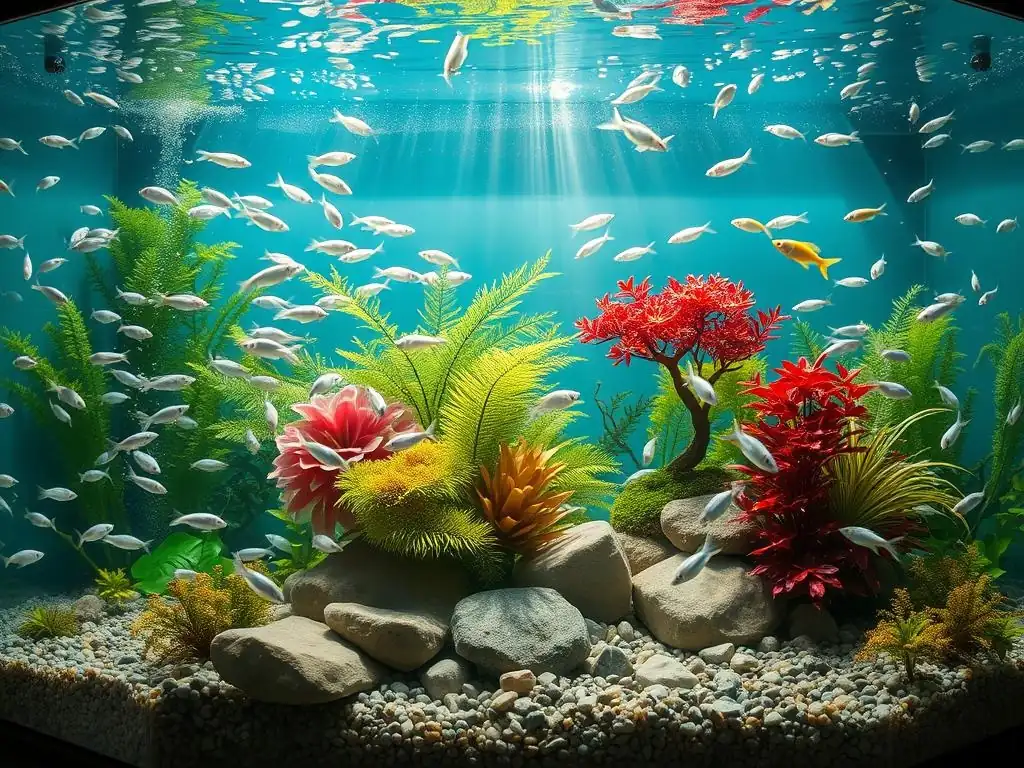
Ever wondered who makes the perfect tank mate for your vibrant White Cloud Mountain Minnows? These cool-water beauties need the right companions to thrive. Dive into our comprehensive guide to discover which fish can handle the chill and create a harmonious aquarium. Curious about who's on the list? Let's explore the world of White Cloud Minnow compatible fish and unlock the secrets to a flourishing community tank!
- Understanding White Cloud Mountain Minnows and Their Needs
- Selecting Compatible Fish for Your White Cloud Minnow Tank
- Top White Cloud Minnow Compatible Fish Species
- Fish to Avoid Keeping with White Cloud Mountain Minnows
- Setting Up a Community Tank for White Cloud Minnows
- Feeding Your White Cloud Minnows and Their Tank Mates
- Monitoring Your White Cloud Minnow Tank for Compatibility Issues
- Creating a Thriving Ecosystem with White Cloud Minnows and Compatible Species
-
Frequently Asked Questions
- What are the ideal temperature requirements for White Cloud Mountain Minnows, and how does this affect compatible tank mates?
- What types of fish should definitely be avoided when selecting tank mates for White Cloud Mountain Minnows?
- Besides fish, are there any invertebrate tank mates that are suitable for a White Cloud Mountain Minnow tank?
- How does the size of the aquarium impact the compatibility of fish with White Cloud Mountain Minnows?
- What are some specific examples of fish that are commonly considered good tank mates for White Cloud Mountain Minnows?
- Final Reflection: Harmony in the Cool Waters
- Dive Deeper: Create Your Perfect Cool-Water Community!
Understanding White Cloud Mountain Minnows and Their Needs
The Ideal Water Parameters for White Cloud Minnows
White Cloud Mountain Minnows (Tanichthys albonubes) are renowned for their hardiness and adaptability, stemming from their natural habitat in the cool streams and mountain foothills of China and Vietnam. Unlike most popular aquarium fish, White Clouds thrive in cooler water temperatures, ideally ranging from 64-72°F (18-22°C). While they can tolerate temperatures as low as 50°F (10°C) and briefly up to 78°F (26°C), maintaining them consistently in warmer, typical tropical fish temperatures can significantly shorten their lifespan, stress their immune system, and make them more susceptible to disease.
Beyond temperature, these resilient fish prefer a neutral to slightly alkaline pH, typically between 6.0 and 8.0, with an ideal range of 6.5-7.5. Water hardness (GH) can vary from soft to moderately hard, generally between 5-20 dGH, with 8-15 dGH often cited as optimal. Consistent water quality, characterized by low nitrates (below 20 ppm), zero ammonia, and zero nitrites, is paramount for their long-term health, just as it is for any "White cloud minnow compatible fish" sharing their environment.
White Cloud Mountain Minnows are inherently peaceful, schooling fish that display their best colors and behaviors when kept in groups. A minimum school of 6-8 individuals is recommended, though a group of 10 or more will truly showcase their natural shoaling patterns and reduce individual stress. They are active swimmers, often darting playfully through the mid and upper levels of the aquarium, but they are not known to be aggressive or fin-nippers towards other tank inhabitants.
Reaching an average adult size of about 1.5 inches (4 cm), their small stature makes them vulnerable to larger, predatory fish. Their calm disposition also means they can be easily intimidated or outcompeted for food by overly boisterous or aggressive tank mates. Therefore, selecting "White cloud minnow compatible fish" requires careful consideration of temperament and size to ensure a harmonious community.
Selecting Compatible Fish for Your White Cloud Minnow Tank
Key Considerations for Choosing White Cloud Minnow Tank Mates
When seeking "White cloud minnow compatible fish," several critical factors must be evaluated to ensure the well-being of all inhabitants. First and foremost is temperature compatibility; tank mates must thrive in the same cooler water range as White Clouds, avoiding species that require significantly warmer conditions. Secondly, size and temperament are crucial: potential companions should be neither large enough to view White Clouds as prey nor small enough to be bullied. They should also share a peaceful disposition, preventing stress or aggression within the community.
Furthermore, consider the dietary needs and activity levels of potential tank mates. Ideally, all fish should be able to consume a similar diet without intense competition, and their activity levels should complement each other, ensuring that no species is constantly stressed by overly rambunctious companions. A balanced approach to these considerations is key to establishing a thriving and stress-free environment for your White Cloud Mountain Minnows and their companions.
Avoiding Aggressive or Fin-Nipping Fish
Due to their small size and peaceful nature, White Cloud Mountain Minnows are highly susceptible to stress and injury from aggressive or fin-nipping fish. Species known for their territoriality or nipping behavior, such as certain Cichlids (e.g., Convict Cichlids) or even popular but sometimes boisterous fish like Tiger Barbs (unless in very large, species-specific groups where the nipping is diffused), should be entirely avoided. Even a single aggressive fish can turn a peaceful community tank into a constant source of stress for your White Clouds, leading to clamped fins, hiding, loss of color, and increased susceptibility to disease.
Constant harassment can result in physical damage, such as torn fins or scales, which are entry points for bacterial and fungal infections. The goal of a "White cloud minnow compatible fish" setup is to foster a calm environment where all fish can thrive without fear. Therefore, prioritizing gentle and non-aggressive species is paramount for the health and longevity of your White Clouds.
Water Temperature Compatibility is Crucial
The unique cool-water requirement of White Cloud Mountain Minnows is perhaps the most significant factor in selecting "White cloud minnow compatible fish." Many popular aquarium species, such as Neon Tetras, Angelfish, Discus, and most Gouramis, are true tropical fish that require water temperatures consistently in the 75-82°F (24-28°C) range. Keeping White Clouds in such warm conditions for extended periods will significantly accelerate their metabolism, leading to a much shorter lifespan than their typical 3-5 years.
Prolonged exposure to higher temperatures also weakens their immune systems, making them highly vulnerable to common aquarium ailments like Ich (white spot disease), fungal infections, and bacterial issues. While they might tolerate brief excursions into warmer water, a long-term mismatch in temperature preferences will inevitably lead to chronic stress and poor health for the White Clouds, undermining the very idea of a harmonious community tank.
Top White Cloud Minnow Compatible Fish Species
Danios as Excellent Tank Companions for White Clouds
Zebra Danios: A Popular and Active Choice
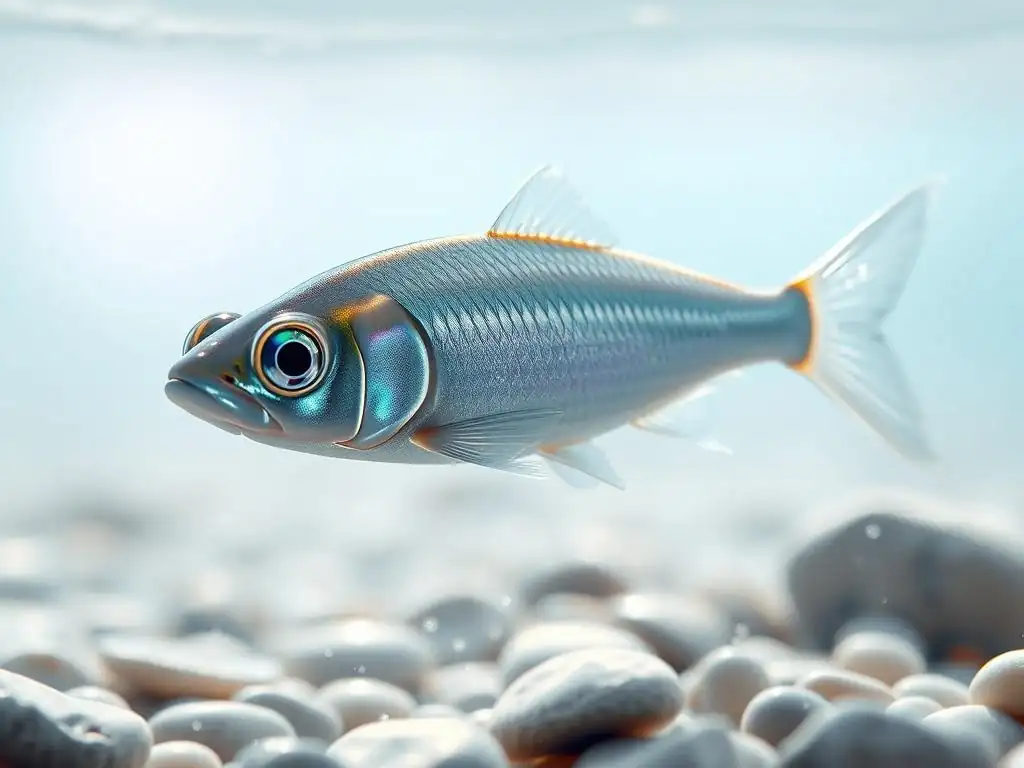
Zebra Danios (Danio rerio) are arguably one of the best choices for "White cloud minnow compatible fish" due to their remarkably similar environmental needs and peaceful, active nature. They thrive in water temperatures ranging from 64-74°F (18-23°C), overlapping perfectly with the White Cloud's preferred range. Like White Clouds, Zebra Danios are schooling fish that appreciate being kept in groups of six or more, exhibiting lively darting and chasing behaviors that add dynamic movement to the mid and upper water columns of the aquarium.
These hardy fish grow to about 2 inches (5 cm) and are generally non-aggressive, making them ideal companions. Their robust nature and ease of care, combined with their active swimming, make them a popular and reliable choice for a "White cloud minnow compatible fish" community, contributing to a vibrant and engaging display.
Pearl Danios: A Peaceful and Beautiful Option
Pearl Danios (Danio albolineatus) offer another excellent alternative for those seeking "White cloud minnow compatible fish." While perhaps less boisterous than their Zebra cousins, Pearl Danios are equally peaceful and tolerant of similar cool water conditions, typically preferring temperatures between 68-75°F (20-24°C). Their iridescent, pearlescent scales catch the light beautifully, adding a subtle shimmer to the tank.
Growing to a slightly smaller size, around 1.5 inches (4 cm), Pearl Danios are also schooling fish that benefit from being kept in groups of six or more. They tend to be a bit shyer than Zebra Danios and appreciate a well-planted aquarium with plenty of hiding spots. Their calm demeanor and stunning appearance make them a fantastic, less common choice for a harmonious community alongside White Clouds.
Other Cyprinids That Thrive with White Clouds
Gold Barb: Adding Color and Activity
The Gold Barb (Barbodes semifasciolatus, often a color variant of the Chinese Barb) stands out as a vibrant and active "White cloud minnow compatible fish." These peaceful, schooling fish typically grow to about 3 inches (7.5 cm) and are tolerant of cooler water temperatures, ideally ranging from 64-74°F (18-23°C), which aligns well with White Clouds. Their striking golden-orange coloration provides a beautiful contrast to the more subdued hues of White Clouds.
Gold Barbs are active swimmers and should be kept in schools of at least five individuals to prevent nipping and encourage their natural schooling behavior. While larger than White Clouds, their generally placid temperament and similar environmental requirements make them a suitable addition to a community tank, provided the aquarium is sufficiently sized (e.g., 20 gallons or more) to accommodate their active nature.
Rosy Barb: A Larger, But Still Compatible Barb
Rosy Barbs (Pethia conchonius) are another intriguing option for a "White cloud minnow compatible fish" setup, although their larger size requires careful consideration. Standard Rosy Barbs, without the elongated fins often seen in ornamental varieties, are generally peaceful and very hardy, thriving in cool water temperatures of 64-72°F (18-22°C). Males develop a beautiful rosy-red coloration, especially during breeding.
Reaching up to 6 inches (15 cm), Rosy Barbs require a larger tank, typically 30 gallons or more, to accommodate their size and active schooling nature (they should be kept in groups of at least five). While generally peaceful, their boisterous activity can sometimes overwhelm smaller, shyer fish, so observe their interactions closely. However, their cool-water tolerance and robust nature often make them a viable option for a spacious White Cloud community.
Invertebrates That Can Cohabitate with White Cloud Minnows
Cherry Shrimp: Peaceful Tank Cleaners
Red Cherry Shrimp (Neocaridina davidi) are an excellent and popular choice for "White cloud minnow compatible fish" setups, offering both aesthetic appeal and practical benefits. These small, peaceful invertebrates thrive in a wide range of temperatures, including the cooler conditions favored by White Clouds (ideal range 65-78°F / 18-26°C). They are diligent scavengers, constantly grazing on algae and detritus, helping to keep the tank clean.
While White Clouds are generally peaceful, there is a slight risk that very small, newly hatched shrimp fry might be viewed as a snack. However, adult and sub-adult Cherry Shrimp are typically safe, especially in a heavily planted tank that provides ample hiding spots for the shrimp to reproduce and grow. Their vibrant red color adds a beautiful contrast to the greens of plants and the silver of the minnows.
Mystery Snails: Adding Variety and Function
Mystery Snails (Pomacea bridgesii) are another fantastic invertebrate option for a "White cloud minnow compatible fish" tank. These relatively large, charismatic snails are completely peaceful, herbivorous, and will not bother your fish or plants (unless plants are already decaying). They tolerate a broad temperature range, including the cooler end suitable for White Clouds (optimal range 68-82°F / 20-28°C), making them highly adaptable.
Mystery Snails are efficient algae eaters and scavengers, consuming uneaten food and helping to maintain tank cleanliness. Their slow, deliberate movements and varied shell colors (yellow, blue, purple, black) add a unique visual element to the aquarium. They are a functional and aesthetically pleasing addition that coexists harmoniously with White Cloud Mountain Minnows.
Fish to Avoid Keeping with White Cloud Mountain Minnows
Tropical Fish with High-Temperature Requirements
A significant number of popular aquarium fish are unsuitable as "White cloud minnow compatible fish" due to their specific high-temperature needs. Species like Discus, Angelfish, most types of Gouramis (e.g., Dwarf Gouramis, Pearl Gouramis), and many common Tetras (such as Neon Tetras or Cardinal Tetras) typically require water temperatures ranging from 75-82°F (24-28°C). These temperatures are simply too warm for the long-term health of White Cloud Mountain Minnows.
Keeping White Clouds in consistently warm water stresses their physiological systems, leading to a drastically reduced lifespan, often by several years. It also severely compromises their immune response, making them highly susceptible to common aquarium diseases like Ich, fin rot, and various bacterial infections. Prioritizing the cool-water needs of White Clouds means avoiding these otherwise beautiful tropical species.
Aggressive or Predatory Fish Species
The peaceful and small nature of White Cloud Mountain Minnows makes them highly vulnerable to aggressive or predatory tank mates. Fish species known for their territoriality, nipping behavior, or predatory instincts should be strictly avoided. Examples include most Cichlids (even smaller ones like German Blue Rams can be too territorial, let alone larger species like Convict Cichlids), most species of large Barbs (especially Tiger Barbs unless in very specific, large, and species-only setups), and larger predatory fish such as many types of Bettas (Siamese Fighting Fish), which may view White Clouds as a meal or a threat.
Even if a larger fish doesn't outright eat a White Cloud, constant chasing, fin-nipping, or bullying can lead to chronic stress, physical injuries, and a weakened immune system. A truly harmonious "White cloud minnow compatible fish" community cannot exist if any inhabitant lives in constant fear, making careful selection of temperament paramount.
Fish That Outcompete White Clouds for Food
While White Cloud Mountain Minnows are active and generally good eaters, their small size and relatively calm demeanor can make them susceptible to being outcompeted for food by more boisterous or faster-feeding tank mates. Species that are particularly aggressive eaters, such as certain types of larger Danios (if food is not distributed widely enough) or some very active Barbs, can quickly consume all available food before the White Clouds have a chance to feed adequately.
This can lead to malnourishment and health issues for the White Clouds over time, despite seemingly ample food being offered. When planning a "White cloud minnow compatible fish" community, it's important to consider not just dietary needs but also feeding behavior. Ensuring that all fish, especially the smaller and less assertive ones, get enough to eat often requires specific feeding strategies, such as distributing food across the tank or offering multiple feeding times.
Setting Up a Community Tank for White Cloud Minnows
Tank Size Recommendations for a White Cloud Minnow Community
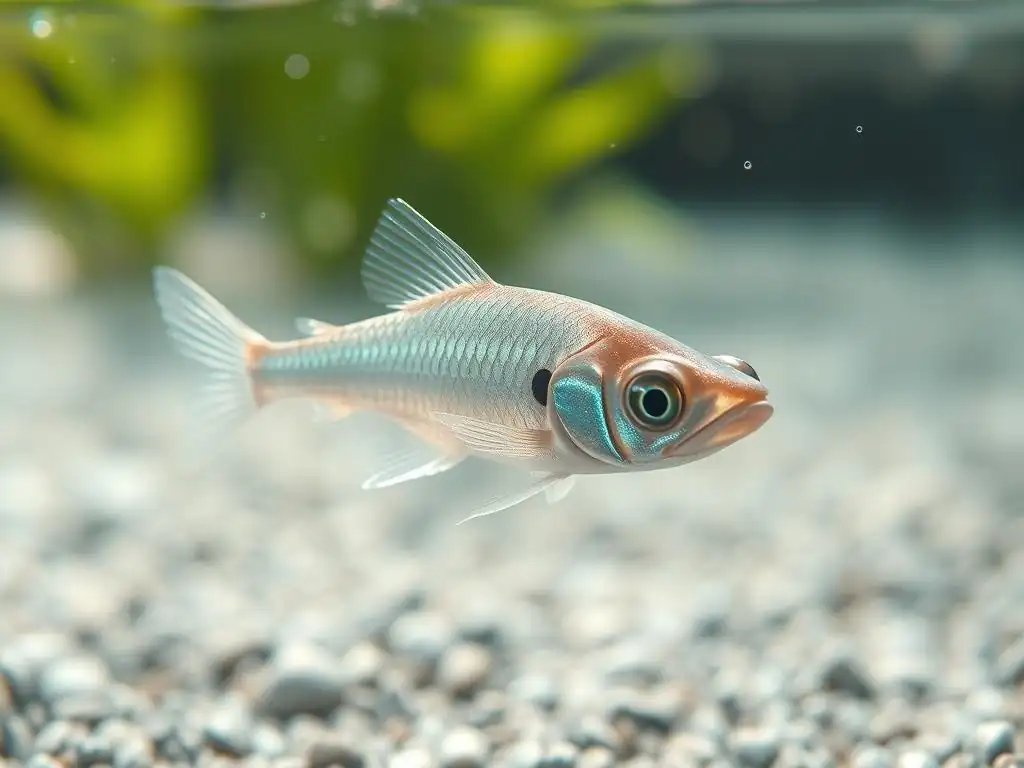
For a small school of 6-8 White Cloud Mountain Minnows, a 10-gallon aquarium is a bare minimum. However, to truly create a thriving community with "White cloud minnow compatible fish," a larger tank is highly recommended. A 20-gallon long aquarium provides significantly more swimming space for active fish and better stability in water parameters. For a more diverse community or larger schools of White Clouds and other cool-water fish, a 30-gallon or 40-gallon breeder tank is ideal.
Larger tank volumes offer several advantages: they dilute waste products more effectively, making water parameters more stable and forgiving of minor fluctuations. This increased volume also allows for a larger school of White Clouds, which enhances their natural schooling behavior and reduces stress. Additionally, it provides ample room for a greater variety of "White cloud minnow compatible fish" to coexist peacefully without feeling overcrowded.
Providing Adequate Hiding Places and Open Swimming Space
A well-designed aquarium for White Cloud Mountain Minnows and their companions should strike a balance between open swimming areas and ample hiding places. White Clouds, while active, appreciate the security that dense planting or décor offers. Live plants, such as Java Fern, Anubias, Cryptocoryne species, or even floating plants like Dwarf Water Lettuce, provide excellent cover and contribute to water quality.
In addition to plants, smooth rocks, driftwood, and small caves can serve as crucial retreats for all fish, reducing stress and providing territories. While White Clouds spend much of their time in the mid-to-upper water column, the presence of cover makes them feel more secure, encouraging them to display their vibrant colors and natural behaviors more readily. A thoughtfully aquascaped tank not only benefits the fish but also enhances the visual appeal for the aquarist.
Maintaining Optimal Water Quality for all Tank Inhabitants
Maintaining pristine and stable water quality is the cornerstone of a healthy community tank for White Cloud Mountain Minnows and any "White cloud minnow compatible fish." This begins with a properly cycled aquarium, ensuring that beneficial bacteria are established to process ammonia and nitrites into less harmful nitrates. A robust filtration system, whether a hang-on-back filter, sponge filter, or canister filter, is essential for mechanical, chemical, and biological filtration.
Regular weekly water changes, typically 25-30% of the tank volume, are crucial for diluting nitrates and replenishing essential minerals. Consistent monitoring of water parameters using a reliable test kit (ammonia, nitrite, nitrate, pH) allows for early detection and correction of any issues. Stable, clean water minimizes stress on all fish, bolstering their immune systems and preventing disease outbreaks in your cool-water community.
Feeding Your White Cloud Minnows and Their Tank Mates
Choosing the Right Food for a Diverse Community Tank
Feeding a community tank with White Cloud Mountain Minnows and their "White cloud minnow compatible fish" requires a varied and balanced diet to ensure all inhabitants receive adequate nutrition. White Clouds are omnivores and will readily accept high-quality flake food as a staple. Supplement this with small pellets, micro-pellets, and a variety of frozen or live foods. Excellent choices include frozen brine shrimp, daphnia, and finely chopped bloodworms, all of which provide essential proteins and nutrients.
Most "White cloud minnow compatible fish" share similar omnivorous dietary needs, simplifying feeding. However, it's important to ensure that the food size is appropriate for all mouth sizes in the tank. If you have bottom-dwelling companions, ensure some food sinks to the substrate. A diverse diet not only promotes vibrant coloration and robust health but also mimics their natural foraging behaviors.
Avoiding Overfeeding and Maintaining Water Quality
Overfeeding is one of the most common pitfalls in aquarium keeping and can quickly lead to significant water quality issues in a "White cloud minnow compatible fish" tank. Uneaten food rapidly decomposes, releasing harmful ammonia and nitrites into the water, which can stress and even kill fish. It also contributes to unsightly algae blooms and cloudy water.
To prevent overfeeding, offer small amounts of food 2-3 times a day that your fish can consume entirely within 2-3 minutes. Observe your fish during feeding to ensure all individuals, including the shyer White Clouds, are getting enough. Less uneaten food directly translates to less organic waste in the tank, reducing the burden on your filtration system and helping to maintain the pristine water quality essential for the long-term health of your White Clouds and their companions.
Monitoring Your White Cloud Minnow Tank for Compatibility Issues
Observing Fish Behavior for Signs of Stress or Aggression
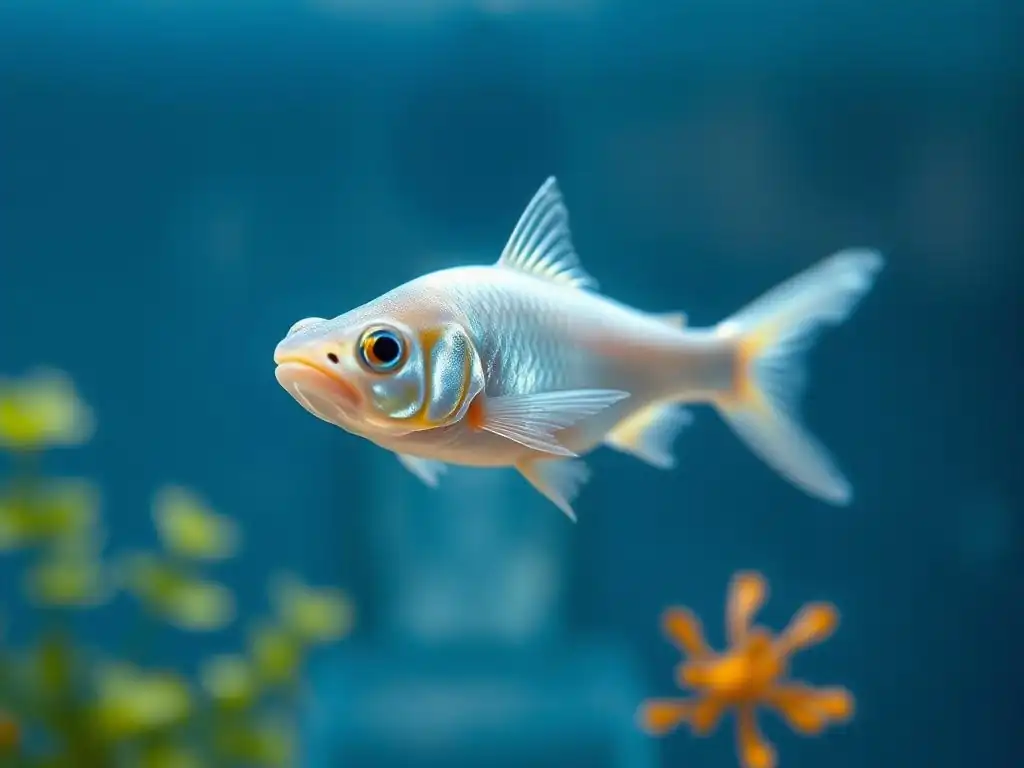
Regular and attentive observation of your "White cloud minnow compatible fish" community is crucial for early detection of any compatibility issues. Spend a few minutes each day watching your fish for signs of stress or aggression. Look for clamped fins, rapid breathing, darting movements, excessive hiding, or a loss of vibrant coloration in your White Clouds – these are all indicators of stress.
Conversely, observe tank mates for aggressive behaviors such as persistent chasing, fin nipping, or territorial disputes. Even seemingly compatible species can sometimes exhibit unexpected aggression, especially during feeding times or if the tank is slightly overcrowded. Early identification of these behaviors allows for timely intervention, preventing minor issues from escalating into serious problems for your White Cloud Mountain Minnows.
Addressing Potential Compatibility Problems Early On
If you observe signs of stress or aggression within your "White cloud minnow compatible fish" community, prompt action is essential. Simple solutions often include increasing the tank size to provide more territory, adding more hiding spots (plants, caves, driftwood) to break up lines of sight, or adjusting feeding routines to ensure all fish get enough food without intense competition. Sometimes, adding more individuals to a schooling species (like White Clouds themselves) can diffuse aggression by spreading it out.
In more severe cases, or if a particular fish consistently harasses others, the best course of action might be to rehome the aggressive individual. A harmonious community tank relies on the peaceful coexistence of its inhabitants. Proactive measures and a willingness to adjust your setup or stock are key to resolving compatibility issues and ensuring a healthy, stress-free environment for your White Clouds.
Creating a Thriving Ecosystem with White Cloud Minnows and Compatible Species
The Importance of Research and Planning
Building a successful aquarium community, particularly one centered around species with specific needs like White Cloud Mountain Minnows, hinges entirely on thorough research and meticulous planning. Before introducing any new fish, it is imperative to understand its ideal water parameters, adult size, temperament, and dietary requirements. This foresight allows aquarists to select "White cloud minnow compatible fish" that truly thrive in the same cool-water environment and coexist peacefully.
Planning extends beyond just fish selection; it includes choosing an appropriately sized tank, selecting a suitable filtration system, and designing an aquascape that offers both open swimming space and secure hiding spots. A well-researched and thoughtfully planned setup is the foundation for a stable and healthy ecosystem, minimizing future problems and maximizing the enjoyment of your aquatic hobby.
Enjoying a Beautiful and Harmonious Aquarium
The ultimate reward of careful planning and diligent care is a beautiful and harmonious aquarium filled with White Cloud Mountain Minnows and their "White cloud minnow compatible fish." Witnessing a school of White Clouds darting gracefully alongside peaceful Danios or the quiet industry of Mystery Snails creates a captivating and calming display. Each species contributes to the overall vibrancy and ecological balance of the tank, showcasing their natural behaviors in a stress-free environment.
Embracing the journey of creating a thriving aquatic ecosystem is one of the most fulfilling aspects of aquarium keeping. By understanding the unique needs of White Cloud Mountain Minnows and thoughtfully selecting their companions, you cultivate not just a tank, but a miniature world where all inhabitants flourish, offering endless hours of observation and enjoyment.
Frequently Asked Questions
What are the ideal temperature requirements for White Cloud Mountain Minnows, and how does this affect compatible tank mates?
White Clouds prefer cooler waters, typically between 64-72°F (18-22°C). This limits compatible tank mates to those who also thrive in lower temperature ranges. Many tropical fish will not survive in these temperatures.
What types of fish should definitely be avoided when selecting tank mates for White Cloud Mountain Minnows?
Avoid aggressive or predatory fish, such as cichlids or larger barbs, as they can harass or even eat the smaller, peaceful White Clouds. Also, avoid fish needing warmer tropical temperatures.
Besides fish, are there any invertebrate tank mates that are suitable for a White Cloud Mountain Minnow tank?
Yes, certain invertebrates can be excellent additions! Consider peaceful shrimp like Cherry Shrimp or Amano Shrimp, as well as snails such as Nerite Snails or Mystery Snails.
How does the size of the aquarium impact the compatibility of fish with White Cloud Mountain Minnows?
A larger aquarium (20 gallons or more) provides more space and hiding places, allowing for a wider range of compatible tank mates. A smaller tank can lead to overcrowding and stress.
What are some specific examples of fish that are commonly considered good tank mates for White Cloud Mountain Minnows?
Good options include other White Cloud Mountain Minnows (they thrive in groups), Danio species (like Zebra Danios), and small, peaceful tetras that tolerate cooler water, like Rosy barbs.
Final Reflection: Harmony in the Cool Waters
The exploration of White Cloud Mountain Minnow compatibility isn't just about finding suitable tank mates; it's a microcosm of the broader challenge of creating balanced and thriving ecosystems, both within our aquariums and in the world around us. Understanding the delicate interplay of species and their environmental needs is crucial, especially as our planet faces increasing ecological pressures.
This journey into the world of aquascaping has underscored the importance of responsible pet ownership and the ethical considerations that come with it. Choosing the right companions for our aquatic friends is a reflection of our commitment to their well-being and the preservation of biodiversity. The greatness of a nation and its moral progress can be judged by the way its animals are treated.
- Mahatma Gandhi. This quote resonates deeply, reminding us that even in the seemingly small act of selecting tank mates, we are contributing to a larger narrative of compassion and respect for all living creatures.
Now, as you consider the information presented, I invite you to reflect on your own role in creating harmonious environments. Whether you're an experienced aquarist or just beginning your journey, remember that every choice you make has an impact. Embrace the responsibility, continue to learn, and strive to create a world where all creatures, great and small, can thrive together in peace and balance.
Dive Deeper: Create Your Perfect Cool-Water Community!
Thank you for exploring the fascinating world of White Cloud Mountain Minnows! We hope you've discovered some fantastic potential tank mates to create a thriving cool-water aquarium. Now it's time to bring those insights to life!
- Start planning your dream community tank! Research compatible species and create a stocking plan that considers temperament, size, and water parameters.
- Share your favorite White Cloud Mountain Minnow tank mate ideas with fellow aquarists on forums or social media – inspire others with your knowledge!
- Consider setting up a small quarantine tank for new additions to prevent introducing diseases to your existing cool-water community.
What surprising combination are you most excited to try in your White Cloud Mountain Minnow tank?