
Nano Tank Nirvana: Specialized Care for Chili Rasboras and Celestial Pearl Danios

Welcome to Aquarium Mastery!
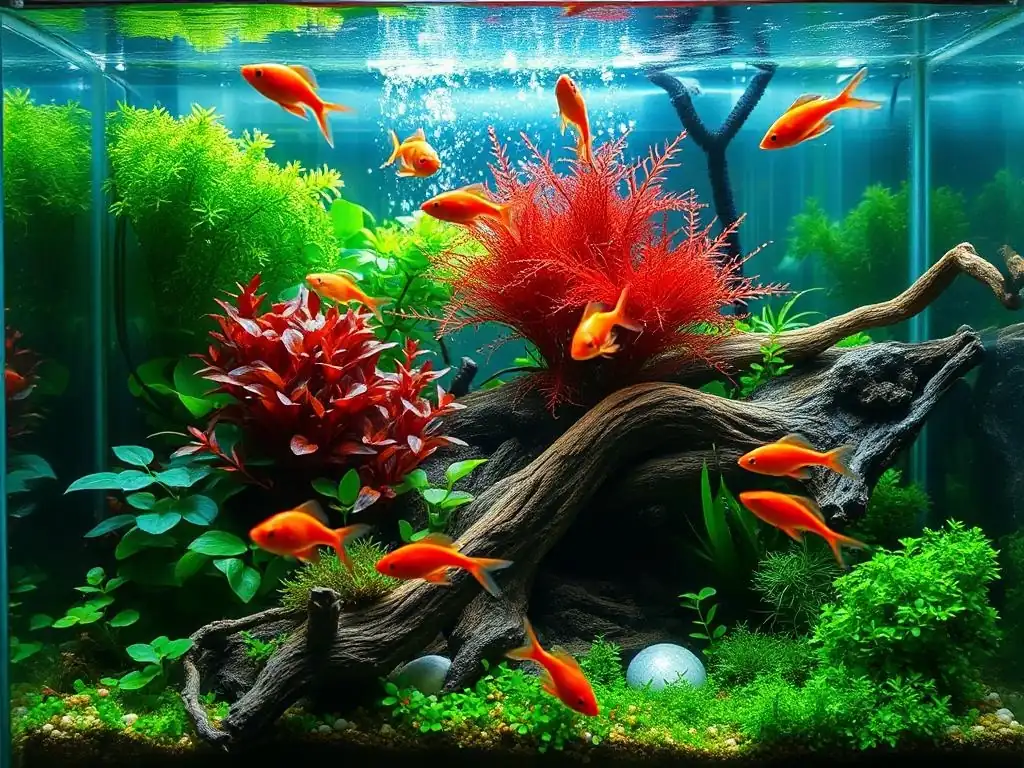
Ever wondered how to create a thriving, miniature underwater paradise? Dive in and explore the captivating world of nano tanks with a special focus on the dazzling chili rasbora. Discover the secrets to providing optimal care for these vibrant little fish, alongside their equally charming companions, the Celestial Pearl Danios. Are you ready to unlock the secrets to nano tank nirvana? Let's get started!
- Introduction to Chili Rasboras and Celestial Pearl Danios in Nano Aquariums
- Setting Up the Ideal Nano Tank Environment for Chili Rasboras and Celestial Pearl Danios
- Water Parameters and Chemistry: Crucial for Nano Tank Chili Rasbora Care
- Feeding Chili Rasboras and Celestial Pearl Danios in a Nano Tank
- Chili Rasbora Care: Specific Needs and Considerations in Nano Tanks
- Celestial Pearl Danio Care: Thriving in a Nano Environment
- Tank Mates for Chili Rasboras and Celestial Pearl Danios in a Nano Setup
- Breeding Chili Rasboras and Celestial Pearl Danios in Nano Tanks
- Troubleshooting Common Nano Tank Issues with Chili Rasboras and Celestial Pearl Danios
- Maintaining a Pristine Nano Tank: A Regular Maintenance Schedule
- Conclusion: Enjoying Your Nano Tank with Chili Rasboras and Celestial Pearl Danios
-
Frequently Asked Questions
- What are the key considerations when setting up a nano tank for Chili Rasboras?
- What specific water parameters are ideal for Chili Rasboras in a nano tank?
- What type of food is best suited for Chili Rasboras in a nano tank environment?
- How often should I perform water changes in a Chili Rasbora nano tank?
- What are common health issues that can affect Chili Rasboras in nano tanks, and how can I prevent them?
- Final Reflection: The Miniature Majesty of Nano Aquariums
- Unleash the Vibrant Potential of Your Nano Tank!
Introduction to Chili Rasboras and Celestial Pearl Danios in Nano Aquariums
The Allure of Nano Tanks for Small Fish Species
Nano tanks, typically defined as aquariums under 10 gallons, offer a unique and increasingly popular approach to the aquarium hobby. Their compact size makes them ideal for small living spaces, apartments, or even office desks, bringing the tranquility of an aquatic ecosystem into environments where larger tanks would be impractical.
Beyond space-saving, nano tanks also present a focused challenge, allowing aquarists to delve deeply into the specific needs of smaller fish species and create highly detailed, miniature aquascapes. This concentrated environment often leads to a more intimate connection with the aquatic inhabitants, making every detail of nano tank chili rasbora care, for instance, a fascinating endeavor.
The appeal extends to their relative cost-efficiency compared to larger setups, requiring less initial investment for equipment and lower ongoing expenses for water changes and consumables. Despite their small footprint, a well-maintained nano tank can host a vibrant, thriving community of micro-species like Chili Rasboras ( Boraras brigittae) and Celestial Pearl Danios ( Danio margaritatus), offering a captivating display. These diminutive fish, often less than an inch in length, truly shine in a nano environment where their intricate colors and schooling behaviors are not overshadowed by larger tank mates or vast open spaces.
Understanding the Unique Needs of Chili Rasboras and Celestial Pearl Danios
Chili Rasboras and Celestial Pearl Danios, while both excellent candidates for nano tanks, possess distinct requirements that must be met for their optimal health and longevity. Chili Rasboras, native to blackwater habitats in Southeast Asia, thrive in soft, acidic water with a pH typically ranging from 4.0 to 6.5 and temperatures between 72-82°F (22-28°C).
They are incredibly sensitive to fluctuations in water parameters and prefer heavily planted tanks with plenty of hiding spots and subdued lighting, mimicking their natural environment. Their delicate nature means that meticulous nano tank chili rasbora care is paramount, focusing on stable water chemistry and a stress-free environment.
Celestial Pearl Danios, also known as Galaxy Rasboras, originate from small, densely vegetated ponds and marshes in Myanmar. They prefer slightly cooler temperatures, ideally between 68-78°F (20-26°C), and a pH range of 6.5 to 7.5, making them slightly more adaptable than Chili Rasboras in terms of pH. Like Chili Rasboras, they are schooling fish that benefit from a well-planted tank with ample cover and a gentle current. Understanding these specific ecological niches and translating them into the confined space of a nano tank is the foundation for successful long-term care of these exquisite micro-fish.
Setting Up the Ideal Nano Tank Environment for Chili Rasboras and Celestial Pearl Danios
Choosing the Right Size Nano Tank: Considerations for Schooling Behavior
When establishing a nano tank for Chili Rasboras and Celestial Pearl Danios, selecting the appropriate tank size is crucial, even within the "nano" category. While these fish are small, their schooling nature dictates that they need adequate space to exhibit natural behaviors and reduce stress. A 5-gallon tank is generally considered the absolute minimum for a small school (6-8 individuals) of either species.
However, a 7-gallon to 10-gallon tank is significantly more beneficial, allowing for larger schools (10-15 fish) which enhances their schooling patterns and overall well-being. For example, a group of 12 Chili Rasboras in a 10-gallon tank will display more cohesive schooling and vibrant coloration than 6 individuals in a 5-gallon setup.
The larger volume also offers greater stability in water parameters, mitigating the rapid fluctuations that can occur in smaller tanks. For instance, a 1-degree Celsius temperature swing in a 5-gallon tank represents a much larger thermal shock than the same swing in a 10-gallon tank, due to the lower thermal mass. This stability is critical for sensitive species, directly impacting the success of nano tank chili rasbora care and the health of Celestial Pearl Danios. Opting for a tank with a wider footprint rather than a taller, narrower one is also advisable, as these fish prefer horizontal swimming space.
Essential Equipment for a Thriving Nano Aquarium: Filter, Heater, and Lighting
Equipping a nano tank correctly is fundamental to creating a stable and healthy environment. For filtration, a small sponge filter or a hang-on-back (HOB) filter with adjustable flow is ideal. Sponge filters provide excellent biological filtration and minimal current, which is perfect for Chili Rasboras and Celestial Pearl Danios that dislike strong flow. For example, an air-driven sponge filter designed for tanks up to 10 gallons can process approximately 0.5 gallons per minute, effectively removing waste without disturbing the fish. When using a HOB filter, ensure the flow can be baffled or reduced to prevent stressing the fish.
A reliable heater is indispensable to maintain stable temperatures, especially for Chili Rasboras which prefer warmer water. A 25-watt to 50-watt heater is typically sufficient for tanks up to 10 gallons, capable of maintaining the desired 72-82°F (22-28°C) range. Lighting should be moderate, particularly for heavily planted tanks where Chili Rasboras thrive.
A low-to-medium intensity LED light, providing around 15-20 lumens per liter, is usually sufficient for most common aquarium plants and will not overwhelm these light-sensitive fish. Overly bright lighting can cause stress and inhibit natural behaviors, underscoring the nuanced approach required for effective nano tank chili rasbora care.
Substrate Selection and Aquascaping for Chili Rasboras and Celestial Pearl Danios
Creating a Natural Habitat: Plants, Driftwood, and Leaf Litter
The choice of substrate and aquascaping elements plays a vital role in replicating the natural habitat of Chili Rasboras and Celestial Pearl Danios, thereby promoting their health and displaying their best colors. A dark, fine-grained substrate, such as black sand or small gravel (1-3mm grain size), is highly recommended.
Dark substrates not only help to highlight the vibrant colors of these fish but also reduce light reflection from the bottom, which can be a source of stress for species accustomed to dimly lit, blackwater environments. For instance, using a 1-inch layer of black inert sand provides a suitable base for plants and helps maintain water clarity.
Heavy planting is paramount for both species. Live plants like Java Moss ( Taxiphyllum barbieri), Anubias species ( Anubias barteri), Bucephalandra, and various stem plants (e.g., Rotala, Ludwigia) provide essential hiding spots, reduce aggression, and contribute to water quality by absorbing nitrates. Driftwood and Indian almond leaves (catappa leaves) are also highly beneficial. Driftwood releases tannins, which subtly stain the water a tea-like color, mimicking the blackwater conditions Chili Rasboras prefer and providing beneficial humic substances.
Indian almond leaves similarly release tannins and create a natural food source for beneficial microorganisms, which in turn can be grazed upon by the fish. A general guideline is to add 1-2 medium-sized leaves per 5 gallons every 2-3 weeks, replacing them as they decompose. This comprehensive approach to aquascaping is a cornerstone of successful nano tank chili rasbora care.
Water Parameters and Chemistry: Crucial for Nano Tank Chili Rasbora Care
Maintaining Stable Water Chemistry in a Small Aquarium
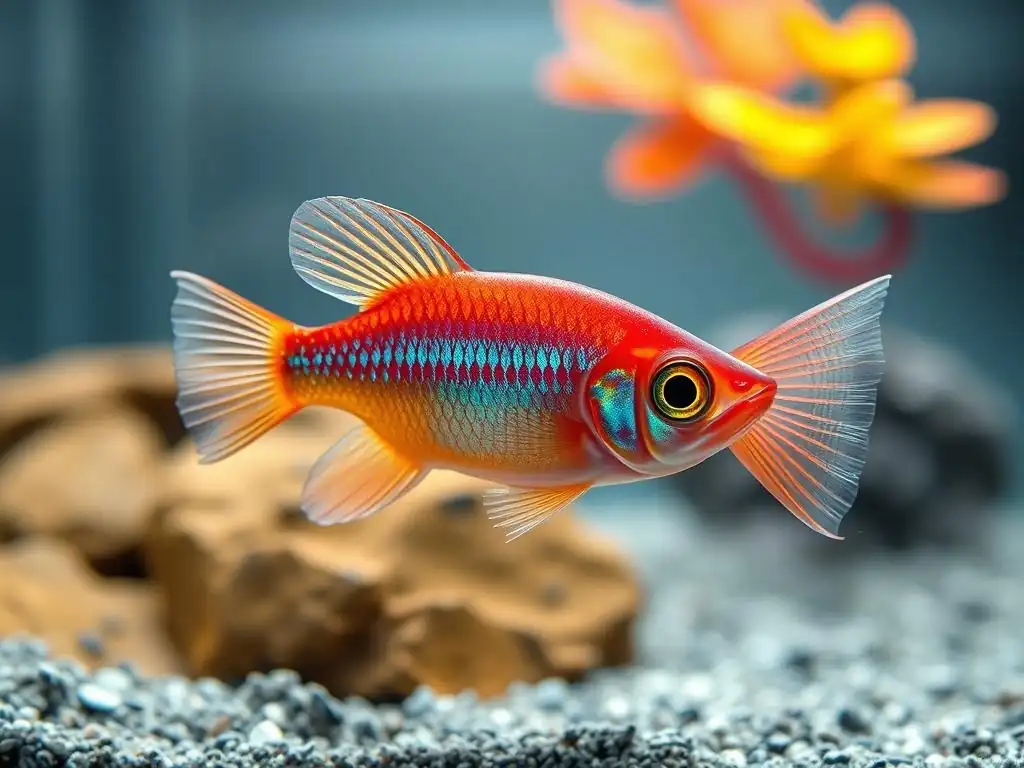
Maintaining stable water chemistry is arguably the most critical aspect of nano tank chili rasbora care, given the small volume of water. In a nano environment, even minor fluctuations in parameters like pH, GH (General Hardness), and KH (Carbonate Hardness) can have a significant impact on fish health due to the low buffering capacity.
Chili Rasboras thrive in soft, acidic water with a pH of 4.0-6.5 and GH below 5 dGH, while Celestial Pearl Danios prefer slightly harder water with a pH of 6.5-7.5 and GH up to 10 dGH. When housing both, aiming for a middle ground, such as a pH of 6.5-7.0 and GH of 5-8 dGH, is often the most pragmatic approach, achieved through careful water source management and potentially the use of RO/DI water remineralized to target parameters.
To ensure stability, avoid sudden large water changes and instead opt for more frequent, smaller changes. For example, replacing 10-15% of the water every 3-4 days is often more stable than a single 30% weekly change in a 5-gallon tank. The presence of live plants also contributes significantly to water stability by absorbing excess nutrients and providing a more buffered environment. Regular monitoring with reliable test kits is indispensable to catch any deviations before they become problematic, allowing for prompt adjustments and safeguarding the delicate balance of the nano ecosystem.
The Importance of Regular Water Changes in Nano Tanks
Despite advanced filtration, regular water changes are non-negotiable for the long-term health of fish in nano tanks. The confined volume means that waste products, such as nitrates, can accumulate rapidly, even with a small bioload. High nitrate levels (above 20 ppm) can stress fish, suppress their immune systems, and lead to various health issues. For a 5-gallon nano tank with a school of Chili Rasboras, performing a 20-25% water change twice a week is often more beneficial than a single weekly change, effectively diluting accumulated toxins and replenishing essential trace elements.
Using a small gravel vacuum or a dedicated nano siphon allows for precise removal of detritus from the substrate while siphoning out the old water. When adding new water, it is crucial to match the temperature and ensure it is properly dechlorinated. Using a water conditioner that detoxifies chlorine, chloramines, and heavy metals is vital.
For instance, a product like Seachem Prime can neutralize up to 1 ppm of ammonia, nitrite, and nitrate for 24-48 hours, providing an extra layer of safety during water changes. Consistent adherence to a water change schedule is the backbone of effective nano tank chili rasbora care, preventing the buildup of harmful compounds and promoting a pristine environment.
Testing and Adjusting Water Parameters: pH, Ammonia, Nitrite, and Nitrate
Regular testing of water parameters is a fundamental practice for any aquarist, but it is especially critical in nano tanks where conditions can change rapidly. An API Freshwater Master Test Kit, which includes tests for pH, high range pH, ammonia, nitrite, and nitrate, is an invaluable tool. Ammonia and nitrite should always read 0 ppm in an established, cycled tank. Even trace amounts are highly toxic to fish, particularly sensitive species like Chili Rasboras. If elevated levels are detected, immediate corrective action, such as a large water change and investigation into the cause (e.g., overfeeding, filter malfunction), is necessary.
Nitrate levels, while less acutely toxic than ammonia or nitrite, should be kept below 20 ppm for optimal fish health. Consistent readings above this threshold indicate insufficient water changes or overstocking. The pH should be monitored closely to ensure it remains within the target range for your chosen species. If pH drifts too low for Celestial Pearl Danios or too high for Chili Rasboras, adjustments can be made carefully.
For instance, to lower pH for Chili Rasboras, adding Indian almond leaves or peat to the filter can help. To raise pH for Celestial Pearl Danios, increasing aeration or adding a small amount of crushed coral to the filter can be considered, though stability is always preferred over drastic changes. The diligence in testing and adjusting is a defining characteristic of successful nano tank chili rasbora care.
Feeding Chili Rasboras and Celestial Pearl Danios in a Nano Tank
Optimal Diet for Vibrant Colors and Healthy Growth
Providing an optimal diet is essential for the vibrant colors, healthy growth, and overall well-being of Chili Rasboras and Celestial Pearl Danios in a nano tank. Both species are micro-predators in their natural habitats, primarily feeding on tiny invertebrates and zooplankton. Therefore, their captive diet should reflect this, focusing on high-quality, protein-rich foods that are appropriately sized for their tiny mouths. Crushed high-quality flake food (specifically designed for small tropical fish), micro-pellets, and finely ground freeze-dried foods like bloodworms or daphnia are excellent staples.
For instance, a premium micro-pellet with at least 40% protein content and ingredients like spirulina and krill can provide comprehensive nutrition. Feeding a varied diet is key to ensuring they receive all necessary vitamins and minerals. Rotating between 2-3 different types of prepared foods prevents nutritional deficiencies and keeps the fish engaged during feeding times. A balanced diet directly contributes to the rich red hues of Chili Rasboras and the iridescent blue-green and orange spots of Celestial Pearl Danios, making them a true spectacle in the nano aquarium.
Live Foods vs. Prepared Foods: What's Best for Nano Tank Fish?
While prepared foods form the cornerstone of their diet, incorporating live and frozen foods offers significant benefits for Chili Rasboras and Celestial Pearl Danios, often eliciting more natural hunting behaviors and enhancing their color and vitality. Live foods such as newly hatched brine shrimp ( Artemia nauplii), micro-worms, and daphnia are highly recommended. Brine shrimp nauplii, being about 0.5mm in size, are perfectly sized for these fish and provide excellent protein and essential fatty acids. Feeding a small amount of live brine shrimp 2-3 times a week can significantly boost their health and activity levels.
Frozen foods, like frozen daphnia, cyclops, or finely chopped bloodworms, are also excellent alternatives when live foods are not readily available. These provide similar nutritional benefits and are usually eagerly accepted. However, care must be taken to thaw frozen foods before feeding and to ensure only very small portions are offered to avoid polluting the small tank.
While prepared foods are convenient and provide baseline nutrition, the inclusion of live or frozen foods is a superior approach for maximizing the health, coloration, and breeding potential of these nano tank inhabitants. This comprehensive feeding strategy is a critical component of advanced nano tank chili rasbora care.
Feeding Frequency and Portion Control to Avoid Overfeeding
Overfeeding is one of the most common pitfalls in nano tank keeping and can quickly lead to disastrous water quality issues. Due to their small size and rapid metabolism, Chili Rasboras and Celestial Pearl Danios should be fed small amounts multiple times a day rather than one large meal. Aim for 2-3 small feedings per day, offering only what they can consume within 1-2 minutes. Any uneaten food should be promptly removed with a small siphon or turkey baster to prevent decomposition and subsequent ammonia spikes.
For instance, a pinch of micro-pellets the size of a pea, or about 10-15 newly hatched brine shrimp per fish, might be an appropriate portion for a single feeding. It's better to underfeed slightly than to overfeed. Overfeeding not only pollutes the water but can also lead to obesity and health problems in the fish themselves.
Establishing a consistent feeding routine and strictly adhering to portion control is paramount for maintaining stable water parameters and the overall health of your nano tank inhabitants. This diligent approach is central to effective nano tank chili rasbora care and the longevity of your Celestial Pearl Danios.
Chili Rasbora Care: Specific Needs and Considerations in Nano Tanks
Chili Rasboras ( Boraras brigittae) are captivating fish, but their delicate nature and specific social dynamics require careful consideration within the confines of a nano tank. They are highly social schooling fish and absolutely thrive in larger groups. A minimum school of 8-10 individuals is recommended, and a group of 15-20 in a 10-gallon tank will exhibit more natural and fascinating schooling behaviors, reducing individual stress.
When kept in insufficient numbers, they can become shy, reclusive, and prone to stress-related diseases. Observing their behavior is key: a healthy school will actively swim together, darting through plants, while stressed individuals may hide constantly or exhibit faded colors.
These fish are incredibly peaceful and will not bother other tank mates, nor are they equipped to defend themselves against even moderately aggressive species. Their small size (typically 0.7-0.8 inches or 1.8-2.0 cm) means they can easily be intimidated or outcompeted for food by larger or faster fish. Therefore, tank mate selection must be meticulously planned to ensure compatibility. Understanding these social nuances is a cornerstone of effective nano tank chili rasbora care, allowing them to flourish and display their full potential in the aquarium.
Preventing and Treating Common Chili Rasbora Diseases in Nano Aquariums
Chili Rasboras are generally hardy when kept in optimal conditions, but their small size and sensitivity to poor water quality make them susceptible to certain diseases in a nano tank if care is lacking. The most common issues arise from stress due to unstable parameters, overcrowding, or aggressive tank mates. These stresses can lead to secondary infections like Ich (White Spot Disease), fin rot, or fungal infections.
Prevention is always the best cure, achieved through meticulous water quality management, a stable environment, and a nutritious diet. Regularly testing water parameters and performing consistent water changes (e.g., 20% twice a week in a 5-gallon tank) is crucial.
If disease is suspected, prompt action is necessary. For Ich, a common parasite, a gradual increase in temperature (to 82-84°F or 28-29°C, if tank mates can tolerate it) combined with frequent small water changes and potentially the use of an appropriate medication can be effective. However, many medications can be harsh on sensitive fish like Chili Rasboras and should be used sparingly and at reduced dosages if specified for small fish.
Quarantining new fish for 2-4 weeks before introduction is a proactive measure that can prevent the spread of pathogens to the main nano tank. Recognizing early signs like clamped fins, lethargy, or visible spots is vital for successful intervention in nano tank chili rasbora care.
Maintaining Water Quality: Key to Healthy Chili Rasboras
The sheer importance of pristine water quality for Chili Rasboras in a nano tank cannot be overstated. These fish hail from highly stable, often nutrient-poor blackwater environments, making them acutely sensitive to dissolved pollutants. Ammonia and nitrite must remain at 0 ppm at all times. Even nitrate levels above 10-15 ppm can cause chronic stress and compromise their immune system over time. This necessitates a robust biological filter, regular water changes, and careful feeding practices to prevent the accumulation of organic waste.
Utilizing live plants extensively, such as Pothos plants with their roots in the water or floating plants like dwarf water lettuce, can significantly aid in nitrate uptake. These plants act as natural filters, consuming excess nutrients that would otherwise contribute to poor water quality. Furthermore, the use of Indian almond leaves not only provides beneficial tannins but also helps to establish a stable, slightly acidic pH and contains mild antiseptic properties, further contributing to a healthy environment. A dedicated approach to maintaining crystal-clear, parameter-stable water is the cornerstone of thriving nano tank chili rasbora care.
Celestial Pearl Danio Care: Thriving in a Nano Environment
Celestial Pearl Danio Temperament and Compatibility in a Nano Tank
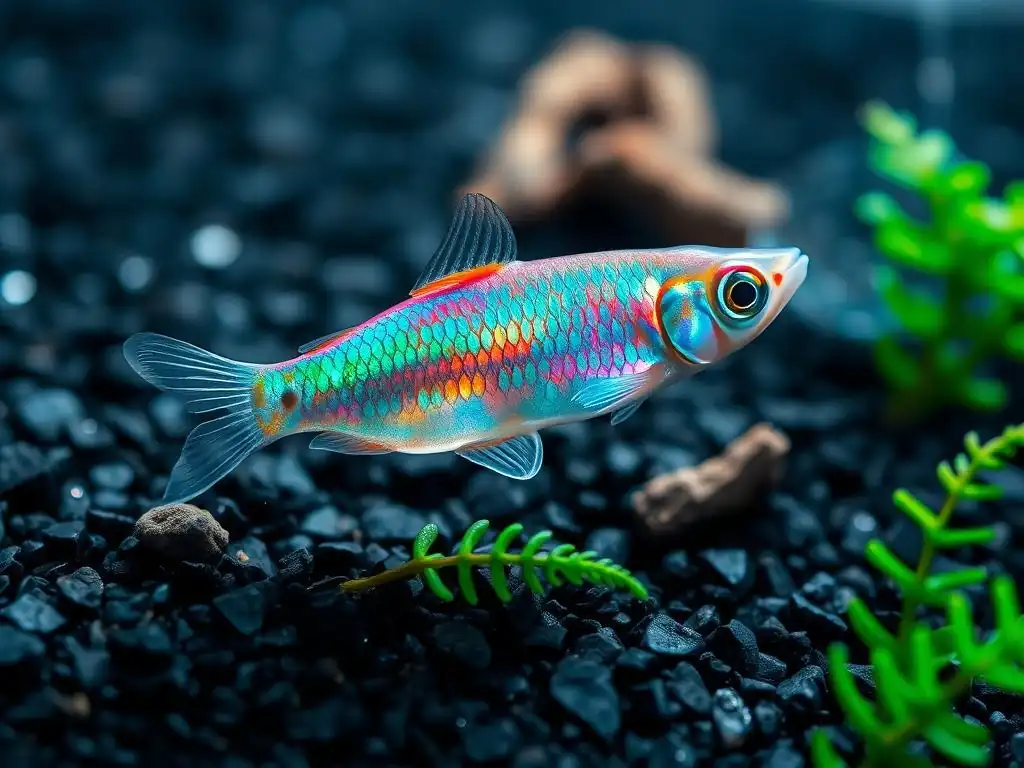
Celestial Pearl Danios (CPDs), Danio margaritatus, are a phenomenal choice for nano tanks due to their small size (typically 0.8-1.0 inch or 2.0-2.5 cm) and relatively peaceful temperament. Like Chili Rasboras, they are schooling fish and should be kept in groups of at least 8-10 individuals to exhibit their natural behaviors and reduce shyness. In a well-planted nano tank, a school of CPDs will actively explore all levels of the aquarium, displaying stunning iridescent colors and engaging in mild chasing behaviors, especially between males vying for female attention.
While generally peaceful, males can display some territorial sparring, particularly during breeding attempts. However, this is usually harmless and rarely results in injury, especially when ample hiding spots are available. Their small size makes them compatible with other peaceful micro-species like Chili Rasboras, Ember Tetras, or small shrimp such as Neocaridina species. They are not suitable for tanks with larger or boisterous fish that could intimidate or prey upon them. Understanding their social needs and providing a secure, species-appropriate environment is key to successful Celestial Pearl Danio care in a nano setup.
Optimizing Water Flow for Celestial Pearl Danios in Small Aquariums
Unlike some danio species that prefer strong currents, Celestial Pearl Danios thrive in nano aquariums with gentle to moderate water flow, mimicking their natural habitat of slow-moving streams and ponds. Excessive current can stress these small fish, causing them to constantly fight the flow, leading to exhaustion and a weakened immune system. When selecting a filter for a nano tank housing CPDs, prioritize models that offer adjustable flow rates or use methods to baffle the outflow.
A small sponge filter is an excellent choice, providing biological filtration with very gentle water movement. If using a hang-on-back (HOB) filter, consider adding a pre-filter sponge over the intake to protect small fish and reduce suction, and use a spray bar or a piece of filter sponge to diffuse the outflow.
For example, a filter rated for 10-20 GPH (gallons per hour) for a 5-gallon tank is generally sufficient, ensuring adequate circulation without creating a washing machine effect. Optimizing water flow is a subtle yet crucial aspect of Celestial Pearl Danio care, contributing significantly to their comfort and activity levels.
Recognizing and Addressing Health Issues in Celestial Pearl Danios
Celestial Pearl Danios are robust fish when provided with stable, clean water and a proper diet, but like all aquarium inhabitants, they can fall prey to health issues if conditions deteriorate. Common problems include fin rot, fungal infections, and parasitic infestations like Ich (White Spot Disease), often triggered by poor water quality, stress, or sudden temperature swings. Early detection is paramount. Signs of illness can include clamped fins, lethargy, loss of appetite, faded colors, visible spots or growths, or unusual swimming patterns.
Upon noticing any of these symptoms, the first step should always be to test water parameters (ammonia, nitrite, nitrate, pH, temperature) to rule out environmental stressors. Often, performing a series of small, frequent water changes can resolve issues if they are water quality related. For specific diseases, appropriate medications may be necessary, but care must be taken with dosage in small tanks and for sensitive fish.
For instance, if a bacterial infection causes fin rot, a broad-spectrum antibacterial medication designed for freshwater fish might be used, but always follow manufacturer guidelines for dosage, potentially even halving it for nano tanks. Maintaining a quarantine tank for new arrivals is also highly recommended to prevent the introduction of diseases into your established nano tank.
Tank Mates for Chili Rasboras and Celestial Pearl Danios in a Nano Setup
Compatible Invertebrates for a Balanced Nano Ecosystem
Incorporating compatible invertebrates into a nano tank with Chili Rasboras and Celestial Pearl Danios can enhance the ecosystem's balance and provide additional visual interest. Dwarf shrimp, particularly Neocaridina species like Cherry Shrimp ( Neocaridina davidi), are excellent choices. They are peaceful, actively graze on algae and uneaten food, and their vibrant colors (red, blue, yellow) provide a striking contrast to the fish.
A colony of 10-20 Cherry Shrimp can thrive in a 5-gallon tank alongside a school of Chili Rasboras, contributing significantly to tank cleanliness. While both fish species are small, there's a very slight chance they might predate on newly hatched shrimp fry, especially if the tank is sparsely planted. Providing ample moss and dense plant cover mitigates this risk significantly.
Other suitable invertebrates include various snail species. Nerite snails ( Neritina spp.) are fantastic algae eaters and do not reproduce excessively in freshwater, making them ideal for nano tanks. Mystery snails ( Pomacea bridgesii) can also work, though their larger size means only one or two should be kept in a 10-gallon tank. These invertebrates contribute to the tank's cleaning crew and add another layer of activity without competing for space or food with the fish, creating a more dynamic and self-sustaining nano environment.
Selecting Appropriate Fish Tank Mates: Size and Temperament Considerations
When selecting fish tank mates for Chili Rasboras and Celestial Pearl Danios in a nano setup, size and temperament are the paramount considerations. Both species are extremely small and peaceful, making them vulnerable to larger or even slightly aggressive fish. The ideal tank mates are other micro-species that share similar water parameter requirements and do not pose a threat of predation or competition. Good candidates include other Boraras species (e.g., Phoenix Rasboras, Strawberry Rasboras), Ember Tetras ( Hyphessobrycon amandae), or Pygmy Corydoras ( Corydoras pygmaeus).
For example, a 10-gallon tank could comfortably house a school of 10 Chili Rasboras and a school of 10 Celestial Pearl Danios, creating a vibrant, active display without overcrowding. If adding Pygmy Corydoras, a group of 5-6 would be appropriate, as they occupy the bottom stratum and are peaceful.
The key is to ensure that all chosen species can thrive in the tank's specific dimensions and water parameters without causing stress to one another. The limited space in a nano tank means that careful planning is essential to avoid overstocking and maintain the delicate balance required for successful nano tank chili rasbora care.
Avoiding Aggressive or Predatory Species in a Nano Community Tank
It is absolutely crucial to avoid any aggressive, semi-aggressive, or even moderately sized fish when setting up a nano community tank with Chili Rasboras and Celestial Pearl Danios. Even fish that are generally considered peaceful in larger tanks can become problematic in the confined space of a nano aquarium. Any fish that can fit a Chili Rasbora or Celestial Pearl Danio in its mouth will likely attempt to eat it. This includes common small community fish like Neon Tetras, which, while peaceful themselves, can outcompete these micro-fish for food and are significantly larger.
Species known for nipping fins, such as certain barb species or male Bettas, should also be excluded. While some Betta keepers successfully house them with CPDs in larger nano tanks (7-10 gallons), it carries a significant risk and depends heavily on the individual Betta's temperament.
Even seemingly benign species like Guppies or Platies can be too large and boisterous, creating stress for the delicate Rasboras and Danios. Strict adherence to selecting only the smallest, most peaceful, and non-competitive tank mates is fundamental to ensuring the safety and well-being of your Chili Rasboras and Celestial Pearl Danios in a nano setup.
Breeding Chili Rasboras and Celestial Pearl Danios in Nano Tanks
Creating a Breeding-Friendly Environment in a Small Aquarium
Breeding Chili Rasboras and Celestial Pearl Danios in a nano tank is achievable and rewarding, especially if the environment is specifically tailored to encourage spawning. For both species, a dedicated breeding tank of 2-5 gallons is often more successful than attempting to breed in a community tank, as it allows for better control over conditions and protection of the fry. The breeding tank should be kept dimly lit and heavily planted with fine-leaved plants like Java Moss, Christmas Moss, or spawning mops. These plants provide ideal surfaces for egg deposition and offer immediate cover for newly hatched fry.
For Chili Rasboras, adding a layer of Indian almond leaves or peat to the substrate can help lower the pH to their preferred breeding range (around 5.0-6.0) and stimulate spawning. For Celestial Pearl Danios, a slightly higher pH (6.5-7.0) is acceptable. The water should be soft (GH 1-5 dGH) and pristine, with a stable temperature around 75-78°F (24-26°C). A small sponge filter is essential for gentle filtration without disturbing eggs or fry. Preparing the tank with these elements mimics their natural breeding grounds, significantly increasing the chances of successful spawning.
Identifying Breeding Behavior and Signs of Spawning
Observing the subtle breeding behaviors of Chili Rasboras and Celestial Pearl Danios is key to identifying when spawning is occurring. For Chili Rasboras, males will intensify their coloration, becoming a deeper red, and engage in "dancing" displays, flaring their fins and chasing females. Spawning usually occurs in the morning, with females scattering tiny, clear eggs among the fine-leaved plants. The eggs are adhesive and will stick to the leaves. A single female can lay 10-30 eggs per spawning event, typically over several days.
Celestial Pearl Danios exhibit similar courtship rituals, with males displaying vibrant colors and engaging in elaborate dances to entice females. Spawning also typically happens in the morning, with eggs being scattered amongst dense vegetation or spawning mops. CPD eggs are slightly larger than Chili Rasbora eggs, about 1mm in diameter, and are also adhesive. A healthy female can lay between 10-40 eggs per day. Both species are egg scatterers and will readily consume their own eggs and fry, making it crucial to remove the parent fish after spawning is observed if you wish to maximize fry survival.
Raising Fry: Feeding and Protecting Young Chili Rasboras and Celestial Pearl Danios
Raising the tiny fry of Chili Rasboras and Celestial Pearl Danios requires specialized feeding and meticulous care. The eggs typically hatch within 2-3 days, depending on temperature. The fry are incredibly small and will initially feed on their yolk sac for the first 24-48 hours. Once they become free-swimming, usually around day 3-5, they require microscopic food. Infusoria is the ideal first food, followed by newly hatched brine shrimp nauplii or micro-worms. Infusoria can be cultured easily at home using decaying plant matter or specialized cultures.
For example, feeding newly hatched brine shrimp 2-3 times a day in very small quantities is crucial for their rapid growth. The water quality in the fry tank must be maintained meticulously through daily small water changes (10-15%) using a rigid air line tubing to avoid siphoning out the fry. A sponge filter provides gentle filtration and aeration without harming the delicate fry.
Protecting them from predation by larger tank mates (including their parents) is why a dedicated breeding/fry tank is essential. As they grow, they can gradually transition to finely crushed flake food or micro-pellets. With diligent care, a significant number of fry can be successfully raised in a nano tank setup.
Troubleshooting Common Nano Tank Issues with Chili Rasboras and Celestial Pearl Danios
Dealing with Algae Blooms in a Nano Aquarium
Algae blooms are a common and frustrating issue in nano aquariums, often indicative of an imbalance in the tank's ecosystem, particularly excess nutrients or too much light. In a nano tank housing Chili Rasboras and Celestial Pearl Danios, common culprits include overfeeding, insufficient water changes, or leaving the lights on for too long. For instance, if your tank is experiencing a green water bloom (floating algae), it's likely due to excess light and nutrients. Black beard algae, on the other hand, often points to nutrient imbalances and inconsistent CO2 levels in planted tanks.
To combat algae:
- Reduce Lighting Duration: Limit the light cycle to 6-8 hours per day.
- Reduce Feeding: Feed smaller amounts, ensuring all food is consumed within 1-2 minutes.
- Increase Water Changes: Perform more frequent, smaller water changes (e.g., 20% every 2-3 days).
- Add Algae Eaters: Introduce compatible invertebrates like Nerite snails or a few Amano shrimp ( Caridina multidentata), which are excellent algae grazers and safe with these small fish.
- Manual Removal: Physically scrape algae off glass and decor during maintenance.
- Nutrient Control: Ensure proper fertilization for plants, as healthy plants outcompete algae for nutrients.
This multi-pronged approach usually resolves most algae issues without resorting to harsh chemicals, which can be detrimental to sensitive fish like Chili Rasboras.
Addressing Cloudy Water and Poor Water Quality
Cloudy water in a nano tank is a clear indicator of poor water quality or an unestablished biological filter, posing a significant threat to Chili Rasboras and Celestial Pearl Danios. There are several types of cloudiness:
- Bacterial Bloom: A milky white cloudiness, often occurring in new tanks (new tank syndrome) or after a large disturbance (e.g., filter cleaning, medication). This indicates an imbalance in beneficial bacteria.
- Particulate Cloudiness: Fine particles suspended in the water, often due to overfeeding, inadequate filtration, or stirring up the substrate.
- Algae Bloom: Green cloudiness, as mentioned above.
To address cloudy water:
- Test Water Parameters Immediately: Check ammonia, nitrite, and nitrate levels. High ammonia or nitrite confirms a bacterial imbalance.
- Perform Small, Frequent Water Changes: If ammonia/nitrite are elevated, perform daily 20-30% water changes until levels return to 0 ppm. If it's just particulate matter, a larger water change (30-50%) might help.
- Ensure Adequate Filtration: Check if your filter is clogged or too small. Clean filter media gently in old tank water.
- Avoid Overfeeding: This is a primary cause of cloudy water and poor water quality.
- Increase Aeration: Good oxygen levels support beneficial bacteria.
- Be Patient: Bacterial blooms often resolve on their own as the beneficial bacteria balance out, but consistent water changes are crucial to protect the fish during this period. Addressing the root cause, such as overfeeding or insufficient cycling, is key to preventing recurrence and ensuring long-term nano tank chili rasbora care.
Preventing and Treating Fish Diseases in a Confined Environment
Preventing fish diseases in a nano tank, especially for delicate species like Chili Rasboras and Celestial Pearl Danios, hinges on maintaining an impeccably stable and clean environment. The confined space means that pathogens can spread rapidly, and even minor stressors can quickly compromise fish health. Proactive measures are far more effective than reactive treatments.
- Quarantine New Arrivals: Always quarantine new fish for at least 2-4 weeks in a separate tank before introducing them to your main nano tank. This prevents the introduction of diseases.
- Maintain Stable Water Parameters: Sudden fluctuations in temperature, pH, or hardness are major stressors. Use reliable heaters and conduct consistent, small water changes.
- Avoid Overstocking: An overcrowded tank leads to increased waste, higher stress, and a compromised immune system. Adhere to appropriate stocking levels for nano tanks.
- Provide a Nutritious Diet: A varied diet strengthens the fish's immune system.
- Minimize Stress: Provide ample hiding spots (plants, driftwood), maintain gentle water flow, and avoid aggressive tank mates.
If a disease does appear, identifying it quickly and accurately is crucial. For common ailments like Ich or fin rot, over-the-counter medications are available, but always use them cautiously in nano tanks and potentially at reduced dosages as specified for sensitive fish. Many medications can harm beneficial bacteria or invertebrates. In many cases, improving water quality through daily small water changes can resolve mild infections without medication. Observing your fish daily for any changes in behavior or appearance is the most effective way to catch problems early and ensure continued success in nano tank chili rasbora care.
Maintaining a Pristine Nano Tank: A Regular Maintenance Schedule
Weekly, Monthly, and Quarterly Maintenance Tasks
Establishing a consistent maintenance schedule is paramount for keeping a nano tank pristine and ensuring the long-term health of Chili Rasboras and Celestial Pearl Danios.
Weekly Tasks:
- Water Change: Perform a 20-25% water change. For a 5-gallon tank, this means removing 1-1.25 gallons. Use a small siphon to vacuum any detritus from the substrate.
- Glass Cleaning: Scrape or wipe algae from the tank glass using a magnetic cleaner or algae pad.
- Top-Off: Replenish evaporated water with dechlorinated water.
- Visual Inspection: Observe all fish for signs of disease, stress, or unusual behavior. Check plants for health and algae.
- Temperature Check: Verify heater is maintaining desired temperature (e.g., 75°F or 24°C).
- Filter Check: Ensure filter flow is optimal; rinse pre-filter sponge if necessary (in old tank water).
Monthly Tasks:
- Deep Substrate Cleaning: Gently deep-clean a portion of the substrate (e.g., one-third of the tank each month) to prevent anaerobic pockets and remove trapped waste.
- Filter Media Rinse/Replacement: Rinse mechanical filter media (e.g., sponge, filter floss) in old tank water. Replace chemical media (e.g., activated carbon) if used, typically every 3-4 weeks. Biological media should rarely be replaced.
- Plant Trimming: Trim overgrown plants to maintain aquascape and prevent shading. Remove any decaying plant matter.
- Equipment Check: Inspect heater, filter, and light for wear or damage.
Quarterly Tasks (or as needed):
- Major Aquascape Adjustments: If significant changes are desired, plan them carefully to minimize stress.
- Filter Overhaul: A more thorough cleaning of filter components, ensuring not to disrupt the entire biological filter at once.
- Water Parameter Re-calibration: If using RO/DI, ensure your remineralization process is consistent.
Adhering to this schedule provides a stable environment, crucial for the delicate balance of a nano tank and the specific needs of Chili Rasboras.
The Importance of Observation and Early Detection of Problems
Consistent daily observation is perhaps the most undervalued yet critical aspect of nano tank maintenance and nano tank chili rasbora care. Spending a few minutes each day watching your fish and tank allows you to catch subtle changes that can indicate an impending problem before it escalates into a full-blown crisis. For instance, a Chili Rasbora persistently hiding, displaying clamped fins, or exhibiting faded coloration might be an early sign of stress or illness, even before visible symptoms appear.
Early detection allows for timely intervention, such as performing an immediate water parameter test, increasing aeration, or conducting a small water change. This proactive approach can often prevent the need for medication or more drastic measures. Observing feeding behavior is also key: a sudden loss of appetite can indicate a health issue. Similarly, noting changes in plant health or the appearance of new algae types can point to imbalances in light or nutrients. Your eyes are your first and best diagnostic tool in maintaining a thriving nano aquarium ecosystem.
Tips for a Healthy and Thriving Nano Aquarium Ecosystem
To ensure a healthy and thriving nano aquarium ecosystem for Chili Rasboras and Celestial Pearl Danios, several key tips should be integrated into your routine:
- Avoid Overstocking: This is the most common mistake in nano tanks. Stick to the "less is more" principle to minimize bioload and stress. For example, a 5-gallon tank is ideal for a single school of 8-10 Chili Rasboras, not multiple species.
- Live Plants are Your Friends: Heavily plant your tank. Plants consume nitrates, oxygenate the water, provide hiding spots, and contribute to overall stability. Consider easy-care plants like Java Moss, Anubias, and Bucephalandra.
- Use High-Quality Food: Invest in premium, appropriately sized foods. A varied diet of flakes, micro-pellets, and occasional live or frozen foods promotes vibrant colors and strong immune systems.
- Consistent Water Parameters: Strive for stability over perfection. Small, frequent water changes are better than large, infrequent ones. Use a reliable heater and thermometer.
- Dim Lighting and Tannins: For Chili Rasboras especially, subdued lighting and the addition of Indian almond leaves or driftwood to create a blackwater effect can significantly reduce stress and enhance their colors.
- Patience and Research: Do not rush the cycling process for new tanks. Research thoroughly before adding any new fish or equipment.
- Minimal Chemical Use: Avoid unnecessary chemicals. Most issues can be resolved with proper husbandry.
By following these tips, you create a resilient, self-sustaining environment where your Chili Rasboras and Celestial Pearl Danios can truly flourish, providing years of enjoyment in your miniature aquatic world.
Conclusion: Enjoying Your Nano Tank with Chili Rasboras and Celestial Pearl Danios
Frequently Asked Questions
What are the key considerations when setting up a nano tank for Chili Rasboras?
The most important factors are water stability, a well-cycled filter, and providing plenty of hiding places with plants and decor. Chili Rasboras are sensitive to fluctuations.
What specific water parameters are ideal for Chili Rasboras in a nano tank?
Chili Rasboras thrive in slightly acidic water, with a pH between 6.0 and 7.0. Maintain a stable temperature between 72-78°F (22-26°C). Regular water changes are crucial.
What type of food is best suited for Chili Rasboras in a nano tank environment?
They require small, high-quality foods like micro pellets, crushed flakes, or live/frozen foods such as daphnia and baby brine shrimp. Ensure the food is appropriately sized for their small mouths.
How often should I perform water changes in a Chili Rasbora nano tank?
Regular water changes, such as 10-20% weekly, are essential for maintaining water quality in a nano tank. Monitor water parameters to adjust frequency as needed to prevent toxin build-up.
What are common health issues that can affect Chili Rasboras in nano tanks, and how can I prevent them?
Common issues include Ich and bacterial infections due to poor water quality. Preventing these involves maintaining stable water parameters, quarantining new fish, and providing a healthy diet.
Final Reflection: The Miniature Majesty of Nano Aquariums
The journey into the world of nano aquariums, particularly when focused on the delicate needs of Chili Rasboras and Celestial Pearl Danios, reveals a profound truth: even the smallest ecosystems demand meticulous care and a deep understanding of their inhabitants. This exploration transcends mere hobbyism; it's a testament to our ability to create thriving miniature worlds, reflecting a growing appreciation for biodiversity and responsible aquarium keeping in a world increasingly disconnected from nature.
The allure of the nano tank lies not just in its compact size, but in the intimate connection it fosters with its inhabitants. Observing the vibrant colors and intricate behaviors of Chili Rasboras and Celestial Pearl Danios within such a confined space allows for a level of appreciation rarely achieved in larger setups. In nature, nothing exists alone.
- Rachel Carson. This quote perfectly encapsulates the delicate balance we strive to create within our nano tanks, mirroring the interconnectedness of the natural world on a miniature scale.
As you embark on, or continue, your journey into the world of nano aquariums, remember that the true reward lies not just in the aesthetic beauty of your tank, but in the well-being of its inhabitants. Let the lessons learned about Chili Rasbora and Celestial Pearl Danio care inspire you to approach all aspects of life with the same dedication, patience, and respect for the delicate balance of the ecosystems around you. Strive to be a responsible steward, not just of your nano tank, but of the planet itself.
Unleash the Vibrant Potential of Your Nano Tank!
Thank you for diving into the specialized world of nano tank care! Now that you're equipped with the knowledge to nurture Chili Rasboras and Celestial Pearl Danios, it's time to bring your miniature ecosystem to life.
Here are a few next steps to take:
- Embark on your journey by carefully sourcing high-quality Chili Rasboras and Celestial Pearl Danios from reputable breeders or aquarium stores committed to ethical practices and healthy fish.
- Document your nano tank's transformation! Share progress photos and care tips on social media, inspiring others to create their own stunning nano aquascapes.
- Consider experimenting with different types of live food cultures (like daphnia or micro worms) to provide your nano fish with the most nutritious and stimulating diet.
What unique aquascaping element will you introduce to your nano tank to make it a true masterpiece?