
The Fascinating Schooling Dynamics of *Cyprichromis* Cichlids

Welcome to Aquarium Mastery!
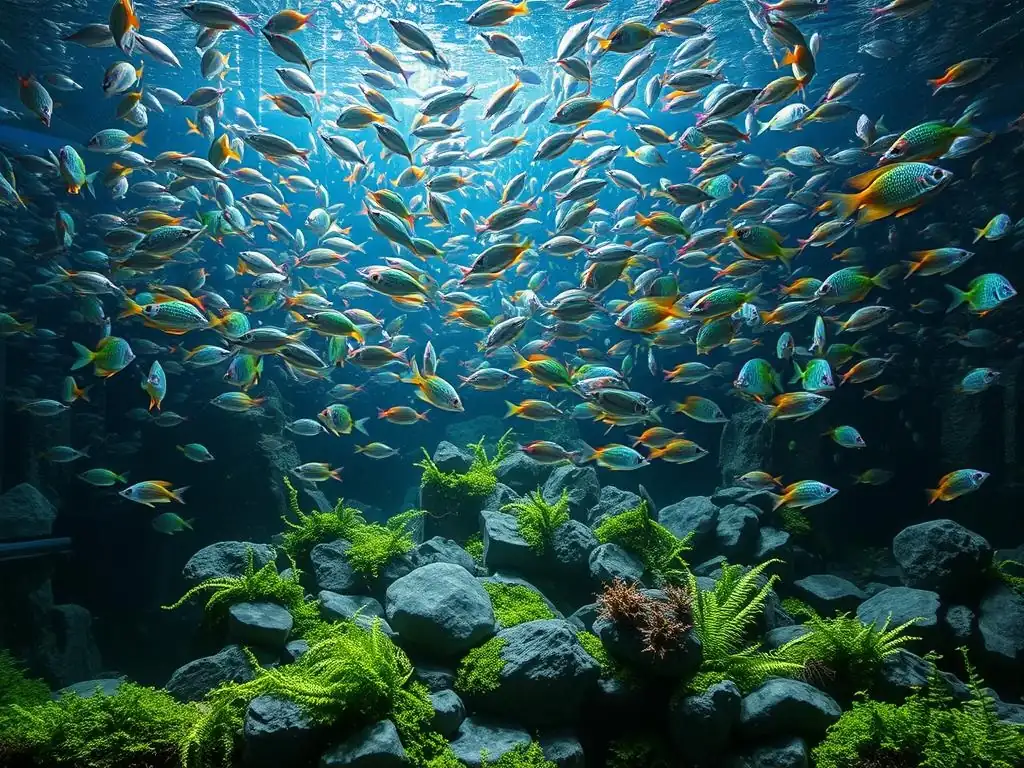
Intrigued by the mesmerizing dance of shimmering scales? Dive in and uncover the secrets behind the fascinating schooling dynamics of Cyprichromis cichlids. Discover expert tips and insights that will transform your understanding of these captivating freshwater fish, and elevate your aquarium to a breathtaking display. Want to learn more and unlock the secrets of their social behavior? Let's begin!
- Understanding Cyprichromis Cichlids: An Introduction to Featherfin Behavior
- Deciphering Cyprichromis Schooling Behavior: Key Observations
- Aquarium Setup for Thriving Cyprichromis Schools: Practical Tips
- Optimizing Cyprichromis Schooling Behavior in Captivity: Expert Advice
- Troubleshooting Common Cyprichromis Schooling Issues: Solutions and Prevention
- Advanced Tips for Enhancing Cyprichromis Schooling Displays
- Breeding Cyprichromis: School Dynamics and Reproductive Success
- Cyprichromis Schooling Behavior Tips: A Summary for Aquarium Keepers
-
Frequently Asked Questions
- How important is tank size when keeping a school of Cyprichromis?
- What are some key water parameters to maintain for healthy Cyprichromis schooling?
- How does the number of Cyprichromis in a school affect their behavior?
- What type of food is best to promote vibrant colors and healthy schooling in Cyprichromis?
- What are some signs that the Cyprichromis school is stressed or unhealthy?
- Final Reflection: Unveiling the Secrets of Cyprichromis Harmony
- Dive Deeper: Master the Art of *Cyprichromis* Keeping!
Understanding Cyprichromis Cichlids: An Introduction to Featherfin Behavior
Cyprichromis Species Overview: Identifying Common Varieties
Cyprichromis cichlids, commonly known as featherfins, are a captivating group of pelagic cichlids originating from the vast depths of Lake Tanganyika in East Africa. Unlike many other Tanganyikan cichlids that dwell among rocks or shells, Cyprichromis species are renowned for their open-water schooling behavior, a characteristic that makes them a dynamic addition to large aquariums. Their elongated, slender bodies and often dramatically extended finnage, particularly in males, contribute to their graceful appearance.
Among the most frequently encountered species in the aquarium hobby are Cyprichromis leptosoma, often available in various locality-specific color morphs such as "Blue Flash," "Utinta," or "Jumbo." Other popular varieties include Cyprichromis microlepidotus and the vibrant Cyprichromis coloratus. While females typically remain smaller, usually around 3-4 inches (7-10 cm), mature males can reach impressive sizes of 5-6 inches (12-15 cm), showcasing brilliant blues, yellows, and oranges, especially during breeding displays.
In their natural environment, Cyprichromis inhabit the vast open waters of Lake Tanganyika, particularly in areas where rocky outcrops meet the pelagic zone. The lake's water is characterized by its exceptional clarity, high alkalinity (pH typically 8.0-9.0), and significant hardness (10-20 dKH), with temperatures consistently ranging from 76-80°F (24-27°C). These conditions are crucial to understanding the precise Cyprichromis schooling behavior tips for captive environments.
Their social structure in the wild is highly organized around large, cohesive schools. These schools can number in the hundreds, sometimes even thousands, composed primarily of females and sub-adult males. Adult males, in contrast, establish and defend small, ephemeral territories, often around a specific rock or within a defined water column, where they display to attract females. This complex social dynamic is a cornerstone of their survival, influencing everything from feeding to predator avoidance.
Deciphering Cyprichromis Schooling Behavior: Key Observations
Schooling as a Defense Mechanism: Predator Avoidance in Cyprichromis
The primary driver behind the pronounced Cyprichromis schooling behavior is predator avoidance. In the expansive waters of Lake Tanganyika, these relatively small cichlids are prey for larger fish, including various Lates species and formidable cichlids like Boulengerochromis microlepis. By forming dense, synchronized schools, Cyprichromis significantly reduce the risk of individual predation, embodying the principle of "safety in numbers."
This collective defense mechanism confuses predators, making it difficult for them to single out an individual target from the swirling mass of fish. The sudden, coordinated movements and flashing scales of the school can overwhelm a predator's sensory system, often deterring an attack altogether. Understanding this innate need for security is paramount when considering Cyprichromis schooling behavior tips for a home aquarium.
The Role of Dominance Hierarchies within Cyprichromis Schools
While the schooling appears egalitarian, subtle dominance hierarchies exist within Cyprichromis groups, especially among males. Adult males will establish and fiercely defend small territories, which are crucial for attracting females and successful breeding. These territories are often visual perches or specific open-water columns. Subdominant males, unable to secure their own territories, will typically school with the females, adopting less vibrant coloration to avoid confrontation with dominant males.
Even within the female school, there can be a loose pecking order, though it is far less pronounced than the male-on-male aggression. Larger or more robust females might subtly influence the school's movement or gain preferential access to food. Recognizing these subtle social cues is vital for maintaining a harmonious group and promoting natural Cyprichromis schooling behavior.
Communication Signals: How Cyprichromis Maintain School Cohesion
Maintaining the tight cohesion of a Cyprichromis school relies on a sophisticated array of communication signals. Visual cues are paramount; the synchronized swimming, sudden turns, and flashing of scales act as non-verbal signals, alerting the entire group to changes in direction, the presence of food, or potential danger. The vibrant colors of displaying males also serve as visual invitations to receptive females.
Beyond visual signals, it is believed that Cyprichromis also utilize subtle chemical cues, or pheromones, which can signal stress, alarm, or readiness to breed, further reinforcing school unity. Their highly developed lateral line system, sensitive to minute changes in water movement, allows individuals to detect the proximity and precise movements of their schoolmates, enabling the almost instantaneous, fluid turns characteristic of their stunning Cyprichromis schooling behavior.
Aquarium Setup for Thriving Cyprichromis Schools: Practical Tips
Tank Size and Dimensions: Creating Ample Swimming Space for Featherfins
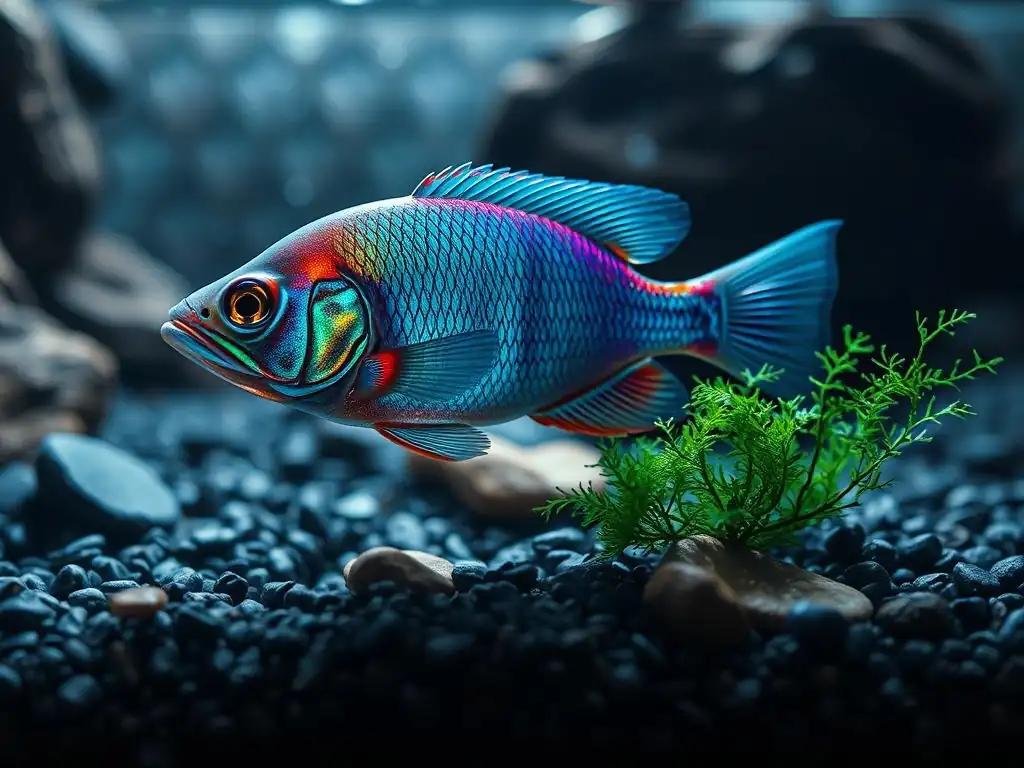
To truly appreciate the natural Cyprichromis schooling behavior, tank size is paramount, with horizontal swimming space being far more important than height. A minimum tank length of 4 feet (approximately 120 cm) is recommended for a small group of 6-8 fish. However, for a thriving school of 10-15 Cyprichromis leptosoma or similar species, a 5-6 foot (150-180 cm) tank with a volume of 125-180 gallons (470-680 liters) is ideal.
These fish are open-water swimmers and need significant unhindered space to perform their characteristic schooling movements. A tank width of at least 18-24 inches (45-60 cm) is also beneficial, allowing them ample room to turn and maneuver without constantly bumping into the glass. Providing such expansive space is the first and most critical step in encouraging robust Cyprichromis schooling behavior.
Water Parameters: Replicating Lake Tanganyika Conditions for Cyprichromis
Replicating the precise water parameters of Lake Tanganyika is crucial for the long-term health and natural Cyprichromis schooling behavior. The water should be highly alkaline, with a pH range of 7.8 to 9.0, ideally maintained between 8.2 and 8.6. Hardness levels must also be high, targeting 10-20 dKH (carbonate hardness) and 15-25 dGH (general hardness). The temperature should be stable, ranging from 76-80°F (24-27°C).
Achieving these parameters often requires the use of buffering agents designed for Tanganyikan cichlids, or incorporating crushed coral or aragonite sand into the substrate. Consistency is key; sudden fluctuations in pH or temperature can cause severe stress, leading to disease and disrupting their natural schooling patterns. Regular weekly water changes of 25-30% with properly conditioned water are essential for maintaining pristine conditions.
Substrate and Decor: Designing a Natural and Safe Environment
For Cyprichromis aquariums, a fine sand substrate is the most appropriate choice. While these fish do not typically dig or sift through the substrate like many other cichlids, sand provides a natural aesthetic and is easy to keep clean. The primary focus for decor should be creating an environment that balances open swimming space with vertical structures for male territories.
Tall rock formations that reach close to the water surface are highly beneficial, mimicking the cliff faces and rocky outcrops where Cyprichromis males establish breeding territories in the wild. However, it is vital to ensure that the majority of the tank remains open water, allowing the school ample room to move freely and exhibit their impressive Cyprichromis schooling behavior without obstruction. Avoid dense planting or excessive clutter that restricts their movement.
Optimizing Cyprichromis Schooling Behavior in Captivity: Expert Advice
Choosing the Right Number of Fish: Achieving a Balanced School Dynamic
To truly observe and foster natural Cyprichromis schooling behavior, acquiring a sufficiently large group is essential. A minimum of 10-12 individuals is recommended for a noticeable school, but a group of 15-20 Cyprichromis in a large tank (125+ gallons) will exhibit far more impressive and stable schooling dynamics. A recommended male-to-female ratio is generally 1 male for every 3-5 females, which helps diffuse male aggression and provides ample breeding opportunities.
Keeping too few Cyprichromis can lead to several problems: individual fish may become shy, stressed, and less inclined to school, or aggression among males can intensify due to insufficient space or too few females to distribute their attention. A larger, well-balanced group distributes aggression, promotes security, and allows for the full expression of their inherent Cyprichromis schooling behavior tips.
Feeding Strategies: Ensuring Adequate Nutrition for All Cyprichromis Members
Cyprichromis are primarily zooplankton feeders in their natural habitat, consuming small invertebrates suspended in the water column. In the aquarium, their diet should reflect this, consisting of high-quality, small-sized foods. Excellent choices include fine flake foods, micro-pellets, and frozen foods such as cyclops, daphnia, and brine shrimp. Feeding small amounts 2-3 times a day is preferable to a single large meal, as it mimics their natural continuous foraging.
When feeding, ensure the food is broadcast widely across the water surface to allow all members of the school, including more timid or subdominant individuals, equal access. Overfeeding not only pollutes the water but can also lead to digestive issues. A varied and nutritious diet is fundamental for the overall health and vibrant expression of Cyprichromis schooling behavior.
Minimizing Stress Factors: Promoting Healthy Schooling Habits
A calm and stable environment is paramount for promoting healthy Cyprichromis schooling behavior. Avoid sudden, jarring movements or loud noises near the aquarium, as these can startle the fish and cause them to hide or disperse. Maintain a consistent lighting schedule, typically 10-12 hours per day, using a timer to ensure regularity.
Crucially, excellent water quality is a non-negotiable stress minimizer. Poor water conditions, indicated by elevated nitrates, ammonia, or nitrites, will quickly compromise their immune system and inhibit natural schooling. Introduce new fish carefully, ideally in a group to avoid singling out individuals, and ensure that any tank mates are compatible and not overly aggressive. A serene and consistent environment allows Cyprichromis to feel secure enough to display their magnificent schooling patterns.
Troubleshooting Common Cyprichromis Schooling Issues: Solutions and Prevention
Aggression within the School: Identifying and Addressing Bullying Behavior
While Cyprichromis are generally peaceful schoolers, aggression, particularly among males, can arise. Signs of aggression include torn fins, constant chasing, a dominant male preventing others from accessing food or prime territory, or subdominant individuals hiding excessively and appearing stressed. This often occurs in tanks that are too small, or when there is an insufficient number of females to distribute male attention.
To mitigate aggression, consider increasing the tank size if possible, especially its length, to provide more territory. Adding more females to achieve a ratio of at least 1 male to 4-5 females can significantly diffuse male aggression. Providing additional vertical rockwork or tall structures can also create more visual barriers and potential territories. In extreme cases, removing a particularly aggressive male might be necessary to restore harmonious Cyprichromis schooling behavior.
School Dispersal: Understanding and Correcting Abnormal Schooling Patterns
If your Cyprichromis are not schooling tightly and appear dispersed, it is a strong indicator of stress or discomfort. Common culprits include deteriorating water quality (e.g., high ammonia, nitrite, or nitrate levels, or incorrect pH), the presence of disease, or perceived threats from overly aggressive tank mates or excessive activity outside the tank. A sudden change in routine or environment can also trigger dispersal.
The first step in correcting school dispersal is to immediately test all water parameters. Perform a significant water change (e.g., 50%) if any parameters are outside the ideal range. Observe the fish closely for any signs of disease such as clamped fins, labored breathing, or visible spots. Ensure that tank mates are appropriate and not harassing the Cyprichromis. A quiet, stable environment with consistent care will often see the school re-establish its natural Cyprichromis schooling behavior.
Disease Prevention: Maintaining a Healthy School through Proper Care
Prevention is by far the most effective strategy for maintaining a healthy Cyprichromis school and avoiding disease. The cornerstone of disease prevention is consistently excellent water quality. This means regular, ideally weekly, water changes of 25-30% using properly treated water that matches the tank's parameters. Robust filtration, including mechanical, chemical, and biological filtration, is also crucial to manage waste and maintain pristine conditions.
Furthermore, always quarantine new fish for a minimum of 3-4 weeks in a separate tank before introducing them to your main display. This prevents the potential introduction of parasites or pathogens to your established school. Feeding a varied and high-quality diet boosts the fish's immune system, making them more resilient to illness. A healthy, well-cared-for school is inherently more robust and will consistently display the vibrant Cyprichromis schooling behavior.
Advanced Tips for Enhancing Cyprichromis Schooling Displays
Lighting Considerations: Mimicking Natural Light Cycles
To truly enhance the display of Cyprichromis schooling behavior, consider the aquarium lighting. Full-spectrum LED lighting systems that offer programmable dawn-to-dusk cycles are highly beneficial. A gradual ramp-up and ramp-down period, typically over 30-60 minutes, mimics natural sunrise and sunset, reducing stress and encouraging more natural activity patterns from the fish. A consistent light cycle of 10-12 hours per day is recommended.
Avoid overly bright or harsh lighting that can make these open-water fish feel exposed and shy, leading to less active schooling. Moderate intensity lighting, perhaps with some shaded areas provided by tall rock structures, will make them more comfortable and encourage them to swim boldly in the open water. Proper lighting not only highlights their colors but also supports their natural circadian rhythms, contributing to stronger Cyprichromis schooling behavior.
Current and Water Flow: Replicating Lake Tanganyika's Water Movement
Lake Tanganyika is a vast, dynamic body of water with significant current and water flow, especially in the pelagic zones where Cyprichromis reside. Replicating this in the aquarium can significantly enhance their natural schooling instincts and physical conditioning. Incorporate powerheads or wave makers to create a moderate to strong current within the tank.
Position these devices strategically to create a broad flow that moves through the open swimming areas, rather than just localized turbulence. The current should be strong enough to encourage the fish to actively swim against it, mimicking their natural environment, but not so powerful as to buffet them excessively or prevent them from resting when needed. Consistent water movement is a key, often overlooked, factor in promoting robust Cyprichromis schooling behavior.
Choosing Compatible Tank Mates: Avoiding Aggression and Stress
Selecting appropriate tank mates is vital for a harmonious Cyprichromis display. Ideal companions are other peaceful Tanganyikan cichlids that occupy different niches within the tank, minimizing direct competition. Good choices include various Julidochromis species (rock dwellers), Neolamprologus brichardi (Fairies), or certain shell-dwelling cichlids like Neolamprologus multifasciatus, provided the tank is sufficiently large to accommodate all species without overcrowding.
Crucially, avoid highly aggressive or boisterous cichlids, such as most Mbuna species from Lake Malawi, which will harass Cyprichromis and outcompete them for food, leading to severe stress and inhibiting their schooling. Small, peaceful schooling fish from other regions might be compatible if water parameters align, but generally, Tanganyikan natives are preferred for maintaining optimal Cyprichromis schooling behavior and overall tank tranquility.
Breeding Cyprichromis: School Dynamics and Reproductive Success
Identifying Breeding Behaviors within the School
Observing breeding behaviors within a Cyprichromis school is a rewarding experience. Males will intensify their coloration, becoming brilliantly vibrant, and engage in elaborate "dancing" or shimmying displays to attract ripe females. These displays typically occur within the male's established territory, often an open-water column or near a vertical rock face. When a female is receptive, she will approach the male's territory and engage in a courtship ritual.
Cyprichromis are maternal mouthbrooders, meaning the female carries the fertilized eggs and fry in her mouth for protection. Spawning typically occurs in the open water column, where the female lays eggs and immediately picks them up, while the male fertilizes them. This unique reproductive strategy is deeply integrated into their social structure and Cyprichromis schooling behavior.
Creating a Suitable Breeding Environment
A well-established, healthy school in a spacious aquarium with stable, ideal water parameters provides the best environment for Cyprichromis breeding. The presence of multiple females helps to distribute male attention and increases the likelihood of successful spawns. Providing vertical rockwork or even tall, thin PVC pipes can offer males clear territorial markers to defend and females places to retreat to after spawning.
While Cyprichromis will breed in a community setting if conditions are optimal, some dedicated breeders choose to set up a separate breeding tank for a single male and several females. This approach can maximize the number of successful spawns and ensure the safety of the delicate fry from other tank inhabitants, although it means temporarily removing the fish from their schooling environment.
Fry Care and Raising Juvenile Cyprichromis
Once the female releases the fry, typically after approximately 3-4 weeks of brooding, they are relatively well-developed and free-swimming. They will immediately seek out micro-foods. For optimal growth and survival, feed newly hatched brine shrimp nauplii, finely crushed high-quality flake food, or specialized fry foods several times a day. Consistency in feeding small, frequent meals is crucial.
The fry can often be left in the main display tank if there are plenty of small hiding spots among rocks or decor, and if tank mates are not overly aggressive. However, for significantly higher survival rates, it is common practice to gently catch the brooding female just before she is due to release the fry and transfer her to a separate "holding" tank. Once the fry are released, the female can be returned to the main tank, allowing the fry to be raised in a dedicated, controlled environment with precise feeding and water quality management.
Cyprichromis Schooling Behavior Tips: A Summary for Aquarium Keepers
Key Takeaways for Maintaining a Healthy and Active School
To successfully maintain a healthy and active school of Cyprichromis, several key factors are paramount. Firstly, prioritize tank size, focusing on length and width to provide ample horizontal swimming space, ideally a 5-6 foot tank for a thriving school. Secondly, consistently maintain pristine Lake Tanganyika water parameters: high pH (8.2-8.6), high hardness, and stable temperatures (76-80°F).
Thirdly, ensure a sufficiently large group of at least 10-12 individuals, with a good male-to-female ratio (e.g., 1:3-5), to encourage natural Cyprichromis schooling behavior and diffuse aggression. Provide an open swimming area with vertical rockwork for territories. Feed a varied diet of small, high-quality foods multiple times a day. Lastly, minimize stress through stable environmental conditions and compatible tank mates. A thriving Cyprichromis school is a testament to diligent care and understanding of their unique needs.
Further Resources for Cyprichromis Enthusiasts
For those seeking to deepen their knowledge of Cyprichromis cichlids and refine their Cyprichromis schooling behavior tips, a wealth of information is available. Exploring detailed species profiles can provide insights into the specific needs and characteristics of individual Cyprichromis varieties. Understanding advanced water chemistry guides can help in precisely replicating Lake Tanganyika's unique conditions, which is fundamental to the long-term health and display of these fascinating fish. Further research into their natural history and scientific observations of their wild populations can offer a profound appreciation for their complex schooling dynamics.
Frequently Asked Questions
How important is tank size when keeping a school of Cyprichromis?
Tank size is absolutely crucial for Cyprichromis. They are active swimmers and need ample space to exhibit their natural schooling behavior. A larger tank minimizes stress and allows for a more stable social hierarchy within the school.
What are some key water parameters to maintain for healthy Cyprichromis schooling?
Consistent water parameters are vital. Aim for a pH of 7.8-9.0 and stable alkalinity. Regular water changes are essential to prevent nitrate buildup which can disrupt their schooling and overall health.
How does the number of Cyprichromis in a school affect their behavior?
Cyprichromis thrive in larger groups. A minimum of 8-10 individuals is recommended to observe natural schooling behavior. Smaller groups can lead to increased aggression and stress as they may not establish a proper hierarchy.
What type of food is best to promote vibrant colors and healthy schooling in Cyprichromis?
A varied diet is key. Offer high-quality flake food, small live or frozen foods like daphnia or brine shrimp, and supplement with spirulina flakes to enhance their natural coloration and overall health.
What are some signs that the Cyprichromis school is stressed or unhealthy?
Signs include clamped fins, loss of color, erratic swimming, and increased aggression. These symptoms can indicate poor water quality, disease, or insufficient tank space, all of which negatively impact schooling behavior.
Final Reflection: Unveiling the Secrets of Cyprichromis Harmony
The intricate world of Cyprichromis schooling behavior, as we've explored, is far more than just a visual spectacle; it's a testament to the power of collective intelligence and social dynamics in the animal kingdom. Understanding these nuances is increasingly relevant in our modern world, where collaboration and adaptability are paramount. By studying these fish, we gain valuable insights into how individuals can thrive within a larger group, mirroring the complexities of human societies and organizations.
The impact of understanding Cyprichromis schooling extends beyond the aquarium. It offers a lens through which we can examine our own social structures, highlighting the importance of communication, hierarchy, and individual roles within a collective. The delicate balance observed in these fish reminds us that true harmony is achieved not through uniformity, but through the recognition and appreciation of individual contributions. The strength of the pack is the wolf, and the strength of the wolf is the pack.
- Rudyard Kipling's words, though about wolves, resonate deeply with the Cyprichromis and their intricate social dance.
As we conclude our exploration of Cyprichromis schooling behavior, I invite you to consider the lessons learned. How can the principles of cooperation, communication, and respect for individual roles, so evident in these fascinating fish, be applied to your own life? Embrace the spirit of collective intelligence, and strive to create environments where every individual can thrive, just as the Cyprichromis do in their shimmering schools. Let their example inspire you to build stronger, more harmonious communities, both in and out of the aquarium.
Dive Deeper: Master the Art of *Cyprichromis* Keeping!
Thanks for exploring the captivating world of Cyprichromis schooling with us! Now that you understand their unique social dynamics, it's time to bring that knowledge to life in your own aquarium.
Here are a few ways to take action:
- Prioritize the Primary Action: Craft the Perfect Cyprichromis Habitat: Meticulously design your tank to mimic their natural environment. Focus on open water swimming space, strong filtration, and consistent water parameters to minimize stress and encourage natural schooling behavior.
- Explore Advanced Strategies: Experiment with dither fish to see how they influence your Cyprichromis' schooling. Observing and documenting the interactions can provide valuable insights.
- Share Your Insights: Join the Aquarium Mastery community forums and discuss your experiences with Cyprichromis. Your observations can help other enthusiasts!
What unexpected schooling behavior have you observed in your Cyprichromis, and what adjustments did you make to their environment?