
Setting Up Your Tanganyikan Dream Tank: Shells, Open Waters & Graceful Fins

Welcome to Aquarium Mastery!
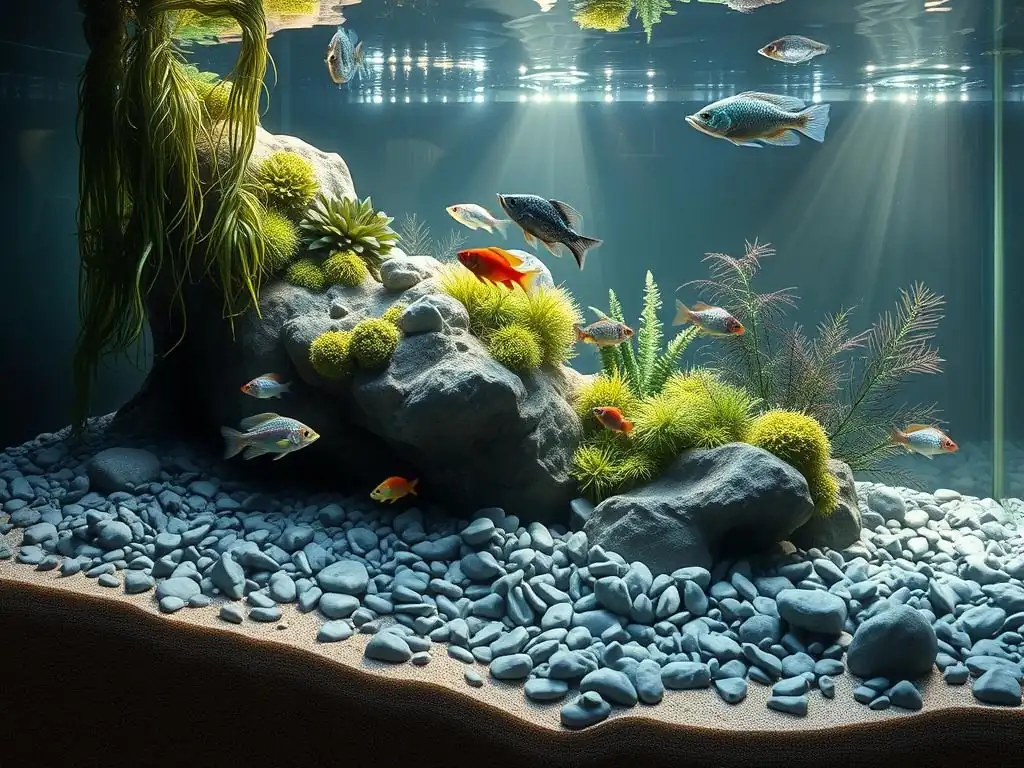
Ever been captivated by the shimmering beauty of Lake Tanganyika and dreamed of recreating that underwater paradise in your own home? Dive in! This Tanganyika aquarium setup guide unlocks the secrets to creating a thriving ecosystem for these fascinating fish. From choosing the right shells to mastering the unique water chemistry, we'll guide you every step of the way. Ready to build your Tanganyikan dream? Let's explore!
- Setting Up a Lake Tanganyika Cichlid Aquarium
- Understanding the Lake Tanganyika Ecosystem
- Planning Your Tanganyika Aquarium
- Creating a Suitable Tanganyika Habitat
- Water Chemistry for Tanganyika Cichlids
- Selecting Tanganyika Cichlid Species
- Feeding Tanganyika Cichlids
- Maintaining a Healthy Tanganyika Aquarium
- Tanganyika Aquarium Setup: Summary.
-
Frequently Asked Questions
- How is a Tanganyika aquarium different from a typical freshwater aquarium?
- What are some suitable fish species for a Tanganyika aquarium?
- What kind of substrate is best for a Tanganyika aquarium?
- What are the essential elements of a good Tanganyika aquarium setup guide?
- How often should I perform water changes in my Tanganyika aquarium?
- Final Reflection: Embracing the Rhythms of Lake Tanganyika
- Transform Your Living Room into a Tanganyikan Paradise!
Setting Up a Lake Tanganyika Cichlid Aquarium
Understanding the Lake Tanganyika Ecosystem
Introduction to Lake Tanganyika's Unique Biotope
Lake Tanganyika, nestled in the Great Rift Valley of East Africa, stands as a testament to evolutionary marvels. It is the world's second-deepest freshwater lake, plunging to depths of over 4,700 feet (1,433 meters), and the second-largest by volume. Its ancient origins, estimated at 9-12 million years old, have fostered an unparalleled degree of biodiversity, particularly among cichlid fish. Over 250 species of cichlids are endemic to Lake Tanganyika, meaning approximately 98% of its cichlid population is found nowhere else on Earth, making it a unique natural laboratory for observing adaptive radiation.
The lake's environment is remarkably stable, characterized by consistent water chemistry, high oxygen levels, and warm temperatures year-round. This stability has allowed cichlids to evolve highly specialized behaviors and adaptations, ranging from the intricate social structures of shell dwellers to the elegant schooling of open-water species. Replicating these conditions is the cornerstone of a successful Tanganyika aquarium setup guide, providing a fascinating glimpse into a truly ancient and dynamic underwater world right in your home.
Key Environmental Characteristics for a Tanganyika Aquarium
To successfully establish a Tanganyika aquarium, it is crucial to mimic the lake's specific environmental parameters. The water in Lake Tanganyika is consistently hard, alkaline, and warm. Ideal pH levels for most Tanganyikan cichlids range from 8.0 to 9.2, with a general hardness (GH) between 10-20 dGH (180-360 ppm) and carbonate hardness (KH) between 9-13 dKH (160-240 ppm). Maintaining this high alkalinity and hardness is essential for buffering against pH fluctuations, which can be detrimental to these fish.
Temperature stability is equally important, with the lake's waters typically hovering between 75-80°F (24-27°C). Beyond chemistry, the natural biotope features incredibly clear, well-oxygenated water, often with deep sandy substrates and extensive rock formations. A successful Tanganyika aquarium setup guide prioritizes these conditions, ensuring that parameters such as nitrates remain below 20 ppm and ammonia/nitrite levels are consistently at zero, reflecting the pristine nature of their native habitat.
Benefits of a Tanganyika Cichlid Aquarium
Setting up a Tanganyika cichlid aquarium offers a uniquely rewarding experience for aquarists. Unlike the often brightly colored cichlids from Lake Malawi, Tanganyikan species captivate with their diverse forms, intricate social behaviors, and subtle, yet striking, patterns. Observing shell-dwelling species like Neolamprologus multifasciatus (Multis) meticulously rearranging their shells or the graceful schooling of Cyprichromis leptosoma in the open water column provides endless fascination. These fish exhibit complex breeding behaviors, pair bonding, and territorial displays that are a joy to witness.
Furthermore, a Tanganyika aquarium setup guide often requires less intensive plant care than a typical community tank, as many species are not herbivorous and the high pH/GH can be challenging for some plant species. This simplifies maintenance for some aquarists, allowing them to focus on water chemistry and fish behavior. The unique challenge of recreating this ancient lake's biotope and successfully maintaining its specialized inhabitants makes a Tanganyika cichlid tank a truly distinctive and educational endeavor, offering a deep dive into evolutionary biology and fishkeeping.
Planning Your Tanganyika Aquarium
Determining Appropriate Tank Size
The cornerstone of a thriving Tanganyika aquarium setup guide is selecting the correct tank size, which is heavily dependent on the species you intend to keep. For small shell dwellers like Neolamprologus multifasciatus or Lamprologus ocellatus, a minimum 10-20 gallon (40-75 liter) tank can house a small colony of 6-8 individuals, provided it has ample sand and shells. However, for most other Tanganyikan cichlids, larger tanks are preferable due to their territorial nature and need for stable water parameters.
Medium-sized rock dwellers such as Neolamprologus brichardi or Julidochromis transcriptus typically require a minimum of 30 gallons (115 liters) for a pair or small group. For larger, open-water species like Cyprichromis leptosoma, a 55-75 gallon (210-280 liter) tank is recommended to accommodate their schooling behavior and need for extensive swimming space. Iconic species such as Cyphotilapia frontosa (Frontosa) demand significantly larger setups, often 125 gallons (470 liters) or more, to house a stable colony of 6-8 adults. Always prioritize horizontal footprint over vertical height for most Tanganyikan species, as they utilize the tank's bottom area for territories and foraging.
Selecting an Ideal Aquarium Location
Choosing the right location for your Tanganyika aquarium is critical for both the well-being of your fish and the stability of the tank. The chosen spot must be able to support the substantial weight of a filled aquarium; for instance, a 75-gallon tank with water, substrate, and rockwork can weigh over 800 pounds (approximately 360 kg). Ensure the stand is robust and level, and consider placing a foam mat underneath the tank to compensate for minor imperfections in the stand surface.
The location should be away from direct sunlight, which can lead to rapid algae growth and undesirable temperature fluctuations. Similarly, avoid placing the tank near vents, radiators, or exterior doors that could cause sudden temperature swings. Proximity to electrical outlets is necessary for equipment, and access to a water source for convenient water changes is highly beneficial. A relatively low-traffic area of the home can also reduce stress for shy or territorial cichlids, promoting more natural behavior.
Essential Equipment for a Tanganyika Tank
Choosing the Right Filtration System
Effective filtration is paramount for maintaining the pristine water quality that Tanganyikan cichlids demand. Given their preference for high oxygen levels and intolerance for ammonia and nitrite, a robust biological and mechanical filtration system is essential for any Tanganyika aquarium setup guide.
Canister filters are a popular choice for tanks from 30 gallons upwards, offering excellent mechanical filtration to remove particulate matter and ample space for biological media (e.g., ceramic rings, bio-balls) to cultivate beneficial bacteria. For example, a Fluval FX series or Eheim Pro filter can provide the high flow rates and media volume needed for larger setups, often achieving 5-10 times tank volume turnover per hour.
For very large Tanganyika tanks, especially those 100 gallons (380 liters) or more, a sump system offers superior filtration capacity, increased water volume (which aids stability), and the flexibility to incorporate additional equipment like protein skimmers (for saltwater, though some freshwater sumps use them for oxygenation) or dedicated heating elements. Sponge filters can be used as supplementary filtration or as the primary filter in very small shell-dweller tanks, providing gentle flow and excellent biological filtration. Regardless of the type, ensure your chosen filtration system is oversized rather than undersized to handle the bioload of these active fish.
Selecting an Appropriate Heater and Thermostat
Maintaining a stable water temperature between 75-80°F (24-27°C) is crucial for the health of Tanganyikan cichlids, mirroring the consistent warmth of their natural lake environment. Reliable submersible heaters are therefore a non-negotiable component of any Tanganyika aquarium setup guide. A general guideline is to provide 3-5 watts of heating power per gallon of tank water; for instance, a 75-gallon tank would typically require a 250-300 watt heater.
For larger tanks, consider using two smaller heaters rather than one large one. This provides redundancy, ensuring that if one heater fails, the other can still maintain temperature, preventing a potentially fatal temperature drop.
An external thermostat controller, such as an Inkbird ITC-308, can further enhance safety and accuracy by providing an independent temperature probe and control, overriding the heater's internal thermostat. This allows for precise temperature setting and often includes high/low temperature alarms, offering peace of mind. Always ensure heaters are fully submerged and positioned in an area with good water flow for even heat distribution throughout the tank.
Lighting Considerations for Planted or Fish-Only Tanks
For a typical Tanganyika cichlid aquarium, lighting is primarily for aesthetic viewing and does not need to be intense. Many Tanganyikan biotopes are relatively dim, with light filtered by depth or rock formations. Moderate LED lighting is usually sufficient to highlight the subtle colors and patterns of your cichlids while being energy-efficient and producing minimal heat. A simple LED strip light designed for aquariums will suffice for a fish-only setup, allowing you to appreciate your fish without promoting excessive algae growth.
If you choose to incorporate the few plants that can tolerate Tanganyikan water parameters, such as Anubias species or certain Vallisneria types, you might need a slightly more powerful light designed for low-to-moderate light plants. However, these plants are not a staple in most strict Tanganyika biotope setups. Overly strong lighting should generally be avoided in a Tanganyika aquarium setup guide, as it can stress the fish, encourage nuisance algae blooms, and does not accurately reflect their natural, often subdued, habitat.
Creating a Suitable Tanganyika Habitat
Substrate Selection: Sand and Buffering Capacity
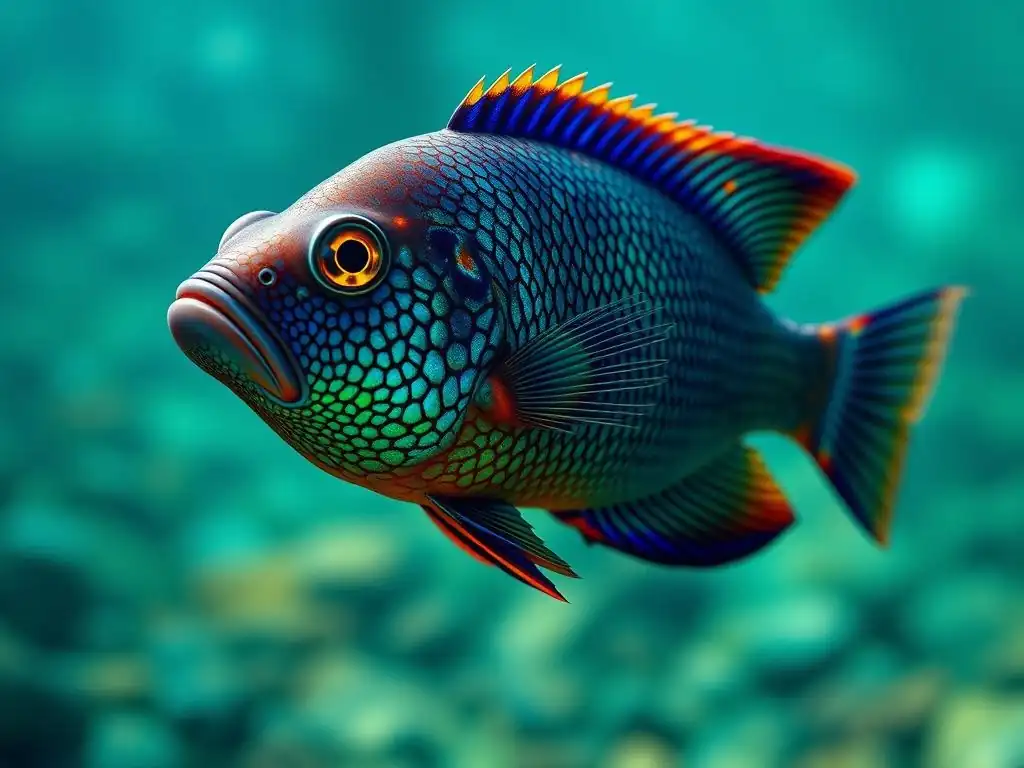
The choice of substrate is fundamental to replicating a natural Tanganyika habitat and supporting the specific behaviors of its cichlids. Fine, inert sand is the ideal substrate for a Tanganyika aquarium setup guide. Species like Neolamprologus multifasciatus and Lamprologus ocellatus are avid diggers and sifters, constantly moving sand as they build nests, create territories, and search for food. A fine sand substrate, such as pool filter sand or play sand, allows them to express these natural behaviors without damaging their delicate mouths or gills. Avoid coarse gravel, which can trap detritus and prevent natural digging.
A substrate depth of at least 2-3 inches (5-7.5 cm) is recommended, especially for shell dwellers who will bury and rearrange their shells. While some aquarists use aragonite sand or crushed coral to help buffer the water and maintain high pH and hardness, it's crucial to note that these can sometimes lead to uncontrolled increases in pH if not carefully monitored. For most setups, regular water changes with appropriately buffered water are more effective for long-term parameter stability than relying solely on the substrate for buffering capacity.
Rockwork and Aquascaping for Cichlids
Strategic rockwork is essential for creating a functional and aesthetically pleasing Tanganyika cichlid habitat. Rocks provide crucial hiding spots, breeding sites, and territorial boundaries, all vital for managing aggression and promoting natural behaviors. When selecting rocks, ensure they are inert and will not leach unwanted minerals or alter water chemistry significantly, unless intentionally chosen for buffering (e.g., limestone, though use with caution). Good choices include lava rock, slate, Texas holey rock, or various river rocks.
Safety is paramount: always arrange rocks securely to prevent them from toppling over and injuring fish or cracking the aquarium glass. It's advisable to place a sheet of egg crate light diffuser or styrofoam under heavy rock structures to distribute weight evenly across the tank bottom. The specific arrangement of rocks will depend on the types of cichlids you plan to keep, as different species utilize the rockwork in distinct ways within a Tanganyika aquarium setup guide.
Creating Territories for Shell Dwellers
For shell-dwelling cichlids, the aquascape should prioritize open sandy areas interspersed with clusters of shells. While rockwork can be present, it should not dominate the substrate, as these fish need ample space for digging and moving shells. Arrange shells in groups or scattered across the sand, ensuring each fish has multiple options for shelter and breeding. For colonial species like Neolamprologus multifasciatus, providing a dense field of 20-30 shells in a 20-gallon tank encourages natural social dynamics, where males establish territories around several shells and females select a single shell for nesting.
The shells themselves should be easily accessible, not buried too deeply, allowing the fish to excavate around them. The goal is to replicate the vast shell beds found in Lake Tanganyika, offering a sense of security and numerous breeding opportunities. This specific arrangement of shells is a hallmark of a well-executed Tanganyika aquarium setup guide for shell dwellers.
Building Structures for Open Water Species
Open water cichlids, such as Cyprichromis leptosoma, require a different approach to rockwork. These species primarily inhabit the water column and need extensive open swimming space. Therefore, rock structures for Cyprichromis should typically be tall and arranged along the back or sides of the tank, creating vertical visual breaks and providing some sense of security without obstructing their schooling paths. These structures can include caves and crevices that offer occasional hiding spots or allow subdominant males to retreat.
Avoid cluttering the middle of the tank with rocks, as this impedes their natural schooling behavior. The focus should be on creating a sense of depth and verticality, mimicking the deeper, more open sections of Lake Tanganyika. For larger species like Cyphotilapia frontosa, massive rock formations with large caves are essential, as these fish require significant shelters and defined territories within their communal groups in a comprehensive Tanganyika aquarium setup guide.
The Importance of Shells for Shell-Dwelling Cichlids
For a distinct group of Tanganyikan cichlids, shells are not merely decor; they are an absolute necessity for survival and successful breeding. These "shell dwellers" have evolved to depend entirely on empty snail shells for shelter, protection from predators, and as the primary site for laying and raising their fry. Without a sufficient supply of appropriate shells, species like Neolamprologus multifasciatus, Lamprologus ocellatus, and Altolamprologus compressiceps 'Sumbu' dwarf will not thrive, exhibit natural behaviors, or reproduce. In their natural habitat, they predominantly utilize the shells of the endemic Neothauma tanganyicense snail.
Choosing Shells: Size, Shape, and Material
When selecting shells for your Tanganyika aquarium setup guide, consider size, shape, and material carefully. Escargot shells (from edible garden snails) are the most commonly used and readily available option. They closely mimic the size and opening of natural Neothauma shells, making them highly suitable for most shell-dwelling species. Other inert options include turbo snail shells, apple snail shells, or even small ceramic pots, provided they are of an appropriate size for the fish and have a smooth, non-abrasive interior.
Ensure all shells are thoroughly cleaned and disinfected before introduction to the aquarium. Boil them for 10-15 minutes or soak them in a strong bleach solution (followed by thorough rinsing and dechlorination) to remove any organic matter or residues. A good rule of thumb is to provide at least 2-3 shells per shell-dwelling fish, allowing for choice, individual territories, and space for growth.
Arranging Shells for Optimal Behavior
The arrangement of shells significantly impacts the social dynamics and breeding success of shell dwellers. For colonial species like Neolamprologus multifasciatus, shells should be arranged in dense clusters or scattered across a large sandy area. For example, in a 20-gallon long tank dedicated to Multis, a patch of 20-30 escargot shells can encourage the formation of a vibrant colony where males establish territories around multiple shells and females select individual shells for breeding. This dense arrangement helps diffuse aggression and promotes natural social hierarchies.
For more solitary or pair-bonding shell dwellers, such as Lamprologus ocellatus, shells should be spaced further apart to allow pairs to establish and defend their distinct territories. Observe your fish's behavior; they will often rearrange the shells to their liking, burying them partially or completely. This natural behavior is a key indicator of a comfortable and stimulating Tanganyika aquarium setup guide.
Water Chemistry for Tanganyika Cichlids
Understanding pH, KH, and GH
Maintaining precise water chemistry is arguably the most critical aspect of a successful Tanganyika aquarium setup guide. Tanganyikan cichlids have evolved in an environment with very specific and stable parameters.
- pH (Potential of Hydrogen): This measures how acidic or alkaline the water is. Lake Tanganyika is highly alkaline, and its inhabitants require a pH range of 8.0 to 9.2. Deviations from this can cause severe stress and health issues, impacting their osmoregulation.
- KH (Carbonate Hardness), also known as Alkalinity: This measures the water's buffering capacity, or its ability to resist changes in pH. High KH, typically between 9-13 dKH (160-240 ppm), is essential to prevent dangerous pH swings caused by metabolic waste or carbon dioxide buildup.
- GH (General Hardness): This indicates the concentration of dissolved mineral ions, primarily calcium and magnesium. Tanganyikan cichlids prefer hard water, with a GH usually between 10-20 dGH (180-360 ppm). These minerals are vital for bone and scale development, as well as osmotic balance.
Understanding and consistently maintaining these parameters is non-negotiable for the long-term health and well-being of your Tanganyika cichlids.
Achieving and Maintaining Water Parameters
Achieving the correct water parameters for your Tanganyika aquarium setup guide typically starts with your source water. Many tap water sources in areas with naturally hard water (e.g., limestone regions) may already be close to the desired GH and KH. However, if your tap water is soft or acidic, you will need to amend it. Products specifically designed for African cichlids, such as Seachem Tanganyika Buffer or Kent Marine African Cichlid Rift Lake Salts, can be used to raise and stabilize pH, KH, and GH.
These products contain a blend of carbonates, bicarbonates, and mineral salts that replicate the lake's unique chemistry. When adjusting parameters, do so gradually to avoid shocking the fish. For instance, if your tap water pH is 7.0 and you aim for 8.5, increase it by no more than 0.2-0.3 pH units per day. Consistent monitoring with reliable liquid test kits for pH, KH, and GH is absolutely essential to ensure parameters remain stable within the optimal range.
Water Changes and Tank Maintenance
Regular water changes are the single most effective method for maintaining water quality and diluting accumulated nitrates in a Tanganyika aquarium setup guide. Despite robust filtration, nitrates will build up over time from fish waste and decaying organic matter. Performing weekly or bi-weekly water changes of 20-30% of the tank volume is a standard practice. For a 75-gallon tank, this means replacing 15-22.5 gallons of water each week. Always treat new water with a dechlorinator to neutralize chlorine and chloramines, and ensure its temperature and parameters closely match the tank water to prevent shock.
During water changes, use a gravel vacuum to siphon out detritus from the sand surface. While shell dwellers will keep the sand agitated, regular vacuuming helps remove uneaten food and waste. Avoid deep vacuuming that disturbs the substrate too much, as this can release harmful gases or disrupt anaerobic bacteria pockets. Consistent adherence to this maintenance schedule is critical for preventing common issues like algae blooms and maintaining the pristine water quality Tanganyikan cichlids require.
Using Buffers for Stable Water Chemistry
Buffers are indispensable tools for maintaining the high and stable pH and hardness levels required in a Tanganyika aquarium setup guide. Products like Seachem Tanganyika Buffer are formulated to replicate the specific ionic balance of the lake's water, providing a stable buffering capacity that resists pH drops. For instance, Seachem recommends adding 1 teaspoon (5 grams) of Tanganyika Buffer for every 10-20 gallons (40-80 liters) of water to achieve a pH of 9.0, with adjustments based on desired pH and current water parameters.
When performing water changes, it's often beneficial to pre-mix the buffer into the fresh water before adding it to the tank. This ensures that the new water matches the tank's parameters, reducing stress on the fish. Always follow the manufacturer's instructions carefully and test the water after adding buffers to confirm the desired effect. Consistent use of buffers, alongside regular water changes, creates a robust and stable chemical environment for your Tanganyikan cichlids.
Water Testing Procedures
Regular and accurate water testing is the cornerstone of responsible aquarium husbandry and vital for any Tanganyika aquarium setup guide. A comprehensive liquid test kit, such as the API Freshwater Master Test Kit, is highly recommended for monitoring pH, ammonia, nitrite, and nitrate levels.
- Ammonia and Nitrite: Test daily during the initial tank cycling phase until both read zero consistently. Once the tank is established, test weekly to ensure the biological filter is functioning correctly. Any detectable levels indicate a problem requiring immediate attention (e.g., water change, reduced feeding).
- Nitrate: Test weekly. Levels should ideally be kept below 20 ppm through regular water changes. High nitrates can stress fish and promote algae growth.
- pH, KH, and GH: Test weekly, especially after water changes or if you are adjusting parameters. Consistency is key; aim for stable parameters within the recommended range (pH 8.0-9.2, KH 9-13 dKH, GH 10-20 dGH).
Keeping a log of your water parameters over time allows you to identify trends, anticipate potential issues, and make informed decisions about your tank maintenance. This proactive approach helps prevent problems before they become serious, ensuring a healthy environment for your Tanganyikan cichlids.
Selecting Tanganyika Cichlid Species
Popular Shell Dweller Species
Shell-dwelling cichlids are among the most fascinating inhabitants of a Tanganyika aquarium setup guide, known for their intricate social behaviors centered around empty snail shells. These small cichlids offer a unique glimpse into miniature ecosystems.
Neolamprologus multifasciatus Care and Setup
Neolamprologus multifasciatus, affectionately known as "Multis," are perhaps the most popular and widely kept shell dwellers. Reaching a maximum size of about 1.5-2 inches (3.8-5 cm), they are one of the smallest cichlid species. Multis are highly colonial and form complex social structures within their shell beds. Males establish territories around clusters of shells, while females select individual shells for breeding and fry rearing. Their constant digging and shell rearranging provide endless entertainment.
A minimum 10-gallon (38-liter) tank can house a small colony of 6-8 Multis, but a 20-gallon (75-liter) long tank is ideal for a larger, more active colony. The tank must have a deep sand bed (at least 2-3 inches/5-7.5 cm) and numerous escargot shells (at least 2-3 shells per fish) scattered generously across the substrate. They are omnivorous, readily accepting high-quality flakes, small pellets, and frozen foods like brine shrimp or spirulina. Feeding small amounts multiple times a day is preferred.
Lamprologus ocellatus Care and Behavior
Lamprologus ocellatus, often simply called "Ocellatus," are another captivating shell-dwelling species, growing slightly larger than Multis, up to 2.5 inches (6.5 cm). Unlike the colonial Multis, Ocellatus are more territorial and often form pair bonds. They are famous for their unique behavior of burying their entire shell in the sand, leaving only the opening exposed. This defensive strategy allows them to quickly retreat into their buried homes.
A minimum 15-20 gallon (57-75 liter) tank is suitable for a pair of Ocellatus, with a deep sand bed and one or two shells per fish, spaced apart to define territories. They are primarily carnivorous, and their diet should consist of small, meaty frozen foods such as mysis shrimp, brine shrimp, and high-quality sinking pellets. Observing an Ocellatus meticulously burying its shell is a highlight of any Tanganyika aquarium setup guide featuring these charming fish.
Open Water Cichlids: Cyprichromis leptosoma
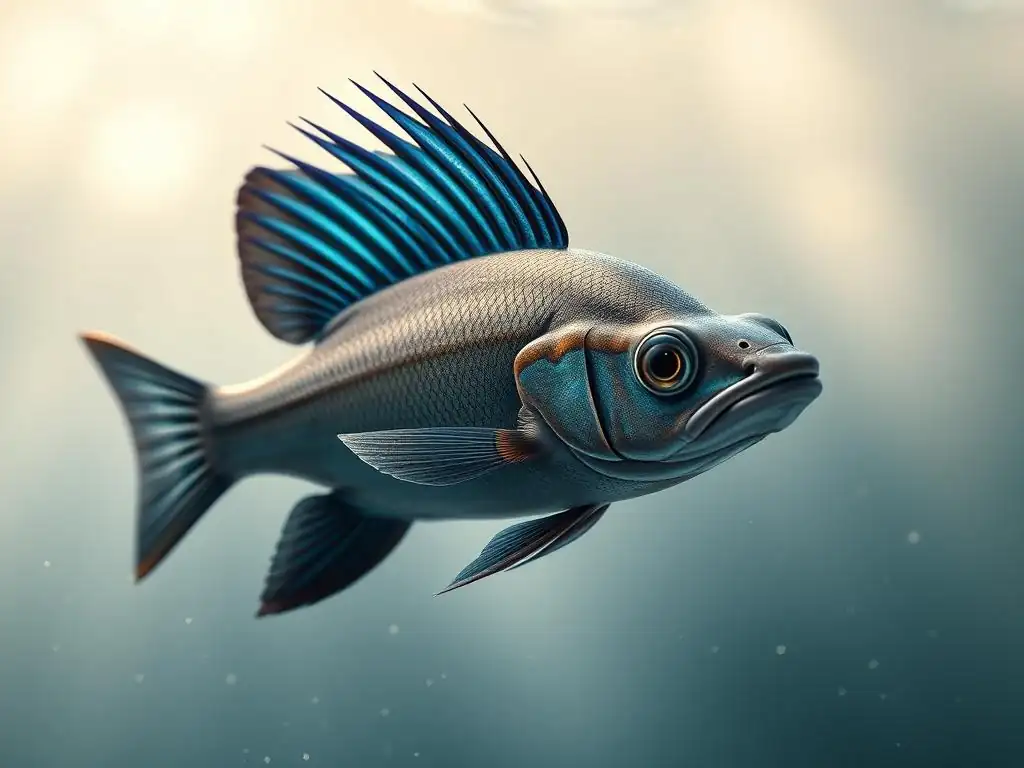
Cyprichromis leptosoma, commonly known as the "Leptosoma" or "Sardine Cichlid," represents the elegant open-water inhabitants of Lake Tanganyika. These fish reach an adult size of 4-5 inches (10-12 cm) and are characterized by their slender, elongated bodies and graceful swimming. Unlike most cichlids, Cyprichromis are pelagic, meaning they spend most of their time schooling in the open water column, making them a stunning addition to larger Tanganyika aquarium setups. Males display vibrant colors, particularly during courtship, while females are typically more subdued.
Due to their schooling nature and need for ample swimming space, a minimum 55-75 gallon (210-280 liter) tank is required for a group of 6-8 Cyprichromis. The aquascape should feature tall rock structures along the back or sides of the tank, providing visual breaks and a sense of security, but leaving the central water column clear for their schooling.
Their diet consists primarily of zooplankton in the wild, so in the aquarium, they thrive on fine flakes, small pellets, and small frozen foods like cyclops or baby brine shrimp. A well-executed Tanganyika aquarium setup guide for Cyprichromis highlights their schooling behavior and contributes a dynamic element to the tank.
Choosing Compatible Tank Mates
Selecting compatible tank mates is crucial for maintaining a peaceful and thriving Tanganyika aquarium. The diverse temperaments and territorial needs of Tanganyikan cichlids necessitate careful planning to prevent aggression and stress.
Avoiding Aggressive Species
Not all Tanganyikan cichlids are suitable for cohabitation. Some species, particularly certain Julidochromis varieties or larger Neolamprologus species (like Neolamprologus leleupi), can be highly territorial and aggressive, especially in smaller tanks. For instance, Tropheus species, while from Lake Tanganyika, are notoriously aggressive among themselves and towards other species, almost always requiring a species-specific tank. Mixing highly aggressive species with smaller, more peaceful shell dwellers or the relatively docile Cyprichromis can lead to severe stress, injury, or death for the less dominant fish.
Always research the specific temperament and adult size of each species before introducing them. Overcrowding can exacerbate aggression, as it reduces the available territory for each fish. Providing ample hiding spots and visual barriers through rockwork can help mitigate some territorial disputes in a Tanganyika aquarium setup guide, but ultimately, choosing fish with compatible temperaments is key.
Selecting Peaceful Community Fish
Many Tanganyikan cichlid species can be successfully kept together if chosen thoughtfully. For a Cyprichromis tank, other open-water species that occupy different parts of the water column, or bottom-dwelling species that won't compete for swimming space, can make good tank mates. Examples include some Synodontis catfish species (e.g., Synodontis multipunctatus, the Cuckoo Catfish) which are also native to Lake Tanganyika and thrive in similar water conditions.
For shell dweller tanks, other small, relatively peaceful rock dwellers such as Julidochromis transcriptus (Masked Julie) or Neolamprologus similis can sometimes be added, provided there are distinct rock and shell territories to prevent direct competition. When adding new fish, it's often best to introduce all fish at once, or smaller, less dominant fish first, to prevent established residents from becoming overly territorial. A well-planned Tanganyika aquarium setup guide considers the complex social dynamics to ensure a harmonious community.
Feeding Tanganyika Cichlids
Dietary Needs of Tanganyika Cichlids
The dietary needs of Tanganyika cichlids vary significantly depending on the species, mirroring their diverse ecological niches in the wild. Understanding these specific requirements is crucial for their long-term health and vibrant coloration.
- Herbivores: Species like Tropheus are primarily herbivorous, feeding on algae and periphyton (biofilm) in their natural habitat. Their diet in the aquarium must be high in spirulina and vegetable matter, and low in protein. Feeding high-protein foods to herbivores can lead to serious digestive issues, including the often-fatal Malawi Bloat (despite the name, it affects Tanganyikans too).
- Carnivores: Many Lamprologus and Neolamprologus species, as well as Cyprichromis, are carnivorous or insectivorous, consuming small invertebrates, insect larvae, or zooplankton. Their diet requires a higher protein content from animal sources.
- Omnivores: Some species are omnivorous, requiring a balanced diet of both plant and animal matter.
Providing the correct diet tailored to each species' natural feeding habits is a fundamental aspect of a successful Tanganyika aquarium setup guide.
Choosing Appropriate Food: Flakes, Pellets, and Frozen Options
A varied and high-quality diet is essential for the health and vitality of your Tanganyikan cichlids.
- High-quality flakes and pellets: These should form the staple diet for most cichlids. Look for brands specifically formulated for African cichlids (e.g., Northfin, New Life Spectrum, Hikari Cichlid Excel), as these often contain the appropriate balance of nutrients for species from hard, alkaline waters. For herbivorous species, ensure the flakes/pellets are spirulina-based and explicitly state "high vegetable content."
- Frozen foods: These are excellent supplements, particularly for carnivorous and omnivorous species. Options include brine shrimp, mysis shrimp, bloodworms, daphnia, and cyclops. These provide essential proteins and fats and can encourage natural hunting behaviors.
- Vegetable matter: For herbivorous species, blanched spinach, zucchini, or specialized veggie pellets can supplement their diet. Avoid feeding live feeder fish, as they can introduce diseases and often lack nutritional value. Always ensure food is appropriately sized for the fish's mouth to prevent choking or digestive issues.
Feeding Schedule and Quantities
Establishing a proper feeding schedule and managing quantities are vital to prevent overfeeding, which can lead to poor water quality and health problems. It is generally recommended to feed your Tanganyikan cichlids small amounts 2-3 times a day rather than one large meal. This mimics their natural foraging behavior and reduces the amount of uneaten food decaying in the tank.
Only offer what your fish can consume within 2-3 minutes. Any food left uneaten after this time should be removed to prevent it from fouling the water. Overfeeding is a common cause of high nitrates and can contribute to various diseases. Observe your fish's behavior; if they appear bloated or refuse food, adjust the quantity or frequency. A well-managed feeding regimen is a key component of a healthy Tanganyika aquarium setup guide.
Maintaining a Healthy Tanganyika Aquarium
Regular Tank Maintenance
Consistent and diligent tank maintenance is the backbone of a healthy and stable Tanganyika aquarium setup guide. A routine schedule helps prevent water quality issues, minimize algae, and ensure the long-term well-being of your cichlids.
- Weekly: Perform a 20-30% water change, using a gravel vacuum to remove detritus from the sand surface. Wipe down the interior glass to remove any algae buildup. Check the flow rate of your filter and ensure all equipment (heater, air pump) is functioning correctly.
- Monthly: Rinse mechanical filter media (e.g., sponges, filter floss) in old tank water siphoned during a water change. This cleans them without killing beneficial bacteria. Avoid rinsing biological media unless absolutely necessary and never with tap water.
- Quarterly/Bi-annually: Conduct a more thorough cleaning of your canister filter or sump, replacing chemical media (like activated carbon) if used. Inspect all plumbing and connections for leaks or wear. Re-evaluate the stability of your rockwork.
Adhering to this routine is crucial for maintaining the pristine, stable conditions that Tanganyikan cichlids require.
Identifying and Treating Fish Diseases
Even with the best care, fish can occasionally fall ill. Early identification and prompt treatment are key to successful recovery in a Tanganyika aquarium setup guide.
- Common Diseases: Tanganyikan cichlids can be susceptible to common freshwater ailments such as Ich (White Spot Disease), Velvet, Bacterial Infections (e.g., fin rot, body ulcers, columnaris), Fungal Infections, and Malawi Bloat (which can affect Tanganyikans, particularly herbivores fed an improper diet).
- Symptoms: Look for signs such as white spots on the body or fins, clamped fins, lethargy, loss of appetite, bloating, rapid breathing, discolored patches, frayed fins, or unusual swimming patterns.
- Treatment: If possible, isolate sick fish in a separate quarantine tank to prevent the spread of disease and allow for targeted treatment without affecting the main display tank's biological filter. Use appropriate medications (e.g., malachite green or formalin for Ich, antibiotics for bacterial infections). Always follow dosage instructions carefully and remove activated carbon during treatment.
- Prevention: The best defense against disease is consistent excellent water quality, a species-appropriate diet, and minimizing stress. Quarantining new fish for 2-4 weeks before introducing them to the main tank is highly recommended to prevent the introduction of pathogens.
Troubleshooting Common Issues
Controlling Algae Growth
Excessive algae growth is a common frustration in aquariums, including a Tanganyika aquarium setup guide.
- Causes: The primary culprits are usually too much light (duration or intensity), excess nutrients (nitrates and phosphates) from overfeeding, or insufficient water changes.
- Solutions:
- Lighting: Reduce the photoperiod to 8-10 hours daily. If using powerful lights, consider dimming them or raising them further from the water surface.
- Nutrients: Perform more frequent or larger water changes to dilute nitrates. Reduce feeding quantities to prevent uneaten food from decaying.
- Manual Removal: Use an aquarium scraper or magnet cleaner to manually remove algae from the glass.
- Algae Eaters: While some snails (e.g., Nerite snails) can help, ensure they are compatible with your cichlids, as many cichlids will predate on snails. Otocinclus catfish can also be effective, but check that your water parameters (especially pH and GH) are suitable for them, as they prefer slightly softer, more acidic water than Tanganyikans typically demand.
Managing Aggression
Aggression is a natural behavior among cichlids, but excessive aggression can lead to stress, injury, or death.
- Causes: Common factors include overcrowding, insufficient hiding spots or territorial boundaries, an imbalanced male-to-female ratio, or an incompatible mix of species.
- Solutions:
- Increase Tank Size: Providing more space is often the simplest and most effective solution, allowing each fish to establish a larger territory.
- Add More Decor: Introduce additional rockwork, caves, or shells to create more hiding spots and visual barriers, breaking up lines of sight.
- Rearrange Decor: Periodically rearranging the aquascape can disrupt established territories, forcing fish to re-establish dominance hierarchies, which can temporarily reduce aggression.
- Overstocking (Controlled): For some species, a slight overstocking can diffuse aggression by spreading it among more fish, preventing any single fish from becoming a target. However, this strategy demands excellent filtration and more frequent water changes.
- Adjust Ratios: For pair-bonding or harem-breeding species, maintaining a ratio of one male to three or more females can significantly reduce aggression towards females.
- Remove Aggressor/Target: As a last resort, if one fish is relentlessly bullying another, the aggressor or the target fish may need to be removed from the tank. A well-planned Tanganyika aquarium setup guide considers species-specific aggression levels.
Tanganyika Aquarium Setup: Summary.
A successful Tanganyika aquarium setup guide requires a deep understanding and meticulous replication of Lake Tanganyika's unique biotope. Key elements include selecting an appropriately sized tank, ideally larger to promote stability and manage aggression, and choosing a stable location. Essential equipment comprises robust filtration, reliable heating to maintain stable temperatures (75-80°F or 24-27°C), and moderate lighting. The habitat must feature a fine sand substrate and strategically arranged rockwork to create territories and hiding spots, with ample shells being non-negotiable for shell-dwelling species.
Maintaining precise water chemistry is paramount, with a high pH (8.0-9.2), KH (9-13 dKH), and GH (10-20 dGH) achieved through appropriate buffering and diligent weekly water changes of 20-30%. Species selection demands careful consideration of compatibility, with popular choices like Neolamprologus multifasciatus for shell beds and Cyprichromis leptosoma for open water. Feeding must align with species-specific dietary needs, utilizing high-quality flakes, pellets, and frozen foods in small, frequent portions. Regular tank maintenance, including water testing and proactive troubleshooting of issues like algae and aggression, ensures the long-term health and vibrancy of this unique freshwater ecosystem.
Frequently Asked Questions
How is a Tanganyika aquarium different from a typical freshwater aquarium?
Tanganyika aquariums require alkaline water conditions with a higher pH, replicating the natural environment of Lake Tanganyika. They also often incorporate more rockwork and shells for the fish to inhabit compared to planted tanks.
What are some suitable fish species for a Tanganyika aquarium?
Popular choices include various cichlid species like Neolamprologus, Julidochromis, and Cyprichromis. Shell dwellers are also popular due to their unique behavior and dependence on empty snail shells.
What kind of substrate is best for a Tanganyika aquarium?
A sand or fine gravel substrate is generally recommended. Aragonite sand is a good option as it helps to maintain the high pH and alkalinity needed for Tanganyikan fish.
What are the essential elements of a good Tanganyika aquarium setup guide?
A good guide should cover water parameters, including pH, KH, and GH, suitable filtration methods, and lighting considerations for the tank, along with suitable fish and decorations.
How often should I perform water changes in my Tanganyika aquarium?
Regular weekly or bi-weekly water changes of around 20-30% are crucial for maintaining water quality. This helps to remove nitrates and other pollutants that can harm your fish.
Final Reflection: Embracing the Rhythms of Lake Tanganyika
The journey of creating a Tanganyika aquarium, as we've explored, is more than just assembling glass, water, and fish; it's about recreating a vibrant ecosystem within the confines of our homes. The principles of careful planning, meticulous execution, and patient observation, so vital for a successful Tanganyika setup, resonate far beyond the aquarium itself, reminding us of the delicate balance inherent in all natural systems.
This endeavor, recreating a slice of Lake Tanganyika, has profoundly influenced the way I perceive the interconnectedness of life. Witnessing the intricate social dynamics of shell dwellers and the graceful movements of Cyprichromis leptosoma underscores the beauty and fragility of biodiversity. It reminds us that even in a controlled environment, nature dictates the rules. In nature, nothing exists alone.
- Rachel Carson. This quote perfectly encapsulates the essence of a thriving Tanganyika aquarium, where each element, from the substrate to the fish, plays a crucial role in the overall harmony.
Now, as you embark on your own Tanganyikan adventure, I encourage you to reflect on the lessons learned. Consider not just the technical aspects of the setup, but also the deeper connection you're forging with a unique and precious ecosystem. Let the patience and dedication required for a thriving Tanganyika aquarium inspire you to cultivate similar qualities in your own life, fostering a greater appreciation for the natural world and our responsibility to protect it.
Transform Your Living Room into a Tanganyikan Paradise!
Thanks for diving into the world of Tanganyikan cichlids with us! We hope you found the insights and tips you needed to start planning your dream tank. Now, it's time to bring that vision to life and create a thriving underwater ecosystem. Ready to take the plunge?
Here are a few things you can do right now:
- Start sourcing your Tanganyika-specific shells! This is crucial for shell-dwelling cichlids and will immediately create a natural and engaging environment.
- Join our Aquarium Mastery community forum to connect with experienced Tanganyikan keepers, share your plans, and get personalized advice.
- Share this article with fellow aquarium enthusiasts to inspire their next aquatic adventure – and maybe even find a local source for those rare cichlids!
What unique decoration will you add to your Tanganyikan setup to make it truly stand out?