
Why Are My Dwarf Cichlids Hiding? Uncovering the Reasons

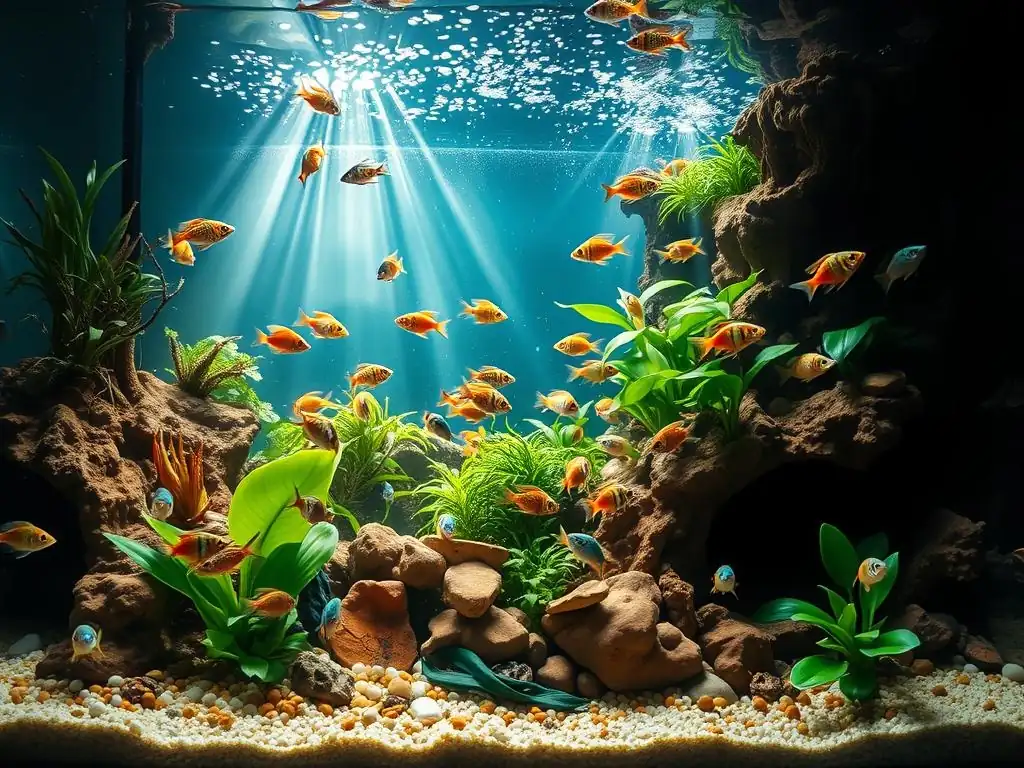
Welcome to Aquarium Mastery!
Ever wonder why your vibrant dwarf cichlids are suddenly playing hide-and-seek? It's a common question amongst aquarists, and understanding the reasons behind this behavior is crucial for their well-being. Dive into our in-depth article, "Why Are My Dwarf Cichlids Hiding? Uncovering the Reasons," and discover the secrets to a happier, more confident community in your freshwater aquarium. Let's unravel the mystery and get those beautiful fish back into the spotlight!
- Understanding Dwarf Cichlid Hiding Behavior
- Potential Environmental Factors Causing Dwarf Cichlid to Hide
- Social Dynamics and Stressors Leading to Hiding
- Disease and Health Problems as a Cause of Hiding
- Breeding Behavior and Hiding in Dwarf Cichlids
- Troubleshooting Dwarf Cichlid Hiding Issues: A Step-by-Step Guide
- Preventing Dwarf Cichlid Hiding: Long-Term Strategies
- When to Consult a Veterinarian or Experienced Aquarist
-
Frequently Asked Questions
- Why are my dwarf cichlids suddenly hiding more than usual?
- Could new tank mates be the reason my dwarf cichlids are hiding?
- Is it normal for dwarf cichlids to hide after a water change?
- Do dwarf cichlids hide if they are sick?
- Are there specific tank decorations that can help dwarf cichlids feel more secure and reduce hiding?
- Final Reflection: Unveiling the Secrets of the Shy
- Unveil a Thriving Cichlid Haven!
Understanding Dwarf Cichlid Hiding Behavior
Normal vs. Excessive Hiding in Dwarf Cichlids: What's the Difference?
It's common for dwarf cichlids to exhibit some degree of hiding behavior, as these fish are naturally curious and often enjoy exploring crevices, caves, and dense plant cover. This normal hiding typically involves brief retreats into shelter when startled, resting in a preferred spot, or exploring new additions to the aquarium. Healthy dwarf cichlids will still be active, readily come out for food, and display vibrant coloration. Observing these active periods interspersed with short periods of hiding is a sign of a well-adjusted fish in a suitable environment.
However, excessive or constant hiding is a significant indicator that something is amiss with your dwarf cichlids. If your fish remain perpetually tucked away, rarely venture into the open, refuse to eat, or display clamped fins and faded colors while hiding, these are clear signals of stress, illness, or an unsuitable environment. Understanding these dwarf cichlid hiding reasons is crucial for their well-being, as prolonged stress can lead to weakened immune systems and susceptibility to diseases.
Common Dwarf Cichlid Species and Their Natural Hiding Tendencies (Apistogramma, Rams, Kribensis)
Different species of dwarf cichlids possess varying natural tendencies for hiding, which is an important factor when assessing their behavior. Apistogramma species, for instance, are generally more reclusive and appreciate heavily planted tanks with numerous caves and driftwood. Species like Apistogramma cacatuoides might be slightly bolder than the more shy Apistogramma agassizii, but both thrive when provided ample visual breaks and secure retreats. Their preference for shaded areas and intricate aquascapes means a certain level of hiding is expected.
Rams, including the popular German Blue Rams ( Mikrogeophagus ramirezi) and Bolivian Rams ( Mikrogeophagus altispinosus), also benefit from hiding spots, although their reasons for hiding can differ. German Blue Rams are notoriously sensitive to water parameters and stress, often hiding if conditions are not pristine or if they feel threatened. Bolivian Rams are generally hardier and more outgoing but will still utilize caves and plants for security and rest.
Kribensis cichlids ( Pelvicachromis pulcher) are often considered one of the bolder dwarf cichlid species, but they will become highly secretive when breeding or if they perceive a threat to their territory. Recognizing these species-specific dwarf cichlid hiding behaviors helps differentiate normal instincts from distress signals.
Potential Environmental Factors Causing Dwarf Cichlid to Hide
Water Quality Issues and Their Impact on Dwarf Cichlid Behavior
Poor water quality is one of the most common dwarf cichlid hiding reasons, directly impacting their health and comfort. Even slight deviations from optimal parameters can cause significant stress, leading to a fish seeking refuge and becoming withdrawn. Consistent monitoring and maintenance of water chemistry are paramount for their well-being.
Ammonia, Nitrite, and Nitrate Levels: Testing and Correction
Elevated levels of ammonia (NH3/NH4+) and nitrite (NO2-) are highly toxic to fish and are primary causes of dwarf cichlid hiding due to acute stress and gill damage. In a healthy, cycled aquarium, both ammonia and nitrite should consistently test at 0 parts per million (ppm). Nitrate (NO3-), the end product of the nitrogen cycle, is less toxic but still harmful in high concentrations; levels should ideally be kept below 20 ppm for most dwarf cichlids, with some sensitive species preferring less than 10 ppm.
Regular testing with a reliable liquid test kit, such as an API Freshwater Master Test Kit, is essential, as test strips can often be inaccurate. Correcting high levels typically involves immediate partial water changes (e.g., 50% or more, depending on the severity), ensuring proper filtration, and avoiding overfeeding or overstocking, which contribute to waste buildup.
pH Instability and Its Effects on Dwarf Cichlids
pH, a measure of water's acidity or alkalinity, plays a critical role in dwarf cichlid health. Most popular dwarf cichlid species, such as Apistogramma and German Blue Rams, prefer slightly acidic to neutral water, typically within a pH range of 6.0 to 7.0. While a stable pH within their preferred range is ideal, sudden or drastic fluctuations in pH are far more detrimental than a slightly off but stable reading.
For instance, a pH swing from 6.5 to 7.5 within a few hours can cause severe osmotic shock, leading to stress and hiding. Such instability can be caused by insufficient buffering capacity in the water, large infrequent water changes, or excessive CO2 injection for plants without proper monitoring. To maintain stable pH, perform consistent, smaller water changes (e.g., 25% weekly), use appropriate buffering agents if necessary, and avoid products that promise rapid pH changes.
Inadequate Tank Setup and Hiding Spots
The physical environment of the aquarium significantly influences a dwarf cichlid's comfort and behavior. A sparsely decorated tank or one that lacks appropriate cover can be a major dwarf cichlid hiding reason, as these fish feel exposed and vulnerable.
Lack of Caves, Plants, and Driftwood for Shelter
Dwarf cichlids, by nature, are territorial and require ample visual breaks and secure hiding spots to feel safe and establish their domains. Without a sufficient number of caves, dense plant thickets, and intricate driftwood structures, they will constantly feel exposed to perceived threats, whether from tank mates or activity outside the tank. Providing multiple options, such as terracotta pots, coconut shells, rock caves, and dense live plants like Java Fern, Anubias, or Amazon Swords, gives them the security they need.
Aim for at least two to three distinct hiding spots per fish or pair to ensure they have private retreats. For example, a 20-gallon tank housing a pair of Apistogrammas should feature several caves and significant plant cover to reduce stress and prevent constant hiding.
Insufficient Substrate Depth for Burrowing (If Applicable)
While not all dwarf cichlids are avid burrowers, some species, particularly during breeding or when creating a preferred resting spot, appreciate a softer, deeper substrate. For example, species that lay eggs in substrate depressions or sift through it for food may feel more secure with a fine sand substrate of at least 2-3 inches (5-7.5 cm) in depth.
If the substrate is too shallow or consists of sharp, coarse gravel, it can deter natural behaviors and contribute to a general sense of unease, potentially leading to increased hiding. Ensuring the right substrate type and depth aligns with the specific needs of your dwarf cichlid species is a subtle yet important aspect of their environmental comfort.
Lighting Intensity and Its Influence on Dwarf Cichlid Activity
The intensity and duration of aquarium lighting can profoundly affect dwarf cichlid behavior. As many species originate from environments with filtered or subdued light, overly bright illumination can be a significant dwarf cichlid hiding reason.
Too Bright Lighting: Reducing Stress and Encouraging Activity
Dwarf cichlids, particularly species like German Blue Rams and many Apistogramma, are often found in naturally shaded habitats, such as under dense tree canopies or among root systems. Constant, intense lighting in an aquarium can mimic an overly exposed environment, causing them significant stress. This discomfort often leads them to seek permanent refuge in the darkest corners of the tank, under decorations, or within dense plant cover.
To alleviate this, consider reducing the intensity of your aquarium lights, perhaps by using a dimmer or opting for lower wattage bulbs. Additionally, incorporating floating plants like Amazon Frogbit or Dwarf Water Lettuce can effectively diffuse overhead light, creating natural shaded areas that encourage dwarf cichlids to be more active and visible. Limiting the photoperiod to 8-10 hours a day can also reduce stress and promote a healthier day-night cycle for your fish.
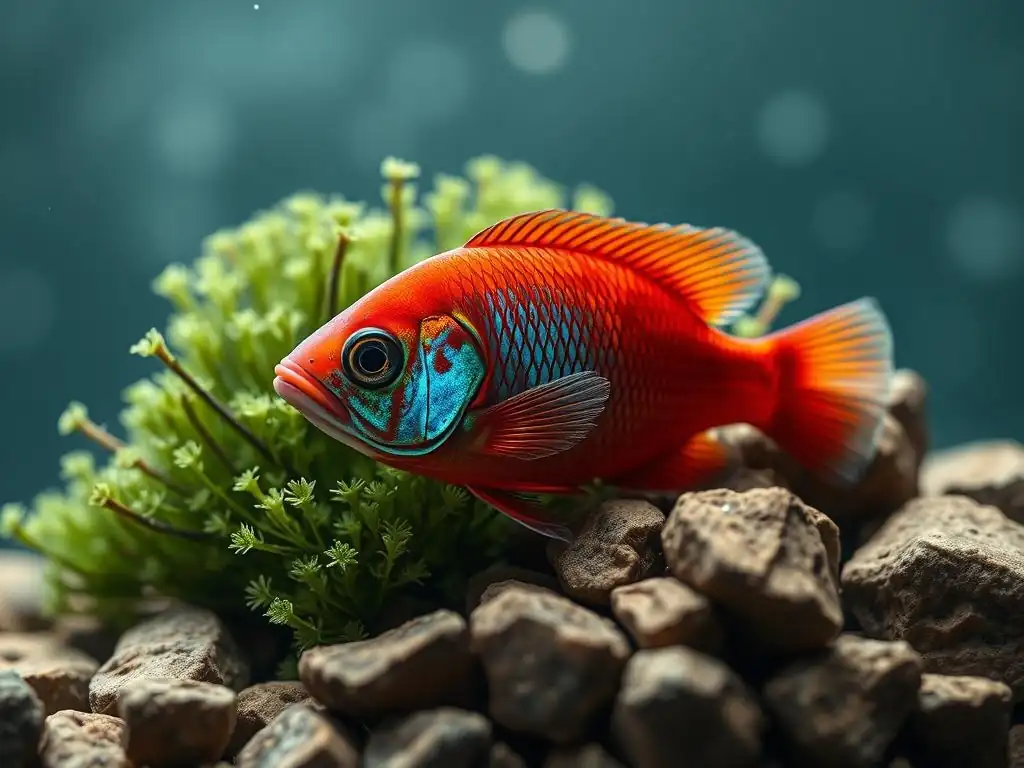
The social environment within the aquarium plays a critical role in the well-being of dwarf cichlids. Incompatible tank mates, overcrowding, and even routine maintenance can all contribute to stress, manifesting as increased hiding behavior. Understanding these social dwarf cichlid hiding reasons is key to fostering a harmonious community.
Bullying and Aggression from Tank Mates
Dwarf cichlids, while small, are still cichlids and can be sensitive to aggression. Constant harassment from other fish is a primary dwarf cichlid hiding reason, as they will seek refuge to avoid injury or continuous stress.
Identifying Aggressive Fish and Re-evaluating Tank Compatibility
Aggression from tank mates can range from subtle intimidation to outright physical attacks. Common culprits include larger, boisterous species, fin-nippers like certain barbs (e.g., Tiger Barbs, if not kept in large schools), or even other territorial cichlids that are not dwarf species. Observe your tank closely for signs of chasing, nipping, or one fish consistently dominating feeding areas.
For instance, a single male Kribensis might harass a more docile Apistogramma pair. When choosing tank mates for dwarf cichlids, prioritize peaceful, similarly sized fish that occupy different water columns, such as small schooling tetras (e.g., Neon Tetras, Cardinal Tetras) or peaceful corydoras catfish. Avoiding overly aggressive or much larger species is crucial to prevent your dwarf cichlids from constantly hiding in fear.
Fin Nipping and Harassment: Signs and Solutions
Physical signs of fin nipping and harassment include torn or frayed fins, missing scales, and a general reluctance of the dwarf cichlid to venture into open water. A fish that consistently hides with clamped fins is often a victim of bullying. For example, a German Blue Ram with tattered caudal fins is a strong indicator of aggression from tank mates. To address this, first identify the aggressor.
If possible, remove the aggressive fish to a separate tank. If removal isn't feasible, consider re-scaping the tank significantly to break up established territories and create new visual barriers. Adding more hiding spots, such as additional plants or driftwood, can also provide the bullied dwarf cichlid with more options for escape and refuge, thereby reducing their need to hide constantly out of fear.
Overcrowding and Competition for Resources
An overcrowded aquarium can lead to a multitude of problems for dwarf cichlids, making it a significant dwarf cichlid hiding reason. Limited space and resources intensify competition, leading to stress and aggression even among normally peaceful species.
Determining Appropriate Stocking Levels for Dwarf Cichlids
Proper stocking levels are crucial for the long-term health and visibility of your dwarf cichlids. A general guideline often cited is 1 inch of adult fish per gallon of water, but this is a very rough estimate and often insufficient for territorial species like cichlids. For a pair of dwarf cichlids, such as Apistogrammas or Rams, a minimum tank size of 20 gallons (approximately 75 liters) is often recommended to provide adequate territory.
A 30-gallon tank (113 liters) is more suitable for a trio or a small community with dwarf cichlids. Overstocking not only exacerbates territorial disputes but also quickly degrades water quality, leading to compounding stress factors that force dwarf cichlids to hide. Always research the specific space requirements for your chosen species before adding them to your aquarium.
Ensuring Adequate Feeding and Territory
Competition for food and territory is a major stressor in overcrowded tanks. If dwarf cichlids feel they must constantly compete for limited food resources, they may become withdrawn and hide, especially if more dominant tank mates hog the food. Ensuring that food reaches all fish, perhaps by distributing it across different areas of the tank or feeding multiple times a day in smaller portions, can alleviate this.
Furthermore, dwarf cichlids are territorial, particularly during breeding. Providing distinct, well-defined territories with clear visual boundaries—achieved through strategic placement of rocks, driftwood, and dense plant groupings—reduces conflict. For example, in a 40-gallon breeder tank, two pairs of Apistogrammas might coexist if each has several caves and dense plant zones defining their separate domains, minimizing the need for constant hiding due to territorial disputes.
Stress from Tank Maintenance and Changes
Even routine tank maintenance, if not performed carefully, can be a dwarf cichlid hiding reason. Fish are sensitive to sudden changes in their environment, and disruptive procedures can cause significant stress.
Minimizing Disturbances During Water Changes and Cleaning
Dwarf cichlids can become highly stressed by sudden movements, loud noises, or rapid changes in water parameters during tank maintenance. When performing weekly water changes (typically 25-30% of the tank volume), ensure the new water is temperature-matched to within 1-2°F (0.5-1°C) of the tank water and dechlorinated. Avoid siphoning gravel too aggressively near your fish, and move slowly and deliberately.
For example, when cleaning algae, use gentle strokes rather than frantic scrubbing that might startle them. Minimizing the time your hands are in the tank and avoiding sudden light changes (e.g., turning off lights before reaching in) can significantly reduce their stress and subsequent hiding behavior.
Gradual Acclimation of New Fish
Introducing new fish to an established aquarium can be a stressful event for both the newcomers and the existing inhabitants. New dwarf cichlids will almost certainly hide initially as they adjust to their new surroundings, water parameters, and tank mates. This is a common and usually temporary dwarf cichlid hiding reason.
To minimize this stress, employ a slow acclimation method, such as drip acclimation over 30-60 minutes, to gradually equalize water parameters between the transport bag and the tank. Adding new fish during dim lighting or after lights out can also help them settle in without immediate harassment from existing fish. Providing plenty of hiding spots for the new arrivals will give them a sense of security during this crucial adjustment period, reducing the duration of their hiding.
Disease and Health Problems as a Cause of Hiding
When dwarf cichlids hide persistently, especially accompanied by other symptoms, it's often a strong indicator of underlying disease or health issues. Illness can cause discomfort, weakness, and a natural instinct for the fish to withdraw and conserve energy.
Recognizing Signs of Illness in Dwarf Cichlids
Early detection of illness is crucial for successful treatment and preventing further stress-induced hiding. Beyond just hiding, observe your dwarf cichlids for a range of subtle changes that signal poor health.
Changes in Appetite, Color, and Fin Condition
A sick dwarf cichlid will often exhibit noticeable changes in its physical appearance and behavior. A significant dwarf cichlid hiding reason linked to health is a sudden loss of appetite; healthy fish usually rush to eat. Faded or darkened coloration, particularly a dulling of their vibrant hues, is a common stress or illness indicator.
For instance, a normally bright German Blue Ram might appear pale or have dark stress bars. Furthermore, observe their fins: clamped fins (held tightly against the body), frayed edges, or visible tears are signs of disease like fin rot or physical injury. Bloating, a distended abdomen, or a sunken belly despite eating are also critical signs that warrant immediate attention.
Common Dwarf Cichlid Diseases and Their Symptoms
Several common diseases can cause dwarf cichlids to hide. Ich (Ichthyophthirius multifiliis), or "white spot disease," presents as small, salt-like white spots on the body and fins, accompanied by scratching against tank objects and lethargy. Velvet (Oodinium) appears as a fine, dusty, yellowish-brown coating, often causing rapid gill movement and gasping at the surface. Fin Rot, caused by bacterial infection, results in ragged, decaying fins.
Internal parasites can lead to emaciation despite a good appetite, stringy white feces, and a general wasting away of the fish. Bloat, often linked to diet or internal bacterial infections, causes severe abdominal swelling and loss of balance. Each of these conditions contributes to dwarf cichlid hiding as the fish feels increasingly unwell and seeks isolation.
Quarantine and Treatment Options for Sick Dwarf Cichlids
When a dwarf cichlid is showing signs of illness and hiding consistently, prompt action is necessary. A dedicated quarantine tank is an invaluable tool for effective treatment and preventing the spread of disease.
A quarantine tank, typically a 10-20 gallon (38-75 liter) setup with a heater and sponge filter, allows for isolated observation and medication without affecting the main display tank's beneficial bacteria or other inhabitants. For instance, if you suspect Ich, you would move the affected dwarf cichlid to the quarantine tank and begin treatment with an appropriate medication like malachite green or by slowly raising the temperature to 82-86°F (28-30°C) while increasing aeration.
For suspected bacterial infections causing symptoms like fin rot or bloat, a broad-spectrum antibiotic designed for aquarium use might be administered, often mixed with food if the fish is still eating. Always follow medication instructions carefully and ensure proper water quality is maintained in the quarantine tank.
Breeding Behavior and Hiding in Dwarf Cichlids
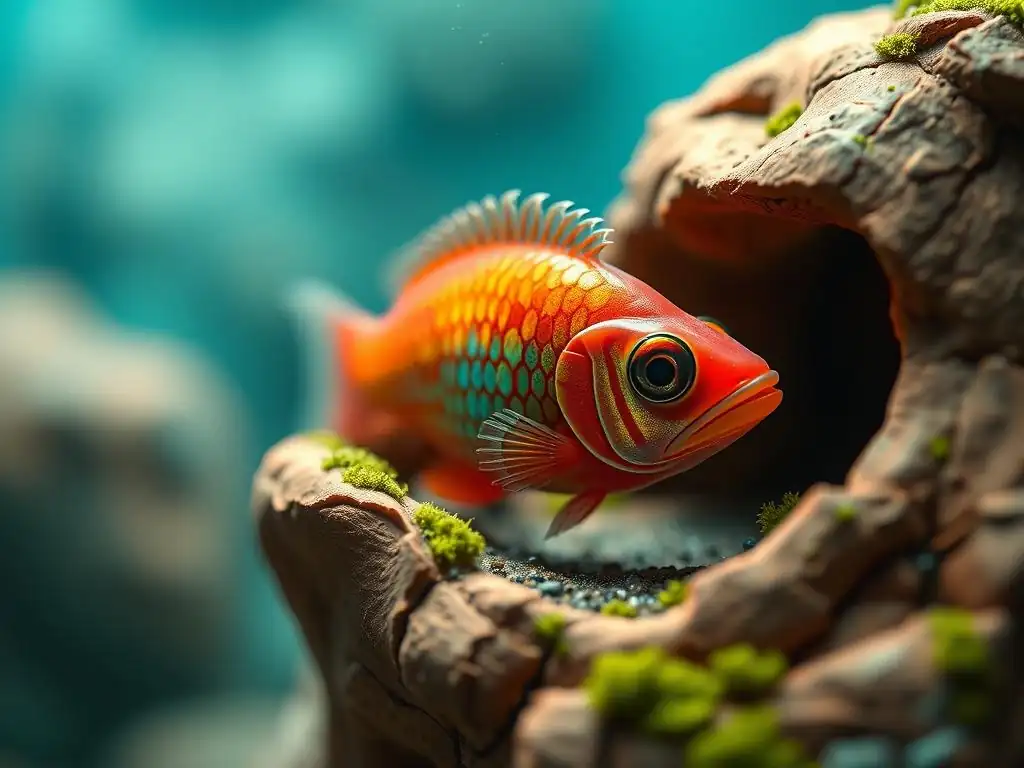
For many dwarf cichlid species, hiding is an integral part of their natural breeding cycle. This specific type of dwarf cichlid hiding behavior is usually a positive sign, indicating that your fish feel secure enough to reproduce.
Pre-Spawning Hiding: Nesting and Territory Defense
As dwarf cichlids prepare to spawn, their behavior shifts noticeably, and increased hiding is often a key indicator. A male and female pair will typically become more secretive, often disappearing into a chosen cave, pot, or dense plant thicket. They will meticulously clean a specific surface within this hiding spot, preparing it for egg deposition.
For instance, a pair of Kribensis might spend days meticulously cleaning the inside of an overturned terracotta pot, defending it vigorously from any approaching tank mates. During this pre-spawning phase, the male may also become more aggressive towards other fish, including the female if she is not ready, as he establishes and defends a larger territory around their chosen nesting site. This territorial defense and nesting preparation naturally lead to more time spent hidden from view.
Post-Spawning Hiding: Parental Care and Fry Protection
Once eggs have been laid and fertilized, dwarf cichlids exhibit strong parental care, which heavily involves hiding to protect their offspring. The female, and sometimes the male depending on the species (e.g., female-only care in many Apistogramma, biparental care in Rams), will guard the eggs zealously within their chosen hiding spot. They will fan the eggs to ensure oxygenation and remove any unfertilized or fungused eggs.
After the fry hatch, the parents will continue to keep them hidden, often moving them between different secure locations within their territory. For example, a female Apistogramma might shepherd her cloud of fry deep within a cave, only occasionally venturing out to forage. This intense focus on protecting their vulnerable fry is a natural and expected dwarf cichlid hiding reason, ensuring the survival of the next generation.
Providing Suitable Breeding Conditions to Reduce Stress
To encourage natural breeding behavior and minimize stress-related hiding during this sensitive period, it's essential to provide optimal breeding conditions. This includes offering a variety of suitable spawning sites, such as coconut shells, small terracotta pots with a single opening, or flat pieces of slate. Water parameters are also critical; many dwarf cichlids, particularly Apistogramma and German Blue Rams, prefer soft, acidic water for breeding (e.g., pH 6.0-6.5, GH 2-5 dGH).
A varied diet rich in live or frozen foods (e.g., brine shrimp, daphnia, bloodworms) helps condition the pair for spawning. Creating a dedicated breeding tank can also reduce stress from potential aggression by other tank mates, allowing the pair to focus solely on their parental duties without feeling the constant need to hide from external threats.
Troubleshooting Dwarf Cichlid Hiding Issues: A Step-by-Step Guide
When your dwarf cichlids are hiding excessively, a systematic approach to troubleshooting can help pinpoint the underlying dwarf cichlid hiding reasons. This guide outlines the key steps to assess and resolve the issue.
Step 1: Assess Water Parameters and Tank Environment
Begin by thoroughly testing your aquarium's water parameters. Use a reliable liquid test kit to check ammonia, nitrite, and nitrate levels, aiming for 0 ppm for ammonia and nitrite, and less than 20 ppm for nitrate. Verify the pH is within the appropriate range for your specific dwarf cichlid species (e.g., 6.0-7.5 for most, depending on species) and ensure it's stable. Check the water temperature, confirming it's within the optimal range (e.g., 76-82°F or 24-28°C) and consistent.
Also, evaluate the physical tank environment: Is there enough cover (caves, plants, driftwood)? Is the lighting too bright? Does the substrate meet their needs? For example, if ammonia is detected at 0.25 ppm, this immediately points to a water quality issue that needs addressing with water changes.
Step 2: Observe Fish Interactions and Behavior
Once water parameters and the physical setup are verified, spend time observing your dwarf cichlids and their tank mates. Look for signs of aggression: Is one fish constantly chasing another? Are there any visible fin nips or body damage? Note which fish are doing the hiding – is it a single individual, a pair, or all of them?
Consider if the tank is overcrowded, which can lead to competition for food and territory. For instance, if only one male Apistogramma is hiding, while others are active, it might be a target of aggression from a dominant tank mate. Documenting these interactions over several hours or days can reveal patterns of bullying or stress.
Step 3: Identify Potential Health Problems
If environmental factors and social dynamics don't fully explain the hiding, shift your focus to the health of your dwarf cichlids. Carefully inspect each fish for physical signs of illness:
- Appetite: Are they refusing food, or spitting it out?
- Coloration: Are their colors faded, dull, or unusually dark?
- Fins: Are fins clamped, torn, or showing signs of fin rot?
- Body: Look for white spots (Ich), fuzzy growths (fungus), bloating, sunken bellies, or unusual growths.
- Respiration: Are they breathing rapidly or gasping at the surface?
- Swimming: Are they swimming erratically, listing, or showing signs of disorientation?
A fish showing multiple symptoms along with hiding is highly likely to be ill and may require isolation in a quarantine tank for treatment.
Step 4: Implement Corrective Measures and Monitor Progress
Based on your assessment from the previous steps, implement targeted corrective measures. If water quality is an issue, perform immediate partial water changes (e.g., 25-50%) and increase the frequency of future changes. If aggression is identified, consider re-scaping the tank, adding more hiding spots, or, if necessary, rehoming the aggressor or the bullied fish. If a disease is suspected, begin appropriate treatment, ideally in a separate quarantine tank.
For instance, if you suspect insufficient hiding spots, add a coconut shell cave and a dense cluster of Anubias plants. Make one change at a time, if possible, and then closely monitor your dwarf cichlids' behavior for several days or a week. Look for signs of reduced hiding, increased activity, and improved appetite and coloration. If the initial measures don't yield results, re-evaluate and consider other potential dwarf cichlid hiding reasons.
Preventing Dwarf Cichlid Hiding: Long-Term Strategies
Proactive measures are always better than reactive solutions when it comes to fish health and behavior. Implementing long-term strategies to prevent dwarf cichlid hiding will ensure your fish thrive in a stable and secure environment.
Maintaining Optimal Water Quality and Tank Conditions
Consistent water quality is the cornerstone of preventing dwarf cichlid hiding and promoting overall fish health. Establish a strict routine of weekly partial water changes, typically 25-30% of the tank volume, to keep nitrate levels low (below 20 ppm) and replenish essential minerals. For example, in a 20-gallon tank, a 5-gallon water change every week is usually sufficient. Regularly test your water parameters (ammonia, nitrite, nitrate, pH, temperature) to catch any deviations early.
Ensure your filtration system is adequately sized and well-maintained, performing filter media cleaning or replacement as recommended by the manufacturer. Maintaining a stable temperature within their preferred range (e.g., 76-82°F or 24-28°C) is also crucial, as temperature fluctuations can cause significant stress. A stable and clean environment is the best defense against many dwarf cichlid hiding reasons.
Choosing Compatible Tank Mates
Careful selection of tank mates is paramount to preventing stress-induced hiding in dwarf cichlids. Research the temperament and adult size of any fish you intend to add to your aquarium. Prioritize peaceful, non-aggressive species that do not compete directly for the same resources or territory. For instance, small schooling fish like Neon Tetras, Cardinal Tetras, or Rasboras are excellent choices as they are generally peaceful and occupy the mid-to-upper water columns, leaving the bottom for the dwarf cichlids.
Avoid larger, boisterous species that might intimidate or outcompete your dwarf cichlids for food. Also, be wary of other cichlid species unless they are known to be compatible dwarf cichlids themselves and you have a sufficiently large tank with ample territories. A harmonious community reduces the need for dwarf cichlids to hide defensively.
Providing a Stress-Free Environment
Creating an environment that caters to the natural instincts of dwarf cichlids is essential for their well-being and to minimize dwarf cichlid hiding behavior. This involves more than just water quality and tank mates. Ensure your aquarium is adequately sized for the number and species of dwarf cichlids you keep, providing ample personal space and territory. Furnish the tank with a generous amount of appropriate hiding spots and visual breaks, such as caves (coconut shells, terracotta pots), dense live plants (e.g., Java Fern, Anubias, Cryptocoryne), and intricate driftwood.
Consider the lighting; if it's too bright, use floating plants or a dimmer to create shaded areas. Finally, minimize external disturbances by placing the tank in a low-traffic area of your home and avoiding sudden movements or loud noises around the aquarium. A well-designed, secure, and calm environment fosters confident, active, and visible dwarf cichlids.
When to Consult a Veterinarian or Experienced Aquarist
While most dwarf cichlid hiding reasons can be resolved with careful troubleshooting by the aquarist, there are instances when professional advice is warranted. Knowing when to seek external help can be crucial for the well-being of your fish.
You should consult an experienced aquatic veterinarian or a highly knowledgeable aquarist from a reputable local fish store or online community if:
- Symptoms persist: Despite your best efforts in troubleshooting and implementing corrective measures over several days or a week, your dwarf cichlids continue to hide excessively, or their condition worsens.
- Multiple fish are affected: If several or all of your dwarf cichlids, or even other tank mates, begin showing similar signs of hiding and illness, it could indicate a rapidly spreading disease or a systemic issue with your tank environment that you haven't identified.
- Unsure of diagnosis or treatment: If you cannot confidently identify the cause of the hiding or are unsure about the appropriate course of treatment for a suspected illness, professional guidance can prevent misdiagnosis and ineffective medication.
- Rare or highly valued species: For particularly rare, expensive, or sentimental dwarf cichlids, consulting a specialist might be preferred to ensure the best possible outcome.
These professionals can offer insights into complex dwarf cichlid hiding reasons, recommend specialized tests, or prescribe medications not readily available to the general public.
Frequently Asked Questions
Why are my dwarf cichlids suddenly hiding more than usual?
Sudden changes in hiding behavior can indicate a problem with the water quality. Check your ammonia, nitrite, and nitrate levels immediately. Also, consider any recent changes to the tank environment, like new decorations or tank mates.
Could new tank mates be the reason my dwarf cichlids are hiding?
Yes, introducing new fish, especially more aggressive species, can stress dwarf cichlids. They may hide to avoid confrontation and potential harm. Assess the compatibility of your fish.
Is it normal for dwarf cichlids to hide after a water change?
A water change can temporarily disrupt the tank's ecosystem. This can stress the fish, leading them to hide for a short period. Ensure the water parameters match the existing tank water closely.
Do dwarf cichlids hide if they are sick?
Yes, illness is a common reason for fish to hide. Look for other symptoms like loss of appetite, clamped fins, or unusual swimming. Isolate the affected fish and consider appropriate treatment.
Are there specific tank decorations that can help dwarf cichlids feel more secure and reduce hiding?
Providing plenty of hiding places like caves, plants, and driftwood is crucial. This gives them a sense of security and reduces stress, which in turn reduces excessive hiding.
Final Reflection: Unveiling the Secrets of the Shy
The exploration of dwarf cichlid hiding behavior, as we've seen, isn't just about understanding fish; it's about understanding the delicate balance of their world and our responsibility as custodians. The reasons behind their shyness, from water parameters to social dynamics, are a microcosm of the challenges faced by all creatures in adapting to their environment. This knowledge empowers us to create thriving aquatic ecosystems, not just tanks.
This journey into the hidden lives of dwarf cichlids has profoundly impacted how I view aquarium keeping. It's a constant reminder that observation and empathy are paramount to responsible care. We must move beyond simply providing the basics and strive to understand the nuanced needs of these fascinating creatures. The greatness of a nation and its moral progress can be judged by the way its animals are treated.
- Mahatma Gandhi. This quote resonates deeply, highlighting the importance of our ethical responsibility towards all living beings, even the smallest fish in our care.
Now, armed with this understanding of "dwarf cichlid hiding reasons," I invite you to reflect on your own role in creating a harmonious environment for your aquatic companions. Consider the subtle cues they offer, the silent language of their behavior. By becoming more attuned to their needs, you can unlock their vibrant personalities and witness the true beauty of these captivating fish. Strive to be not just a keeper, but a guardian of their well-being, and you will be rewarded with a thriving and fascinating underwater world.
Unveil a Thriving Cichlid Haven!
Thanks for diving into the world of dwarf cichlids! We hope you’ve gained some valuable insights into why your little guys might be feeling a bit shy. Now, let's transform that hiding habit into happy, healthy behavior.
Here are a few things you can do right now:
- Immediately assess your tank’s water parameters. Get those test kits out and ensure everything is within the ideal range for your species of dwarf cichlid. This is the most crucial first step.
- Add a new cave or plant to your aquarium. Sometimes, all it takes is a fresh hiding spot to make your cichlids feel more secure. Try an unexpected material like a coconut shell!
- Share your experiences! Connect with other cichlid keepers on forums or social media and discuss your specific setup. Helping others can offer new perspectives.
What’s the first thing you’re going to change about your cichlid's environment to encourage them to come out and play?