
Filtration Powerhouses: Keeping Featherfin Tanks Pristine


Welcome to Aquarium Mastery!
Ever wondered how to unlock the secret to a thriving Featherfin aquarium? Maintaining crystal-clear water and a healthy environment is easier than you think. Dive into our comprehensive Featherfin tank filtration guide and discover the powerhouses that will keep your aquatic paradise pristine. Ready to learn how to ensure your Featherfins flourish? Let's get started!
- Tanganyikan Cichlid Tank Filtration: Maintaining Pristine Water Quality
- Understanding Tanganyikan Cichlids and Their Unique Tank Requirements
- The Ultimate Tanganyikan Cichlid Tank Filtration Guide: Choosing the Right System
- Setting Up Your Tanganyikan Tank Filtration System: A Step-by-Step Approach
- Maintaining Your Tanganyikan Tank Filtration System: Ensuring Long-Term Pristine Water
- Troubleshooting Common Tanganyikan Tank Filtration Problems
- Beyond Filtration: Other Factors Contributing to a Healthy Tanganyikan Tank
- Conclusion: Mastering Tanganyikan Tank Filtration for a Thriving Aquarium
-
Frequently Asked Questions
- What are the most important aspects of filtration for a Featherfin tank?
- Why is strong filtration so critical for Featherfin fish?
- What type of filter is generally recommended for a Featherfin tank?
- How often should I perform maintenance on my Featherfin tank's filter?
- Can I use a sponge filter in a Featherfin tank, or is it insufficient?
- Final Reflection: The Enduring Clarity of Featherfin Habitats
- Unleash the Clarity: Elevate Your Featherfin Tank!
Tanganyikan Cichlid Tank Filtration: Maintaining Pristine Water Quality
Understanding Tanganyikan Cichlids and Their Unique Tank Requirements
Why Tanganyikan Cichlids Need Exceptional Filtration: A Lake Tanganyika Biotope Perspective
Lake Tanganyika, the natural habitat of Featherfin cichlids and other Tanganyikan species, is an ancient rift lake renowned for its immense size, depth, and remarkably stable, pristine water conditions. Unlike many freshwater bodies, Lake Tanganyika is oligotrophic, meaning it is nutrient-poor with very low levels of dissolved organic matter and minimal particulate matter. This unique biotope has shaped the physiology and behavior of its endemic cichlids, making them exceptionally sensitive to fluctuations in water quality and the accumulation of pollutants. Replicating this stability in a captive Featherfin tank is paramount for their long-term health.
In a closed aquarium system, fish waste, uneaten food, and decaying plant matter rapidly break down, releasing ammonia, nitrites, and nitrates. Without robust filtration, these compounds quickly accumulate to toxic levels. For sensitive Tanganyikan species, such as the graceful Cyprichromis leptosoma or Cyprichromis microlepidotus (common Featherfin cichlids), even slight deviations from their natural, pristine water parameters can induce severe stress, compromise their immune systems, and lead to various diseases. Therefore, a comprehensive Featherfin tank filtration guide must prioritize exceptional filtration to mimic the crystal-clear, stable environment of their native lake.
The Impact of Water Quality on Tanganyikan Cichlid Health and Behavior
Poor water quality has a direct and detrimental impact on the health of Tanganyikan cichlids. Elevated levels of ammonia and nitrite are acutely toxic, causing irreversible damage to gills, leading to respiratory distress, lethargy, and ultimately, death. Even moderately high nitrate levels, while less immediately lethal, contribute to chronic stress, suppress the immune system, and leave fish vulnerable to bacterial infections, fin rot, and other common aquarium ailments. Featherfin cichlids, with their delicate nature and often schooling habits, are particularly susceptible to these unseen stressors, making excellent water quality non-negotiable.
Beyond physical health, water quality significantly influences the behavior and vitality of these fish. In pristine conditions, Featherfin cichlids exhibit vibrant coloration, active swimming patterns, and natural schooling or breeding behaviors. Conversely, in sub-optimal water, they may display faded colors, clamped fins, erratic swimming, loss of appetite, or increased shyness and aggression.
For instance, Cyprichromis species, which naturally school in open water, will become reclusive and stressed if water clarity and purity are not maintained. A meticulous Featherfin tank filtration guide is therefore essential not only for survival but for ensuring these magnificent cichlids thrive and display their full natural splendor.
The Ultimate Tanganyikan Cichlid Tank Filtration Guide: Choosing the Right System
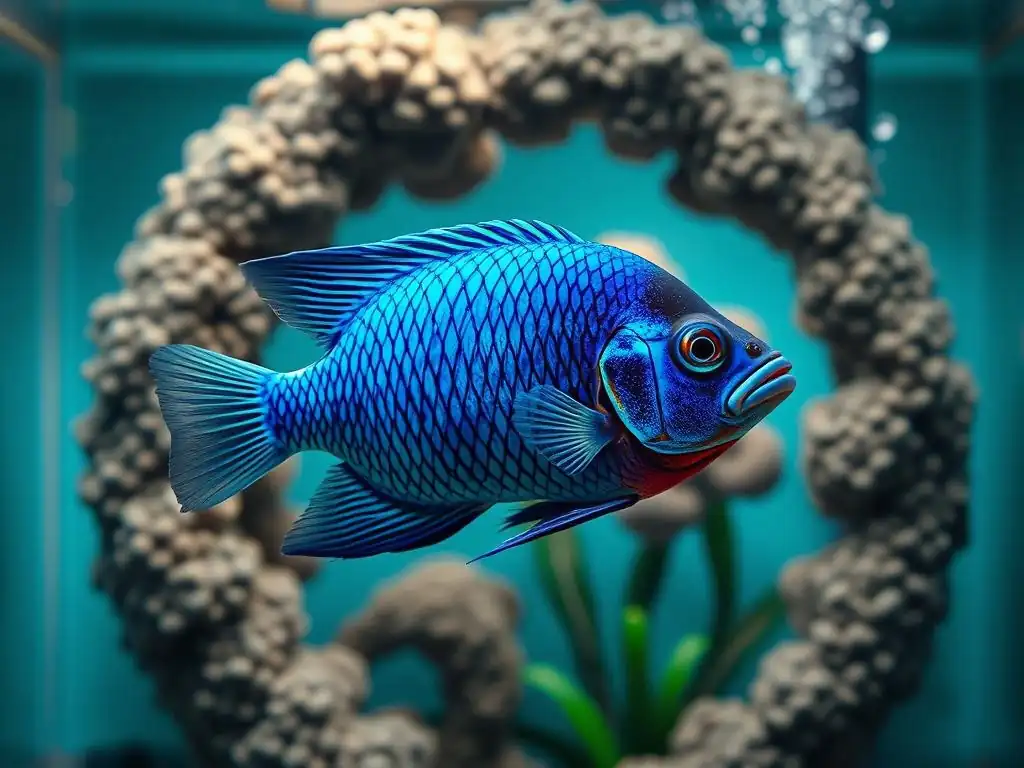
Selecting the appropriate filtration system is the cornerstone of maintaining a healthy Tanganyikan cichlid aquarium. The goal is to establish a robust system that efficiently handles mechanical, chemical, and biological filtration. No single filter type is universally perfect for every Tanganyikan setup, especially when considering the specific needs of a Featherfin tank. The optimal choice depends on various factors, including the tank's volume, stocking density, the specific species of Featherfin cichlid, and your budget.
For Tanganyikan cichlids, particularly the more sensitive Featherfins, many experienced aquarists advocate for a layered approach to filtration. This involves combining multiple filter types or oversizing a single powerful filter to ensure redundancy and superior water purification. For example, pairing a high-capacity canister filter with supplemental sponge filters can provide exceptional biological and mechanical filtration, creating the ultra-pristine conditions that Featherfin cichlids require to flourish.
Selecting the Ideal Filter Type for Your Tanganyikan Cichlid Tank
Hang-On-Back (HOB) Filters for Tanganyikan Cichlids: Pros and Cons
Hang-On-Back (HOB) filters are popular for their ease of installation and maintenance, making them a common choice for many aquarists. They typically offer good mechanical filtration through filter pads and some biological filtration via bio-wheels or media baskets. HOBs are generally suitable for smaller to medium-sized Tanganyikan tanks, typically ranging from 20 to 50 gallons, housing a modest group of Julidochromis or a pair of Neolamprologus brichardi. Brands like AquaClear offer models with customizable media compartments, allowing for a combination of sponges, activated carbon, and biomedia.
However, HOB filters have limitations. Their media capacity is often insufficient for very large or heavily stocked Tanganyikan aquariums, especially a densely populated Featherfin tank (e.g., 75 gallons or more with a colony of Cyprichromis). While they provide surface agitation that can be beneficial for oxygenation, their flow rates might not be powerful enough to circulate water effectively throughout a large tank, potentially leading to dead spots. Furthermore, some models can be noisy, which might be a consideration for tanks in living areas.
Canister Filters: A Powerful Filtration Option for Tanganyikan Tanks
Canister filters are widely regarded as a superior filtration option for Tanganyikan cichlid tanks due to their exceptional media capacity and powerful flow rates. These external filters can house large volumes of mechanical, chemical, and biological media, providing comprehensive purification. They are ideal for larger aquariums, typically from 75 gallons up to 200 gallons or more, making them a top recommendation in any serious Featherfin tank filtration guide. High-end models like the Fluval FX series can offer flow rates exceeding 900 gallons per hour (GPH) for tanks up to 400 gallons, ensuring robust water turnover.
Despite their higher upfront cost and more complex setup compared to HOBs, the benefits of canister filters often outweigh these drawbacks for serious Tanganyikan enthusiasts. Their enclosed design means minimal noise and a discreet appearance. When properly maintained, canister filters provide unparalleled water clarity and stability, creating the pristine environment essential for the long-term health and vibrant display of Featherfin cichlids. Their only significant downside is the potential for complex cleaning if not done regularly.
Sponge Filters: A Reliable Biological Filtration Choice for Tanganyikan Cichlids
Sponge filters are an inexpensive and highly effective option primarily for biological filtration, though they also offer some mechanical filtration. Powered by an air pump, they draw water through a porous sponge, providing an ample surface area for beneficial bacteria to colonize. They are particularly useful in breeding setups for delicate species like Cyprichromis or Neolamprologus shell dwellers, as they create a gentle water flow that won't disturb fry. Many aquarists use them as supplemental filtration in larger tanks or as the sole filter in smaller quarantine or hospital tanks (e.g., 10-20 gallons).
While excellent for biological support, sponge filters have limitations as a primary filtration system for a typical Featherfin tank. Their mechanical filtration capacity is limited, and they do not effectively remove fine particulate matter or dissolved organic compounds. They also require an external air pump and air line, which adds to the setup. For tanks larger than 30 gallons or those with a higher bioload, sponge filters are best utilized in conjunction with more powerful mechanical and chemical filtration systems like HOBs or canister filters.
Undergravel Filters (UGF): Are They Suitable for Tanganyikan Tanks?
Undergravel filters (UGFs) were once a common filtration method, relying on an air pump or powerhead to draw water through the substrate, turning the entire gravel bed into a biological filter. They are inexpensive and hidden beneath the substrate, offering a seemingly simple solution for biological filtration. Historically, some aquarists used them for cichlid tanks, appreciating the large surface area for beneficial bacteria.
However, UGFs are generally not recommended for modern Tanganyikan cichlid setups, especially for a sensitive Featherfin tank. Their primary drawback is the tendency to accumulate detritus and uneaten food beneath the filter plates, leading to anaerobic (oxygen-deprived) pockets. These pockets can produce toxic gases like hydrogen sulfide and become nitrate factories if not meticulously cleaned, which often requires dismantling the tank. The constant disturbance during cleaning can also be highly stressful for Tanganyikan cichlids, which prefer stable environments. Most contemporary Featherfin tank filtration guides advise against their use in favor of more efficient and less problematic systems.
Filter Media: Optimizing Water Quality for Tanganyikan Cichlids
The effectiveness of any filtration system hinges significantly on the quality and type of filter media employed. For Tanganyikan cichlids, which demand pristine water, a well-chosen combination of mechanical, chemical, and biological media is paramount. Each type of media plays a distinct but equally crucial role in maintaining the ideal water parameters and clarity that Featherfin cichlids require. Understanding their functions and proper placement within the filter is essential for optimizing water quality and ensuring a thriving aquatic environment.
A comprehensive Featherfin tank filtration guide emphasizes that filter media is not a one-size-fits-all solution; rather, it’s a strategic selection process. The correct media, properly maintained, will efficiently remove particulate matter, adsorb dissolved pollutants, and provide ample surface area for the beneficial bacteria that drive the nitrogen cycle. This holistic approach to filter media selection and management is key to replicating the stable, clean conditions of Lake Tanganyika.
Mechanical Filtration: Removing Particulate Matter in Tanganyikan Tanks
Mechanical filtration is the first line of defense in any filtration system, physically removing solid particulate matter from the water column. This includes uneaten food, fish waste, decaying plant material, and general debris. Common mechanical filter media include coarse sponges, fine filter floss, and specialized filter pads. These materials trap larger particles, preventing them from breaking down and releasing ammonia, thus easing the burden on the biological and chemical filtration stages.
For a Featherfin tank, effective mechanical filtration is crucial for maintaining crystal-clear water, which not only enhances visual appeal but also signifies a lower organic load. Regular cleaning or replacement of mechanical media (e.g., weekly or bi-weekly, depending on tank bioload) is vital. If neglected, trapped detritus will decompose within the filter, paradoxically becoming a source of pollution. A well-maintained mechanical filter ensures that the water remains sparkling and free of visible impurities, contributing significantly to the overall health and aesthetic of the aquarium.
Chemical Filtration: Controlling Ammonia, Nitrites, and Nitrates in Tanganyikan Aquariums
Chemical filtration utilizes specialized media to adsorb or react with dissolved pollutants that mechanical and biological filtration might miss. Activated carbon is the most common chemical media, effective at removing organic compounds that cause discoloration and odors, as well as residual medications and chlorine. It typically remains effective for 2 to 4 weeks before becoming saturated and needing replacement. Zeolite is another chemical media, primarily used for emergency ammonia removal, though its capacity is limited.
For the demanding pristine conditions of a Featherfin tank, advanced chemical media like Purigen or specialized resins (e.g., Seachem Matrix Carbon) offer superior adsorption capabilities and a longer lifespan. These media efficiently remove dissolved organic compounds and nitrates, polishing the water to an exceptional clarity. While chemical filtration is not a substitute for regular water changes or a robust biological filter, it is an excellent supplement for maintaining the highest possible water purity, contributing to the vibrant health and reduced stress levels of Tanganyikan cichlids.
Biological Filtration: Establishing a Thriving Nitrogen Cycle for Tanganyikan Cichlids
Biological filtration is the absolute cornerstone of a healthy Tanganyikan cichlid aquarium. It provides an expansive surface area for the colonization of beneficial nitrifying bacteria, primarily Nitrosomonas and Nitrobacter. These bacteria perform the critical function of the nitrogen cycle: Nitrosomonas converts highly toxic ammonia (NH3/NH4+) into less toxic nitrite (NO2-), and Nitrobacter then converts nitrite into relatively harmless nitrate (NO3-). Without a mature and efficient biological filter, ammonia and nitrite would rapidly accumulate to lethal levels.
Ideal biological filter media are highly porous, offering vast internal surface areas for bacterial colonization while allowing good water flow. Common examples include ceramic rings, bio-balls, and advanced porous biomedia like Seachem Matrix or Eheim Substrat Pro. For a Featherfin tank filtration guide, ensuring ample biological filtration capacity is paramount. A well-established biological filter provides the stability and resilience needed to process the bioload from a typical Tanganyikan setup, creating a safe and stable environment for these sensitive fish.
The Importance of Beneficial Bacteria in Tanganyikan Tank Ecosystems
Beneficial bacteria are the unsung heroes of the aquarium ecosystem, tirelessly working to detoxify fish waste. The two main groups, Nitrosomonas and Nitrobacter, are vital for the nitrogen cycle. Nitrosomonas bacteria are responsible for the first step, oxidizing ammonia (NH3), a highly toxic byproduct of fish metabolism and decaying organic matter, into nitrite (NO2-). Subsequently, Nitrobacter bacteria convert this nitrite, which is also toxic to fish, into nitrate (NO3-), a much less harmful compound that can be removed through regular water changes.
These bacterial colonies are sensitive to sudden fluctuations in water parameters, such as drastic pH shifts, temperature changes, or the introduction of certain medications or chlorine. A stable, well-established colony of these beneficial bacteria is crucial for the long-term health and stability of Tanganyikan cichlid aquariums, especially for sensitive species like Featherfins. It is imperative to avoid over-cleaning biological media with tap water, as chlorine will kill these essential bacteria, leading to a "crashed" nitrogen cycle and dangerous spikes in ammonia and nitrite.
Achieving Optimal Water Parameters for Tanganyikan Cichlids: The Role of Filtration
Tanganyikan cichlids require specific and stable water parameters to thrive, mimicking their natural environment. This includes a high pH range (typically 7.8-9.0), high hardness (General Hardness, GH, between 10-20 dGH; Carbonate Hardness, KH, between 10-18 dKH), and a stable temperature (76-80°F or 24-27°C). While filtration primarily focuses on removing nitrogenous waste, it plays an indirect yet crucial role in maintaining these parameters by preventing the buildup of organic acids that can cause pH drops.
However, filtration alone cannot maintain the specific mineral content and alkalinity required by Tanganyikan cichlids. These often need to be supported by buffering substrates such as crushed coral or aragonite sand, or through the addition of specific mineral salts. Efficient filtration, by keeping the water free of pollutants and reducing the organic load, helps to stabilize these parameters by preventing rapid declines in buffering capacity. A comprehensive Featherfin tank filtration guide therefore integrates a robust filtration system with appropriate substrate and water chemistry management to ensure truly optimal conditions.
Setting Up Your Tanganyikan Tank Filtration System: A Step-by-Step Approach
Choosing the Right Filter Size for Your Tanganyikan Tank Volume
Selecting the correct filter size is a critical step in establishing an effective filtration system for your Tanganyikan cichlid tank. A common guideline suggests that the filter should be capable of turning over the tank's entire volume at least 4 to 6 times per hour.
For instance, a 75-gallon Featherfin tank would ideally require a filter with a flow rate between 300 and 450 gallons per hour (GPH). For heavily stocked tanks or those housing particularly sensitive species like delicate Cyprichromis Featherfins, aiming for an even higher turnover rate, perhaps 6 to 10 times per hour, is often advisable to ensure pristine conditions.
It is important to note that manufacturer-stated flow rates are often optimal laboratory figures and may be lower in real-world conditions due to factors like media resistance, tubing length, and head pressure. Therefore, it is generally recommended to slightly oversize your filter to ensure robust filtration capacity. When choosing, consider not only your current tank volume but also potential future stocking density to guarantee that your Featherfin tank filtration guide remains effective as your aquarium matures.
Installing Your Chosen Filter System: Tips and Tricks for Tanganyikan Tanks
Proper installation of your chosen filter system is essential for its optimal performance and the overall health of your Tanganyikan tank. Always consult and strictly follow the manufacturer's instructions for your specific filter model. For Hang-On-Back (HOB) filters, ensure the water level in the tank is high enough for proper water intake. Canister filters require careful priming to remove all air before starting, preventing noisy operation and potential damage. Strategic placement of filter intakes and returns is crucial; position them to ensure good water circulation throughout the entire Featherfin tank, minimizing "dead spots" where detritus can accumulate.
When setting up for Featherfin cichlids, consider their natural habitat. While Cyprichromis species appreciate moderate to strong water flow, excessive turbulence can be stressful for other Tanganyikan species. If your filter's output is too strong, consider using a spray bar or a flow diffuser to disperse the current. Always ensure that intake strainers are fine enough to prevent small fish, especially fry, from being sucked into the filter, a common concern in breeding setups or with juvenile Cyprichromis. Double-check all tubing and connections for leaks before running the filter continuously.
Cycling Your Tanganyikan Tank: Establishing a Healthy Biological Filter
Cycling your Tanganyikan tank is a non-negotiable prerequisite before introducing any fish, particularly sensitive species like Featherfins. This crucial process involves establishing the beneficial bacterial colonies necessary for the nitrogen cycle. The cycle typically takes 4 to 6 weeks to complete and involves feeding the bacteria a source of ammonia (e.g., a pinch of fish food daily, or a measured dose of pure ammonia solution). During this period, ammonia and nitrite levels will spike and then gradually fall to zero as the bacterial colonies establish and multiply.
Patience is key during the cycling process. Do not add Featherfin cichlids or any other fish until both ammonia and nitrite levels consistently read zero for several consecutive days, and nitrates are detectable. Using commercially available bacteria starter cultures can help to accelerate the cycling process, but a full, natural cycle is still necessary to ensure a stable and resilient biological filter. A properly cycled Featherfin tank is the foundation for long-term health and stability, preventing the "new tank syndrome" that often leads to fish loss.
Maintaining Your Tanganyikan Tank Filtration System: Ensuring Long-Term Pristine Water
Regular Filter Maintenance: Cleaning and Replacing Filter Media
Consistent and proper filter maintenance is as crucial as the initial setup for ensuring long-term pristine water quality in your Tanganyikan cichlid tank. Mechanical filter media, such as sponges and filter floss, should be rinsed or replaced weekly to bi-weekly, depending on the tank's bioload. It is imperative to rinse these media in old tank water, removed during a water change, to preserve the beneficial bacteria that may have colonized them. Chemical media, like activated carbon or Purigen, typically need replacement every 2 to 4 weeks, or as recommended by the manufacturer, as their adsorptive capacity becomes exhausted.
Biological filter media, such as ceramic rings or bio-balls, should be handled with extreme care and only gently rinsed in old tank water every few months, if at all. Over-cleaning or rinsing biological media with chlorinated tap water will decimate the beneficial bacterial colonies, leading to a filter "crash" and dangerous spikes in ammonia and nitrite. Neglecting filter maintenance allows trapped detritus to decompose within the filter, turning it into a source of pollution rather than a purifier. Consistent, mindful maintenance is a cornerstone of any effective Featherfin tank filtration guide, ensuring your system operates at peak efficiency.
Water Changes: A Crucial Supplement to Effective Filtration in Tanganyikan Tanks
While a robust filtration system efficiently processes ammonia and nitrite, it cannot remove nitrates, the end product of the nitrogen cycle, indefinitely. Regular partial water changes are therefore an absolutely crucial supplement to effective filtration in Tanganyikan cichlid tanks. Performing weekly partial water changes of 25-30% of the tank's volume is generally recommended. This practice dilutes accumulated nitrates, replenishes essential minerals, and removes other dissolved organic compounds that filtration alone cannot fully handle. For a sensitive Featherfin tank, this consistent removal of nitrates is paramount for preventing chronic stress and ensuring optimal health.
It is vital to use dechlorinated water for all water changes, and to ensure the replacement water is temperature-matched to the aquarium water. Sudden temperature shifts or exposure to chlorine can cause severe stress and even death to Tanganyikan cichlids, which are accustomed to stable conditions. Consistent water changes, combined with a powerful and well-maintained filtration system, represent the ultimate strategy for maintaining the exceptionally pristine and stable water quality that Featherfin cichlids demand, promoting their long-term well-being and vibrant coloration.
Monitoring Water Parameters: Tracking Ammonia, Nitrite, and Nitrate Levels in Tanganyikan Aquariums
Regular and accurate monitoring of water parameters is indispensable for maintaining a healthy Tanganyikan cichlid aquarium. Aquarists should invest in a reliable liquid-based test kit, such as the API Freshwater Master Test Kit, to track ammonia, nitrite, and nitrate levels. During the tank cycling process, these parameters should be tested daily.
Once the tank is established and stable, weekly testing for ammonia and nitrite is recommended to ensure they remain at zero. Nitrate levels should also be checked weekly, with the goal of keeping them below 20 parts per million (ppm), and ideally closer to 5-10 ppm for highly sensitive species like Featherfin cichlids.
Understanding what the test results indicate is crucial for prompt corrective action. Persistent ammonia or nitrite readings signal an uncycled tank, a crashed biological filter, overstocking, or overfeeding. High nitrate levels, while less acutely toxic, indicate that water changes are insufficient or that there is an excessive organic load. Consistent monitoring allows for early detection of potential issues, enabling aquarists to address imbalances before they negatively impact the health and vitality of their Featherfin cichlids. This proactive approach is a hallmark of an effective Featherfin tank filtration guide.
Troubleshooting Common Tanganyikan Tank Filtration Problems
Cloudy Water in Your Tanganyikan Tank: Identifying and Addressing the Cause
Cloudy water is a common and often distressing issue for aquarists, and in a Tanganyikan tank, it typically indicates a water quality imbalance. The cloudiness can manifest in different forms: a milky white haze usually points to a bacterial bloom, often seen in new tanks undergoing the nitrogen cycle, or as a result of overfeeding or a filter crash. Fine particulate cloudiness suggests insufficient mechanical filtration or inadequate water circulation. Green cloudiness is almost always due to a free-floating algae bloom.
Addressing cloudy water requires identifying the underlying cause. For bacterial blooms, reduce feeding, ensure the biological filter is healthy and mature, and consider adding beneficial bacteria starters. For particulate cloudiness, enhance mechanical filtration by adding finer filter floss or increasing the filter's capacity, and ensure regular cleaning of mechanical media. For algae blooms, reduce lighting duration (e.g., to 6-8 hours daily) and increase the frequency and volume of water changes to lower nutrient levels (nitrates, phosphates). Maintaining crystal-clear water is not just aesthetic; it’s a key indicator of a healthy Featherfin tank environment.
High Ammonia or Nitrite Levels: Correcting Imbalances in the Nitrogen Cycle
Spikes in ammonia or nitrite are critical emergencies in any aquarium, as these compounds are highly toxic to fish, particularly sensitive Tanganyikan cichlids. Common causes include an uncycled new tank, a sudden crash of the biological filter (due to power outage, over-cleaning with tap water, or certain medications), overstocking the tank, or severe overfeeding. If detected, immediate action is required to prevent fish illness or death.
To correct high ammonia or nitrite levels, perform an immediate, large partial water change (50-75%) using temperature-matched and thoroughly dechlorinated water. This rapidly dilutes the toxins. Concurrently, add an ammonia detoxifier product, which temporarily neutralizes ammonia without interfering with the nitrogen cycle. Reduce or stop feeding entirely for a few days to minimize waste production.
Increase aeration in the tank to ensure optimal oxygen levels for both fish and beneficial bacteria. If possible, add mature filter media or substrate from an established, healthy tank to re-seed the biological filter. If the problem persists, the tank may need to be re-cycled with fish removed.
Algae Blooms: Balancing Nutrients and Light in Your Tanganyikan Aquarium
Algae blooms, characterized by green water or excessive growth on surfaces, are a common issue in aquariums and typically signal an imbalance of nutrients and light. While some algae are natural and even beneficial, an unchecked bloom indicates an excess of dissolved nutrients (primarily nitrates and phosphates) coupled with too much light exposure. In a Featherfin tank, while not directly harmful, severe algae can indicate underlying water quality issues and obscure the view of your fish.
To combat algae blooms, a multi-pronged approach is most effective. First, increase the frequency and/or volume of your partial water changes to actively reduce nitrate and phosphate levels. For example, instead of 25% weekly, consider 30-40% twice a week until the bloom subsides.
Second, reduce the duration of your tank lighting; 6-8 hours daily is often sufficient for Tanganyikan setups. Ensure your robust Featherfin tank filtration guide includes excellent mechanical filtration to remove suspended organic particles that contribute to nutrient load. You might also consider adding fast-growing, compatible aquatic plants (if your cichlids won't uproot them) to outcompete the algae for available nutrients.
Beyond Filtration: Other Factors Contributing to a Healthy Tanganyikan Tank
Substrate Selection: Choosing the Right Substrate for Biological Filtration
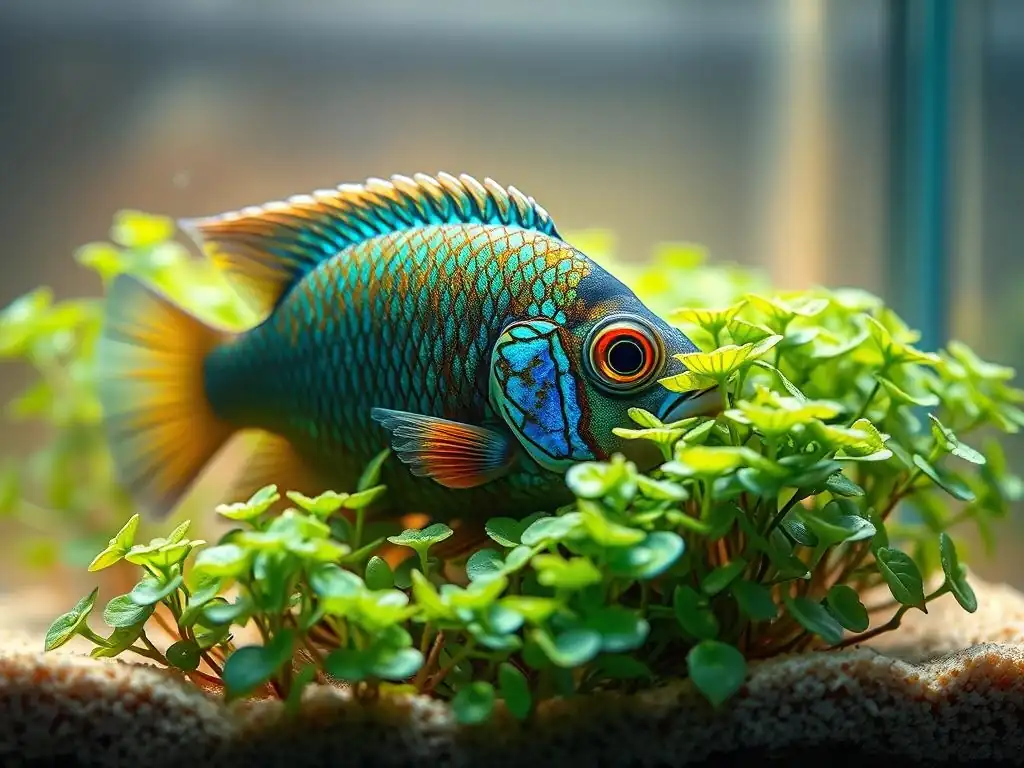
Substrate selection in a Tanganyikan cichlid tank goes beyond mere aesthetics; it plays a significant role in the overall health of the aquarium and can even contribute to biological filtration. For most Tanganyikan species, especially shell dwellers and Featherfin cichlids like Cyprichromis, a fine sand substrate (e.g., silica sand or aragonite sand) is ideal. This type of substrate allows for natural sifting and digging behaviors, and its fine particles provide a vast surface area for beneficial bacteria to colonize, contributing to the overall biological filtration capacity of the tank.
Furthermore, aragonite sand or crushed coral substrates can naturally help buffer the water, maintaining the high pH and hardness levels characteristic of Lake Tanganyika. This can alleviate the need for frequent chemical adjustments. It is crucial to avoid large, sharp gravel that can injure fish or trap detritus, leading to anaerobic pockets. A clean, appropriate substrate complements the mechanical and biological filtration systems by preventing the accumulation of waste and supporting a healthy bacterial ecosystem at the tank's base.
Water Circulation: Ensuring Adequate Oxygenation and Nutrient Distribution
Effective water circulation is a vital, often overlooked, component of a healthy Tanganyikan cichlid aquarium. Proper water movement ensures that oxygen is evenly distributed throughout the entire tank, including the filter media, which is crucial for the survival of both fish and beneficial bacteria. It also prevents the formation of "dead spots" – areas with stagnant water where detritus can accumulate and decompose, leading to localized water quality issues and potential anaerobic conditions.
Good circulation helps keep particulate matter suspended in the water column, allowing the mechanical filtration to efficiently capture it. This is especially important for a Featherfin tank filtration guide, as these fish thrive in well-oxygenated, flowing water. Water movement can be generated by the filter's output, but additional powerheads or wavemakers can be used to create more dynamic flow patterns, mimicking the natural currents in Lake Tanganyika. The goal is to achieve circulation that keeps the substrate clean of detritus without being so strong as to stress the fish.
UV Sterilizers and Protein Skimmers: Advanced Filtration for Tanganyikan Cichlids
For aquarists striving for the absolute pinnacle of water purity in their Tanganyikan cichlid tanks, advanced filtration equipment like UV sterilizers and freshwater protein skimmers can be considered. A UV sterilizer uses ultraviolet-C (UV-C) light to kill free-floating algae, bacteria, viruses, and parasites as water passes through it. While not strictly essential for all setups, a UV sterilizer can significantly enhance water clarity and reduce the risk of disease outbreaks, offering an extra layer of protection for highly sensitive species or those prone to specific infections.
Freshwater protein skimmers, though less common than their saltwater counterparts, remove dissolved organic compounds (DOCs) from the water before they can break down into ammonia and other pollutants. By removing these compounds, skimmers reduce the organic load on the biological filter and can contribute to exceptionally clean water, minimizing the need for extensive chemical filtration. For very large or heavily stocked Featherfin tanks where maintaining unparalleled water purity is the goal, incorporating a high-quality freshwater protein skimmer can be a valuable addition to an already robust Featherfin tank filtration guide.
Conclusion: Mastering Tanganyikan Tank Filtration for a Thriving Aquarium
Mastering filtration for Tanganyikan cichlids, particularly for maintaining pristine conditions in a Featherfin tank, is not merely a suggestion but a fundamental requirement for their long-term health and vitality. These cichlids originate from Lake Tanganyika, a body of water renowned for its exceptional clarity and stable parameters. Replicating this pristine environment in a closed aquarium system demands a robust, multi-faceted approach to water purification that goes beyond basic filtration.
A comprehensive Featherfin tank filtration guide emphasizes a holistic strategy: selecting the appropriate filter type and size, optimizing it with the right combination of mechanical, chemical, and biological media, and diligently adhering to a strict maintenance schedule. This must be complemented by regular partial water changes to manage nitrates and diligent monitoring of water parameters. By embracing these principles, aquarists can ensure a vibrant, healthy, and thriving Tanganyikan cichlid aquarium, allowing these magnificent Featherfin cichlids to display their full natural behaviors and beauty for years to come.
Frequently Asked Questions
What are the most important aspects of filtration for a Featherfin tank?
The most important aspects are mechanical filtration to remove debris, biological filtration to break down harmful waste, and chemical filtration, which can be used to remove specific pollutants like ammonia.
Why is strong filtration so critical for Featherfin fish?
Featherfins are sensitive to water quality, and poor filtration can lead to stress, disease, and even death. Strong filtration is essential for maintaining stable and healthy water parameters.
What type of filter is generally recommended for a Featherfin tank?
A canister filter is often recommended due to its high capacity for filter media and powerful flow rate. This supports robust biological and mechanical filtration.
How often should I perform maintenance on my Featherfin tank's filter?
Filter maintenance frequency depends on the filter type and tank size, but generally, cleaning or replacing filter media every 2-4 weeks is recommended to maintain optimal performance.
Can I use a sponge filter in a Featherfin tank, or is it insufficient?
While sponge filters are beneficial, they may be insufficient alone for a larger Featherfin tank. They are best used as a supplemental filter alongside a more powerful primary filter.
Final Reflection: The Enduring Clarity of Featherfin Habitats
The journey through the intricacies of Featherfin tank filtration, as explored in this guide, underscores the crucial role water quality plays in the well-being of these fascinating creatures. Understanding the nuances of biological, mechanical, and chemical filtration isn't just about maintaining a visually appealing aquarium; it's about creating a thriving ecosystem where Featherfins can truly flourish. This knowledge is particularly relevant today, as responsible aquascaping and ethical fishkeeping practices gain increasing importance in the hobby.
The pursuit of pristine water conditions for Featherfins has profoundly influenced the way we approach aquarium maintenance, shifting from simple cleaning routines to a deeper understanding of aquatic ecosystems. This dedication to creating optimal environments reflects a broader commitment to responsible pet ownership and environmental stewardship. In the end, we will conserve only what we love; we will love only what we understand; and we will understand only what we are taught.
- Baba Dioum. This quote perfectly encapsulates the journey of learning and applying the principles of effective filtration, transforming us from mere hobbyists into informed custodians of these aquatic lives.
Now, armed with the knowledge from this Featherfin tank filtration guide, I invite you to reflect on your own aquarium practices. Consider how you can further refine your filtration system, optimize your water parameters, and ultimately, provide an even healthier and more enriching environment for your Featherfin friends. Let's all strive to be not just keepers, but guardians of these captivating creatures, ensuring their vibrant future in our care.
Unleash the Clarity: Elevate Your Featherfin Tank!
Thanks for diving into the world of featherfin catfish and their unique tank needs! We hope you found valuable insights to keep your aquatic friends happy and healthy. Now, it's time to take action and truly transform your aquarium.
Here are a few steps you can take to ensure a pristine environment for your featherfins:
- Immediately assess your current filtration system. Is it truly up to the challenge of handling the bioload and debris produced by your featherfins?
- Explore alternative filtration methods. Research options like undergravel filters or canister filters combined with a powerful protein skimmer to enhance water quality.
- Share your success story! If you've conquered the filtration challenges in your featherfin tank, inspire others by posting a photo of your crystal-clear aquarium on social media using #AquariumMasteryFeatherfins.
What specific aspect of your current filtration system are you most eager to upgrade or improve after reading this?