
From Wrigglers to Wonders: A StepbyStep Guide to Raising Thriving Fish Fry

Welcome to Aquarium Mastery!
Ever wondered how to transform those tiny, fragile wrigglers into vibrant, thriving fish? Raising fish fry successfully can seem daunting, but with the right knowledge, it's incredibly rewarding. Dive in and discover our step-by-step guide, packed with expert tips and tricks to help you nurture your fry from the very beginning. Ready to unlock the secrets to a flourishing next generation? Let's get started!
- From Wrigglers to Wonders: A Step-by-Step Guide to Raising Thriving Betta Fry
- Introduction: Unlocking the Secrets to Raising Betta Fry Successfully
- Step 1: Preparing for the Arrival of Your Betta Fry
- Step 2: The First Days: Feeding Newborn Betta Fry
- Step 3: Maintaining a Healthy Fry Tank Environment
- Step 4: Growth and Development: Nurturing Healthy Betta Fry
- Step 5: Transitioning Fry to the Main Aquarium
- Step 6: Common Problems and Solutions in Fry Rearing
- Conclusion: Mastering the Art of Raising Betta Fry
- Frequently Asked Questions
- Final Reflection: Nurturing New Beginnings
- Nurture Your Next Generation: Watch Your Fish Fry Flourish!
From Wrigglers to Wonders: A Step-by-Step Guide to Raising Thriving Betta Fry
Introduction: Unlocking the Secrets to Raising Betta Fry Successfully
Why Raising Betta Fry is Rewarding for Aquarium Keepers
Raising fish fry successfully, particularly Betta fry, offers a profoundly rewarding experience for any aquarium keeper. Witnessing the complete life cycle of these vibrant fish, from microscopic eggs to fully-formed adults, provides an unparalleled sense of accomplishment and deepens one's connection to the aquatic world. Beyond the sheer joy of observation, it allows aquarists to contribute to the genetic diversity and health of captive Betta populations, potentially developing unique color patterns or fin types that are rarely seen in commercially available specimens.
Furthermore, the process of nurturing Betta fry from their earliest stages is an intensive learning experience. It hones skills in water chemistry, nutrition, and delicate husbandry, pushing the aquarist to understand the intricate needs of young aquatic life. This journey transforms a casual hobbyist into a dedicated caretaker, providing insights into fish biology and behavior that cannot be gained from simply maintaining adult fish.
Understanding the Challenges and Joys of Betta Fry Rearing
While immensely rewarding, raising Betta fry successfully comes with its own set of significant challenges. Newborn Betta fry are incredibly delicate and susceptible to minute changes in their environment, leading to potentially high mortality rates if conditions are not precisely met. Their minuscule size demands specialized feeding regimens, often requiring live, microscopic foods, and maintaining pristine water quality without disturbing the fragile fry is a constant balancing act. The initial weeks are particularly critical, requiring diligent attention and a deep understanding of their specific needs.
Despite these hurdles, the joys of seeing these tiny wrigglers transform into miniature versions of their parents are immense. The rapid growth rate and the daily discovery of new behaviors make the commitment worthwhile. Observing a batch of Betta fry develop from barely visible specks into active, curious fish, each with its own personality, reaffirms the dedication required and solidifies the aquarist's passion for the hobby, making the journey of raising fish fry successfully a truly fulfilling endeavor.
Step 1: Preparing for the Arrival of Your Betta Fry
Choosing the Right Breeding Tank or Fry Rearing Container
Selecting an appropriate breeding and fry rearing container is the first critical step for raising Betta fry successfully. For Betta fish, a dedicated 5 to 10-gallon (approximately 19 to 38-liter) tank is generally ideal for both breeding and the initial stages of fry development. This size allows the parents to interact and spawn comfortably while providing sufficient space for the initial batch of fry without dispersing their microscopic food too widely. Larger tanks can make it difficult for tiny fry to locate food, while excessively small containers can quickly lead to unstable water parameters.
The chosen container should be made of glass or acrylic to provide clear visibility for monitoring the fry's health and behavior. It's crucial to use a tank that has been thoroughly cleaned and disinfected, ensuring no residues from previous inhabitants or cleaning agents remain. Placement in a quiet, low-traffic area of the home is also beneficial, as constant disturbance can stress the delicate fry and the breeding pair, potentially hindering successful spawning and fry development.
Setting Up a Fry-Safe Environment: Filtration, Heating, and Lighting
Creating a fry-safe environment is paramount for raising Betta fry successfully. For filtration, gentle aeration via a sponge filter is absolutely essential. Sponge filters provide biological and mechanical filtration without generating strong currents that could harm or exhaust the tiny fry, which are only a few millimeters long. They also offer a surface area for beneficial bacteria and infusoria to colonize, contributing to water stability and providing a natural food source for newly hatched fry. Avoid hang-on-back or power filters, as their intake tubes can easily suck in delicate fry.
Consistent temperature is another non-negotiable factor. Betta fry thrive in warm, stable water, ideally between 78-82°F (25.5-27.8°C). A reliable, submersible heater with an accurate thermostat is necessary to maintain this range, as temperature fluctuations can cause significant stress and lead to developmental issues or disease. Lighting should be dim and ambient; intense light can stress both the breeding pair and the fry. A standard room light or a very low-wattage LED fixture is usually sufficient, promoting a natural day-night cycle without overpowering the tank.
Water Quality is Key: Establishing Optimal Parameters for Betta Fry Development
Pristine water quality is arguably the most critical factor in raising Betta fry successfully. For Betta fry, the pH should be slightly acidic to neutral, typically ranging from 6.5 to 7.5. Hardness (GH and KH) should be soft to moderately soft, as very hard water can impede egg fertilization and fry development. Crucially, ammonia and nitrite levels must remain at zero parts per million (ppm) at all times, as even trace amounts are highly toxic to delicate fry. Nitrate levels should also be kept as low as possible, ideally below 10 ppm.
To achieve these parameters, it's recommended to cycle the breeding tank fully before introducing the parent fish, ensuring a stable biological filter is established. If a cycled tank isn't feasible, daily small water changes (e.g., 10-15%) from day one are vital to dilute waste products. Always use dechlorinated water that matches the tank's temperature to prevent shocking the fry. Regular testing with a reliable liquid test kit is indispensable for monitoring these parameters and taking immediate corrective action if any deviations are detected, safeguarding the health of the developing fry.
Step 2: The First Days: Feeding Newborn Betta Fry
Identifying the Nutritional Needs of Betta Fry
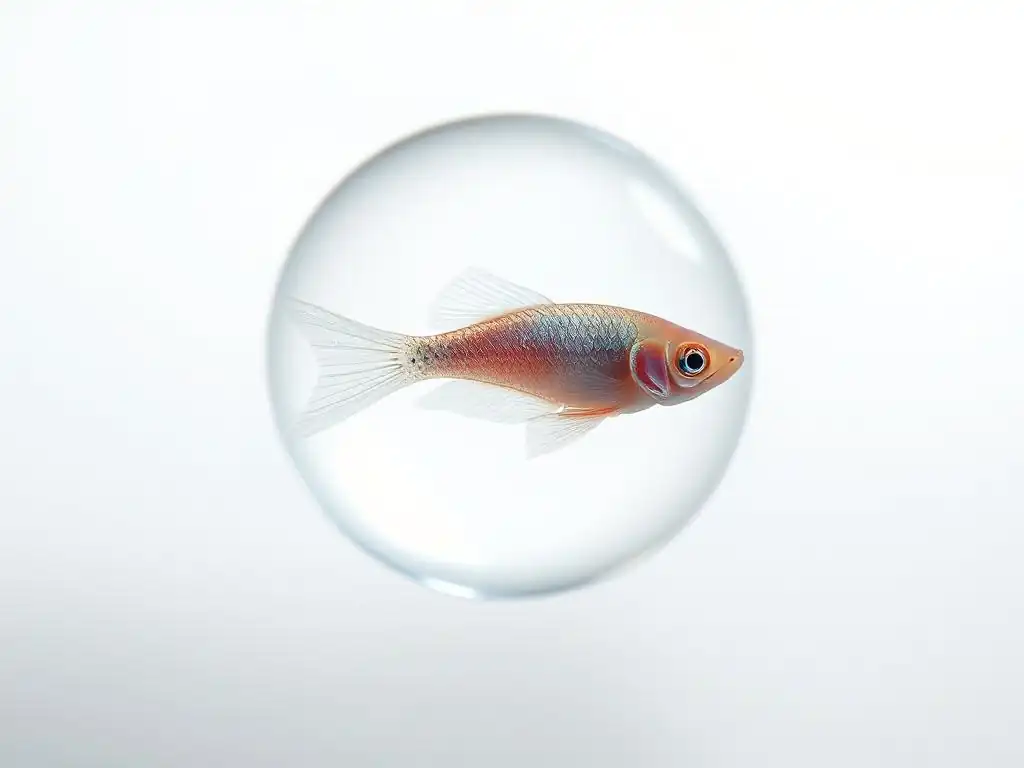
Newborn Betta fry are incredibly small, typically measuring only 2-3 millimeters in length, making their nutritional needs highly specific and demanding. For the first 2-3 days after hatching, they survive on their yolk sac, which provides all necessary nutrients. Once the yolk sac is absorbed and the fry become free-swimming (often referred to as "free-swimming fry"), they require an external food source that is equally microscopic. Their digestive systems are underdeveloped, necessitating highly digestible, protein-rich foods that are small enough to fit into their tiny mouths.
The rapid growth rate of Betta fry means they have an extremely high metabolism and need constant access to food. They require frequent, small feedings throughout the day to support their rapid development. Insufficient food or food that is too large will lead to starvation, stunting, and high mortality rates, making precise feeding a cornerstone of raising fish fry successfully.
Live Foods for Fry: Culturing Baby Brine Shrimp, Microworms, and Infusoria
For the first 3-7 days after the yolk sac is absorbed, infusoria are the ideal first food for Betta fry due to their microscopic size. Infusoria are tiny aquatic microorganisms that can be easily cultured at home by adding decaying lettuce leaves or a few grains of rice to a jar of aquarium water and allowing it to sit for several days. From around day 5-14, microworms become an excellent supplementary food. These nematodes are slightly larger than infusoria but still small enough for young fry and are simple to culture on an oat or cornmeal medium.
As the fry grow, typically from day 7-10 onwards, baby brine shrimp (Artemia nauplii) become an indispensable food source. These newly hatched brine shrimp are highly nutritious, approximately 0.4-0.5 mm in size, and their jerky swimming motion stimulates the fry's hunting instincts. Culturing baby brine shrimp requires a simple hatchery setup with salt water and aeration, providing a continuous supply of live food crucial for rapid growth and robust health in young Betta fry.
Prepared Fry Foods: Selecting High-Quality Commercial Options
While live foods are highly recommended for the initial stages of raising Betta fry successfully, high-quality prepared fry foods can serve as a supplement or a transition food as the fry grow. When selecting commercial options, it is paramount to look for products specifically designed for fry, characterized by extremely fine particle sizes and high protein content, often exceeding 50%. Brands offering dedicated Betta fry formulas are often a good starting point, as they are formulated to meet the specific nutritional needs of these fish.
Many standard fish flakes or pellets, even when crushed, are often too large for newly hatched Betta fry. However, finely powdered dry foods containing spirulina, krill, or fish meal can be introduced as the fry grow slightly larger, typically after two weeks. These can include finely ground flakes, specialized fry powders, or even liquid fry foods. Always ensure the food particles are small enough for the fry to consume without struggling, preventing potential choking or digestive issues.
Feeding Frequency and Amounts: Avoiding Overfeeding and Water Contamination
Due to their rapid metabolism and tiny stomachs, Betta fry require frequent feedings throughout the day. Aim for 3-5 small feedings daily, or even more, especially in the first few weeks, to ensure a constant supply of nutrients for optimal growth. The key is to provide very small amounts at each feeding, only what the fry can consume within a few minutes. This approach ensures that all fry have access to food while minimizing waste.
Overfeeding is a common pitfall and a major cause of fry mortality. Excess food quickly decomposes, leading to dangerous spikes in ammonia and nitrite, which are highly toxic to delicate fry. After each feeding, carefully observe if any uneaten food remains. If so, reduce the amount for the next feeding. Promptly remove any uneaten food using a small pipette or airline tubing to siphon it out, preventing water contamination and maintaining the pristine water quality essential for raising fish fry successfully.
Step 3: Maintaining a Healthy Fry Tank Environment
Regular Water Changes: Maintaining Pristine Water Quality for Betta Fry
Maintaining pristine water quality is arguably the most critical aspect of raising Betta fry successfully. Due to their extreme sensitivity to waste products and the frequent feedings required, daily micro water changes are essential, especially during the first few weeks of their lives. A daily routine of changing 10-20% of the tank volume using a small airline tube for siphoning ensures the removal of uneaten food, waste, and harmful dissolved organic compounds.
It is imperative that the replacement water is dechlorinated and perfectly matches the tank's temperature to prevent shocking the delicate fry. These consistent water changes dilute accumulated nitrates and replenish essential minerals, creating a stable and healthy environment that supports rapid growth and minimizes the risk of disease. Skipping water changes, even for a day, can quickly lead to toxic ammonia or nitrite spikes, resulting in significant fry mortality.
Gentle Filtration Techniques: Preventing Fry from Being Sucked into Filters
As previously emphasized, sponge filters are the preferred and safest filtration method for a fry tank. Their design allows for gentle mechanical and biological filtration without creating strong currents that can stress or injure tiny Betta fry. The porous sponge material provides ample surface area for beneficial bacteria to colonize, contributing to the nitrogen cycle without the risk of sucking in the delicate fry.
When setting up a sponge filter, ensure that the airflow from the air pump is gentle, creating a soft bubbling action rather than a turbulent flow. If a more powerful air pump is used, an air valve or gang valve can be utilized to reduce the air pressure. Under no circumstances should hang-on-back filters or internal power filters with exposed intakes be used, as their strong suction can easily trap and kill fry, undermining all efforts in raising fish fry successfully.
Monitoring Water Parameters: Temperature, pH, Ammonia, Nitrite, and Nitrate Levels
Consistent and vigilant monitoring of water parameters is non-negotiable for the survival and healthy development of Betta fry. Daily testing for ammonia and nitrite is crucial, especially during the first 3-4 weeks when the biological filter might still be maturing and the fry are most vulnerable. Any detectable level of ammonia or nitrite is a red flag and requires immediate corrective action, typically through multiple small water changes.
The temperature must be maintained consistently within the ideal range of 78-82°F (25.5-27.8°C) using a reliable heater, as even slight fluctuations can stress the fry and compromise their immune systems. pH levels should remain stable within the 6.5-7.5 range. While nitrates are less immediately toxic than ammonia or nitrite, keeping them below 10 ppm through regular water changes is advisable. Proactive monitoring allows the aquarist to address issues before they become life-threatening, significantly improving the chances of raising fish fry successfully.
Preventing Diseases and Parasites in Fry: Quarantine and Observation
Preventing diseases and parasites in Betta fry begins long before the eggs are laid. Always ensure that the parent fish are healthy, robust, and free of any signs of illness or parasites. Quarantining any new fish or live food cultures introduced to your fish room is a critical preventative measure, as pathogens can easily be transferred to the fry tank. Using separate equipment (nets, siphons) for the fry tank also minimizes cross-contamination risks.
Daily, close observation of the fry is vital for early detection of any health issues. Look for signs such as lethargy, clamped fins, erratic swimming, white spots (Ich), or a dusting of gold (Velvet). While treating diseased fry is challenging due to their fragility and sensitivity to medications, early identification allows for prompt action, such as increased water changes or, in severe cases, the cautious use of half-strength, fry-safe medications. However, prevention through pristine water conditions and a healthy environment remains the best strategy for raising fish fry successfully.
Step 4: Growth and Development: Nurturing Healthy Betta Fry
Gradual Weaning onto Larger Food Sources
As Betta fry grow, typically reaching about 1/4 to 1/2 inch (approximately 6-12 mm) in length around 2-3 weeks of age, their mouths become large enough to consume bigger food particles. This marks the transition period where they can be gradually weaned off microscopic infusoria and microworms onto larger, more substantial food sources. The progression often involves introducing baby brine shrimp as a staple, followed by finely crushed high-quality flakes, small pellets, and live foods like daphnia or grindal worms.
This transition should be gradual to ensure all fry adapt to the new diet. Start by mixing a small amount of the new food with their current diet, slowly increasing the proportion over several days. Observe the fry closely to ensure they are actively consuming the new food and thriving. A varied diet at this stage is crucial for providing a complete nutritional profile, supporting their rapid growth and ensuring a strong foundation for raising fish fry successfully.
Monitoring Growth Rates and Adjusting Feeding Schedules
Betta fry exhibit remarkably rapid growth, often doubling in size within their first month if conditions are optimal. Closely monitoring their growth rates is essential for adjusting feeding schedules and quantities. Larger fry, naturally, require more food to sustain their development. It's common to observe some variation in growth among a batch of fry, with some individuals growing faster than others, often termed "runts."
To ensure all fry receive adequate nutrition, continue to feed frequently, 3-4 times a day, adjusting the amount based on how quickly the food is consumed. If a significant size disparity develops, it might be beneficial to separate the largest fry into a different grow-out tank. This allows the smaller, less competitive fry to access more food and catch up, promoting more uniform growth across the entire batch and maximizing the number of healthy fish when raising fish fry successfully.
Providing Adequate Space for Growing Fry to Prevent Stunting
Overcrowding is a significant impediment to healthy fry development and a common cause of stunting. As Betta fry grow, they produce more waste, require more oxygen, and begin to establish individual territories. Housing too many fry in a confined space will lead to poor water quality, increased stress, and stunted growth, where fish remain smaller than their genetic potential and may have compromised health.
By 4-6 weeks of age, when fry are typically around 1/2 to 3/4 inch (12-19 mm), it's often necessary to move them to a larger grow-out tank, such as a 20-gallon (75-liter) or even larger, depending on the number of fry. This provides ample swimming space and helps maintain stable water parameters. For male Betta fry, which will begin to show aggression and develop their characteristic fins around 8-12 weeks, individual housing in small containers (e.g., 1-2 gallon/3.8-7.6 liter) with daily water changes will eventually be required to prevent fighting and fin nipping.
Introducing Decor and Hiding Places to Reduce Stress
Once Betta fry have grown to a size where they are no longer at risk of getting trapped or lost (typically around 3-4 weeks old), introducing appropriate decor and hiding places can significantly reduce stress and provide environmental enrichment. Live plants like Java moss, Anubias nana, or floating plants such as Salvinia or Water Lettuce are excellent choices. They offer natural hiding spots, provide surfaces for beneficial bacteria, and can even host microscopic organisms that the fry might graze on.
Smooth pebbles or small, clean PVC pipes can also serve as simple hiding spots. As the fry mature, particularly when males begin to show territorial behaviors, these hiding places become crucial to break lines of sight and minimize aggression. A less stressful environment contributes to stronger immune systems and overall better health, which is vital for raising fish fry successfully into robust adults.
Step 5: Transitioning Fry to the Main Aquarium
Gradual Acclimation: Preparing Fry for the Main Tank Environment
Transitioning Betta fry from their dedicated fry tank to a larger main aquarium requires careful acclimation to prevent shock and stress. The primary goal is to slowly equalize the water parameters (temperature, pH, hardness) between the two tanks. Before the transfer, ensure the main tank's water parameters are as close as possible to those of the fry tank.
The safest method for acclimation is drip acclimation. This involves placing the fry in a separate container with water from their fry tank, then slowly dripping water from the main aquarium into the container over a period of 1-2 hours, gradually adjusting the fry to the new water chemistry. Alternatively, for a few days prior to the move, you can perform small daily water changes in the fry tank using water from the main aquarium, incrementally introducing them to the new conditions. This gradual approach is key to raising fish fry successfully through their final transition.
Selecting Compatible Tank Mates: Avoiding Predation and Competition
When considering moving Betta fry to a main aquarium, the selection of compatible tank mates is paramount. Betta fry, even when they reach a juvenile size (e.g., 1-1.5 inches or 2.5-3.8 cm), are still highly vulnerable to predation. Larger, aggressive, or even seemingly peaceful fish can view small fry as a food source. Community tanks with omnivorous or carnivorous fish are generally unsuitable.
If tank mates are desired, choose extremely small, peaceful, and non-nipping species that occupy different parts of the water column. Examples include Otocinclus catfish (once fry are large enough not to be mistaken for food), or small schooling tetras like Neon Tetras, provided the fry are robust enough to avoid being outcompeted for food. Often, a dedicated "grow-out" tank with no other fish is the best environment for juveniles until they are fully mature and can defend themselves.
Monitoring Behavior and Ensuring Successful Integration
After transferring the Betta fry to the main aquarium, continuous monitoring of their behavior is crucial for several days. Observe them closely for any signs of stress, such as hiding excessively, clamped fins, rapid breathing, or unusual swimming patterns. Ensure they are actively exploring the tank and, most importantly, seeking out and consuming food during feeding times. Competition for food with existing tank mates can be a significant issue, even with seemingly compatible species.
If you notice any signs of aggression from other fish, or if the fry appear stressed or are not eating, be prepared to intervene immediately. This may involve moving them back to the grow-out tank or providing more hiding spots within the main aquarium. Successful integration is a key indicator of your ability in raising fish fry successfully and ensuring their long-term well-being.
Step 6: Common Problems and Solutions in Fry Rearing
Addressing Common Fry Diseases: Identification and Treatment
Betta fry are highly susceptible to common fish diseases such as Ich (white spot disease) and Velvet (Oodinium). Symptoms include tiny white spots resembling salt grains on the body and fins for Ich, or a fine, gold/brown "dusting" for Velvet, often accompanied by clamped fins, lethargy, and rapid breathing. Bacterial infections can also manifest as fin rot or body lesions. Unfortunately, treating diseases in fry is extremely challenging due to their delicate nature and sensitivity to most medications.
Prevention through pristine water quality, stable temperatures, and a nutrient-rich diet is the best defense. If a disease outbreak occurs, first confirm diagnosis. For mild cases, increasing water changes and slightly raising the temperature (if appropriate for the specific disease, like Ich to 84-86°F or 29-30°C) can sometimes help. When medication is necessary, use caution: many commonly available treatments are too harsh for fry and should be dosed at half strength or avoided entirely. Non-iodized aquarium salt baths (e.g., 1 teaspoon per gallon for short durations) can be a gentler option for some external parasites.
Dealing with Fry Mortality: Identifying Potential Causes
High initial fry mortality is a common and disheartening challenge when raising fish fry successfully. Understanding the potential causes is crucial for improving future attempts. The most frequent culprits include poor water quality (especially ammonia and nitrite spikes), starvation due to insufficient or inappropriate food, drastic temperature fluctuations, genetic weaknesses, or physical injury. For example, a sudden drop in water temperature by even a few degrees can be fatal to tiny fry.
Keep meticulous records of water parameters, feeding schedules, and any observed deaths. This data can help identify patterns or specific environmental triggers. Promptly remove any deceased fry from the tank to prevent further water fouling. While some losses are almost inevitable, learning from each experience, adjusting your setup or routine, and experimenting with different feeding strategies will significantly increase your overall success rate in subsequent breeding attempts.
Troubleshooting Water Quality Issues Affecting Fry Health
Water quality issues are the leading cause of fry mortality. If you detect any ammonia or nitrite (should always be 0 ppm), perform immediate, small water changes (10-15%) several times a day until levels return to zero. Reduce feeding temporarily to minimize waste production. Cloudy water, often a sign of a bacterial bloom or overfeeding, indicates a need for increased aeration, reduced feeding, and more frequent water changes.
Green water, caused by an algal bloom, can be beneficial in moderation as it contains infusoria, but excessive amounts can deplete oxygen at night. If the green water becomes too dense, perform small water changes and increase aeration. Always ensure that any replacement water is thoroughly dechlorinated and temperature-matched to prevent shocking the sensitive fry, as even minor discrepancies can induce fatal stress, hindering your efforts in raising fish fry successfully.
Preventing Swim Bladder Disorder in Betta Fry
Swim bladder disorder in Betta fry can manifest as difficulty swimming, floating uncontrollably, sinking to the bottom, or an inability to maintain equilibrium. This condition is often linked to poor nutrition, rapid changes in water temperature, or internal bacterial infections affecting the swim bladder. For instance, feeding dry, expanding foods exclusively can sometimes lead to digestive issues that impact the swim bladder.
To prevent this, ensure a varied, high-quality diet that includes live foods like baby brine shrimp and microworms. Maintain stable water temperatures, avoiding sudden drops or spikes. Avoid overfeeding, as excessive food can contribute to digestive problems. While treatment for swim bladder disorder in adult fish sometimes involves feeding a blanched pea, this is generally impractical and often ineffective for microscopic fry. For mild cases, ensuring pristine water quality and optimal temperature can sometimes aid recovery, but prevention through proper husbandry is the most effective strategy for raising fish fry successfully.
Conclusion: Mastering the Art of Raising Betta Fry
Celebrating Your Success: From Tiny Wrigglers to Thriving Betta Fish
The journey of raising fish fry successfully, particularly the delicate Betta fry, from barely visible wrigglers to vibrant, healthy adult fish, is a testament to an aquarist's dedication and skill. This accomplishment is a significant milestone in aquarium husbandry, showcasing a deep understanding of aquatic life cycles and the intricate balance of a thriving ecosystem. Each successfully reared Betta represents countless hours of meticulous care, observation, and problem-solving.
Celebrating this success is not just about the number of fish produced, but the profound satisfaction of nurturing life from its most fragile beginnings. It fosters a unique bond with the fish you have personally guided through every developmental stage, transforming them from tiny specks into beautiful, individual personalities. This achievement solidifies your expertise and passion for the aquatic hobby, inspiring further exploration and mastery.
Continuous Learning: Expanding Your Knowledge of Betta Fry Rearing Techniques
Mastering the art of raising Betta fry successfully is an ongoing process of continuous learning and refinement. The world of aquaculture is constantly evolving, with new insights into nutrition, water chemistry, and disease prevention emerging regularly. Aquarists are perpetual students, and each breeding attempt, whether fully successful or met with challenges, offers invaluable lessons.
To further expand your knowledge, delve deeper into specific Betta genetics, advanced breeding techniques, and specialized nutritional requirements for different developmental stages. Engaging with online communities, forums, and local aquarium clubs provides opportunities to share experiences, troubleshoot problems, and learn from the collective wisdom of seasoned breeders. This collaborative approach enhances your skills and helps you stay abreast of the best practices in Betta fry rearing.
The Future of Your Aquarium: Breeding and Raising New Generations
The ability to successfully breed and raise Betta fry opens up exciting possibilities for the future of your aquarium. It allows you to become a steward of these magnificent fish, contributing to the diversity and health of captive-bred populations. You can embark on selective breeding projects, aiming to develop specific color strains, fin types, or even improve the overall robustness and health of your Betta lineage.
Beyond personal satisfaction, home breeding reduces reliance on wild-caught fish and promotes sustainable practices within the hobby. Each new generation you successfully raise deepens your connection to the aquatic world and reinforces the foundational principles of responsible fish keeping. The journey of raising fish fry successfully is a cornerstone of advanced aquarism, offering endless opportunities for growth, discovery, and the profound joy of nurturing new life.
Frequently Asked Questions
How crucial is water quality when raising fish fry?
Maintaining impeccable water quality is absolutely critical for fish fry survival. Fry are extremely sensitive to fluctuations in water parameters like ammonia, nitrite, and pH. Frequent, small water changes are vital.
What is the best type of food for newly hatched fish fry?
Newly hatched fish fry often require infusoria or commercially available fry food. These are small enough for them to ingest. As they grow, gradually introduce larger food particles.
How important is a separate rearing tank for fish fry?
A separate rearing tank is highly recommended to protect fry from predation by adult fish. It also allows for better control over water parameters and feeding.
What is the ideal temperature range for raising most tropical fish fry?
The ideal temperature range generally mirrors the parent fish's preferred range, usually between 78-82°F (25-28°C). Maintaining a consistent temperature is essential for healthy development.
What are some common mistakes to avoid when raising fish fry?
Overfeeding is a common mistake that can lead to poor water quality and fry mortality. Also, avoid sudden water changes that can shock the fry. Careful observation is key.
Final Reflection: Nurturing New Beginnings
The journey from tiny wrigglers to vibrant, thriving fish is a testament to the delicate balance of nature and the power of attentive care. Successfully raising fish fry is more than just a technical process; it's an act of fostering life and contributing to the continuation of a miniature ecosystem. This guide, while practical in its steps, ultimately highlights the profound responsibility and rewarding experience of nurturing these fragile creatures.
This endeavor has deeply influenced my understanding of patience and the interconnectedness of life. Witnessing the gradual transformation from almost invisible larvae to miniature versions of their parents has been a humbling experience, reinforcing the importance of dedication and understanding. The creation of a thousand forests is in one acorn.
This ancient wisdom reminds us that even the smallest beginnings hold immense potential, and our role is to provide the environment for that potential to flourish.
Now, armed with this knowledge and a newfound appreciation for the delicate dance of life, I encourage you to embark on your own journey of nurturing new beginnings. Whether you're a seasoned aquarist or a curious beginner, remember that every drop of care, every carefully considered step, contributes to the thriving of these tiny wonders. Embrace the challenge, celebrate the successes, and allow the experience of raising fish fry to deepen your connection with the natural world.
Nurture Your Next Generation: Watch Your Fish Fry Flourish!
Thank you for diving into the world of fish fry! Now that you’re armed with the knowledge to raise thriving fry, it’s time to take the plunge and put your skills to the test.
Here’s how you can bring your newfound expertise to life:
- Commit to a spawn: Begin preparing a dedicated nursery tank - the future of your aquarium awaits!
- Share your fry-raising journey on social media using #AquariumMasteryFry and inspire other aquarists.
- Research specific dietary needs for the species you’re raising to ensure optimal growth and vibrant colors.
What unique technique will you use to give your fry the best possible start?