
Swordtail Secrets: Unveiling the Ideal Tank for Vibrant Health

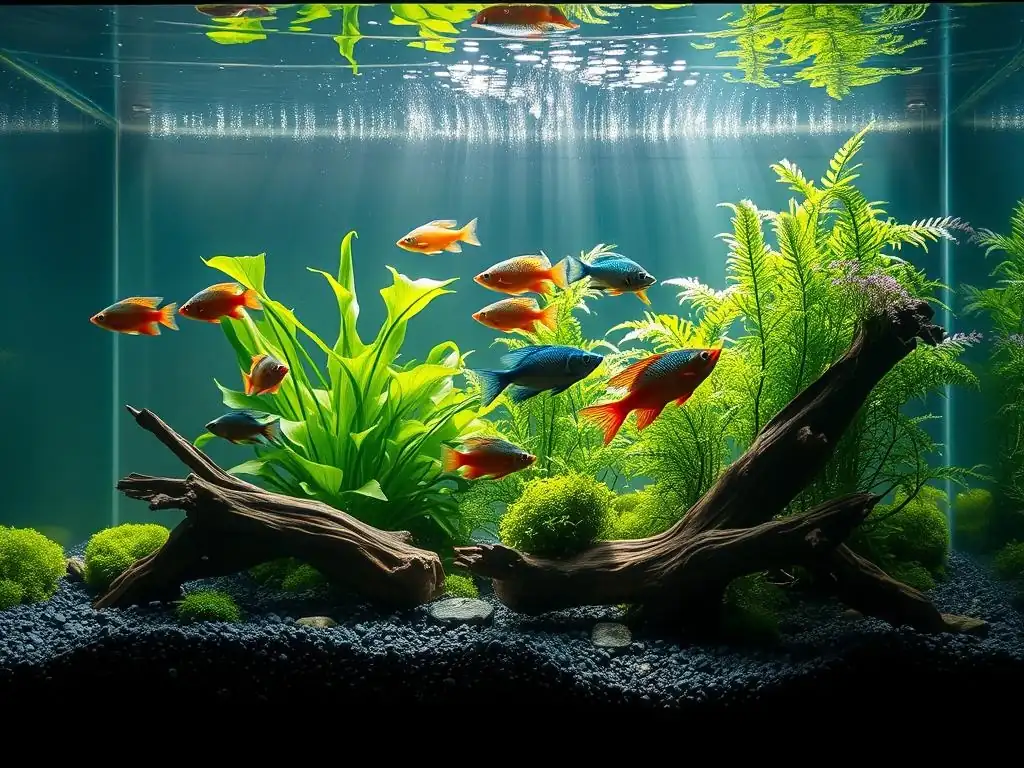
Welcome to Aquarium Mastery!
Intrigued by the dazzling dance of Swordtails? Ready to unlock the secrets to a thriving aquarium for these vibrant beauties? Dive into our comprehensive Swordtail tank setup guide and discover everything you need to create the perfect underwater paradise. But that's just the beginning! Explore a world of freshwater fish profiles, expert care tips, and troubleshooting solutions to elevate your aquarium game. Let's embark on this aquatic adventure together!
- Understanding Swordtail Fish Needs: A Comprehensive Tank Setup Guide
- Choosing the Right Aquarium for Swordtails: Size, Shape, and Material
- Swordtail Tank Setup: Step-by-Step Guide for Beginners
- Decorating Your Swordtail Tank: Creating a Natural and Stimulating Habitat
- Swordtail Tank Mates: Choosing Compatible Companions
- Maintaining a Healthy Swordtail Tank: Water Changes, Cleaning, and Monitoring
- Troubleshooting Common Swordtail Tank Problems
- Advanced Swordtail Care: Breeding and Line Development in the Aquarium
-
Frequently Asked Questions
- What is the minimum tank size recommended for a Swordtail tank?
- What are the essential water parameters for a healthy Swordtail tank?
- What type of filtration system is best for a Swordtail tank?
- What kind of plants are suitable for a Swordtail tank environment?
- How often should I perform water changes in my Swordtail tank?
- Final Reflection: Cultivating a Thriving Aquatic World
- Dive Deeper: Craft Your Swordtail Paradise!
Understanding Swordtail Fish Needs: A Comprehensive Tank Setup Guide
Why Tank Size Matters for Swordtail Health and Happiness
The size of an aquarium plays a pivotal role in the overall health and well-being of Swordtail fish. These active, semi-aggressive livebearers require ample swimming space to thrive, especially given their potential adult size of up to 4-5 inches for males and 6 inches for females, including their distinctive sword-like caudal fin. Confining Swordtails to an undersized tank leads to chronic stress, stunted growth, and a weakened immune system, making them highly susceptible to diseases like fin rot or ich. Overcrowding also intensifies aggression, particularly among males, leading to constant chasing, fin nipping, and severe stress for all inhabitants.
Furthermore, a larger tank provides greater water volume, which inherently offers more stability in water parameters. In a small aquarium, even minor fluctuations in temperature, pH, or ammonia levels can become rapidly toxic. For instance, a sudden temperature drop of just 5°F (approx.
2.8°C) in a 10-gallon tank can be far more detrimental to Swordtail health than the same drop in a 30-gallon system. Adequate space allows for better oxygenation, more stable beneficial bacteria colonies, and a diluted concentration of waste products, all of which are critical for the long-term vitality of your Swordtails. This consideration is fundamental to any effective Swordtail tank setup guide.
Essential Water Parameters for a Thriving Swordtail Aquarium
Maintaining precise water parameters is paramount for ensuring a thriving Swordtail aquarium. Swordtails originate from Central America, typically inhabiting rivers and streams, and prefer moderately hard, alkaline water. The ideal temperature range for Swordtails is between 72-82°F (22-28°C), with a pH level between 7.0 and 8.0, and a general hardness (GH) of 10-25 dGH.
Consistent temperature is crucial for their metabolic processes and immune function, while the specific pH and hardness levels support their osmoregulation, preventing osmotic stress that can lead to health issues. Regular monitoring with reliable test kits is essential to keep these parameters stable within the desired ranges.
Beyond temperature, pH, and hardness, the nitrogen cycle parameters—ammonia, nitrite, and nitrate—are critical. Ammonia and nitrite must always be at 0 ppm, as even trace amounts are highly toxic to fish. Nitrates, the end product of the nitrogen cycle, should be kept below 20 ppm, ideally below 10 ppm, through diligent maintenance practices. High nitrate levels, often exceeding 40 ppm in neglected tanks, can lead to chronic stress, organ damage, and reduced lifespan for Swordtails. A comprehensive Swordtail tank setup guide emphasizes proper tank cycling before adding fish and consistent weekly water changes to manage nitrate accumulation effectively.
Choosing the Right Aquarium for Swordtails: Size, Shape, and Material
Minimum Tank Size Recommendations for Swordtails: Avoiding Overcrowding
When considering a Swordtail tank setup guide, tank size is a primary factor. While a single Swordtail might temporarily survive in a 10-gallon tank, it is far from ideal due to their active nature and adult size. For a single male or a pair of Swordtails (one male, one female), a minimum 20-gallon long aquarium is recommended. The "long" dimension is crucial as Swordtails are active swimmers and require horizontal space to dart and explore, rather than vertical height. This space reduces stress and provides ample room for them to establish territories without constant conflict.
For a small group of Swordtails, such as one male and two or three females (a recommended ratio to disperse male attention and prevent a single female from being overbred), a 29-gallon or 30-gallon aquarium is significantly better. This larger volume provides greater stability for water parameters and allows for more complex aquascaping, offering essential hiding spots and territories. For a community tank featuring Swordtails alongside other compatible species, a 40-gallon breeder tank or larger would be an excellent choice, providing a robust environment for a diverse and thriving ecosystem.
The Impact of Tank Shape on Swordtail Behavior and Well-being
The shape of the aquarium significantly influences Swordtail behavior and overall well-being. Swordtails are highly active fish that prefer to swim horizontally across the tank rather than vertically. Therefore, long, rectangular tanks are far more suitable than tall, narrow "tower" or "portrait" style aquariums, even if the gallon capacity is the same.
For example, a 20-gallon long tank (typically 30 inches long) offers much more usable swimming space for Swordtails than a 20-gallon high tank (typically 24 inches long but taller). This extra length directly contributes to a less stressful environment, allowing fish to escape aggressive encounters and engage in natural swimming patterns.
Furthermore, a longer tank facilitates better territorial establishment, particularly important for male Swordtails, which can be somewhat territorial with each other. In a short tank, dominant males might constantly harass submissive individuals, leading to chronic stress and potential injury. A longer tank allows for better distribution of hiding spots and visual breaks, reducing direct lines of sight and minimizing aggressive interactions. This strategic choice in tank shape is a vital component of a successful Swordtail tank setup guide, promoting harmonious coexistence and natural behaviors.
Glass vs. Acrylic Aquariums: Which is Best for Your Swordtails?
When selecting an aquarium for your Swordtails, both glass and acrylic tanks present distinct advantages and disadvantages. Glass aquariums are generally more affordable, particularly for standard sizes, and are highly resistant to scratching, maintaining their clarity over many years of use. They are also less prone to yellowing over time due to UV exposure. However, glass tanks are significantly heavier, making them more challenging to move, and are more susceptible to shattering if impacted, though this is rare with proper handling.
Acrylic aquariums, by contrast, are considerably lighter and much more resistant to shattering due to their inherent flexibility. They also offer better insulation properties, which can help maintain stable water temperatures. However, acrylic is far more prone to scratching, which can accumulate over time and obscure the view, requiring more careful cleaning practices. Acrylic tanks also tend to be more expensive than their glass counterparts. For a typical Swordtail tank setup guide, either material is perfectly viable, but glass is often preferred by hobbyists for its long-term optical clarity and lower initial cost, assuming proper care to prevent impacts.
Swordtail Tank Setup: Step-by-Step Guide for Beginners
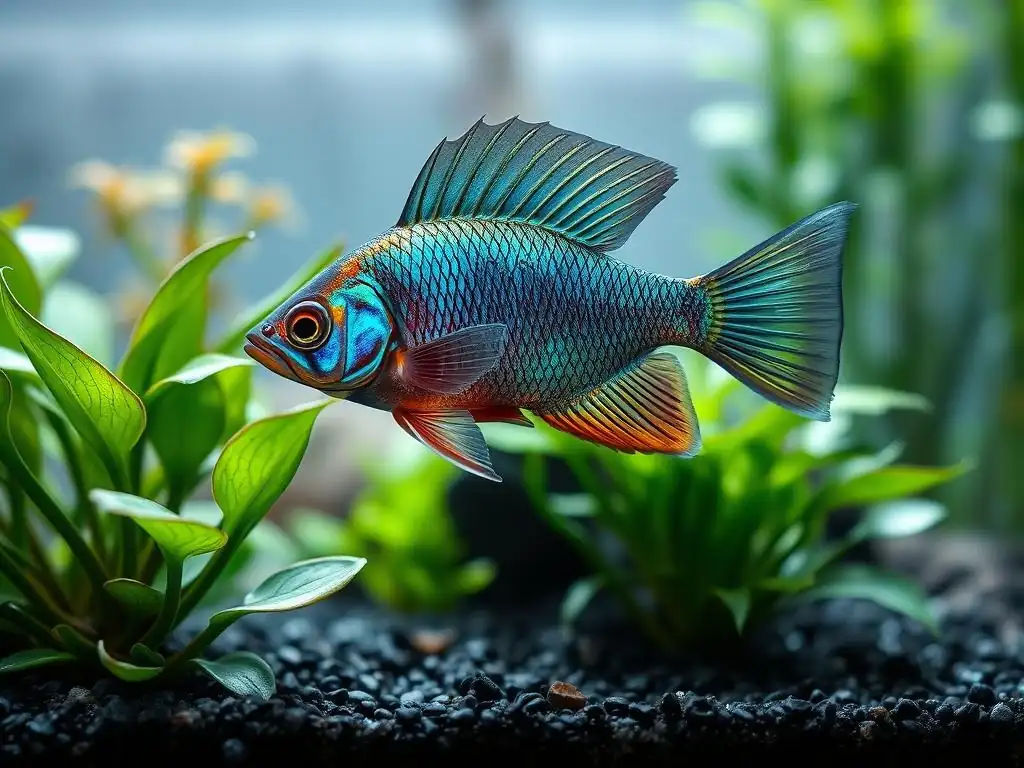
Substrate Selection: Creating a Healthy Bottom Layer for Your Swordtail Tank
The choice of substrate forms the foundation of your Swordtail tank setup guide and plays a crucial role in the aquarium's ecosystem. For Swordtails, a fine to medium-sized gravel or sand is generally recommended. Swordtails do not typically dig or sift through the substrate, so a smooth, non-abrasive material is ideal to prevent any potential injury to their fins or barbels if they do interact with the bottom. A darker substrate can also help to enhance the vibrant coloration of Swordtails by reducing light reflection and making the fish feel more secure in their environment.
Beyond aesthetics, the substrate serves as a vital habitat for beneficial bacteria, which are essential for the nitrogen cycle, converting harmful ammonia and nitrite into less toxic nitrate. A layer of 1 to 2 inches (2.5 to 5 cm) is typically sufficient to support a healthy bacterial colony and anchor live plants effectively. Before adding any substrate to your tank, it is imperative to rinse it thoroughly under running water until the water runs clear. This removes dust, debris, and any potential contaminants that could cloud the water or introduce unwanted substances into your meticulously planned Swordtail tank setup.
Filtration Systems: Maintaining Pristine Water Quality for Swordtails
Maintaining pristine water quality is non-negotiable for Swordtail health, and an effective filtration system is the cornerstone of this effort. Three primary types of filters are commonly used in freshwater aquariums: Hang-on-Back (HOB) filters, sponge filters, and canister filters. HOB filters are popular for their ease of installation and maintenance, offering good mechanical and biological filtration for tanks up to approximately 50-75 gallons.
They are a great starting point for many beginners following a Swordtail tank setup guide. Sponge filters, driven by an air pump, provide gentle biological filtration and are excellent for breeding tanks or smaller setups, as they won't suck in delicate Swordtail fry.
Canister filters are generally recommended for larger aquariums (typically 30 gallons and up) due to their superior capacity for mechanical, biological, and chemical filtration. They are highly efficient, quiet, and can be customized with various media to address specific water quality concerns. When choosing a filter, it's often advisable to select one rated for a tank size slightly larger than your actual aquarium (e.g., a filter rated for 30 gallons for a 20-gallon tank). This ensures adequate filtration capacity and better water turnover, contributing significantly to the long-term stability and health of your Swordtail environment.
Choosing the Right Filter for Your Swordtail Aquarium: Canister, Hang-on-Back, or Sponge?
The selection of a filter type depends largely on the size of your Swordtail aquarium, your budget, and your experience level. For smaller tanks (10-30 gallons) and beginners, a Hang-on-Back (HOB) filter is an excellent choice. Brands like AquaClear or Fluval HOB filters offer reliable performance, easy media changes, and adjustable flow rates, making them suitable for most standard Swordtail setups. These filters typically provide a good balance of mechanical filtration (removing physical debris), chemical filtration (like activated carbon for odors and discoloration), and biological filtration (surface area for beneficial bacteria).
For breeding Swordtails or very small tanks (under 10 gallons), a sponge filter powered by an air pump is ideal. They provide very gentle water movement, preventing fry from being sucked in, and excel at biological filtration. For larger Swordtail aquariums (30 gallons and above) or those with higher bioloads, canister filters from brands such as Fluval, Eheim, or Marineland are highly recommended. These external filters offer superior filtration capacity, quiet operation, and multiple media baskets for customized filtration, ensuring the most stable and pristine water conditions for a thriving Swordtail population.
Setting up Your Filter for Optimal Swordtail Health
Proper setup of your chosen filter is crucial for its effectiveness in maintaining optimal Swordtail health. Regardless of the type, every filter relies on three main types of filtration: mechanical, biological, and often chemical. Mechanical filtration, typically involving sponges or filter floss, is positioned first in the flow path to trap physical debris like uneaten food and fish waste. This prevents larger particles from clogging subsequent media and ensures clear water. Regular rinsing of mechanical media in old tank water (during water changes) is essential to prevent nitrate buildup.
Biological filtration is arguably the most critical component for a healthy Swordtail tank setup. Media like ceramic rings, bio-balls, or specialized porous sponges provide vast surface areas for beneficial nitrifying bacteria to colonize. These bacteria convert toxic ammonia and nitrite into less harmful nitrate, completing the nitrogen cycle.
Chemical filtration, often using activated carbon, is optional but can be beneficial for removing odors, discoloration, and certain dissolved organic compounds. It's important to remember that activated carbon exhausts its capacity after about 3-4 weeks and should be replaced regularly; otherwise, it can leach trapped pollutants back into the water. Always follow your filter manufacturer's specific instructions for media placement and maintenance schedules.
Heating and Lighting: Simulating the Ideal Swordtail Environment
Selecting a Heater for Your Swordtail Tank: Wattage and Placement
Maintaining a consistent temperature is vital for the health of your Swordtails, as they are tropical fish. The general rule of thumb for heater wattage is approximately 5 watts per gallon for tanks up to 20 gallons, slightly less for larger tanks due to better heat retention.
For example, a 20-gallon Swordtail tank typically requires a 100-watt heater, while a 30-gallon tank might need a 150-watt heater. It's often advisable to slightly over-watt your heater (e.g., a 150-watt heater for a 20-gallon tank in a cold room) to ensure it can maintain the desired temperature range of 72-82°F (22-28°C) consistently, especially in cooler environments.
Submersible heaters are the most common and effective type for aquariums. For optimal heat distribution, place the heater near an area of good water flow, such as near the filter output or an air stone. This ensures that the warm water is circulated throughout the entire tank, preventing cold spots. Always use a reliable aquarium thermometer to monitor the water temperature daily, as heater malfunctions can occur, and consistent temperature is crucial for preventing stress and disease in your Swordtails. A quality heater and thermometer are non-negotiable elements of a proper Swordtail tank setup guide.
Lighting Considerations: Promoting Plant Growth and Swordtail Coloration
Lighting in a Swordtail aquarium serves two primary purposes: promoting the growth of live plants and enhancing the vibrant colors of your fish. For a basic Swordtail tank setup with low to moderate light plants (like Java Fern or Anubias), a standard LED aquarium light is usually sufficient. The duration of lighting is more critical than intensity for preventing algae blooms; an 8 to 10-hour photoperiod per day is generally recommended. Using a timer can help maintain a consistent light cycle, which is beneficial for both fish and plants.
While Swordtails themselves don't have specific light intensity requirements, adequate lighting allows their natural coloration, particularly the striking reds, oranges, and greens of various Swordtail strains, to truly pop. If you plan to keep more demanding plant species, you may need a specialized plant-growth LED light that provides the specific spectrums (e.g., red and blue wavelengths) necessary for robust photosynthesis. Always balance light intensity and duration to avoid excessive algae growth, which thrives on excess nutrients and light.
Decorating Your Swordtail Tank: Creating a Natural and Stimulating Habitat
Live Plants for Swordtail Tanks: Enhancing Water Quality and Providing Shelter
Live plants are an invaluable addition to any Swordtail tank setup, offering a multitude of benefits beyond mere aesthetics. Biologically, plants absorb nitrates, the end product of the nitrogen cycle, effectively acting as natural filters and improving overall water quality. They also oxygenate the water during the day through photosynthesis. From a behavioral standpoint, dense plantings provide crucial hiding spots and visual barriers, which are especially important for Swordtail fry seeking refuge from adults, and for less dominant fish or females escaping persistent male attention.
Swordtails are known to enjoy exploring planted areas, and the presence of natural foliage reduces stress, mimicking their native riverine habitats. Heavily planted tanks also contribute to a more stable ecosystem, supporting beneficial bacteria colonies not only in the filter but throughout the tank. These living elements make the aquarium more visually appealing and create a more stimulating environment for your Swordtails, encouraging natural behaviors and contributing to their long-term health and vitality.
Best Plant Species for Swordtail Aquariums: Java Moss, Hornwort, Amazon Sword
For a Swordtail tank setup, several plant species are highly recommended due to their ease of care and the benefits they provide. Java Moss (Taxiphyllum barbieri) is an excellent choice. It's incredibly hardy, requires low light, and can be easily attached to driftwood or rocks. Its dense, tangled structure provides exceptional cover for Swordtail fry, significantly increasing their survival rate, and offers foraging opportunities for adult fish.
Hornwort (Ceratophyllum demersum) is another fantastic option. This fast-growing, undemanding plant can be floated at the surface or loosely anchored in the substrate. It's highly efficient at absorbing excess nutrients, helping to combat algae, and provides dense, natural shelter. Its rapid growth makes it an ideal choice for new tanks or those needing quick nutrient uptake. Finally, Amazon Sword (Echinodorus amazonicus) is a classic aquarium plant. These larger, broad-leaved plants are relatively easy to care for, require moderate lighting and a nutrient-rich substrate, and provide substantial cover and visual appeal, creating a lush, natural backdrop for your Swordtails.
Driftwood and Rocks: Adding Natural Elements to Your Swordtail Environment
Incorporating natural elements like driftwood and rocks into your Swordtail tank setup can dramatically enhance the aquarium's aesthetics and functionality. Driftwood pieces, such as Malaysian driftwood or Mopani wood, release beneficial tannins into the water, which can slightly lower the pH and provide mild antibacterial properties, mimicking the natural blackwater environments found in some of their native habitats. More importantly, driftwood offers numerous crevices and surfaces for beneficial bacteria to colonize, contributing to biological filtration, and provides excellent hiding spots and visual breaks for your fish, reducing stress.
Rocks, such as inert slate, lava rock, or Seiryu stone, can be used to create caves, ledges, and interesting aquascaping layouts. Like driftwood, they also provide surface area for beneficial bacteria. When selecting rocks, ensure they are aquarium-safe and won't significantly alter your water parameters. A simple test involves placing a few drops of vinegar on the rock; if it fizzes, it contains calcium carbonate and will raise your pH and hardness over time, which might be undesirable depending on your target parameters. Always thoroughly rinse and prepare any natural decor before adding it to your Swordtail tank.
Safe Decorations: Avoiding Harmful Materials in Your Swordtail Tank
When decorating your Swordtail tank, prioritizing the safety of your fish is paramount. Always choose decorations specifically designed for aquarium use. Avoid items that are painted with non-aquarium-safe paints, as these can leach toxic chemicals into the water over time, harming or even killing your fish. Similarly, steer clear of highly porous decorations that can trap debris and become difficult to clean, leading to poor water quality. Opt for aquarium-safe plastics, ceramics, or glass decorations that are inert and easy to sanitize.
Furthermore, inspect all decorations for sharp edges or small openings that could potentially injure or trap your Swordtails. Fish, especially active ones like Swordtails, can easily scrape their fins or bodies on rough surfaces, leading to infections. Small holes or narrow passages, while seemingly offering hiding spots, can become death traps if a fish gets stuck. Always rinse new decorations thoroughly before introducing them to your Swordtail tank setup to remove any manufacturing residues or dust, ensuring a clean and safe environment for your aquatic companions.
Swordtail Tank Mates: Choosing Compatible Companions
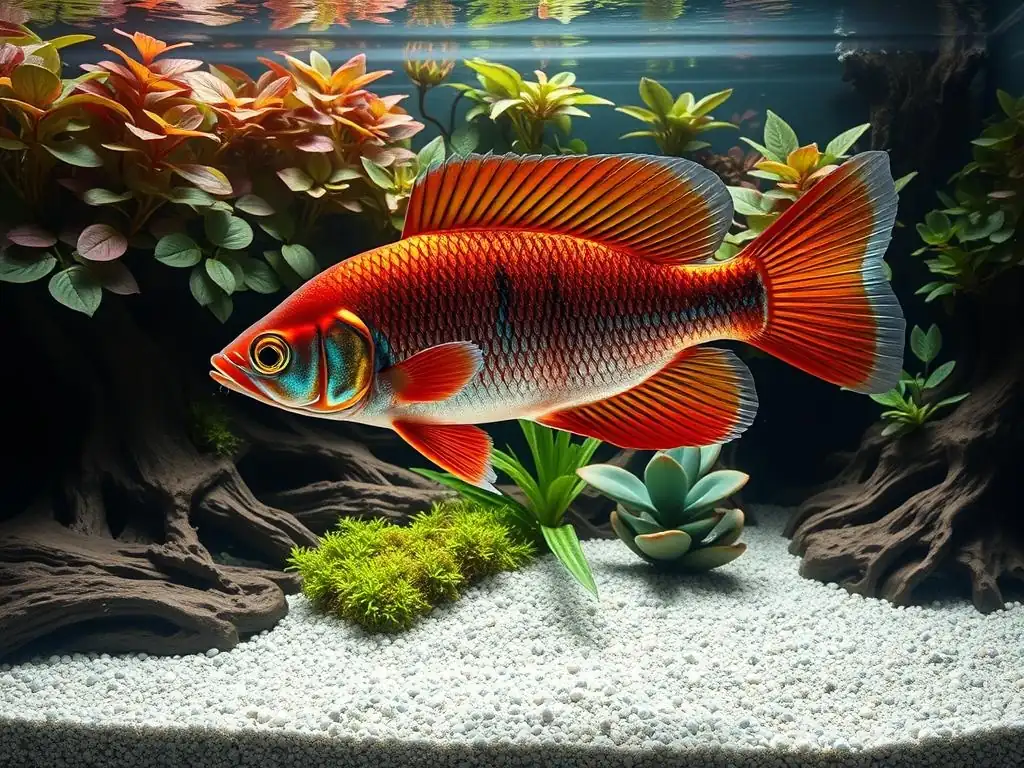
Ideal Tank Mates for Swordtails: Community Fish That Thrive Together
Choosing appropriate tank mates is a critical aspect of creating a harmonious Swordtail tank setup. Swordtails are generally peaceful community fish, but they thrive best with other species that share similar water parameter requirements and temperament. Excellent companions include other livebearers such as Platies, Mollies (especially the smaller varieties), and Guppies, as they are all active, hardy, and enjoy similar water conditions. Peaceful schooling fish like Neon Tetras, Cardinal Tetras, Rummy Nose Tetras, and various Rasbora species (e.g., Harlequin Rasboras) also make great additions, adding visual interest without posing a threat.
Bottom dwellers like Corydoras catfish are highly recommended. These peaceful, schooling catfish are excellent scavengers, helping to keep the substrate clean, and do not interfere with Swordtails. Small, peaceful dwarf cichlids, such as German Blue Rams, can also be compatible in larger, well-established tanks with plenty of hiding spots, provided their specific water parameter needs (slightly softer, more acidic water than typical Swordtail preference) are met carefully. When selecting tank mates, always consider the adult size of all fish to ensure they will not overcrowd the tank or become aggressive as they mature.
Fish to Avoid: Aggressive Species That Can Harm Swordtails
While Swordtails are generally peaceful, selecting the wrong tank mates can lead to significant stress, injury, or even death for your fish. Aggressive or fin-nipping species should be strictly avoided. For instance, Tiger Barbs are notorious fin nippers and will likely harass and damage the long, flowing caudal fins of male Swordtails, leading to stress and susceptibility to infection. Other highly aggressive cichlids, such as Oscars, Jack Dempseys, or Convict Cichlids, are far too large and predatory to be housed with Swordtails; they will view them as food.
Additionally, avoid very small, delicate, or slow-moving fish that could be easily intimidated or outcompeted for food by the active Swordtails. While Swordtails are not typically predatory towards other fish, they can be boisterous during feeding times. Betta fish, though sometimes suggested as tank mates, can be unpredictable; some may tolerate Swordtails in very large, heavily planted tanks, while others will become aggressive or have their own fins nipped, making it a risky pairing. Always prioritize species with compatible temperaments and similar size to ensure a calm and thriving Swordtail tank setup.
Maintaining a Healthy Swordtail Tank: Water Changes, Cleaning, and Monitoring
Performing Regular Water Changes: Keeping Your Swordtail Tank Clean
Regular water changes are the single most important maintenance task for keeping your Swordtail tank clean and healthy. These routine changes remove accumulated nitrates, phosphates, and other dissolved organic compounds that build up over time, which filtration alone cannot completely eliminate. For a well-stocked Swordtail tank setup, a weekly water change of 25-30% of the tank's volume is a common and highly effective recommendation. This consistent schedule helps to prevent the buildup of toxins and replenishes essential trace minerals that are depleted over time.
To perform a water change, use an aquarium-specific gravel vacuum to siphon out water while simultaneously cleaning the substrate. This removes uneaten food, fish waste, and other debris trapped in the gravel. Always ensure that the new water added to the tank is dechlorinated (using a quality water conditioner) and matches the tank's temperature as closely as possible to prevent shocking your Swordtails. Consistency in performing these water changes is far more beneficial than infrequent, large changes, which can cause sudden shifts in water parameters and stress your fish.
Cleaning Your Swordtail Tank: Removing Algae and Debris
Beyond regular water changes, routine physical cleaning is essential for maintaining a visually appealing and healthy Swordtail tank setup. Algae is a common occurrence in aquariums, and wiping down the inside of the glass or acrylic with an aquarium-safe magnetic cleaner or scraper is a task that should be performed weekly or as needed. This not only improves visibility but also removes a potential food source for undesirable algae blooms. Cleaning the exterior of the tank with a damp cloth also enhances the view.
During water changes, use the gravel vacuum to thoroughly siphon debris from the substrate. Pay particular attention to areas where food tends to accumulate, such as under decorations or near the filter intake. Regularly rinse mechanical filter media (sponges, filter floss) in old tank water removed during a water change. This cleans the media without destroying the beneficial bacteria colonies that reside within them, ensuring the filter remains efficient in processing waste and maintaining pristine water quality for your Swordtails.
Monitoring Water Parameters: Ensuring Optimal Swordtail Health
Consistent monitoring of water parameters is a proactive approach to ensuring the optimal health of your Swordtails. Regularly testing your aquarium water provides invaluable insight into the stability and safety of their environment. At a minimum, weekly tests for ammonia, nitrite, and nitrate are crucial, especially in newly established tanks or if you notice any signs of fish stress. Ammonia and nitrite should always read 0 ppm. Nitrate levels should be kept below 20 ppm through diligent water changes.
Additionally, regular checks of pH (ideally 7.0-8.0), general hardness (GH), and temperature (72-82°F or 22-28°C) are important. Liquid-based test kits are generally more accurate and reliable than test strips for precise readings. Keeping a log of your water parameters over time can help you identify trends and address potential issues before they escalate into serious health problems for your Swordtails. This vigilant monitoring forms a critical, ongoing component of any effective Swordtail tank setup guide, empowering you to maintain a thriving aquatic ecosystem.
Troubleshooting Common Swordtail Tank Problems
Dealing with Algae Blooms in Your Swordtail Aquarium
Algae blooms are a common frustration for aquarists, but they are typically a symptom of an imbalance in your Swordtail tank setup. The most frequent causes include excessive light (either too intense or too long duration), overfeeding, and high nitrate or phosphate levels. To combat algae, first, reduce the lighting period to 8 hours per day, and consider if your light is too powerful for your tank's needs. Second, reduce feeding frequency and quantity, as uneaten food breaks down into nutrients that fuel algae growth.
Third, increase the frequency or volume of your water changes to effectively reduce nitrate and phosphate levels. For instance, instead of a 25% weekly change, consider two 25% changes. Introducing live plants, especially fast-growing species like Hornwort or Anacharis, can also help by outcompeting algae for nutrients. Finally, consider adding algae-eating invertebrates like Nerite snails or Amano shrimp, or fish like Otocinclus catfish, as part of a balanced cleanup crew, but remember they are only part of the solution, not a fix for underlying issues.
Addressing Water Quality Issues in Your Swordtail Tank
Water quality issues, such as elevated ammonia, nitrite, or nitrate, are serious threats to Swordtail health and require immediate action. If you detect any ammonia or nitrite, perform an immediate large water change of 50-75% to dilute the toxins. This often indicates an uncycled tank, a crashed filter, or severe overfeeding/overstocking. Check your filter to ensure it's functioning correctly and not clogged. Reduce feeding to a minimum for a few days to lessen the bioload. If the tank is new, continue daily water changes until the nitrogen cycle is established and ammonia/nitrite consistently read 0 ppm.
High nitrate levels (above 20 ppm) are generally managed through more frequent or larger water changes. For example, if weekly 25% changes aren't enough, try 30-40% or increase to twice a week. Adding more live plants can significantly help absorb nitrates. If overstocking is the issue, consider rehoming some fish to reduce the bioload. Consistent monitoring with a reliable test kit, as highlighted in any comprehensive Swordtail tank setup guide, is key to catching these issues early and preventing severe health consequences for your fish.
Recognizing and Treating Common Swordtail Diseases
Recognizing and promptly treating common Swordtail diseases is vital for the health of your aquarium. One of the most common ailments is Ich (Ichthyophthirius multifiliis), characterized by small white spots resembling salt grains on the fish's body and fins. It's often triggered by sudden temperature fluctuations or stress. Treatment typically involves slowly raising the tank temperature to 82-86°F (28-30°C) over 24-48 hours (if compatible with tank mates and plants) and using an aquarium-safe Ich medication for the prescribed duration.
Fin Rot presents as frayed, ragged, or disintegrating fins, often with red or white edges, and is usually a symptom of poor water quality or injury. The primary treatment involves large, frequent water changes (50% daily for several days) and improving overall water parameters. In severe cases, a broad-spectrum antibacterial medication may be necessary. Fungal infections appear as white, cotton-like growths on the fish's body.
These often occur on areas where the fish has been injured or stressed. Treatment involves improving water quality and using an aquarium-safe antifungal medication. Always quarantine new fish for at least two weeks before introducing them to your main Swordtail tank setup to prevent the spread of diseases.
Advanced Swordtail Care: Breeding and Line Development in the Aquarium
Creating a Breeding Tank for Swordtails
For enthusiasts interested in the advanced aspects of Swordtail care, such as breeding and line development, setting up a dedicated breeding tank is highly recommended. While Swordtails can breed in a community tank, a separate setup significantly increases fry survival rates. A 10 to 20-gallon tank is often sufficient for a breeding pair or a single gravid female.
The breeding tank should be sparsely decorated but heavily planted with fine-leaved plants like Java Moss, Hornwort, or even a breeding mop. These dense plants provide crucial hiding spots for newly born fry, protecting them from being eaten by the parents or other tank inhabitants.
The breeding tank should be equipped with a gentle filtration system, such as a sponge filter, which provides excellent biological filtration without creating strong currents that could harm delicate fry or suck them into the filter. A heater set to the upper end of the Swordtail's preferred temperature range (around 78-80°F or 25.5-26.7°C) can encourage breeding and support fry development.
No substrate is often preferred in a breeding tank for easier cleaning and fry collection. Once a gravid female shows signs of impending birth (a very swollen, "boxy" appearance and a prominent gravid spot), she can be moved to this dedicated breeding tank.
Caring for Swordtail Fry: Ensuring a High Survival Rate
Caring for Swordtail fry is a rewarding but demanding aspect of advanced Swordtail care, requiring meticulous attention to detail to ensure a high survival rate. Newly hatched Swordtail fry are incredibly tiny but are free-swimming and can immediately consume small foods. Excellent first foods include finely crushed high-quality flake food, specialized fry food, or live foods such as microworms or newly hatched brine shrimp. Feed small amounts multiple times a day (3-5 times) to support their rapid growth, being careful not to overfeed, which can quickly foul the water.
Maintaining pristine water quality in the fry tank is paramount. Due to their small size and sensitivity, fry are highly susceptible to ammonia and nitrite poisoning. Perform small, frequent water changes (e.g., 10-20% daily or every other day) using dechlorinated water matched to the tank's temperature.
Siphon gently to avoid sucking up fry. Ensure the tank has plenty of hiding spots (dense plants, floating plants) as this reduces stress and cannibalism among the fry. As the fry grow, gradually transition them to larger foods, and consider moving them to a larger grow-out tank as they mature, following the principles of a comprehensive Swordtail tank setup guide.
Frequently Asked Questions
What is the minimum tank size recommended for a Swordtail tank?
The absolute minimum tank size for a small group of Swordtails is 20 gallons. However, a 29-gallon tank or larger is preferable to provide ample swimming space and reduce aggression.
What are the essential water parameters for a healthy Swordtail tank?
Swordtails thrive in water with a pH of 7.0-8.0, a temperature of 72-78°F (22-26°C), and moderate hardness. Regular water changes are crucial for maintaining these parameters.
What type of filtration system is best for a Swordtail tank?
A robust filtration system is essential for Swordtail tanks due to their bioload. A hang-on-back (HOB) filter or a canister filter are both excellent choices, ensuring proper biological and mechanical filtration.
What kind of plants are suitable for a Swordtail tank environment?
Swordtails enjoy tanks with plenty of plants for hiding and breeding. Hardy plants like Java Fern, Anubias, and Amazon Sword are good choices as they tolerate a range of water conditions.
How often should I perform water changes in my Swordtail tank?
Regular water changes are vital. Aim for 25-50% water changes every 1-2 weeks, depending on the tank size and the number of fish, to keep the water clean and healthy.
Final Reflection: Cultivating a Thriving Aquatic World
The journey into understanding the ideal Swordtail tank setup reveals more than just technical specifications; it highlights our responsibility as stewards of these vibrant creatures. The principles of creating a balanced ecosystem, providing ample space, and maintaining pristine water quality are not merely guidelines, but a testament to our commitment to their well-being. This commitment, in turn, enriches our own lives by bringing the beauty and tranquility of nature into our homes.
This exploration of Swordtail care has profoundly influenced my perspective on responsible pet ownership. It's a reminder that every living being, regardless of size, deserves a habitat that fosters health and happiness. The greatness of a nation and its moral progress can be judged by the way its animals are treated.
- Mahatma Gandhi. This quote resonates deeply, urging us to consider the ethical implications of our choices and to strive for a world where all creatures can thrive.
Now, armed with this knowledge, I invite you to reflect on your own role in creating a more compassionate and sustainable world, starting with your own aquarium. Consider how you can apply these principles of balance, care, and respect not only to your Swordtails, but to all aspects of your life. By embracing these values, you can contribute to a future where both humans and animals flourish together in harmony.
Dive Deeper: Craft Your Swordtail Paradise!
Thank you for exploring the world of swordtails with us! We hope this article has given you the insights you need to create a thriving habitat for these vibrant fish. Now, it's time to put that knowledge into action.
- Build your dream aquarium: Take the plunge and start designing your ultimate swordtail tank, focusing on size, plants, and water parameters as discussed in the article.
- Share your wisdom: Spread the word! Share this article with a fellow aquarium enthusiast who might benefit from this guide.
- Explore Further: What unique tank mate are you considering introducing to your swordtail community? Share your thoughts in the comments below!