
Tuxedo Platy: Dapper Fish and Their Aquarium Needs

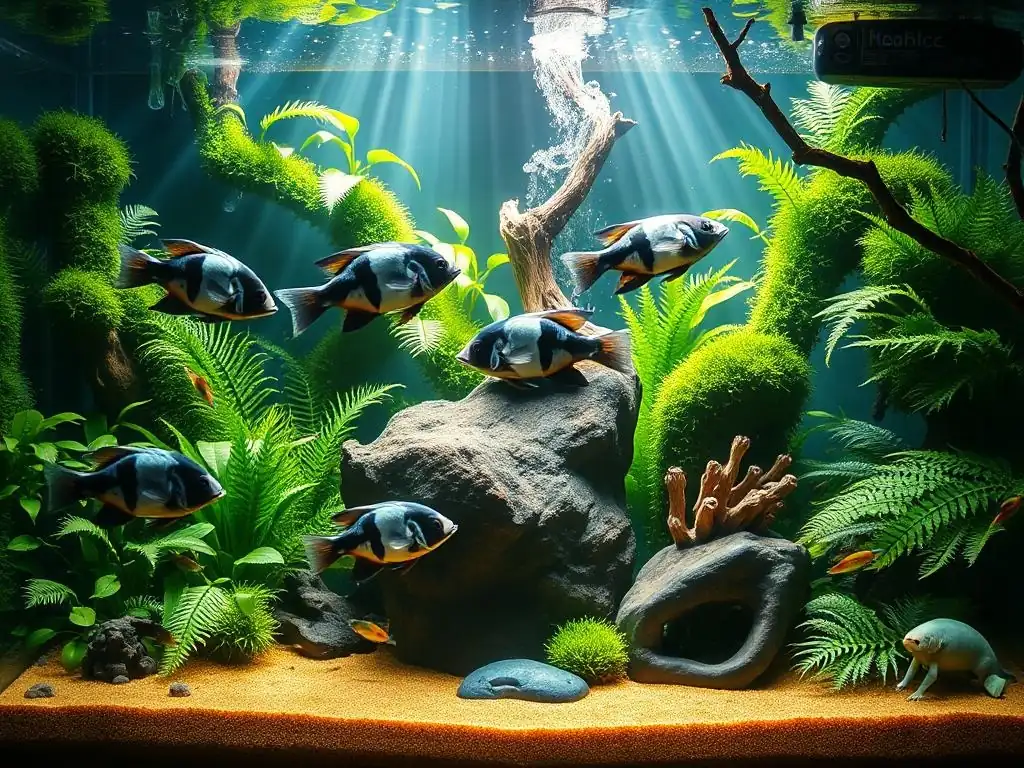
Welcome to Aquarium Mastery!
Ever wondered how to keep your Tuxedo Platy looking their absolute best? These dapper little fish can bring a splash of elegance to any freshwater aquarium, but understanding their specific needs is key. Dive in to discover everything you need to know about Tuxedo Platy aquarium care, from ideal tank conditions to compatible tank mates, and unlock the secrets to a thriving aquatic environment for these charming creatures. Are you ready to master the art of Platy keeping?
- Understanding the Tuxedo Platy: An Introduction to Xiphophorus maculatus
- Setting Up the Ideal Tuxedo Platy Aquarium
- Tuxedo Platy Water Parameters: Maintaining Optimal Conditions
- Feeding Your Tuxedo Platies: A Balanced Diet for Vibrant Health
- Tuxedo Platy Tank Mates: Compatibility and Considerations
- Tuxedo Platy Breeding: A Guide to Successful Reproduction
- Common Tuxedo Platy Diseases and Health Issues
- Troubleshooting Common Tuxedo Platy Problems
- Where to Buy Tuxedo Platies: Finding Healthy Specimens
- Conclusion: Enjoying Your Dapper Tuxedo Platies
-
Frequently Asked Questions
- What is a Tuxedo Platy and what are its basic needs in an aquarium?
- What size tank is recommended for keeping Tuxedo Platies?
- What type of aquarium plants are suitable for a Tuxedo Platy tank?
- What are some common health issues that affect Tuxedo Platies, and how can I prevent them?
- What type of tank mates are compatible with Tuxedo Platies?
- Final Reflection: Appreciating the Subtle Elegance of Aquarium Life
- Dive Deeper: Unleash the Platy Paradise!
Understanding the Tuxedo Platy: An Introduction to Xiphophorus maculatus
What is a Tuxedo Platy? Identifying Characteristics and Unique Markings
The Tuxedo Platy is a popular and visually striking freshwater fish, scientifically known as a selectively bred variant of Xiphophorus maculatus. This specific strain is celebrated for its distinctive coloration, which gives it its "tuxedo" moniker. Typically, these platies feature a solid black caudal peduncle and tail, extending often to the rear half of their body, contrasted sharply with a brighter, often vibrant orange, red, or even yellow front half. This clear demarcation creates a striking two-toned appearance that sets them apart from other platy varieties.
Beyond their signature coloration, Tuxedo Platies share the general characteristics of their Xiphophorus maculatus ancestors. They are small, robust fish, usually reaching an adult size of about 1.5 to 2.5 inches (approximately 4 to 6 cm) in length, with females generally being slightly larger than males. Males can often be identified by the presence of a gonopodium, a modified anal fin used for reproduction. Their active swimming patterns and peaceful temperament make them a delightful addition to community tanks, contributing both aesthetic appeal and lively movement.
The Origins of the Tuxedo Platy: From Wild Origins to Aquarium Favorite
The ancestral home of the Platy, Xiphophorus maculatus, lies in the warm, freshwater rivers and streams of Central America, specifically ranging from southern Mexico through Belize and Guatemala. In their natural habitats, these wild platies exhibit a more subdued coloration, often a mottled brown or olive, providing camouflage against predators. They thrive in slow-moving waters with abundant vegetation, feeding on small invertebrates, algae, and detritus. Their adaptability and hardy nature in the wild laid the groundwork for their success in captivity.
The Tuxedo Platy, as we know it today, is not a wild-caught species but rather a product of dedicated selective breeding within the aquarium hobby. Aquarists began breeding Xiphophorus maculatus for specific color patterns and fin shapes decades ago, leading to the development of numerous attractive strains.
The Tuxedo pattern emerged from these efforts, with breeders focusing on enhancing the stark black and contrasting bright color combination. This careful cultivation has transformed a humble wild fish into one of the most recognized and beloved ornamental fish, admired for its consistent and striking appearance, making Tuxedo Platy aquarium care a popular pursuit.
Why Choose Tuxedo Platies for Your Aquarium? Benefits and Appeal
Tuxedo Platies offer a compelling array of benefits that make them an excellent choice for both novice and experienced aquarists. Their primary appeal lies in their vibrant and distinctive coloration, which adds an immediate splash of life and visual interest to any freshwater setup. Unlike some more delicate species, Tuxedo Platies are remarkably hardy and adaptable to a range of water conditions, making Tuxedo Platy aquarium care relatively straightforward. This resilience translates to a lower susceptibility to common fish diseases, providing a more forgiving experience for those new to the hobby.
Furthermore, Tuxedo Platies are known for their peaceful disposition, making them ideal inhabitants for community aquariums. They coexist well with a wide variety of similarly sized, non-aggressive fish species, contributing to a harmonious tank environment. Their active and inquisitive nature means they are always on the move, providing constant entertainment without being overly boisterous.
Moreover, they are livebearers, meaning they give birth to live fry rather than laying eggs, which can be a fascinating experience for hobbyists interested in breeding. Their prolific breeding, while requiring some management to prevent overpopulation, offers a continuous source of new life and vibrant color in the aquarium.
Setting Up the Ideal Tuxedo Platy Aquarium
Tank Size Requirements for Healthy Tuxedo Platies: How Many Platies per Gallon?
Establishing the correct tank size is foundational to successful Tuxedo Platy aquarium care, directly impacting the health and well-being of your fish. For a small group of Tuxedo Platies, a minimum tank size of 10 gallons (approximately 38 liters) is generally recommended. This provides sufficient space for swimming, establishing territories, and diluting waste products.
While a 10-gallon tank can comfortably house 3-5 platies, it's often more beneficial to opt for a slightly larger tank, such as a 20-gallon (76-liter) long aquarium, especially if you plan on keeping a mixed-sex group, given their prolific breeding habits. Larger tanks offer greater stability in water parameters and more room for fish to escape aggression or stress.
When considering how many platies per gallon, a common guideline for small fish like platies is to allow at least 1 gallon of water per inch of adult fish. For Tuxedo Platies, which average about 1.5 to 2.5 inches, this means a 10-gallon tank could theoretically hold 4-6 platies. However, it is always advisable to err on the side of caution and provide more space.
Overcrowding leads to increased stress, poor water quality, stunted growth, and heightened aggression. For instance, in a 20-gallon tank, you could comfortably house 8-10 Tuxedo Platies, along with a few compatible tank mates, ensuring each fish has adequate personal space and the bioload on your filtration system remains manageable.
Essential Aquarium Equipment for Platies: Filters, Heaters, and Lighting
Proper equipment is paramount for maintaining optimal conditions in a Tuxedo Platy aquarium. A reliable filtration system is non-negotiable, as it removes physical debris, converts toxic ammonia and nitrites into less harmful nitrates, and provides essential water circulation. For a 10-20 gallon platy tank, a hang-on-back (HOB) filter or an internal power filter with a flow rate of at least 100 gallons per hour (GPH) is typically sufficient.
Ensure the filter intake is baffled or covered with a sponge if you anticipate platy fry, to prevent them from being sucked in. Regular filter maintenance, including rinsing filter media in old tank water, is crucial for effective Tuxedo Platy aquarium care.
Tuxedo Platies are tropical fish, thriving in stable warm temperatures. Therefore, a submersible aquarium heater is essential. A general rule of thumb is 5 watts per gallon, so a 50-watt heater would be appropriate for a 10-gallon tank, and a 100-watt heater for a 20-gallon tank. Always use a heater with a built-in thermostat to maintain a consistent temperature, ideally between 72-78°F (22-26°C).
Lastly, appropriate lighting is necessary for both the aesthetic appeal of the tank and the health of any live plants. A simple LED hood light that provides 8-10 hours of light per day is usually adequate. While platies don't have specific lighting requirements beyond a regular day-night cycle, plants will need light tailored to their specific needs.
The Perfect Substrate and Decorations for a Tuxedo Platy Tank
The choice of substrate plays a significant role in both the aesthetics and functionality of a Tuxedo Platy aquarium. Fine to medium-sized gravel or sand are excellent choices. Gravel, with a grain size of 2-5 mm, is easy to clean and allows for good water circulation through the substrate.
Sand, while aesthetically pleasing and mimicking natural riverbeds, requires more careful cleaning to prevent anaerobic pockets. Regardless of the choice, aim for a substrate depth of at least 2-3 inches (5-7.5 cm) to allow for plant rooting and beneficial bacterial colonization. Darker substrates can also help bring out the vibrant colors of your Tuxedo Platies, making their "tuxedo" markings pop.
Decorations are vital for creating an enriching and secure environment for your Tuxedo Platies. Include a mix of natural and artificial elements to provide hiding spots, visual barriers, and areas for exploration. Smooth rocks, driftwood, and ceramic ornaments are excellent choices. Ensure all decorations are aquarium-safe and have no sharp edges that could injure your fish.
Arrange them to create caves, tunnels, and varied landscapes. For instance, a central piece of driftwood surrounded by smaller rocks can serve as a focal point. These elements not only enhance the visual appeal but also reduce stress by providing platies with places to retreat, which is a key aspect of comprehensive Tuxedo Platy aquarium care.
Plant Selection for Platy Aquariums: Creating a Natural and Thriving Environment
Live plants are highly beneficial for a Tuxedo Platy aquarium, contributing significantly to water quality, providing natural hiding spots, and enriching the overall environment. Plants absorb nitrates, a byproduct of the nitrogen cycle, which helps keep water parameters stable and reduces the frequency of water changes. They also oxygenate the water during the day and offer essential cover for platy fry, significantly increasing their survival rate. For instance, a heavily planted tank can see fry survival rates increase from less than 10% to over 50% without intervention.
When selecting plants for your platy tank, consider hardy, easy-to-care-for species that can tolerate a range of water conditions. Good options include Java Fern ( Microsorum pteropus), Anubias species ( Anubias barteri), and various Cryptocoryne species ( Cryptocoryne wendtii). Floating plants like Water Lettuce ( Pistia stratiotes) or Amazon Frogbit ( Limnobium laevigatum) are also excellent choices, as they provide overhead cover and dim the light, which platies often appreciate.
Hornwort ( Ceratophyllum demersum) and Guppy Grass ( Najas guadalupensis) are particularly good for fry as they offer dense, intricate hiding places. Ensure plants are well-rooted or attached to decor to prevent them from being uprooted by active platies or during maintenance, which is crucial for maintaining a healthy Tuxedo Platy aquarium.
Tuxedo Platy Water Parameters: Maintaining Optimal Conditions
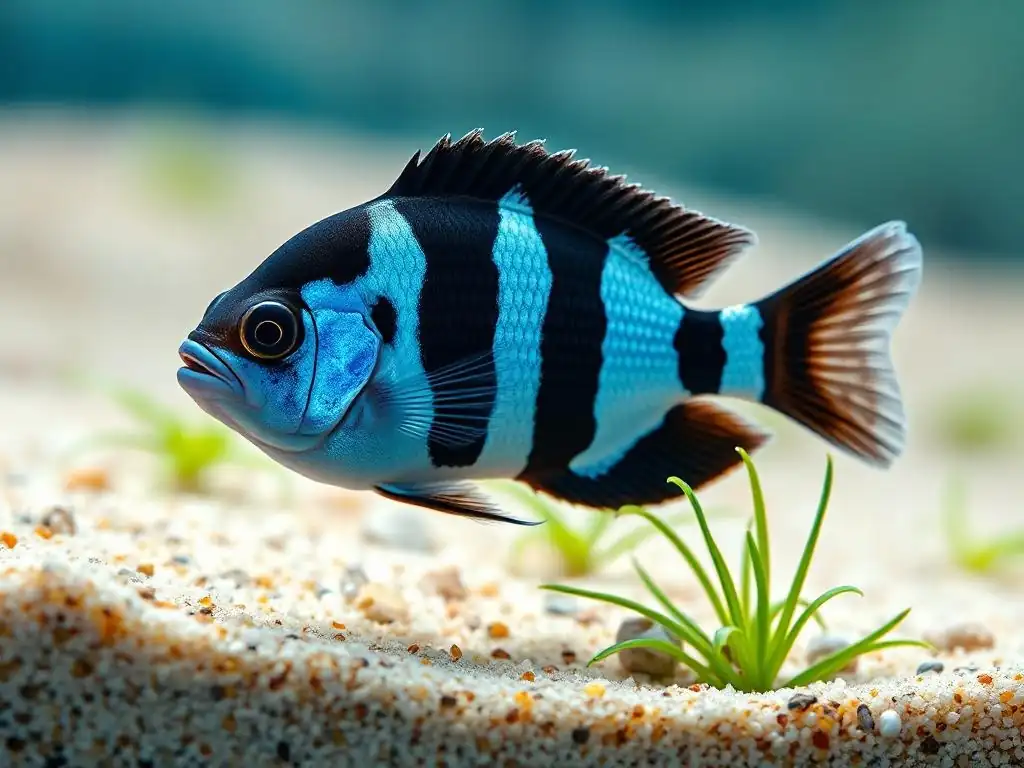
Ideal Water Temperature for Tuxedo Platies: Keeping Your Fish Comfortable
Maintaining the correct water temperature is a critical aspect of Tuxedo Platy aquarium care, directly influencing their metabolism, immune system, and overall comfort. Tuxedo Platies are tropical fish and thrive in a stable temperature range. The ideal water temperature for Xiphophorus maculatus and its cultivated varieties like the Tuxedo Platy is between 72°F and 78°F (22°C to 26°C).
Fluctuations outside this range, even by a few degrees, can cause significant stress to the fish, making them more susceptible to diseases. For instance, temperatures below 70°F (21°C) can slow their metabolism, leading to lethargy and digestive issues, while temperatures above 80°F (27°C) can reduce oxygen levels and increase stress.
To ensure consistent temperature, a reliable submersible aquarium heater with an accurate thermostat is indispensable. It's also highly recommended to use an independent aquarium thermometer to verify the heater's accuracy and monitor the water temperature daily. Placing the thermometer at the opposite end of the tank from the heater provides a more accurate reading of the overall tank temperature. Keeping the temperature stable within the optimal range not only promotes healthy growth and vibrant coloration but also supports their active breeding cycles, which is a common goal for many enthusiasts engaged in Tuxedo Platy aquarium care.
pH Levels for Platy Tanks: Maintaining Stability
The pH level of the aquarium water is another vital parameter for the health of Tuxedo Platies. pH measures the acidity or alkalinity of the water on a scale of 0 to 14, with 7 being neutral. Tuxedo Platies prefer slightly alkaline water, with an ideal pH range of 7.0 to 8.0. While they are relatively adaptable, sudden or significant swings in pH can be extremely detrimental, causing pH shock, which can lead to stress, organ damage, and even death. For example, a rapid drop from pH 7.5 to 6.5 within a few hours can be lethal to platies.
Regular testing of your aquarium's pH is essential, ideally weekly, using a reliable liquid test kit. If your tap water falls outside the ideal range, you might need to adjust it gradually. For instance, if your tap water is very acidic, adding crushed coral or aragonite to the substrate or filter can slowly raise the pH.
Conversely, if it's too high, driftwood or peat can help lower it. The key is stability; maintaining a consistent pH within the preferred range is far more important than trying to hit an exact number. Minor fluctuations of 0.1-0.2 units throughout the week are generally acceptable, but larger shifts indicate a problem with your Tuxedo Platy aquarium care routine or source water.
Water Hardness and Its Impact on Platy Health
Water hardness, specifically General Hardness (GH) and Carbonate Hardness (KH), plays a crucial role in the well-being of Tuxedo Platies. GH measures the concentration of dissolved mineral ions like calcium and magnesium, while KH (also known as alkalinity) measures the buffering capacity of the water, its ability to resist changes in pH. Tuxedo Platies, originating from hard water regions, thrive in moderately hard to hard water conditions. An ideal GH range for them is typically between 10-25 dGH (degrees of General Hardness), and a KH of 10-15 dKH is beneficial for pH stability.
Maintaining appropriate water hardness is integral to effective Tuxedo Platy aquarium care. Water that is too soft can lead to osmotic stress, as the fish's internal salt balance is disrupted. Conversely, extremely hard water, though less common as a problem for platies, can also be stressful. Regular testing for GH and KH using a liquid test kit is recommended.
If your water is too soft, you can increase GH by adding mineral supplements designed for aquariums, or by using substrates like crushed coral or aragonite. If your KH is too low, baking soda (sodium bicarbonate) can be used sparingly to raise it, but careful dosing is required to avoid rapid pH changes. Stable hardness levels contribute significantly to the long-term health and vitality of your Tuxedo Platies.
The Importance of Regular Water Changes for Platy Aquariums
Regular water changes are arguably the most critical aspect of Tuxedo Platy aquarium care, directly impacting water quality and preventing the buildup of harmful substances. Even with a well-functioning filter, nitrates, phosphates, and other dissolved organic compounds accumulate over time. While nitrates are less toxic than ammonia or nitrites, high concentrations (above 20 ppm) can still stress fish, suppress their immune systems, and lead to algae blooms. For example, a 50% water change weekly in a 20-gallon tank can reduce nitrate levels from 40 ppm to 20 ppm, significantly improving water quality.
It is generally recommended to perform a partial water change of 25-30% of the tank volume weekly. For heavily stocked tanks or those with a high bioload, two smaller water changes (e.g., 15-20% twice a week) might be more beneficial. Always use a gravel vacuum to remove detritus from the substrate during water changes.
Ensure the new water is dechlorinated or de-chloraminated using a quality water conditioner, and that its temperature matches the tank water as closely as possible to prevent temperature shock. Consistent water changes are the most effective measure to maintain pristine water conditions, ensuring the health, vibrancy, and longevity of your Tuxedo Platies.
Feeding Your Tuxedo Platies: A Balanced Diet for Vibrant Health
What Do Tuxedo Platies Eat? A Guide to Their Dietary Needs
Tuxedo Platies are omnivores, meaning their natural diet in the wild consists of both plant matter and small invertebrates. This versatile dietary requirement translates directly to their needs in the aquarium, necessitating a varied and balanced diet for optimal health, vibrant coloration, and active behavior. In their natural habitats, Xiphophorus maculatus would graze on algae growing on rocks and plants, consume detritus, and opportunisticly feed on small insect larvae, worms, and crustaceans. Replicating this diversity in a captive environment is a key component of effective Tuxedo Platy aquarium care.
A diet lacking in variety can lead to nutritional deficiencies, weakened immune systems, and dull coloration. For instance, a platy fed only a single type of flake food might appear lethargic or develop digestive issues over time, even if the food is "complete." Therefore, it's crucial to provide a mix of high-quality dry foods, supplemented with fresh or frozen options. This varied approach ensures they receive all necessary proteins, fats, carbohydrates, vitamins, and minerals. Understanding their omnivorous nature is the first step in formulating a feeding regimen that promotes robust health for your Tuxedo Platies.
Best Food Options for Platies: Flakes, Live Foods, and Vegetable Matter
To meet the omnivorous dietary needs of Tuxedo Platies, a combination of high-quality dry foods, supplemented with live or frozen options and vegetable matter, is ideal. A staple diet should consist of a premium flake or pellet food specifically formulated for tropical omnivores. Look for brands that list fish meal, spirulina, and various vitamins high on their ingredient list. For example, flakes with a protein content of around 35-45% are generally suitable. This provides the core nutritional requirements for daily sustenance and forms the backbone of good Tuxedo Platy aquarium care.
To enrich their diet and provide essential nutrients often missing from dry foods, offer live or frozen foods 2-3 times per week. Brine shrimp (artemia), bloodworms, daphnia, and mosquito larvae are excellent protein sources that platies eagerly consume. Frozen varieties are convenient and free of parasites. Additionally, platies benefit greatly from vegetable matter. Blanched zucchini, cucumber slices, or shelled peas can be offered occasionally. Algae wafers or spirulina flakes are also great options to supplement their plant-based intake. This diverse feeding strategy ensures a complete nutritional profile, promoting strong immunity, vibrant colors, and active behavior in your Tuxedo Platies.
Feeding Frequency and Portion Control for Healthy Platies
Establishing the correct feeding frequency and portion size is crucial for the health of your Tuxedo Platies and the overall water quality in your aquarium. Overfeeding is a common mistake in Tuxedo Platy aquarium care and can lead to a host of problems, including digestive issues in fish, cloudy water, and a rapid buildup of harmful ammonia and nitrates. Generally, Tuxedo Platies should be fed small amounts 2-3 times per day. This mimics their natural grazing behavior and allows them to fully digest their food between meals.
The key to portion control is to offer only as much food as your platies can consume within 2-3 minutes. For a group of 5-7 adult Tuxedo Platies, this might equate to a pinch of flake food, roughly the size of a pea. If you observe food sinking to the bottom or floating uneaten after this time, you are feeding too much. It is always better to slightly underfeed than to overfeed.
A good practice is to observe your fish during feeding; they should appear active and eager to eat, but not frantically gulping at the surface. Adjust the quantity based on the number and size of your fish and their apparent appetite. Consistent, controlled feeding is essential for maintaining a clean tank and healthy Tuxedo Platies.
Avoiding Overfeeding: Preventing Health Problems in Your Platy Tank
Overfeeding is a silent killer in many aquariums and poses significant risks to the health of your Tuxedo Platies. When too much food is offered, uneaten particles decompose in the water, leading to a rapid increase in ammonia and nitrite levels, which are highly toxic to fish. Even if these initial toxins are processed by the filter, high nitrate levels will accumulate faster, necessitating more frequent water changes.
For instance, a tank that is consistently overfed might see nitrate levels jump from a healthy 10 ppm to a dangerous 50 ppm within a week, even with a good filter. This excess organic matter can also fuel unsightly algae blooms and promote the growth of harmful bacteria.
Beyond water quality issues, overfeeding directly impacts the health of your platies. It can lead to digestive problems, such as bloat or swim bladder issues, making the fish lethargic or causing them to swim erratically. Overfed fish also tend to become obese, which can shorten their lifespan and make them more susceptible to various diseases due to a weakened immune system.
To prevent overfeeding, adhere strictly to the "2-3 minute rule" for feeding portions. Consider skipping one feeding day per week to allow their digestive systems to clear and to encourage them to graze on any naturally occurring algae. Implementing these practices is a fundamental aspect of effective Tuxedo Platy aquarium care, ensuring a healthy and stable environment.
Tuxedo Platy Tank Mates: Compatibility and Considerations
Best Tank Mates for Tuxedo Platies: Peaceful and Compatible Species
Choosing appropriate tank mates is a crucial aspect of successful Tuxedo Platy aquarium care, ensuring a harmonious and stress-free environment for all inhabitants. Tuxedo Platies are renowned for their peaceful and sociable nature, making them excellent candidates for community tanks. The best tank mates are other peaceful, similarly sized fish that prefer similar water parameters (tropical, slightly alkaline, moderately hard water). Avoid any species known for aggression or fin-nipping.
Ideal companions include other livebearers such as Guppies, Mollies, and Swordtails, as they share similar temperaments and care requirements. For instance, a 20-gallon tank could comfortably house 5 Tuxedo Platies, 5 Guppies, and a small school of 6-8 Corydoras catfish. Small, peaceful schooling fish like Neon Tetras ( Paracheirodon innesi), Cardinal Tetras ( Paracheirodon axelrodi), or Harlequin Rasboras ( Trigonostigma heteromorpha) also make excellent choices, as long as the tank is large enough to accommodate their schooling needs (e.g., 20 gallons or more for a school of 6+).
Bottom dwellers such as Corydoras catfish ( Corydoras aeneus) or Otocinclus catfish ( Otocinclus affinis) are also perfect, as they occupy a different part of the water column and help with algae control without bothering the platies. These combinations create a vibrant and balanced aquatic community.
Fish to Avoid Keeping with Platies: Aggressive or Fin-Nipping Companions
While Tuxedo Platies are generally hardy, they are also relatively small and possess flowing fins, making them vulnerable to aggressive or fin-nipping species. Introducing incompatible tank mates can lead to chronic stress, fin damage, injury, and even death for your platies. Therefore, understanding which fish to avoid is as important as knowing which ones are suitable for effective Tuxedo Platy aquarium care.
Species with a known aggressive temperament, such as Cichlids (e.g., Oscar, Jack Dempsey, even some Dwarf Cichlids like electric blue rams can be too boisterous in smaller tanks), should be strictly avoided. Even smaller, seemingly innocuous fish can be problematic. For example, Tiger Barbs ( Puntius tetrazona) are notorious fin-nippers and will relentlessly harass platies, often leading to shredded fins and secondary infections.
Large, predatory fish that could view platies as food (e.g., Angelfish, although some people keep them with platies, it's risky in smaller tanks as Angelfish can grow large) are also unsuitable. Fish that require significantly different water parameters, such as very soft or acidic water (e.g., Discus), should also be avoided, as maintaining their specific needs would compromise the optimal conditions for your Tuxedo Platies. Always research a potential tank mate thoroughly before adding it to a Tuxedo Platy tank.
Invertebrates as Tank Mates: Shrimp and Snails in a Platy Aquarium
Incorporating invertebrates like shrimp and snails can be a wonderful addition to a Tuxedo Platy aquarium, contributing to the tank's ecosystem and adding visual interest. Many species of freshwater shrimp and snails are peaceful, have similar water parameter requirements to platies, and can even assist with tank cleaning by consuming algae and uneaten food. This symbiotic relationship enhances the overall health and aesthetics of your aquatic environment.
Cherry Shrimp ( Neocaridina davidi), Amano Shrimp ( Caridina multidentata), and Ghost Shrimp ( Palaemonetes paludosus) are excellent choices. They are small, active, and spend their time grazing on algae and detritus. For instance, a group of 10-15 Cherry Shrimp in a 20-gallon tank with platies can significantly contribute to algae control. However, be aware that adult platies may predate on very young or small shrimp fry, so if you're aiming for a breeding shrimp colony, provide plenty of dense plant cover.
Snails such as Nerite Snails ( Neritina natalensis), Mystery Snails ( Pomacea diffusa), and Trumpet Snails ( Melanoides tuberculata) are also highly compatible. Nerite snails are fantastic algae eaters and won't overpopulate the tank, as their eggs only hatch in brackish water. These invertebrates offer a unique dynamic to your Tuxedo Platy aquarium care routine, adding diversity and utility.
Tuxedo Platy Breeding: A Guide to Successful Reproduction
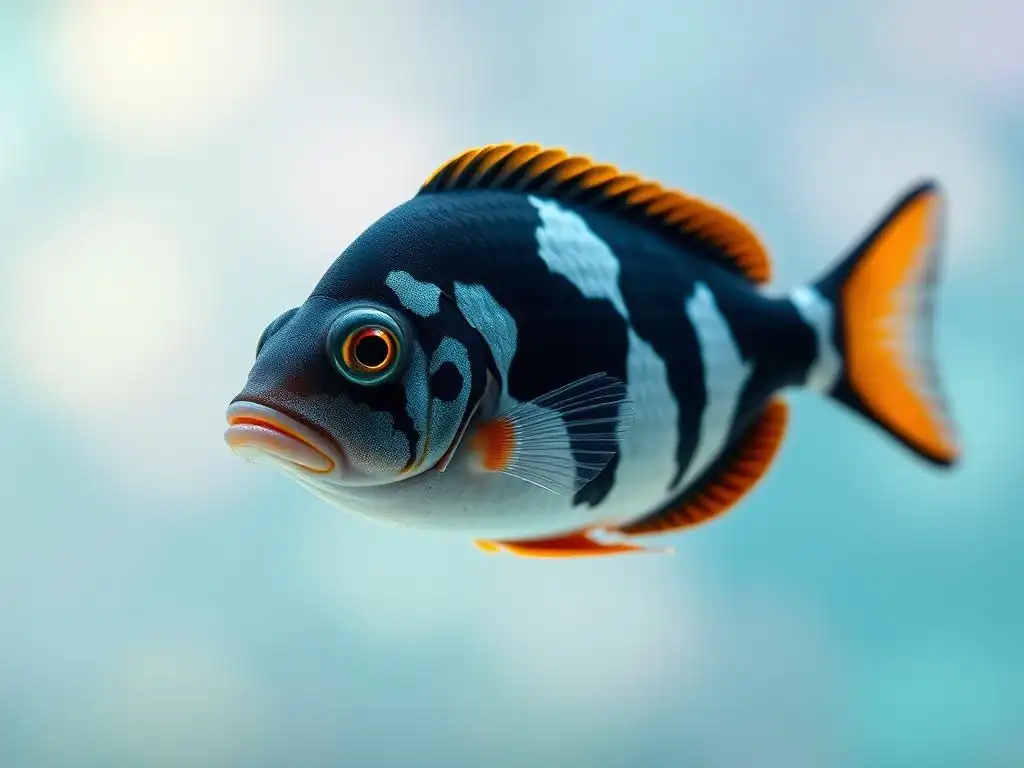
How to Tell if Your Platy is Pregnant: Identifying Signs of Gravidity
Tuxedo Platies are livebearers, meaning they give birth to live, free-swimming fry rather than laying eggs. This makes observing their breeding cycle a fascinating aspect of Tuxedo Platy aquarium care. Identifying a pregnant female platy is relatively straightforward, as they exhibit several distinct signs of gravidity. The most noticeable indicator is a significant swelling of the abdomen, which will become noticeably larger and rounder over a period of days or weeks. This swelling is particularly evident when viewed from above.
Another key sign is the development of a "gravid spot." This is a dark, often black or dark brown, triangular-shaped patch that appears on the female's underside, just above the anal fin. As the pregnancy progresses and the fry develop, this spot will become more pronounced and darker, especially in lighter-colored platies.
In some cases, if you look very closely, you might even be able to discern tiny dark specks within the gravid spot, which are the eyes of the developing fry. A female platy's gestation period is typically around 28-30 days, but this can vary slightly depending on water temperature and diet. As birth approaches, the female may also become more reclusive, seeking out hiding spots among plants or decorations.
Setting Up a Breeding Tank for Platies: Ensuring Fry Survival
While Tuxedo Platies can breed in a community tank, setting up a dedicated breeding tank significantly increases the survival rate of the fry. In a community setting, adult fish (including the parents) will often prey on the tiny, newly born fry. A separate breeding tank, typically 5-10 gallons, provides a safe environment for the pregnant female to give birth and for the fry to grow without predation. This specialized approach is a key part of dedicated Tuxedo Platy aquarium care for breeding purposes.
The breeding tank should be set up with the same ideal water parameters as the main tank: temperature 72-78°F (22-26°C), pH 7.0-8.0, and moderate to hard water. Crucially, it needs plenty of hiding spots for the fry. Dense live plants like Java Moss ( Taxiphyllum barbieri), Hornwort ( Ceratophyllum demersum), or Guppy Grass ( Najas guadalupensis) are excellent for this purpose.
Alternatively, a breeding box or net can be used, which physically separates the mother from the fry after birth. Once the female has given birth (which can be anywhere from 20 to 100+ fry, with an average of 40-50 per batch), she should be promptly returned to the main tank to prevent her from eating her offspring.
Caring for Platy Fry: Feeding and Maintaining Optimal Conditions
Proper care for Tuxedo Platy fry is essential for their healthy growth and survival. Newly born platy fry are tiny, typically only a few millimeters long, but they are free-swimming and immediately capable of eating. Their rapid growth rate necessitates frequent, small feedings of appropriate food. The initial diet should consist of very fine, high-protein foods. Specialized fry foods, crushed high-quality flake food (powdered between your fingers), or live foods like newly hatched brine shrimp are ideal. For example, feeding newly hatched brine shrimp 3-4 times a day can significantly boost fry growth rates.
Maintain pristine water quality in the fry tank, as they are particularly sensitive to ammonia and nitrite. Perform small, frequent water changes (e.g., 10-15% daily or every other day) using a small siphon or airline tubing to avoid accidentally sucking up fry. Ensure the new water is dechlorinated and temperature-matched.
A sponge filter is highly recommended for a fry tank, as it provides gentle filtration without the risk of sucking up the delicate fry. As the fry grow, usually after 2-3 weeks, they can gradually be transitioned to finely crushed adult flake food. With diligent Tuxedo Platy aquarium care, fry can reach a size where they are safe from predation by adult fish (around 0.75-1 inch) in about 4-6 weeks, at which point they can be introduced to a larger community tank if space allows.
Preventing Overpopulation: Controlling Platy Breeding in the Aquarium
While the prolific breeding of Tuxedo Platies can be exciting, it can also quickly lead to overpopulation in an aquarium if not managed. A single female platy can give birth every 28-30 days, producing dozens of fry, which can quickly overwhelm even a moderately sized tank. Overpopulation leads to increased bioload, poorer water quality, stunted growth, stress among fish due to competition for space and resources, and heightened aggression. Therefore, controlling platy breeding is a vital part of long-term Tuxedo Platy aquarium care.
One common method to control overpopulation is to keep only male platies or only female platies. However, sexing platies accurately at a young age can be challenging, and females can store sperm for several months, meaning a female-only tank might still produce fry for a while. A more practical approach in a community tank is to rely on natural predation. If you have peaceful, larger fish (like adult platies themselves, or compatible larger community fish) in the tank, they will often consume most of the fry, naturally keeping the population in check.
If you want some fry to survive but not too many, provide some dense plant cover for a few to hide in. Alternatively, if breeding is not desired at all, consider donating excess fry to a local fish store or fellow hobbyists. Never release unwanted fish into natural waterways, as this can have devastating ecological impacts.
Common Tuxedo Platy Diseases and Health Issues
Identifying Common Platy Diseases: Symptoms and Diagnosis
Despite their hardiness, Tuxedo Platies can occasionally fall victim to common freshwater aquarium diseases, especially if water quality is poor or they are stressed. Early identification of symptoms is crucial for effective Tuxedo Platy aquarium care and successful treatment. Many diseases manifest with visible changes in the fish's appearance or behavior. For instance, a healthy platy is active, has vibrant colors, clear eyes, and intact fins.
Common symptoms to look for include white spots resembling salt grains on the body and fins (Ich or White Spot Disease), frayed or clamped fins (Fin Rot), a whitish or grayish film covering the body (Velvet or Columnaris), labored breathing or gasping at the surface (gill flukes, high ammonia), bloating, scales sticking out (Dropsy), or lethargy and loss of appetite. If you observe your platy rubbing against objects (flashing), it often indicates an external parasite or irritation.
Isolate any affected fish in a quarantine tank immediately to prevent the spread of disease to other inhabitants. Prompt diagnosis based on these visual cues will guide your treatment strategy and improve the chances of recovery.
Treating Ich (White Spot Disease) in Platies: Effective Remedies
Ichthyophthirius multifiliis, commonly known as Ich or White Spot Disease, is one of the most prevalent and recognizable parasitic infections in freshwater aquariums, and Tuxedo Platies are not immune. It manifests as small, white, salt-like spots scattered across the fish's body, fins, and gills. Infected fish may also show signs of irritation, such as "flashing" (rubbing against tank decorations), clamped fins, and rapid breathing. Ich is highly contagious and spreads quickly through a tank, making prompt action essential for effective Tuxedo Platy aquarium care.
Treatment for Ich typically involves a combination of methods. The most common approach is to slowly raise the water temperature to 82-84°F (28-29°C) over 24 hours (ensure good aeration, as higher temperatures reduce oxygen levels). This accelerates the parasite's life cycle, causing it to detach from the fish more quickly. Concurrently, use an aquarium-safe Ich medication, following the manufacturer's instructions precisely.
Medications often contain malachite green or formalin. Perform a 25% water change daily or every other day, gravel vacuuming thoroughly to remove free-swimming parasites, and re-dose medication as directed. Continue treatment for at least 3-5 days after the last visible spot disappears to ensure all parasites are eradicated. Removing activated carbon from the filter during treatment is necessary, as it will absorb the medication.
Fin Rot in Platies: Causes, Prevention, and Treatment
Fin Rot is a common bacterial infection that affects the fins of fish, including Tuxedo Platies. It is characterized by the fraying, disintegration, or reddening of the fins, which may appear ragged or have a milky white edge. In severe cases, the fins can completely erode, exposing the fin rays.
While the direct cause is often bacterial (e.g., Aeromonas, Pseudomonas), Fin Rot is almost always a secondary infection, meaning it's triggered by underlying stressors like poor water quality, overcrowding, physical injury, or bullying from tank mates. Therefore, effective Tuxedo Platy aquarium care requires addressing both the infection and its root cause.
Prevention is the best cure for Fin Rot. Maintain excellent water quality through regular partial water changes (25-30% weekly) and effective filtration. Avoid overcrowding and ensure tank mates are compatible to minimize stress and fin nipping. If Fin Rot is observed, immediately isolate the affected platy in a quarantine tank if possible.
Treat with a broad-spectrum antibacterial medication designed for aquarium use, following the dosage instructions carefully. Products containing furan-2 or erythromycin are often effective. Simultaneously, identify and rectify the underlying stressor in the main tank. Minor cases can sometimes be resolved with daily small water changes (10-15%) and adding aquarium salt (1 teaspoon per 5 gallons) for a week, but severe cases require medication.
Preventing Disease in Your Platy Tank: Best Practices for Aquarium Hygiene
Proactive disease prevention is the cornerstone of responsible Tuxedo Platy aquarium care. A clean, stable, and stress-free environment significantly reduces the likelihood of outbreaks. The vast majority of common fish diseases are opportunistic, meaning they only take hold when a fish's immune system is compromised. Implementing a rigorous aquarium hygiene routine is the most effective way to keep your platies healthy and vibrant.
Firstly, maintain pristine water quality. This involves performing regular partial water changes (25-30% weekly) to dilute nitrates and replenish essential minerals. Test water parameters (ammonia, nitrite, nitrate, pH, temperature) weekly to catch problems early. Secondly, avoid overfeeding, as uneaten food decomposes and fouls the water. Feed small amounts multiple times a day that can be consumed within 2-3 minutes. Thirdly, ensure proper filtration and clean filter media regularly (rinse in old tank water, never tap water).
Fourthly, avoid overcrowding, which stresses fish and increases bioload. A general rule of thumb is 1 gallon per inch of adult fish. Lastly, quarantine all new fish, plants, and decorations for at least 2-4 weeks before introducing them to your main tank. This prevents the introduction of diseases or parasites from new sources. By adhering to these best practices, you create a robust environment where your Tuxedo Platies can thrive.
Troubleshooting Common Tuxedo Platy Problems
Why is My Platy Hiding? Identifying Stressors and Solutions
A Tuxedo Platy that is constantly hiding is exhibiting a common stress response, and identifying the underlying cause is crucial for effective Tuxedo Platy aquarium care. While occasional hiding, especially after lights come on or during tank maintenance, is normal, persistent reclusion indicates a problem. Stressors can range from environmental issues to social dynamics within the tank.
Common reasons for hiding include poor water quality (e.g., high ammonia, nitrite, or nitrate levels), incorrect water parameters (temperature, pH, hardness), or sudden fluctuations in these parameters. For instance, a rapid drop in temperature by 5 degrees can send a platy into hiding. Another significant factor is bullying from aggressive tank mates. If a platy is being chased or nipped, it will seek refuge. Lack of adequate hiding spots (plants, caves, decorations) can also contribute, as fish feel exposed. Loud noises, excessive light, or vibrations near the tank can also cause stress.
To troubleshoot, first test all water parameters. If they are off, perform a partial water change and correct them gradually. Observe tank mates for aggression. Ensure the tank has plenty of visual breaks and hiding spots. Providing more cover, such as dense live plants, can significantly reduce stress and encourage your platy to become more active.
Platy Fin Nipping: Causes and Corrective Measures
Fin nipping, while often associated with aggressive species, can occasionally occur even among generally peaceful fish like Tuxedo Platies, or more commonly, platies can be the victims of fin nipping. Understanding the causes and implementing corrective measures is important for maintaining a harmonious environment in your Tuxedo Platy aquarium. When platies are the culprits, it's usually due to overcrowding, boredom, or stress. If their fins are nipped, it's typically by incompatible tank mates.
If your platies are nipping each other, it's often a sign of overcrowding. A tank that is too small for the number of fish will lead to increased territoriality and stress, manifesting as nipping. For example, trying to keep 15 platies in a 10-gallon tank will almost certainly lead to aggression.
Ensure your tank size is adequate, following guidelines of at least 1 gallon per inch of adult fish. Providing plenty of line-of-sight breaks and hiding spots through decorations and dense planting can also diffuse aggression. If the problem is an external one (e.g., Tiger Barbs in the tank), the solution is to remove the aggressive tank mates immediately.
Once the underlying cause is addressed, the nipping behavior should subside. Ensure any fish with nipped fins are monitored for signs of Fin Rot, as open wounds are susceptible to bacterial infection, which would then require appropriate treatment as part of your Tuxedo Platy aquarium care.
Sudden Platy Deaths: Investigating and Preventing Future Losses
The sudden death of a Tuxedo Platy can be distressing and indicates a serious underlying issue in the aquarium. While individual fish deaths can occur due to old age or unforeseen circumstances, multiple or recurring sudden deaths point to a systemic problem that requires immediate investigation and corrective action as part of your Tuxedo Platy aquarium care. Ignoring these signs can lead to further losses.
The most common cause of sudden fish deaths is poor water quality. This often means spikes in toxic ammonia or nitrite (common in new, uncycled tanks or after filter failure), or extremely high nitrate levels. A sudden, drastic change in water parameters (e.g., a large, untempered water change or a heater malfunction) can also cause fatal shock. For instance, a sudden temperature drop of 10 degrees Fahrenheit can be lethal.
Other causes include severe bacterial infections, internal parasites, or poisoning from household chemicals or aerosols. To investigate, immediately test all water parameters (ammonia, nitrite, nitrate, pH, temperature, and hardness). If any are off, perform a large partial water change (50%) with temperature-matched, dechlorinated water. Check all equipment, especially the heater and filter, for proper function.
Observe remaining fish for any unusual symptoms. If no obvious water parameter issues are found, consider if anything new was introduced to the tank recently (e.g., new fish, plants, decorations, or even air fresheners near the tank). Preventing future losses hinges on maintaining stable, pristine water conditions and a vigilant eye on your fish's behavior.
Where to Buy Tuxedo Platies: Finding Healthy Specimens
Selecting Healthy Platies: What to Look for Before You Buy
When purchasing Tuxedo Platies, selecting healthy specimens is paramount to successful Tuxedo Platy aquarium care and the long-term well-being of your new fish. A thorough visual inspection of the fish and their tank at the store can prevent bringing sick or stressed fish into your home aquarium. Take your time and observe the fish for several minutes before making a decision.
Look for platies that are active and swimming energetically throughout the tank, rather than hiding, gasping at the surface, or clamped in a corner. Their fins should be fully extended, without any signs of fraying, tearing, or white spots. The body should be full and well-rounded, not emaciated or bloated, and their "tuxedo" coloration should be vibrant and well-defined. Avoid fish with cloudy eyes, open sores, or any visible parasites.
Also, observe the overall health of the tank they are in. The water should be clear, and there should be no dead or obviously sick fish in the same tank or adjacent tanks. A clean, well-maintained display tank is a good indicator of responsible store practices. If even one fish in a tank looks unwell, it's best to avoid purchasing any fish from that tank, as diseases can spread quickly.
Reputable Sources for Purchasing Platies: Local Fish Stores and Online Retailers
Finding a reputable source for purchasing Tuxedo Platies is just as important as selecting individual healthy fish. The quality of the source directly impacts the health and genetic vigor of the fish you bring home. Both local fish stores and online retailers can be excellent options, but it's crucial to choose wisely to ensure optimal Tuxedo Platy aquarium care from the very beginning.
Local fish stores (LFS) are often the preferred choice for beginners. A good LFS will have knowledgeable staff who can answer your questions about Tuxedo Platy care, proper tank setup, and compatibility. You can visually inspect the fish, observe their behavior, and assess the cleanliness of their tanks firsthand. Ask about their quarantine procedures and return policy.
Look for stores that appear well-maintained, with healthy-looking fish in all their tanks. Online retailers can also be a good option, especially for rare color morphs or if local availability is limited. Reputable online sellers often have a wider selection and may specialize in specific strains. Check reviews, look for clear shipping policies, and ensure they offer a live arrival guarantee.
They typically pack fish carefully to minimize stress during transit. While the immediate visual inspection isn't possible, a good online retailer will have clear photos and detailed descriptions, and a strong reputation for healthy fish and customer service. Always prioritize the health and well-being of the fish over convenience or price.
Conclusion: Enjoying Your Dapper Tuxedo Platies
The Joys of Keeping Tuxedo Platies: A Rewarding Aquarium Experience
Keeping Tuxedo Platies offers a profoundly rewarding experience for aquarists of all levels, from beginners to seasoned enthusiasts. Their vibrant "tuxedo" coloration, with its striking contrast of black and bright hues, adds an immediate burst of life and aesthetic appeal to any freshwater aquarium. Beyond their visual charm, Tuxedo Platies are celebrated for their active and inquisitive personalities, constantly exploring their environment and interacting with their tank mates, providing endless fascination.
The ease of Tuxedo Platy aquarium care is another significant joy. Their robust nature and adaptability to a range of water conditions make them forgiving inhabitants, less prone to stress and disease than many other ornamental fish. This hardiness, combined with their peaceful temperament, makes them ideal for diverse community tanks, where they coexist harmoniously with a variety of other species.
Furthermore, their prolific livebearing nature provides a unique opportunity to observe the miracle of life in your own home, from tiny fry to full-grown adults, offering a continuous cycle of new life. Whether you're drawn to their dapper appearance, their lively antics, or the satisfaction of successful breeding, Tuxedo Platies truly enhance the aquarium hobby, bringing consistent joy and a touch of elegance to your aquatic world.
Frequently Asked Questions
What is a Tuxedo Platy and what are its basic needs in an aquarium?
The Tuxedo Platy is a popular freshwater fish known for its distinctive black and white markings. They need a well-maintained aquarium with a temperature range of 72-78°F and a pH between 6.8-7.8. They also require a balanced diet and plenty of swimming space.
What size tank is recommended for keeping Tuxedo Platies?
A minimum of 10 gallons is recommended for a small group of Tuxedo Platies. Larger tanks are always better as they provide more space and help maintain water stability. Overcrowding can lead to stress and disease.
What type of aquarium plants are suitable for a Tuxedo Platy tank?
Tuxedo Platies enjoy planted tanks. Good choices include Java Fern, Anubias, and Amazon Sword. These plants provide hiding places and help maintain water quality by absorbing nitrates.
What are some common health issues that affect Tuxedo Platies, and how can I prevent them?
Common issues include Ich, Fin Rot, and Fungal Infections. Prevention involves maintaining good water quality through regular water changes, providing a balanced diet, and avoiding overcrowding. Quarantine new fish before introducing them to the main tank.
What type of tank mates are compatible with Tuxedo Platies?
Tuxedo Platies are generally peaceful and can be kept with other peaceful community fish. Suitable tank mates include Corydoras Catfish, Neon Tetras, and Guppies. Avoid aggressive fish that might nip at their fins or outcompete them for food.
Final Reflection: Appreciating the Subtle Elegance of Aquarium Life
The journey into understanding Tuxedo Platy aquarium care reveals more than just the practicalities of fishkeeping; it underscores the profound responsibility we undertake when bringing a piece of nature into our homes. The vibrant colors and playful nature of these dapper fish serve as a constant reminder of the delicate balance within an ecosystem, even one contained within glass walls.
This exploration has deeply influenced my perspective on aquarium keeping, highlighting the importance of informed and ethical practices. Beyond the aesthetic appeal, it's about creating a thriving environment where these creatures can flourish. The greatness of a nation and its moral progress can be judged by the way its animals are treated.
- Mahatma Gandhi. This quote resonates deeply, reminding us that our care for even the smallest creatures reflects our broader values.
Now, I invite you to reflect on your own role in the aquarium hobby. Consider how you can contribute to the well-being of your aquatic companions, ensuring they live healthy and fulfilling lives. Let's strive to be responsible stewards of these miniature ecosystems, appreciating the beauty and fragility of life within our tanks.
Dive Deeper: Unleash the Platy Paradise!
Thanks for exploring the captivating world of Tuxedo Platies with us! We hope this article has illuminated the path to creating a thriving environment for these dapper little fish. Now, let's put that knowledge into action.
Here are some ways you can take your Platy passion to the next level:
- Set up your dream Platy tank: Transform your existing aquarium, or finally create that vibrant Platy paradise you've been imagining. Ensure you have the proper filtration, heating, and decorations to mimic their natural habitat.
- Share the Platy love: Spread your newfound Platy expertise! Share this article with friends who are interested in fishkeeping or looking for a new aquatic companion.
- Observe and Learn: Dedicate some extra time each day to watch your Platies. Note their behaviors, feeding habits, and interactions with each other. You'll be amazed at what you discover!
What unique decoration or plant are you most excited to add to your Platy's new or improved home?