
Dwarf Gourami Acclimation: Ensuring a Smooth Transition to Their New Home

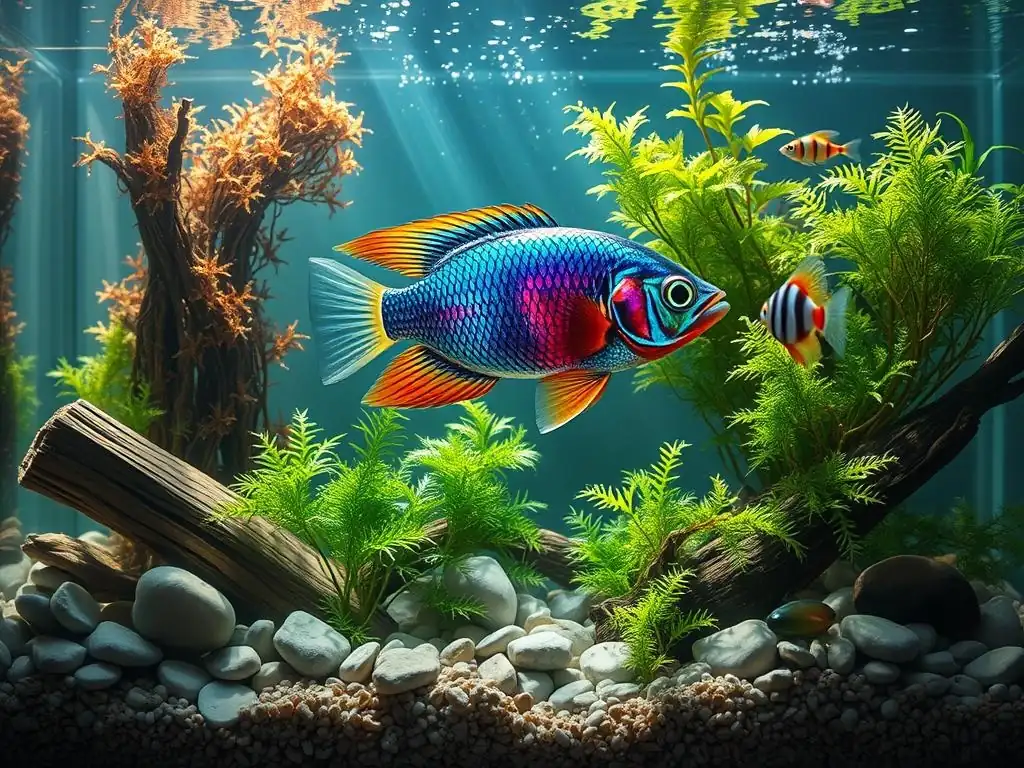
Welcome to Aquarium Mastery!
Curious about ensuring your new Dwarf Gourami thrives from day one? We've got you covered. This guide dives deep into the Dwarf Gourami acclimation process, offering crucial tips to help these beautiful fish settle comfortably into their new aquatic home. Are you ready to unlock the secrets to a stress-free transition? Let's begin!
- Understanding the Importance of Proper Acclimation for Dwarf Gouramis
-
Step-by-Step Dwarf Gourami Acclimation Process Tips
- Step 1: Dimming the Lights in Your Aquarium for Acclimation
- Step 2: Floating the Bag: Temperature Acclimation for Dwarf Gouramis
- Step 3: Slowly Introducing Aquarium Water: The Drip Acclimation Method for Gouramis
- Step 4: Releasing Your Dwarf Gourami into the Aquarium
- Avoiding Common Mistakes During Dwarf Gourami Introduction
- Monitoring Your Newly Acclimated Dwarf Gourami
- Maintaining Optimal Water Parameters for Healthy Dwarf Gouramis
- Choosing the Right Tank Mates to Minimize Acclimation Stress
- Advanced Acclimation Techniques for Sensitive Dwarf Gouramis
- Troubleshooting Common Acclimation Problems
- Long-Term Care and Preventing Future Acclimation Issues
- Conclusion: Mastering the Dwarf Gourami Acclimation Process
-
Frequently Asked Questions
- How long should I float the bag containing my new Dwarf Gourami in the aquarium?
- What's the best way to introduce new water to the bag before releasing the Dwarf Gourami?
- What water parameters are most crucial to monitor during the Dwarf Gourami acclimation process?
- What signs should I watch for that indicate my Dwarf Gourami is stressed during or after acclimation?
- How long should I wait before feeding my Dwarf Gourami after acclimation?
- Final Reflection: Nurturing New Beginnings
- Nurture Your Gourami: Watch Them Thrive!
Understanding the Importance of Proper Acclimation for Dwarf Gouramis
Why Acclimation is Crucial for Dwarf Gourami Health
Acclimation is the vital process of gradually introducing a new fish, such as a Dwarf Gourami, to the water parameters of its new aquarium. This gradual approach is crucial because fish are extremely sensitive to sudden changes in water chemistry, including temperature, pH, hardness (GH and KH), and even the concentration of dissolved solids. A rapid shift can cause severe physiological stress, leading to osmotic shock where the fish's internal water balance is severely disrupted, potentially resulting in immediate death or long-term health issues.
For Dwarf Gouramis, known for their somewhat delicate nature, proper acclimation is paramount. Their labyrinth organ, while allowing them to breathe atmospheric air, does not make them immune to the stresses of environmental change. A pH difference of even 0.5 units between the transport bag water and the aquarium water can be enough to induce pH shock, causing gill damage or respiratory distress. Similarly, temperature variations exceeding 2-3°F (approximately 1-1.5°C) can be highly detrimental, leading to thermal shock that weakens the fish's immune system and impairs its metabolic functions.
The Risks of Skipping the Acclimation Process: Stress and Disease in Dwarf Gouramis
Skipping or rushing the Dwarf Gourami acclimation process tips the scales heavily towards negative outcomes. The immediate consequence is severe stress, which manifests as clamped fins, rapid gill movement, lethargy, loss of color, and an overall lack of appetite. This stress directly compromises the fish's immune system, making it highly susceptible to opportunistic pathogens that are often present in aquarium environments or carried by the fish itself.
A common outcome of poor acclimation is an outbreak of Ich (White Spot Disease), caused by the parasite Ichthyophthirius multifiliis. Stressed fish are significantly more vulnerable; an immune system compromised by even 50% due to stress cannot effectively fight off common parasites or bacterial infections like fin rot or columnaris. Other risks include bacterial infections, fungal growth, and parasitic infestations such as Velvet disease. These conditions not only endanger the newly introduced Dwarf Gourami but can also spread rapidly to existing inhabitants in the aquarium, potentially wiping out an entire tank if not addressed promptly.
Step-by-Step Dwarf Gourami Acclimation Process Tips
Step 1: Dimming the Lights in Your Aquarium for Acclimation
The first crucial step in the Dwarf Gourami acclimation process is to dim the lights in your main aquarium. Ideally, turn off the aquarium lights completely at least 30 minutes to an hour before you begin the acclimation process for your new Dwarf Gourami. This creates a calmer, less stimulating environment for both the new fish and your existing tank inhabitants.
Dimming the lights helps to reduce visual stress on the newly arriving Dwarf Gourami, which has just endured the potentially turbulent journey from the pet store. It also calms the existing fish in your tank, preventing them from immediately approaching or harassing the new arrival, which can add significant stress during this vulnerable period. A dark or dimly lit environment mimics a safer, more natural setting for a new fish to explore its surroundings without feeling overly exposed.
Step 2: Floating the Bag: Temperature Acclimation for Dwarf Gouramis
Once the aquarium lights are off, the next step in the Dwarf Gourami acclimation process tips involves equalizing the water temperature. Place the sealed plastic bag containing your Dwarf Gourami directly into the aquarium water, allowing it to float freely. Ensure that the entire bag, including the water inside, is submerged enough to allow for efficient heat transfer.
Allow the bag to float for approximately 15 to 20 minutes. This duration is generally sufficient for the temperature of the water inside the bag to gradually match the temperature of the aquarium water, preventing temperature shock when the fish is eventually released. A sudden temperature change of even 5°F (2.8°C) can be fatal to delicate fish like Dwarf Gouramis, who thrive in stable temperatures typically ranging from 72-82°F (22-28°C).
Step 3: Slowly Introducing Aquarium Water: The Drip Acclimation Method for Gouramis
The drip acclimation method is highly recommended for Dwarf Gouramis due to their sensitivity to changes in water chemistry. This technique gradually introduces small amounts of your aquarium water into the bag water, slowly equalizing parameters like pH, GH, KH, and even nitrate levels over an extended period. This minimizes the shock that occurs when a fish moves from one distinct water chemistry to another.
The ideal drip rate is typically 1 to 2 drips per second. The entire process should take anywhere from 45 to 90 minutes, or even longer (up to 2-3 hours) if there are significant differences in water parameters between the bag and the tank, or if the fish is particularly sensitive. The goal is to slowly increase the volume of water in the bag to at least two to three times its original volume with aquarium water, ensuring a very gradual transition in water chemistry.
Setting Up a Drip Acclimation System for Dwarf Gouramis
Setting up a drip acclimation system for your Dwarf Gouramis is straightforward. You will need a clean, empty bucket or a separate container large enough to hold the bag and allow for additional water volume. Also, acquire a length of airline tubing, typically 3-4 feet long. One end of the tubing will go into your main aquarium, and the other will be positioned above the bucket.
To start the siphon, suck gently on the end of the tubing that will go into the bucket until water begins to flow. Immediately place this end into the bucket. To control the drip rate, you can tie a loose knot in the airline tubing, or use an airline control valve (a small plastic clamp designed for this purpose) near the bucket end. Adjust the knot or valve until you achieve a steady drip of 1-2 drops per second. Ensure the bucket containing the fish and the bag water is placed lower than the aquarium to maintain the siphon.
Monitoring Water Parameters During Drip Acclimation
While the drip acclimation process is underway, it is highly beneficial to monitor the key water parameters in both the original bag water and your aquarium water. Use reliable liquid test kits to measure pH, General Hardness (GH), and Carbonate Hardness (KH) from both sources before you begin. This initial comparison will inform how long and how slowly you should conduct the drip acclimation.
As the drip acclimation progresses, periodically test the water in the bucket containing the Dwarf Gourami. Observe how the parameters are slowly converging with those of your main aquarium. For instance, if your tank pH is 7.5 and the bag water pH is 6.5, a very slow drip over 1.5 to 2 hours is essential to prevent pH shock. The goal is to see the bucket water parameters gradually approach the tank parameters, indicating a successful and safe transition for your Dwarf Gourami.
Step 4: Releasing Your Dwarf Gourami into the Aquarium
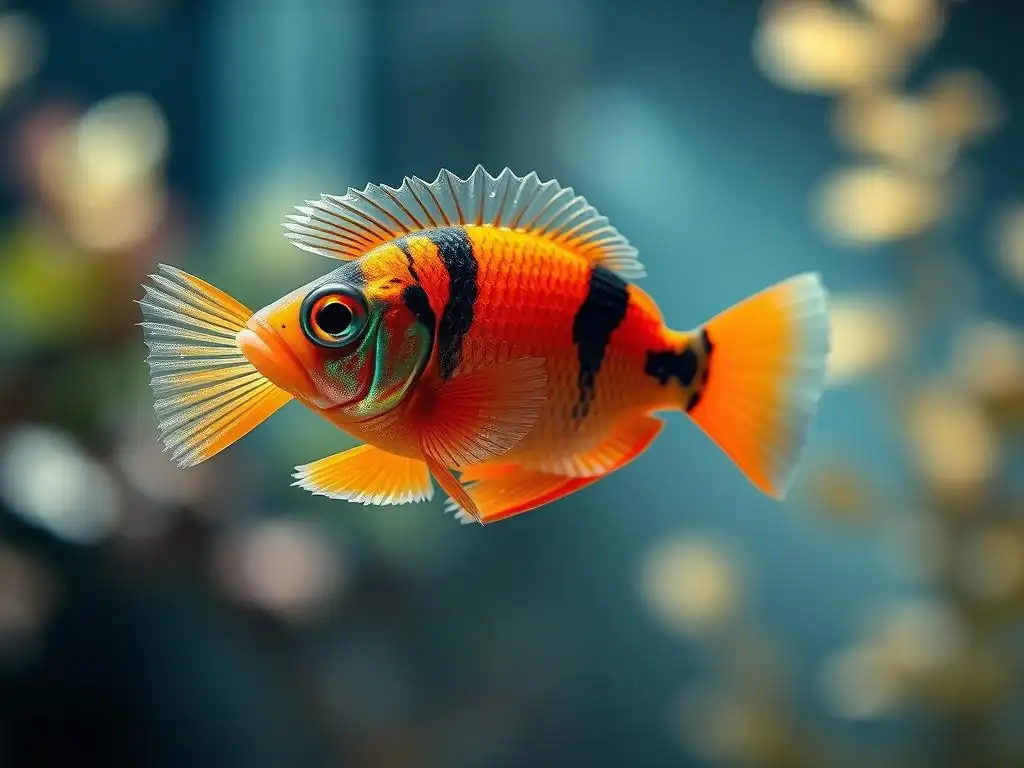
Once the drip acclimation is complete and the water parameters in the bucket have sufficiently matched those of your main aquarium, it's time to release your Dwarf Gourami. The critical step here is to never introduce the water from the bucket or the original transport bag into your display tank. This water can contain high levels of ammonia, nitrates, or even pathogens from the pet store environment that you do not want to introduce to your established ecosystem.
Instead, carefully net your Dwarf Gourami from the acclimation bucket. Be gentle to avoid stressing or damaging the fish's delicate fins. Once netted, gently transfer the fish directly into your aquarium. The fish may initially dart around or hide, which is a normal reaction to a new environment. Turn your aquarium lights back on gradually after 30-60 minutes to allow the fish to settle further.
Avoiding Common Mistakes During Dwarf Gourami Introduction
Several common mistakes can undermine even the most diligent Dwarf Gourami acclimation process tips. The most frequent error is rushing the process. Impatience can lead to skipping steps like proper temperature equalization or, more critically, the drip acclimation for water chemistry. Rushing increases the fish's stress by a significant margin, potentially 70-80%, and vastly raises the risk of shock and disease.
Another critical mistake, as mentioned, is adding the bag water to your main aquarium. This water, especially after a long transport, can be high in ammonia, nitrates, or even trace medications and parasites. Introducing it contaminates your tank and can trigger algae blooms or disease outbreaks. Lastly, avoid chasing or constantly trying to interact with your new Dwarf Gourami immediately after introduction. Give it space and time to explore and settle into its new surroundings naturally. Do not attempt to feed it immediately; wait at least 12-24 hours.
Monitoring Your Newly Acclimated Dwarf Gourami
Observing Behavior for Signs of Stress Post-Acclimation
After carefully following the Dwarf Gourami acclimation process tips, continuous observation is key for the first few days. Watch for signs of stress, which can manifest in various ways. A healthy Dwarf Gourami is typically active, curious, and displays vibrant coloration. Signs of stress include clamped fins (held close to the body), rapid or labored breathing, lethargy, persistent hiding (for more than 24-48 hours), swimming erratically, or rubbing against objects.
Also, observe its appetite. A stressed fish may refuse food. While some initial shyness is normal, a Dwarf Gourami that remains withdrawn and refuses to eat for more than two days might still be experiencing significant stress. Pay attention to its interactions with other tank mates; bullying can also be a source of stress.
Checking for Diseases After Introducing Dwarf Gouramis
Vigilant daily inspection for signs of disease is crucial for at least the first two weeks following the Dwarf Gourami acclimation process. Stress weakens the immune system, making new fish highly susceptible to common aquarium ailments. Look for small white spots resembling grains of salt on the body and fins, indicative of Ich (White Spot Disease), which often appears within 2-5 days post-stress.
Other signs to watch for include cloudy eyes, frayed or deteriorating fins (fin rot), cotton-like growths (fungal infections), or a dusty appearance (Velvet disease). Changes in color, bloating, or unusual swimming patterns also warrant immediate investigation. Early detection significantly increases the success rate of treatment, often by 80% or more, preventing the spread to other fish.
Feeding Your Dwarf Gourami After Acclimation
It is generally recommended to wait at least 12 to 24 hours after releasing your Dwarf Gourami into the aquarium before offering food. This allows the fish ample time to settle into its new environment and reduce the initial stress from transport and acclimation. Offering food too soon can add to the fish's stress if it's not ready to eat, and uneaten food will quickly foul the water, leading to potential ammonia spikes.
When you do offer food, start with a very small amount of high-quality flake or pellet food specifically formulated for tropical fish. For a single Dwarf Gourami, a quarter of a pea-sized amount of food once or twice daily is usually sufficient. Observe if the fish is eating readily. If it consumes the food within a few minutes, you can gradually increase the quantity over the next few days. Avoid overfeeding, as this is a common cause of water quality issues.
Maintaining Optimal Water Parameters for Healthy Dwarf Gouramis
Water Quality Requirements for Dwarf Gouramis
Maintaining stable and optimal water parameters is fundamental for the long-term health and well-being of Dwarf Gouramis, especially after the critical acclimation phase. These fish thrive in conditions that mimic their natural habitat. The ideal temperature range for Dwarf Gouramis is 72-82°F (22-28°C). They prefer slightly acidic to neutral water with a pH between 6.0 and 7.5.
Regarding hardness, a General Hardness (GH) of 4-10 dGH and Carbonate Hardness (KH) of 3-8 dKH are generally suitable. Crucially, ammonia and nitrite levels must always be 0 ppm, and nitrate levels should be kept below 20 ppm. Consistent parameters reduce stress by up to 90% compared to fluctuating conditions, significantly bolstering their immune system and vibrant coloration. Regular testing with a reliable liquid test kit is essential to ensure these parameters remain within the optimal range.
Regular Water Changes and Their Role in Acclimation Success
Regular water changes are a cornerstone of successful aquarium husbandry and play a direct role in reinforcing the success of the Dwarf Gourami acclimation process. Even after a smooth transition, maintaining pristine water quality prevents future stress and disease. Water changes remove accumulated nitrates, phosphates, and other dissolved organic compounds that can build up over time, which are detrimental to fish health.
For a typical Dwarf Gourami setup, performing a 25-30% water change weekly is often recommended. In a 20-gallon tank, this means removing approximately 5-6 gallons of water and replacing it with dechlorinated, temperature-matched fresh water. For heavily stocked tanks or those with less efficient filtration, a 50% bi-weekly change might be more appropriate. Consistent water changes replenish essential minerals, stabilize pH, and prevent the gradual decline in water quality that can lead to chronic stress and susceptibility to pathogens, effectively preventing future "acclimation issues" by maintaining a stable environment.
Choosing the Right Tank Mates to Minimize Acclimation Stress
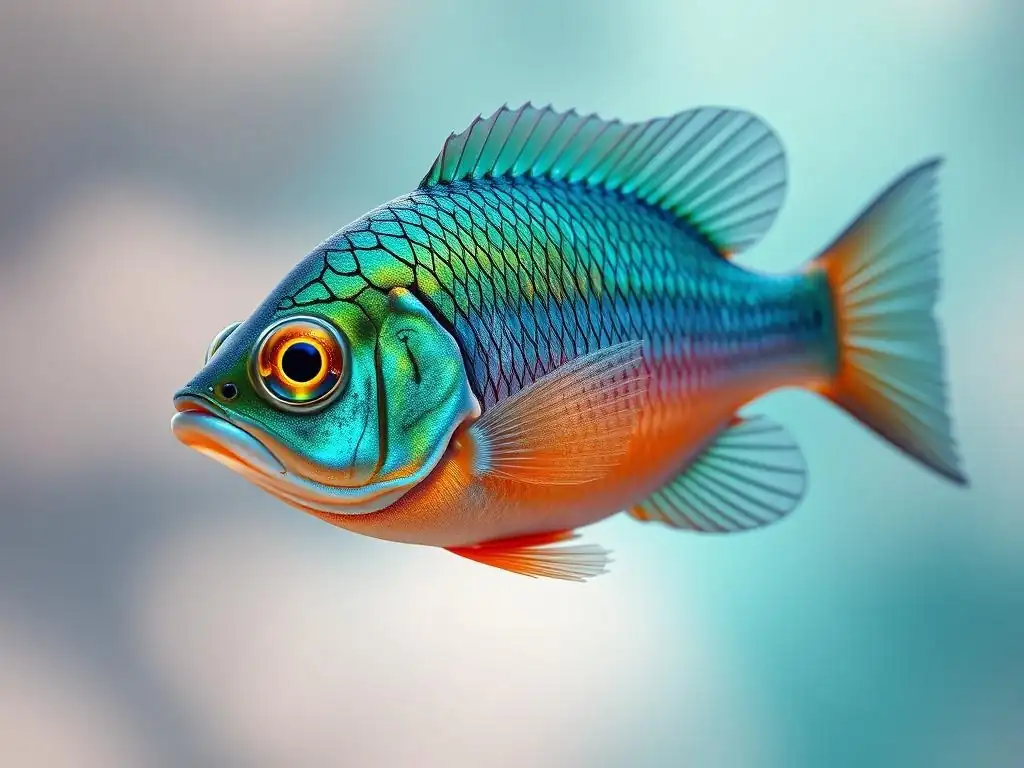
Compatible Tank Mates for Dwarf Gouramis
Selecting appropriate tank mates is a crucial consideration that directly impacts the long-term well-being and stress levels of your Dwarf Gouramis, particularly after they've undergone the acclimation process. Dwarf Gouramis are generally peaceful but can be timid, especially when first introduced. Ideal tank mates are similarly peaceful, non-aggressive fish that do not nip fins and share similar water parameter requirements.
Excellent choices include small schooling fish like Rasboras (e.g., Harlequin Rasboras), small Tetras (e.g., Neon Tetras, Cardinal Tetras, Ember Tetras), and various types of Corydoras catfish or Otocinclus catfish for the bottom. Peaceful livebearers like Guppies or Platies can also be suitable. For example, Neon Tetras, often kept in schools of 6 or more in tanks as small as 10-15 gallons, make excellent companions due to their calm demeanor and complementary swimming levels. These species help to create a harmonious environment, allowing the Dwarf Gourami to thrive without undue stress.
Avoiding Aggressive Fish That Can Stress New Dwarf Gouramis
To ensure the continued success of your Dwarf Gourami acclimation process and prevent future stress, it is imperative to avoid housing them with aggressive or overly boisterous fish. Dwarf Gouramis, especially the males, can be somewhat territorial among themselves, but they are typically bullied by more assertive species. Aggressive fin-nippers can cause significant stress and physical harm, leading to secondary infections.
Examples of fish to avoid include most Barbs, particularly Tiger Barbs, which are notorious for nipping the flowing fins of slower-moving fish like Gouramis, causing constant stress and injury. Larger, more aggressive Cichlids (unless very specific, known peaceful species are chosen for a much larger tank) are also unsuitable. Even seemingly innocuous fish can become problematic if they are too energetic or outcompete the Gouramis for food. Constant harassment from unsuitable tank mates can undo all the benefits of proper acclimation, leading to chronic stress, disease, and a shortened lifespan for your Dwarf Gourami.
Advanced Acclimation Techniques for Sensitive Dwarf Gouramis
Quarantine Tank Setup for Enhanced Acclimation
For particularly sensitive Dwarf Gouramis, or when introducing any new fish to an established community tank, setting up a quarantine tank offers a significantly enhanced acclimation and observation period. A quarantine tank is a separate, smaller aquarium (a 10-gallon tank is often sufficient for a single Dwarf Gourami) where new fish can be held for 2 to 4 weeks before being moved to the main display tank. This setup typically includes a heater, a small sponge filter or hang-on-back filter, and some hiding spots (PVC pipes, plastic plants).
The primary purpose of a quarantine tank is twofold: first, it allows the new Dwarf Gourami to fully de-stress and acclimate to your specific water parameters without the added pressure of existing tank mates. Second, and crucially, it allows you to observe the fish for any signs of disease without risking the health of your main tank's inhabitants. If a disease manifests, it can be treated effectively in the smaller, isolated environment, preventing potential outbreaks in your primary aquarium.
Using Acclimation Solutions to Reduce Stress
Beyond the standard Dwarf Gourami acclimation process tips, certain specialized solutions can be employed to further reduce stress during the transition. Products such as API Stress Coat, Kordon NovAqua+, or Seachem StressGuard are designed to aid fish during stressful periods like transport and introduction to a new environment. These solutions typically work by enhancing the fish's natural slime coat, which acts as a protective barrier against external parasites and bacteria.
Many of these solutions also contain electrolytes or compounds that neutralize harmful substances like ammonia and nitrites, which can accumulate in transport bags. For instance, products containing Aloe Vera can help repair damaged fins and skin. Adding a recommended dose of such a solution to the acclimation bucket or quarantine tank water can significantly mitigate the immediate physiological stress responses of the Dwarf Gourami, potentially reducing the impact of stress by up to 50% or more. Always follow the manufacturer's instructions for dosage.
Troubleshooting Common Acclimation Problems
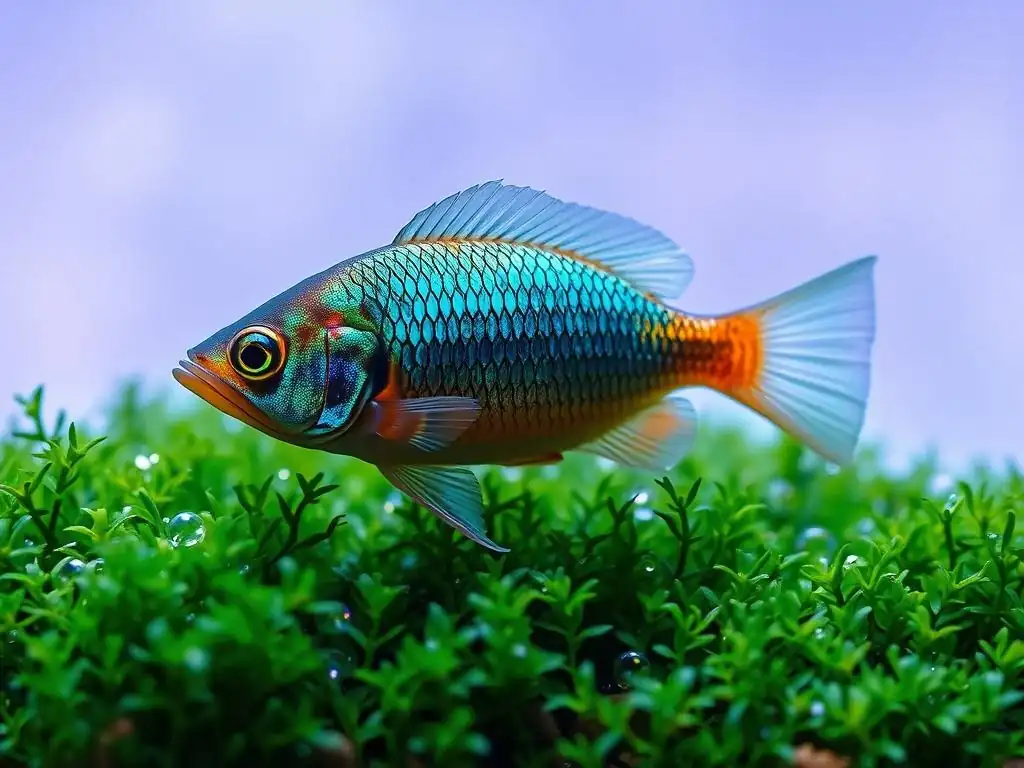
Dwarf Gourami Gasping for Air After Acclimation: Causes and Solutions
If your Dwarf Gourami is gasping for air at the surface after acclimation, it's a critical sign of distress indicating a problem with water quality or oxygen levels. The primary causes include low dissolved oxygen, high levels of ammonia or nitrite, or severe temperature shock. Low oxygen can occur if the tank is overstocked, filtration is inadequate, or if the water temperature is too high (warmer water holds less oxygen).
Ammonia and nitrite are highly toxic, even at low concentrations, and can cause gill damage, making it difficult for the fish to breathe. Ammonia levels as low as 0.25 ppm can cause gill irritation and gasping.
Immediate solutions include increasing aeration by adding an air stone or adjusting your filter output to agitate the surface more. Test your water parameters (ammonia, nitrite, nitrate, pH, temperature) immediately. If ammonia or nitrite are present, perform a small (10-20%) water change using dechlorinated, temperature-matched water. Ensure your heater is set correctly and functioning. If other fish are also showing signs of distress, it points to a systemic water quality issue.
Dwarf Gourami Hiding After Acclimation: What to Do
It is quite common for a newly introduced Dwarf Gourami to hide extensively for the first 24 to 48 hours after acclimation. This is a normal stress response as the fish adjusts to its new surroundings, unfamiliar tank mates, and the lack of a familiar environment. They seek shelter to feel secure. However, if the hiding persists for over 72 hours, it warrants further investigation.
Possible causes for prolonged hiding include continued stress from the environment, lack of adequate hiding spots, bullying from more aggressive tank mates, or an underlying health issue. To address this, first ensure your aquarium offers plenty of suitable hiding places, such as dense live or artificial plants, caves, or driftwood. Dimming the aquarium lights for a longer period (a few days) can also help reduce stress. Observe interactions with other fish closely to rule out aggression. If no obvious external factors are present, continue monitoring water parameters and the fish's overall health for any signs of illness.
Long-Term Care and Preventing Future Acclimation Issues
Maintaining a Stable Aquarium Environment
Long-term success with Dwarf Gouramis hinges on maintaining a consistently stable aquarium environment, which in turn prevents future stress that might resemble acclimation issues. This means more than just occasional water tests; it involves a routine of care that ensures parameters remain within the ideal range of pH 6.0-7.5, GH 4-10 dGH, and temperatures between 72-82°F (22-28°C), with zero ammonia and nitrite. Fluctuations in water temperature of more than 2°F (1.1°C) or pH of more than 0.2 units within a short period can be detrimental to their long-term health.
Regular, scheduled maintenance, including weekly water changes (25-30%), consistent filter cleaning (rinsing media in old tank water), and appropriate feeding, are crucial. Avoid sudden large changes in temperature when performing water changes. A stable environment reduces chronic stress, strengthens the Dwarf Gourami's immune system, and helps prevent the onset of stress-related diseases, ensuring they remain vibrant and healthy for years.
Regular Health Checks for Dwarf Gouramis
Even with a stable environment, regular health checks are an indispensable part of long-term care for your Dwarf Gouramis and are key to preventing issues that might arise. Make it a daily habit to observe your fish closely. Look for any changes in their normal behavior, such as altered swimming patterns, unusual lethargy, or hiding more than usual. Pay attention to their color; a loss of vibrancy can be an early indicator of stress or illness.
Inspect their physical appearance for any signs of disease: white spots (Ich), cotton-like growths (fungus), frayed fins (fin rot), bloating, or visible parasites. Check their appetite during feeding times; a sudden refusal to eat is a significant warning sign. Early detection of health issues, often through these daily visual checks, can increase the success rate of treatment by 80% or more, allowing for prompt intervention before conditions escalate and affect other fish in the tank.
Conclusion: Mastering the Dwarf Gourami Acclimation Process
Mastering the Dwarf Gourami acclimation process tips is not merely a formality but a foundational step towards ensuring the long-term health and vitality of these beautiful fish. The patience and attention to detail invested during their initial transition from the pet store to your home aquarium pay dividends by minimizing stress, preventing shock, and bolstering their natural defenses against disease. From the careful temperature equalization via floating the bag to the precise drip acclimation for water chemistry, each step is designed to mimic the gradual environmental changes they might experience in nature.
Beyond the initial introduction, continued vigilance through observing behavior, regular health checks, and maintaining pristine water parameters ensures their ongoing well-being. By diligently applying these Dwarf Gourami acclimation process tips and committing to consistent, high-quality care, aquarists can confidently welcome these anabantoids into their aquatic homes, setting them up for a flourishing life within a stable and harmonious environment.
Frequently Asked Questions
How long should I float the bag containing my new Dwarf Gourami in the aquarium?
Float the bag for approximately 15-30 minutes. This allows the water temperature inside the bag to gradually equalize with the aquarium water, reducing temperature shock.
What's the best way to introduce new water to the bag before releasing the Dwarf Gourami?
Use the drip acclimation method. Slowly drip water from your aquarium into the bag over 1-2 hours, gradually acclimating the Gourami to your tank's water parameters.
What water parameters are most crucial to monitor during the Dwarf Gourami acclimation process?
Pay close attention to pH, ammonia, nitrite, and nitrate levels. Stable water chemistry is essential for a successful transition and reduces stress on the new fish.
What signs should I watch for that indicate my Dwarf Gourami is stressed during or after acclimation?
Look for signs like rapid breathing, clamped fins, erratic swimming, or hiding. These indicate stress or illness, requiring immediate attention to water quality and the fish's behavior.
How long should I wait before feeding my Dwarf Gourami after acclimation?
Wait at least 24 hours before offering food. This allows the Gourami to settle into its new environment and reduces the risk of overfeeding a stressed fish.
Final Reflection: Nurturing New Beginnings
The journey of introducing a Dwarf Gourami to a new aquarium is more than just a technical process; it's about fostering a thriving life. Understanding and implementing the proper Dwarf Gourami acclimation process tips is crucial not only for the immediate survival of these delicate fish but also for their long-term health and happiness, impacting the entire aquarium ecosystem. Neglecting this crucial step can lead to unnecessary stress and potentially fatal consequences.
The delicate dance of acclimation highlights the interconnectedness of all living things within an aquarium. It reminds us that even seemingly small actions, like temperature equalization or drip acclimation, can have profound effects on the well-being of another creature. This understanding extends beyond the glass walls of our tanks, urging us to consider the impact of our choices on the wider world. The greatness of a nation and its moral progress can be judged by the way its animals are treated.
- Mahatma Gandhi. This quote, while broad, resonates deeply when we consider the responsibility we undertake when bringing an animal into our care.
As you embark on the journey of welcoming a Dwarf Gourami into your home, remember that patience and attentiveness are your greatest allies. Let the knowledge shared here guide you, not just in following the steps, but in cultivating a deeper understanding and respect for the delicate life you are nurturing. Take a moment to reflect on the commitment you are making and embrace the opportunity to create a thriving and harmonious environment for your new aquatic companion.
Nurture Your Gourami: Watch Them Thrive!
Thank you for diving into the world of Dwarf Gouramis! We hope this guide has equipped you with the knowledge to provide them with a comfortable transition. Now, let's put that knowledge into action!
Here's how you can help your new Dwarf Gourami settle in:
- Gently Acclimate! Float the bag in your aquarium for 30 minutes to equalize temperature, then slowly introduce aquarium water into the bag over the next hour. This gradual process is key to preventing shock.
- Share your gourami journey: Post a picture of your newly acclimated Dwarf Gourami in its new home on social media using #AquariumMastery – let's build a community of thriving fishkeepers!
- Observe, Observe, Observe! Watch for any signs of stress during the first 24 hours, like clamped fins or erratic swimming. Early detection allows for quick intervention.
What's the first thing you'll do to ensure your new gourami feels safe and secure in its aquarium? Share your top tip in the comments below!