
Red Phantom vs. Black Phantom: Comparing Two Enigmatic Tetra Species

Welcome to Aquarium Mastery!
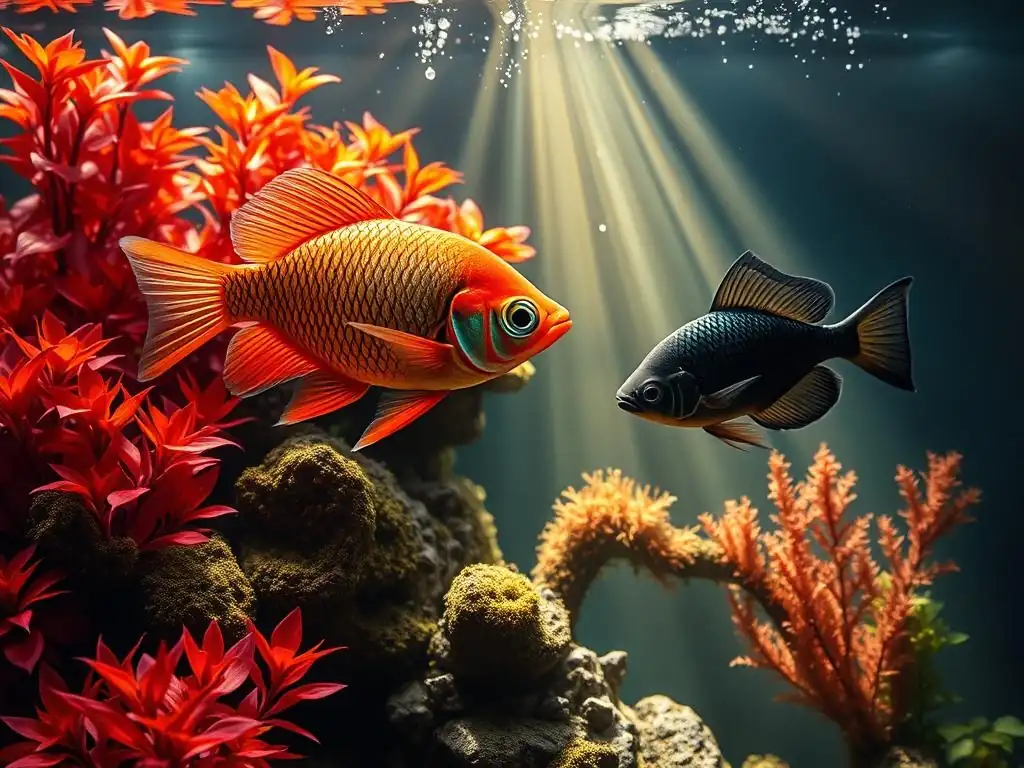
Ever been captivated by the shimmering beauty of Tetras? The Red Phantom Tetra is a stunning addition to any freshwater aquarium, but how does it compare to its darkly alluring cousin, the Black Phantom? Dive in with us as we unravel the mysteries of Red Phantom Tetra care and explore the subtle yet significant differences between these two enigmatic species. Discover everything you need to know about their unique needs, ideal tank mates, and how to keep them thriving in your own aquatic haven. Ready to unlock the secrets? Let's explore!
- Introduction to Phantom Tetras: Red vs. Black
-
Red Phantom Tetra Care: A Detailed Profile
- Origins and Natural Habitat of the Red Phantom Tetra
- Appearance and Distinctive Features of Red Phantom Tetras
- Optimal Tank Conditions for Red Phantom Tetras: Water Parameters and Substrate
- Red Phantom Tetra Diet and Feeding Habits
- Red Phantom Tetra Behavior and Temperament
- Origins and Natural Habitat of the Black Phantom Tetra
- Appearance and Distinctive Features of Black Phantom Tetras
- Optimal Tank Conditions for Black Phantom Tetras: Water Parameters and Substrate
- Black Phantom Tetra Diet and Feeding Habits
- Black Phantom Tetra Behavior and Temperament
-
Red Phantom vs. Black Phantom: A Direct Comparison
- Appearance: Key Differences in Coloration and Fin Shape
- Temperament: Comparing Aggression Levels and Schooling Dynamics
- Tank Requirements: Size and Setup Considerations for Each Species
- Dietary Needs: Are There Differences in Feeding Preferences?
- Ease of Care: Which Phantom Tetra is Easier for Beginners?
- Breeding Phantom Tetras: Considerations for Both Species
- Common Health Issues and Prevention in Phantom Tetras
- Enhancing the Colors of Your Phantom Tetras
- Conclusion: Choosing the Right Phantom Tetra for Your Aquarium
-
Frequently Asked Questions
- What are the primary differences between Red Phantom and Black Phantom Tetras?
- What are the ideal water parameters for Red Phantom Tetras?
- What type of aquarium setup is recommended for Red Phantom Tetras?
- What should I feed my Red Phantom Tetras?
- Are Red Phantom Tetras peaceful and suitable for community tanks?
- Final Reflection: Appreciating the Subtle Splendor of Phantom Tetras
- Ignite Your Aquarium: Dive Deeper into Tetra Keeping!
Introduction to Phantom Tetras: Red vs. Black
Understanding the Appeal of Phantom Tetras for Aquariums
Phantom Tetras, encompassing both the Red Phantom Tetra and Black Phantom Tetra, are highly sought-after freshwater fish for community aquariums due to their striking appearance, peaceful disposition, and fascinating schooling behaviors. Their relatively small size, typically ranging from 1.5 to 2 inches (3.8 to 5 cm), makes them suitable for a variety of tank sizes, including those around 15-20 gallons (approximately 57-76 liters) for a small school. Aquarists are often drawn to their distinctive markings and the dynamic beauty they bring to a planted tank setup.
Beyond their aesthetic appeal, these tetras are also valued for their generally docile nature, making them excellent candidates for a diverse community tank. They are known to be active swimmers, but their movements are graceful and not overly boisterous, allowing them to coexist harmoniously with other similarly sized, peaceful fish. Their schooling instinct, particularly when kept in sufficient numbers, creates a captivating display as they move in unison through the aquarium.
Briefly Introducing the Red Phantom Tetra (Megalamphodus sweglesi)
The Red Phantom Tetra, scientifically known as Megalamphodus sweglesi, is a less common but equally captivating species compared to its black counterpart. This tetra is distinguished by its translucent, reddish-brown body, which can deepen to a vibrant cherry red, especially in healthy, mature males and during breeding. A defining characteristic is the prominent black shoulder spot, often highlighted by an iridescent white or blue stripe above it.
Red Phantom Tetra care involves replicating the soft, acidic water conditions of their natural South American habitats. They are known for their somewhat shyer demeanor compared to Black Phantoms, often preferring heavily planted tanks with subdued lighting. When provided with optimal conditions and kept in a proper school, their subtle yet stunning coloration truly shines, making them a rewarding species for dedicated aquarists.
Briefly Introducing the Black Phantom Tetra (Hyphessobrycon megalopterus)
The Black Phantom Tetra, Hyphessobrycon megalopterus, is arguably the more popular and widely recognized of the two phantom species. This fish features a smoky gray to deep black body, contrasted by a distinct black spot behind the gill plate, often bordered by a bright, iridescent white or blue arc. Males are particularly striking with their elongated, flowing black dorsal and anal fins, while females possess shorter, reddish-tinged fins.
Black Phantom Tetra care is generally considered straightforward, making them a suitable choice for intermediate aquarists. They are known for their active schooling behavior and the fascinating "mock battles" or fin-flaring displays among males, which establish a pecking order within the group without typically causing harm. Their robust nature and striking appearance make them a staple in many freshwater community aquariums.
Red Phantom Tetra Care: A Detailed Profile
Origins and Natural Habitat of the Red Phantom Tetra
The Red Phantom Tetra originates from the Rio Guaporé basin, a major tributary of the Amazon River, specifically found in areas of Bolivia and Brazil. These fish naturally inhabit slow-moving tributaries, floodplains, and oxbow lakes, often characterized by clear or blackwater conditions. Their native environments are typically rich in decaying leaf litter, submerged roots, and dense aquatic vegetation, providing ample cover and a source of tannins.
Understanding their natural habitat is crucial for effective Red Phantom Tetra care. The presence of tannins from decaying leaves helps maintain the soft, acidic water conditions they thrive in, while the dense plant cover offers security and reduces stress. Replicating these elements in an aquarium setup is essential for promoting the health, vibrant coloration, and natural behaviors of this species.
Appearance and Distinctive Features of Red Phantom Tetras
The Red Phantom Tetra exhibits a classic tetra body shape: laterally compressed, somewhat deep-bodied, and streamlined. They typically reach an adult size of about 1.5 to 2 inches (3.8 to 5 cm). Their most notable feature is their translucent, reddish-brown base coloration, which can intensify to a deep cherry red or even a vibrant orange-red, especially in dominant males and during breeding periods. This coloration is often more pronounced when the fish are healthy and kept in optimal conditions.
A prominent, oval-shaped black spot is situated just behind the gill cover, serving as a key identification mark. This spot is often edged with an iridescent white or light blue bar above it, creating a striking contrast against their body. The fins, particularly the dorsal and anal fins, also display a reddish tint, contributing to their overall warm hue. Unlike some other tetra species, the Red Phantom Tetra does not typically exhibit a distinct caudal fin spot.
Optimal Tank Conditions for Red Phantom Tetras: Water Parameters and Substrate
Ideal Temperature, pH, and Water Hardness for Red Phantom Tetra Health
For optimal Red Phantom Tetra care, maintaining stable and appropriate water parameters is paramount. The ideal water temperature range for these tetras is between 72-79°F (22-26°C). Consistent temperatures within this range are vital for their metabolic processes, immune system function, and overall well-being. Sudden fluctuations can cause significant stress and make them susceptible to disease.
Regarding pH and water hardness, Red Phantom Tetras thrive in soft to moderately soft, acidic to neutral water. An ideal pH range is typically 5.5 to 7.0, and water hardness should be kept between 2-10 dGH (degrees of General Hardness). While they can adapt to slightly harder or more neutral water, their colors will be more vibrant and their health better sustained in conditions closer to their natural, softer, and more acidic habitats. Regular testing with a reliable aquarium test kit is recommended to ensure these parameters remain stable.
Choosing the Right Substrate and Decorations for Red Phantom Tetras
When setting up an aquarium for Red Phantom Tetra care, the choice of substrate and decorations plays a significant role in their comfort and display of color. A dark-colored substrate, such as fine gravel or sand, is highly recommended. A dark substrate not only helps to reduce reflections that can stress these somewhat shy fish but also serves to enhance their natural reddish hues, making them appear more vibrant against the darker background.
Dense planting is crucial for Red Phantom Tetras, providing ample hiding spots and a sense of security. Live plants like Java Moss, Anubias, and Cryptocorynes are excellent choices. Incorporating driftwood, roots, and even dried leaf litter (e.g., Indian almond leaves) can further mimic their natural blackwater environments, releasing beneficial tannins that slightly lower pH and provide natural antibacterial properties. Floating plants are also beneficial as they diffuse overhead lighting, creating a subdued environment that these tetras prefer.
Red Phantom Tetra Diet and Feeding Habits
Recommended Foods for Vibrant Coloration and Health
Red Phantom Tetras are omnivores with a preference for small, meaty foods. For comprehensive Red Phantom Tetra care, their diet should be varied and high-quality to ensure optimal health and vibrant coloration. A staple diet should consist of high-quality flake or micro-pellet foods specifically formulated for small tropical fish. These provide essential vitamins and minerals necessary for their overall well-being.
To truly bring out their best colors and provide complete nutrition, supplementation with live or frozen foods is highly recommended. Excellent choices include brine shrimp, daphnia, bloodworms, and mosquito larvae. These protein-rich foods not only offer vital nutrients but also mimic their natural diet, encouraging foraging behavior and stimulating their appetite. Foods rich in carotenoids, such as spirulina flakes, can also help enhance their red pigmentation.
Feeding Schedule and Preventing Overfeeding
A consistent feeding schedule is important for Red Phantom Tetra care. It is best to feed them small amounts two to three times a day, rather than one large meal. The general rule of thumb is to provide only what they can consume within 2-3 minutes. This approach prevents food from decaying in the tank, which can lead to poor water quality and an increase in harmful nitrates and phosphates.
Overfeeding is a common mistake that can lead to various health issues for fish, including digestive problems like swim bladder disease, and can significantly degrade water quality. If you notice uneaten food accumulating on the substrate after a few minutes, reduce the quantity at the next feeding. Observing their feeding behavior will help you determine the appropriate amount of food for your specific school of Red Phantom Tetras.
Red Phantom Tetra Behavior and Temperament
Schooling Behavior and Social Needs
Red Phantom Tetras are quintessential schooling fish and exhibit their most natural behaviors when kept in groups of at least 6-8 individuals, with 10 or more being ideal. A larger school not only provides a sense of security for these somewhat shy fish but also encourages them to display their full range of natural interactions, including fascinating schooling patterns. In smaller groups, Red Phantom Tetras can become stressed, more withdrawn, or even nippy towards other tank mates.
Within a healthy school, males may engage in non-aggressive sparring displays, flaring their fins to establish dominance without causing actual harm. This social interaction is a joy to observe and highlights the importance of providing adequate space for their schooling dynamics. Providing a large enough school is a fundamental aspect of successful Red Phantom Tetra care, reducing stress and enhancing their overall well-being.
Compatibility with Other Fish Species in a Community Tank
Red Phantom Tetras are generally peaceful and make excellent additions to a well-planned community aquarium. Their calm temperament means they typically coexist well with other similarly sized, non-aggressive fish. Ideal tank mates include other peaceful tetra species like Neon Tetras, Ember Tetras, and Lemon Tetras, as well as rasboras, Corydoras catfish, Otocinclus, and small, peaceful loaches.
However, it is important to avoid housing them with very large, aggressive, or fin-nipping species that could stress or harm them. Fish with long, flowing fins, such as some guppies or angelfish, might be targets for occasional nipping if the Red Phantoms are not kept in a sufficiently large school or if they feel overcrowded. Always ensure that potential tank mates share similar water parameter requirements to maintain optimal Red Phantom Tetra care conditions for all inhabitants.
Origins and Natural Habitat of the Black Phantom Tetra
The Black Phantom Tetra, Hyphessobrycon megalopterus, originates from the Guaporé and Paraguay River basins, spanning parts of Bolivia, Brazil, and Paraguay. These regions are characterized by a diverse range of aquatic environments, including slow-moving tributaries, clearwater streams, and flooded forest areas. In their natural habitat, Black Phantoms are often found among dense aquatic vegetation, submerged roots, and areas rich in leaf litter, which provide both cover and a source of food.
The water in these native environments is typically soft and acidic, often stained with tannins from decaying organic matter, giving it a tea-like appearance. Replicating these conditions in an aquarium is key to successful Black Phantom Tetra care, ensuring their health, vibrant coloration, and natural behaviors. The presence of hiding spots and diffused lighting helps them feel secure and reduces stress.
Appearance and Distinctive Features of Black Phantom Tetras
The Black Phantom Tetra is a small, laterally compressed fish, typically reaching an adult size of about 1.5 to 1.75 inches (3.8 to 4.5 cm). Their body coloration ranges from a smoky gray to a deep, velvety black, providing a striking contrast to their fins. The most prominent feature is a distinct, dark black spot located vertically behind the gill plate, often encircled by an iridescent white or bluish border.
Sexual dimorphism is quite pronounced in Black Phantoms. Males typically have elongated, flowing dorsal and anal fins that are deep black, giving them an elegant appearance. Females, on the other hand, have shorter, rounded fins that often display a reddish or orange tint, particularly in the pelvic and anal fins. Both sexes usually have white tips on their dorsal and anal fins, adding to their unique aesthetic.
Optimal Tank Conditions for Black Phantom Tetras: Water Parameters and Substrate
Ideal Temperature, pH, and Water Hardness for Black Phantom Tetra Health
For optimal Black Phantom Tetra care, maintaining specific water parameters is crucial. The ideal water temperature range for these tetras is between 72-79°F (22-26°C). Consistency within this range is more important than hitting an exact number, as sudden temperature shifts can cause significant stress. A stable temperature supports their metabolism and immune system.
Black Phantom Tetras thrive in soft to moderately hard water, with a general hardness (dGH) ranging from 5 to 15. The preferred pH level is slightly acidic to neutral, typically between 5.5 and 7.5. While they are somewhat adaptable, conditions closer to their natural soft, acidic environment will promote better health, more vibrant colors, and natural behaviors. Regular monitoring of these parameters with a reliable test kit is highly recommended.
Choosing the Right Substrate and Decorations for Black Phantom Tetras
To enhance the natural beauty of Black Phantom Tetras and provide an environment conducive to their well-being, the choice of substrate and decorations is important. A dark-colored substrate, such as fine gravel or sand, is highly recommended. This helps to reduce reflections in the tank, which can stress the fish, and also significantly brings out their dark body coloration, making them appear more striking.
Dense planting is essential for Black Phantom Tetra care, as these fish appreciate plenty of cover and hiding spots. Live plants like Java Fern, Anubias, and various stem plants create a naturalistic environment. Incorporating driftwood and roots also provides additional hiding places and can release beneficial tannins, which mimic their natural blackwater habitats. Floating plants are also a good addition, as they diffuse light, creating a calmer, more subdued environment that these tetras prefer.
Black Phantom Tetra Diet and Feeding Habits
Recommended Foods for Optimal Health and Coloration
Black Phantom Tetras are omnivorous and require a varied diet to maintain optimal health and coloration. A high-quality flake or micro-pellet food designed for tropical fish should serve as the staple of their diet. Ensure the food contains essential vitamins and minerals to support their overall well-being.
To truly enhance their vibrancy and provide complete nutrition, supplementing their diet with live or frozen foods is highly beneficial. Excellent options include brine shrimp, daphnia, bloodworms, and mosquito larvae. These protein-rich foods not only provide vital nutrients but also encourage natural foraging behaviors. A diverse diet contributes significantly to their immune system strength and helps prevent nutritional deficiencies.
Feeding Schedule and Preventing Overfeeding
For effective Black Phantom Tetra care, it is best to feed them small amounts of food two to three times per day. The general guideline is to provide only what they can consume within 2-3 minutes. This approach ensures that all food is eaten and prevents excess food from decaying in the aquarium, which can lead to a rapid decline in water quality and an increase in harmful ammonia and nitrite levels.
Overfeeding is a common issue that can result in health problems for the fish, such as digestive issues or obesity, and can also contribute to algae blooms and cloudy water. Always observe your fish during feeding to gauge their appetite and adjust the quantity accordingly. A consistent feeding routine helps maintain their health and reduces stress.
Black Phantom Tetra Behavior and Temperament
Schooling Behavior and Social Needs
Black Phantom Tetras are highly social, schooling fish and thrive when kept in groups of at least 6-10 individuals, or even more. Keeping them in a sufficiently large school is a cornerstone of proper Black Phantom Tetra care, as it provides them with a sense of security and allows them to exhibit their fascinating natural behaviors. In smaller groups, they can become shy, stressed, or occasionally prone to fin nipping.
One of the most captivating aspects of Black Phantom Tetra behavior is the elaborate fin-flaring displays between males. These "mock battles" are a way for males to establish dominance within the school without typically causing any physical harm. This interaction is a natural and healthy part of their social structure and is best observed when they are in a well-established group, highlighting the importance of their social needs.
Compatibility with Other Fish Species in a Community Tank
Black Phantom Tetras are generally peaceful and well-suited for community aquariums, though they can be mildly nippy, especially if not kept in a large enough school. Ideal tank mates include other peaceful tetra species (e.g., Neon Tetras, Ember Tetras), rasboras, Corydoras catfish, Otocinclus, and small, peaceful cichlids like German Blue Rams. Their active nature means they do best with similarly active, but not aggressive, tank mates.
It is advisable to avoid housing Black Phantoms with very slow-moving fish or those with long, flowing fins, as these could become targets for occasional fin nipping, particularly if the tetras feel overcrowded or stressed. Also, ensure that all tank mates share similar water parameter requirements to maintain a harmonious and healthy environment for all inhabitants.
Red Phantom vs. Black Phantom: A Direct Comparison
Appearance: Key Differences in Coloration and Fin Shape
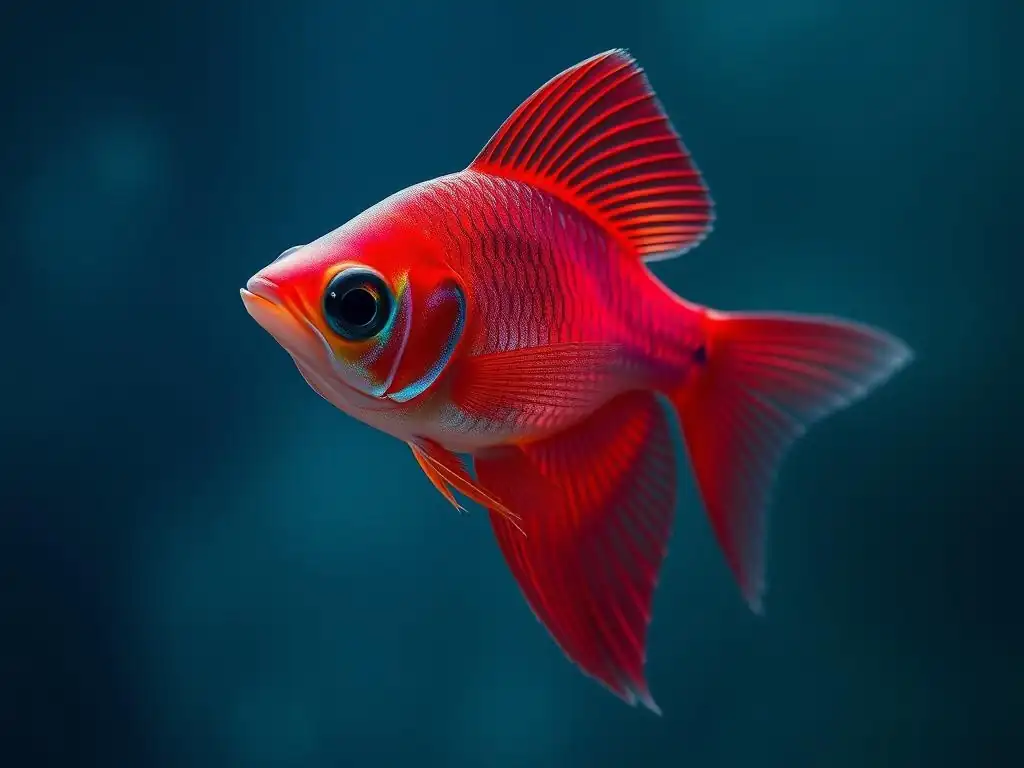
The most striking difference between Red Phantom Tetras and Black Phantom Tetras lies in their coloration and fin morphology. Red Phantoms ( Megalamphodus sweglesi) exhibit a translucent, reddish-brown body that can deepen to a vibrant cherry red, particularly in males and under optimal conditions. Their fins are typically reddish, and the prominent black shoulder spot is often highlighted by an iridescent white or blue stripe above it.
In contrast, Black Phantoms ( Hyphessobrycon megalopterus) possess a smoky gray to deep black body, with males showcasing elongated, flowing black dorsal and anal fins. Females have shorter, reddish-tinged fins. Both sexes of Black Phantoms feature a distinct black spot behind the gill plate, usually bordered by a bright white or blue arc, and often have white tips on their dorsal and anal fins. The overall body shape is similar, but the fin extensions in male Black Phantoms are a key distinguishing feature.
Temperament: Comparing Aggression Levels and Schooling Dynamics
While both are generally peaceful, there are subtle differences in the temperament and schooling dynamics of Red and Black Phantom Tetras. Red Phantom Tetras are typically considered more peaceful and somewhat shyer. They tend to form tighter schools and are less prone to engaging in fin nipping or aggressive displays towards tank mates. Their interactions within the school are often more subtle.
Black Phantom Tetras, while still suitable for community tanks, exhibit more active social behaviors. Males frequently engage in fascinating "mock battles" or fin-flaring displays among themselves to establish dominance, which is a natural part of their behavior and rarely results in harm. If not kept in a sufficiently large school (at least 6-10 individuals), Black Phantoms can occasionally be mildly nippy towards other fish, particularly those with long, flowing fins. Their schooling behavior can also be somewhat looser than that of Red Phantoms.
Tank Requirements: Size and Setup Considerations for Each Species
Both Red and Black Phantom Tetras generally require similar tank sizes, with a minimum of 15-20 gallons (approximately 57-76 liters) recommended for a small school of 6-8 individuals. Larger tanks are always preferable, especially for promoting their natural schooling behaviors and reducing stress. Both species thrive in well-planted aquariums with plenty of hiding spots.
Regarding specific setup elements, both prefer dark substrates, which help to enhance their coloration and reduce stress. Dense live planting, driftwood, and roots are beneficial for both. However, Red Phantom Tetras tend to prefer slightly softer and more acidic water conditions (pH 5.5-7.0, dGH 2-10), closely mimicking their blackwater origins. Black Phantoms are a bit more adaptable to a wider range of parameters (pH 5.5-7.5, dGH 5-15), making them slightly more forgiving for beginner aquarists who might experience minor fluctuations.
Dietary Needs: Are There Differences in Feeding Preferences?
In terms of dietary needs, Red Phantom Tetras and Black Phantom Tetras are remarkably similar. Both are omnivores and thrive on a varied diet that includes high-quality flake or micro-pellet foods as a staple. Their small mouths necessitate appropriately sized food particles.
Both species greatly benefit from regular supplementation with live or frozen foods such as brine shrimp, daphnia, and bloodworms. These protein-rich options provide essential nutrients, enhance their immune systems, and contribute to their vibrant coloration. There are no significant differences in their feeding preferences; a diverse and high-quality diet is key for the health and vitality of both Red Phantom Tetra care and Black Phantom Tetra care.
Ease of Care: Which Phantom Tetra is Easier for Beginners?
Both Red Phantom Tetras and Black Phantom Tetras are considered moderately easy to care for, making them suitable for aquarists who have a basic understanding of aquarium cycling and maintenance. They are relatively hardy once established in a stable, well-maintained tank.
However, if a distinction must be made, the Black Phantom Tetra is often cited as being slightly hardier and more adaptable to a wider range of water parameters, making them marginally easier for absolute beginners. Their wider availability in the aquarium trade also contributes to their beginner-friendly status.
Red Phantom Tetra care can be a touch more demanding due to their preference for softer, more acidic water and their slightly shyer nature, which requires a more meticulously set up and stable environment to truly thrive. Nevertheless, with proper attention to their specific needs, both species are highly rewarding to keep.
Breeding Phantom Tetras: Considerations for Both Species
Setting Up a Breeding Tank for Phantom Tetras
To successfully breed either Red Phantom Tetras or Black Phantom Tetras, a dedicated breeding tank is highly recommended. A small aquarium, typically 5-10 gallons (19-38 liters), is sufficient for a single breeding pair or a trio (one female, two males). The tank should be meticulously clean and set up with soft, acidic water, ideally with a pH of 5.5-6.5 and very low hardness (2-5 dGH), achieved through reverse osmosis (RO) water mixed with a remineralizer.
The breeding tank should have a dark substrate or be bare-bottomed, and crucial elements for spawning include spawning mops, fine-leaved plants like Java Moss, or a spawning grid at the bottom to protect the eggs from being eaten by the parents. Lighting should be dim, and gentle aeration from an air stone is preferred over a strong filter to avoid disturbing the delicate fry. A heater to maintain a stable temperature around 75-79°F (24-26°C) is also important.
Water Parameters and Conditions for Successful Spawning
Achieving the precise water parameters is critical for encouraging successful spawning in both Red and Black Phantom Tetras. The water must be very soft and acidic, mimicking their natural breeding grounds. Using aged RO water, possibly with a small amount of peat filtration or Indian almond leaves, can help achieve the desired softness and pH. The temperature should be maintained consistently within the upper end of their preferred range, typically 75-79°F (24-26°C), as this often triggers spawning behavior.
Conditioning the breeding pair with a high-quality diet of live and frozen foods (like bloodworms, brine shrimp, and daphnia) for several days or weeks prior to placing them in the breeding tank is essential. This nutritious diet helps the female develop eggs and ensures both fish are in prime breeding condition. Spawning typically occurs in the early morning, with eggs being scattered among the plants or mops. Once spawning is complete, the adult fish should be removed promptly to prevent them from consuming the eggs.
Caring for Phantom Tetra Fry
Once the eggs are laid, they are quite delicate. Phantom Tetra eggs typically hatch within 24-36 hours, depending on the water temperature. The newly hatched fry are tiny and will initially feed on their yolk sacs. They become free-swimming within 3-5 days after hatching. At this stage, providing the correct food is crucial for their survival.
For the first few days, the fry require extremely small food sources such as infusoria or specialized liquid fry food. As they grow, usually within a week, they can be transitioned to newly hatched brine shrimp or micro-worms, which provide essential protein for rapid growth. Maintaining pristine water quality in the fry tank is paramount; perform small, frequent water changes (e.g., 10-15% daily) using aged, temperature-matched water to prevent the buildup of harmful nitrates and ensure optimal development.
Common Health Issues and Prevention in Phantom Tetras
Recognizing Symptoms of Common Fish Diseases
Like all freshwater fish, Phantom Tetras can be susceptible to common aquarium diseases, often triggered by poor water quality, stress, or the introduction of new, infected fish. Recognizing symptoms early is vital for successful treatment. Common signs of illness include lethargy, clamped fins (fins held close to the body), loss of appetite, and abnormal swimming patterns such as darting, rubbing against tank decorations, or difficulty maintaining buoyancy.
Specific diseases manifest with distinct symptoms:
- Ich (White Spot Disease): Small, white spots resembling grains of salt scattered over the body and fins.
- Fin Rot: Frayed, discolored, or disintegrating fins, often with a white or reddish edge.
- Fungal Infections: Cotton-like growths on the body or fins.
- Bacterial Infections: Red streaks, ulcers, bloating, or cloudy eyes.
- Velvet Disease: A fine, yellowish-brown dust on the skin, often accompanied by rapid gill movement.
Daily observation of your Phantom Tetras' behavior and appearance can help detect these issues at their earliest stages.
Preventative Measures for Maintaining a Healthy Aquarium
Prevention is the best approach to Red Phantom Tetra care and Black Phantom Tetra care regarding health. Maintaining excellent water quality is the single most important preventative measure. This involves performing regular partial water changes (e.g., 25% weekly or 15% twice weekly) to dilute nitrates and replenish essential minerals. A robust filtration system, appropriate for the tank size, is also crucial for mechanical, chemical, and biological filtration.
Avoiding overfeeding is another key preventative step, as uneaten food quickly degrades water quality. Always use a reliable aquarium test kit to monitor parameters like ammonia, nitrite, nitrate, pH, and temperature, ensuring they remain stable and within the ideal range for Phantom Tetras. Additionally, quarantining all new fish, plants, or invertebrates for at least 2-4 weeks in a separate tank before introducing them to the main aquarium can prevent the introduction of diseases. Providing a balanced diet and an appropriately sized, well-decorated tank also reduces stress, strengthening their immune systems.
Treating Common Illnesses in Red and Black Phantom Tetras
When a disease is identified, prompt and appropriate treatment is essential. For common parasitic infections like Ich, gradually raising the tank temperature to 82-84°F (28-29°C) for several days (if compatible with all tank inhabitants) combined with an appropriate Ich medication, such as those containing malachite green or formalin, is often effective. Always follow the medication instructions carefully.
Bacterial infections, which can manifest as fin rot, ulcers, or bloating, often require broad-spectrum antibiotics, which may be administered as a bath treatment in a hospital tank or added directly to the main aquarium, depending on the product. Fungal infections can be treated with antifungal medications. During any treatment, it is usually necessary to remove activated carbon from the filter as it can absorb medications.
After treatment, perform a large water change and gradually reintroduce activated carbon to remove any remaining medication. Always address the underlying cause of the illness, which is often poor water quality or stress, to prevent recurrence.
Enhancing the Colors of Your Phantom Tetras
Diet and Supplements for Vibrant Red and Black Pigmentation
To truly showcase the vibrant hues of your Phantom Tetras, a targeted diet and appropriate supplements can make a significant difference. For Red Phantom Tetra care, focus on foods rich in carotenoids. These natural pigments, found in ingredients like spirulina, astaxanthin, and krill, directly contribute to the intensity of red and orange coloration in fish. High-quality color-enhancing flake foods or pellets that list these ingredients prominently are excellent choices. Supplementing with live or frozen brine shrimp and bloodworms also provides vital nutrients that support overall health and color.
For Black Phantom Tetras, while their color is less dependent on specific pigments, a high-protein, varied diet is crucial for maintaining their deep, rich black and smoky gray tones. Live and frozen foods such as daphnia, bloodworms, and mosquito larvae contribute to their robust health, which in turn ensures their colors are at their best. Ensuring a well-balanced diet for both species, including essential vitamins and minerals, is fundamental to their overall vitality and the expression of their natural beauty.
Lighting Considerations for Showcasing Their Natural Beauty
The type and intensity of lighting in your aquarium play a crucial role in how effectively the colors of your Phantom Tetras are displayed. Both Red and Black Phantom Tetras originate from environments with diffused or subdued lighting, often filtered by dense vegetation or tannins. Therefore, moderate to dim lighting conditions are generally preferred for these species. Strong, direct overhead lighting can stress them, causing their colors to appear washed out or dull, and may make them more prone to hiding.
Utilizing full-spectrum LED lighting with adjustable intensity allows aquarists to fine-tune the light to best suit their tetras. Lights that emphasize the red and blue spectrums can particularly enhance the reds of the Red Phantom Tetras and the subtle blues/iridescence of both species. Combining appropriate lighting with a dark substrate and a dark background will further help their colors "pop" by creating a strong contrast, making your Phantom Tetras a captivating focal point in your aquarium.
Conclusion: Choosing the Right Phantom Tetra for Your Aquarium
Summarizing the Key Differences and Care Requirements
Both Red Phantom Tetras ( Megalamphodus sweglesi) and Black Phantom Tetras ( Hyphessobrycon megalopterus) are captivating and rewarding additions to a freshwater aquarium, but they do possess distinct characteristics and care nuances. Red Phantoms are notable for their translucent, reddish-brown bodies and red fins, exhibiting a generally shyer and more peaceful demeanor. They thrive in softer, more acidic water (pH 5.5-7.0, dGH 2-10) and appreciate heavily planted, dimly lit environments.
Black Phantoms, conversely, showcase a striking smoky gray to deep black body with elongated black fins in males and reddish fins in females, along with prominent white tips. They are slightly more active and display fascinating male sparring behaviors within their school. While adaptable, they prefer soft to moderately hard, slightly acidic to neutral water (pH 5.5-7.5, dGH 5-15).
Both species are schooling fish, requiring groups of at least 6-10 to thrive, and benefit from a varied, high-quality diet and stable water parameters. Proper Red Phantom Tetra care and Black Phantom Tetra care both emphasize providing a secure, planted environment.
Final Recommendations for Selecting Red or Black Phantom Tetras
When deciding between Red Phantom Tetras and Black Phantom Tetras, consider your existing aquarium setup and personal preferences. If you are an aquarist who appreciates subtle, deep coloration, values a very peaceful and somewhat shy fish, and is prepared to maintain pristine, soft, and acidic water conditions, the Red Phantom Tetra is an exceptional choice. Their unique reddish hue and tight schooling behavior can be truly enchanting, offering a distinct aesthetic to a well-established planted tank.
Alternatively, if you are seeking a more readily available species that is slightly more robust and adaptable, with a striking black-and-white contrast and engaging male display behaviors, the Black Phantom Tetra is an excellent option. They bring dynamic activity and a bold presence to a community aquarium. Ultimately, both species offer significant rewards to the dedicated aquarist. With diligent attention to their specific "Red Phantom Tetra care" or Black Phantom Tetra care needs, either choice will flourish and provide years of enjoyment in your freshwater community aquarium.
Frequently Asked Questions
What are the primary differences between Red Phantom and Black Phantom Tetras?
The main differences lie in their coloration and body shape. Red Phantoms exhibit vibrant red hues, while Black Phantoms are characterized by their darker, black markings. Body shape can also differ subtly.
What are the ideal water parameters for Red Phantom Tetras?
Red Phantom Tetras thrive in slightly acidic to neutral water. Aim for a pH of 6.0-7.0, a temperature between 72-78°F (22-26°C), and soft water conditions.
What type of aquarium setup is recommended for Red Phantom Tetras?
A planted aquarium with plenty of hiding places is ideal. Use driftwood and plants to mimic their natural habitat. A dark substrate will also help to showcase their colors.
What should I feed my Red Phantom Tetras?
They are omnivores and will accept a variety of foods. A high-quality flake food supplemented with small live or frozen foods like daphnia or brine shrimp is recommended.
Are Red Phantom Tetras peaceful and suitable for community tanks?
Yes, they are generally peaceful and do well in community tanks. Choose tankmates of similar size and temperament. Avoid housing them with aggressive or fin-nipping fish.
Okay, here's a final reflection designed to close your article "Red Phantom vs. Black Phantom: Comparing Two Enigmatic Tetra Species," optimized for the keyword "Red Phantom Tetra care" and following the structure you provided:
Final Reflection: Appreciating the Subtle Splendor of Phantom Tetras
The journey into the world of Red and Black Phantom Tetras reveals more than just aquarium keeping; it illuminates the delicate balance between understanding and appreciating the nuances of aquatic life. As we've explored the intricacies of Red Phantom Tetra care, it's clear that responsible aquarists are not merely keepers of fish, but custodians of miniature ecosystems, contributing to the well-being of these captivating creatures.
The allure of these Phantom Tetras extends beyond their vibrant colors and graceful movements. Their presence in our aquariums serves as a constant reminder of the beauty and fragility of the natural world, urging us to become more mindful of our impact on aquatic environments. In every walk with nature one receives far more than he seeks.
- John Muir. This sentiment resonates deeply when observing the subtle interactions and behaviors of these fascinating fish, fostering a deeper connection to the delicate ecosystems they represent.
Now, as you consider adding these enigmatic tetras to your own aquarium, remember that informed Red Phantom Tetra care is paramount. Let the knowledge you've gained inspire you to create a thriving habitat, not just for these fish, but as a testament to your commitment to responsible and enriching aquascaping. Embrace the challenge, observe with patience, and witness the captivating beauty that unfolds within your own aquatic world.
Ignite Your Aquarium: Dive Deeper into Tetra Keeping!
Thank you for exploring the fascinating world of Red and Black Phantom Tetras with us! We hope you've discovered valuable insights to enhance your aquarium hobby. Now, let's turn that knowledge into action and bring the beauty of these tetras to your own tank.
- Most importantly, start planning your new tetra tank today! Research compatible tank mates and design a captivating aquascape that suits their needs.
- Share your newfound knowledge with fellow aquarists! Discuss your favorite phantom tetra facts in online forums or social media groups dedicated to aquarium keeping.
- Consider contributing your observations! If you keep phantom tetras, document their behavior and share your insights to further our understanding of these amazing fish.
What specific aquascape design are you envisioning to perfectly showcase your future phantom tetras?