
Cardinal vs. Neon Tetra: Which Brilliant Blue Stripe Suits Your Tank Best?

Welcome to Aquarium Mastery!
Ever wondered which dazzling blue-striped tetra is perfect for your nano tank? Choosing between the vibrant Cardinal and the classic Neon can be tricky. This article dives deep into the differences, helping you decide which shimmering school will thrive in your setup. Discover the best tetra for small tank and unlock the secrets to creating a stunning and healthy aquatic haven – keep reading to find out which tetra reigns supreme!
- Introduction: Choosing the Right Tetra for Your Aquarium
- Cardinal Tetra Profile: A Deeper Dive into Paracheirodon axelrodi
- Neon Tetra Profile: Exploring Paracheirodon innesi
- Cardinal vs. Neon Tetra: A Detailed Comparison
- Which is the Best Tetra for Your Tank? Considerations and Recommendations
- Conclusion: Making an Informed Decision for Your Aquatic Ecosystem
-
Frequently Asked Questions
- What's the primary difference between Cardinal and Neon Tetras?
- Which tetra is generally considered more hardy for beginner aquarists?
- Can Cardinal and Neon Tetras be kept together in the same tank?
- What size tank is recommended for keeping a school of either Cardinal or Neon Tetras?
- What are some common health issues to watch out for when keeping either Cardinal or Neon Tetras?
- Final Reflection: A Symphony of Stripes in Miniature
- Ignite Your Aquarium Dream: Choose Your Aquatic Star!
Introduction: Choosing the Right Tetra for Your Aquarium
Tetras are among the most popular freshwater fish for community aquariums, cherished for their vibrant colors, peaceful demeanor, and engaging schooling behavior. Among the vast array of tetra species, the Cardinal Tetra ( Paracheirodon axelrodi) and the Neon Tetra ( Paracheirodon innesi) stand out for their iconic iridescent blue and red stripes. While visually similar, these two species have distinct needs and characteristics that can significantly influence their suitability for your specific tank setup.
This article delves into the profiles of both Cardinal and Neon Tetras, offering a detailed comparison to help you determine which of these brilliant blue-striped beauties is the ideal choice for your aquatic ecosystem. We will explore their appearance, care requirements, behavior, and compatibility, providing the insights necessary to make an informed decision and ensure a thriving environment for your chosen fish.
Cardinal Tetra Profile: A Deeper Dive into Paracheirodon axelrodi
Understanding Cardinal Tetra Appearance and Size
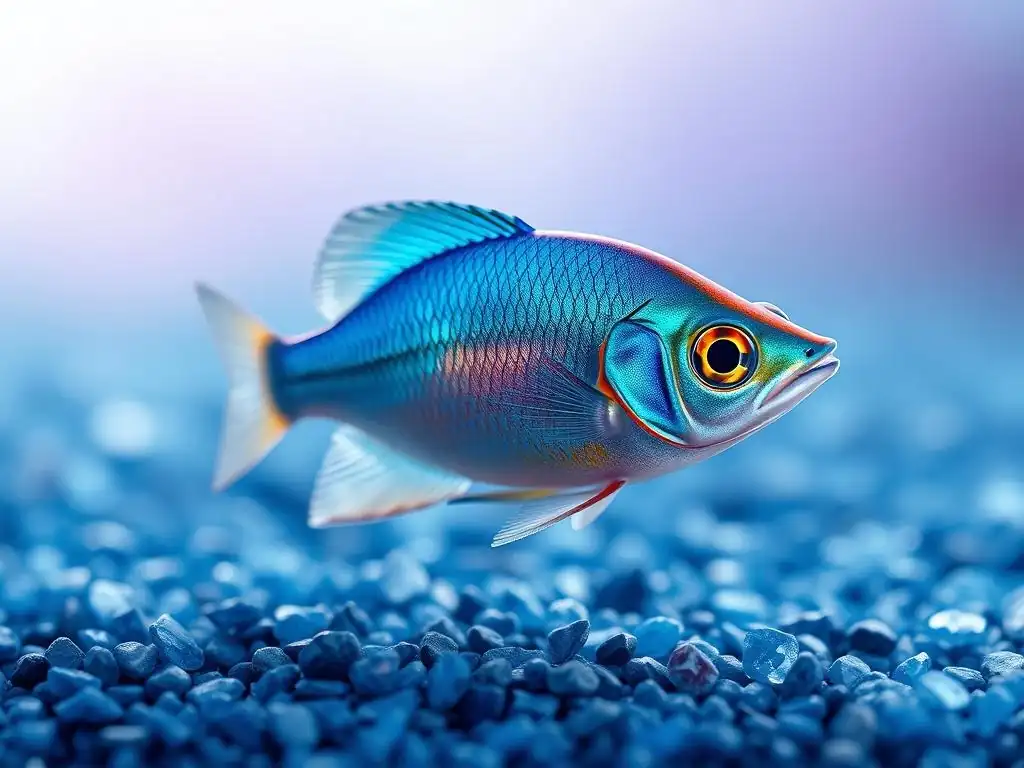
The Cardinal Tetra, Paracheirodon axelrodi, is renowned for its striking coloration, featuring a brilliant, iridescent blue stripe running horizontally along its upper body, from the tip of its nose to the base of its caudal fin. Below this vibrant blue, a vivid red stripe extends the full length of its body, from the gill plate to the tail, creating a stunning contrast. This complete red stripe is a primary distinguishing feature when compared to its close cousin, the Neon Tetra.
In terms of size, Cardinal Tetras are generally larger than Neon Tetras, typically reaching an adult length of approximately 2 inches (5 cm). Their body shape is slender and elongated, contributing to their graceful appearance as they school through the water. Under optimal lighting conditions and against a dark substrate, their colors intensify, making them truly captivating inhabitants for a well-maintained freshwater aquarium.
Cardinal Tetra Care Requirements: Maintaining Optimal Conditions
Cardinal Tetras thrive in conditions that closely mimic their natural Amazonian habitat. They require soft, acidic water with a pH range ideally between 5.0 and 6.5, though they can tolerate up to 7.0. The water temperature should be stable, maintained within a range of 73-81°F (23-27°C). Consistency in these parameters is crucial, as fluctuations can quickly lead to stress and susceptibility to disease. A mature, well-cycled aquarium with excellent filtration is essential to maintain the pristine water quality they demand.
For tank setup, heavily planted aquariums with plenty of hiding spots and subdued lighting are ideal. Driftwood and leaf litter can help create a natural environment and contribute to the slightly acidic water conditions they prefer. Their diet should consist of high-quality flake food or micro pellets, supplemented regularly with live or frozen foods such as daphnia, brine shrimp, and bloodworms. Feeding small amounts multiple times a day is recommended to support their active metabolism and vibrant coloration.
Cardinal Tetra Behavior and Schooling: Creating a Thriving Community
Cardinal Tetras are highly social fish that exhibit strong schooling behavior. To truly thrive and display their natural shoaling patterns, they should be kept in groups of at least 6-10 individuals, with larger schools (15 or more) being even more beneficial for reducing stress and enhancing their visual impact. When kept in insufficient numbers, Cardinal Tetras can become shy, stressed, and more prone to illness.
These peaceful fish are excellent candidates for a community aquarium. They are compatible with other small, non-aggressive species that prefer similar water parameters, such as Dwarf Gouramis, Rasboras, Corydoras catfish, Otocinclus, and other peaceful small tetras. It is important to avoid housing them with large or aggressive fish that might view them as prey or intimidate them, as their delicate nature makes them susceptible to bullying.
Neon Tetra Profile: Exploring Paracheirodon innesi
Unveiling Neon Tetra Appearance and Size
The Neon Tetra, Paracheirodon innesi, shares a striking resemblance to its Cardinal cousin but possesses distinct features. It displays a bright, iridescent blue-green stripe running horizontally from its nose to just before its adipose fin. Below this, a vibrant red stripe begins mid-body, extending towards the tail. The key difference from the Cardinal Tetra is that this red stripe does not span the entire length of the body, giving it a slightly different visual balance.
Neon Tetras are generally smaller than Cardinal Tetras, typically reaching an adult length of about 1.5 inches (3.8 cm). Their body is slightly more robust compared to the Cardinal's slender form. Despite their smaller stature, their intense coloration makes them highly visible and a popular choice for adding a splash of color to freshwater aquariums. Their iridescence is particularly captivating under proper aquarium lighting.
Neon Tetra Care Requirements: Providing a Suitable Habitat
Neon Tetras are somewhat more forgiving regarding water parameters than Cardinals, making them a popular choice for many aquarists. They prefer soft, acidic water with a pH range of 6.0-7.5, and a stable temperature between 68-78°F (20-26°C). While they can tolerate a slightly wider range, maintaining consistent and clean water conditions is still paramount for their health and longevity. Regular partial water changes and efficient filtration are critical to prevent the buildup of nitrates and other harmful compounds.
Their ideal tank setup mirrors that of Cardinal Tetras: a well-planted aquarium with open swimming spaces, dark substrate, and driftwood or rocks to provide cover. Subdued lighting enhances their colors and reduces stress. Neon Tetras are omnivores and readily accept a varied diet of high-quality small flakes, micro pellets, and occasional live or frozen foods like micro worms, daphnia, or brine shrimp. A balanced diet contributes significantly to their vibrant coloration and overall well-being.
Neon Tetra Behavior and Schooling: Observing Natural Interactions
Like Cardinal Tetras, Neon Tetras are strong schoolers and thrive when kept in groups. A minimum of 6 individuals is recommended, but a school of 10-15 or more will allow them to exhibit their most natural and mesmerizing shoaling behavior, swimming in synchronized patterns. Keeping them in larger groups also helps to reduce stress and boosts their confidence, making them more active and less prone to shyness.
Neon Tetras are peaceful community fish and make excellent tank mates for other small, non-aggressive species. Compatible companions include other peaceful tetras, rasboras, pencilfish, Otocinclus catfish, and small, peaceful bottom dwellers like Corydoras. It is crucial to avoid housing them with larger, predatory fish or fin-nipping species, as their small size and delicate fins can make them vulnerable.
Cardinal vs. Neon Tetra: A Detailed Comparison
Appearance: Distinguishing Features and Visual Appeal
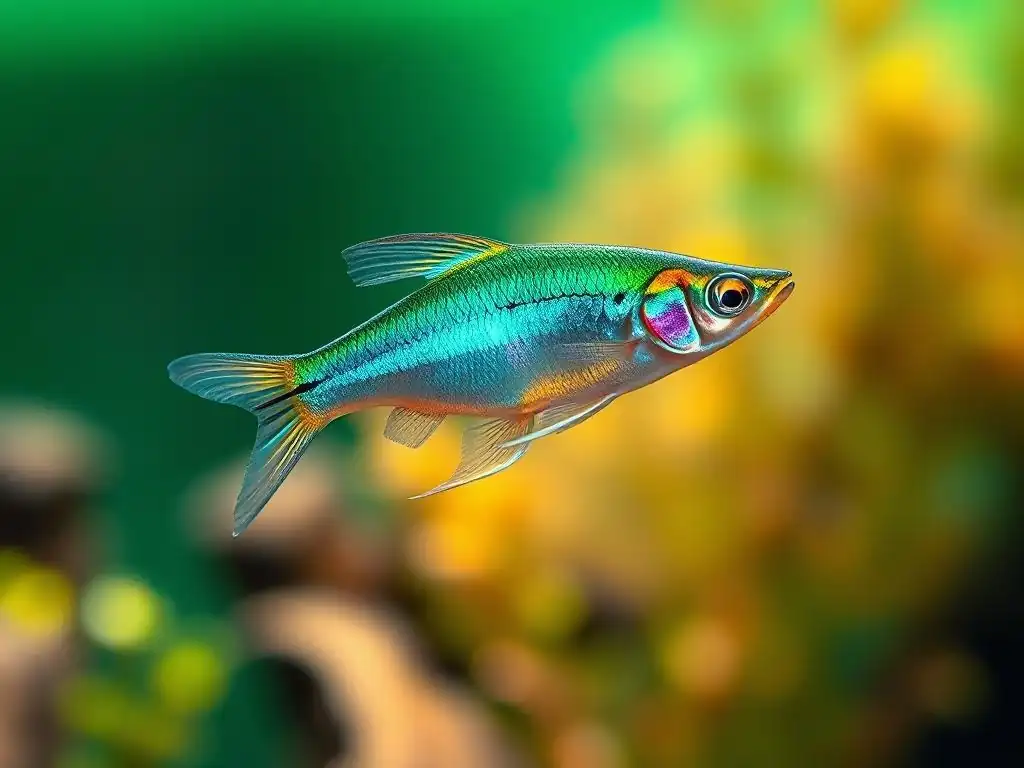
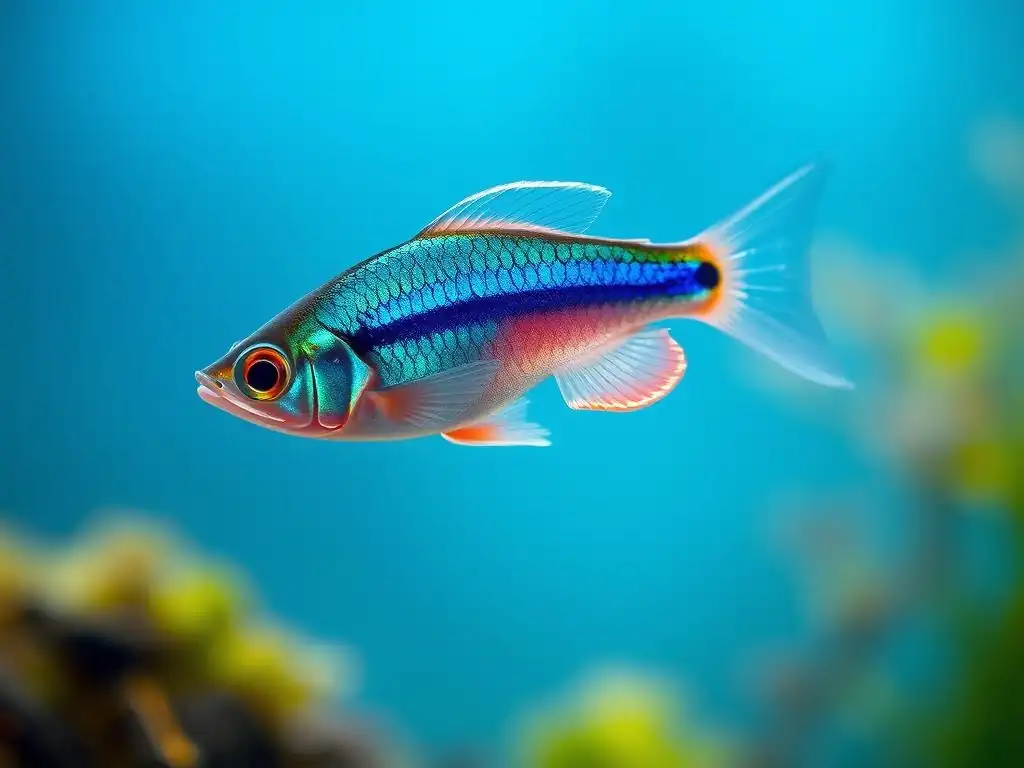
The most immediate and apparent difference between Cardinal and Neon Tetras lies in the extent of their red stripe. The Cardinal Tetra's vibrant red stripe extends fully from its gill plate to its caudal fin, providing a continuous band of color along its lower body. In contrast, the Neon Tetra's red stripe begins only around the mid-body, extending to the tail, leaving the front half of its lower body white or translucent. This difference gives the Cardinal Tetra a more "complete" or "saturated" red appearance.
Furthermore, many aquarists observe that Cardinal Tetras often exhibit a more intense and brilliant blue stripe, alongside a deeper, more profound red hue, especially when housed in optimal conditions. While Neon Tetras are undeniably beautiful with their bright blue and red, the Cardinal's coloration can appear more vivid and expansive, particularly in a large school. Their slightly larger size also contributes to their visual impact within the aquarium.
Care Requirements: Identifying Key Differences in Maintenance
When it comes to care, Cardinal Tetras are generally considered more sensitive and demanding than Neon Tetras. Cardinal Tetras require softer and more acidic water (pH 5.0-6.5) and a narrower, warmer temperature range (73-81°F). They are also less tolerant of fluctuations in water parameters and require exceptionally stable and pristine water conditions to thrive. This makes them a better choice for experienced aquarists or those with highly stable, mature setups.
Neon Tetras, while still preferring soft, acidic water, have a slightly wider tolerance for pH (6.0-7.5) and temperature (68-78°F). This adaptability makes them a bit more forgiving for beginner aquarists or those whose water parameters might not be as precisely controlled. Both species, however, are susceptible to "Neon Tetra Disease" if water quality is poor or stress levels are high, emphasizing the importance of consistent maintenance regardless of the species chosen.
Tank Size and Compatibility: Finding the Best Tetra for Small Tank Setups
The ideal tank size for these schooling fish is a critical consideration. Due to their adult size of approximately 2 inches and their need for robust schooling, Cardinal Tetras generally require a minimum tank size of 20 gallons (approximately 75 liters) to comfortably house a healthy school of 6-8 individuals. A larger tank provides ample swimming space and helps dilute waste, contributing to stable water parameters.
For those looking for the best tetra for small tank setups, the Neon Tetra often emerges as the preferred choice. Being smaller, typically around 1.5 inches, a school of 6-8 Neon Tetras can be comfortably housed in a 10-gallon tank (approximately 38 liters).
While a 20-gallon tank or larger is always beneficial for any schooling fish to allow for more natural behavior and a larger school, the Neon Tetra's smaller size makes it a viable option for more compact aquariums, making it arguably the best tetra for small tank environments. Both species are peaceful and highly compatible with other small, non-aggressive community fish.
Lifespan and Health: Understanding Potential Challenges
In terms of longevity, Cardinal Tetras generally have a longer lifespan than Neon Tetras when kept under optimal conditions. Cardinal Tetras can live for 3-5 years, and sometimes even longer, up to 6 years, in a well-maintained and stable environment. Neon Tetras typically live for 2-3 years, although some individuals can reach 5 years with exceptional care.
Both species are vulnerable to "Neon Tetra Disease" (NTD), a fatal parasitic infection caused by Pleistophora hyphessobryconis. This disease is highly contagious and often introduced through new, infected fish. Symptoms include loss of color, erratic swimming, cysts, and spinal deformities. Prevention is key, involving strict quarantine of new fish (2-4 weeks), maintaining pristine water quality, and providing a stress-free environment. While Cardinals are sometimes perceived as slightly more resilient once established, both require diligent care to avoid health issues.
Which is the Best Tetra for Your Tank? Considerations and Recommendations
Evaluating Your Aquarium Setup and Experience Level
The choice between Cardinal and Neon Tetras heavily depends on your existing aquarium setup and your level of experience as an aquarist. If you are a beginner or have a tank where water parameters might fluctuate slightly, the Neon Tetra's broader tolerance for pH and temperature variations makes it a more forgiving and suitable option. Their resilience can offer a smoother entry into keeping schooling fish.
Conversely, if you possess a well-established, mature aquarium with highly stable water parameters, particularly soft and acidic water, and you are diligent about maintenance, the Cardinal Tetra becomes an excellent choice. Their specific needs mean they thrive best in environments that closely replicate their natural habitat, making them ideal for more experienced aquarists who can consistently meet these demands. For those specifically seeking the best tetra for small tank setups, the Neon Tetra's compact size gives it an edge.
Choosing Based on Aesthetics and Personal Preference
Beyond practical considerations, aesthetic appeal plays a significant role in selecting your aquarium inhabitants. If you are drawn to a more vivid and expansive red stripe combined with an intense blue, the Cardinal Tetra's coloration, which extends the full length of its body, might be more appealing. Their slightly larger size also contributes to a more prominent visual presence in a school.
However, the Neon Tetra's classic and universally recognized pattern, with its distinct blue and mid-body red stripe, holds immense charm for many aquarists. Some prefer their more compact size and robust body shape. Observing videos of both species in large schools or visiting local fish stores to see them in person can provide a better sense of their dynamic beauty and help you decide which brilliant blue stripe truly suits your personal preference and complements your tank's overall aesthetic.
Finding Reputable Sources for Cardinal and Neon Tetras
Regardless of whether you choose Cardinal or Neon Tetras, sourcing healthy fish from reputable suppliers is paramount for their long-term well-being and the health of your entire aquarium. Always purchase fish from local fish stores or online vendors that maintain high standards of cleanliness, proper water parameters in their tanks, and exhibit healthy-looking fish.
Inquire about the origin of their fish and their quarantine procedures. Healthy tetras will be active, display vibrant colors, and show no signs of disease such as clamped fins, white spots (ich), or ragged fins. Avoiding fish from overcrowded or dirty tanks significantly reduces the risk of introducing diseases like Neon Tetra Disease into your home aquarium, protecting your investment and existing aquatic inhabitants.
Conclusion: Making an Informed Decision for Your Aquatic Ecosystem
Both Cardinal and Neon Tetras are magnificent additions to a freshwater aquarium, each offering unique beauty and a captivating schooling dynamic. While the Cardinal Tetra boasts a full-length red stripe and often more intense coloration, demanding more precise water parameters, the Neon Tetra offers similar beauty with slightly greater adaptability, making it a strong contender for the best tetra for small tank setups.
Ultimately, the decision of which brilliant blue-striped tetra best suits your tank comes down to a careful evaluation of your aquarium's size, water chemistry, your level of experience, and your personal aesthetic preferences. By understanding their specific needs and behaviors, you can make an informed choice that ensures a thriving, vibrant, and harmonious aquatic ecosystem for these beloved freshwater fish.
Frequently Asked Questions
What's the primary difference between Cardinal and Neon Tetras?
The main difference lies in the extent of the red stripe. Cardinal Tetras have a full-length red stripe extending from head to tail, while Neons only have a partial red stripe. This difference impacts their appearance and slightly their sensitivity.
Which tetra is generally considered more hardy for beginner aquarists?
Neon Tetras are often considered slightly more hardy and adaptable than Cardinal Tetras. However, both require stable water parameters and a well-established tank for optimal health.
Can Cardinal and Neon Tetras be kept together in the same tank?
Yes, Cardinal and Neon Tetras can generally be kept together as they have similar environmental needs and are peaceful schooling fish. Ensure the tank is large enough to accommodate a school of each species.
What size tank is recommended for keeping a school of either Cardinal or Neon Tetras?
For a school of 6-8 Neon or Cardinal Tetras, a tank of at least 10 gallons is recommended. A larger tank will provide better water stability and more swimming space.
What are some common health issues to watch out for when keeping either Cardinal or Neon Tetras?
Both are susceptible to Neon Tetra Disease, a debilitating condition. Maintaining excellent water quality and quarantine of new fish is crucial for preventing disease outbreaks in the aquarium.
Final Reflection: A Symphony of Stripes in Miniature
The vibrant world of aquariums, particularly the quest for the best tetra for a small tank, speaks volumes about our desire to bring the beauty of nature into our homes. This exploration, comparing the cardinal and neon tetra, isn't just about fish; it's about creating miniature ecosystems that reflect our aesthetic sensibilities and our commitment to responsible pet ownership. The enduring popularity of these shimmering species underscores their ability to captivate and inspire, even within the confines of a limited space.
The allure of these tiny, striped wonders extends beyond mere decoration. Caring for these delicate creatures fosters a deeper appreciation for biodiversity and the interconnectedness of life. Their presence in our homes serves as a constant reminder of the fragility and beauty of the natural world. In nature, nothing exists alone.
- Rachel Carson. This quote perfectly encapsulates the responsibility we undertake when introducing these fish into our tanks, urging us to create environments that mimic their natural habitats as closely as possible.
Now, as you consider which brilliant blue stripe will best grace your small tank, remember that you're not just choosing a pet; you're curating a tiny piece of the Amazon. Let the knowledge gained here guide you in creating a thriving, harmonious environment for your chosen tetras. Embrace the challenge, and allow the vibrant dance of these miniature marvels to bring joy and tranquility to your life.
Ignite Your Aquarium Dream: Choose Your Aquatic Star!
Thanks for diving deep into the world of Cardinal and Neon Tetras! We hope you’ve gained valuable insights into which vibrant stripe would best illuminate your aquarium. Now, let’s make that dream a reality!
- Visit your local fish store this weekend and observe both Cardinal and Neon Tetras in person. Pay close attention to their activity levels and color intensity.
- Share this article with a friend who's also passionate about aquarium keeping, and discuss which fish you think would be a better fit for their setup.
- Brainstorm a list of plants and decorations that would perfectly complement the chosen tetra’s natural habitat and contribute to a thriving ecosystem.
Which tetra are you most excited to welcome into your tank, and what unique touch will you add to make their home truly special?