
The Energetic Heartbeat of Your Tank: Celebrating Active Cyprinid Barb Schools

Welcome to Aquarium Mastery!
Ever wondered how to create a truly mesmerizing display of vibrant, active fish? Dive in and discover the secrets to maintaining a thriving school of energetic cyprinid barbs. Get ready to unlock the full potential of these captivating fish and transform your freshwater aquarium into a dynamic underwater world. Intrigued? Let's explore!
- The Energetic Heartbeat of Your Tank: Celebrating Active Barb Schools
- Understanding the Allure of Active Barb Schools in Aquariums
- Selecting the Right Active Barbs for Your Aquarium Setup
- Creating an Ideal Environment to Encourage Active Barb Schooling
- Active Barb Schooling Tips: Feeding and Nutrition
- Minimizing Stress and Promoting Healthy Schooling Behavior in Barbs
- Observing and Enjoying Your Thriving Barb School
-
Frequently Asked Questions
- How many Cyprinid Barbs should I keep to encourage active schooling behavior?
- What tank size is appropriate for an active school of Cyprinid Barbs?
- What type of water parameters are best to keep Cyprinid Barbs active and healthy?
- How can I encourage more natural schooling behavior in my Cyprinid Barbs?
- What are some common signs that my Cyprinid Barbs are stressed, and how does this affect their schooling?
- Final Reflection: The Rhythmic Dance of Life
- Dive Deeper: Ignite Your Barb School's Vitality!
The Energetic Heartbeat of Your Tank: Celebrating Active Barb Schools
Understanding the Allure of Active Barb Schools in Aquariums
Why Choose Barbs for a Lively Freshwater Aquarium?
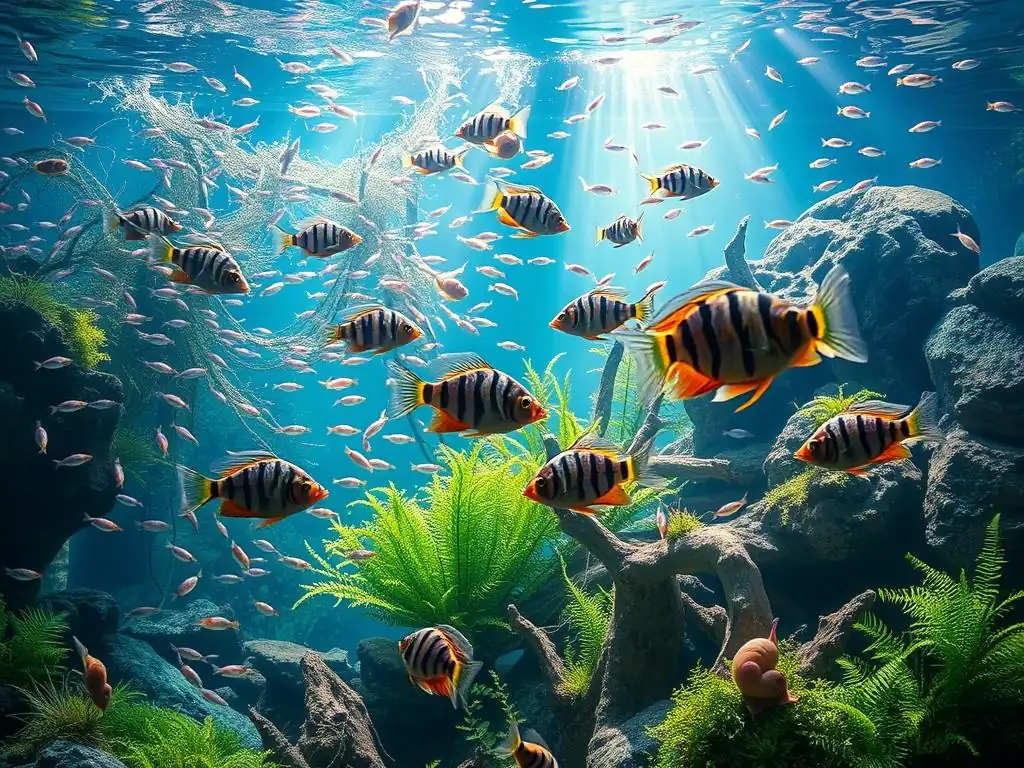
Barbs, a diverse group of cyprinid fish, are celebrated by aquarists for their vibrant colors, dynamic movements, and engaging schooling behaviors. Their constant activity brings a unique energy to any freshwater aquarium, transforming it into a captivating display of aquatic life. Species like the iconic Tiger Barb ( Puntigrus tetrazona ) with its striking stripes, or the more subdued yet equally charming Cherry Barb ( Puntius titteya ) with its deep red hues, add immediate visual interest and a sense of bustling vitality to the tank. Choosing barbs means opting for an aquarium that feels alive and constantly evolving.
Beyond their aesthetic appeal, many barb species are remarkably hardy and adaptable, making them suitable for aquarists of varying experience levels. While some species, like the Denison Barb ( Sahyadria denisonii ), require more specialized care due to their size and activity, common varieties like the Rosy Barb ( Pethia conchonius ) are forgiving and resilient. Their robust nature, combined with their inherent schooling instinct, ensures that with proper care, they will exhibit the active cyprinid barb schooling behavior that makes them such a popular choice for community tanks.
Schooling is a fundamental behavior for many fish species, serving as a primary defense mechanism against predators in the wild. By moving in a coordinated group, individual barbs reduce their chances of being singled out, creating a confusing, larger target for potential threats. This instinct translates directly to their behavior in the home aquarium, where a sufficiently large school provides a sense of security and significantly reduces stress levels for individual fish.
In an aquarium setting, the social dynamics of barb schooling are fascinating to observe. When kept in appropriate numbers, barbs will exhibit natural behaviors such as synchronized swimming, collective foraging, and even establishing a pecking order within the group. This social structure, particularly evident in species like the Tiger Barb, helps to diffuse aggression among individuals, as their attention is directed inward within the school rather than outward toward tank mates. Understanding and facilitating these dynamics through effective active cyprinid barb schooling tips is crucial for maintaining a healthy and visually appealing display.
Selecting the Right Active Barbs for Your Aquarium Setup
Popular Active Barb Species for Community Tanks: A Profile
Tiger Barbs: Care, Temperament, and Schooling Needs
Tiger Barbs ( Puntigrus tetrazona) are arguably the most recognizable and energetic of the barb species, known for their distinctive black and orange stripes. While their constant activity is captivating, they possess a notorious tendency for fin-nipping, making careful tank mate selection essential. To mitigate this aggression, it is crucial to keep them in large schools of at least 6-10 individuals, ideally 10 or more. A larger school dilutes aggression among themselves, and they are less likely to bother other fish. A minimum tank size of 20-30 gallons is recommended for a small school, providing ample swimming space.
Ideal water parameters for Tiger Barbs include a pH range of 6.0-7.0 and a temperature between 74-79°F (23-26°C). They thrive in well-oxygenated tanks with moderate current and appreciate a mix of open swimming areas and planted sections for security. When considering active cyprinid barb schooling tips for Tiger Barbs, remember that their environment should encourage their natural, boisterous behavior while minimizing stress.
Cherry Barbs: Creating a Thriving School in Your Home Aquarium
Cherry Barbs ( Puntius titteya) are a more peaceful and subtly beautiful alternative to their Tiger Barb cousins, making them excellent choices for community aquariums. Males develop a stunning, deep cherry-red coloration, especially during breeding, while females are a more subdued reddish-brown. They are smaller than Tiger Barbs, typically reaching about 2 inches (5 cm), and are far less prone to aggression, making them suitable for smaller schools of 5-8+ individuals in tanks as small as 10-15 gallons.
To create a thriving school of Cherry Barbs, focus on a densely planted aquarium with subdued lighting, which mimics their natural habitat. They prefer slightly acidic to neutral water with a pH of 6.0-7.0 and temperatures ranging from 72-79°F (22-26°C). Providing plenty of hiding spots among plants like Java Moss or Anubias will encourage their natural schooling behavior and allow them to feel secure, enhancing their vibrant colors and active display.
Denison Barbs (Roseline Sharks): Optimizing Their Schooling Environment
Denison Barbs ( Sahyadria denisonii), often referred to as Roseline Sharks, are a truly magnificent species, renowned for their striking red and black stripes against a shimmering silver body. They are significantly larger than other barbs, capable of reaching up to 6 inches (15 cm) in length, and are incredibly active swimmers. Due to their size and high energy levels, they require very large aquariums; a minimum of 55-75 gallons is necessary for a small school of 5-6 individuals, with larger tanks being preferable for optimal active cyprinid barb schooling.
Optimizing their schooling environment involves providing a strong current and excellent oxygenation, as they naturally inhabit fast-flowing rivers. Water parameters should be pristine, with a pH range of 6.5-7.8 and temperatures between 68-77°F (20-25°C). The tank should have ample open swimming space, particularly in the mid-water column, complemented by some driftwood or smooth rocks for occasional shelter. Their high activity means they will utilize every inch of space, making tank dimensions a critical factor for their well-being and schooling dynamics.
Considerations for Barb School Size and Tank Dimensions
The cornerstone of successful active cyprinid barb schooling is providing an adequate school size within appropriately sized tank dimensions. A general rule of thumb for most schooling barbs is to keep a minimum of 6-8 individuals of the same species. However, for more boisterous species like Tiger Barbs, a school of 10 or more is highly recommended to effectively diffuse aggression and promote natural schooling behaviors. Larger schools not only reduce stress on individual fish but also create a more impressive and cohesive visual display.
The size of the tank must directly correlate with the adult size and activity level of the chosen barb species. For instance, a school of 6-8 Cherry Barbs can thrive in a 15-20 gallon long tank, which offers sufficient horizontal swimming space.
In contrast, a school of 6-8 Tiger Barbs typically requires a minimum of a 30-gallon long aquarium, while Denison Barbs, due to their impressive adult size and rapid swimming, demand tanks of 75 gallons or more. Prioritizing horizontal space over vertical height is crucial for these active swimmers, allowing them to perform their captivating synchronized movements without feeling cramped.
Creating an Ideal Environment to Encourage Active Barb Schooling
Optimizing Water Parameters for Healthy and Active Barbs
Maintaining pristine and stable water parameters is paramount for fostering healthy and active barb schools. While specific ranges vary slightly by species, most barbs thrive in slightly acidic to neutral water (pH 6.0-7.5) and temperatures between 72-79°F (22-26°C). Consistency is key; sudden fluctuations in temperature or pH can cause significant stress, leading to lethargy and increased susceptibility to disease. Regular water testing, ideally weekly or bi-weekly, is essential to monitor levels of ammonia, nitrite, and nitrate. Ammonia and nitrite should always be at zero parts per million (ppm), while nitrates should be kept below 20 ppm.
Poor water quality directly impacts a barb's energy levels and willingness to school. High nitrate levels, even if not immediately lethal, contribute to chronic stress, dull coloration, and a general lack of activity. To combat this, routine partial water changes of 25-30% weekly are highly recommended. This practice replenishes essential minerals, removes accumulated toxins, and ensures the clean, well-oxygenated environment that active barbs need to display their full vigor and characteristic schooling behaviors.
Plant Selection and Aquascaping to Enhance Barb Schooling Behavior
Thoughtful plant selection and aquascaping play a critical role in creating an environment that encourages active barb schooling. Barbs, being naturally active, require ample open swimming space, particularly in the mid-water column, to perform their synchronized movements. However, they also benefit greatly from densely planted areas that offer security and hiding spots. A balanced approach involves creating open zones at the front and center of the tank, while populating the background and sides with lush vegetation.
Consider hardy, fast-growing plants like Java Fern ( Microsorum pteropus), Anubias species, and various Cryptocoryne species, which provide excellent cover without impeding swimming lanes. Floating plants such as Dwarf Water Lettuce or Frogbit can diffuse overhead lighting, creating a more subdued and natural feel that many barb species appreciate, further reducing stress. Strategic placement of plants can also define natural pathways for the school, enhancing the visual appeal of their collective movements.
The Importance of Substrate and Decoration for Barb Comfort
The choice of substrate and decorations contributes significantly to the overall comfort and natural behavior of an active barb school. A fine gravel or sand substrate is generally suitable for most barb species, allowing for easy cleaning and providing a natural base for plants. Darker substrates can often enhance the vibrant coloration of barbs, making their hues appear more intense, and can also help reduce light reflection from the bottom, which can be stressful for some fish.
Decorations such as smooth rocks, driftwood, and ceramic caves offer essential hiding spots and visual breaks within the tank. These elements are particularly important for managing the social dynamics within a barb school, especially for species like Tiger Barbs, which establish a hierarchy. Providing multiple retreat options can help diffuse potential aggression and allow individual fish to de-stress when needed. A well-decorated tank provides not just aesthetic appeal but also a functional environment that supports the psychological well-being and active cyprinid barb schooling tips for your fish.
Active Barb Schooling Tips: Feeding and Nutrition
Choosing the Right Food to Support Energy Levels and Schooling
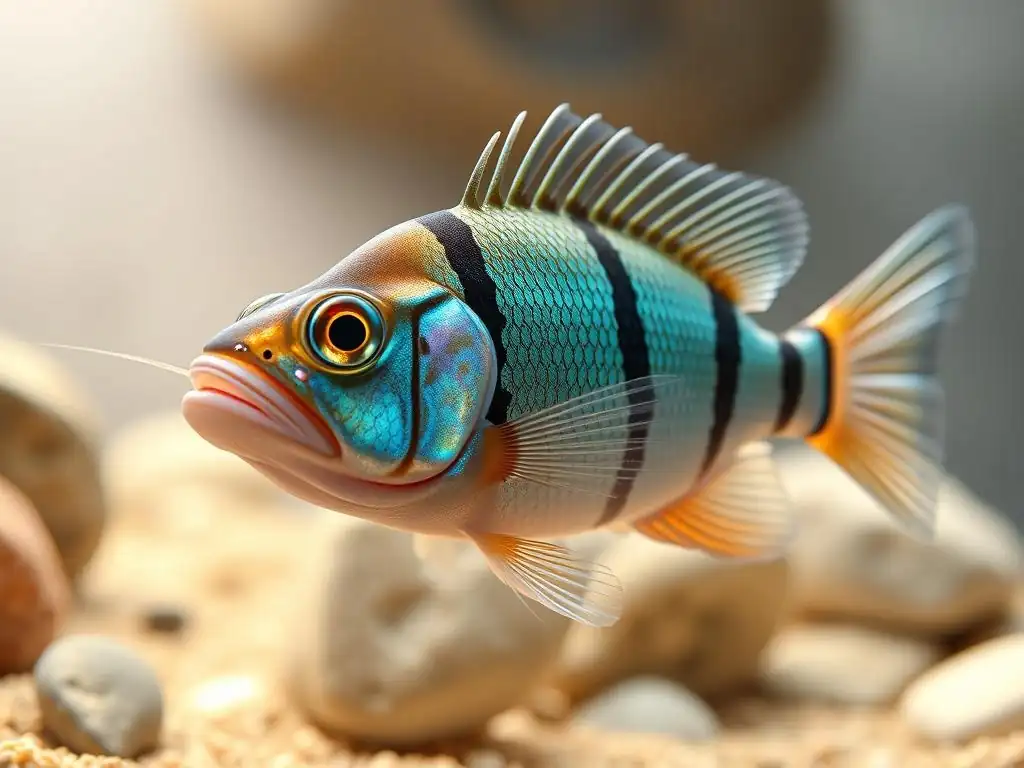
Proper nutrition is fundamental for maintaining the high energy levels and vibrant health characteristic of an active barb school. Barbs are omnivores, meaning their diet should consist of both plant and animal matter. A high-quality flake food or small pellet designed for community fish should form the staple of their diet. Look for foods rich in spirulina and astaxanthin to enhance their natural coloration.
To truly support their robust activity and promote strong schooling behavior, supplement their staple diet with live or frozen foods 2-3 times a week. Excellent choices include bloodworms, brine shrimp, and daphnia, which provide essential proteins, fats, and micronutrients that mimic their natural diet. A varied and nutrient-rich diet directly correlates with their energy levels, overall health, and the intensity of their schooling movements, making it one of the most impactful active cyprinid barb schooling tips.
Feeding Schedules to Promote Activity and Minimize Aggression
Establishing a consistent and appropriate feeding schedule is crucial for encouraging constant activity and minimizing aggressive tendencies within a barb school. Instead of feeding one large meal per day, it is far more beneficial to offer small amounts 2-3 times a day. This approach mimics their natural foraging behavior in the wild, where they would constantly seek out small food sources, keeping them active and engaged throughout the day.
When feeding, scatter the food across the surface of the tank rather than concentrating it in one spot. This strategy is particularly effective for species prone to aggression, like Tiger Barbs, as it reduces competition for food and ensures that all individuals within the school have an opportunity to eat. By spreading out the food, you encourage the entire school to move and forage, further promoting their natural schooling dynamics and reducing potential conflicts over resources.
Avoiding Overfeeding: Maintaining Water Quality in Barb Schools
While feeding is essential, overfeeding is one of the most common pitfalls in aquarium keeping and can severely undermine the health and activity of a barb school. Uneaten food quickly decays, leading to a rapid increase in ammonia and nitrite levels, which are highly toxic to fish. This degradation of water quality can result in cloudy water, foul odors, and dangerous spikes in parameters, directly impacting the fish's respiratory health and immune system.
Furthermore, overfeeding contributes to excessive algae growth and can lead to internal health issues in the fish, such as fatty liver disease. Barbs in poor water conditions become lethargic, lose their vibrant coloration, and cease to exhibit their characteristic active schooling behavior. To maintain pristine water quality, feed only what your barbs can consume within 2-3 minutes. Promptly remove any uneaten food using a gravel vacuum. Adhering to this simple rule is a fundamental active cyprinid barb schooling tip that supports both fish health and tank cleanliness.
Minimizing Stress and Promoting Healthy Schooling Behavior in Barbs
Identifying and Addressing Common Health Issues in Barbs
Maintaining a vigilant eye for common health issues is crucial for the well-being of your barb school. Signs of stress or illness in barbs include clamped fins, lethargy, a noticeable loss of vibrant coloration, erratic swimming patterns, or visible signs like white spots (Ich), fuzzy growths (fungus), or frayed fins. Any deviation from their typical active schooling behavior should prompt immediate investigation. A healthy barb school will be constantly on the move, displaying bright colors and interacting with each other.
Addressing health issues promptly can prevent widespread problems within the school. Prevention is always better than cure, emphasizing pristine water quality, a balanced diet, and a stable environment. If a fish shows signs of illness, it is often advisable to quarantine it in a separate tank to prevent the spread of disease to the rest of the school. Appropriate treatments, whether for bacterial, fungal, or parasitic infections, should be administered according to product instructions. A sick fish will not participate in active schooling, making early detection and intervention key.
Tank Mate Compatibility: Choosing Peaceful Companions for Your Barb School
Choosing compatible tank mates is a critical active cyprinid barb schooling tip, especially when dealing with semi-aggressive species like Tiger Barbs. Incompatible tank mates can lead to constant stress, fin nipping, and even fatalities, disrupting the natural schooling dynamics. For Tiger Barbs, suitable companions are typically fast-moving, similarly sized fish that can hold their own, such as larger Danios, certain Rainbowfish species, robust Loaches (e.g., Kuhli Loaches), and bottom dwellers like Plecos.
Conversely, slow-moving fish with long, flowing fins, such as Bettas, Angelfish, or Guppies, are highly susceptible to fin-nipping from Tiger Barbs and should be avoided. For more peaceful barbs like Cherry Barbs or Rosy Barbs, a wider range of community fish can be considered, including smaller tetras, rasboras, and corydoras catfish. The goal is to create a harmonious environment where all inhabitants feel secure, allowing the barbs to exhibit their natural, active schooling behavior without undue stress or aggression.
Preventing Aggression and Fin-Nipping in Active Barb Communities
Aggression and fin-nipping, particularly prevalent in Tiger Barbs, can be significantly mitigated through strategic tank management and adherence to specific active cyprinid barb schooling tips. The most effective strategy is to maintain a sufficiently large school, ideally 10 or more individuals. When kept in larger groups, the barbs tend to focus their nipping behavior on each other within the school, rather than directing it towards other tank inhabitants. This "safety in numbers" principle diffuses aggression across the group.
Beyond school size, providing ample swimming space and visual breaks through aquascaping is crucial. A crowded tank exacerbates aggression due to limited territory and increased stress. Incorporating dense plant coverage, driftwood, or rock formations creates visual barriers and hiding spots, allowing less dominant fish to retreat and reducing direct confrontations. Furthermore, ensuring consistent water parameters, avoiding overfeeding, and selecting appropriate tank mates (as discussed previously) contribute significantly to a peaceful and actively schooling barb community.
Observing and Enjoying Your Thriving Barb School
Recognizing Signs of a Healthy and Active Barb School
A healthy and active barb school is a true spectacle in the aquarium, and recognizing the signs of their well-being is rewarding. The most prominent indicator is their vibrant coloration; healthy barbs will display intense, clear colors characteristic of their species, such as the deep red of a male Cherry Barb or the sharp black and orange stripes of a Tiger Barb. Their fins should be fully extended, without any signs of clamping, fraying, or white spots.
Beyond physical appearance, a thriving barb school will exhibit constant, synchronized movement. They will actively forage, darting through the mid-water column, and react alertly to their surroundings. Their appetite will be robust, and they will eagerly rush to the surface during feeding times. These collective behaviors signify a low-stress environment where the barbs feel secure, allowing them to fully express their natural schooling instincts and provide continuous entertainment for the aquarist.
Troubleshooting Common Schooling Problems and Behaviors
Even with the best intentions, aquarists may occasionally observe issues with their barb school's behavior, such as a lack of schooling, lethargy, excessive hiding, or increased aggression. These deviations from typical active cyprinid barb schooling are often indicators of underlying problems that require attention. For instance, if barbs are hiding or appearing lethargic, it could point to poor water quality (e.g., high ammonia/nitrite, extreme pH), an inadequate school size leading to insecurity, or the presence of overly aggressive tank mates.
Troubleshooting involves systematically reviewing the care regimen. If schooling is absent or inconsistent, consider increasing the school size to at least 8-10 individuals to enhance their sense of security. If aggression is prevalent, especially fin-nipping directed at other species, evaluate tank mate compatibility and ensure ample space and hiding spots are available. Regularly checking water parameters, performing necessary water changes, and ensuring a balanced diet are fundamental steps to resolve most behavioral issues and restore your barb school to its full, energetic glory.
Frequently Asked Questions
How many Cyprinid Barbs should I keep to encourage active schooling behavior?
To see natural schooling behavior, keep at least six Cyprinid Barbs. A larger group, ideally eight or more, will further enhance their comfort and activity levels, resulting in a more vibrant display.
What tank size is appropriate for an active school of Cyprinid Barbs?
A minimum of 30 gallons is recommended for a small school of Cyprinid Barbs. Larger schools, especially with active species, require a larger tank like 55 gallons or more to provide ample swimming space.
What type of water parameters are best to keep Cyprinid Barbs active and healthy?
Cyprinid Barbs thrive in slightly acidic to neutral water, with a pH of 6.0 to 7.0. Maintaining stable water parameters is crucial, with temperatures between 72°F and 78°F, along with regular water changes.
How can I encourage more natural schooling behavior in my Cyprinid Barbs?
Provide plenty of open swimming space and a well-decorated environment with plants and hiding spots along the edges. Ensure the tank isn't overcrowded and that water parameters are consistently optimal.
What are some common signs that my Cyprinid Barbs are stressed, and how does this affect their schooling?
Signs of stress include erratic swimming, loss of color, and hiding. Stressed barbs will break from the school and become more susceptible to disease, so address any underlying issues like poor water quality or bullying.
Okay, here's a final reflection you can use to close your article, formatted in Markdown:
Final Reflection: The Rhythmic Dance of Life
The vibrant energy of a well-maintained aquarium, particularly one teeming with active cyprinid barb schools, is more than just a visual spectacle; it's a microcosm of the natural world, reflecting the delicate balance and dynamic interactions that sustain life. Understanding and fostering this energetic heartbeat is crucial, not only for the health of our aquatic companions but also for our own appreciation of the interconnectedness of all living things.
This journey into the world of active barb schooling has highlighted the importance of attentive observation and responsible stewardship. Witnessing the synchronized movements, the playful chases, and the communal feeding habits of these fish has been a constant reminder of the beauty and complexity inherent in even the smallest ecosystems. In every walk with nature, one receives far more than he seeks.
- John Muir. This quote perfectly encapsulates the reward of dedicating ourselves to creating thriving aquatic environments.
Now, armed with these active cyprinid barb schooling tips, I encourage you to reflect on your own aquascaping practices. Consider how you can further enhance the well-being of your finned friends, fostering an environment where their natural behaviors can flourish. Let's all strive to create not just aquariums, but vibrant, miniature ecosystems that celebrate the rhythmic dance of life.
Dive Deeper: Ignite Your Barb School's Vitality!
Thank you for exploring the dynamic world of cyprinid barbs with us! Now that you understand how to cultivate their active nature, it's time to translate knowledge into action and truly make your aquarium thrive.
Here are a few ideas to keep the energy flowing:
- Commit to enriching their environment weekly. Introduce new plants, rearrange decorations (safely! ), or vary the water flow to keep their surroundings stimulating and engaging.
- Share your experiences and insights! Post a photo or video of your vibrant barb school on social media using #AquariumMasteryBarbs. Let's learn from each other!
- Consider a surprising upgrade: Introduce a small, carefully selected group of compatible, peaceful top-dwelling fish to add another layer of visual interest and trigger even more engaging behaviors in your barbs.
What's one small change you can make today to immediately boost the activity and happiness of your barb school?