
Pearl Grass (Hemianthus Micranthemoides) as a Carpet: Tips & Tricks

Welcome to Aquarium Mastery!
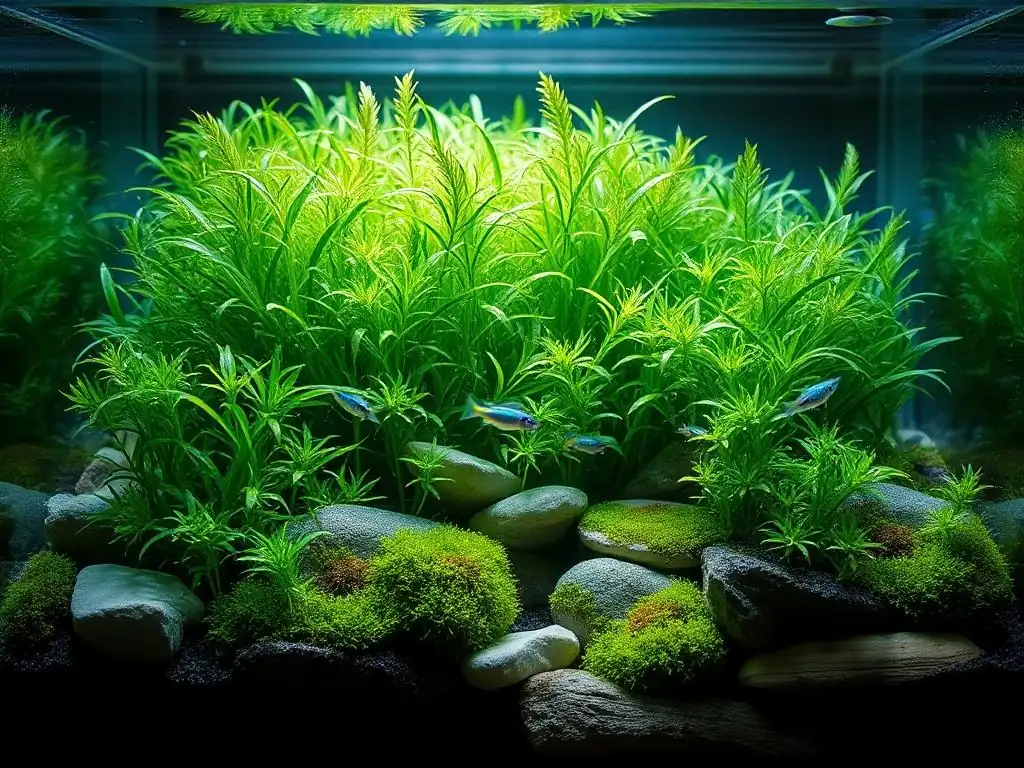
Ever dreamed of a lush, vibrant carpet of Pearl Grass rippling gently in your aquarium? We'll show you how! This article dives deep into achieving that stunning look, covering everything you need to know about Pearl Grass aquarium carpet care. Ready to transform your tank into an underwater paradise? Let's get started and unlock the secrets to a thriving, beautiful Hemianthus Micranthemoides carpet!
- Pearl Grass (Hemianthus Micranthemoides) as a Carpet: Tips & Tricks for a Lush Aquarium
- Introduction to Pearl Grass for Aquarium Carpeting
- Planting Pearl Grass for a Dense Carpet
- Pearl Grass Aquarium Carpet Care: Essential Tips
- Troubleshooting Common Pearl Grass Problems
- Pearl Grass vs. Other Carpeting Plants: A Comparison
- Maintaining a Healthy and Vibrant Pearl Grass Carpet
- Advanced Techniques for Pearl Grass Carpets
- Conclusion: Achieving a Stunning Pearl Grass Aquarium Carpet
-
Frequently Asked Questions
- How do I initially plant Pearl Grass to create a carpet in my aquarium?
- What are the ideal water parameters for Pearl Grass to thrive as an aquarium carpet?
- How much light does Pearl Grass need to create a dense carpet?
- What kind of substrate is best for Pearl Grass carpet growth?
- How often should I trim my Pearl Grass carpet, and how should it be done?
- Final Reflection: Cultivating Underwater Beauty
- Cultivate Your Dream Aquarium: Seize the Moment!
Pearl Grass (Hemianthus Micranthemoides) as a Carpet: Tips & Tricks for a Lush Aquarium
Introduction to Pearl Grass for Aquarium Carpeting
What is Pearl Grass (Hemianthus Micranthemoides)?
Pearl Grass, scientifically known as Hemianthus micranthemoides, is a popular aquatic plant among aquascapers, prized for its small, round to oval leaves and vibrant light green color. Originating from North America, particularly the southeastern United States, this stem plant is often used in freshwater aquariums to create dense, lush foreground carpets, midground bushes, or even background accents when allowed to grow tall. Its delicate appearance and relatively fast growth under optimal conditions make it a versatile choice for a wide range of aquascape designs.
When cultivated as a carpet, Hemianthus micranthemoides forms a thick, low-lying mat, resembling a verdant lawn. Unlike some other carpeting plants that spread primarily through runners, Pearl Grass grows by sending out lateral stems that root into the substrate, gradually filling in the available space. This growth habit, combined with its compact leaf structure, contributes to a very appealing and natural aesthetic, making it a staple for those aiming to achieve a "Pearl grass aquarium carpet" effect.
Why Choose Pearl Grass for Your Aquarium Carpet?
Choosing Pearl Grass for your aquarium carpet offers several distinct advantages, making it a favored option for both novice and experienced aquascapers. Its ability to create a visually striking, uniform green carpet is unparalleled, providing a calming and natural base for your aquascape. Furthermore, compared to some other carpeting plants like Glossostigma elatinoides or Utricularia graminifolia, Pearl Grass is generally more forgiving regarding its care requirements, especially concerning high light and CO2 injection, though it certainly thrives with them.
Beyond aesthetics, a dense "Pearl grass aquarium carpet" provides excellent biological filtration by absorbing excess nutrients from the water column, thereby helping to inhibit algae growth and maintain water quality. Its rapid growth rate also means that a carpet can be established relatively quickly, often within 4-8 weeks under ideal conditions, which is a significant appeal for those eager to see their aquascape come to life. This combination of beauty, environmental benefits, and manageable care makes Hemianthus micranthemoides an excellent choice for a vibrant and healthy planted tank.
Planting Pearl Grass for a Dense Carpet
Preparing Pearl Grass Cuttings for Planting
Proper preparation of Pearl Grass cuttings is a crucial first step toward establishing a successful "Pearl grass aquarium carpet." Upon receiving your plants, whether from a local fish store or an online supplier, they often come in bunches or pots. Carefully separate these into smaller, individual stems or small clumps, typically consisting of 3-5 stems each. It's beneficial to trim the bottom few leaves from each stem to expose the nodes, as these are where new roots will emerge.
Additionally, if the stems are excessively long, trim them to a length of about 2-3 inches (5-7 cm). This encourages the plant to focus its energy on rooting and sending out lateral growth rather than vertical growth, which is essential for a dense carpet. Ensure all dead or decaying leaves are removed to prevent their decomposition from fouling the water. Clean and healthy cuttings are more likely to root quickly and contribute to a robust "Pearl grass aquarium carpet."
Best Substrates for Pearl Grass Carpeting
The choice of substrate plays a pivotal role in the success and longevity of your "Pearl grass aquarium carpet." Pearl Grass, like most carpeting plants, benefits significantly from nutrient-rich substrates that provide essential macro and micronutrients directly to its root system. Aqua soil substrates, specifically designed for planted aquariums, are highly recommended. Brands like ADA Aqua Soil Amazonia, Fluval Stratum, or CaribSea Eco-Complete are excellent choices as they offer a balanced nutrient profile and a porous structure that promotes healthy root development and beneficial bacterial colonization.
While aqua soils are ideal, a "Pearl grass aquarium carpet" can also be grown successfully in inert substrates like fine sand or gravel, provided that a comprehensive fertilization regimen is implemented. In such cases, the use of root tabs, strategically placed beneath the planted clumps, becomes essential to supply the necessary nutrients, particularly iron and potassium, directly to the roots. Regardless of the substrate type, ensuring a substrate depth of at least 2-3 inches (5-7 cm) allows for adequate root anchorage and nutrient availability for a thriving Pearl Grass carpet.
Planting Techniques: Dry Start vs. Submerged Planting
Establishing a "Pearl grass aquarium carpet" can be achieved through two primary methods: the dry start method or submerged planting. Each technique has its own advantages and considerations, influencing the speed of carpeting and initial plant health. The dry start method involves growing the plants emersed (out of water) in a high-humidity environment, while submerged planting involves placing the plants directly into a filled aquarium.
Dry Start Method for Pearl Grass: A Step-by-Step Guide
The dry start method (DSM) is highly effective for establishing a dense "Pearl grass aquarium carpet" with minimal initial algae issues. This technique involves setting up the substrate and hardscape as usual, planting the Pearl Grass in a damp (but not waterlogged) substrate, and then covering the tank to maintain extremely high humidity, essentially creating a mini-greenhouse. The tank remains without water for several weeks, allowing the plants to establish a strong root system and spread extensively before flooding.
To execute the DSM for Pearl Grass, first, prepare your substrate and hardscape. Plant small clumps of Pearl Grass, approximately 1 inch (2.5 cm) apart, using tweezers to ensure they are firmly anchored in the damp substrate. Mist the plants and substrate daily with dechlorinated water to keep them moist but not saturated. Cover the tank with plastic wrap or a lid to trap humidity, ensuring some air exchange to prevent mold.
Provide 8-10 hours of moderate lighting per day. After 4-8 weeks, once a significant carpet has formed and roots are well-established, slowly flood the tank. This method typically results in a much more robust and algae-resistant "Pearl grass aquarium carpet" from the outset.
Submerged Planting Method for Pearl Grass: Detailed Instructions
Submerged planting is the more traditional approach, where Pearl Grass is planted directly into a filled aquarium. While it requires more immediate attention to water parameters and CO2, it allows for instant enjoyment of the aquascape. The key to success with this method for a "Pearl grass aquarium carpet" lies in meticulous planting and providing optimal conditions from day one to prevent uprooting and encourage rapid growth.
Begin by filling your aquarium with water and ensuring your filtration system is running. Using long, fine-tipped tweezers, plant very small clumps of Pearl Grass (1-3 stems per clump) into the substrate, spacing them approximately 0.5-1 inch (1.2-2.5 cm) apart. Push the stems deep enough into the substrate to prevent them from floating, typically burying at least 1 inch (2.5 cm) of the stem.
Immediately after planting, introduce CO2 injection and provide moderate to high lighting for 8-10 hours daily. Consistent water parameters, adequate nutrient dosing, and gentle water flow are crucial during the initial weeks to minimize stress and encourage the Pearl Grass to root and spread, forming a thriving "Pearl grass aquarium carpet."
Pearl Grass Aquarium Carpet Care: Essential Tips
Lighting Requirements for Healthy Pearl Grass Growth
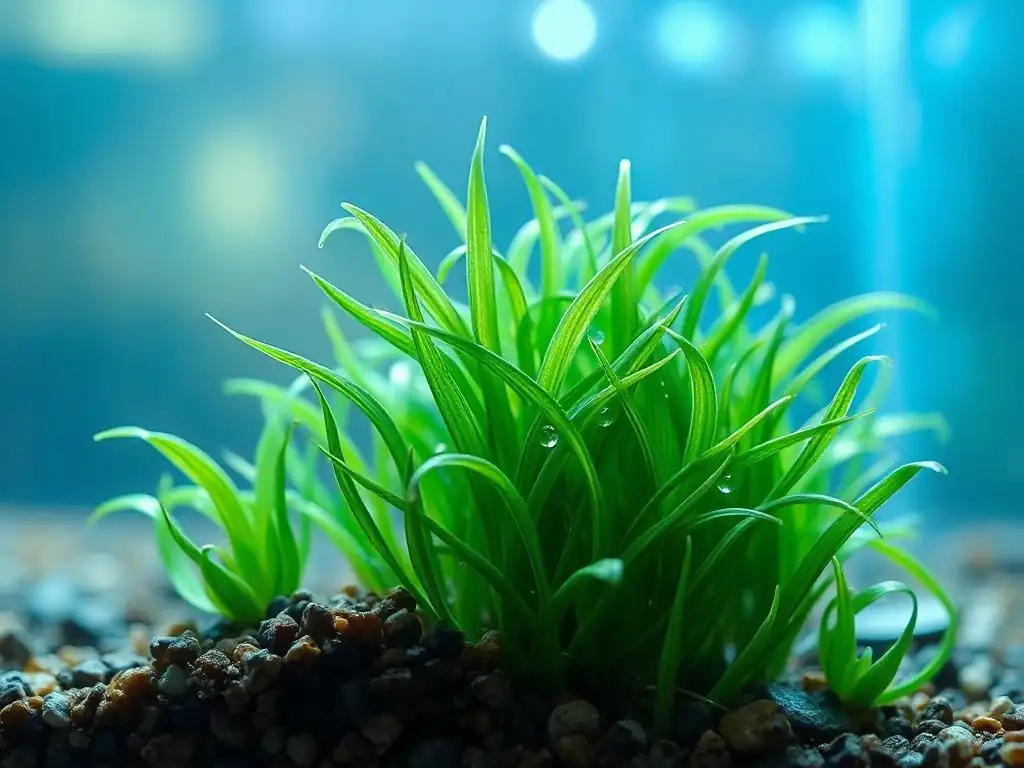
Achieving a dense and vibrant "Pearl grass aquarium carpet" hinges significantly on providing appropriate lighting. Pearl Grass thrives under moderate to high light conditions, typically requiring 8-10 hours of consistent illumination per day. Insufficient light will cause the plant to stretch vertically (etiolate) in search of light, resulting in a sparse and leggy carpet rather than a compact, bushy one. Conversely, excessive light without adequate CO2 and nutrients can lead to rampant algae growth, particularly on the delicate leaves of the Pearl Grass.
For optimal growth and carpeting behavior, a PAR (Photosynthetically Active Radiation) value of 50-80 µmol/m²/s at the substrate level is generally recommended for a "Pearl grass aquarium carpet." This range encourages strong lateral growth and compact leaf development. LED lighting fixtures designed for planted tanks, offering a full spectrum with peaks in the red and blue wavelengths, are ideal as they provide the specific light energy required for photosynthesis and healthy plant coloration. Regularly cleaning your light fixture and ensuring its proper height above the tank will maintain consistent light penetration.
Understanding PAR and Light Spectrum for Pearl Grass
Understanding PAR (Photosynthetically Active Radiation) and the specific light spectrum is fundamental to successful "Pearl grass aquarium carpet care." PAR measures the amount of light within the visible spectrum (400-700 nanometers) that is available for photosynthesis, directly impacting plant growth. For a lush Pearl Grass carpet, aiming for a PAR value between 50 and 80 µmol/m²/s at the substrate surface is crucial. Values below this range will result in slow growth and leggy plants, while significantly higher values without corresponding CO2 and nutrient levels can lead to severe algae outbreaks.
The light spectrum, or the color composition of the light, also plays a vital role. Plants primarily utilize red and blue light for photosynthesis. Red light (around 620-750 nm) promotes stem elongation and flowering, while blue light (around 450-495 nm) is essential for leaf and chlorophyll production, contributing to compact growth and vibrant green coloration. Modern full-spectrum LED lights with adjustable red and blue channels allow aquarists to fine-tune the spectrum, optimizing conditions for a dense and healthy "Pearl grass aquarium carpet" by providing the precise wavelengths needed for robust photosynthetic activity.
CO2 Injection: Is it Necessary for Pearl Grass?
While Pearl Grass can survive in low-tech setups without supplemental CO2, achieving a truly dense, vibrant, and rapidly spreading "Pearl grass aquarium carpet" often necessitates CO2 injection. Carbon dioxide is a fundamental building block for photosynthesis, and in the aquatic environment, its availability can be a limiting factor for plant growth. High levels of light without sufficient CO2 will stress the plants and fuel algae growth, rather than promoting the desired carpeting effect.
For optimal "Pearl grass aquarium carpet care," maintaining a CO2 concentration of 20-30 ppm (parts per million) in the water column is highly recommended. This can be achieved through a pressurized CO2 system with a regulator, diffuser, and drop checker for monitoring. Consistent CO2 levels ensure that the Pearl Grass can efficiently convert light energy into biomass, leading to significantly faster growth, larger and healthier leaves, and a much denser carpet. Without CO2, growth will be considerably slower, and the carpet may appear sparse and less vibrant.
Fertilization for Pearl Grass: Nutrient Requirements and Recommendations
Proper fertilization is a cornerstone of effective "Pearl grass aquarium carpet care," ensuring the plants receive all the essential macro and micronutrients needed for vigorous growth. Like all plants, Pearl Grass requires macronutrients such as nitrogen (N), phosphorus (P), and potassium (K), often referred to as NPK, in larger quantities. Micronutrients, including iron (Fe), manganese (Mn), zinc (Zn), boron (B), and molybdenum (Mo), are also vital, though needed in smaller amounts. Deficiencies in any of these can lead to stunted growth, discoloration, or melting of the carpet.
A balanced fertilization strategy typically involves dosing both liquid fertilizers for the water column and, if using an inert substrate, root tabs for direct root feeding. For a thriving "Pearl grass aquarium carpet," many aquascapers follow a routine like the Estimative Index (EI) method, which provides an excess of nutrients to ensure no deficiencies, with large weekly water changes to reset nutrient levels. Alternatively, a leaner dosing approach can be used, carefully monitoring plant health and adjusting nutrient additions as needed. Consistent nutrient availability is key to maintaining a lush and healthy Pearl Grass carpet.
Liquid Fertilizers for Pearl Grass: Choosing the Right Formula
Liquid fertilizers are crucial for supplying water column nutrients to your "Pearl grass aquarium carpet," particularly if you are using an inert substrate or if your aqua soil is beginning to deplete its nutrients. When selecting a liquid formula, consider products that offer a comprehensive blend of both macronutrients (N, P, K) and a full spectrum of micronutrients. Many all-in-one liquid fertilizers are available that simplify dosing by providing all necessary elements in a single solution, such as Seachem Flourish Comprehensive or Easy Life Profito.
For a high-tech "Pearl grass aquarium carpet" with CO2 injection, separate macro and micro fertilizers often provide more precise control over nutrient levels. For example, dosing a nitrogen-potassium blend (like KNO3) and a phosphorus source (like KH2PO4) independently, alongside a dedicated trace element mix (rich in iron), allows you to tailor nutrient additions to your specific tank's needs.
Dosing frequency can vary from daily micro-dosing to weekly macro-dosing, depending on tank size, plant mass, and lighting intensity. Regular testing of nitrate and phosphate levels can help fine-tune your liquid fertilization regimen, ensuring your Pearl Grass carpet remains vibrant and free from deficiencies.
Root Tabs for Pearl Grass: Benefits and Application
Root tabs are an invaluable tool for providing long-term nutrition directly to the root system of your "Pearl grass aquarium carpet," especially when planted in inert substrates like sand or gravel. While liquid fertilizers nourish plants through the water column, root tabs offer a slow-release source of essential nutrients, particularly iron, potassium, and various trace elements, which are vital for strong root development and overall plant health. They act as localized nutrient reservoirs, preventing deficiencies that might arise from water column depletion or inadequate substrate nutrients.
To apply root tabs for your "Pearl grass aquarium carpet," use tweezers to insert them deep into the substrate, approximately 2-3 inches (5-7 cm) away from the base of the plant clumps. Space them out evenly across the carpeted area, typically every 4-6 inches (10-15 cm), ensuring they are fully buried to prevent nutrient leakage into the water column, which could fuel algae.
The effects of root tabs can last for several months, typically 3-6 months, after which they should be replaced. Regular application of root tabs, combined with a consistent liquid fertilization program, will significantly contribute to the health, density, and vibrant green color of your Pearl Grass carpet.
Water Parameters for Optimal Pearl Grass Growth
Maintaining stable and appropriate water parameters is fundamental to successful "Pearl grass aquarium carpet care." While Pearl Grass is relatively adaptable, providing optimal conditions will significantly enhance its growth rate and overall health. Clean, stable water is paramount, meaning regular water changes are essential to prevent the buildup of nitrates and other waste products. The general hardness (GH) and carbonate hardness (KH) of the water also play a role, as they influence the availability and uptake of certain nutrients.
For Hemianthus micranthemoides, a GH range of 3-8 dGH (50-140 ppm) and a KH range of 3-6 dKH (50-100 ppm) are generally considered ideal. These ranges provide sufficient mineral content for healthy plant cell structure and buffering capacity against pH swings. Deviations outside these ranges, particularly very soft water, can lead to nutrient deficiencies or poor growth. Consistent monitoring of these parameters, along with nitrates and phosphates, allows for timely adjustments, ensuring a stable environment that promotes a lush and thriving "Pearl grass aquarium carpet."
Temperature and pH Levels for Pearl Grass
The temperature and pH levels of your aquarium water are critical environmental factors directly influencing the health and growth of your "Pearl grass aquarium carpet." Pearl Grass thrives in tropical freshwater conditions, with an ideal temperature range typically between 70-78°F (21-26°C). Temperatures significantly outside this range can stress the plant, leading to slower growth, yellowing, or even melting. Consistently stable temperatures are preferred over fluctuating ones, which can also cause stress.
Regarding pH, Pearl Grass generally prefers slightly acidic to neutral water, with an optimal pH range of 6.0-7.5. Within this range, nutrients are more readily available for plant uptake. While it can tolerate slightly higher pH levels, very alkaline conditions might hinder nutrient absorption and lead to deficiencies. Consistent monitoring of both temperature and pH, along with making gradual adjustments if necessary, is an essential aspect of "Pearl grass aquarium carpet care," contributing to the plant's robust growth and vibrant appearance.
Trimming and Pruning Pearl Grass for a Thick Carpet
Trimming and pruning are indispensable practices in "Pearl grass aquarium carpet care" to achieve and maintain a dense, compact, and healthy carpet. Unlike some other carpeting plants that spread primarily horizontally, Pearl Grass tends to grow vertically as well. If left untrimmed, the lower leaves of the carpet can become shaded, leading to melting and a sparse, unhealthy appearance. Regular trimming encourages the plant to branch out laterally, creating a much thicker and more uniform mat.
The frequency of trimming depends on your tank's growth rate, which is influenced by lighting, CO2, and nutrient levels. In a high-tech setup, you might need to trim your "Pearl grass aquarium carpet" every 1-2 weeks, while in lower-tech tanks, monthly trimming might suffice. Always use sharp, long-handled aquascaping scissors for precise cuts. After trimming, it's advisable to perform a water change to remove any floating plant debris and prevent it from decaying and impacting water quality.
Techniques for Trimming Pearl Grass to Encourage Lateral Growth
To effectively trim your "Pearl grass aquarium carpet" and promote lush, lateral growth, specific techniques should be employed. The most common method is the "haircut" trim, where you cut the top 30-50% of the carpet's height evenly across the entire area. Imagine giving your lawn a trim; the goal is to remove the taller sections and stimulate new, bushier growth from the existing stems. This encourages the plant to put energy into developing new side shoots and roots, thickening the carpet from the base upwards.
When performing the trim, angle your scissors slightly to create a smooth, even surface. For very dense areas, you might need to use thinning shears or selectively remove larger clumps from the middle to improve water circulation and light penetration to the lower layers of the "Pearl grass aquarium carpet." After trimming, use a net or siphon to remove all floating plant trimmings, as decaying plant matter can contribute to algae issues. Consistent and diligent trimming is the single most effective way to maintain a perpetually dense and vibrant Pearl Grass carpet in your aquarium.
Troubleshooting Common Pearl Grass Problems
Pearl Grass Turning Yellow or Brown: Causes and Solutions
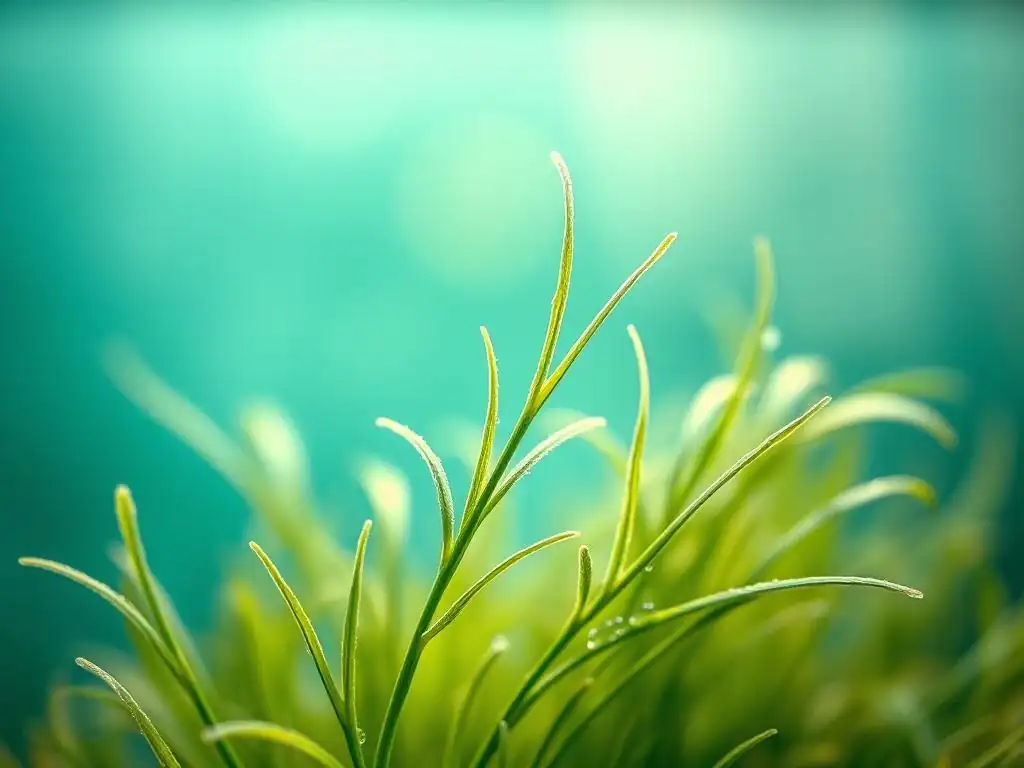
When your "Pearl grass aquarium carpet" starts to turn yellow or brown, it's a clear indicator of underlying issues that require immediate attention. One of the most common causes is nutrient deficiency, particularly nitrogen or iron. Yellowing of older leaves often points to nitrogen deficiency, while new growth turning pale or yellow suggests an iron deficiency. Insufficient lighting can also cause yellowing as plants struggle to photosynthesize effectively, leading to a decline in health.
Solutions involve systematically addressing these potential causes. If nutrient deficiency is suspected, increase your liquid fertilizer dosing, focusing on specific macro or micronutrients as needed. For example, adding a nitrogen supplement (like KNO3) can quickly resolve yellowing from nitrogen deficiency. Ensure your lighting is adequate for a carpeting plant (50-80 PAR at the substrate) and that bulbs are not old or dim. Fluctuating CO2 levels or poor water quality (high nitrates, ammonia) can also cause stress and discoloration; regular water changes and consistent CO2 injection are crucial for maintaining a healthy "Pearl grass aquarium carpet."
Algae Growth on Pearl Grass: Prevention and Removal
Algae growth on your "Pearl grass aquarium carpet" is a frustrating but common problem, typically signaling an imbalance in your tank's ecosystem. The primary causes include excessive light duration or intensity without adequate CO2 and nutrients, inconsistent CO2 levels, or an overabundance of nutrients (particularly phosphates and nitrates) coupled with insufficient plant mass to consume them. Green spot algae, hair algae, and black beard algae are common culprits that can smother the delicate leaves of Pearl Grass.
Prevention is key for maintaining a pristine "Pearl grass aquarium carpet." Ensure your lighting schedule is consistent (8-10 hours) and that CO2 levels are stable at 20-30 ppm. Maintain a balanced fertilization regimen, avoiding over-dosing. Regular water changes (25-30% weekly) help export excess nutrients. For removal, manual removal with tweezers or a soft brush can help. Introducing algae-eating inhabitants like Amano shrimp ( Caridina multidentata) or Otocinclus catfish can be highly effective. In severe cases, a blackout period of 2-3 days (no light, no CO2, no feeding) can significantly reduce algae, though this should be a last resort.
Pearl Grass Not Spreading: Identifying and Addressing the Issue
A "Pearl grass aquarium carpet" that fails to spread as expected can be disheartening, but identifying the root cause is the first step towards resolution. The most frequent reasons for a lack of spread include insufficient lighting, inadequate CO2 supply, or a deficiency in essential nutrients. Pearl Grass, while relatively easy, still requires optimal conditions to exhibit its vigorous carpeting behavior. Low light levels will cause the plant to stretch vertically rather than horizontally, preventing the formation of a dense mat.
To address this, first, ensure your lighting is adequate for a carpeting plant, aiming for a PAR of 50-80 µmol/m²/s at the substrate level. Second, verify that your CO2 levels are consistently maintained at 20-30 ppm throughout the photoperiod; CO2 is a major limiting factor for growth. Third, review your fertilization strategy. Pearl Grass requires a steady supply of macronutrients (N, P, K) and micronutrients (especially iron).
Consider increasing your dosing or adding root tabs if using an inert substrate. Lastly, ensure proper planting techniques were used, with small clumps spaced appropriately to encourage lateral runners. Addressing these factors will significantly improve the spread and density of your "Pearl grass aquarium carpet."
Pearl Grass Floating: Preventing Uprooting
Pearl Grass floating to the surface after planting is a common issue, particularly with the submerged planting method, and can be frustrating when trying to establish a "Pearl grass aquarium carpet." This primarily occurs due to inadequate anchoring in the substrate, strong water currents, or disturbance from tank inhabitants. Newly planted Pearl Grass has not yet developed a strong root system, making it vulnerable to dislodgement.
To prevent uprooting, ensure you plant the Pearl Grass cuttings deeply enough into the substrate, burying at least 1 inch (2.5 cm) of the stem using fine-tipped planting tweezers. Press firmly around the base of each clump after planting to secure it. If your filter's outflow creates a strong current directly over the planted area, consider diffusing the flow with a spray bar or directing it away from the carpet.
When introducing fish, choose species that are not known for digging or uprooting plants, especially during the initial weeks of carpet establishment. Bottom dwellers like Corydoras catfish can disturb newly planted carpets, so it might be wise to introduce them once the "Pearl grass aquarium carpet" is well-rooted, typically after 3-4 weeks.
Pearl Grass vs. Other Carpeting Plants: A Comparison
Pearl Grass vs. Dwarf Hairgrass (Eleocharis Parvula)
When comparing Pearl Grass ( Hemianthus micranthemoides) to Dwarf Hairgrass ( Eleocharis parvula) for a foreground carpet, distinct differences emerge in their appearance, growth habits, and care requirements. Pearl Grass forms a softer, more leafy carpet with small, round to oval light-green leaves, creating a lush, meadow-like appearance. It spreads by sending out lateral stems that root into the substrate, offering a relatively quick fill-in under optimal conditions.
Dwarf Hairgrass, on the other hand, consists of fine, needle-like blades that grow vertically, giving the impression of a miniature grassy field. It spreads aggressively via runners, forming a dense mat over time.
While both require moderate to high light and CO2 for best results, Dwarf Hairgrass can be more demanding in terms of trimming to maintain a uniform height and can sometimes be more prone to collecting detritus between its dense blades. Maintaining a perfect "Pearl grass aquarium carpet" is often considered slightly less labor-intensive in terms of shaping compared to the constant trimming required for a manicured Dwarf Hairgrass lawn.
Pearl Grass vs. Monte Carlo (Micranthemum 'Monte Carlo')
The choice between Pearl Grass ( Hemianthus micranthemoides) and Monte Carlo ( Micranthemum 'Monte Carlo') for a foreground carpet often comes down to subtle aesthetic and growth habit preferences. Pearl Grass features slightly smaller, more delicate leaves that are typically light green, creating a fine-textured, flowing carpet. It grows somewhat vertically before spreading laterally, requiring more frequent trimming to maintain a low profile.
Monte Carlo, in contrast, boasts slightly larger, rounder leaves that are a vibrant green, forming a tighter, denser carpet. Its primary advantage is its strong horizontal growth habit, which allows it to spread rapidly via runners and cling exceptionally well to hardscape, making it ideal for creating seamless transitions. Both plants thrive under similar moderate-to-high light and CO2 conditions, and both benefit from robust "Pearl grass aquarium carpet care" principles. However, Monte Carlo often establishes a denser carpet faster with less tendency to grow tall, while Pearl Grass offers a unique, feathery texture that many aquascapers adore.
Pearl Grass vs. Glossostigma Elatinoides
Comparing Pearl Grass ( Hemianthus micranthemoides) with Glossostigma elatinoides (Glosso) highlights differences in their demands and growth characteristics. Pearl Grass forms a beautiful, relatively easy-to-manage carpet with small, light green leaves. It requires moderate to high light and CO2, and while it benefits greatly from comprehensive "Pearl grass aquarium carpet care," it's more forgiving than Glosso.
Glossostigma elatinoides, often referred to simply as Glosso, is renowned for its extremely small, bright green leaves and incredibly fast growth rate, making it one of the lowest-growing carpeting plants. However, Glosso is notoriously demanding, requiring very high light intensity (often exceeding 80 PAR at the substrate), consistent and high CO2 injection (30+ ppm), and abundant nutrients to prevent melting or leggy growth.
Without these precise conditions, Glosso will often struggle, making it a challenging plant for many aquarists. For those seeking a stunning carpet with slightly less stringent requirements, a "Pearl grass aquarium carpet" often proves to be a more manageable and equally rewarding choice.
Maintaining a Healthy and Vibrant Pearl Grass Carpet
Regular Water Changes and Their Importance
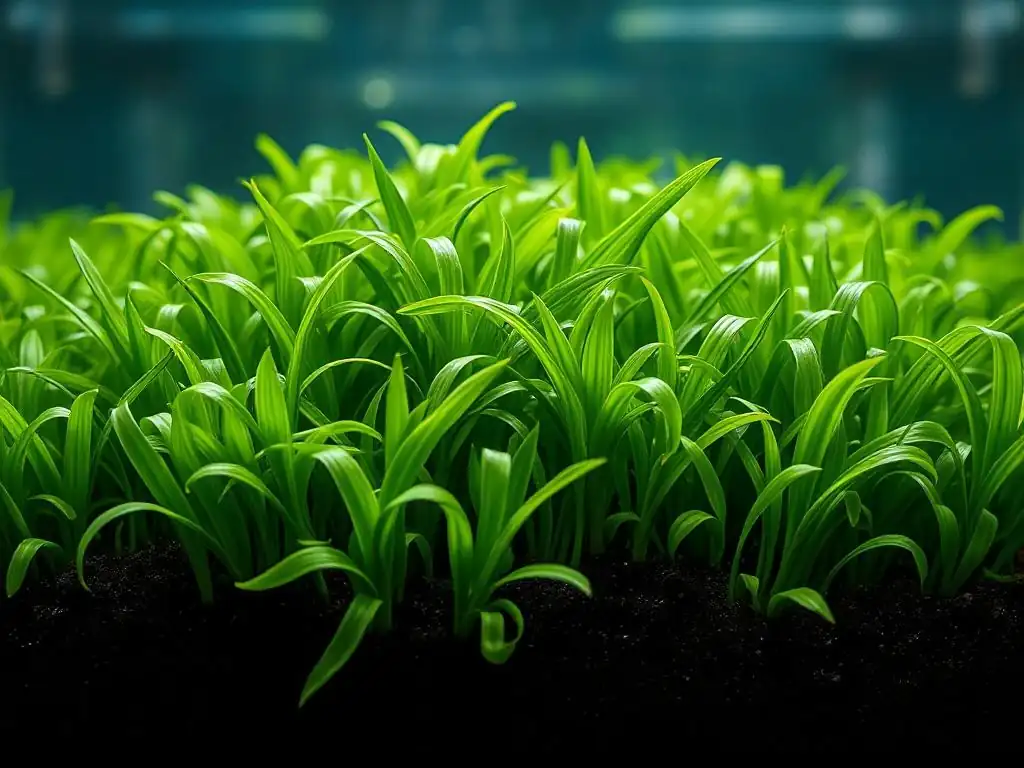
Regular water changes are an indispensable component of effective "Pearl grass aquarium carpet care" and overall aquarium health. They serve multiple critical functions: removing accumulated nitrates, phosphates, and other waste products that can contribute to algae growth, replenishing essential trace elements that plants consume, and maintaining stable water parameters. Even in heavily planted tanks where plants consume nitrates, a buildup of other dissolved organic compounds can occur, leading to water clarity issues or algae outbreaks.
For a thriving "Pearl grass aquarium carpet," a weekly water change of 25-30% of the tank volume is generally recommended. This routine helps to keep the water clean, clear, and rich in the fresh minerals that plants need. During water changes, it's also an opportune moment to gently siphon any detritus or loose plant matter from the carpet surface, ensuring good water circulation around the plants. Consistent water changes contribute significantly to the long-term vitality, lushness, and vibrant green color of your Pearl Grass carpet.
Preventing Fish from Disturbing the Pearl Grass Carpet
Preventing fish from disturbing your "Pearl grass aquarium carpet" is a key aspect of its long-term maintenance, especially during the initial establishment phase. Certain fish species, particularly those that are active bottom-sifters or diggers, can easily uproot newly planted Pearl Grass before its root system is fully developed. Examples include many species of Corydoras catfish, larger loaches, and some cichlids.
To minimize disturbance, consider delaying the introduction of such fish until your "Pearl grass aquarium carpet" is well-established, typically 3-4 weeks after planting. When selecting tank mates, prioritize species known to be plant-safe and less prone to digging, such as small schooling fish like Tetras, Rasboras, or small community fish. Ensuring the Pearl Grass is planted deeply and firmly into the substrate also provides better resistance to minor disturbances. Providing adequate feeding to your bottom dwellers in a designated area away from the carpet can also reduce their foraging activity directly within the Pearl Grass.
Long-Term Care and Maintenance of Your Pearl Grass Aquarium Carpet
Long-term care and maintenance are crucial for preserving the beauty and health of your "Pearl grass aquarium carpet." This involves a consistent routine encompassing lighting, CO2, fertilization, and trimming. Once established, the carpet will demand less intensive initial care but requires ongoing attention to prevent issues like nutrient deficiencies, algae, or overgrowth. Regular observation of your carpet's color, density, and growth rate will provide valuable insights into its health.
Continue with your established routine of 8-10 hours of moderate to high lighting, ensuring your CO2 levels remain stable at 20-30 ppm throughout the photoperiod. Maintain your fertilization schedule, adjusting doses as the plant mass grows or if any deficiency symptoms appear. Consistent trimming every 1-3 weeks, depending on growth, is vital to encourage lateral spread and prevent the bottom layers from dying off due to shading.
Regular 25-30% weekly water changes are also essential to export waste and replenish trace elements. By adhering to these practices, your "Pearl grass aquarium carpet" will remain a stunning and vibrant centerpiece in your aquascape for years to come.
Advanced Techniques for Pearl Grass Carpets
Aquascaping with Pearl Grass: Design Ideas
Pearl Grass offers immense versatility for aquascaping, allowing for a range of stunning design ideas beyond a simple uniform carpet. Its fine texture and vibrant green color make it an excellent choice for creating a natural, meadow-like foreground in Iwagumi or Nature Aquarium style tanks. In Iwagumi layouts, a dense "Pearl grass aquarium carpet" can beautifully complement a minimalist arrangement of rocks, emphasizing the natural beauty and simplicity of the hardscape.
Beyond a full carpet, Pearl Grass can be strategically used to create undulating hills and valleys within the foreground, adding depth and dimension to the aquascape. By varying the trimming height in different areas, you can sculpt the carpet to follow the contours of rocks or wood, enhancing the sense of perspective.
It can also be allowed to grow slightly taller in the midground to form soft, bushy clumps, providing a gentle transition between the foreground and background plants. Its adaptability also makes it suitable for "pathways" or "clearings" within a larger carpet of other plants, adding visual interest and breaking monotony.
Using Pearl Grass in High-Tech Aquariums
Pearl Grass truly excels and reaches its full potential when cultivated in high-tech aquarium setups. In these environments, characterized by high light intensity, pressurized CO2 injection, and comprehensive fertilization, the benefits of "Pearl grass aquarium carpet care" are amplified, leading to incredibly rapid growth and a remarkably dense, lush carpet. The abundant CO2 allows the plant to efficiently utilize the high light energy, preventing the common issue of algae that can arise from excess light in low-tech setups.
In a high-tech tank, you can expect your "Pearl grass aquarium carpet" to spread significantly faster, often forming a complete carpet within 4-6 weeks under ideal conditions. The leaves will be more vibrant and compact, and the plant will exhibit robust health. This setup also allows for more aggressive trimming, which in turn stimulates even denser lateral growth, creating a truly manicured and striking foreground. The synergy between high light, consistent CO2 (20-30 ppm), and a full spectrum of nutrients ensures that Pearl Grass thrives, becoming a prominent and impressive feature of the aquascape.
Propagating Pearl Grass: Creating New Plants
Propagating Pearl Grass is a straightforward process that allows you to easily expand your "Pearl grass aquarium carpet," fill in sparse areas, or even start new tanks. Pearl Grass naturally propagates through lateral runners and by rooting from trimmed stem sections. The most common and effective method involves simply replanting healthy cuttings from your existing carpet.
When trimming your Pearl Grass carpet, collect the healthy, vibrant trimmings that are at least 1-2 inches (2.5-5 cm) long. Remove the bottom few leaves from each cutting to expose the nodes. Using fine-tipped tweezers, carefully plant these individual cuttings or small clumps (2-3 stems) into the substrate wherever you wish to establish new growth or thicken an existing area.
Ensure they are firmly anchored to prevent floating. With adequate light, CO2, and nutrients, these replanted cuttings will quickly root and begin to send out new lateral shoots, contributing to an even denser and more expansive "Pearl grass aquarium carpet" over time.
Conclusion: Achieving a Stunning Pearl Grass Aquarium Carpet
Achieving a stunning "Pearl grass aquarium carpet" is a highly rewarding endeavor that transforms any freshwater tank into a lush, vibrant underwater landscape. While Hemianthus micranthemoides is relatively forgiving, its true splendor is unlocked through diligent adherence to optimal care practices. This includes providing moderate to high lighting, consistent CO2 injection at 20-30 ppm, and a balanced fertilization regimen encompassing both liquid nutrients and, where appropriate, root tabs.
Regular and precise trimming is paramount, encouraging the lateral growth that defines a dense carpet, while consistent water changes maintain the pristine water quality essential for plant health. By understanding and implementing these essential tips for Pearl grass aquarium carpet care, aquarists can cultivate a breathtaking, verdant foreground that serves as the perfect foundation for any aquascape, showcasing the delicate beauty and dynamic growth of this popular aquatic plant.
Frequently Asked Questions
How do I initially plant Pearl Grass to create a carpet in my aquarium?
The best method is to separate Pearl Grass into small individual stems or small groups of stems and plant them closely spaced in your substrate. This allows for better spread and faster carpet formation.
What are the ideal water parameters for Pearl Grass to thrive as an aquarium carpet?
Pearl Grass thrives in slightly acidic water (pH 6.0-7.0) with temperatures between 72-82°F (22-28°C). Ensure sufficient CO2 injection and nutrient levels for optimal growth.
How much light does Pearl Grass need to create a dense carpet?
Pearl Grass requires moderate to high lighting to grow densely and form a carpet. Aim for at least 30-50 PAR (Photosynthetically Active Radiation) to prevent it from stretching towards the light.
What kind of substrate is best for Pearl Grass carpet growth?
A nutrient-rich substrate, such as an aquasoil or a substrate supplemented with root tabs, is highly recommended. This provides the necessary nutrients for healthy and robust growth.
How often should I trim my Pearl Grass carpet, and how should it be done?
Regular trimming is crucial to maintain a dense carpet. Trim the grass every 1-2 weeks using sharp scissors, cutting horizontally just above the substrate to encourage lateral growth.
Final Reflection: Cultivating Underwater Beauty
The journey of establishing a lush Pearl Grass aquarium carpet is more than just a horticultural endeavor; it's a testament to patience, precision, and the rewarding pursuit of creating a miniature ecosystem. The tips and tricks shared throughout this article, while practical in nature, underscore the profound connection we can forge with the natural world, even within the confines of a glass tank. The enduring popularity of Pearl Grass as a carpeting plant speaks volumes about its aesthetic appeal and the desire among aquascapers to replicate the beauty of natural landscapes.
This pursuit of underwater artistry has deeply influenced the aquascaping community, fostering a culture of experimentation and shared knowledge. The dedication required to maintain a thriving Pearl Grass carpet mirrors the broader commitment to environmental stewardship, reminding us that even small acts of care can yield significant results. The best time to plant a tree was 20 years ago. The second best time is now.
This ancient proverb resonates deeply with the long-term vision required for successful aquascaping and the ongoing effort to preserve our planet's natural beauty.
Now, as you consider the potential of Pearl Grass to transform your own aquarium, I invite you to reflect on the broader implications of your actions. Cultivating a thriving underwater landscape is not merely a hobby; it's an opportunity to connect with nature, to learn about the delicate balance of ecosystems, and to contribute to a more beautiful and sustainable world. Embrace the challenge, nurture your Pearl Grass, and let its vibrant green carpet inspire you to cultivate beauty and harmony in all aspects of your life.
Cultivate Your Dream Aquarium: Seize the Moment!
Thank you for diving into the world of Pearl Grass carpets! Now that you've discovered the secrets to lush, vibrant growth, it's time to bring that knowledge to life in your own aquarium. Let's transform your underwater landscape into a breathtaking masterpiece.
Here’s how to get started:
- Start Your Carpet Now: Acquire your Pearl Grass (Hemianthus Micranthemoides) and begin planting it meticulously to create that stunning carpet effect.
- Share Your Success: Post before-and-after photos of your Pearl Grass carpet on social media, tagging us @AquariumMastery to inspire fellow aquascapers!
- Experiment with Lighting: Try different light spectrums and intensities to see which yields the most vibrant and compact growth in your specific aquarium setup.
Ready to embark on this beautiful aquascaping adventure? What unique design will you create with your Pearl Grass carpet?