
Rosette Plants for Discus Tanks: Gentle Giants & Their Plant Companions

Welcome to Aquarium Mastery!
Ever wondered how to create a thriving, breathtaking Discus tank that showcases the natural elegance of rosette plants? Dive into our expert guide on Discus tank rosette plant care and unlock the secrets to a balanced ecosystem where your Discus and plants flourish together. Ready to learn how to choose, plant, and maintain these gentle giants and their plant companions? Let's get started!
- Introduction to Rosette Plants in Discus Aquariums
- Top Rosette Plant Choices for Discus Tanks: A Detailed Guide
- Discus Tank Rosette Plant Care: Essential Tips & Tricks
- Companion Plants for Rosette Plants in Discus Tanks
- Aquascaping Ideas for Discus Tanks Featuring Rosette Plants
- Conclusion: The Beauty and Benefits of Rosette Plants in Discus Aquariums
-
Frequently Asked Questions
- What types of rosette plants are best suited for a Discus tank?
- How do I ensure my rosette plants get enough light in a Discus tank?
- What water parameters are ideal for both Discus and rosette plants?
- How do I fertilize rosette plants in a Discus tank without harming the fish?
- How often should I prune my rosette plants in a Discus tank?
- Final Reflection: Cultivating Harmony in the Discus Aquarium
- Transform Your Discus Tank: Embrace the Rosette Revolution!
Introduction to Rosette Plants in Discus Aquariums
Understanding the Unique Needs of Discus Fish
Discus fish ( Symphysodon species), often hailed as the "King of the Aquarium," are renowned for their majestic appearance and graceful swimming. However, their beauty comes with specific care requirements that differentiate them from many other freshwater species. These cichlids thrive in warm, soft, and acidic water conditions, typically with temperatures ranging from 28°C to 31°C (82°F to 88°F) and a pH between 5.5 and 6.5. Maintaining pristine water quality is paramount, often necessitating frequent, large water changes—sometimes up to 50% multiple times a week—to keep nitrate levels below 10-20 ppm.
Beyond water parameters, Discus are inherently shy and can be easily stressed by sudden movements, bright lights, or aggressive tank mates. They prefer a calm, stable environment with plenty of hiding spots and a gentle water flow. These unique needs significantly influence the choice of live plants, as any flora introduced must not only tolerate the specific water chemistry and high temperatures but also contribute positively to the tranquil atmosphere preferred by these sensitive fish. Plants that are too demanding in terms of light or CO2, or those that require significant substrate disturbance, might prove unsuitable.
The Role of Rosette Plants in a Healthy Discus Tank Ecosystem
Rosette plants, characterized by their leaves growing from a central crown, are particularly well-suited for Discus aquariums due to their robust root systems and often broad leaf structures. These plants play a multifaceted role in creating a thriving ecosystem for Discus. Firstly, their extensive root networks effectively absorb excess nutrients, particularly nitrates and phosphates, directly from the substrate. This process significantly contributes to maintaining the pristine water quality that Discus demand, helping to stabilize parameters and reduce the frequency of problematic algae blooms.
Secondly, the large, often paddle-shaped leaves of many rosette plants provide essential cover and shade, which are crucial for the shy Discus. This natural canopy helps to diffuse intense aquarium lighting, creating dimmer zones where the fish can feel more secure and less stressed. Furthermore, the dense foliage offers numerous hiding spots, allowing Discus to retreat when startled or to establish territories, promoting natural behaviors and reducing aggression within the group. The aesthetic appeal of lush rosette plants also transforms a simple glass box into a vibrant, naturalistic habitat, enhancing the overall viewing experience for the aquarist.
Top Rosette Plant Choices for Discus Tanks: A Detailed Guide
Amazon Sword (Echinodorus grisebachii): A Classic Choice for Discus Aquariums
The Amazon Sword, scientifically known as Echinodorus grisebachii, is arguably one of the most popular and iconic rosette plants in the freshwater aquarium hobby, and for good reason. Its suitability for Discus tanks stems from its large, broad leaves that can grow quite tall, often reaching 30-50 cm (12-20 inches) in height, providing excellent vertical cover and a natural backdrop. These robust plants are relatively adaptable to various water conditions once established, making them a forgiving choice for aquarists managing the specific parameters required by Discus.
Their strong root systems are a significant advantage in a Discus setup, as they anchor firmly in the substrate and efficiently absorb nutrients. This deep rooting helps to stabilize the substrate and contribute to nutrient cycling, directly benefiting water quality.
The Amazon Sword’s resilience means it can withstand the higher temperatures (28-31°C) preferred by Discus, though very prolonged exposure to the upper end of this range might slightly slow growth. Its ability to thrive in moderate to high lighting conditions also allows for flexibility in tank design, balancing the needs of the plants with the Discus's preference for slightly dimmer environments.
Amazon Sword Care Tips for Optimal Growth in Discus Tanks
For optimal growth of Amazon Swords in a Discus tank, attention to substrate and nutrient availability is key. These plants are heavy root feeders, meaning a nutrient-rich substrate is highly beneficial. Substrates rich in clay or laterite, or the regular insertion of root tabs near the plant’s base every 3-6 months, will provide essential macronutrients like nitrogen, phosphorus, and potassium, as well as crucial micronutrients like iron. Without sufficient iron, older leaves may develop chlorosis, turning yellow.
Lighting should be moderate to high, typically around 30-50 PAR at the substrate level for robust growth. A photoperiod of 8-10 hours per day is generally recommended to prevent algae while ensuring adequate energy for photosynthesis. While Amazon Swords can tolerate a wide range of water parameters, they will flourish in the soft, acidic water (pH 5.5-6.5) preferred by Discus, provided there is a consistent supply of nutrients. Regular water changes, while vital for Discus, can dilute liquid fertilizers, so root tabs are often the most reliable method for providing consistent nutrition to the Swords.
Potential Issues and Solutions for Amazon Swords in Discus Setups
Despite their hardiness, Amazon Swords can exhibit specific issues in a Discus tank, primarily related to nutrient deficiencies. Yellowing of older leaves, often accompanied by stunted growth, is a classic sign of nitrogen deficiency, which can be addressed by increasing the frequency of water changes (which introduces some nitrates) or by using liquid nitrogen supplements formulated for planted aquariums. Conversely, yellowing of new growth points or very pale new leaves usually indicates an iron deficiency, which can be remedied with iron supplements or iron-rich root tabs.
Another common issue is the development of holes or transparent spots in the leaves, typically a symptom of potassium deficiency. This can be corrected by adding a potassium supplement to the water column. Algae growth on the broad leaves can also occur, especially if lighting is too intense or the photoperiod is too long without adequate nutrient balance.
Reducing light intensity or duration, ensuring consistent CO2 (if supplementing), and maintaining a balanced fertilization regimen are effective strategies. Regular manual removal of algae and the introduction of algae-eating snails (like Nerite snails) or fish (like Otocinclus catfish, if compatible with Discus temperature) can also help manage the problem.
Vallisneria (Eelgrass): Adding Movement and Height to Your Discus Tank
Vallisneria, commonly known as Eelgrass or Val, is an excellent choice for Discus tanks due to its long, ribbon-like leaves that sway gently with the water current, adding a dynamic element to the aquascape. These plants can grow quite tall, often reaching 60 cm (24 inches) or more, making them ideal background plants that provide vertical interest and significant cover for shy Discus. Their dense growth habit, achieved through rapid propagation via runners, quickly creates a lush, jungle-like appearance that mimics natural aquatic habitats.
Beyond aesthetics, Vallisneria species are highly efficient at absorbing nitrates and other waste products from the water column, contributing significantly to the pristine water quality required by Discus. Their ability to thrive in a wide range of water parameters, including the warmer temperatures (28-31°C) and soft, acidic conditions (pH 5.5-6.5) preferred by Discus, makes them a robust and low-maintenance option. They are generally unfussy about lighting, performing well under moderate illumination, which aligns perfectly with the Discus's preference for dimmer environments.
Vallisneria Varieties Suitable for Discus Tanks
Several varieties of Vallisneria are suitable for Discus tanks, each offering slightly different characteristics in terms of size and leaf shape.
Vallisneria spiralisis a popular choice, known for its straight, narrow leaves that can grow quite long, often exceeding 45 cm (18 inches). There's also a "corkscrew" variety,Vallisneria spiralis 'Tortifolia', which features twisted leaves, adding unique texture.Vallisneria americana(Giant Vallisneria orVallisneria gigantea) is true to its name, with leaves that can reach lengths of over 1 meter (3 feet), making it suitable only for very large Discus tanks (e.g., 200 gallons or more) where it can truly stretch.Vallisneria nana(Dwarf Vallisneria) is a smaller variety, typically growing up to 30 cm (12 inches), making it more suitable for the midground or smaller Discus tanks.
When selecting Vallisneria for a Discus tank, consider the mature size of the plant relative to your tank's dimensions to ensure it doesn't overwhelm the aquascape or restrict swimming space for the large fish. All these varieties share the characteristic of rapid propagation via runners, which means a few initial plants can quickly fill a background area, providing excellent cover.
Maintaining Vallisneria in a Discus Environment: Water Parameters and Lighting
Maintaining Vallisneria in a Discus environment is relatively straightforward due to their adaptable nature. They are not particularly demanding regarding water parameters and can tolerate the high temperatures (28-31°C) and soft, acidic water (pH 5.5-6.5) that Discus require. While they prefer a nutrient-rich substrate for optimal growth, they can also absorb nutrients from the water column. For established plants, root tabs are highly beneficial, particularly in inert substrates, to ensure a steady supply of iron and other micronutrients.
In terms of lighting, Vallisneria thrives under moderate light conditions. A PAR value of 20-40 at the substrate is usually sufficient, and a photoperiod of 8-10 hours per day will support healthy growth without promoting excessive algae. Intense lighting can sometimes cause stunted growth or promote algae on the leaves.
While CO2 supplementation is not strictly necessary for Vallisneria, it can accelerate their growth. However, given the sensitivity of Discus to pH fluctuations, CO2 injection should be managed very carefully, with a drop checker to monitor CO2 levels and prevent dangerous pH drops below 5.5. Gentle water flow is preferred, as strong currents can damage their long, delicate leaves.
Cryptocoryne: Low-Light Rosette Plants for Discus Tanks
Cryptocoryne plants, affectionately known as "Crypts," are a diverse genus of rosette plants highly valued for their varied leaf shapes, colors, and their ability to thrive in low-light conditions. This makes them an exceptional choice for Discus tanks, where intense lighting is often avoided to reduce stress on the fish. Crypts are primarily root feeders, drawing most of their nutrients from the substrate, which minimizes competition with the water column for nutrients crucial to maintaining Discus water quality.
One unique characteristic of Cryptocorynes is their susceptibility to "Crypt melt," a phenomenon where the leaves rapidly decay when subjected to sudden changes in water parameters, lighting, or being moved. While initially alarming, the plant's robust root system usually allows it to recover and sprout new leaves once it adapts to the new conditions. This sensitivity underscores the importance of stable water parameters in a Discus tank, which coincidentally benefits both the fish and these plants. Once established, Crypts are incredibly hardy and low-maintenance, forming dense, attractive clumps that provide excellent cover and a natural aesthetic.
Cryptocoryne Species Ideal for Discus: A Comparison
The genus Cryptocoryne encompasses dozens of species, offering a wide array of options for a Discus tank. Some of the most popular and suitable species include:
Cryptocoryne wendtii: This is perhaps the most common and versatile Crypt. It comes in various color forms, including green, brown, red, and bronze. It typically grows to about 10-20 cm (4-8 inches) tall, making it excellent for the midground. It is highly adaptable to Discus water parameters.Cryptocoryne undulata: Similar in size toC. wendtiibut often displaying more pronounced undulations on its leaves and richer reddish-brown hues. It also thrives in low to moderate light and soft, acidic water.Cryptocoryne parva: One of the smallest Crypts, growing only 3-5 cm (1-2 inches) tall. It is an ideal foreground or carpeting plant, though it is a very slow grower and requires slightly higher light than other Crypts to form a dense carpet.Cryptocoryne beckettii: Known for its green to reddish-brown leaves, often with a purplish underside. It grows to a similar size asC. wendtiiand is equally hardy.
When selecting Crypts for your Discus tank, consider the mature size of the plant and its preferred lighting to ensure it fits your aquascape design and the overall tank conditions. All these species will appreciate a stable environment, which is naturally provided in a well-maintained Discus tank.
Cryptocoryne Care Guide: Adapting to Discus Tank Conditions
Caring for Cryptocorynes in a Discus tank primarily revolves around providing stable conditions and a nutrient-rich substrate. Since Discus tanks maintain warm temperatures (28-31°C) and soft, acidic water (pH 5.5-6.5), Crypts generally adapt well, though some species might prefer slightly cooler temperatures in a non-Discus setup. The key is consistency; avoid drastic or sudden changes in water parameters or light intensity, as this can trigger the aforementioned "Crypt melt."
A fine gravel or sand substrate that is at least 5-7 cm (2-3 inches) deep is ideal, as Crypts are heavy root feeders. Incorporating root tabs rich in iron, potassium, and other micronutrients every 4-6 months will ensure robust growth. While they can tolerate very low light, moderate lighting (15-30 PAR) will encourage healthier and more vibrant growth without stressing the Discus.
CO2 supplementation is not essential for Crypts, and many aquarists successfully grow them without it, relying on the fish's respiration for dissolved CO2. Given the Discus's sensitivity to pH swings, a low-tech setup for Crypts is often the safest approach.
Anubias: Hardy and Versatile Rosette Plants for Discus Keepers
Anubias species are among the hardiest and most versatile rosette plants available to aquarists, making them an exceptional choice for Discus tanks. Their robust, leathery leaves are virtually indestructible by herbivorous fish, including the gentle Discus, and are slow-growing, which helps keep maintenance to a minimum. Unlike many other rosette plants, Anubias are epiphytic, meaning they do not need to be planted in the substrate. Instead, they thrive when their rhizome (the thick horizontal stem from which leaves and roots grow) is attached to driftwood, rocks, or other aquarium decor.
This unique growth habit provides significant advantages in a Discus tank. It allows for flexible aquascaping, enabling plants to be placed higher up in the tank, providing shade and visual interest without taking up valuable substrate space.
Furthermore, their slow growth rate means less pruning and less disturbance to the tank environment, which is beneficial for the sensitive Discus. Anubias are also highly tolerant of a wide range of water parameters, including the high temperatures (28-31°C) and soft, acidic water (pH 5.5-6.5) characteristic of a Discus setup, and they thrive under low to moderate lighting, aligning perfectly with the Discus's preference for subdued illumination.
Anubias Varieties for Aquascaping Discus Tanks
The Anubias genus offers several popular varieties, each with distinct sizes and leaf shapes, suitable for different aquascaping roles in a Discus tank:
Anubias barteri var. nana: This is arguably the most popular variety, known for its small, compact size (typically 5-10 cm / 2-4 inches tall) and dark green, oval leaves. It's perfect for foreground or midground placement, or for attaching to smaller pieces of driftwood.Anubias barteri var. coffeefolia: Features unique, crinkled leaves with a distinct texture, often displaying a reddish-brown tint when new. It grows slightly larger thanA. nana, reaching about 15-20 cm (6-8 inches), making it suitable for midground placement.Anubias hastifolia: A larger variety with arrow-shaped leaves that can grow up to 30-40 cm (12-16 inches) tall. It's an excellent choice for a background plant or as a focal point in larger Discus tanks.Anubias afzelii: Similar in size and shape toA. hastifoliabut with slightly narrower leaves. BothA. hastifoliaandA. afzeliioffer a more upright, statuesque presence.
All these Anubias varieties provide excellent attachment points for biofilm, which can be a food source for Discus, and their dense foliage offers comfortable resting and hiding spots.
Attaching Anubias to Decorations: Preventing Rhizome Rot in Discus Tanks
The most crucial aspect of Anubias care, especially in a Discus tank, is ensuring their rhizome is never buried in the substrate. Burying the rhizome, the thick horizontal stem from which leaves and roots emerge, will inevitably lead to rhizome rot, causing the plant to slowly decay and die. To prevent this, Anubias must be attached to hardscape elements like driftwood or rocks.
Several methods can be used for attachment:
- Super Glue Gel (Cyanoacrylate): This is the fastest and most popular method. Apply a small dab of gel to the underside of the rhizome and press it firmly onto the desired surface for about 30 seconds. The glue is aquarium-safe once cured.
- Fishing Line or Cotton Thread: Wrap clear fishing line or dark cotton thread around the rhizome and the hardscape element. Over time, the plant's roots will naturally attach themselves to the surface, and the line/thread can then be removed or will naturally degrade.
- Rubber Bands: For temporary attachment, small aquarium-safe rubber bands can be used, but they should be removed once the plant has anchored itself, as they can eventually degrade or constrict the rhizome.
When attaching, ensure the rhizome is exposed to the water column at all times. The roots will grow down and anchor into any crevices or onto the surface, eventually providing a stable hold. This method of planting ensures the Anubias remains healthy and contributes to the long-term stability and aesthetic appeal of your Discus tank.
Discus Tank Rosette Plant Care: Essential Tips & Tricks
Water Parameters: Maintaining Optimal Conditions for Discus and Rosette Plants
Achieving a harmonious balance between the specific water parameter needs of Discus fish and the requirements of rosette plants is central to successful Discus tank rosette plant care. Discus demand very clean, warm, soft, and acidic water, and while many rosette plants are adaptable, some thrive better than others under these precise conditions. The stability of these parameters is as important as the parameters themselves, as sudden fluctuations can stress both fish and plants.
The synergy lies in selecting plants that can not only tolerate but also benefit from the environment created for Discus. For instance, the high temperatures (28-31°C / 82-88°F) can accelerate plant metabolism and growth, but also potentially algae growth if not managed. The soft (GH 1-5 dGH) and acidic (pH 5.5-6.5) water conditions, while ideal for Discus breeding, can be challenging for plants that prefer harder, more alkaline water. Therefore, understanding how each specific rosette plant species reacts to these parameters is crucial for long-term health and vibrant growth in a Discus tank.
Temperature and pH Levels for a Thriving Discus and Rosette Plant Environment
The elevated temperature range for Discus, typically 28°C to 31°C (82°F to 88°F), is a critical factor for plant selection. While most common aquarium plants, including Amazon Swords, Vallisneria, Cryptocorynes, and Anubias, can tolerate these temperatures, sustained periods at the higher end of the range (above 30°C) might slow the growth of some plants or increase their metabolic rate, making them more susceptible to nutrient deficiencies if not adequately fertilized. For example, some slower-growing Cryptocorynes might prefer 24-28°C, but will adapt to Discus temperatures.
The preferred pH range for Discus is 5.5 to 6.5, indicating soft, acidic water. Most rosette plants are adaptable to this range, especially if the water hardness (GH and KH) is also low. A low KH (0-3 dKH) means less buffering capacity, making pH more susceptible to swings, particularly with CO2 injection. Therefore, if CO2 is used, extreme caution and consistent monitoring are necessary to prevent dangerous pH crashes that could harm the Discus. Generally, a stable pH within the Discus range, even if slightly outside a plant's "ideal" (e.g., pH 7.0), is preferable to constant fluctuations.
Water Changes and Filtration for Discus and Rosette Plant Health
Frequent and substantial water changes are non-negotiable for maintaining healthy Discus, often involving 50% or more of the tank volume 2-3 times per week, or even daily for heavily stocked or growing tanks. This practice is crucial for diluting nitrates and other pollutants that can stress Discus. From a plant perspective, these large water changes have a dual effect: they replenish essential trace elements that might be depleted by plant uptake, but they also dilute liquid fertilizers, necessitating more frequent dosing or reliance on root tabs for heavily rooted plants.
Effective filtration is equally important, primarily focusing on biological and mechanical filtration. Canister filters or large hang-on-back filters with ample media are commonly used. While strong water flow is beneficial for filtration, Discus prefer gentle currents. Therefore, filter outputs should be diffused or directed to minimize turbulence. Chemical filtration, such as activated carbon, can be used intermittently to remove impurities but should be avoided continuously if liquid fertilizers are being dosed, as carbon will absorb them. A well-maintained filtration system and a diligent water change schedule contribute significantly to the overall water quality, which is beneficial for robust Discus tank rosette plant care and the health of the fish.
Lighting Requirements for Rosette Plants in Discus Aquariums
Balancing the lighting requirements for rosette plants with the preferences of Discus fish is a delicate aspect of Discus tank rosette plant care. While plants need light for photosynthesis, Discus are naturally found in shaded, slow-moving waters and tend to be more comfortable and display their best colors under subdued illumination. Therefore, the goal is to provide sufficient light for plant growth without over-stressing the fish or promoting excessive algae.
Many popular rosette plants suitable for Discus tanks, such as Cryptocorynes and Anubias, are low-light plants, making this balance easier to achieve. Amazon Swords and Vallisneria prefer moderate light, which can still be managed effectively in a Discus setup. The key is to select LED fixtures that offer adjustable intensity and spectrum, allowing the aquarist to fine-tune the lighting to meet the needs of both the flora and fauna.
Choosing the Right Lighting Spectrum and Intensity
When selecting lighting for a Discus tank with rosette plants, prioritize full-spectrum LED lights with a color temperature around 6500K, which mimics natural daylight and is ideal for plant growth. The intensity of the light is more critical than the spectrum for managing algae and fish comfort. For most Discus setups, moderate lighting is recommended. This translates to a PAR (Photosynthetically Active Radiation) value generally between 20-50 PAR at the substrate level.
- Low Light (10-20 PAR): Suitable for
AnubiasandCryptocorynespecies. - Moderate Light (20-50 PAR): Ideal for
Amazon SwordsandVallisneria, as well as supporting the low-light plants.
A photoperiod of 8-10 hours per day is generally sufficient for plant growth and helps to minimize algae. Using a timer is highly recommended to ensure a consistent photoperiod, as erratic lighting can stress both plants and fish. Positioning taller plants like Amazon Swords and Vallisneria in the background can also help to naturally diffuse light for the Discus, creating shaded areas near the substrate.
Managing Algae Growth with Proper Lighting
Algae growth is a common challenge in planted aquariums, and in a Discus tank, it can be particularly troublesome as chemical algae treatments are often too harsh for the sensitive fish. Proper lighting management is the primary defense against algae. Overlighting, either in intensity or duration, is a leading cause of algae blooms. If you observe excessive green dust algae or green spot algae, consider reducing your light intensity or shortening your photoperiod by an hour or two.
Beyond lighting, maintaining a balanced nutrient profile is crucial. Algae thrive on imbalances, such as high nitrates/phosphates combined with insufficient CO2 or other micronutrients. Regular water changes, which are already part of Discus care, help to dilute excess nutrients. Introducing algae-eating tank inhabitants, such as Otocinclus catfish ( Otocinclus affinis) or Nerite snails ( Neritina natalensis), can also help control algae. However, ensure any algae eaters are compatible with Discus temperature requirements and do not harass the fish. Manual removal of algae during routine maintenance is also an effective and immediate solution.
Fertilization and CO2 Supplementation for Rosette Plants in Discus Tanks
Proper fertilization and, in some cases, CO2 supplementation are vital components of effective Discus tank rosette plant care. While Discus thrive in pristine water, plants require a steady supply of macro and micronutrients to flourish. The challenge lies in providing these nutrients without negatively impacting the sensitive Discus fish. A balanced approach that prioritizes root fertilization for heavy root feeders and cautious liquid dosing for water column feeders is often the most successful strategy.
Understanding the specific nutrient needs of your chosen rosette plants is key. For example, Amazon Swords and Cryptocorynes are primarily root feeders and benefit immensely from nutrient-rich substrates or root tabs. Anubias and Vallisneria can absorb some nutrients from the water column but also appreciate substrate enrichment. The goal is to ensure plants have all necessary elements for healthy growth, which in turn helps them outcompete algae for available nutrients and contribute to a stable aquarium environment.
Understanding Nutrient Needs of Rosette Plants
Rosette plants, like all aquatic plants, require both macronutrients and micronutrients for healthy growth.
- Macronutrients: These are needed in larger quantities. The primary macronutrients are Nitrogen (N), Phosphorus (P), and Potassium (K).
- Nitrogen is crucial for leaf growth; deficiency often results in yellowing of older leaves.
- Phosphorus is vital for energy transfer and root development; deficiency can lead to stunted growth and dark green leaves.
- Potassium supports overall plant health and resilience; deficiency often causes holes or yellowing on older leaves.
- Micronutrients: These are needed in smaller, trace amounts but are equally vital. Key micronutrients include Iron (Fe), Manganese (Mn), Boron (B), Zinc (Zn), Copper (Cu), and Molybdenum (Mo).
- Iron is particularly important for chlorophyll production; deficiency often manifests as yellowing of new growth (chlorosis).
Most rosette plants, especially Amazon Swords and Cryptocorynes, are heavy root feeders, meaning they primarily absorb nutrients through their root systems embedded in the substrate. Anubias and Vallisneria also benefit from root access to nutrients, though they can absorb some from the water column.
Safe Fertilization Practices for Discus Fish and Plants
Safe fertilization in a Discus tank requires careful consideration to protect the sensitive fish.
- Root Tabs: For heavy root feeders like
Amazon SwordsandCryptocorynes, root tabs are the safest and most effective method. These solid fertilizers are inserted directly into the substrate near the plant's roots, delivering nutrients precisely where they are needed without polluting the water column. This minimizes direct exposure for Discus and avoids potential water parameter swings. Replenish root tabs every 3-6 months. - Liquid Fertilizers: For plants that absorb nutrients from the water column or to supplement root tabs, liquid fertilizers can be used cautiously. Choose comprehensive liquid fertilizers designed for planted aquariums that are labeled "fish-safe" or "shrimp-safe." Dose at a reduced amount (e.g., 50-75% of recommended dose) initially and observe fish behavior. It's often best to dose liquid fertilizers immediately after a large water change to ensure fresh, clean water for the Discus, or to split the weekly dose into smaller, daily doses to maintain consistency. Avoid fertilizers with high copper content, as Discus can be sensitive to elevated copper levels.
- CO2 Supplementation: While CO2 injection can significantly boost plant growth, it presents a risk in Discus tanks due to their sensitivity to pH fluctuations. CO2 injection lowers pH, and a sudden pH crash (e.g., from a CO2 system malfunction or overdose) can be fatal to Discus. For most
Discus tank rosette plant caresetups, a low-tech approach without injected CO2 is preferred, relying on fish respiration and surface agitation for dissolved CO2. If CO2 is used, employ a reliable regulator with a solenoid valve, a pH controller, and a drop checker to constantly monitor CO2 levels and pH, ensuring it never drops below 5.5.
Preventing Common Problems with Rosette Plants in Discus Tanks
Preventing common problems with rosette plants in a Discus tank involves a holistic approach to Discus tank rosette plant care, focusing on stable water parameters, balanced nutrition, and appropriate lighting. While specific issues can arise, many are interconnected and stem from imbalances within the aquarium ecosystem. Being proactive in identifying early signs of distress in your plants can prevent more severe problems and maintain a healthy, vibrant planted Discus environment.
The key to prevention lies in consistent monitoring of both plant health and water parameters. Regular observation allows for timely intervention before problems escalate. This includes watching for changes in leaf color, growth rate, and the presence of algae, which are often indicators of underlying issues that need to be addressed.
Identifying and Treating Nutrient Deficiencies
Nutrient deficiencies are a common cause of plant distress in planted aquariums. Recognizing the specific symptoms can help in targeted treatment:
- Nitrogen (N) Deficiency: Symptoms include general yellowing of older leaves, starting from the tips and progressing inwards. The plant's growth may also be stunted.
- Treatment: Increase the frequency of water changes (which adds some nitrates), use liquid nitrogen supplements, or ensure root tabs are providing sufficient N.
- Iron (Fe) Deficiency: Characterized by yellowing or whitening of new growth, while older leaves remain green. Veins may stay green initially.
- Treatment: Add iron-rich liquid fertilizers or root tabs. Ensure your water's pH isn't too high, as high pH can make iron less available.
- Potassium (K) Deficiency: Often manifests as holes in older leaves, yellowing of leaf edges, or overall weakness.
- Treatment: Dose a potassium-specific liquid fertilizer or use root tabs with potassium.
- Phosphorus (P) Deficiency: Leads to stunted growth, dark green leaves, and sometimes purplish discoloration.
- Treatment: Dose a phosphate-containing liquid fertilizer. Be cautious as excess phosphate can encourage algae.
- General Stunted Growth: If all plants are growing slowly or are small, it could indicate a lack of overall nutrients, insufficient light, or inadequate CO2.
- Treatment: Review your entire fertilization regimen, lighting intensity/duration, and CO2 levels (if supplementing).
Dealing with Algae Issues in a Planted Discus Tank
Algae can quickly become an unsightly problem and a sign of imbalance. In a Discus tank, where chemical treatments are often avoided, prevention and natural control methods are paramount:
- Causes of Algae:
- Excess Light: Too high intensity or too long a photoperiod (over 10 hours).
- Nutrient Imbalance: Excess nitrates/phosphates without sufficient micronutrients or CO2.
- Insufficient CO2: Plants cannot utilize available light and nutrients effectively, allowing algae to flourish.
- Inconsistent Photoperiod: Erratic lighting schedules stress plants and favor algae.
- Solutions for Algae Control:
- Adjust Lighting: Reduce light intensity or shorten the photoperiod to 8-9 hours. Use a timer for consistency.
- Manual Removal: Physically remove algae from leaves, glass, and decor during water changes.
- Nutrient Balance: Ensure plants have all necessary macro and micronutrients. A healthy, fast-growing plant population will outcompete algae.
- Water Changes: Regular, large water changes (as done for Discus) help dilute excess nutrients that fuel algae.
- Algae Eaters: Introduce safe and temperature-compatible algae eaters like Otocinclus catfish (1-2 per 10 gallons) or Nerite snails. Avoid species that might nip Discus fins or are intolerant of high temperatures.
- CO2 Optimization (if applicable): If you are injecting CO2, ensure levels are consistent and adequate (e.g., 20-30 ppm) for plant growth to outcompete algae.
Companion Plants for Rosette Plants in Discus Tanks
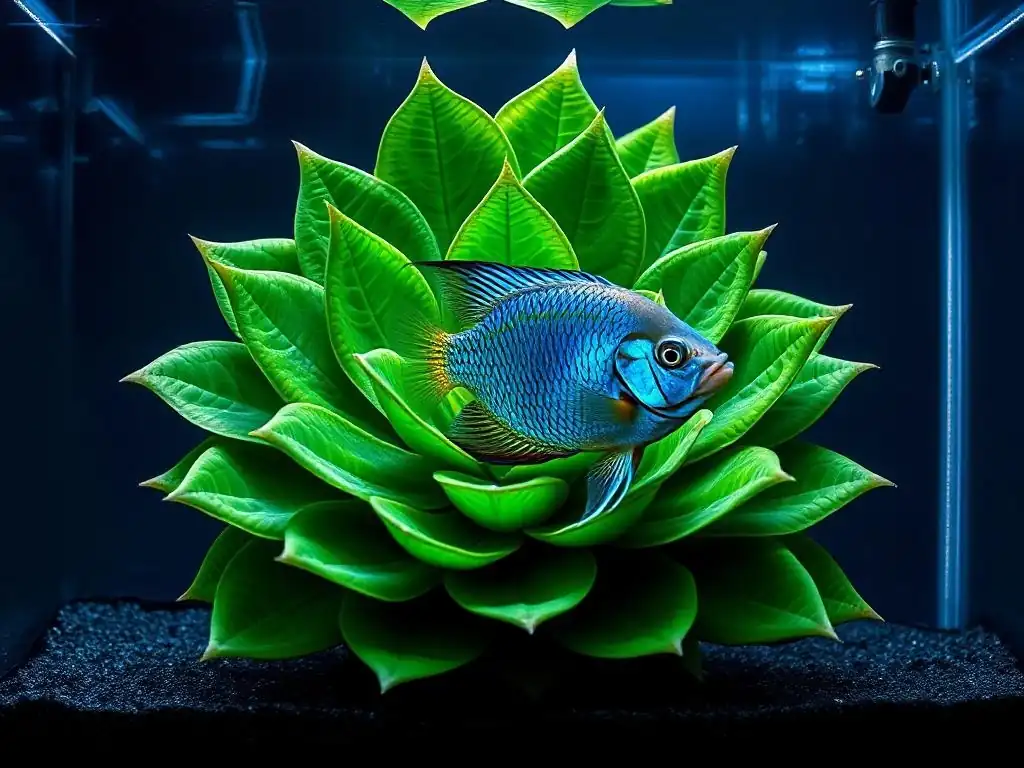
While rosette plants form the backbone of a planted Discus tank, incorporating other plant types can enhance the aquascape's natural beauty, provide additional benefits, and create a more complex and engaging environment for your Discus. Carefully selected companion plants can add variety in texture, height, and growth habit, further contributing to water quality and providing diverse hiding opportunities. The key is to choose plants that are compatible with the high temperatures, soft, acidic water, and gentle flow preferred by Discus.
Stem Plants: Adding Variety and Texture
Stem plants, characterized by their leafy stems that grow upwards from a central point, are excellent companions for rosette plants in a Discus tank. They offer a contrasting growth form and can quickly fill vertical space, adding depth and visual interest. Many stem plants are fast growers, meaning they efficiently absorb nitrates from the water column, further aiding in maintaining the pristine water quality crucial for Discus. They can also be pruned and replanted to create denser bushes or propagate new plants.
Examples of suitable stem plants include:
Rotala rotundifolia: A popular choice that can display beautiful reddish hues under moderate light.Ludwigia repens: Known for its vibrant red and green leaves, adding a splash of color.Bacopa monnieri: A hardy, bright green plant that tolerates a wide range of conditions.
When incorporating stem plants, ensure they receive adequate light, typically moderate intensity, and consider supplementing with liquid fertilizers as they absorb nutrients from the water column. Plant them in bunches of 3-5 stems for a fuller look, leaving some space between bunches for water circulation.
Floating Plants: Providing Shade and Reducing Light Intensity
Floating plants are an excellent addition to a Discus tank, serving multiple beneficial purposes. Their leaves float on the water's surface, creating natural shade that helps to diffuse intense aquarium lighting. This subdued illumination is highly beneficial for Discus, as they prefer dimmer environments and can become stressed by overly bright conditions. The shade provided by floating plants mimics their natural habitat and encourages them to be more active and display their full coloration.
Beyond providing shade, floating plants are incredibly efficient at absorbing excess nutrients, particularly nitrates and phosphates, directly from the water column. This makes them powerful allies in maintaining high water quality and preventing algae outbreaks. Examples include:
Frogbit( Limnobium laevigatum): Large, round leaves with long roots that dangle into the water.Dwarf Water Lettuce( Pistia stratiotes): Velvety, light green leaves.Red Root Floater( Phyllanthus fluitans): Small, heart-shaped leaves that can turn reddish under good light.
While beneficial, floating plants can multiply rapidly and must be managed regularly to prevent them from completely blocking light to the rooted plants below. Removing excess growth weekly will ensure a balance is maintained.
Rooted Plants: Enhancing the Substrate and Nutrient Uptake
While this article focuses on rosette plants, which are themselves rooted, the term "rooted plants" here refers to other types of plants that rely heavily on the substrate for nutrients, complementing the rosette forms. These plants further enhance the substrate's health and contribute significantly to nutrient uptake, creating a more robust and stable ecosystem. Their diverse root systems help to aerate the substrate, prevent anaerobic pockets, and provide a vast surface area for beneficial bacteria to colonize.
Beyond the classic rosette plants, consider adding:
Sagittaria subulata: A grass-like plant that can form a dense foreground or midground carpet, propagating via runners. It's hardy and tolerates Discus parameters.Lilaeopsis brasiliensis(Micro Sword): A finer, grass-like plant that can create a dense, low-growing carpet, though it requires more intense light and CO2 to truly carpet. It is also rooted in the substrate.
These additional rooted plants contribute to the overall nutrient cycling within the substrate, working in conjunction with your rosette plants to process fish waste and excess nutrients. A healthy, active substrate populated by various rooted plants is a cornerstone of successful Discus tank rosette plant care, providing a stable foundation for the entire aquarium.
Aquascaping Ideas for Discus Tanks Featuring Rosette Plants
Creating an aquascape for Discus tanks featuring rosette plants is an art that balances aesthetic appeal with the specific needs of these sensitive fish. The goal is to design a visually harmonious environment that also functions as a thriving habitat, providing comfort, security, and optimal water quality for your Discus. Rosette plants, with their varied sizes and leaf shapes, offer excellent versatility for creating naturalistic layouts.
The design should always prioritize the well-being of the Discus. This means ensuring ample open swimming space, providing plenty of hiding spots, and creating a sense of natural tranquility. By thoughtfully arranging rosette plants alongside other hardscape elements, you can achieve a stunning display that benefits both the fish and the observer.
Creating a Natural and Harmonious Environment
A natural and harmonious environment for Discus is one that mimics their Amazonian origins: soft lighting, plenty of cover, and open spaces for schooling. Start by planning your layout to accommodate the mature size of your Discus (which can reach 15-20 cm / 6-8 inches in diameter) and their need for unhindered swimming paths.
- Background: Utilize tall rosette plants like
Amazon Swords(Echinodorus grisebachii) andVallisneria giganteaorspiralisin the background. These create a lush green wall, providing a secure backdrop and a sense of depth. Their height also helps to diffuse overhead lighting. - Midground: Place medium-sized rosette plants such as
Cryptocoryne wendtiivarieties orAnubias barteri var. coffeefoliain the midground. These plants offer visual interest, break up large open spaces, and provide additional hiding spots without obstructing swimming areas. - Foreground: Keep the foreground relatively open to allow Discus ample space to forage and school. Small
Anubias barteri var. nanaattached to small stones or driftwood, or very low-growingCryptocoryne parva, can add detail without clutter. - Hiding Spots: Arrange plants to create natural caves or shaded areas where shy Discus can retreat. Overhanging leaves from
Amazon Swordsor dense clumps ofCryptocorynesare perfect for this.
The overall design should feel organic and unforced, promoting a calm atmosphere essential for healthy Discus.
Incorporating Driftwood and Rocks for Visual Appeal
Driftwood and rocks are indispensable elements in a planted Discus tank, providing both aesthetic appeal and functional benefits. They enhance the naturalistic feel of the aquascape and offer structural support for plants.
- Driftwood: Choose smooth, inert driftwood that will not leach harmful substances or sharp edges that could injure Discus. Malaysian driftwood or Manzanita branches are popular choices.
- Benefits: Driftwood slowly releases tannins, which can slightly lower pH and tint the water a tea color, mimicking natural blackwater conditions that Discus thrive in. It also provides excellent attachment points for epiphytic rosette plants like
AnubiasandBucephalandra. Arrange driftwood to create crevices and overhangs, offering additional hiding spots and visual barriers for the fish.
- Benefits: Driftwood slowly releases tannins, which can slightly lower pH and tint the water a tea color, mimicking natural blackwater conditions that Discus thrive in. It also provides excellent attachment points for epiphytic rosette plants like
- Rocks: Select smooth, inert rocks that will not alter water parameters significantly. Seiryu stone (ensure it doesn't significantly raise pH/GH), Dragon stone, or lava rock are commonly used. Avoid limestone or other calcareous rocks that will raise pH and hardness, which are detrimental to Discus.
- Benefits: Rocks add texture and contrast to the soft lines of plants. They can be used to create terraced landscapes, define distinct areas, or provide attachment points for
Anubias. Ensure any rock formations are stable and cannot collapse on the fish.
- Benefits: Rocks add texture and contrast to the soft lines of plants. They can be used to create terraced landscapes, define distinct areas, or provide attachment points for
When placing hardscape, consider the flow of the tank and ensure it doesn't create dead spots or overly strong currents. The combination of well-placed rosette plants, driftwood, and rocks creates a visually rich and secure environment, optimizing Discus tank rosette plant care and fish well-being.
Designing a Layout that Benefits Both Discus and Plants
A successful layout for a Discus tank thoughtfully integrates the needs of both the fish and the plants, ensuring mutual benefit and a thriving ecosystem. The design should prioritize the Discus’s preference for a calm, stable, and spacious environment, while simultaneously providing optimal conditions for rosette plant growth.
- Open Swimming Space: Despite the desire for a heavily planted tank, Discus are large, schooling fish that require ample open water for unimpedered movement. Design your aquascape with a clear, central swimming area. This often means placing taller plants and hardscape towards the back and sides, creating a natural "frame."
- Strategic Plant Placement:
- Tall Rosettes (Background):
Amazon SwordsandVallisneriashould be positioned at the back of the tank. Their height provides a sense of security for the Discus and helps to absorb nitrates effectively. They also act as a visual barrier, making the tank feel deeper. - Midground Cover:
CryptocorynesandAnubiasattached to driftwood or rocks are ideal for the midground. They offer excellent hiding spots and break up the line of sight, reducing aggression among Discus. Their broad leaves provide shade. - Foreground Simplicity: Keep the foreground minimal. A fine sand substrate is ideal for Discus, as they like to sift through it. Low-growing plants like
Anubias nana petiteorCryptocoryne parvacan add detail without obstructing the view or swimming space.
- Tall Rosettes (Background):
- Filtration and Flow: Position filters and heaters discreetly behind tall plants or hardscape. Ensure filter outputs create a gentle, diffused flow throughout the tank, as strong currents can stress Discus. Plants can help to break up and direct water flow.
- Maintenance Access: Design the layout with future maintenance in mind. Ensure you can easily access the substrate for cleaning, prune plants, and perform water changes without excessively disturbing the fish or uprooting plants. This is crucial for long-term
Discus tank rosette plant care.
By following these principles, you can create a beautiful and functional Discus tank where both the gentle giants and their plant companions flourish.
Conclusion: The Beauty and Benefits of Rosette Plants in Discus Aquariums
Achieving a Balanced and Thriving Discus Tank Ecosystem
The integration of rosette plants into a Discus aquarium offers far more than just aesthetic appeal; it is a fundamental step towards achieving a balanced, thriving, and natural ecosystem for these magnificent fish. Rosette plants like the Amazon Sword, Vallisneria, Cryptocoryne, and Anubias are particularly well-suited due to their adaptability to warm, soft, and acidic water conditions, their robust root systems, and their ability to provide essential cover for shy Discus. These plants actively contribute to water quality by absorbing nitrates and other excess nutrients, reducing the workload on filtration systems and helping to maintain the pristine conditions that Discus demand.
Beyond their functional benefits, the lush foliage of rosette plants creates a visually stunning and tranquil environment, mimicking the natural Amazonian habitats of Discus. The vertical lines of Vallisneria, the broad leaves of Amazon Swords, and the intricate textures of Cryptocorynes and Anubias provide a rich backdrop that encourages natural behaviors, reduces stress, and allows the vibrant colors of the Discus to truly stand out. Mastering Discus tank rosette plant care involves understanding their specific needs regarding substrate, lighting, and fertilization, ensuring that these plant companions not only survive but truly flourish alongside their sensitive aquatic hosts.
Ultimately, a well-planted Discus tank is a testament to the aquarist's dedication and skill. It represents a harmonious blend of nature and nurture, where the beauty of the fish is enhanced by the vibrancy of the plants, and the stability provided by the flora ensures the long-term health and well-being of the Discus. The rewards are immense: a captivating display that is a joy to behold, and a miniature ecosystem that embodies the intricate balance of the natural world.
Frequently Asked Questions
What types of rosette plants are best suited for a Discus tank?
Certain rosette plants are more tolerant of the warm, slightly acidic water conditions preferred by Discus. Echinodorus (Sword plants) and Cryptocoryne species are usually a good choice. They also provide shelter and visual appeal without harming the fish.
How do I ensure my rosette plants get enough light in a Discus tank?
Discus tanks often have lower lighting to reduce algae growth and mimic their natural habitat. Consider using LED lights designed for planted aquariums and adjust the intensity and duration to suit the plants' needs without stressing the Discus.
What water parameters are ideal for both Discus and rosette plants?
Discus thrive in warm (82-86°F), soft, and slightly acidic water (pH 6.0-7.0). Select rosette plants that can tolerate these conditions, and maintain consistent water quality through regular water changes and testing.
How do I fertilize rosette plants in a Discus tank without harming the fish?
Use liquid fertilizers specifically formulated for aquariums and follow the instructions carefully. Avoid over-fertilizing, as this can lead to algae blooms. Root tabs can also be used to provide nutrients directly to the plant roots.
How often should I prune my rosette plants in a Discus tank?
Pruning frequency depends on the growth rate of the specific plant species. Regularly remove dead or decaying leaves to prevent water quality issues. Trim back overgrown plants to maintain a healthy and aesthetically pleasing aquarium environment.
Final Reflection: Cultivating Harmony in the Discus Aquarium
The delicate balance of a Discus tank, as we've explored, hinges not only on water parameters but also on the symbiotic relationship between these majestic fish and their plant companions. Understanding the nuances of Discus tank rosette plant care is more crucial than ever, as aquascaping becomes increasingly sophisticated and hobbyists strive to create truly thriving aquatic ecosystems. This knowledge empowers us to move beyond mere decoration and cultivate environments that genuinely benefit the health and well-being of our Discus.
The enduring allure of the Discus aquarium lies in its ability to mirror the beauty and complexity of nature. My own journey into this hobby has taught me that patience and observation are key to unlocking the secrets of a successful planted tank. The careful selection and maintenance of rosette plants, in particular, contribute significantly to this aesthetic and ecological harmony. In nature, nothing exists alone.
- Rachel Carson. This quote perfectly encapsulates the interconnectedness within a Discus tank, where each element plays a vital role in the overall health and vitality of the ecosystem.
As you embark on, or continue, your journey in Discus keeping, I encourage you to embrace the principles of responsible aquascaping. Consider not just the visual appeal of your tank, but also the long-term health and happiness of your Discus and their plant companions. By prioritizing knowledge, patience, and a deep respect for the delicate balance of the aquatic world, you can create a truly breathtaking and thriving Discus aquarium that brings joy for years to come.
Transform Your Discus Tank: Embrace the Rosette Revolution!
Thanks for diving deep into the world of Discus and rosette plants! We hope you’ve discovered some fantastic ideas to create a stunning and healthy aquarium environment for your gentle giants. Now, it's time to turn that knowledge into action!
Here are some actionable steps to take your Discus tank to the next level:
- Boldly introduce one or two Echinodorus plants to your Discus tank, carefully observing their growth and impact on water parameters. This is your primary step toward a thriving rosette ecosystem.
- Explore unique, less common rosette varieties like Cryptocoryne species to add visual texture and provide extra hiding spots for your Discus.
- Share your aquascaping plans and progress photos with fellow Discus enthusiasts on the Aquarium Mastery forums and inspire others!
What creative rosette plant combination are you most excited to try in your Discus tank, and why?