
Setting Up a Discus Aquarium: Bare Bottom vs. Planted Tanks Explored

Welcome to Aquarium Mastery!
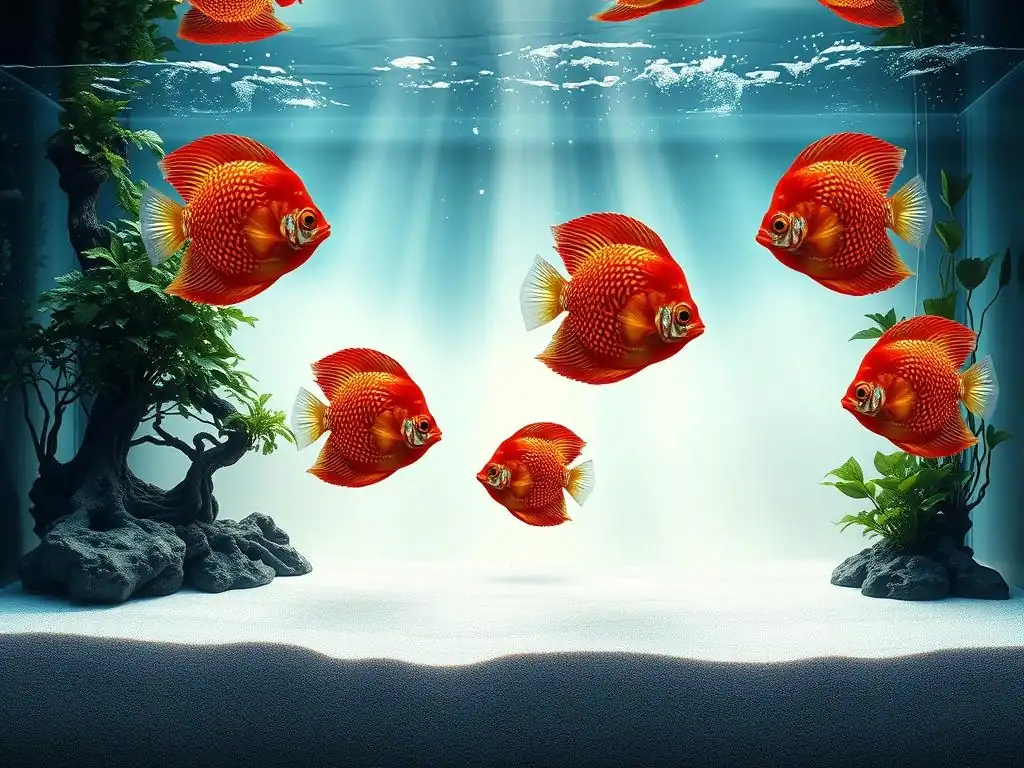
Ever wondered if a bare bottom is the secret to a thriving Discus aquarium? Or if you can successfully blend the beauty of a planted tank with the unique needs of these majestic fish? Dive in and explore our comprehensive guide, "Setting Up a Discus Aquarium: Bare Bottom vs. Planted Tanks Explored," and uncover the pros and cons of each approach. Get ready to unlock the secrets to a healthy and stunning Discus haven!
- Understanding Discus Aquarium Needs: A Foundation for Success
- Discus Aquarium Bare Bottom Setup: A Detailed Guide
- Planted Discus Tank Setup: Creating a Natural Ecosystem
- Bare Bottom vs. Planted Discus Tanks: A Direct Comparison
- Choosing the Right Setup for Your Discus: Factors to Consider
- Common Mistakes to Avoid in Discus Aquarium Setups (Bare Bottom or Planted)
- Optimizing Your Discus Aquarium for Breeding (If Applicable)
- Conclusion: Creating a Thriving Discus Aquarium, Your Way
-
Frequently Asked Questions
- How does a bare bottom tank benefit Discus fish?
- Why might someone choose a planted tank for Discus instead of a bare bottom?
- What are the main challenges of maintaining a bare bottom Discus aquarium?
- What are the key considerations for water chemistry in a bare bottom Discus tank?
- What types of filtration are recommended for a bare bottom Discus aquarium?
- Final Reflection: Clarity and Connection in Discus Keeping
- Ignite Your Discus Passion!
Understanding Discus Aquarium Needs: A Foundation for Success
Creating the Ideal Environment for Discus Fish
Discus fish, often hailed as the "King of the Aquarium," originate from the slow-moving, warm, and soft waters of the Amazon basin. Replicating their natural habitat is paramount for their well-being and vibrant coloration. This involves meticulous attention to water parameters, stable temperatures, and a peaceful environment free from aggressive tank mates. A well-designed filtration system is crucial to manage the bioload of these typically large, messy eaters, ensuring clean and healthy water.
Providing ample space is another critical factor. Discus are social fish and thrive in groups of at least five or six, which helps distribute aggression and reduce stress. For a group of adult Discus, a minimum tank size of 75 gallons (approximately 280 liters) is generally recommended to allow for adequate swimming room and territorial boundaries. Consistent care and a stable environment are far more important than any specific aesthetic setup, whether you opt for a Discus aquarium bare bottom or a heavily planted one.
Essential Water Parameters for a Thriving Discus Tank
Maintaining precise and stable water parameters is non-negotiable for Discus. The ideal temperature range is quite high, typically between 82-86°F (28-30°C), which boosts their metabolism and immune system. pH levels should ideally be soft and acidic, ranging from 5.5 to 6.5, though many captive-bred strains can adapt to slightly higher pH levels up to 7.0, provided it remains consistent. Hardness levels should be low, with General Hardness (GH) between 1-4 dGH and Carbonate Hardness (KH) between 1-3 dKH.
Beyond temperature and pH, absolute zero levels of ammonia and nitrite are essential, as Discus are highly sensitive to these toxins. Nitrate levels should be kept below 20 ppm, ideally even lower for optimal health. Regular water testing with reliable kits is indispensable to monitor these parameters. Frequent water changes, whether in a Discus aquarium bare bottom setup or a planted one, are the most effective method to dilute nitrates and replenish essential minerals, ensuring a pristine aquatic environment for these delicate fish.
Discus Aquarium Bare Bottom Setup: A Detailed Guide
What is a Bare Bottom Discus Tank?
A bare bottom Discus tank is, as the name suggests, an aquarium setup that lacks any substrate such as gravel, sand, or soil. The bottom of the tank is left completely exposed, typically featuring only the glass or acrylic surface. This minimalist approach is often favored by serious Discus keepers, breeders, and those who prioritize ease of maintenance and water quality control above all else. It contrasts sharply with naturalistic or planted setups that aim to mimic a biotope.
This specific setup allows for unparalleled access to the tank floor, making daily cleaning routines significantly more efficient. While it might not offer the natural aesthetic of a planted tank, the functional advantages for the health and growth of Discus are substantial. The bare bottom Discus aquarium design is particularly popular in environments where rapid growth and high-volume water changes are necessary, such as in juvenile grow-out tanks or dedicated breeding tanks.
Advantages of a Bare Bottom Discus Aquarium
Enhanced Cleaning and Maintenance
One of the most significant benefits of a Discus aquarium bare bottom setup is the dramatic improvement in cleaning efficiency. Without substrate, there are no hidden pockets for uneaten food, fish waste, or decaying plant matter to accumulate and decompose. This means that detritus is readily visible and can be siphoned out directly and completely during routine maintenance, preventing the buildup of harmful nitrates and phosphates.
This ease of access translates to quicker and more thorough cleaning sessions. Aquarists can perform daily or every-other-day waste removal in minutes, significantly reducing the overall maintenance burden compared to tanks with substrate. The streamlined cleaning process ensures a perpetually pristine environment, which is vital for the health and stress reduction of sensitive Discus fish.
Improved Water Quality Control
The absence of substrate in a Discus aquarium bare bottom tank removes a major variable in water chemistry. Substrates can sometimes leach minerals, buffer pH, or harbor anaerobic zones that produce undesirable compounds. By eliminating these factors, water parameters become more predictable and easier to control, allowing for precise adjustments to match the specific needs of Discus.
Furthermore, the immediate removal of organic waste prevents its decomposition, which in turn reduces the biological load on the filtration system and minimizes the production of ammonia, nitrite, and nitrate. This proactive approach to waste management contributes to incredibly stable and high-quality water, a critical factor for preventing disease and promoting optimal growth in Discus.
Easier Observation of Discus Health
In a bare bottom Discus aquarium, the fish are the undeniable stars, and their health is easily monitored. There are no plants or intricate decor to obscure views, meaning that changes in fish behavior, coloration, fin condition, or the presence of parasites are immediately apparent. This early detection capability is invaluable for preventing minor issues from escalating into serious health crises.
This transparency is particularly beneficial for breeders, allowing them to closely observe spawning behavior, egg laying, and the development of fry without obstruction. Similarly, for quarantine or hospital tanks, a bare bottom setup ensures that any symptoms of illness, such as unusual feces or skin lesions, are instantly visible, enabling prompt treatment and reducing the risk of disease transmission.
Setting Up Your Bare Bottom Discus Tank: Step-by-Step
Choosing the Right Tank Size for Discus
Selecting an appropriately sized tank is fundamental for a bare bottom Discus aquarium. While a minimum of 55 gallons (approx. 200 liters) is often cited for a small group of juvenile Discus, larger tanks are always preferable. A 75-gallon (280 liters) or even 90-gallon (340 liters) tank provides ample swimming space for a group of 5-6 adult Discus, allowing them to establish territories without excessive aggression.
Consider the tank's footprint rather than just its volume. A longer, wider tank provides more horizontal swimming space than a taller, narrower one of the same volume, which is beneficial for Discus. For instance, a 48-inch long, 18-inch deep tank is superior to a 24-inch square tank for a group of adult Discus, even if their volumes are similar. This ensures comfort and reduces stress in your Discus aquarium bare bottom setup.
Filtration for Bare Bottom Discus Tanks: Essential Considerations
Effective filtration is paramount for a bare bottom Discus aquarium, as the lack of substrate means the filter bears the primary responsibility for biological and mechanical purification. Canister filters are highly recommended due to their large media capacity, allowing for robust biological filtration and efficient mechanical removal of suspended particles. Popular choices include the Fluval FX series or Eheim Professional models, known for their reliability and flow rates.
Supplementing canister filters with large sponge filters is an excellent strategy. Sponge filters provide gentle biological filtration, are easy to clean, and create minimal water disturbance, which Discus appreciate. Aim for a total turnover rate of 5 to 10 times the tank volume per hour. Regular cleaning of mechanical filter media is crucial to prevent nitrate buildup, a process made easier by the absence of substrate in your Discus aquarium bare bottom.
Heating and Lighting for Bare Bottom Discus Setups
Maintaining a consistent high temperature is vital for Discus. It is advisable to use multiple submersible heaters rather than a single large one. For example, two 200W heaters in a 75-gallon tank provide redundancy in case one fails and ensure more even heat distribution throughout the water column, preventing cold spots. Heaters should be reliable and equipped with accurate thermostats to maintain temperatures between 82-86°F (28-30°C).
Lighting in a bare bottom Discus aquarium is primarily for viewing the fish and does not need to be intense. Discus generally prefer dimmer environments, and excessive lighting can stress them or promote unwanted algae growth on the glass. A simple, low-wattage LED light fixture that allows you to appreciate their colors is usually sufficient. Avoid high-output lights designed for planted tanks unless you specifically plan to add a few low-light tolerant plants in pots.
Substrate-Free Aquascaping Ideas for Discus
While a bare bottom Discus aquarium prioritizes function, it doesn't have to be visually stark. Smooth, inert driftwood pieces can add a natural element and provide hiding spots without interfering with cleaning. Ensure any driftwood is thoroughly pre-soaked to leach tannins (unless a tea-stained water look is desired for pH reduction) and is stable. Smooth, non-calcareous rocks, such as river rocks or lava rock, can also be used, arranged to create caves or visual breaks.
Terracotta pots, often used for breeding, can double as simple, removable decor. The key is to select decor that is easy to remove for thorough cleaning of the tank bottom. The simplicity of the aquascape in a Discus aquarium bare bottom allows the vibrant colors and graceful movements of the Discus themselves to become the primary focal point, creating a clean, elegant display.
Maintaining a Bare Bottom Discus Aquarium: Best Practices
Water Change Schedules for Bare Bottom Tanks
Frequent and substantial water changes are the cornerstone of maintaining a healthy Discus aquarium bare bottom. For juvenile Discus in grow-out tanks, daily water changes of 25-30% are common to promote rapid growth and maintain pristine water quality. For established adult tanks, a schedule of 50% twice weekly or 25% three times weekly is often recommended, though some dedicated hobbyists perform daily changes even for adults.
The consistency of water changes is more important than the exact volume, as it prevents the accumulation of nitrates and replenishes essential trace elements. Always use a high-quality water conditioner to neutralize chlorine and chloramines, and ensure the new water's temperature is closely matched to the tank water to avoid shocking the sensitive Discus. The ease of performing these water changes is a significant advantage of a bare bottom Discus aquarium.
Waste Removal Techniques for Bare Bottom Aquariums
Daily siphoning of visible detritus and uneaten food is a fundamental practice in a bare bottom Discus aquarium. A simple gravel vacuum, used without the 'gravel' attachment, allows for quick and efficient removal of waste from the tank floor. This proactive approach prevents organic matter from decomposing, thereby significantly reducing the bioload and the production of harmful nitrogenous compounds.
In addition to siphoning, regularly wiping the inside glass surfaces with an aquarium-safe scraper or magnet cleaner will remove any nascent algae film, maintaining crystal-clear viewing. The unobstructed nature of the bare bottom design makes these cleaning tasks swift and thorough, ensuring that the tank remains exceptionally clean and visually appealing with minimal effort.
Planted Discus Tank Setup: Creating a Natural Ecosystem
The Appeal of Planted Discus Aquariums
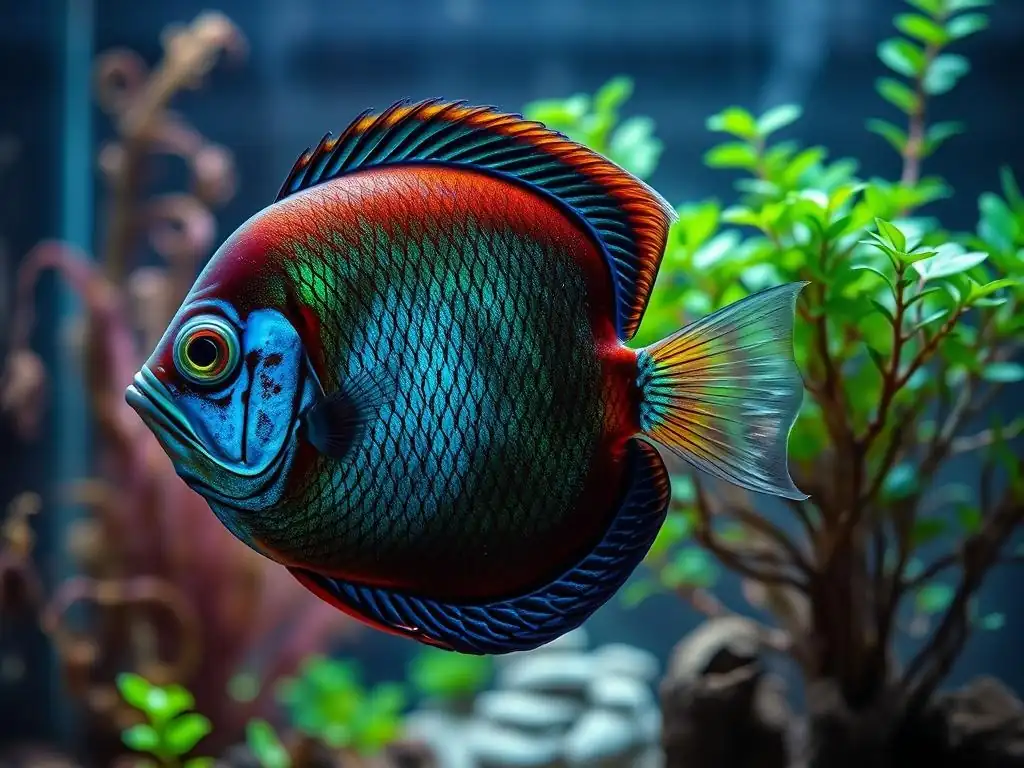
Planted Discus aquariums offer a stunning visual appeal, recreating a more naturalistic environment reminiscent of the Amazonian floodplains where Discus originate. The lush greenery provides hiding spots, reduces stress for the fish, and contributes to the overall aesthetic beauty of the aquarium. Beyond aesthetics, live plants play a crucial role in water quality management by absorbing nitrates, phosphates, and other waste products produced by the fish.
A well-planted tank can also contribute to a more stable ecosystem, providing beneficial bacteria colonization sites on leaf surfaces and roots. The presence of plants can make Discus feel more secure, leading to bolder behavior and more vibrant coloration. While a bare bottom Discus aquarium prioritizes ease of maintenance, a planted setup offers a rewarding challenge for aquarists aiming for a harmonious, living display.
Selecting Suitable Plants for a Discus Tank
Plants that Tolerate High Temperatures
Given the high temperature requirements of Discus (82-86°F or 28-30°C), selecting plants that can thrive in these conditions is crucial. Many common aquarium plants prefer cooler temperatures and will struggle or melt away. Good choices include various Anubias species (e.g., Anubias barteri, Anubias nana), Java Fern ( Microsorum pteropus), and Bucephalandra species, all of which are hardy epiphytes that attach to wood or rock.
Other suitable options include certain Sword plants ( Echinodorus species) like Amazon Sword, and some Cryptocoryne species ( Cryptocoryne wendtii, Cryptocoryne undulata). While not exhaustive, these plants have a proven track record of tolerating the warmer water a Discus aquarium requires, ensuring your green landscape remains vibrant alongside your fish.
Plants that Thrive in Soft, Acidic Water
Discus prefer soft, acidic water, and fortunately, many popular aquarium plants also flourish in these conditions. Plants like those from the Cryptocoryne genus, Echinodorus (Sword plants), and Anubias species are generally adaptable to a range of water parameters but will certainly thrive in softer, slightly acidic environments. Mosses, such as Java Moss ( Taxiphyllum barbieri), also appreciate these conditions.
It's important to remember that while the water might be soft and acidic, plants still require essential nutrients. These nutrients are typically supplied through the substrate, water column fertilizers, and CO2 injection, ensuring the plants remain healthy and robust in the specific water chemistry of a Discus tank. This balance ensures the plants contribute positively to the ecosystem, rather than becoming a source of decay.
Plant Nutrient Requirements for Discus Tanks
Live plants require a balance of macro and micronutrients to thrive. Macronutrients include Nitrogen (N), Phosphorus (P), and Potassium (K), often supplied through root tabs for heavy root feeders (like Swords) or liquid fertilizers for water column feeders. Micronutrients such as Iron (Fe), Manganese (Mn), and Boron (B) are equally vital and are typically dosed via liquid trace element solutions.
In a planted Discus tank, the fish waste provides some nitrogen and phosphorus, but supplemental fertilization is almost always necessary, especially in heavily planted setups. Care must be taken to ensure fertilizers do not contain harmful compounds for Discus, such as excessive copper. Consistent dosing and monitoring plant health are key to a flourishing planted Discus aquarium.
Setting Up Your Planted Discus Tank: A Step-by-Step Guide
Choosing the Right Substrate for Plant Growth
For a planted Discus tank, the substrate is a critical component, providing both a rooting medium for plants and a source of nutrients. Nutrient-rich substrates, often clay-based or laterite-enriched, are excellent choices as they slowly release essential minerals. Examples include ADA Aqua Soil, Fluval Stratum, or CaribSea Eco-Complete. These substrates also have the added benefit of buffering pH slightly downwards, which can be advantageous for Discus.
Alternatively, a layer of inert gravel or sand can be used, but it would require the addition of root tabs for heavy root feeders and consistent liquid fertilization. It's crucial to select a substrate that won't significantly alter water chemistry in an undesirable way or contain sharp edges that could harm bottom-dwelling Discus. A depth of 2-3 inches (5-7.5 cm) is generally sufficient for most plant roots.
CO2 Injection for Planted Discus Tanks: Benefits and Considerations
Carbon dioxide (CO2) injection is often a crucial component for successful planted Discus tanks, particularly for achieving lush growth in high-light setups. CO2 is a primary nutrient for plants, significantly boosting their photosynthetic rate, leading to faster and healthier growth. This accelerated growth helps plants outcompete algae and more efficiently consume nitrates.
However, CO2 injection requires careful monitoring. Too much CO2 can lower pH rapidly and dangerously for Discus, while too little will not benefit the plants. A reliable CO2 system with a regulator, solenoid, and drop checker is essential. It's vital to ensure stable pH and adequate oxygen levels, especially at night when plants consume oxygen. While not strictly necessary for every planted Discus tank, it unlocks the potential for truly vibrant plant growth.
Lighting Requirements for Planted Discus Aquariums
Lighting is one of the most critical factors for plant growth in a planted Discus tank, driving photosynthesis. The intensity, spectrum, and duration of lighting must be carefully matched to the chosen plant species. High-light plants require powerful full-spectrum LED fixtures, while low-light plants (like Anubias and Java Fern) can thrive under more moderate illumination.
The duration of lighting should typically be 8-10 hours per day to prevent algae growth. While Discus prefer dimmer conditions, a balance can be struck by using lights with dimming capabilities or by providing shaded areas with tall plants or driftwood. Properly selected lighting ensures healthy plant growth without stressing the Discus, contributing to a harmonious and vibrant planted Discus aquarium.
Aquascaping Techniques for Planted Discus Tanks
Aquascaping in a planted Discus tank involves creating a visually appealing and functional layout using plants, hardscape (wood, rocks), and substrate. Techniques like the "rule of thirds" or creating focal points can enhance aesthetics. Arrange plants from tall in the background to shorter in the foreground, providing depth. Consider the mature size of plants to avoid overcrowding.
Ensure there are open swimming areas for the Discus, as well as plenty of hiding spots among the foliage. Driftwood and smooth, inert rocks can be incorporated to provide structure and attachment points for epiphytic plants. The goal is to create a dynamic, natural-looking environment that benefits both the plants and the Discus, allowing them to feel secure and display their natural behaviors.
Maintaining a Planted Discus Aquarium: Key Considerations
Fertilization Strategies for Planted Discus Tanks
Effective fertilization is crucial for a thriving planted Discus aquarium. A comprehensive approach typically involves a combination of root tabs for heavy root feeders (inserted near the plant base) and liquid fertilizers for water column feeders. Liquid fertilizers can be dosed daily or weekly, providing macro and micronutrients. It's important to monitor plant health and adjust dosing accordingly, watching for signs of nutrient deficiencies like yellowing leaves or stunted growth.
Care must be taken to ensure that the chosen fertilizers are safe for Discus, as some contain elements like copper that can be toxic in high concentrations. Dosing after water changes helps replenish nutrients removed with the old water. Regular testing of nitrate and phosphate levels can help guide fertilization, preventing excesses that might fuel algae growth while ensuring plants have what they need.
Pruning and Plant Maintenance in a Discus Tank
Regular pruning is essential to maintain the health and aesthetic of a planted Discus aquarium. Fast-growing stem plants will require frequent trimming to prevent them from shading out other plants and to encourage bushier growth. Dead or decaying leaves should be promptly removed to prevent them from polluting the water and contributing to the bioload.
Algae management is also a continuous task. While healthy plants help to outcompete algae, occasional manual removal from glass and decor may be necessary. Ensuring proper nutrient balance, CO2 levels, and lighting duration will significantly reduce algae outbreaks. Consistent plant maintenance contributes to the overall stability and beauty of the Discus habitat.
Balancing Plant Needs with Discus Health
The primary challenge in a planted Discus tank is balancing the needs of the plants with the specific requirements of the Discus. High temperatures beneficial for Discus can stress some plants. Similarly, high lighting and CO2 injection, while great for plants, can potentially stress Discus if not managed carefully, especially regarding pH fluctuations.
Frequent water changes, while excellent for Discus, can dilute plant nutrients, requiring diligent fertilization. It's crucial to prioritize Discus health above all else. This means ensuring stable water parameters, avoiding rapid changes in pH due to CO2, and providing plenty of open swimming space. A carefully chosen selection of hardy, high-temperature tolerant plants, combined with a consistent maintenance routine, allows both Discus and plants to flourish.
Bare Bottom vs. Planted Discus Tanks: A Direct Comparison
Water Quality Management: Bare Bottom vs. Planted
In a Discus aquarium bare bottom, water quality management is simplified due to the absence of substrate, which can trap detritus. Waste is easily siphoned off, preventing decomposition and minimizing nitrate buildup. This allows for very precise control over water parameters and reduces the overall biological load on the filter. Daily or near-daily extensive water changes are common and highly effective.
Conversely, a planted Discus tank utilizes plants to help manage water quality by absorbing nitrates and phosphates. While plants contribute to a more natural biological balance, they also introduce variables such as decaying leaves and the need for fertilization, which can impact water chemistry if not managed properly. Regular water changes are still crucial, but perhaps slightly less frequent than in a bare bottom setup, depending on plant density and bioload.
Maintenance Requirements: Bare Bottom vs. Planted
The maintenance routine for a Discus aquarium bare bottom is typically characterized by speed and efficiency. Daily siphoning of visible waste and frequent, large-volume water changes are the primary tasks, which are straightforward and quick due to the unobstructed tank floor. Filter maintenance is also simplified as there's less detritus to clog media.
A planted Discus tank, while offering aesthetic rewards, demands a more diverse and often more time-consuming maintenance regimen. This includes regular pruning of plants, managing CO2 injection, precise fertilization, and dealing with potential algae outbreaks. While waste siphoning is still necessary, it can be more challenging around dense plant growth. The complexity of balancing plant and fish needs adds to the overall maintenance time.
Aesthetic Appeal: Bare Bottom vs. Planted
The aesthetic of a Discus aquarium bare bottom is one of minimalist elegance, where the vibrant colors and graceful movements of the Discus fish themselves are the undisputed focal point. The clean, unobstructed view allows for appreciation of every detail of the fish, often enhanced by simple, removable decor like driftwood or smooth rocks. It conveys a sense of clinical cleanliness and purpose.
In contrast, a planted Discus tank aims to replicate a lush, naturalistic underwater landscape. The beauty lies in the interplay of green foliage, hardscape, and the fish, creating a vibrant, living ecosystem. This setup offers a more immersive and aesthetically rich experience, appealing to those who appreciate the art of aquascaping and a more "biotope" feel.
Impact on Discus Health: Bare Bottom vs. Planted
Both bare bottom and planted Discus aquarium setups can support healthy Discus, provided they are meticulously maintained. A bare bottom tank excels in disease prevention through superior hygiene and easy observation, reducing the chances of water quality issues and allowing for quick detection of illness. This makes it ideal for sensitive fish, juveniles, or breeding pairs.
A well-executed planted tank can reduce stress for Discus by providing hiding spots and a more natural environment, which can contribute to overall well-being and vibrant coloration. However, the added complexity of managing plants (CO2, fertilization, potential for decaying matter) means there are more variables that could negatively impact water quality if not managed perfectly. Ultimately, the impact on Discus health depends more on the aquarist's diligence than the setup type itself.
Choosing the Right Setup for Your Discus: Factors to Consider
Your Experience Level as an Aquarist
For novice Discus keepers, a Discus aquarium bare bottom setup is generally recommended due to its simplicity in maintenance and ease of water quality management. The straightforward cleaning routines and immediate visibility of fish health issues provide a more forgiving learning curve for those new to the intricacies of Discus care. It allows the aquarist to focus primarily on water parameters and fish well-being without the added complexities of plant husbandry.
More experienced aquarists, particularly those with a solid understanding of plant nutrition, CO2 injection, and aquatic chemistry, might find a planted Discus tank a rewarding challenge. Their expertise enables them to balance the needs of both plants and fish effectively, creating a stable and aesthetically pleasing ecosystem. However, even seasoned hobbyists often start with bare bottom setups for grow-out or quarantine, acknowledging its practical advantages.
Your Time Commitment for Tank Maintenance
The time commitment for a Discus aquarium bare bottom is often higher in terms of frequency but lower in terms of complexity per session. Daily or every-other-day siphoning and large water changes are quick and efficient. This routine, while frequent, is very direct and requires minimal specialized tasks beyond water conditioning and temperature matching. It suits those who can dedicate short bursts of time consistently.
A planted Discus tank, while potentially requiring less frequent large water changes if well-balanced, demands different types of time investment. This includes regular plant pruning, precise fertilization, monitoring CO2 levels, and potentially battling algae. These tasks can be more time-consuming and require a deeper understanding of plant biology. Consider your lifestyle and willingness to engage in these varied maintenance tasks when making your choice.
Your Aesthetic Preferences
Your personal aesthetic preferences play a significant role in choosing between a Discus aquarium bare bottom and a planted setup. If you appreciate a clean, minimalist look where the fish are the absolute focal point, showcasing their colors and forms against a simple background, then a bare bottom tank will likely appeal to you. This setup often emphasizes the health and perfection of the fish themselves.
If you envision a lush, vibrant underwater garden, rich with greenery and natural hardscape, then a planted Discus tank is likely more aligned with your aesthetic. This approach creates a more natural biotope feel, providing a dynamic and evolving display. The choice is ultimately a reflection of whether you prefer a "showroom" look or a "slice of nature" within your home.
Your Budget for Aquarium Supplies
The initial setup cost for a Discus aquarium bare bottom tends to be lower. You save on the expense of specialized aquarium substrate, root tabs, and potentially high-end lighting or CO2 injection systems. The primary investments are a quality tank, robust filtration, reliable heating, and the Discus themselves. Ongoing costs are mainly for water conditioners and electricity for heating and filtration.
A planted Discus tank typically involves a higher initial investment. This includes nutrient-rich substrates, more powerful full-spectrum lighting, CO2 injection equipment (regulator, tank, diffuser), and a wider variety of plants. Ongoing costs will include liquid fertilizers, CO2 refills, and potentially more specialized plant care tools. Consider these financial implications when planning your Discus aquarium.
Common Mistakes to Avoid in Discus Aquarium Setups (Bare Bottom or Planted)
Overcrowding the Tank
One of the most common and detrimental mistakes in any Discus aquarium setup, whether bare bottom or planted, is overcrowding. Discus are large, social, and messy fish. Placing too many fish in an undersized tank leads to rapid deterioration of water quality, increased aggression among fish due to limited space, and stunted growth. A general guideline is to allow at least 10-15 gallons (38-57 liters) per adult Discus.
Overcrowding also places an excessive burden on the filtration system, making it difficult to maintain the pristine water conditions that Discus demand. This stress weakens their immune system, making them highly susceptible to diseases. Always err on the side of caution and provide more space than the minimum recommended, ensuring a healthy and harmonious environment for your valuable Discus.
Neglecting Water Changes
Regardless of whether you have a bare bottom Discus aquarium or a heavily planted one, neglecting regular and substantial water changes is a recipe for disaster. Discus are extremely sensitive to nitrates and other dissolved organic compounds that accumulate in the water. Infrequent water changes lead to a buildup of these toxins, causing stress, fin rot, stunted growth, and susceptibility to various diseases.
Many experienced Discus keepers perform daily or every-other-day water changes, especially for juveniles. Even for established adult tanks, 50% weekly or 25-30% every few days is often considered the minimum. This consistent replenishment of fresh, conditioned water is the single most important maintenance task to ensure the long-term health and vibrancy of your Discus.
Improper Filtration
Inadequate or improperly maintained filtration is another critical error. Discus produce a significant bioload, and their tanks require robust mechanical, biological, and often chemical filtration. Relying solely on a small hang-on-back filter for a large Discus tank will inevitably lead to water quality issues. Canister filters, sumps, or multiple large sponge filters are typically necessary.
Furthermore, filter maintenance is crucial. Mechanical media (sponges, filter floss) should be cleaned frequently to prevent trapped detritus from decomposing and releasing nitrates. Biological media should be rinsed gently in old tank water to preserve beneficial bacteria. Neglecting filter maintenance compromises its efficiency, leading to unstable water parameters and a decline in Discus health.
Incompatible Tank Mates
Choosing incompatible tank mates is a common mistake that can severely stress Discus. Discus are peaceful, slow-moving, and easily intimidated fish that prefer warm, soft, acidic water. Fast-moving, fin-nipping, or aggressive species, such as Tiger Barbs, most Cichlids (other than certain dwarf species), or even some types of Tetras, can harass Discus, outcompete them for food, and cause chronic stress leading to illness.
Ideal tank mates, if any, should be similarly peaceful, require similar water parameters, and not be overly competitive. Examples include Rummy Nose Tetras, Cardinal Tetras, peaceful Corydoras catfish, and Otocinclus catfish. Many Discus keepers opt for a species-only tank to entirely eliminate the risk of incompatible tank mates, allowing the Discus to thrive without external stressors.
Optimizing Your Discus Aquarium for Breeding (If Applicable)
Specific Requirements for Discus Breeding Tanks
Discus breeding tanks are almost exclusively bare bottom Discus aquarium setups, primarily for hygiene and ease of monitoring. A smaller tank, typically 20-30 gallons (75-115 liters), is ideal for a single breeding pair, as it allows for easier control of water parameters and concentrated care. The tank should be kept spotlessly clean, with minimal decor to avoid hiding places for eggs or fry.
Water parameters for breeding are often more stringent than for general keeping, typically aiming for very soft water (GH 0-2 dGH) and acidic pH (5.5-6.0), often achieved through reverse osmosis (RO) water and peat filtration. The temperature is usually kept at the higher end of their range, around 84-86°F (29-30°C), to stimulate spawning. A dedicated breeding cone or slate is provided for egg laying.
Creating a Suitable Environment for Spawning
To encourage Discus to spawn, the environment needs to be not only pristine but also stable and secure. Daily large water changes (50-100%) with perfectly matched RO or very soft, aged tap water are critical to trigger spawning behavior and maintain water quality for the delicate eggs and fry. Dim lighting and a quiet location free from vibrations or sudden movements will reduce stress on the breeding pair.
A rough surface for egg deposition, such as a terracotta breeding cone, a piece of PVC pipe, or a broad-leafed plant (if used in a minimalist setup), is essential. The parents will guard and fan the eggs, and later the fry will feed directly from the parents' slime coat. Maintaining optimal water quality and a stress-free environment in this specialized Discus aquarium bare bottom setup is paramount for successful breeding.
Conclusion: Creating a Thriving Discus Aquarium, Your Way
The Importance of Research and Planning
Setting up a Discus aquarium, whether you choose a Discus aquarium bare bottom or a planted setup, is a commitment that demands thorough research and meticulous planning. Understanding the specific needs of these magnificent fish – from their preferred water parameters and temperature to their social behaviors and dietary requirements – is the first crucial step. Investing time in learning before acquiring any fish will prevent common pitfalls and ensure a higher chance of success.
Careful planning extends to selecting the right equipment, designing an appropriate maintenance schedule, and anticipating potential challenges. This proactive approach allows you to create a stable, healthy, and enriching environment for your Discus from day one, laying the foundation for their long-term well-being and vibrant display.
Enjoying the Beauty of Discus Fish
Ultimately, the goal of setting up a Discus aquarium is to enjoy the unparalleled beauty and grace of these "Kings of the Aquarium." Whether you opt for the functional simplicity and ease of maintenance offered by a Discus aquarium bare bottom, or the naturalistic allure of a lushly planted tank, the reward is a captivating aquatic display. Witnessing their vibrant colors, intricate patterns, and unique parental care (if breeding) is a truly fulfilling experience for any aquarist.
With diligent care, consistent maintenance, and a deep appreciation for their specific needs, your Discus will thrive, bringing a piece of the Amazonian rainforest into your home. The journey of keeping Discus is one of learning and dedication, culminating in the joy of observing these magnificent fish in a healthy and beautiful environment that you have carefully crafted.
Frequently Asked Questions
How does a bare bottom tank benefit Discus fish?
A bare bottom tank simplifies cleaning and maintenance, allowing for easier removal of waste and uneaten food. This helps maintain optimal water quality, crucial for the health and well-being of Discus.
Why might someone choose a planted tank for Discus instead of a bare bottom?
Planted tanks offer a more natural environment, reducing stress for Discus and enhancing their colors. Plants also contribute to water quality by absorbing nitrates and providing oxygen.
What are the main challenges of maintaining a bare bottom Discus aquarium?
The primary challenge is the lack of natural filtration provided by substrate and plants. Aquarists must be diligent with water changes and vacuuming to prevent waste buildup.
What are the key considerations for water chemistry in a bare bottom Discus tank?
Maintaining stable and pristine water parameters is paramount. This includes regular testing for ammonia, nitrite, and nitrate, as well as ensuring the correct pH for Discus.
What types of filtration are recommended for a bare bottom Discus aquarium?
Using a powerful filtration system is highly recommended, including both mechanical and biological filtration. Regular filter maintenance is also crucial to ensure effective waste removal.
Final Reflection: Clarity and Connection in Discus Keeping
The debate between bare bottom and planted Discus aquariums, as we've explored, isn't just about aesthetics; it's a fundamental choice impacting the health and well-being of these magnificent fish. The current emphasis on sustainable and responsible aquarium keeping makes this decision even more crucial, demanding a thoughtful approach that prioritizes the Discus's needs above all else. Choosing the right setup is an investment in their longevity and vibrancy, reflecting our commitment as aquarists.
This journey into the world of Discus keeping highlights the enduring power of knowledge and careful consideration in creating thriving aquatic ecosystems. The constant learning and adaptation required to successfully keep Discus mirrors the challenges and rewards of nurturing any living thing. It's a testament to our ability to create beauty and harmony, even in controlled environments. The best way to observe a fish is to become a fish.
- Jacques Cousteau. This quote reminds us that empathy and understanding are key to providing the best possible care for our aquatic companions.
Now, as you embark on your own Discus-keeping adventure, take a moment to reflect on the principles we've discussed. Consider the unique needs of your fish, the resources available to you, and the long-term commitment involved. Let the knowledge gained here empower you to create a Discus aquarium that is not only visually stunning but also a haven of health and happiness for these captivating creatures. Your dedication will undoubtedly be rewarded with the mesmerizing beauty and grace of thriving Discus.
Ignite Your Discus Passion!
Thank you for diving deep into the world of discus aquariums! We hope you've gained valuable insights into the bare bottom versus planted tank debate. Now, let's turn that knowledge into action and create the perfect home for your discus.
Here's how you can take the next steps:
- Commit to your vision: Decide on whether a bare bottom or planted tank better suits your lifestyle and discus’ needs. This is the single most important step!
- Explore advanced discus care. Research and read about feeding techniques, water change routines or suitable tankmates.
- Share your setup journey. Start a forum thread or a social media account to document your aquarium's progress and get feedback from the community.
What unique aquascaping element will you incorporate into your discus tank to make it truly stand out?