
Adolfoi Corydoras (C. adolfoi): The Striking Black and Orange Jewel

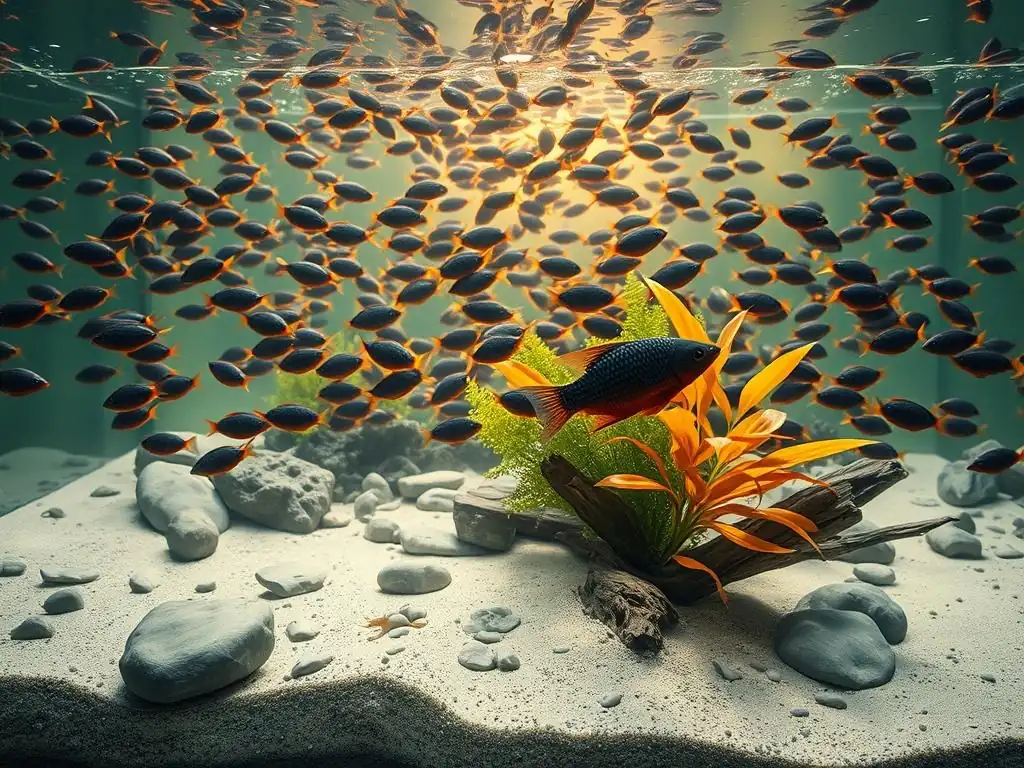
Welcome to Aquarium Mastery!
Ever been captivated by a fish that seems to glow with vibrant color? The Adolfoi Corydoras, with its striking black and orange markings, is one such gem. Curious about how to provide the best Black and orange corydoras care for these stunning additions to your freshwater aquarium? Dive in to discover everything you need to know, from ideal tank conditions to compatible tank mates and breeding tips. Let's unlock the secrets to keeping these beautiful bottom-dwellers thriving!
- Adolfoi Corydoras (Corydoras adolfoi): A Comprehensive Care Guide
- Understanding the Appeal of Adolfoi Corydoras
- Adolfoi Corydoras Care: Essential Guidelines
- Adolfoi Corydoras Tank Mates: Compatibility and Considerations
- Identifying and Treating Common Adolfoi Corydoras Diseases
- Breeding Adolfoi Corydoras: A Challenging but Rewarding Endeavor
- Purchasing Adolfoi Corydoras: Selecting Healthy Specimens
- Adolfoi Corydoras: A Summary of Key Care Requirements
-
Frequently Asked Questions
- How difficult is it to care for Adolfoi Corydoras compared to other Corydoras species?
- What is the ideal tank size for a group of Adolfoi Corydoras?
- What type of substrate is best for Adolfoi Corydoras?
- What should I feed my Adolfoi Corydoras?
- What are some common health issues to watch out for in Adolfoi Corydoras?
- Final Reflection: Appreciating the Delicate Balance of Life
- Ignite Your Aquarium: Bring Adolfoi Corydoras to Life!
Adolfoi Corydoras (Corydoras adolfoi): A Comprehensive Care Guide
Understanding the Appeal of Adolfoi Corydoras
Why Choose Adolfoi Corydoras for Your Aquarium?
Adolfoi Corydoras, often admired for their distinctive black and orange corydoras coloration, are a popular choice among aquarists due to their peaceful temperament and active, engaging behavior. These small, bottom-dwelling catfish contribute significantly to the aesthetic and biological balance of a freshwater community tank, constantly sifting through the substrate in search of food. Their relatively small size, typically reaching an adult length of 2 to 2.5 inches (5 to 6 cm), makes them suitable for aquariums starting from 15 gallons, though larger tanks are always preferred for schools.
Beyond their visual appeal, Adolfoi Corydoras are known for their hardiness when provided with appropriate black and orange corydoras care. They are excellent scavengers, helping to keep the substrate clean by consuming uneaten food and detritus, which can contribute to better water quality. Their schooling nature means they are best kept in groups of at least six individuals, which not only reduces stress but also allows their natural social behaviors to flourish, making them a truly captivating addition to any well-maintained aquarium.
The Distinctive Appearance of Adolfoi Corydoras
The Adolfoi Corydoras, Corydoras adolfoi, is renowned for its striking and easily identifiable coloration, which sets it apart from other Corydoras species. Its most prominent features include a bold black band that runs horizontally through the eye, extending from the snout to the operculum, creating a mask-like effect. Complementing this is a distinct black stripe that runs along the top of the dorsal fin, enhancing its profile.
However, the most captivating aspect of this black and orange corydoras is the vibrant orange-red patch located on the top of its head, just behind the eyes, and extending onto the nape area. This vivid splash of color stands in stark contrast to its otherwise silvery-tan body, making it a true jewel in the aquarium. While often confused with Corydoras duplicareus, the orange patch on C. adolfoi is typically more pronounced and extends further down the back, cementing its unique identity and desirability among enthusiasts.
Adolfoi Corydoras Care: Essential Guidelines
Creating the Ideal Habitat for Adolfoi Corydoras
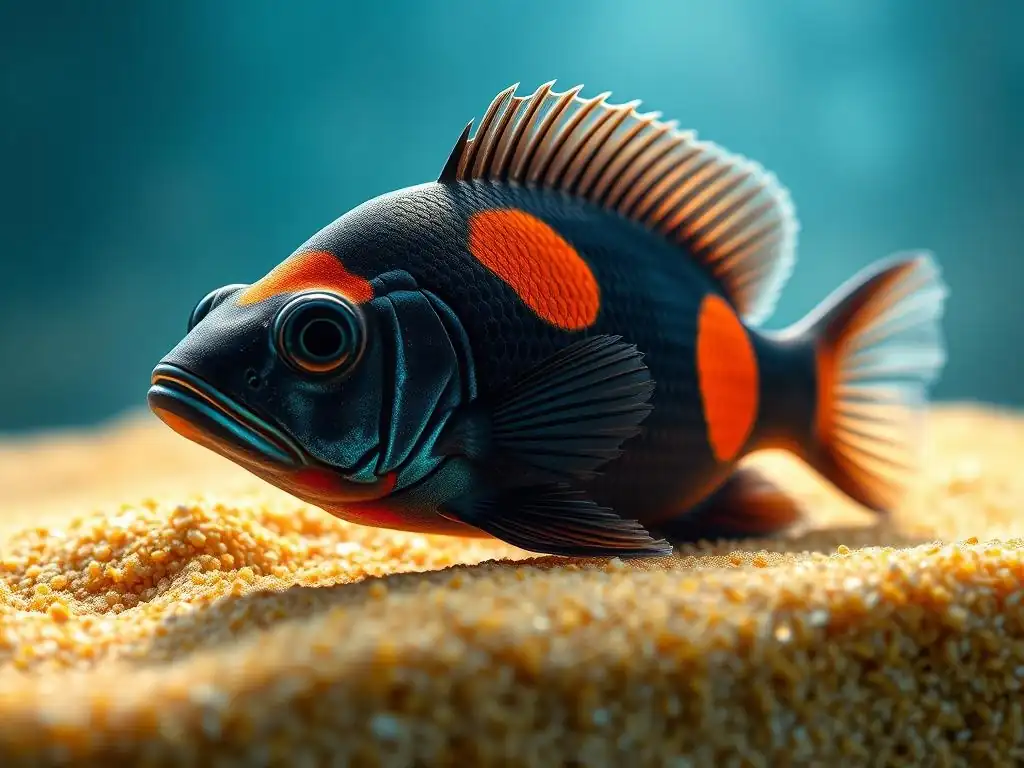
Replicating the natural habitat of Adolfoi Corydoras is crucial for their well-being and longevity. In their native South American streams, particularly in the Rio Negro basin of Brazil, they inhabit clear, slow-moving waters with sandy or silty bottoms and abundant leaf litter and submerged root systems. A successful aquarium setup for these black and orange corydoras should aim to mimic these conditions, providing both open areas for foraging and plenty of hiding spots.
A well-established aquarium with stable parameters is vital for Corydoras adolfoi. This includes allowing the nitrogen cycle to fully mature before introducing fish, ensuring that ammonia and nitrite levels remain at zero. Providing a diverse environment with live plants, smooth rocks, and driftwood not only offers visual appeal but also creates a sense of security and enrichment for these peaceful bottom dwellers, encouraging their natural behaviors.
Tank Size Requirements for Adolfoi Corydoras
For a healthy and thriving school of Adolfoi Corydoras, a minimum tank size of 15 to 20 gallons (approximately 57 to 76 liters) is recommended for a group of 6 to 8 individuals. While they are small fish, their schooling nature means they require adequate space to move freely and express their natural behaviors without becoming stressed. A larger tank, such as a 30-gallon (113-liter) or 40-gallon (151-liter) breeder tank, is even more beneficial, providing greater water volume for stability and allowing for a larger, more active school.
It is important to note that the footprint of the tank is often more critical than its height for Corydoras species, as they primarily inhabit the bottom. A longer and wider tank provides more surface area for foraging and swimming, which is ideal for their active lifestyle. Overcrowding can lead to stress, increased aggression (though rare for this species), and poor water quality, negatively impacting their black and orange corydoras care.
Essential Water Parameters for Optimal Health
Maintaining stable and appropriate water parameters is paramount for the health and vibrancy of Adolfoi Corydoras. They thrive in soft to moderately hard, slightly acidic to neutral water. The ideal temperature range is between 72-79°F (22-26°C), which is suitable for many community tropical fish. The pH should be maintained between 6.0 and 7.5, with a general hardness (GH) range of 2-12 dGH.
Crucially, ammonia and nitrite levels must always be at 0 ppm, and nitrate levels should be kept below 20 ppm. Regular testing of these parameters using a reliable liquid test kit is essential to ensure a healthy environment. Sudden fluctuations in temperature or water chemistry can cause significant stress to these sensitive fish, making consistent water quality a cornerstone of effective black and orange corydoras care.
Substrate and Decoration Recommendations
The choice of substrate is critical for Adolfoi Corydoras, as they spend their time sifting through it with their delicate barbels in search of food. A fine, soft sand substrate is highly recommended, as it allows them to forage safely without damaging their sensory barbels. Gravel with sharp edges should be avoided at all costs, as it can cause abrasions and lead to infections. If gravel must be used, ensure it is very smooth and small, but sand remains the superior choice.
In terms of decorations, providing plenty of hiding spots and visual barriers will make these black and orange corydoras feel secure. Driftwood, smooth river stones, and live plants are excellent choices. Plants like Java Moss, Anubias, Cryptocoryne species, and Amazon Swords provide cover and resting spots. Ensure that any decorations are free of sharp edges and are securely placed to prevent them from falling and injuring the fish.
Adolfoi Corydoras Diet and Feeding Habits
Adolfoi Corydoras are omnivores that primarily feed on small invertebrates and detritus in their natural habitat. In the aquarium, a varied and high-quality diet is crucial to meet their nutritional needs and ensure their long-term health. As bottom dwellers, they require sinking foods that reach them before being consumed by mid-water or surface feeders.
Their diet should consist of a staple of high-quality sinking pellets or wafers specifically designed for catfish or bottom feeders. These should be supplemented with a variety of frozen and live foods to provide essential nutrients and mimic their natural feeding behaviors. A diverse diet not only boosts their immune system but also enhances their vibrant black and orange corydoras coloration.
What to Feed Your Adolfoi Corydoras
To ensure a balanced diet for your Adolfoi Corydoras, offer a mix of staple and supplementary foods. High-quality sinking pellets or wafers, such as Hikari Sinking Wafers or Omega One Shrimp Pellets, should form the basis of their diet, providing essential proteins, fats, and vitamins. These pellets are formulated to sink quickly, ensuring the corydoras receive adequate nutrition.
For supplementary feeding, frozen foods like bloodworms, brine shrimp, and daphnia are excellent choices, offering high protein content and stimulating their natural foraging instincts. Live foods such as blackworms or Grindal worms can also be offered periodically as a treat and to encourage breeding. Always thaw frozen foods before feeding and avoid overfeeding to prevent water quality issues.
Feeding Schedule for Adolfoi Corydoras
Adolfoi Corydoras should be fed once or twice daily, depending on the tank's population and the amount of food provided. It is crucial to offer small portions that can be consumed within 2-3 minutes to prevent uneaten food from decaying and fouling the water. Since they are primarily nocturnal foragers in the wild, feeding them once in the evening, just before lights out, can be particularly beneficial as it ensures the food reaches them after more aggressive feeders have settled down.
Observe your fish during feeding to ensure all individuals are getting enough to eat, especially in a community tank where faster-moving fish might outcompete them. If you notice any fish looking thin, consider adjusting the feeding quantity or frequency. Consistent feeding schedules contribute to a stable environment, which is a key aspect of black and orange corydoras care.
Maintaining Pristine Water Quality for Adolfoi Corydoras
Maintaining pristine water quality is arguably the most critical aspect of Adolfoi Corydoras care. These fish are highly sensitive to poor water conditions, particularly elevated levels of ammonia, nitrite, and nitrate. Their natural habitat features clean, well-oxygenated water, and replicating this in the aquarium is essential for their health and longevity.
Regular monitoring of water parameters and consistent maintenance practices are non-negotiable. A well-filtered tank with appropriate biological, mechanical, and chemical filtration will help manage waste products. Without diligent water quality management, Adolfoi Corydoras are highly susceptible to stress, disease, and premature death, undermining all other efforts in black and orange corydoras care.
Regular Water Changes: A Must for Corydoras Health
Regular water changes are the cornerstone of maintaining excellent water quality for Adolfoi Corydoras. A weekly water change of 25-30% is generally recommended to dilute nitrates, replenish essential minerals, and remove accumulated organic waste that filtration alone cannot handle. For heavily stocked tanks or those with larger bioloads, more frequent or larger water changes may be necessary.
Always use a reliable dechlorinator or water conditioner when adding tap water to the aquarium to neutralize chlorine and chloramines, which are toxic to fish. Ensure the temperature of the new water is closely matched to the tank water to prevent temperature shock. Consistent water changes significantly reduce the risk of disease and promote a vibrant, healthy environment for your black and orange corydoras.
Filtration Needs for a Thriving Adolfoi Corydoras Tank
Effective filtration is vital for keeping the water clean and well-oxygenated for Adolfoi Corydoras. A good filtration system should provide biological, mechanical, and chemical filtration. Sponge filters are an excellent choice for corydoras tanks due to their gentle flow, which is preferred by these fish, and their large surface area for beneficial bacteria. They are also safe for fry if breeding is attempted.
Hang-on-back (HOB) filters or canister filters can also be used, provided they offer adjustable flow rates to avoid creating strong currents that can stress the fish. Regardless of the filter type, ensure it is adequately sized for your tank volume and bioload. Regular cleaning of filter media (rinsing in old tank water) is necessary to prevent clogs and maintain efficiency, contributing to optimal black and orange corydoras care.
Adolfoi Corydoras Tank Mates: Compatibility and Considerations
Best Tank Mates for Peaceful Community Aquariums
Adolfoi Corydoras are exceptionally peaceful and social fish, making them ideal inhabitants for a well-planned community aquarium. The best tank mates are other similarly sized, non-aggressive species that prefer similar water parameters and occupy different levels of the water column. This prevents competition for space and food, ensuring a harmonious environment.
Excellent choices include small schooling tetras such as Neon Tetras, Cardinal Tetras, Ember Tetras, and Rummy-Nose Tetras, which typically swim in the mid-to-upper levels. Other suitable companions are peaceful rasboras (e.g., Harlequin Rasboras, Chili Rasboras), small peaceful gouramis (like Honey Gouramis or Dwarf Gouramis), and other peaceful bottom dwellers such as Otocinclus catfish. It is paramount to keep Adolfoi Corydoras in a group of at least six individuals to allow them to school and feel secure, which is a crucial aspect of their black and orange corydoras care.
Fish to Avoid Housing with Adolfoi Corydoras
When selecting tank mates for Adolfoi Corydoras, it is important to avoid any species that are aggressive, predatory, or known fin-nippers. Large cichlids, even some of the smaller ones, can view Corydoras as a food source or become territorial, leading to stress or injury. Similarly, aggressive barbs like Tiger Barbs are notorious fin-nippers and can harass the peaceful corydoras.
Additionally, avoid housing Adolfoi Corydoras with fish that require significantly different water parameters or temperatures outside their ideal range. For instance, species that thrive in very high pH or hard water might not be suitable. Any fish large enough to swallow a Corydoras should also be excluded. Ensuring compatibility with tank mates is a key part of providing comprehensive black and orange corydoras care and maintaining a stress-free environment.
Identifying and Treating Common Adolfoi Corydoras Diseases
Recognizing Signs of Illness in Your Adolfoi Corydoras
Early detection of illness is vital for successful treatment and preventing the spread of disease within your aquarium. Healthy Adolfoi Corydoras are active, constantly foraging, and display vibrant black and orange corydoras coloration. Any deviation from this behavior or appearance should raise a red flag.
Signs of illness can include lethargy, spending unusual amounts of time hiding or motionless, loss of appetite, or erratic swimming patterns. Physical symptoms might involve clamped fins, faded coloration, visible white spots (Ich), fuzzy growths (fungus), frayed or ragged fins (fin rot), bloating, or visible lesions. Observing your fish daily during feeding times can help you spot these changes early, allowing for prompt intervention.
Common Diseases Affecting Adolfoi Corydoras and Their Treatments
Like all aquarium fish, Adolfoi Corydoras can be susceptible to various diseases, though many are often stress-related or a direct consequence of poor water quality. Prevention is always the best cure, emphasizing consistent maintenance, a balanced diet, and avoiding overcrowding. If a disease does occur, prompt action is necessary.
General treatment involves isolating the affected fish if possible, performing a significant water change (30-50%) to improve water quality, and increasing aeration. Always follow the instructions on any medication precisely, as Corydoras can be sensitive to certain chemicals, particularly those containing copper.
Ich (White Spot Disease) and its Treatment
Ich, caused by the parasite Ichthyophthirius multifiliis, is one of the most common and recognizable diseases in freshwater aquariums. It manifests as small, white spots resembling grains of salt scattered over the fish's body and fins. Affected fish may also show signs of irritation, such as rubbing against decorations or rapid gill movement, due to the parasite irritating their skin and gills.
Treatment for Ich typically involves a combination of methods. Gradually raising the water temperature to 82-84°F (28-29°C) over 24-48 hours can accelerate the parasite's life cycle, making it more vulnerable to treatment (ensure all tank inhabitants can tolerate this temperature). Adding aquarium salt (1 teaspoon per gallon, if plants and invertebrates are not salt-sensitive) can also help.
Commercial Ich medications, such as those containing malachite green or formalin (e.g., Seachem ParaGuard, API Super Ick Cure), are highly effective when used according to the manufacturer's instructions. Continue treatment for at least 10-14 days to ensure all life stages of the parasite are eradicated.
Fin Rot and its Treatment
Fin rot is a bacterial infection that causes the fins of fish to appear frayed, ragged, or to disintegrate. The edges of the affected fins may also become discolored, often with a white, red, or black margin. It is typically caused by poor water quality, overcrowding, stress, or physical injury that allows opportunistic bacteria to take hold.
The primary treatment for fin rot involves immediate and significant improvement of water quality. Perform daily small water changes (20-30%) for several days to reduce the bacterial load and remove pollutants. Ensure the tank is not overcrowded and that filtration is adequate. In mild cases, improved water conditions alone may be sufficient for recovery. For more severe cases, a broad-spectrum antibacterial medication (e.g., API Furan-2, Maracyn) should be used as directed. Maintaining pristine water quality is key to preventing recurrence and is a fundamental aspect of black and orange corydoras care.
Breeding Adolfoi Corydoras: A Challenging but Rewarding Endeavor
Creating Breeding Conditions for Adolfoi Corydoras
Breeding Adolfoi Corydoras can be a challenging yet highly rewarding experience for dedicated aquarists. To encourage spawning, it's essential to replicate the conditions they experience in their natural environment during the rainy season. This typically involves using soft, slightly acidic water with a pH between 6.0 and 7.0 and a temperature initially around 68-72°F (20-22°C). A group of at least six mature individuals, with a slight bias towards males (e.g., 2 females to 4 males), increases the chances of success.
Conditioning the fish with a varied and protein-rich diet is crucial; offer plenty of live foods like blackworms, Grindal worms, and daphnia, as well as frozen bloodworms and brine shrimp. To trigger spawning, perform large, cool water changes (50% or more) frequently, perhaps every other day, using water that is 5-10°F cooler than the tank water. This simulates the influx of cool rainwater and a drop in atmospheric pressure, which often induces spawning in Corydoras species. Providing spawning mops, broad-leafed plants (like Anubias), or even clean tank glass as egg-laying surfaces is also beneficial.
The Adolfoi Corydoras Breeding Process
Once the breeding conditions are met, Adolfoi Corydoras typically engage in a distinctive spawning ritual known as the "T-position." During this process, the male positions himself perpendicular to the female, with his body forming the crossbar of the "T" shape, and clasps her barbels with his pectoral fin. The female then releases 2-4 eggs into a pouch formed by her pelvic fins, which she then carries to a chosen surface – often the tank glass, broad plant leaves, or spawning mops – and attaches them with an adhesive substance.
This process is repeated multiple times over several hours, with a single female capable of laying anywhere from 20 to over 100 eggs. The eggs are typically small, translucent, and slightly amber in color. After spawning is complete, it is advisable to remove the adult fish from the breeding tank or carefully move the eggs to a separate hatching tank to prevent the parents from consuming them. Eggs usually hatch within 3-5 days at a temperature of around 75°F (24°C).
Raising Adolfoi Corydoras Fry: A Detailed Guide
Raising Adolfoi Corydoras fry requires meticulous care and attention to water quality and feeding. Once the eggs hatch, the fry are tiny and absorb their yolk sacs for the first 2-3 days. During this period, they do not require external feeding. After their yolk sacs are absorbed, they become free-swimming and will need microscopic foods.
Initial foods should include infusoria, liquid fry food, or finely crushed spirulina powder. After a few days, they can graduate to newly hatched brine shrimp or micro-worms, which provide essential protein for rapid growth. Feed small amounts multiple times a day to ensure constant access to food without fouling the water.
Maintaining pristine water quality is paramount; perform daily small water changes (10-20%) using an air stone for gentle circulation, ensuring no strong filtration that could suck up the delicate fry. Avoid strong currents. The fry grow slowly, typically reaching juvenile size (around 1 cm) in 4-6 weeks, at which point they can begin to consume finely crushed flakes or small sinking pellets.
Purchasing Adolfoi Corydoras: Selecting Healthy Specimens
Where to Buy Adolfoi Corydoras
When looking to add Adolfoi Corydoras to your aquarium, selecting a reputable source is crucial for acquiring healthy specimens. Local fish stores (LFS) are often a good starting point, as they allow you to visually inspect the fish and their holding conditions before purchase. A good LFS will have clean tanks, healthy-looking fish, and knowledgeable staff who can answer questions about the fish's origin and care.
Online retailers also offer Adolfoi Corydoras, especially if they are not readily available in your local area. When purchasing online, research the seller's reputation, read customer reviews regarding their shipping practices and the health of their fish. Ensure they offer a live arrival guarantee and understand their acclimation procedures. Reputable breeders might also sell directly, providing an opportunity to acquire high-quality, often tank-raised, specimens.
Identifying Healthy Adolfoi Corydoras for Purchase
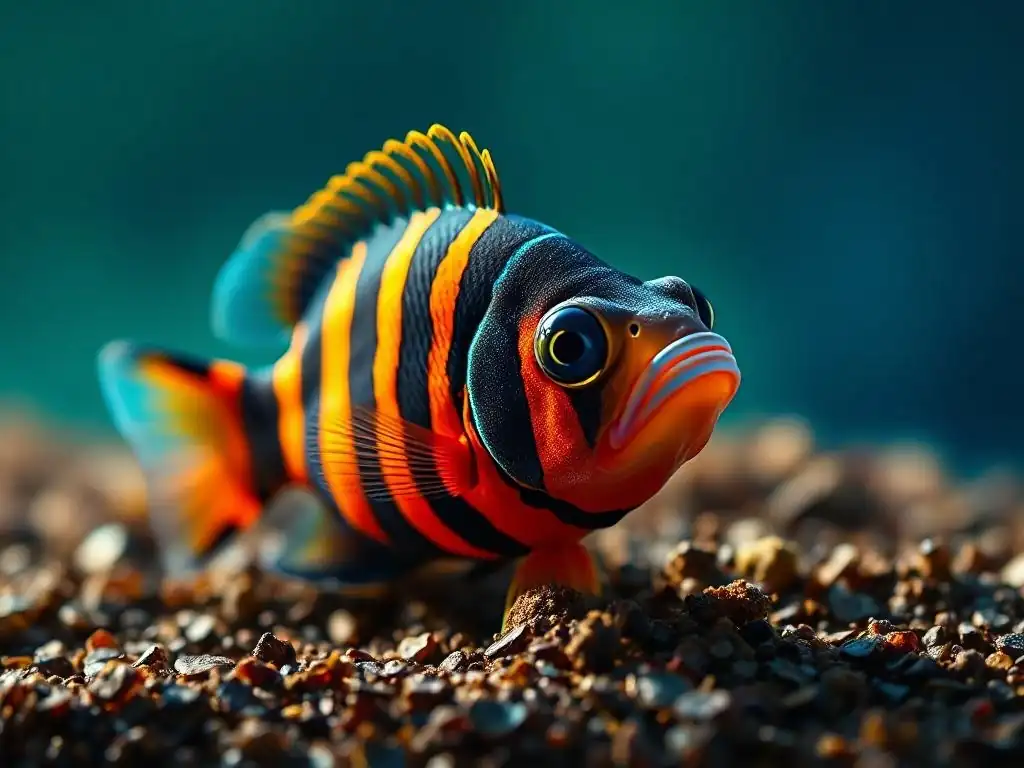
Identifying healthy Adolfoi Corydoras is key to a successful addition to your tank and effective black and orange corydoras care. Take time to observe the fish in the store tank before making a purchase. Healthy Corydoras adolfoi should be active, constantly foraging on the substrate, and exhibiting their natural schooling behavior. Their black and orange corydoras coloration should be vibrant and well-defined, not faded or dull.
Look for fish with clear eyes, intact fins (no tears, fraying, or white spots), and a full, rounded belly. Avoid any fish that appear lethargic, are isolated from the group, have clamped fins, visible spots, lesions, or discolored patches. Also, check the tank itself – it should be clean, well-maintained, and free of deceased fish. Observing their breathing rate can also be indicative; rapid or labored breathing suggests stress or illness.
Adolfoi Corydoras: A Summary of Key Care Requirements
Quick Guide to Adolfoi Corydoras Care
Adolfoi Corydoras are charming and peaceful bottom dwellers that thrive in well-maintained freshwater aquariums. To ensure their well-being, always keep them in schools of at least six individuals, as they are highly social fish. A minimum tank size of 15-20 gallons (57-76 liters) is recommended for a small group, with a preference for longer tank footprints. Maintain stable water parameters: temperature 72-79°F (22-26°C), pH 6.0-7.5, and GH 2-12 dGH.
Their habitat should include a soft sand substrate to protect their delicate barbels, along with ample hiding spots provided by driftwood, smooth rocks, and live plants. A varied diet of high-quality sinking pellets, supplemented with frozen and live foods like bloodworms and brine shrimp, is essential. Regular weekly water changes of 25-30% and robust, yet gentle, filtration are crucial for pristine water quality, which is paramount for preventing disease and ensuring optimal black and orange corydoras care.
Ensuring a Long and Healthy Life for Your Adolfoi Corydoras
Providing consistent and attentive black and orange corydoras care is the key to ensuring a long, healthy, and vibrant life for your Adolfoi Corydoras. This involves more than just meeting their basic needs; it encompasses creating a stable, stimulating, and stress-free environment. Regular monitoring of water parameters, diligent tank maintenance, and a balanced diet are non-negotiable foundations for their health.
Furthermore, ensuring compatible tank mates and avoiding overcrowding will significantly reduce stress, which is a major contributor to disease in aquarium fish. With proper care, Adolfoi Corydoras can live for 5-8 years, or even longer, becoming a truly delightful and enduring addition to any freshwater community aquarium. Their playful antics and striking appearance will undoubtedly bring joy to any dedicated aquarist.
Frequently Asked Questions
How difficult is it to care for Adolfoi Corydoras compared to other Corydoras species?
Adolfoi Corydoras are considered moderately challenging to care for. They are more sensitive to water quality fluctuations than some other Corydoras, requiring pristine conditions.
What is the ideal tank size for a group of Adolfoi Corydoras?
A minimum of a 20-gallon tank is recommended for a group of six Adolfoi Corydoras. This provides ample space for them to forage and exhibit natural schooling behavior.
What type of substrate is best for Adolfoi Corydoras?
A soft, sandy substrate is ideal for Adolfoi Corydoras. This helps protect their delicate barbels, which they use to sift through the substrate for food, preventing barbel erosion.
What should I feed my Adolfoi Corydoras?
Adolfoi Corydoras are omnivores and thrive on a varied diet. Offer them a combination of sinking pellets, frozen foods like bloodworms, and live foods for optimal health.
What are some common health issues to watch out for in Adolfoi Corydoras?
Common health issues include bacterial infections due to poor water quality and parasitic infestations. Maintaining a clean tank and providing a balanced diet are crucial for prevention.
Final Reflection: Appreciating the Delicate Balance of Life
The journey into understanding the intricate needs of Corydoras adolfoi reveals more than just how to keep a fish alive; it underscores the profound responsibility we undertake when bringing any life form into our care. These striking black and orange jewels, with their delicate beauty, serve as a potent reminder of the interconnectedness of ecosystems and the importance of informed, conscientious stewardship.
This exploration of C. adolfoi care has deeply resonated with the broader understanding of responsible aquarium keeping and the ethical considerations surrounding the hobby. It's a reminder that our actions, however small, have a ripple effect on the natural world. In the end, we will conserve only what we love; we will love only what we understand; and we will understand only what we are taught.
- Baba Dioum's words echo the sentiment that knowledge and understanding are the cornerstones of conservation.
As you close this article, consider how you can further enrich the lives of your aquatic companions, or perhaps even inspire others to embrace the beauty and responsibility of keeping C. adolfoi and other creatures. Let the vibrant colors of these fish serve as a constant reminder to cultivate a deeper appreciation for the delicate balance of life and to act as informed and compassionate stewards of our planet.
Ignite Your Aquarium: Bring Adolfoi Corydoras to Life!
Thank you for diving into the world of Adolfoi Corydoras! We hope you've discovered the unique beauty and charm these little jewels can bring to your aquarium. Now, it's time to take the next step and truly connect with these captivating creatures.
Here are a few ways you can bring the magic of Adolfoi Corydoras into your aquarium keeping journey:
- Transform your tank: Dedicate a corner of your aquarium to mimic the Adolfoi's natural habitat, using fine substrate and creating shaded areas with driftwood and plants. Observe their behaviors and share your insights!
- Dive Deeper: Explore related Corydoras species to enhance your understanding of this fascinating fish family. Document and share your findings with other hobbyists.
- Connect and Inspire: Share your Adolfoi Corydoras photos and videos on social media using #AquariumMastery. Let's build a vibrant community of enthusiasts together!
What unique aquascaping ideas do you have for creating the ideal home for Adolfoi Corydoras in your tank?