
Aspidoras: Beyond Corydoras Exploring the "Shield Catfish" Genus

Welcome to Aquarium Mastery!
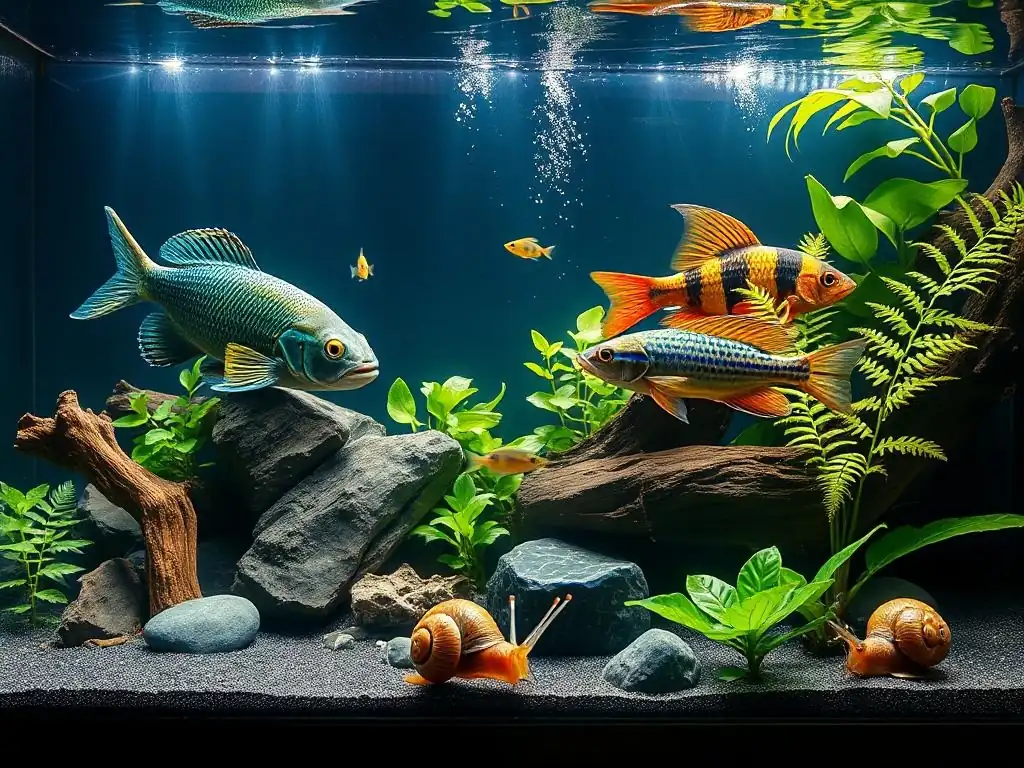
Intrigued by the smaller, often-overlooked members of the catfish family? You've come to the right place. While Corydoras often steal the spotlight, have you ever considered the fascinating world of Aspidoras, the "Shield Catfish"? Get ready to dive deep into our guide and unlock essential Aspidoras catfish care tips, revealing the secrets to keeping these charming bottom-dwellers thriving in your freshwater aquarium. But that's just the beginning... explore our comprehensive resources to master every aspect of aquarium keeping!
- Introduction to Aspidoras Catfish: The Lesser-Known Shield Catfish
- Aspidoras Catfish Care Tips: A Comprehensive Guide
- Aspidoras Species Spotlight: Exploring Popular Varieties
- Aspidoras Breeding: A Challenging but Rewarding Endeavor
- Aspidoras Health and Disease: Prevention and Treatment
- Maintaining a Healthy Aspidoras Aquarium: A Routine Checklist
- Where to Buy Aspidoras Catfish
- Conclusion: The Joys of Keeping Aspidoras Catfish
- Frequently Asked Questions
- Final Reflection: Unveiling the Aspidoras Charm
- Dive Deeper: Uncover the Secrets of Aspidoras!
Introduction to Aspidoras Catfish: The Lesser-Known Shield Catfish
Why Aspidoras? Discovering an Alternative to Corydoras
For many aquarists, the genus Corydoras is synonymous with peaceful, active bottom-dwelling catfish. However, a lesser-known but equally captivating group, the Aspidoras or "shield catfish," offers a fascinating alternative or complement to Corydoras. These diminutive charmers, often overlooked, bring unique behaviors and subtle beauty to the freshwater aquarium.
Their smaller size and often more reclusive nature make them ideal for nano tanks or community setups where space is a consideration, yet their social needs mean they thrive in groups. Exploring Aspidoras catfish care tips reveals a rewarding experience for those willing to delve a little deeper into the world of South American catfish.
Unlike their more boisterous Corydoras cousins, Aspidoras species tend to exhibit a more deliberate, almost exploratory movement, often sifting through substrate with a methodical grace. They are not as commonly found in local fish stores, making their acquisition a quest that adds to the allure for dedicated hobbyists. Their appeal lies in their unique adaptations and the satisfaction of keeping a species that requires a bit more specialized knowledge, enriching the diversity of any well-planned aquatic environment.
Aspidoras vs. Corydoras: Key Differences in Appearance and Behavior
While Aspidoras share a superficial resemblance to Corydoras, closer inspection reveals distinct anatomical and behavioral differences. Aspidoras typically possess a more elongated, somewhat flattened body profile compared to the deeper-bodied Corydoras. A key distinguishing feature is their smaller, often more pointed snout and a generally more streamlined head shape, which contributes to their "shielded" appearance. Their operculum (gill cover) is also often more developed, giving them a more robust, armored look.
Behaviorally, Aspidoras tend to be less active swimmers in the open water column than Corydoras. While they are social and prefer to be kept in groups of at least six to eight individuals, their schooling behavior is often more loosely organized. They spend a significant amount of time sifting through substrate for food, often burying their entire heads.
Their movements are typically more sedate, and they may be more prone to hiding among plants or decor, especially when first introduced to a new environment. Understanding these nuances is crucial for providing optimal Aspidoras catfish care tips and ensuring their well-being.
Aspidoras Catfish Care Tips: A Comprehensive Guide
Setting Up the Ideal Aspidoras Tank Environment
Providing the correct environment is paramount for the health and longevity of Aspidoras catfish. These fish thrive in conditions that mimic their natural South American habitats, which typically involve slow-moving waters with plenty of leaf litter, submerged roots, and fine substrates. Adhering to specific Aspidoras catfish care tips regarding tank setup will ensure a comfortable and stimulating home for these delicate bottom dwellers.
The overall layout should prioritize comfort and security, minimizing stress. A well-designed Aspidoras tank will not only support the fish's physiological needs but also encourage their natural behaviors, such as sifting and exploring. Thoughtful consideration of each element, from tank size to decorations, contributes significantly to their overall welfare.
Tank Size Recommendations for Aspidoras Catfish
Given their small stature, Aspidoras catfish do not require exceptionally large aquariums, but adequate space is still essential for a healthy group. For a minimum group of six to eight Aspidoras, a 10-gallon (approximately 38-liter) tank is generally considered the smallest acceptable size. However, a 15-gallon (approximately 57-liter) or 20-gallon (approximately 76-liter) long tank is highly recommended. These larger footprints provide more bottom surface area for foraging and allow for a more stable environment.
For a larger group of 10 or more individuals, or when planning a community tank, a 20-gallon long or even a 29-gallon (approximately 110-liter) tank would be more appropriate. The increased volume helps dilute waste products, making water parameters more stable, and provides ample space for the fish to establish territories and explore without undue competition. Remember, more space generally leads to happier and healthier fish, especially when discussing Aspidoras catfish care tips.
Water Parameters: Achieving Optimal Conditions for Aspidoras
Maintaining stable and appropriate water parameters is critical for Aspidoras health. These fish originate from soft, acidic to neutral waters in South America. The ideal temperature range for most Aspidoras species is between 72-78°F (22-26°C). Fluctuations should be minimized, making a reliable heater essential.
Regarding pH, a range of 6.0 to 7.5 is generally suitable, with many species preferring the slightly acidic side (6.5-7.0). Water hardness (GH) should be kept low to moderate, ideally between 2-10 dGH. Ammonia and nitrite levels must always be zero, and nitrates should be kept below 20 ppm through regular water changes. Consistent monitoring with a reliable test kit is a fundamental part of Aspidoras catfish care tips.
Substrate and Decoration: Creating a Natural Habitat for Shield Catfish
The choice of substrate is paramount for Aspidoras catfish, as they are avid bottom sifters. A fine, soft substrate such as sand (e.g., play sand or pool filter sand) is highly recommended. This allows them to safely dig and search for food without damaging their delicate barbels. Gravel, especially sharp or coarse varieties, can cause injury to their sensory organs and should be avoided. A layer of at least 1-2 inches (2.5-5 cm) of sand is ideal.
Decorations should include plenty of hiding spots and visual barriers. Driftwood, smooth rocks, and caves provide shelter and areas for exploration. Live plants are highly beneficial; hardy species like Anubias, Java Fern, and various mosses can be attached to driftwood or rocks. Floating plants can also help diffuse light, creating a more subdued environment that Aspidoras often prefer. Incorporating dried leaf litter (e.g., Indian almond leaves, oak leaves) can further mimic their natural habitat, releasing beneficial tannins and providing additional foraging opportunities, which is a key aspect of advanced Aspidoras catfish care tips.
Aspidoras Diet and Feeding: Ensuring Proper Nutrition
Proper nutrition is a cornerstone of effective Aspidoras catfish care tips. These omnivorous bottom dwellers require a varied diet to thrive, reflecting their natural foraging habits where they consume small invertebrates, detritus, and plant matter. A balanced feeding regimen ensures they receive all necessary vitamins and minerals, promoting vibrant health and activity.
Overfeeding should be avoided, as it can lead to water quality issues and health problems for the fish. A good feeding strategy involves offering small amounts more frequently rather than large, infrequent meals. This approach supports their natural grazing behavior and minimizes waste.
What Do Aspidoras Catfish Eat? A Balanced Diet
Aspidoras catfish are not picky eaters, but a diverse diet is crucial for their long-term health. High-quality sinking pellets or wafers formulated for bottom feeders should form the staple of their diet. These foods are designed to sink quickly, ensuring they reach the Aspidoras on the substrate before being consumed by faster-swimming tank mates. Look for products with a good protein content and balanced nutrients.
Supplementing their diet with frozen or live foods is highly beneficial. Excellent choices include:
- Frozen: Bloodworms, brine shrimp, daphnia, mysis shrimp. These provide essential proteins and fats.
- Live: Blackworms, grindal worms, microworms. Live foods stimulate their natural hunting instincts and provide fresh nutrients.
- Vegetable Matter: Occasionally, blanched vegetables like zucchini, cucumber, or spirulina wafers can be offered, though they are primarily carnivorous scavengers.
Ensure food particles are small enough for their mouths. Offering food after the main tank lights have been dimmed can also ensure the Aspidoras get their fair share without competition from more active surface feeders.
Feeding Frequency and Portion Control for Aspidoras
For adult Aspidoras catfish, feeding once or twice daily is generally appropriate. The key is portion control: only offer an amount that can be consumed within 2-3 minutes. Overfeeding not only leads to uneaten food decaying and fouling the water but can also contribute to obesity and other health issues in the fish.
A good practice is to observe your Aspidoras during feeding time. If there is significant food left after a few minutes, reduce the portion size for the next feeding. If all food is gone very quickly and they appear to still be actively searching, a slightly larger portion might be appropriate. Consistent feeding times can also help establish a routine, reducing stress and encouraging natural feeding behaviors. This careful approach to nutrition is a vital part of comprehensive Aspidoras catfish care tips.
Aspidoras Tank Mates: Compatibility and Community Tank Considerations
Choosing appropriate tank mates is a critical aspect of Aspidoras catfish care tips. Aspidoras are peaceful, shy fish that can easily be intimidated or outcompeted for food by larger or more aggressive species. Their small size and preference for the bottom of the tank mean they need companions that occupy different parts of the water column and do not pose a threat.
A well-chosen community setup will allow your Aspidoras to thrive, exhibiting their natural behaviors without stress. It's important to consider not just the temperament but also the size and dietary needs of potential tank mates to ensure a harmonious environment.
Suitable Tank Mates for Aspidoras Catfish
The best tank mates for Aspidoras are small, peaceful, and non-aggressive fish that prefer the mid to upper water column. Ideal companions include:
- Small Tetras: Neon Tetras, Cardinal Tetras, Ember Tetras, Green Neon Tetras, or Glowlight Tetras. These are peaceful, stay mostly in the middle, and are similar in size.
- Small Rasboras: Harlequin Rasboras, Chili Rasboras, or Phoenix Rasboras. Like tetras, they are generally calm and won't bother the Aspidoras.
- Dwarf Gouramis: Honey Gouramis or Sparkling Gouramis. These labyrinth fish are typically peaceful and add variety to the tank's upper levels.
- Otocinclus Catfish: These small algae eaters are excellent tank mates as they are equally peaceful and occupy a similar, yet distinct, foraging niche.
- Other Small, Peaceful Bottom Dwellers: Other Corydoras species (provided the tank is large enough) can sometimes coexist, but ensure the Aspidoras are not outcompeted for food. Small, peaceful loaches like Kuhli Loaches can also be considered.
Always introduce tank mates slowly and observe interactions to ensure compatibility.
Fish to Avoid Keeping with Aspidoras
Certain fish species are entirely unsuitable as tank mates for Aspidoras due to their aggressive nature, large size, or tendency to outcompete or harass smaller fish. Avoiding these species is a crucial Aspidoras catfish care tip to prevent stress, injury, or starvation.
- Large or Aggressive Cichlids: Most cichlids, even some dwarf varieties, can be too aggressive or territorial for Aspidoras. Examples include most African Cichlids, Oscars, or even larger South American Cichlids like Angelfish (unless the tank is very large and the Angelfish are particularly mellow).
- Fin-Nippers or Boisterous Species: Tiger Barbs, Serpae Tetras, and some larger Danios can be overly boisterous or nip at the fins of slower-moving fish, causing undue stress.
- Large Catfish: While Aspidoras are catfish, larger predatory catfish species like Pictus Catfish or Plecos (especially common Plecos) can either view Aspidoras as food or simply outcompete them for resources and space.
- Species Requiring Very Different Water Parameters: Avoid fish that need significantly different pH, temperature, or hardness, as trying to accommodate both will compromise the health of at least one group.
Aspidoras Species Spotlight: Exploring Popular Varieties
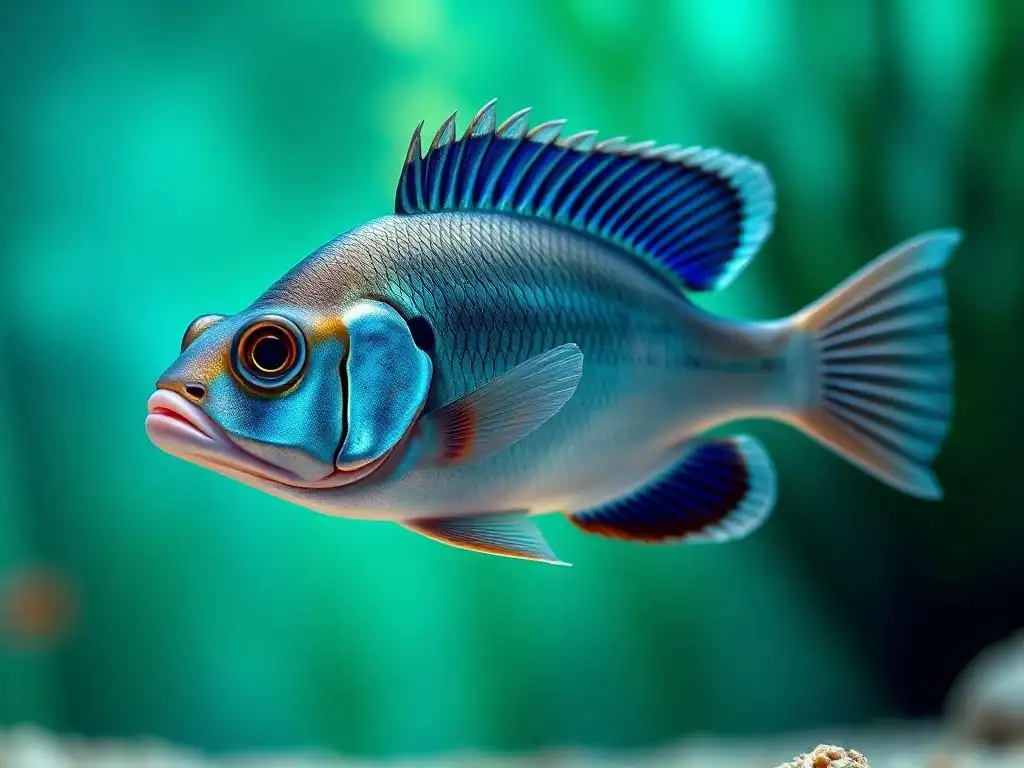
While not as numerous in the hobby as Corydoras, several Aspidoras species are occasionally available and highly sought after by enthusiasts. Each species possesses unique markings and subtle behavioral nuances that make them distinct. Understanding these varieties enriches the knowledge base for anyone seeking comprehensive Aspidoras catfish care tips.
These species, though sharing general care requirements, often have slight differences in their preferred water parameters or social dynamics that dedicated aquarists will appreciate. Their relative rarity in the trade also adds to their appeal for collectors.
Aspidoras pauciradiatus: The Few-Rayed Aspidoras
Aspidoras pauciradiatus, often referred to as the "Few-Rayed Aspidoras" or simply "False Corydoras," is arguably the most commonly encountered species within the genus, though still less common than most Corydoras. Originating from the Amazon basin in Brazil, specifically the Rio Negro system, it is known for its small size, typically reaching only about 1.2-1.5 inches (3-4 cm) in length. This makes it an excellent candidate for nano aquariums.
This species typically displays a mottled pattern of brown, black, and cream, often with a darker stripe running horizontally along its body. Their delicate appearance belies a hardy nature when provided with proper Aspidoras catfish care tips. They are particularly fond of very fine sand and leaf litter, spending much of their time sifting. A. pauciradiatus are highly social and should always be kept in groups of at least 8-10 individuals to observe their natural schooling behaviors and reduce stress.
Aspidoras albater: The White-Speckled Aspidoras
Aspidoras albater is another charming species, distinguished by its unique coloration. Native to the coastal river basins of Brazil, such as the Rio Itapemirim, this species can grow slightly larger than A. pauciradiatus, reaching approximately 1.6-2 inches (4-5 cm). Its most striking feature is its dark body, often dark brown to black, adorned with numerous small, bright white or cream-colored spots that give it a "speckled" appearance.
This species thrives in well-established tanks with soft, slightly acidic water and plenty of hiding spots among plants and driftwood. Like other Aspidoras, they are peaceful bottom dwellers that require fine sand substrate for foraging. Their distinctive pattern makes them a visually appealing addition to a community tank, and their care requirements align with general Aspidoras catfish care tips, emphasizing clean water and a stable environment.
Aspidoras fuscoguttatus: The Dark-Spotted Aspidoras
Aspidoras fuscoguttatus, also known as the "Dark-Spotted Aspidoras," is a robust and slightly larger species within the genus, typically growing to about 2-2.4 inches (5-6 cm). It originates from various river systems in Brazil and Bolivia, including the upper Rio Guaporé basin. As its name suggests, A. fuscoguttatus is characterized by prominent dark spots or blotches scattered across a lighter, often tan or olive-green, body. These spots can sometimes coalesce into irregular bands.
This species prefers similar conditions to its congeners but might appreciate a slightly larger footprint due to its slightly increased size. They are active foragers and benefit greatly from a varied diet, including plenty of live and frozen foods. Their hardy nature, combined with their striking markings, makes them a desirable target for aquarists looking for a more substantial Aspidoras species. Providing consistent Aspidoras catfish care tips, particularly concerning water quality and group size (at least 6-8 individuals), will ensure they thrive.
Aspidoras Breeding: A Challenging but Rewarding Endeavor
Breeding Aspidoras catfish can be a challenging but highly rewarding experience for the dedicated aquarist. While not as prolific or straightforward as some Corydoras species, success is certainly achievable with patience and precise control over environmental conditions. The process often requires mimicking seasonal changes found in their natural habitats, which typically involve cooler temperatures and changes in water chemistry.
Observing the intricate spawning ritual and eventually seeing the tiny fry emerge is a testament to successful Aspidoras catfish care tips and provides a deeper connection to these fascinating fish. It also offers an opportunity to contribute to the hobby by potentially making more Aspidoras available to other enthusiasts.
Setting Up a Breeding Tank for Aspidoras
To maximize breeding success, it is highly recommended to set up a dedicated breeding tank. A 5-10 gallon (19-38 liter) tank is usually sufficient for a breeding group of 3-5 Aspidoras (e.g., two males to one female, or three males to two females). The tank should be sparsely decorated to make egg collection easier, but still provide some comfort for the fish. Key elements include:
- Substrate: A thin layer of fine sand or even a bare bottom for easy cleaning.
- Decor: A few clumps of fine-leaved plants like Java Moss or spawning mops (made from synthetic yarn) provide surfaces for egg deposition. A piece of driftwood can also be included.
- Filtration: A gentle sponge filter is ideal, providing biological filtration without creating strong currents that could harm eggs or fry.
- Water: Use soft, slightly acidic water (pH 6.0-6.8, GH 2-6 dGH). Reverse Osmosis (RO) water remineralized to appropriate levels is often used.
Conditioning the fish with high-quality, protein-rich live and frozen foods for several weeks prior to attempting breeding is crucial.
Identifying Male and Female Aspidoras
Distinguishing between male and female Aspidoras can be subtle, but there are noticeable differences, especially when the fish are in breeding condition.
- Females: Typically appear fuller-bodied and rounder, particularly when gravid (carrying eggs). They tend to be slightly larger and broader across the belly when viewed from above.
- Males: Generally more slender and streamlined than females. They might also appear slightly smaller.
Observing a group of Aspidoras from above, especially after conditioning with good food, will usually reveal these distinctions. The females will develop a noticeably plump abdomen. For optimal Aspidoras catfish care tips regarding breeding, selecting a healthy, well-conditioned group with a good male-to-female ratio (often more males than females) is beneficial.
Spawning and Raising Aspidoras Fry
Spawning is often triggered by large, cool water changes that mimic rainfall in their natural habitat. A 50% or greater water change with water that is 5-10°F (3-6°C) cooler than the tank water, along with a slight drop in pH, can often induce spawning. This should be done gradually over a few days. The fish will become more active, chasing each other, and the female will develop a noticeable "pouch" under her chin where she holds eggs.
Eggs are typically deposited on plants, decor, or the tank glass. They are adhesive and relatively small. Once laid, it's advisable to remove the adult fish to prevent them from eating the eggs. The eggs will hatch in approximately 3-5 days, depending on temperature. The fry are tiny and initially feed on their yolk sacs. After 24-48 hours post-hatch, they will become free-swimming and require microscopic foods.
- Initial Fry Food: Infusoria, liquid fry food, or very fine powdered fry food.
- As they grow: Progress to newly hatched brine shrimp or microworms.
- Water Changes: Small, frequent water changes (10-20% daily or every other day) are essential for fry health, as they are highly sensitive to water quality.
Raising Aspidoras fry requires meticulous attention to water parameters and feeding, making it one of the more advanced Aspidoras catfish care tips.
Aspidoras Health and Disease: Prevention and Treatment
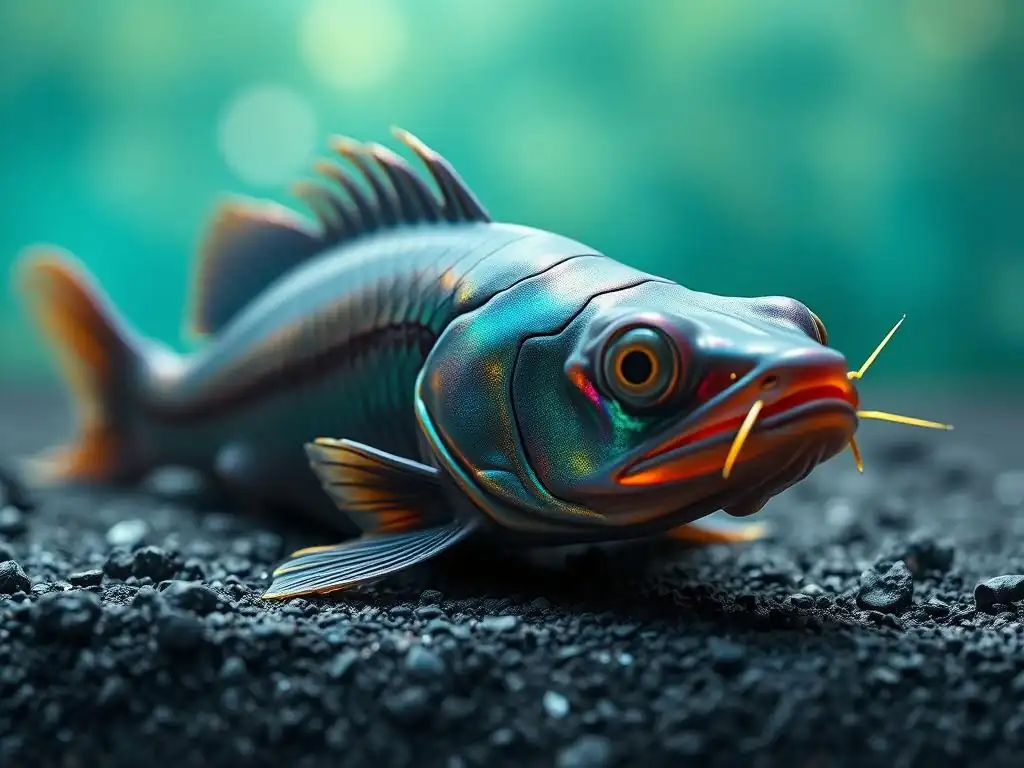
Maintaining the health of your Aspidoras catfish is a cornerstone of responsible aquarium keeping. While generally hardy when kept in appropriate conditions, Aspidoras can be susceptible to common freshwater fish diseases, especially if water quality deteriorates or they experience prolonged stress. Prevention is always better than cure, and this involves consistent adherence to proper Aspidoras catfish care tips.
Early detection of disease symptoms is crucial for successful treatment. Regular observation of your fish's behavior and appearance can help identify problems before they become severe. A well-stocked fish-specific first-aid kit can also be invaluable.
Common Aspidoras Diseases and Ailments
Like most freshwater fish, Aspidoras can suffer from a range of common diseases.
- Ich (White Spot Disease): Caused by the parasite Ichthyophthirius multifiliis, appearing as small white spots resembling salt grains on the body and fins. Often triggered by sudden temperature changes or stress.
- Fin Rot: A bacterial infection that causes the fins to appear ragged, frayed, or discolored. It's usually a secondary infection stemming from poor water quality, injury, or stress.
- Bacterial Infections: Can manifest as red streaks, ulcers, bloating, or general lethargy. Often linked to compromised immune systems due to poor water conditions.
- Fungal Infections: Appear as white, cotton-like growths on the body or fins, typically affecting fish with existing injuries or weakened immune systems.
- Barbel Erosion: A common issue for bottom-dwelling fish kept on unsuitable substrates (e.g., coarse gravel). This condition, where their delicate barbels erode, makes feeding difficult and can lead to secondary infections.
Monitoring for changes in behavior, appetite, or physical appearance is key to providing timely Aspidoras catfish care tips.
Maintaining Water Quality to Prevent Disease
The single most important factor in preventing disease in Aspidoras catfish is maintaining pristine water quality. Poor water conditions are the leading cause of stress and weakened immune systems, making fish vulnerable to pathogens.
- Regular Water Changes: Perform weekly water changes of 20-30% to dilute nitrates and replenish essential minerals. For heavily stocked tanks or those with a higher bioload, more frequent or larger changes may be necessary.
- Consistent Water Parameters: Keep temperature, pH, and hardness stable within the recommended ranges for Aspidoras. Avoid sudden fluctuations.
- Ammonia and Nitrite: Ensure these are always at 0 ppm. Any detectable levels indicate a problem with the nitrogen cycle or overstocking.
- Nitrate: Keep nitrates below 20 ppm. While less toxic than ammonia or nitrite, high nitrate levels can cause chronic stress and reduce overall fish health.
- Proper Filtration: Maintain a well-functioning filtration system (biological, mechanical, and chemical if necessary). Clean filter media regularly, but avoid cleaning all media at once to preserve beneficial bacteria.
Implementing these preventative Aspidoras catfish care tips significantly reduces the risk of disease outbreaks.
Treating Sick Aspidoras Catfish
If an Aspidoras shows signs of illness, prompt action is necessary.
- Quarantine: Immediately move the affected fish to a separate quarantine tank. This prevents the spread of disease to other tank inhabitants and allows for targeted treatment without harming beneficial bacteria in the main tank or sensitive invertebrates.
- Diagnosis: Observe symptoms carefully to try and identify the specific disease. Researching the symptoms can help confirm the diagnosis.
- Water Quality Check: Test the water parameters in both the main tank and the quarantine tank. Correct any deficiencies immediately. Often, simply improving water quality can aid recovery.
- Medication: Administer appropriate medication as per the manufacturer's instructions. Be cautious, as catfish, including Aspidoras, can be sensitive to certain medications, especially those containing copper or strong dyes. Always start with a half dose and observe.
- Supportive Care: Provide clean, well-aerated water in the quarantine tank. Keep lighting subdued, and offer easily digestible foods.
Following these Aspidoras catfish care tips for treatment can significantly improve the chances of recovery for sick fish.
Maintaining a Healthy Aspidoras Aquarium: A Routine Checklist
Consistent maintenance is the backbone of successful Aspidoras catfish care tips. Establishing and adhering to a regular routine ensures a stable, healthy environment, preventing problems before they arise. This proactive approach minimizes stress on your fish and reduces the likelihood of disease outbreaks, allowing your Aspidoras to thrive and exhibit their natural behaviors.
A well-maintained aquarium is also more aesthetically pleasing and enjoyable for the aquarist. It reflects a commitment to the well-being of the aquatic inhabitants.
Regular Water Changes for Aspidoras
Water changes are arguably the most crucial aspect of aquarium maintenance. For Aspidoras tanks, a weekly water change of 20-30% is generally recommended. This routine:
- Removes accumulated nitrates and other dissolved organic compounds that can become toxic over time.
- Replenishes essential trace elements and minerals that are depleted by filtration and biological processes.
- Helps maintain stable pH and hardness levels by diluting accumulating acids.
When performing water changes, ensure the new water is dechlorinated and temperature-matched to the aquarium water to prevent shock. Using a gravel vacuum to siphon out debris from the substrate during water changes is also highly beneficial, especially in sandy tanks where detritus can accumulate.
Monitoring Water Parameters in Aspidoras Tanks
Regularly testing water parameters is essential for understanding the health of your aquarium's ecosystem. At a minimum, weekly testing for ammonia, nitrite, and nitrate is advised, especially in newer tanks or if fish appear stressed.
- Ammonia (NH3/NH4+) and Nitrite (NO2-): Should always be 0 ppm. Any detectable levels indicate a problem with the nitrogen cycle, overfeeding, or overstocking.
- Nitrate (NO3-): Should be kept below 20 ppm. High nitrates are managed primarily through regular water changes.
- pH: Test weekly to ensure it remains within the ideal range of 6.0-7.5. Sudden shifts can be very stressful for Aspidoras.
- Temperature: Monitor daily to ensure it remains stable between 72-78°F (22-26°C).
Keeping a log of your water parameters can help identify trends and potential issues before they become critical. This diligent monitoring is a cornerstone of effective Aspidoras catfish care tips.
Cleaning the Substrate and Decorations
Beyond water changes, periodic cleaning of the substrate and decorations is vital for a healthy Aspidoras tank.
- Substrate Cleaning: Even with a fine sand substrate, detritus can build up. During weekly water changes, gently siphon the top layer of the sand to remove uneaten food, fish waste, and other debris. Avoid disturbing the sand too deeply, as this can release pockets of hydrogen sulfide gas, which is toxic.
- Decoration Cleaning: Every few weeks or as needed, gently remove any visible algae or biofilm from driftwood, rocks, and other decorations. A soft brush or dedicated aquarium sponge can be used. Avoid using soaps or detergents.
- Plant Maintenance: Trim any dead or decaying plant leaves, as these can contribute to organic waste and foul the water. Ensure plants are healthy and not overshadowing the entire substrate, which can make it harder for Aspidoras to forage.
A clean tank not only looks better but also significantly contributes to the overall health and well-being of your Aspidoras catfish, making these Aspidoras catfish care tips fundamental.
Where to Buy Aspidoras Catfish
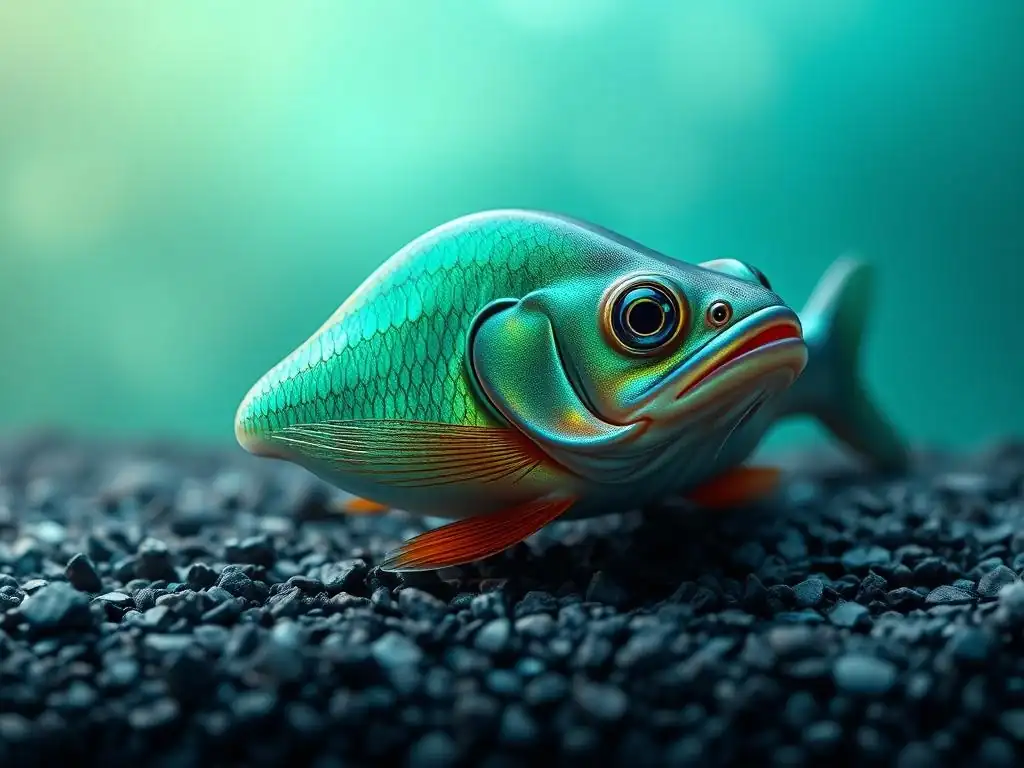
Acquiring Aspidoras catfish can sometimes be more challenging than finding common Corydoras species due to their lesser-known status in the hobby. However, with a bit of research and patience, you can find reputable sources that offer healthy specimens. Knowing where to look and what to look for is an important part of comprehensive Aspidoras catfish care tips.
Responsible sourcing ensures you bring home healthy fish and supports ethical breeding and collection practices within the aquarium trade.
Finding Reputable Aspidoras Breeders and Retailers
Aspidoras are not always readily available at every local fish store, but dedicated hobbyists have several avenues to explore:
- Specialized Local Fish Stores (LFS): Some higher-end or specialty aquarium stores may occasionally stock Aspidoras. These stores often have knowledgeable staff who can provide specific Aspidoras catfish care tips and insights into the fish's origin.
- Online Retailers: Many reputable online fish retailers ship livestock. Look for those with good reviews, clear shipping policies, and a live arrival guarantee. Research their reputation on aquarium forums before purchasing.
- Aquarium Forums and Clubs: Online forums (e.g., specific catfish forums, general aquarium forums) and local aquarium clubs are excellent resources. Members often breed Aspidoras themselves or can recommend reliable breeders and hobbyists who sell their offspring. This is often the best way to find healthy, captive-bred specimens.
- Fish Shows and Conventions: Larger regional or national fish shows sometimes have vendors selling rarer species like Aspidoras.
Always prioritize sources that emphasize the health of their fish and provide clear information about their origin and care.
Selecting Healthy Aspidoras Specimens
Once you've found a source, selecting healthy Aspidoras specimens is crucial. A healthy fish will adapt better to your aquarium and have a higher chance of long-term survival. When inspecting fish:
- Activity and Behavior: Healthy Aspidoras should be active, sifting through the substrate, and exhibiting social behavior within their group. Avoid fish that are lethargic, hiding excessively, or isolated from the group.
- Appearance: Look for clear eyes, intact fins (no rips or fraying), and a full, rounded belly (not pinched or emaciated). Their coloration should be vibrant and appropriate for the species, without any unusual spots, growths, or discoloration.
- Breathing: Respiration should be calm and even, not rapid or labored.
- No Visible Injuries or Parasites: Check for any signs of external parasites (like white spots from Ich), fungal growths, or open sores.
- Quarantine: Regardless of the source, always quarantine new fish for at least two to four weeks in a separate tank before introducing them to your main aquarium. This allows you to observe for any signs of illness and treat them without risking your established tank, a crucial Aspidoras catfish care tip.
Conclusion: The Joys of Keeping Aspidoras Catfish
Aspidoras: A Rewarding Addition to Your Aquarium
Keeping Aspidoras catfish is a truly rewarding experience that adds a unique dimension to any freshwater aquarium. While they may require a bit more specialized attention than their more common Corydoras relatives, the effort is well worth it. Their subtle beauty, fascinating behaviors, and peaceful demeanor make them an ideal choice for community tanks, especially those focused on small, serene species. Observing their methodical foraging, their social interactions within a group, and their generally shy yet curious nature provides endless enjoyment for the dedicated aquarist.
By meticulously following the Aspidoras catfish care tips outlined, from providing the perfect sandy substrate to maintaining pristine water quality and a balanced diet, you can ensure these "shield catfish" thrive. Their presence adds a touch of the wild, bringing a piece of South American riverbeds directly into your home. They are a testament to the incredible diversity of the aquatic world and an invitation to explore beyond the most commonly kept species.
Further Resources for Aspidoras Enthusiasts
For those looking to deepen their knowledge and enhance their Aspidoras catfish care tips, a wealth of resources is available:
- Online Forums and Communities: Websites like Fishlore, Planet Catfish, and dedicated Corydoras and Aspidoras groups on social media platforms offer invaluable opportunities to connect with experienced hobbyists, ask questions, and share experiences.
- Specialized Books and Journals: Dive into ichthyology texts or aquarium-specific books focusing on South American catfish for in-depth information on species identification, natural habitats, and advanced care techniques.
- Scientific Databases: Websites like FishBase or the Catalog of Fishes provide scientific classifications, distribution maps, and detailed information about Aspidoras species.
- YouTube Channels: Many aquarists and breeders share their experiences and practical Aspidoras catfish care tips through video tutorials and tank tours.
Embrace the journey of learning and discovery. The world of Aspidoras catfish is rich and engaging, promising many years of enjoyment for those who choose to welcome these delightful bottom dwellers into their aquariums.
Frequently Asked Questions
What are Aspidoras Catfish and how are they different from Corydoras?
Aspidoras are a genus of catfish closely related to Corydoras, often called "shield catfish." They are distinguished by their more elongated body shape and slightly different bone structure. While similar, they possess unique characteristics that make them a rewarding addition to any aquarium.
What are some essential Aspidoras catfish care tips?
Maintaining Aspidoras involves providing a well-maintained aquarium with stable water parameters. They prefer a sandy substrate to protect their barbels and benefit from a varied diet of sinking pellets and live/frozen foods.
What are ideal tank conditions for Aspidoras catfish?
Aspidoras thrive in slightly acidic to neutral water (pH 6.5-7.5) and a temperature range of 72-78°F. Ensure a well-filtered and oxygenated tank with plenty of hiding places among plants and decorations.
What should I feed my Aspidoras catfish?
A balanced diet is crucial. Offer them high-quality sinking pellets or wafers specifically formulated for bottom-dwelling fish. Supplement their diet with live or frozen foods such as bloodworms, daphnia, and brine shrimp for optimal health.
What are some common health issues to watch out for in Aspidoras catfish?
Aspidoras are generally hardy, but susceptible to common aquarium diseases like ich (white spot disease) and fungal infections. Maintaining good water quality and observing their behavior regularly are key to preventing and addressing health problems.
Final Reflection: Unveiling the Aspidoras Charm
The journey into the world of Aspidoras catfish, as we've explored, reveals a captivating alternative to the more commonly known Corydoras. Understanding their unique needs and behaviors is not just about responsible fishkeeping; it's about appreciating the biodiversity within our aquariums and fostering a deeper connection with the natural world. This knowledge empowers us to create thriving environments for these often-overlooked "shield catfish," ensuring their well-being and allowing their distinct personalities to shine.
The allure of Aspidoras extends beyond their practical care. Their subtle beauty and engaging behaviors offer a quiet reminder of the intricate ecosystems that exist beneath the water's surface. They challenge us to look beyond the familiar and appreciate the nuances of each species. In the end, we will conserve only what we love; we will love only what we understand; and we will understand only what we are taught.
- Baba Dioum. This quote perfectly encapsulates the importance of understanding and appreciating the Aspidoras genus, as it is the first step towards ensuring their continued presence in our aquariums and, more importantly, in their natural habitats.
Now, armed with Aspidoras catfish care tips and a newfound appreciation for these fascinating creatures, I invite you to reflect on your own aquascaping practices. Consider the impact of your choices on the lives of these delicate fish. Embrace the opportunity to create a thriving ecosystem that not only showcases their beauty but also supports their well-being. By doing so, you contribute to a greater understanding and appreciation of the aquatic world, ensuring that the charm of Aspidoras continues to captivate aquarists for generations to come.
Dive Deeper: Uncover the Secrets of Aspidoras!
Thank you for exploring the fascinating world of Aspidoras with us! Now that you've gained a new appreciation for these unique "shield catfish," it's time to put your knowledge into action.
- Start planning your own Aspidoras tank setup! Research compatible tank mates and create an environment where these captivating fish can thrive.
- Share this article with fellow aquarium enthusiasts who might be overlooking Aspidoras.
- Consider joining our Aquarium Mastery community forum to discuss your experiences and ask questions about caring for Aspidoras.
What specific Aspidoras species are you most excited to learn more about or potentially keep? Let us know in the comments!