
Top 5 Most ReefSafe Dwarf Angelfish for Your Coral Paradise

Welcome to Aquarium Mastery!
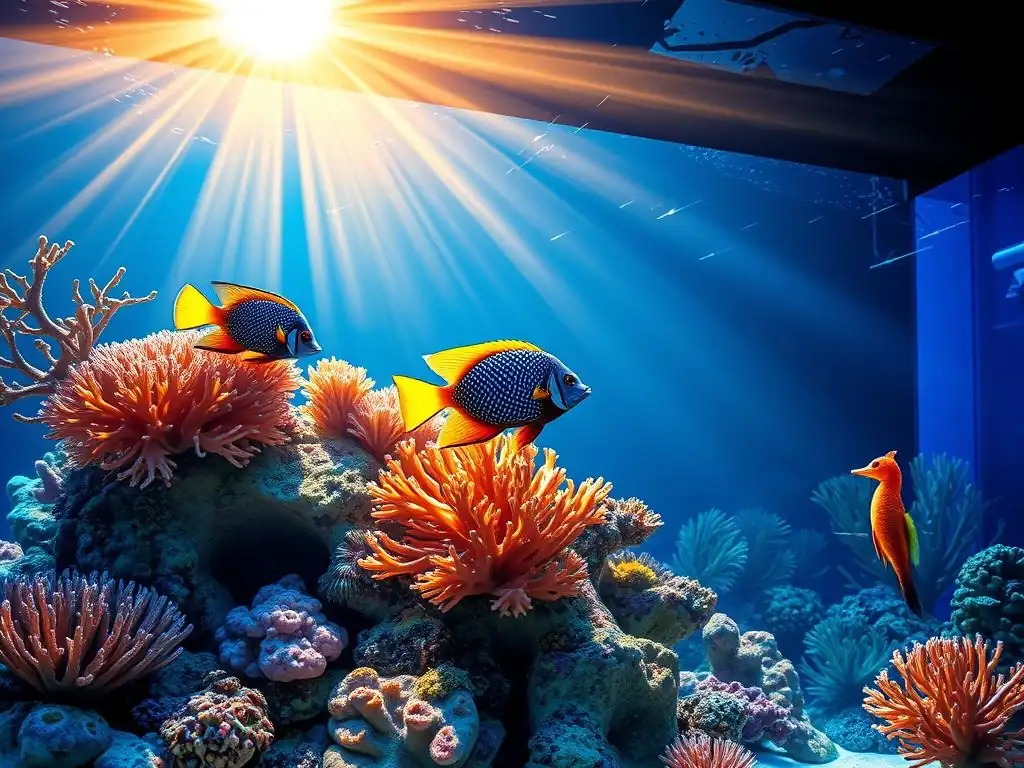
Ever dreamed of adding a vibrant, colorful angelfish to your reef tank without risking your precious corals? You're in the right place! Dive in and discover our top 5 ReefSafe dwarf angelfish that can bring beauty and personality to your underwater paradise. Curious which one will be your perfect match? Let's explore their unique needs and personalities – and ensure a harmonious reef ecosystem.
-
Top 5 Reef-Safe Dwarf Angelfish Species
- 1. The Coral Beauty Angelfish (Centropyge bispinosa) - Reef Safe Angelfish Profile
- 2. The Flame Angelfish (Centropyge loriculus) - A Vibrant Reef Addition
- 3. The Potter's Angelfish (Centropyge potteri) - Hawaiian ReefSafe Beauty
- 4. The Japanese Pygmy Angelfish (Centropyge interrupta) - A Rare Reef Find
- 5. The Eibli Angelfish (Centropyge eibli) - A Hardy Reef Option
-
Frequently Asked Questions
- What exactly does "Reef Safe" mean when referring to dwarf angelfish?
- What size aquarium is generally recommended for a reef-safe dwarf angelfish?
- What are some key water parameters to maintain for reef-safe dwarf angelfish?
- What types of food should I feed my reef-safe dwarf angelfish?
- Are reef-safe dwarf angelfish generally compatible with other fish in a reef tank?
- Final Reflection: Cultivating Harmony in the Reef
- Transform Your Reef: Discover the Perfect Angelfish!
Top 5 Reef-Safe Dwarf Angelfish Species
1. The Coral Beauty Angelfish (Centropyge bispinosa) - Reef Safe Angelfish Profile
The Coral Beauty Angelfish is arguably one of the most popular and widely available dwarf angelfish for reef aquariums, cherished for its striking purple and orange coloration. Originating from the Indo-Pacific, this species typically reaches a maximum size of 4 inches (approximately 10 cm), making it well-suited for tanks as small as 70 gallons (265 liters). Their adaptability and general hardiness contribute significantly to their popularity among aquarists seeking a vibrant, relatively low-risk addition to their coral paradise. When considering ReefSafe dwarf angelfish care, the Coral Beauty often serves as an excellent starting point due to its forgiving nature.
While generally considered reef-safe, particularly with stony corals (SPS and LPS), individual Coral Beauties may occasionally nip at fleshy corals or clam mantles. This behavior is usually sporadic and often linked to an insufficient diet or lack of suitable foraging opportunities within the aquarium. Providing a diverse diet rich in algae and spirulina, along with ample live rock for grazing, can significantly mitigate these potential risks. Their active swimming patterns and curiosity make them an engaging focal point in a well-established reef system, thriving in stable water parameters typical for mixed reef tanks.
Coral Beauty Angelfish Care Requirements
Effective Coral Beauty Angelfish care in a reef setting hinges on maintaining pristine water conditions and a balanced diet. Optimal water parameters include a temperature range of 72-78°F (22-26°C), salinity of 1.023-1.026 specific gravity, and a pH of 8.1-8.4. Regular water changes, typically 10-15% bi-weekly, are crucial for nutrient export and maintaining stability. These angelfish are omnivores, requiring a diet that includes high-quality marine flakes or pellets, enriched with spirulina, along with frozen preparations such as mysis shrimp, brine shrimp, and finely chopped marine algae.
Providing ample live rock is vital for the Coral Beauty. This not only offers numerous hiding spots and territories for the fish but also provides a natural source of algae and detritus for grazing, which is a significant part of their natural diet. A mature tank with established algae growth can reduce their inclination to nip at corals, as they have alternative food sources. Introducing them into a well-established tank with a stable ecosystem, rather than a brand-new setup, also contributes to their successful integration and overall ReefSafe dwarf angelfish care.
Minimizing Risks with the Coral Beauty Angelfish
To minimize the already low risk of a Coral Beauty Angelfish nipping at corals, several proactive ReefSafe dwarf angelfish care strategies can be employed. Firstly, ensure a consistent and varied feeding schedule. Feeding small amounts multiple times a day can keep the fish satiated and less inclined to seek out coral polyps. A diet that includes plenty of vegetable matter, such as nori sheets clipped to the tank, is particularly beneficial.
Secondly, observe the individual fish's behavior closely upon introduction. While most Coral Beauties are exemplary, some individuals may develop a taste for certain coral types. If nipping is observed, increasing feeding frequency and ensuring the diet is highly nutritious can sometimes curb the behavior. In rare, persistent cases, removal might be necessary, but this is uncommon. Providing a spacious environment with plenty of rockwork also helps distribute their grazing activities and reduces territorial stress, contributing to their overall ReefSafe dwarf angelfish care success.
2. The Flame Angelfish (Centropyge loriculus) - A Vibrant Reef Addition
The Flame Angelfish, with its intensely fiery red and orange body accented by vertical black stripes and iridescent blue fins, is undeniably one of the most visually stunning dwarf angelfish available. Hailing from the Pacific Ocean, particularly the waters around Hawaii and Micronesia, this species typically grows to about 4 inches (approximately 10 cm) and requires a minimum tank size of 70 gallons (265 liters) for adequate swimming space and territory. Its vibrant coloration makes it a highly sought-after centerpiece in many reef aquariums, and its ReefSafe dwarf angelfish care profile is generally positive, though with some caveats.
While the Flame Angelfish is widely regarded as one of the more reef-safe dwarf angels, individual personalities can vary. Instances of nipping at certain stony corals, zoanthids, or clam mantles have been reported, although they are not the norm. This species tends to be more active and can be somewhat territorial, especially towards other dwarf angelfish or similarly shaped fish. Careful consideration of tank mates and providing ample rockwork with numerous hiding spots are crucial aspects of successful ReefSafe dwarf angelfish care for this species.
Flame Angelfish Diet and Reef Interactions
The natural diet of the Flame Angelfish consists primarily of filamentous algae and detritus, which they graze on throughout the day. In the aquarium, their Flame Angelfish diet should mirror this, comprising high-quality spirulina-based flakes or pellets, supplemented with frozen foods like mysis shrimp, brine shrimp, and finely chopped marine algae. Offering sheets of dried nori multiple times a week is an excellent way to ensure they receive sufficient plant matter, which can help deter them from picking at corals.
When it comes to reef interactions, a well-fed Flame Angelfish is far less likely to bother corals. Their natural inclination to graze on algae means that if insufficient algae are available, or if they are underfed, they might turn to coral polyps as an alternative food source. Observing their behavior during feeding times can provide insight into their dietary needs; a voracious appetite for prepared foods is a good sign. Integrating their ReefSafe dwarf angelfish care with a robust feeding strategy is paramount.
Creating a Suitable Habitat for Flame Angelfish
A suitable habitat for the Flame Angelfish involves a well-established reef tank with plenty of live rock. This provides the necessary structure for hiding, grazing, and establishing territory. Aim for at least 70 gallons (265 liters) to give them adequate swimming space and reduce potential aggression towards tank mates. The rockwork should include caves and crevices where the angelfish can retreat when feeling stressed or for sleeping.
Maintaining stable water parameters is critical for the long-term health of Flame Angelfish. Ideal conditions include temperatures between 72-78°F (22-26°C), a salinity of 1.023-1.026 specific gravity, and a pH range of 8.1-8.4. Good water circulation is also beneficial, mimicking their natural turbulent reef environments. Proper ReefSafe dwarf angelfish care for Flames includes ensuring these environmental factors are consistently met, contributing to a stress-free fish less prone to nipping.
3. The Potter's Angelfish (Centropyge potteri) - Hawaiian ReefSafe Beauty
The Potter's Angelfish, endemic to the Hawaiian Islands and Johnston Atoll, is a captivating dwarf angel known for its distinctive orange body adorned with intricate blue-black vertical stripes. Reaching a maximum size of approximately 4 inches (10 cm), this species exhibits a more elongated body shape compared to other Centropyge angelfish. While generally considered a good candidate for ReefSafe dwarf angelfish care, especially in mature setups, their slightly higher price point and specific environmental needs mean they are often sought by more experienced aquarists.
Potter's Angelfish are typically shy when first introduced and require plenty of hiding places to feel secure. Their reef compatibility is high, with very few reported instances of coral nipping, making them one of the most reliable choices for a diverse reef tank. However, their sensitivity to fluctuating water parameters and a tendency to be timid means that pristine water quality and a peaceful tank environment are non-negotiable for their long-term health and for ensuring their ReefSafe dwarf angelfish care success.
Potter's Angelfish: Special Considerations
One of the special considerations for Potter's Angelfish is their preference for slightly cooler water temperatures compared to some other tropical species. While they can tolerate typical reef temperatures, maintaining the lower end of the 72-78°F (22-26°C) range, around 74-76°F (23-24°C), can be beneficial for their long-term health. They are also particularly sensitive to nitrates and phosphates, so excellent filtration and regular water changes are paramount. This makes their ReefSafe dwarf angelfish care somewhat more demanding in terms of water quality management.
Furthermore, their shy nature means they should be introduced to a tank with peaceful tank mates. Aggressive or overly boisterous fish can stress Potter's Angelfish, leading to refusal to eat or increased susceptibility to disease. Providing a well-established tank with ample live rock and a stable environment before introduction is crucial for their successful acclimation and to ensure they thrive without resorting to undesirable behaviors.
Maintaining Water Quality for Potter's Angelfish
Maintaining water quality is arguably the most critical aspect of Potter's Angelfish care. These fish are highly susceptible to poor water conditions, which can lead to stress, disease, and a decline in their vibrant coloration. Regular and significant water changes, at least 15-20% weekly, are highly recommended to keep nitrates and phosphates at undetectable levels. The use of a high-quality protein skimmer is also essential for efficient organic waste removal.
Consistent monitoring of parameters such as salinity (1.023-1.026), pH (8.1-8.4), alkalinity, calcium, and magnesium is vital. Any sudden fluctuations can be detrimental. Because of their natural habitat in pristine Hawaiian reefs, mimicking these conditions as closely as possible is key to successful ReefSafe dwarf angelfish care for this delicate yet beautiful species. A stable and clean environment directly translates to a healthy, non-nipping angelfish.
4. The Japanese Pygmy Angelfish (Centropyge interrupta) - A Rare Reef Find
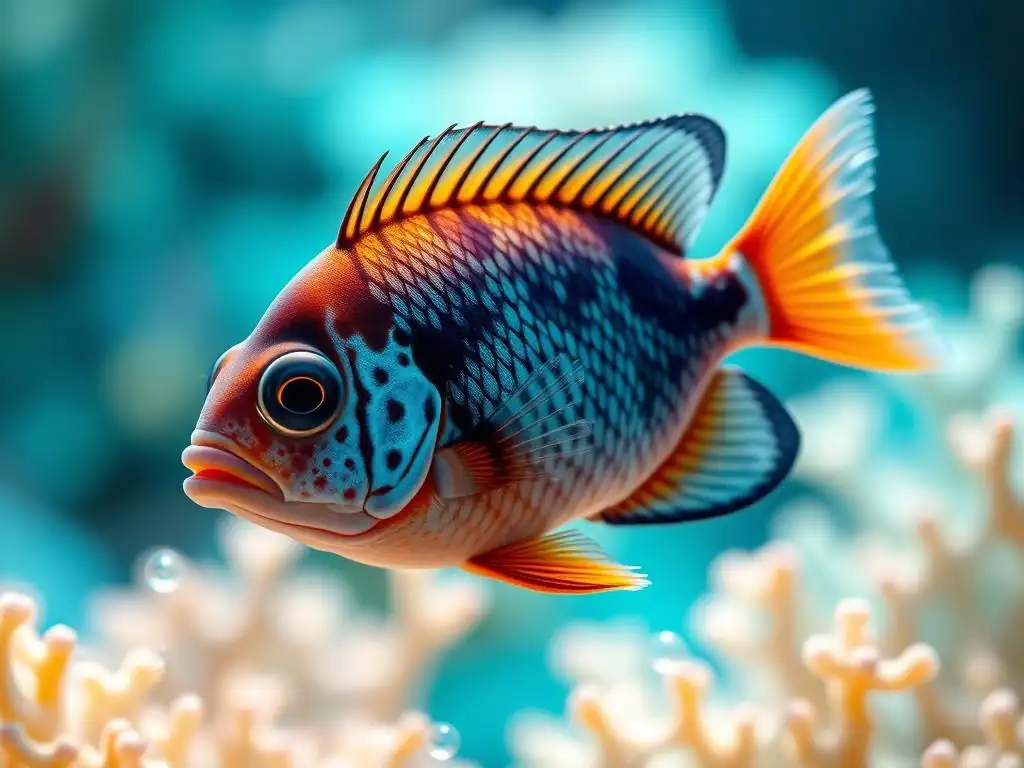
The Japanese Pygmy Angelfish, Centropyge interrupta, is a truly rare and exquisite dwarf angelfish, highly prized by advanced aquarists. Originating from the deep waters off Japan and the Hawaiian Islands, this species exhibits a striking coloration of vibrant orange, yellow, and blue, with intricate patterns that vary between sexes. Reaching up to 4.5 inches (11.5 cm), it requires a minimum tank size of 90 gallons (340 liters) due to its need for ample swimming space and pristine conditions. Its rarity and specific needs place it firmly in the category of expert ReefSafe dwarf angelfish care.
Unlike some of its more common cousins, the Japanese Pygmy Angelfish is considered exceptionally reef-safe, with virtually no reports of it bothering corals or clams. Its primary challenge lies in its collection depth, which often means it needs a longer, more careful decompression period and is accustomed to cooler, more stable water parameters than typical reef tanks. This makes it a fish for dedicated hobbyists who can provide very precise environmental controls and are prepared for the investment of a rare specimen.
Japanese Pygmy Angelfish: Expert Care Required
Japanese Pygmy Angelfish care falls into the "expert" category due to several factors. Firstly, their deepwater origins mean they prefer cooler temperatures, ideally in the range of 68-74°F (20-23°C), which might necessitate a chiller for most tropical reef tanks. Maintaining this lower temperature consistently is crucial for their long-term health and stress reduction. Secondly, their diet can be finicky. They primarily graze on algae and detritus in the wild, but in captivity, they require a varied diet of high-quality frozen foods like mysis shrimp, spirulina-enriched brine shrimp, and finely chopped marine preparations, often needing to be target-fed initially.
Furthermore, due to their shyness and value, they should be introduced to a very peaceful tank with no aggressive tank mates. Ample live rock with numerous caves and crevices is essential to provide security and foraging opportunities. Their sensitivity to water quality means that constant pristine conditions, low nitrates, and stable parameters are non-negotiable. This level of meticulous ReefSafe dwarf angelfish care is what sets this species apart.
Ensuring a Stable Environment for Japanese Pygmy Angelfish
Ensuring a stable environment is paramount for the Japanese Pygmy Angelfish. Given their deepwater origins, they are not accustomed to the rapid fluctuations in temperature, pH, or salinity that can occur in shallower reef zones or poorly maintained aquariums. Consistent water parameters are more important than absolute values within the acceptable range. This means daily monitoring of temperature and salinity, and weekly checks of other key parameters.
A robust filtration system, including a high-efficiency protein skimmer, is indispensable for maintaining the ultra-clean water they require. Regular, small water changes (e.g., 5-10% twice a week) are often preferred over larger, less frequent ones to minimize parameter swings. Because of their exceptional ReefSafe dwarf angelfish care requirements for stability, this angelfish is best suited for dedicated species tanks or very carefully planned mixed reef systems where all inhabitants share similar environmental needs.
5. The Eibli Angelfish (Centropyge eibli) - A Hardy Reef Option
The Eibli Angelfish, Centropyge eibli, is a striking dwarf angelfish originating from the Indo-Pacific, particularly Indonesia and the Christmas Islands. It features an attractive coloration of orange and black vertical stripes over a white or light grey body, with a distinctive orange tail. Growing to a maximum size of about 4 inches (10 cm), the Eibli Angelfish is relatively hardy and adaptable, making it a good choice for aquarists looking for a robust ReefSafe dwarf angelfish care option. It typically requires a minimum tank size of 70 gallons (265 liters).
While generally considered reef-safe, like most Centropyge species, individual Eibli Angelfish can sometimes nip at large polyp stony (LPS) corals, soft corals, or clam mantles, especially if underfed or stressed. However, this behavior is usually manageable with proper husbandry. Their hardiness and active nature make them a vibrant addition to a mixed reef aquarium, often becoming a confident and engaging inhabitant once settled.
Eibli Angelfish: Adapting to Your Reef Tank
Adapting the Eibli Angelfish to your reef tank typically involves a careful acclimation process and providing a suitable environment. They are generally less shy than some other dwarf angels and will quickly explore their new surroundings, but ample live rock with hiding spots is still crucial for their sense of security. Providing a diverse diet from day one, including high-quality marine flakes, pellets, and various frozen foods like mysis shrimp and spirulina-enriched brine shrimp, will help them settle in and reduce the likelihood of them seeking alternative food sources on corals.
Consistency in water parameters (temperature 72-78°F / 22-26°C, salinity 1.023-1.026, pH 8.1-8.4) is vital for their long-term health and to prevent stress, which can lead to undesirable behaviors. They are known for their resilience once established, but a stable environment is key to their successful ReefSafe dwarf angelfish care. Introducing them into a mature tank with established biological filtration will further aid their adaptation.
Preventing Nipping Behavior in Eibli Angelfish
To effectively prevent nipping behavior in Eibli Angelfish, a multi-faceted approach to ReefSafe dwarf angelfish care is recommended. The most crucial factor is a consistent and varied diet rich in both animal and vegetable matter. Offering dried nori sheets on a clip several times a week ensures they receive adequate plant-based nutrition, which can satisfy their natural grazing instincts and deter them from picking at corals. Feeding small amounts multiple times a day also keeps them satiated.
Secondly, ensuring the tank is adequately sized (70 gallons or more) and provides plenty of live rock for foraging and territory can reduce stress and boredom. A stressed or bored angelfish is more likely to develop undesirable habits. Observing the fish closely for any signs of aggression or nipping and adjusting feeding or tank dynamics accordingly can help manage the behavior. In most cases, with proper Eibli Angelfish care and a well-maintained tank, their potential for nipping is minimal and manageable.
Frequently Asked Questions
What exactly does "Reef Safe" mean when referring to dwarf angelfish?
"Reef Safe" generally means a fish is unlikely to nip at corals or invertebrates in a reef aquarium. However, it's important to remember that no fish is guaranteed to be completely harmless, and individual behavior can vary.
What size aquarium is generally recommended for a reef-safe dwarf angelfish?
A minimum tank size of around 30 gallons is generally recommended for most reef-safe dwarf angelfish. Larger species, like the Coral Beauty, may require 50 gallons or more.
What are some key water parameters to maintain for reef-safe dwarf angelfish?
Maintaining stable water parameters is crucial. This includes temperature (72-78°F), salinity (1.024-1.026 specific gravity), pH (8.1-8.4), and low levels of nitrates and phosphates.
What types of food should I feed my reef-safe dwarf angelfish?
Dwarf angelfish are omnivores and require a varied diet. Offer a mix of high-quality flake food, frozen foods (such as mysis shrimp and brine shrimp), and algae-based foods.
Are reef-safe dwarf angelfish generally compatible with other fish in a reef tank?
They are generally peaceful, but can be territorial with other angelfish, especially in smaller tanks. Choose tank mates carefully, avoiding aggressive or overly boisterous species.
Final Reflection: Cultivating Harmony in the Reef
The delicate balance of a reef ecosystem is a testament to nature's intricate design, and as aquarists, we become stewards of this miniature world. Choosing reef-safe inhabitants is not merely a trend, but a responsibility, ensuring the vibrant health and longevity of our coral paradises. The selection of dwarf angelfish, often perceived as risky, highlights the importance of informed decisions and careful observation in responsible reef keeping.
The allure of these miniature marvels lies in their captivating beauty and unique personalities, yet their potential impact on a reef aquarium cannot be ignored. My own journey into reef keeping has underscored the profound connection between our choices and the well-being of these fragile ecosystems. In the end, we will conserve only what we love; we will love only what we understand; and we will understand only what we are taught.
- Baba Dioum. This quote resonates deeply, reminding us that education and understanding are the cornerstones of responsible reef keeping.
Now, as you consider adding a splash of color and personality to your reef, remember that the choices you make today will shape the future of your underwater world. Take the knowledge you've gained, observe with diligence, and cultivate an environment where both coral and angelfish can thrive. Embrace the challenge, and let your reef become a testament to the beauty of responsible aquarism.
Transform Your Reef: Discover the Perfect Angelfish!
Thank you for diving into the world of reef-safe dwarf angelfish! We hope you've gained valuable insights into selecting the perfect finned friend for your coral paradise. Now, it's time to take the next step and bring your dream aquarium to life.
Here's how you can start:
- Plan Your Stocking List: Carefully select your ideal reef-safe dwarf angelfish and compatible tankmates to ensure a harmonious environment in your aquarium.
- Explore other reef-friendly fish species on Aquarium Mastery to expand your knowledge and discover alternative options for your reef tank.
- Share this article with fellow reefing enthusiasts on social media to spread the word about responsible angelfish keeping.
What specific coloration are you most excited to introduce to your reef aquarium?