
Building a Denison Barb Community: Compatible Species for a Large, Lively Tank

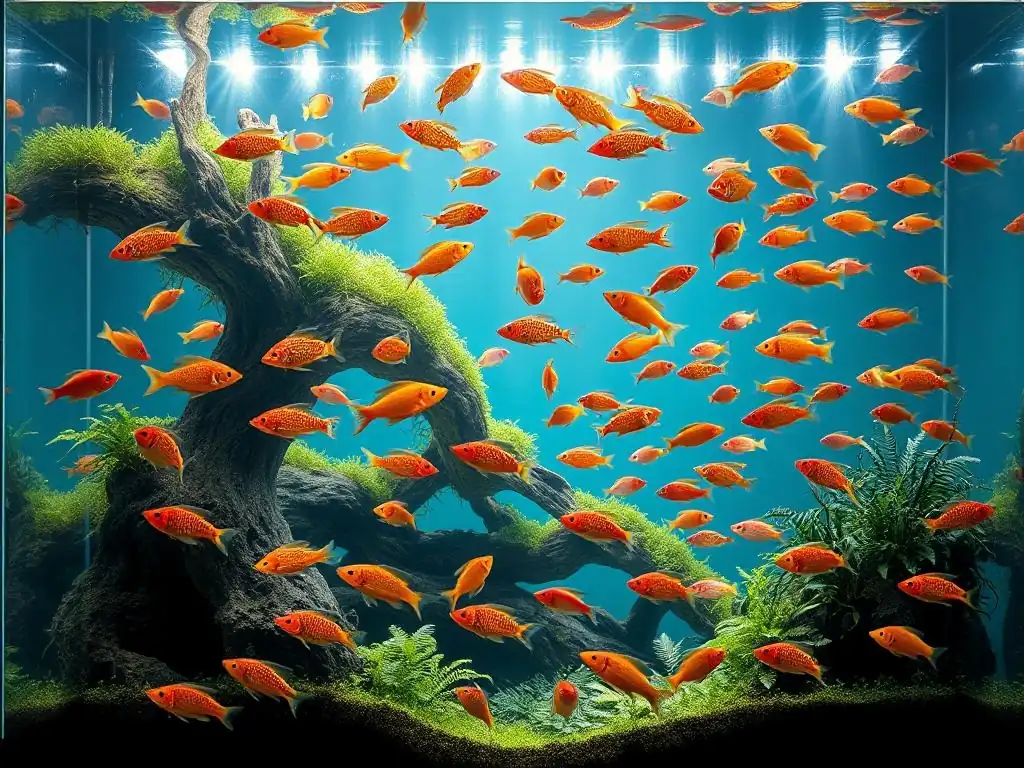
Welcome to Aquarium Mastery!
Ever dreamt of a vibrant, bustling freshwater aquarium teeming with life, centered around the dazzling Denison barb? Building the perfect community tank can seem daunting, but it doesn't have to be. Dive into our guide, "Building a Denison Barb Community: Compatible Species for a Large, Lively Tank," and unlock the secrets to creating a thriving ecosystem. Ready to discover the ideal tank mates and create a stunning display? Let's get started!
- Understanding the Denison Barb: A Profile for Community Tank Success
- Planning Your Denison Barb Community Tank: Choosing the Right Tank Mates
-
Top Compatible Tank Mates for Denison Barbs: Building a Harmonious Aquarium
- Peaceful Bottom Dwellers: Corydoras Catfish and Denison Barbs
- Mid-Level Swimmers: Tetras and Rasboras as Denison Barb Companions
- Top-Dwelling Fish: Hatchetfish and Denison Barb Tank Compatibility
- Rummy Nose Tetra: A Schooling Companion for Denison Barbs
- Kuhli Loach: A Peaceful and Interesting Bottom Dweller
- Setting Up Your Denison Barb Community Tank: Creating the Ideal Environment
- Feeding Your Denison Barb Community: Ensuring Nutritional Needs are Met
- Maintaining Your Denison Barb Community Tank: Long-Term Care and Considerations
- Troubleshooting Common Issues in a Denison Barb Community Tank
- Enjoying Your Denison Barb Community: A Vibrant and Engaging Aquarium
-
Frequently Asked Questions
- How many Denison barbs should I keep in a community tank?
- What tank size is recommended for a Denison barb community tank?
- What are some good tank mates for Denison barbs in a community tank?
- What are the key water parameters to maintain for a Denison barb community tank?
- What kind of environment should I create for a Denison barb community tank?
- Final Reflection: Cultivating Harmony in the Aquatic Realm
- Dive Deeper: Nurture Your Denison Barb Haven!
Understanding the Denison Barb: A Profile for Community Tank Success
Denison Barb Temperament and Schooling Behavior: Key Considerations
Denison barbs (Sahyadria denisonii), also known as Roseline sharks or Red-line torpedo barbs, are renowned for their active and peaceful schooling behavior, which makes them excellent candidates for a "Denison barb community tank setup". These stunning fish thrive when kept in groups, with a minimum of 6-8 individuals recommended to allow them to exhibit their natural schooling dynamics.
In smaller groups, they can become shy or, conversely, more prone to nipping, especially towards slower-moving fish with long fins. A larger school, ideally 10 or more, helps distribute any potential aggression and significantly reduces stress among the fish, allowing them to display their vibrant colors and energetic swimming patterns more prominently.
Their temperament is generally peaceful towards other species that are not small enough to be considered prey. They are fast swimmers and enjoy open spaces, but also appreciate areas with dense planting for security. Observing a large school of Denison barbs darting across a well-aquascaped tank is a truly captivating experience, highlighting the importance of understanding their social needs before embarking on a "Denison barb community tank setup". They are not typically aggressive, but their speed and size can intimidate smaller, more delicate fish, so careful consideration of tank mates is crucial.
Ideal Tank Size for a Thriving Denison Barb School
Given their adult size, which can reach up to 6 inches (15 cm), and their highly active nature, Denison barbs require a substantial aquarium. A minimum tank size of 75 gallons (approximately 280 liters) is typically recommended for a small school of 6-8 juvenile individuals. However, for a mature, thriving school of 10 or more Denison barbs, an aquarium of 120 gallons (approximately 450 liters) or larger is far more suitable. This larger volume provides ample swimming space, which is essential for these fast-moving fish, reducing stress and preventing stunted growth.
A spacious tank also offers greater stability in water parameters, which is vital for the long-term health of a "Denison barb community tank setup". The increased water volume dilutes waste products more effectively and provides a larger buffer against sudden fluctuations in temperature or pH. For example, a 120-gallon tank provides over 1.5 times the swimming length of a standard 75-gallon tank, allowing the barbs to perform their characteristic high-speed sprints without constantly bumping into tank walls or decorations, thereby ensuring a more natural and stress-free environment for the entire community.
Water Parameters for Optimal Denison Barb Health and Longevity
Maintaining stable and appropriate water parameters is paramount for the health and longevity of Denison barbs in any "Denison barb community tank setup". These fish originate from fast-flowing streams in India, and as such, they thrive in clean, well-oxygenated water with a moderate current. The ideal temperature range for Denison barbs is between 72-79°F (22-26°C). Consistency within this range is more important than hitting a specific degree, as sudden temperature swings can cause stress and compromise their immune system.
In terms of pH, Denison barbs prefer slightly acidic to neutral conditions, with an optimal range of 6.5-7.5. Water hardness should be soft to moderately hard, typically between 5-15 dGH (degrees of General Hardness). Regular water testing for ammonia, nitrite, and nitrate is crucial; ammonia and nitrite levels should always be zero, while nitrates should be kept below 20 ppm through consistent weekly water changes of 25-30%.
For instance, in a 120-gallon tank, a 30% weekly water change equates to replacing approximately 36 gallons of water, ensuring that dissolved organic compounds and nitrates do not accumulate to harmful levels. Providing these specific conditions will ensure your Denison barbs remain vibrant and healthy for their potential lifespan of 5-7 years or more.
Planning Your Denison Barb Community Tank: Choosing the Right Tank Mates
Factors to Consider When Selecting Denison Barb Tank Mates
When planning a successful "Denison barb community tank setup," the selection of compatible tank mates is a critical step. Several key factors must be carefully evaluated to ensure a harmonious and thriving aquatic environment. Firstly, consider the size of potential tank mates; they should not be small enough to be mistaken for food by the Denison barbs, nor so large or aggressive that they could intimidate or harm the active barbs. Generally, fish that grow to a similar adult size or slightly smaller, around 2-6 inches, are good candidates.
Secondly, temperament is paramount. Denison barbs, while active, are generally peaceful, so their companions should share this disposition. Highly aggressive or territorial fish can stress the barbs, leading to fin nipping, disease, or even death. Conversely, very timid or slow-moving fish might be outcompeted for food or stressed by the Denison barbs' energetic swimming.
Thirdly, water parameter compatibility is non-negotiable. All chosen species must thrive in the same temperature, pH, and hardness ranges as the Denison barbs to ensure optimal health for the entire community. For instance, species requiring very soft, acidic water might not fare well with Denison barbs that prefer a slightly broader range.
Avoiding Aggressive Tank Mates: Ensuring a Peaceful Community
To ensure a peaceful "Denison barb community tank setup," it is imperative to avoid tank mates known for their aggressive or territorial behaviors. Large, predatory cichlids, such as Oscar fish or Green Terrors, are unsuitable as they will view Denison barbs as potential prey or competitors for space. Even certain species of barbs, like the notorious Tiger Barb, can be problematic. While Tiger Barbs are also schooling fish, their tendency to nip fins can be detrimental to the longer fins of Denison barbs, especially if the Tiger Barbs are not kept in a sufficiently large school themselves.
Furthermore, fish that are known fin-nippers, even if smaller, should generally be excluded. While Denison barbs are fast enough to often evade persistent nipping, constant harassment can lead to stress, damaged fins, and increased susceptibility to bacterial infections. For example, some species of Gouramis, particularly males, can become territorial and aggressive in smaller tanks, potentially stressing the active Denison barbs. The goal is to create a low-stress environment where all inhabitants can thrive, which means carefully researching the full adult behavior and requirements of any potential tank mate.
Species with Similar Water Parameter Requirements to Denison Barbs
Building a harmonious "Denison barb community tank setup" relies heavily on selecting species that share similar water parameter preferences. As established, Denison barbs thrive in temperatures between 72-79°F (22-26°C), a pH range of 6.5-7.5, and water hardness from 5-15 dGH. Fortunately, many popular and beautiful freshwater aquarium fish fit within these parameters, making tank mate selection relatively straightforward.
Excellent choices include various species of Tetras, such as Rummy Nose Tetras, Lemon Tetras, and Congo Tetras, all of which appreciate similar temperatures and pH levels. Many species of Rasboras, like Harlequin Rasboras or Chili Rasboras (for very large tanks), also align well.
For bottom dwellers, Corydoras catfish species (e.g., Panda Corys, Bronze Corys) and Kuhli Loaches are ideal, as they prefer similar conditions and occupy a different part of the water column. Even some peaceful dwarf cichlids, like German Blue Rams, can be considered in very large, well-planted tanks, provided their specific needs for pristine water quality and stable parameters are met, which aligns perfectly with the requirements for Denison barbs.
Top Compatible Tank Mates for Denison Barbs: Building a Harmonious Aquarium
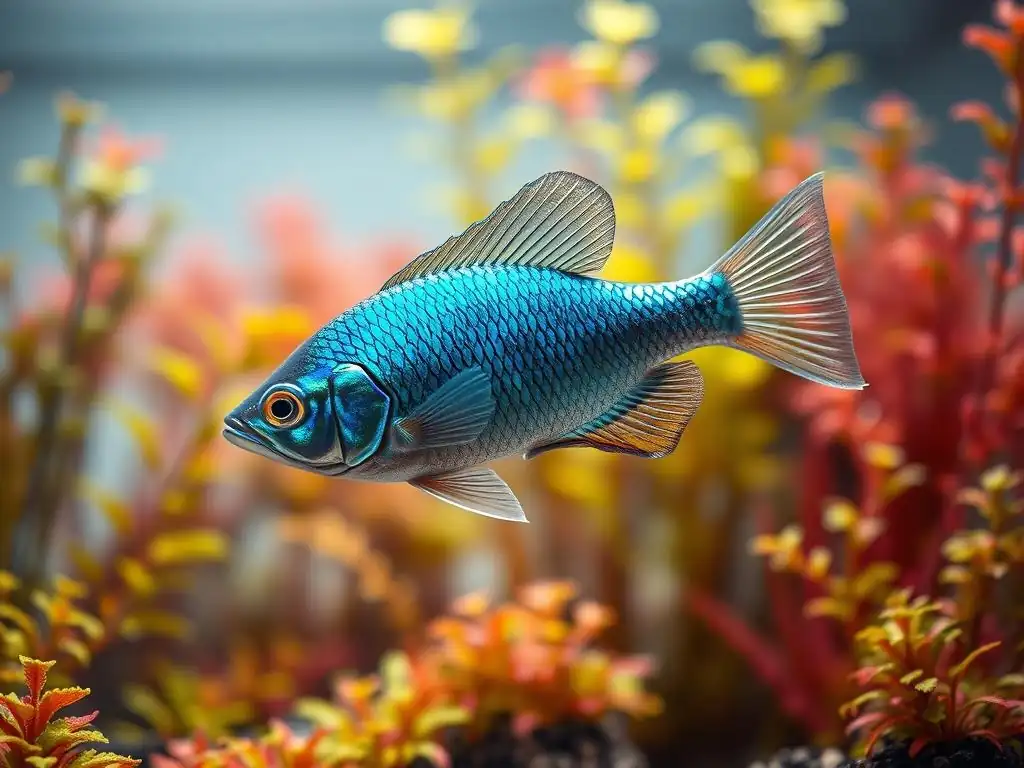
Peaceful Bottom Dwellers: Corydoras Catfish and Denison Barbs
For a thriving "Denison barb community tank setup," incorporating peaceful bottom dwellers is an excellent strategy to utilize all levels of the aquarium and enhance the ecosystem's balance. Corydoras catfish are arguably the best choice for this role. Species such as the Bronze Cory (Corydoras aeneus), Panda Cory (Corydoras panda), or Emerald Green Cory (Corydoras splendens) are highly compatible. These active, schooling catfish typically grow to 2-3 inches and are entirely peaceful, spending their time sifting through the substrate for food particles without bothering the mid-water swimming Denison barbs.
Corydoras also appreciate similar water parameters to Denison barbs, thriving in temperatures between 72-78°F and a pH of 6.5-7.5. They should be kept in schools of at least six individuals to feel secure and display their natural behaviors. For example, in a 120-gallon "Denison barb community tank setup," a school of 8-10 Corydoras would complement the barbs beautifully, occupying the lower third of the tank and contributing to overall tank cleanliness by consuming uneaten food that settles on the substrate. Their presence adds another layer of interest and activity to the aquarium.
Mid-Level Swimmers: Tetras and Rasboras as Denison Barb Companions
Mid-level swimming fish are essential for creating a dynamic and visually appealing "Denison barb community tank setup," and various species of Tetras and Rasboras fit this niche perfectly. These fish often share similar water parameter requirements and active schooling behaviors, making them natural companions for Denison barbs.
Rummy Nose Tetras (Hemigrammus rhodostomus), for instance, are renowned for their tight schooling behavior and vibrant red noses, adding a striking contrast to the silver and red of the Denison barbs. They typically grow to about 2 inches and thrive in temperatures of 75-80°F and a pH of 6.0-7.0, closely aligning with Denison barb needs.
Harlequin Rasboras (Trigonostigma heteromorpha) are another excellent option, reaching about 1.5-2 inches and displaying a beautiful copper-orange coloration with a distinct black wedge. They are very peaceful and also form tight schools, providing a sense of security for both themselves and the Denison barbs in the tank.
Other compatible choices include Lemon Tetras (Hyphessobrycon pulchripinnis) or Congo Tetras (Phenacogrammus interruptus), the latter requiring a larger tank due to their adult size of up to 3.5 inches for males. A school of 15-20 Rummy Nose Tetras alongside 10 Denison barbs in a 120-gallon tank creates a breathtaking display of synchronized swimming and color.
Top-Dwelling Fish: Hatchetfish and Denison Barb Tank Compatibility
To complete the vertical stratification of a "Denison barb community tank setup," incorporating peaceful top-dwelling fish can add another dimension of interest. Hatchetfish are among the best choices for this role due to their unique body shape, peaceful nature, and preference for the upper water column. Species like the Marbled Hatchetfish (Carnegiella strigata) or Silver Hatchetfish (Gasteropelecus levis) are commonly available. These small, slender fish grow to about 1.5-2 inches and are known for their ability to "fly" or skim across the water surface, a fascinating behavior to observe.
Hatchetfish are schooling fish and should be kept in groups of at least six to feel secure. They are entirely peaceful and will not interfere with the mid-level swimming Denison barbs or the bottom dwellers. However, it is absolutely crucial to note that hatchetfish are expert jumpers, and a very tight-fitting lid with no gaps is an absolute necessity to prevent them from escaping the aquarium.
They thrive in similar water parameters to Denison barbs, preferring temperatures of 72-80°F and a pH of 6.0-7.5. Their presence adds a unique element to the "Denison barb community tank setup," ensuring that all areas of the tank are actively utilized.
Rummy Nose Tetra: A Schooling Companion for Denison Barbs
The Rummy Nose Tetra (Hemigrammus rhodostomus) stands out as an exceptional schooling companion for a "Denison barb community tank setup" due to its remarkably tight schooling behavior and vibrant coloration. These small, active fish, growing to approximately 2 inches, are renowned for their bright red nose and tail, which become more intense when they are healthy and comfortable. Their strong schooling instinct not only creates a visually stunning effect as they move in unison but also contributes to the overall sense of security within the aquarium, benefiting the Denison barbs as well.
Rummy Nose Tetras thrive in water conditions very similar to Denison barbs, preferring temperatures between 75-80°F (24-27°C) and a slightly acidic to neutral pH of 6.0-7.0. They also appreciate clean, well-oxygenated water with some current, mirroring the natural habitat of Denison barbs.
Their peaceful disposition ensures they will not harass the barbs, and their smaller size means they won't compete directly for swimming space in the same aggressive manner. A school of 15-20 Rummy Nose Tetras in a 120-gallon "Denison barb community tank setup" will create a truly dynamic and colorful display, enhancing the natural beauty and activity of the entire aquatic environment.
Kuhli Loach: A Peaceful and Interesting Bottom Dweller
For those seeking a unique and peaceful bottom-dwelling addition to their "Denison barb community tank setup," the Kuhli Loach (Pangio kuhlii) is an excellent choice. These eel-like fish are distinctive with their slender, striped bodies, typically growing to 3-4 inches. They are nocturnal and quite shy, spending much of their day burrowing in soft substrate or hiding among decorations, emerging primarily during feeding times or after the lights go out. Their reclusive nature ensures they will never bother the active Denison barbs.
Kuhli Loaches are scavengers, sifting through the substrate for uneaten food particles, which can help maintain tank cleanliness. They are completely peaceful and highly tolerant of various water conditions, making them compatible with the parameters preferred by Denison barbs: temperatures of 73-86°F (23-30°C) and a pH of 6.0-7.5. It is crucial to provide a soft substrate like sand for them to burrow in, as gravel can injure their delicate bodies.
Keeping them in groups of at least five or six will encourage them to be more active and visible. In a well-established "Denison barb community tank setup," a school of 8-10 Kuhli Loaches adds an intriguing element to the bottom layer of the aquarium, often surprising observers with their sudden appearances.
Setting Up Your Denison Barb Community Tank: Creating the Ideal Environment
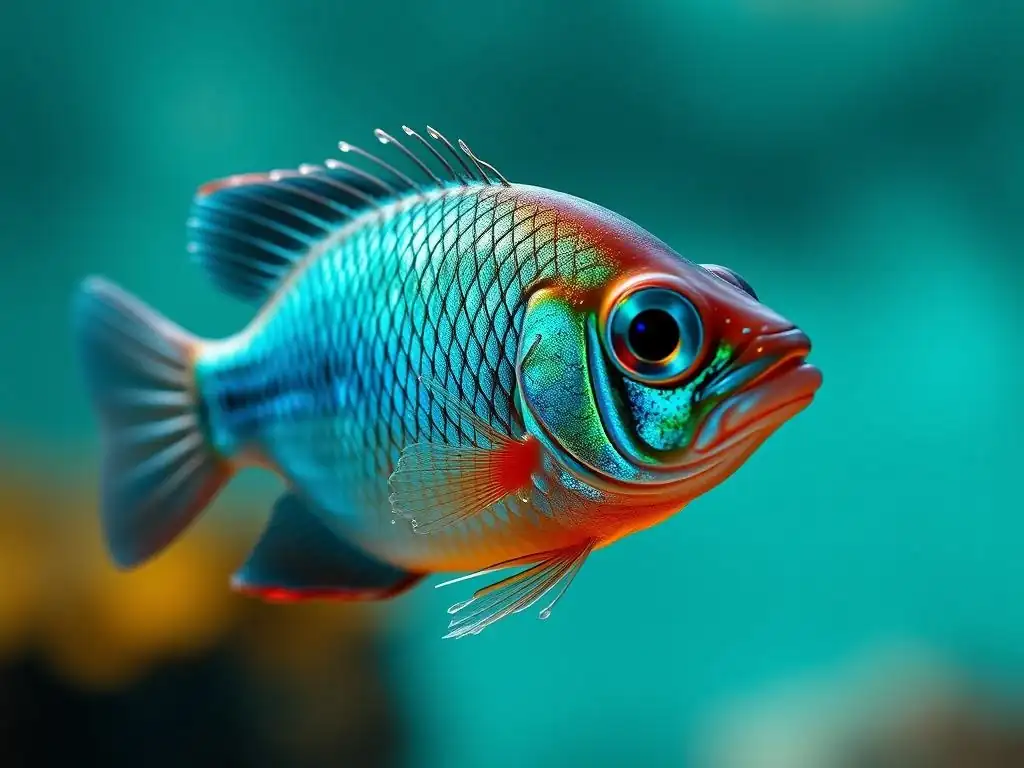
Tank Decorations and Aquascaping for Denison Barbs and Their Tank Mates
Creating the ideal aquascape for a "Denison barb community tank setup" involves balancing open swimming space with adequate hiding spots and visual barriers. Denison barbs are extremely active, fast swimmers and require considerable open areas in the mid-water column for their schooling behavior. Therefore, avoid overly cluttered aquascapes that restrict their movement. Approximately 60-70% of the tank should ideally be open swimming space.
However, hiding spots are equally important for all fish, providing security and reducing stress. Dense planting around the perimeter and back of the tank, using plants like Amazon Swords, Java Ferns, Anubias, or Vallisneria, can create lush retreats. Driftwood branches and smooth rocks can also be strategically placed to form caves and crevices.
For instance, a large piece of branching driftwood positioned centrally but allowing ample space around it can serve as both a visual anchor and a retreat. This balance ensures that while the Denison barbs have room to school, their tank mates, especially the more timid species or bottom dwellers, have safe havens to retreat to, contributing to a harmonious and natural "Denison barb community tank setup."
Filtration and Water Flow: Maintaining a Healthy Aquarium Ecosystem
Given the active nature and moderate bioload of Denison barbs, robust filtration and adequate water flow are paramount for a healthy "Denison barb community tank setup." These fish originate from fast-flowing rivers and thrive in well-oxygenated water with a strong current. Therefore, canister filters or sumps are highly recommended over hang-on-back filters for tanks 75 gallons and larger, as they offer superior mechanical, chemical, and biological filtration capacity.
Aim for a filter system that can turn over the tank's volume at least 8-10 times per hour. For example, a 120-gallon tank would benefit from a filter with a flow rate of at least 960-1200 gallons per hour (GPH).
In addition to strong filtration, incorporating powerheads or strategically placed filter outputs can enhance water circulation, mimicking their natural environment. A strong current not only provides beneficial exercise for Denison barbs but also ensures that oxygen is evenly distributed throughout the tank and that waste particles are directed towards the filter intake. Regular maintenance of the filtration system, including rinsing filter media and replacing chemical media as needed, is crucial to prevent the buildup of nitrates and maintain pristine water quality, which is vital for the long-term success of any "Denison barb community tank setup."
Lighting and Substrate: Creating a Natural Habitat for Your Fish
The choice of lighting and substrate significantly contributes to creating a natural and aesthetically pleasing habitat for a "Denison barb community tank setup." For lighting, a moderate intensity LED light is generally sufficient. While Denison barbs themselves are not particularly demanding regarding lighting, their tank mates and any live plants will have specific requirements. A light cycle of 10-12 hours per day is typical for promoting plant growth and establishing a natural day-night rhythm for the fish. Avoid excessively bright lighting, as it can stress some fish and encourage excessive algae growth.
Regarding substrate, a fine gravel or sand substrate is ideal for a "Denison barb community tank setup." Sand is particularly beneficial if you plan to include bottom-dwelling fish like Corydoras catfish or Kuhli Loaches, as it allows them to burrow and sift without injuring their delicate barbels. A darker substrate can also help bring out the vibrant colors of your fish, making the reds and silvers of the Denison barbs appear even more striking.
For example, using a dark gray or black sand allows the fish's natural coloration to pop more effectively than a light-colored gravel. Ensure the substrate is thoroughly rinsed before adding it to the tank to prevent cloudiness and maintain water clarity.
Feeding Your Denison Barb Community: Ensuring Nutritional Needs are Met
Denison Barb Diet: What to Feed Your Schooling Barbs
Denison barbs are omnivores with a hearty appetite, and providing a varied and high-quality diet is crucial for their health and vibrant coloration in a "Denison barb community tank setup." Their diet should consist of a mix of high-quality flakes, small pellets, and a variety of frozen and live foods. For instance, a good staple diet would be a premium spirulina-enhanced flake food, supplemented with small, sinking pellets to ensure they receive a balanced intake of nutrients.
To provide essential protein and enrich their diet, offer frozen foods such as bloodworms, brine shrimp, and daphnia several times a week. Live foods, like blackworms or small feeder shrimp, can also be given as occasional treats, stimulating their natural hunting instincts.
For a school of 10 Denison barbs, feeding a pinch of flakes twice a day, supplemented with a quarter cube of frozen bloodworms every other day, would be a good starting point. Remember that their diet should also incorporate vegetable matter, which can be found in high-quality spirulina flakes or through blanched vegetables like zucchini or peas, ensuring a comprehensive nutritional profile for your active "Denison barb community tank setup."
Feeding Strategies for a Mixed Community Tank: Ensuring Everyone Eats
In a mixed "Denison barb community tank setup," it's essential to employ feeding strategies that ensure all inhabitants, from fast-moving mid-water swimmers to shy bottom dwellers, receive adequate nutrition. Denison barbs are quick eaters and can easily outcompete slower or more timid tank mates. One effective strategy is to feed small amounts multiple times a day, rather than one large meal. For example, feeding three small portions throughout the day ensures that even if the barbs consume the initial offering quickly, subsequent feedings provide opportunities for other fish.
Additionally, distributing food across different areas of the tank can help. For top and mid-level feeders like Denison barbs and Tetras, floating flakes or slow-sinking pellets work well. For bottom dwellers like Corydoras and Kuhli Loaches, directly target-feeding with sinking pellets or wafers after the main feeding frenzy has subsided can be beneficial.
Some aquarists might even turn off the lights briefly during bottom-dweller feeding to encourage nocturnal species like Kuhli Loaches to emerge. For instance, dropping a few sinking algae wafers near driftwood where Kuhli Loaches hide ensures they get their share, preventing undernourishment in your "Denison barb community tank setup."
Avoiding Overfeeding: Maintaining Water Quality in Your Denison Barb Tank
While ensuring all fish are fed is important in a "Denison barb community tank setup," avoiding overfeeding is equally, if not more, critical for maintaining pristine water quality. Overfeeding leads to uneaten food decaying in the tank, which rapidly degrades water quality by increasing ammonia, nitrite, and nitrate levels. This not only stresses the fish but also promotes excessive algae growth and can lead to serious health issues or even fish fatalities.
A general rule of thumb is to feed only what your fish can consume within 2-3 minutes. If food remains after this time, you are likely overfeeding. For example, for a school of 10 Denison barbs and their companions, start with a small pinch of flakes that disappears within 60-90 seconds, then add another small pinch if needed.
It's better to slightly underfeed than to overfeed. Skipping a day of feeding once a week can also be beneficial, allowing the fish's digestive systems to clear and reducing the overall bioload on the filtration system. Consistent adherence to proper feeding practices is a cornerstone of a healthy and stable "Denison barb community tank setup."
Maintaining Your Denison Barb Community Tank: Long-Term Care and Considerations
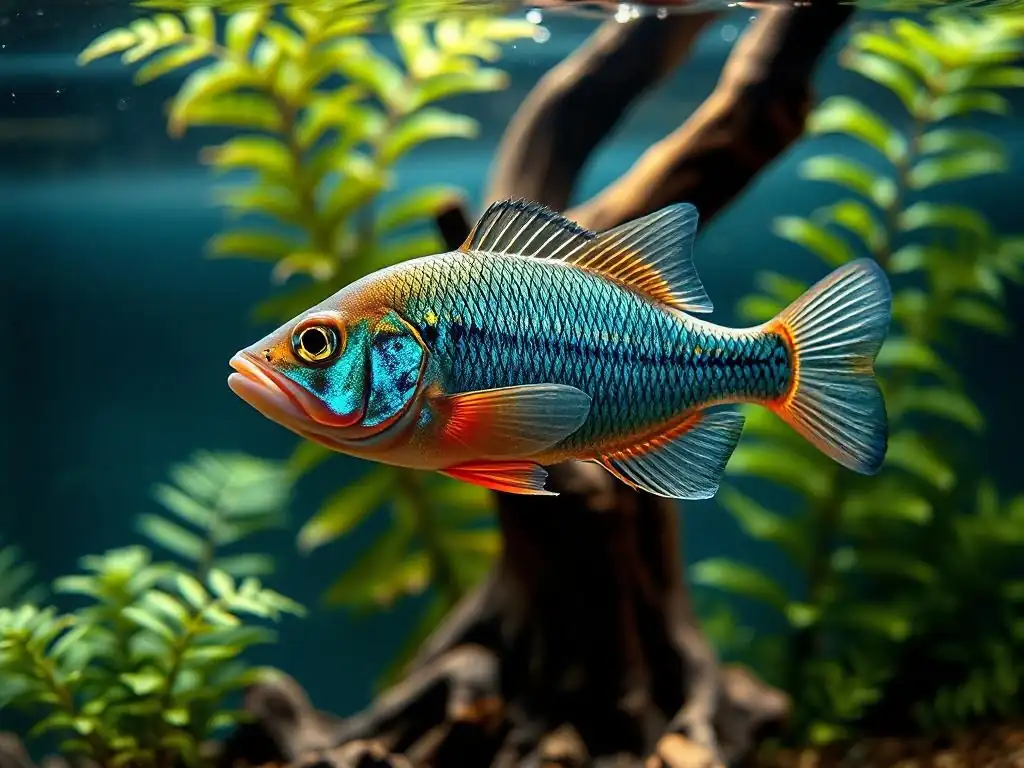
Regular Water Changes: Essential for a Healthy Aquarium
Regular water changes are the single most important maintenance practice for a healthy and thriving "Denison barb community tank setup." Despite robust filtration, nitrates and other dissolved organic compounds will accumulate over time, and essential trace elements will be depleted. Consistent water changes dilute these harmful substances and replenish vital minerals, directly contributing to the long-term health and vibrancy of your Denison barbs and their tank mates.
For a well-stocked "Denison barb community tank setup," a weekly water change of 25-30% of the total tank volume is highly recommended. For instance, in a 120-gallon tank, this equates to changing 30-36 gallons of water. It's crucial to use dechlorinated water that is temperature-matched to the aquarium water to avoid shocking the fish.
Siphoning the substrate during water changes also removes detritus and uneaten food, further improving water quality. Skipping even a single weekly water change can lead to a noticeable decline in water parameters, stressing the fish and making them more susceptible to disease, underscoring the vital role of this routine maintenance.
Monitoring Water Parameters: Keeping Your Tank Stable
Consistent monitoring of water parameters is indispensable for maintaining a stable and healthy "Denison barb community tank setup." Regular testing allows you to detect imbalances before they become critical and provides insights into the effectiveness of your maintenance routine. Key parameters to test regularly include ammonia, nitrite, nitrate, pH, and temperature. Ammonia and nitrite should always read 0 ppm, as even small amounts are highly toxic to fish. Nitrate levels should ideally be kept below 20 ppm, indicating effective filtration and water changes.
Testing frequency depends on the tank's maturity and stocking level, but weekly or bi-weekly checks are generally recommended. For example, using a liquid test kit, you might test ammonia, nitrite, and nitrate weekly, and pH every other week. If results show elevated ammonia or nitrite, immediate action, such as a large water change (50% or more) and checking the filtration system, is necessary.
Maintaining a stable temperature within the 72-79°F range is also critical, which can be monitored daily with a reliable thermometer. Proactive monitoring helps prevent stress and disease, ensuring the longevity of your "Denison barb community tank setup."
Disease Prevention and Treatment in a Community Tank
Disease prevention is always preferable to treatment in a "Denison barb community tank setup," as treating a whole community tank can be challenging and stressful for all inhabitants. The primary method of prevention is maintaining excellent water quality through regular water changes and filtration, providing a balanced diet, and avoiding overstocking. A crucial preventive measure is quarantining all new fish for 2-4 weeks in a separate tank before introducing them to the main community. This allows you to observe them for signs of illness and treat them in isolation, preventing the spread of potential pathogens to your established fish.
Despite best efforts, diseases can sometimes occur. Daily observation of your Denison barbs and their tank mates for changes in behavior, appetite, coloration, or physical signs like spots, frayed fins, or labored breathing is vital for early detection. For instance, a Denison barb rubbing against decorations might indicate the onset of Ich.
If disease is confirmed, identify the specific illness to choose the appropriate treatment. While some mild issues can be addressed with increased water changes and improved conditions, more severe cases might require medication. Always follow medication instructions carefully and be aware that some medications can harm plants or invertebrates in your "Denison barb community tank setup."
Troubleshooting Common Issues in a Denison Barb Community Tank
Addressing Aggression: Identifying and Resolving Conflicts
While Denison barbs are generally peaceful, occasional aggression or fin nipping can occur in a "Denison barb community tank setup," typically stemming from specific issues. The most common cause is insufficient space or an inadequate school size. If Denison barbs are kept in groups smaller than 6-8, they can become stressed and more prone to nipping at each other or at slower-moving tank mates, particularly those with long, flowing fins. For example, if you notice a Denison barb chasing another persistently or if fins appear frayed, it might indicate stress from overcrowding or an insufficient school.
To resolve aggression, first ensure your tank is adequately sized for the number of Denison barbs and other inhabitants – a minimum of 75 gallons, ideally 120+ gallons for a mature school. If your school is small (e.g., 3-5 fish), consider adding more Denison barbs to reach a group of at least 8-10; this distributes any inherent pecking order and reduces individual stress.
For instance, increasing a school from 5 to 10 individuals in a 120-gallon tank often dramatically reduces nipping. If a specific fish is consistently aggressive, despite these measures, and is causing harm, it may need to be rehomed to a different setup.
Preventing Fin Nipping: Ensuring a Peaceful Environment
Fin nipping, while sometimes a sign of aggression within the Denison barb school, can also be directed towards other tank mates in a "Denison barb community tank setup." Preventing this issue involves careful planning and ongoing observation. Firstly, avoid pairing Denison barbs with very slow-moving fish that have long, flowing fins, such as Angelfish or Betta fish, as these are prime targets for nipping. While Denison barbs are generally not notorious fin nippers, their active nature and speed can sometimes lead to accidental nips or opportunistic behavior if suitable targets are present.
Secondly, ensure the Denison barbs themselves are kept in a sufficiently large school (8-10+ individuals) and have ample swimming space. This keeps them preoccupied with their own schooling dynamics rather than bothering other fish. For example, providing a 6-foot long tank (e.g., a 120-gallon breeder) allows them to spread out and reduces close encounters.
Maintaining excellent water quality and providing a balanced diet also reduces stress, which can be a contributing factor to nipping. If nipping persists, observe closely to identify the specific culprit and consider if overcrowding or a lack of appropriate hiding spots for the nipped fish is contributing to the problem in your "Denison barb community tank setup."
Algae Control: Maintaining a Clean and Healthy Planted Tank
Algae can be a persistent nuisance in any "Denison barb community tank setup," but it's also a sign of an imbalance in the aquarium ecosystem. Effective algae control relies on addressing the root causes rather than just removing it. The primary culprits are usually excess light, excess nutrients (nitrates and phosphates), and an imbalance in CO2 for planted tanks. For instance, leaving the aquarium lights on for more than 10-12 hours a day can fuel algae growth significantly.
To maintain a clean and healthy planted tank, start by optimizing your lighting schedule to 8-10 hours daily. Perform regular weekly water changes (25-30%) to reduce nitrate and phosphate levels. Ensure your filter is well-maintained and not clogged, as this can lead to nutrient buildup.
Introducing algae-eating invertebrates, such as Nerite snails (e.g., 1 snail per 10 gallons) or Amano shrimp, can be highly effective. For example, 10-12 Amano shrimp in a 120-gallon tank can make a noticeable difference in green hair algae. In heavily planted "Denison barb community tank setup," a balanced fertilization routine and adequate CO2 injection will allow plants to outcompete algae for nutrients, creating a naturally clean and vibrant environment.
Enjoying Your Denison Barb Community: A Vibrant and Engaging Aquarium
Observing Fish Behavior: Understanding Your Community's Dynamics
Observing the intricate behaviors and interactions within your "Denison barb community tank setup" is one of the most rewarding aspects of fishkeeping. Denison barbs themselves are fascinating to watch, with their synchronized schooling, bursts of speed, and curious foraging behaviors. Pay attention to how they interact with each other within the school – are they tightly schooling, or are some individuals more dominant or shy? This can provide clues about their comfort levels and overall well-being.
Beyond the barbs, notice the dynamics among the different species. Do the Corydoras catfish actively sift through the substrate? Do the Rummy Nose Tetras maintain their tight school?
Understanding these natural behaviors helps you confirm the health and happiness of your fish. For instance, if your Denison barbs are constantly hiding or if their colors appear dull, it could indicate stress, poor water quality, or an incompatible tank mate. Regular observation, even just for 5-10 minutes daily, allows you to become attuned to the subtle cues of your aquatic ecosystem, ensuring the long-term success and enjoyment of your "Denison barb community tank setup."
Adding New Fish: Introducing New Members to the Community Carefully
When expanding your "Denison barb community tank setup," introducing new fish carefully is crucial to prevent stress, disease, and aggression. The most important step is to quarantine all new fish in a separate, dedicated quarantine tank for a period of 2-4 weeks. This allows you to observe them for any signs of illness, treat them if necessary, and ensure they are healthy before adding them to your main display tank. For example, if a new Rummy Nose Tetra develops Ich during quarantine, you can treat it without exposing your entire established community.
Once quarantined and deemed healthy, acclimate new fish slowly to your main tank's water parameters. Drip acclimation, where tank water is slowly dripped into the bag containing the new fish over an hour or more, is highly recommended to minimize shock from pH or temperature differences. Introducing new fish after the main tank lights have been off for a few hours can also reduce stress, as they can explore their new surroundings without immediate attention from established residents. This careful process ensures a smooth transition and maintains the stability and health of your "Denison barb community tank setup."
The Rewards of a Well-Maintained Denison Barb Community Tank
The effort invested in setting up and meticulously maintaining a "Denison barb community tank setup" culminates in a truly spectacular and engaging aquatic display. The sight of a vibrant school of Denison barbs, with their striking red and black markings, darting gracefully through a lush, well-aquascaped environment, is a source of immense satisfaction. This type of aquarium becomes a living piece of art, constantly evolving and offering new behaviors to observe.
Beyond the aesthetic appeal, there's the profound reward of successfully creating a thriving, balanced ecosystem. Witnessing the various species coexist harmoniously, engaging in their natural behaviors, and flourishing under your care provides a deep sense of accomplishment. A well-maintained "Denison barb community tank setup" not only enhances your living space but also serves as a testament to your dedication and understanding of aquatic life, offering endless hours of peaceful enjoyment and a continuous learning experience.
Frequently Asked Questions
How many Denison barbs should I keep in a community tank?
Denison barbs thrive in larger groups of at least six individuals. Keeping them in smaller numbers can lead to stress and shyness. A larger group also displays more natural, engaging behaviors.
What tank size is recommended for a Denison barb community tank?
Due to their active nature and adult size (up to 6 inches), Denison barbs need a large tank. A minimum of 75 gallons is recommended, but a larger tank like a 125-gallon one is even better.
What are some good tank mates for Denison barbs in a community tank?
Denison barbs are generally peaceful. Ideal tank mates include other peaceful, similarly sized fish like Rasboras, Danios, and certain Tetras. Avoid aggressive or fin-nipping species.
What are the key water parameters to maintain for a Denison barb community tank?
Denison barbs prefer slightly acidic to neutral water. Maintain a pH between 6.5 and 7.5, a temperature between 72-78°F (22-26°C), and ensure excellent water quality with regular water changes.
What kind of environment should I create for a Denison barb community tank?
Provide a well-planted tank with plenty of swimming space. Denison barbs appreciate moderate water flow and dimmed lighting. Rocks and driftwood can also offer hiding places.
Final Reflection: Cultivating Harmony in the Aquatic Realm
The journey of establishing a thriving Denison barb community tank, as we've explored, is more than just assembling fish; it's about creating a balanced ecosystem within the confines of glass. The principles of compatibility, space, and environmental enrichment discussed throughout this article resonate far beyond the aquarium, mirroring the delicate balance required for any successful community, be it human or aquatic.
This exploration of Denison barb community dynamics has profoundly shaped my understanding of responsible fishkeeping. It's a constant reminder that we are stewards of these miniature worlds, and their well-being is intrinsically linked to our understanding and dedication. In the end, we will conserve only what we love; we will love only what we understand; and we will understand only what we are taught.
- Baba Dioum. This quote highlights the importance of education and empathy in fostering a sustainable and harmonious relationship with the natural world, starting right in our living rooms.
Now, I invite you to reflect on the lessons learned here. Consider how you can apply the principles of thoughtful planning, careful observation, and continuous learning to your own endeavors, whether in your aquarium or in your broader life. Embrace the challenge of creating a thriving community, one where each member can flourish and contribute to the overall beauty and vitality of the whole. The rewards, both in the shimmering scales of your Denison barbs and in the satisfaction of a job well done, are immeasurable.
Dive Deeper: Nurture Your Denison Barb Haven!
Thank you for exploring the fascinating world of Denison barbs! We hope this guide has empowered you with the knowledge to create a thriving community tank. Now, let's put that knowledge into action and truly elevate your aquarium.
- Start planning your new additions: Identify 2-3 compatible species based on this guide, considering their temperament, size, and water parameter preferences.
- Share your discoveries! What other fish species would you consider adding to a Denison barb tank, and why?
- Visit your local aquarium store and observe potential tankmates in person. Which species seem most relaxed and compatible with active fish?
What unique aquascape element will you add to your tank to further enrich the environment for your Denison barbs and their new companions?