
Are Denison Barbs Aggressive? Debunking Myths and Understanding Their Needs

Welcome to Aquarium Mastery!
Ever wondered if those dazzling Denison barbs are really as aggressive as some say? Before you rule them out for your freshwater setup, let's dive deep into the truth about their behavior. Discover the secrets to understanding and managing Denison barb aggression, debunking common myths and unlocking the key to a harmonious aquarium. Are you ready to master the art of keeping these stunning fish? Let's explore!
- Understanding Denison Barbs: A Popular Aquarium Fish
- Denison Barbs Aggression Behavior: Separating Fact from Fiction
- Debunking the Aggression Myth: What Causes Perceived Aggression?
- Identifying True Aggression vs. Playful Behavior in Denison Barbs
- Creating a Peaceful Aquarium Environment for Denison Barbs
- Denison Barb Care Guide: Beyond Aggression
- Denison Barb Tank Mates: Building a Community Tank
- Troubleshooting Denison Barb Behavior Issues
- Conclusion: Are Denison Barbs Aggressive? The Verdict
-
Frequently Asked Questions
- Are Denison barbs truly aggressive fish?
- What conditions might lead to increased aggression in Denison barbs?
- How many Denison barbs should I keep together to minimize aggression?
- What tank size is best for a group of Denison barbs to prevent aggression?
- What tank mates are suitable for Denison barbs to ensure a peaceful community tank?
- Final Reflection: Harmony in the Aquarium
- Unleash the Vibrant Potential of Your Denison Barbs!
Understanding Denison Barbs: A Popular Aquarium Fish
Introduction to Denison Barbs (Sahyadria denisonii)
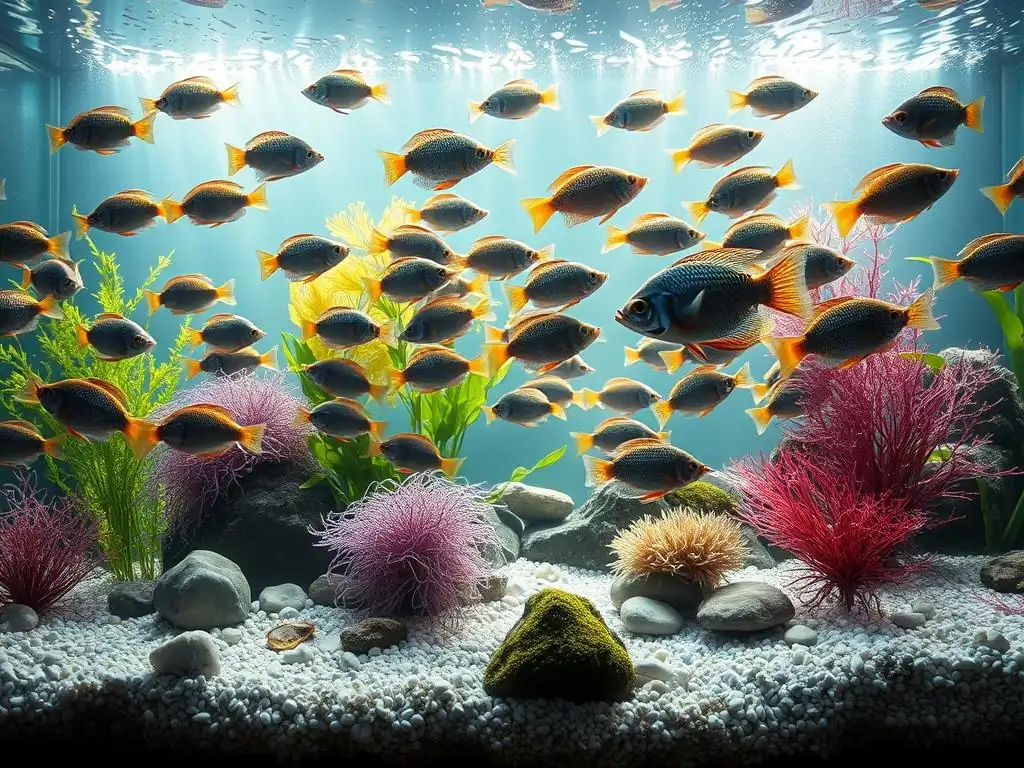
Denison Barbs, scientifically known as Sahyadria denisonii, are striking freshwater fish native to the fast-flowing rivers and streams of the Western Ghats in India. Recognizable by their torpedo-shaped body, vibrant red stripe, and distinct black line running along their flanks, they are also commonly referred to as Red-line Torpedo Barbs or Roseline Sharks. This species can grow up to 6 inches (approximately 15 cm) in length in a well-maintained aquarium, though some individuals may reach slightly larger sizes, and are unfortunately listed as endangered in their natural habitat due to habitat loss and over-collection.
These active and graceful swimmers are a true spectacle in a sufficiently sized aquarium, captivating viewers with their synchronized schooling behavior. Their natural lifespan typically ranges from 5 to 8 years, provided they are kept in optimal conditions. Despite their energetic nature, their general temperament is often described as peaceful, making them a popular choice for larger community tanks, a characteristic we will explore further in relation to Denison barbs aggression behavior.
Why Are Denison Barbs So Popular in Aquariums?
The primary reason for the widespread popularity of Denison Barbs among aquarists is their undeniable aesthetic appeal. Their sleek, iridescent bodies, accentuated by the prominent red and black stripes, create a stunning visual contrast, especially when observed in a well-lit aquarium. Their constant, fluid movement and tight schooling formations add a dynamic and lively element to any freshwater setup, drawing the eye and providing endless fascination.
Beyond their beauty, Denison Barbs are also appreciated for their relatively hardy nature once established in an appropriate environment. This robustness, combined with their unique appearance, positions them as a desirable centerpiece or schooling fish for experienced aquarists. Their suitability for larger community tanks, where their activity can be fully appreciated, further contributes to their allure, provided their specific needs regarding space and social structure are met to mitigate any potential Denison barbs aggression behavior.
Denison Barbs Aggression Behavior: Separating Fact from Fiction
The Myth of Aggressive Denison Barbs
A common misconception circulating within the aquarium hobby is that Denison Barbs are inherently aggressive fish. This belief often stems from their high energy levels and rapid swimming, which can be misinterpreted by observers as aggressive posturing. However, in reality, true Denison barbs aggression behavior is quite rare and almost always a symptom of underlying environmental stress, improper tank conditions, or insufficient schooling numbers, rather than an innate temperamental flaw.
Unlike truly aggressive species that actively hunt or persistently harass tank mates, Denison Barbs typically display a peaceful demeanor when their needs are adequately met. The notion of them being "aggressive" is largely a myth perpetuated by instances where their natural behaviors, such as establishing a pecking order within their school or quick, exploratory nips, are misconstrued. Understanding the root causes of perceived aggression is crucial to debunking this myth and ensuring a harmonious aquarium.
Are Denison Barbs Fin Nippers? Common Misconceptions
While Denison Barbs are not inherently aggressive, they can, under certain circumstances, exhibit behaviors that resemble fin nipping. This perceived Denison barbs aggression behavior is often observed when they are stressed due to an inadequate school size, an overcrowded tank, or the presence of incompatible tank mates. It is not a default characteristic but rather a stress-induced reaction or a misdirected exploration of their environment.
Fish with long, flowing fins, such as Angelfish, Bettas, or certain Gouramis, are particularly susceptible to this type of nipping. However, it's important to differentiate this from malicious aggression; it's typically a result of discomfort or insecurity within their environment. For instance, a small group of Denison Barbs in a tank that is too small might resort to nipping out of stress or boredom, rather than out of an inherent desire to harm.
Debunking the Aggression Myth: What Causes Perceived Aggression?
Schooling Behavior and the Importance of Group Size
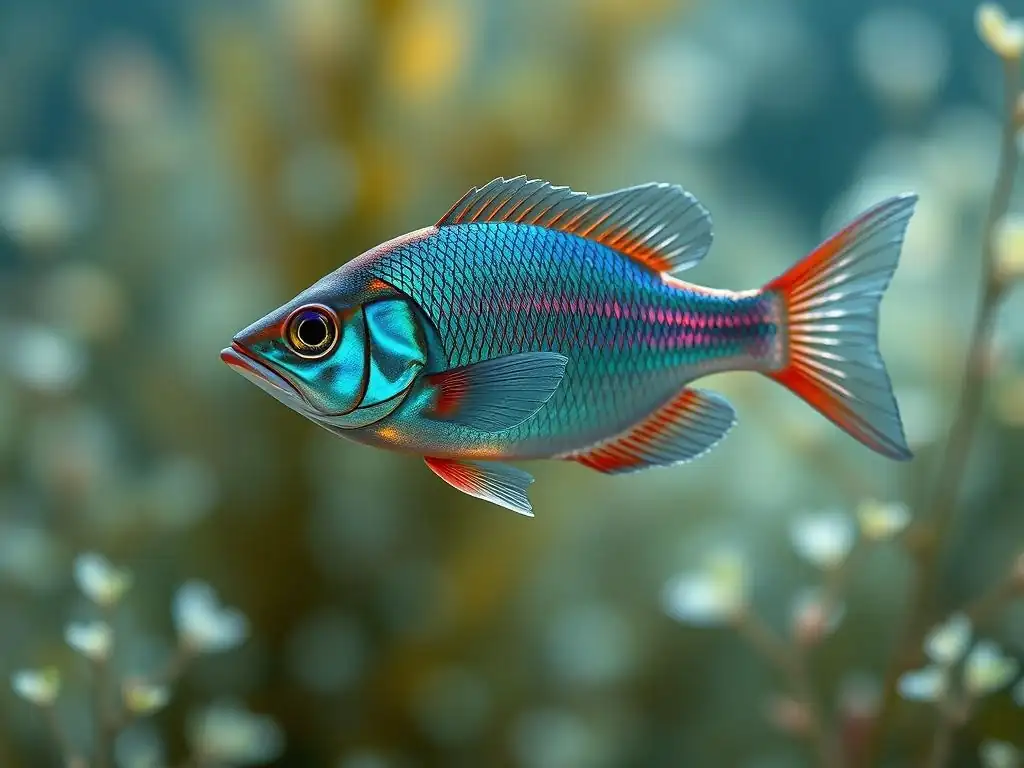
Denison Barbs are fundamentally social fish that thrive in large schools. Keeping them in insufficient numbers is one of the primary triggers for perceived Denison barbs aggression behavior. A healthy school should consist of at least 6-8 individuals, with 10 or more being ideal to truly observe their natural schooling patterns and reduce stress. When kept in smaller groups, these fish become insecure and stressed, which can lead to heightened anxiety, shyness, or, conversely, increased nipping directed at other tank inhabitants or even among themselves.
In a large, cohesive school, the focus of their social interactions shifts internally, allowing for the establishment of a natural hierarchy without undue stress on individual fish. This "safety in numbers" effect dilutes any potential for Denison barbs aggression behavior, as their energy is dispersed across the group. They feel more secure, are less prone to stress, and are therefore significantly less likely to exhibit fin nipping or other undesirable behaviors towards tank mates.
The Role of Tank Size in Denison Barb Behavior
Given their active swimming habits and impressive adult size, tank volume plays a critical role in preventing Denison barbs aggression behavior. A minimum tank size of 55 gallons (approximately 200 liters) is generally recommended for a small school of 6-8 individuals, while a 75-gallon (approximately 280 liters) tank or larger is considered ideal for a thriving group of 10 or more. Insufficient space directly leads to stress, stunted growth, and an increased likelihood of territorial disputes or generalized agitation.
Adequate swimming room, particularly horizontally, is paramount. A longer tank is always preferable to a taller one for these fish, as they primarily utilize the mid to upper water column for their fast-paced schooling. When confined to a small space, Denison Barbs are more likely to constantly bump into each other or other fish, leading to stress and potential nipping as a result of overcrowding and lack of personal space. This environmental constraint frequently manifests as perceived aggression.
Water Quality and Its Impact on Fish Temperament
Poor water quality is a significant stressor for all aquarium inhabitants, and Denison Barbs are no exception. Suboptimal water parameters, such as elevated levels of ammonia or nitrite, fluctuating pH, or inconsistent temperatures, can severely compromise their immune system and overall well-being. A stressed fish is far more susceptible to disease and much more likely to exhibit unusual or undesirable behaviors, including increased Denison barbs aggression behavior.
Maintaining pristine and stable water conditions is therefore crucial for their temperament. Regular weekly water changes of 25-30% are essential to keep nitrate levels low and parameters consistent. For instance, a sudden pH shift from 7.0 to 8.5 could induce severe physiological stress, making the fish irritable. Consistent water quality reduces stress, allowing Denison Barbs to display their natural, peaceful disposition, and diminishing the likelihood of any stress-induced Denison barbs aggression behavior.
Identifying True Aggression vs. Playful Behavior in Denison Barbs
Recognizing Signs of Stress and Bullying in Your Tank
Distinguishing between typical active behavior and genuine Denison barbs aggression behavior is vital for tank health. True aggression involves persistent chasing, targeted nipping that causes visible damage such as torn fins or missing scales, or a fish being consistently prevented from accessing food or resting spots. If you observe a specific fish constantly being harassed, hiding excessively, displaying clamped fins, losing color, or breathing rapidly, these are clear indicators of stress and bullying requiring immediate intervention.
It is important to differentiate these serious signs from the occasional, brief chases or minor jostling that are common within a healthy, active school of Denison Barbs. These quick interactions are typically part of their social hierarchy and do not result in harm. However, if a single Denison Barb is consistently singling out a slow-moving Angelfish, for example, and causing fin damage, this is a clear case of bullying and not normal behavior.
Within a well-established and appropriately sized school, Denison Barbs exhibit a fascinating social dynamic characterized by a loose hierarchy. This involves occasional, brief displays of dominance, which might manifest as rapid dashes, body flicks, or quick nudges between individuals. These interactions are a natural part of their schooling behavior and are rarely, if ever, injurious. They serve to establish pecking order and reinforce group cohesion without escalating into true Denison barbs aggression behavior towards other species.
Observing the overall group behavior is key. If the entire school swims cohesively, moving as a unit with only minor, fleeting individual interactions, their social dynamics are healthy. These brief encounters allow them to communicate and maintain their internal structure without causing significant stress or harm. Their social interactions are primarily focused on maintaining group unity and establishing individual roles within the school, rather than directing aggression outwards.
Creating a Peaceful Aquarium Environment for Denison Barbs
Choosing the Right Tank Mates for Denison Barbs
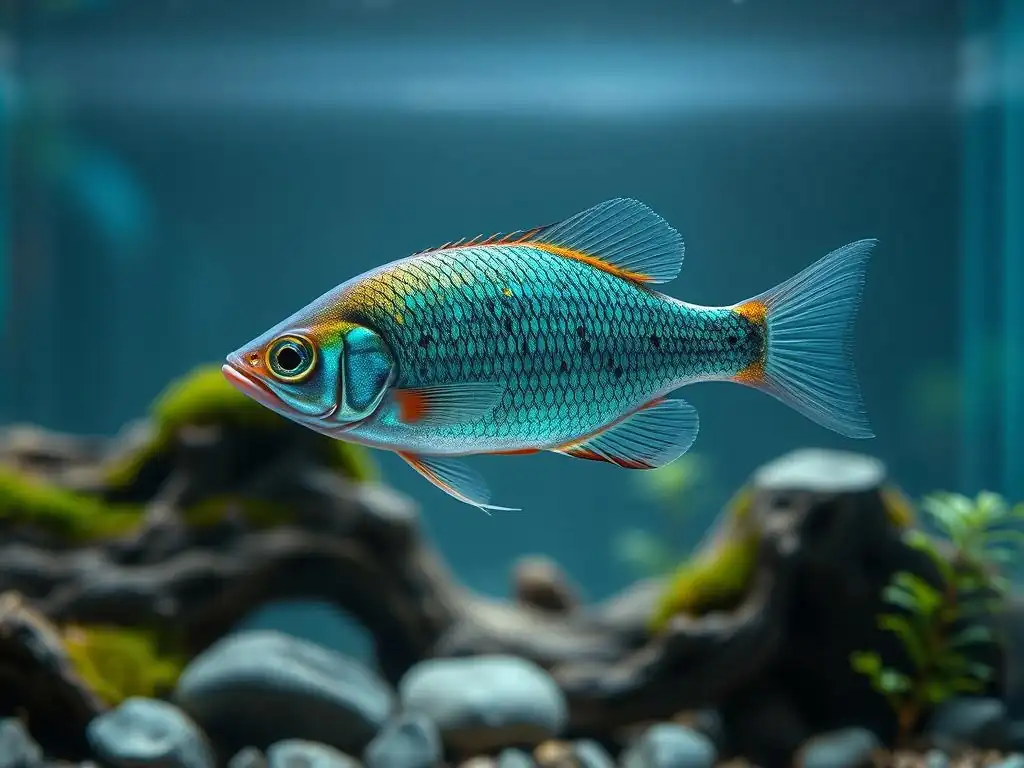
To minimize the potential for Denison barbs aggression behavior and ensure a peaceful community tank, careful selection of tank mates is paramount. Ideal companions are active, similarly sized, robust fish that prefer similar water parameters and are not prone to being easily intimidated or having long, flowing fins. Excellent choices include various species of Rainbowfish (e.g., Boesemani or Turquoise Rainbowfish), other peaceful, fast-swimming barbs (such as Rosy Barbs or Gold Barbs), larger Rasboras, peaceful loaches (like Kuhli or Yo-Yo Loaches), and Congo Tetras.
These compatible species share similar activity levels and environmental preferences, reducing competition and stress. For example, a school of Boesemani Rainbowfish, which grow to about 4-5 inches, are active swimmers and thrive in similar conditions to Denison Barbs, allowing both species to coexist harmoniously without territorial disputes or stress-induced nipping. Avoiding slow-moving or long-finned fish is crucial to prevent them from becoming targets of curiosity or stress-related nipping.
Optimal Tank Size and Setup for a Happy School of Denison Barbs
As active swimmers, Denison Barbs require substantial space to thrive and prevent Denison barbs aggression behavior. A minimum tank size of 55-75 gallons (approximately 200-280 liters) is highly recommended for a school of 6-10 individuals, providing ample open swimming space in the middle and upper water columns. A tank length of at least 4 feet (120 cm) is particularly beneficial to accommodate their rapid, horizontal dashes.
Beyond volume, the physical setup of the tank also plays a significant role. Incorporate plenty of natural hiding spots and visual breaks using driftwood, rocks, and sturdy live plants like Anubias, Java Fern, or Vallisneria. These elements allow individual fish to retreat if they feel stressed or need a break from active schooling, diffusing potential tensions and further reducing the likelihood of Denison barbs aggression behavior. A well-structured environment promotes security and natural behaviors.
Maintaining Pristine Water Conditions for Denison Barb Wellbeing
Consistent and pristine water quality is absolutely critical for the health and peaceful temperament of Denison Barbs. Regular water changes, typically 25-30% of the tank volume weekly, are essential to prevent the buildup of nitrates and maintain stable water parameters. A robust filtration system, such as a high-capacity canister filter, is also necessary to provide excellent mechanical and biological filtration, ensuring the removal of waste and detoxification of harmful compounds like ammonia and nitrite.
Regularly testing water parameters with a reliable aquarium test kit is non-negotiable. Aim for specific ranges: pH between 6.5 and 7.5, carbonate hardness (kH) between 4 and 8 dKH, general hardness (gH) between 5 and 12 dGH, and a temperature range of 72-78°F (22-26°C). Maintaining these parameters consistently and ensuring undetectable levels of ammonia and nitrite directly correlates with reduced stress levels, promoting robust health and minimizing any stress-induced Denison barbs aggression behavior.
Denison Barb Care Guide: Beyond Aggression
Feeding Denison Barbs: Ensuring a Balanced Diet
Denison Barbs are omnivores and require a varied and high-quality diet to maintain their vibrant colors, high energy levels, and overall health. Their staple diet should consist of premium flake or pellet foods specifically formulated for active community fish. To ensure a balanced nutritional intake, these dry foods should be supplemented regularly with live or frozen options such as bloodworms, brine shrimp, daphnia, and spirulina flakes.
Feeding small amounts two to three times a day is generally recommended, ensuring that all food is consumed within a few minutes to prevent overfeeding and water pollution. A well-nourished fish is less prone to stress and more likely to exhibit its natural, peaceful disposition, thereby reducing the chances of any stress-related Denison barbs aggression behavior. Conversely, a poor or insufficient diet can lead to nutritional deficiencies, weakened immune systems, and increased susceptibility to illness.
Water Parameters: Ideal Conditions for Denison Barbs
For Denison Barbs to thrive and exhibit their best behavior, maintaining stable and ideal water parameters is paramount. The optimal temperature range is 72-78°F (22-26°C). The pH level should ideally be kept between 6.5 and 7.5, leaning slightly acidic to neutral. Water hardness, measured in dGH (degrees of General Hardness), should be between 5 and 12 dGH. Stability in these parameters is more crucial than hitting exact numbers; sudden fluctuations can be highly detrimental.
Furthermore, Denison Barbs prefer well-oxygenated water, reflecting their natural habitat in fast-flowing streams. This can be achieved through efficient filtration that provides strong surface agitation, or by using air stones. Good water circulation not only ensures adequate oxygen levels but also helps distribute heat and nutrients evenly throughout the tank. These optimal conditions contribute significantly to their overall well-being, preventing the physiological stress that could lead to unusual Denison barbs aggression behavior.
Preventing and Treating Common Denison Barb Diseases
Like all aquarium fish, Denison Barbs are susceptible to common freshwater diseases, often triggered by stress, poor water quality, or the introduction of new, unquarantined fish. Common ailments include Ich (White Spot Disease), Fin Rot, and various bacterial or fungal infections. Prevention is always the best approach: maintaining pristine water conditions, providing a balanced diet, and avoiding overcrowding significantly reduce their susceptibility to illness.
Quarantining all new fish for at least 2-4 weeks in a separate tank before introducing them to the main display is a critical preventative measure against disease transmission. Early detection of symptoms such as lethargy, clamped fins, white spots on the body, frayed fins, or abnormal swimming patterns is crucial for successful treatment. A healthy, stress-free fish is far less likely to fall ill, and consequently, less likely to exhibit any stress-induced Denison barbs aggression behavior.
Denison Barb Tank Mates: Building a Community Tank
Best Tank Mates for Denison Barbs: Compatibility Chart
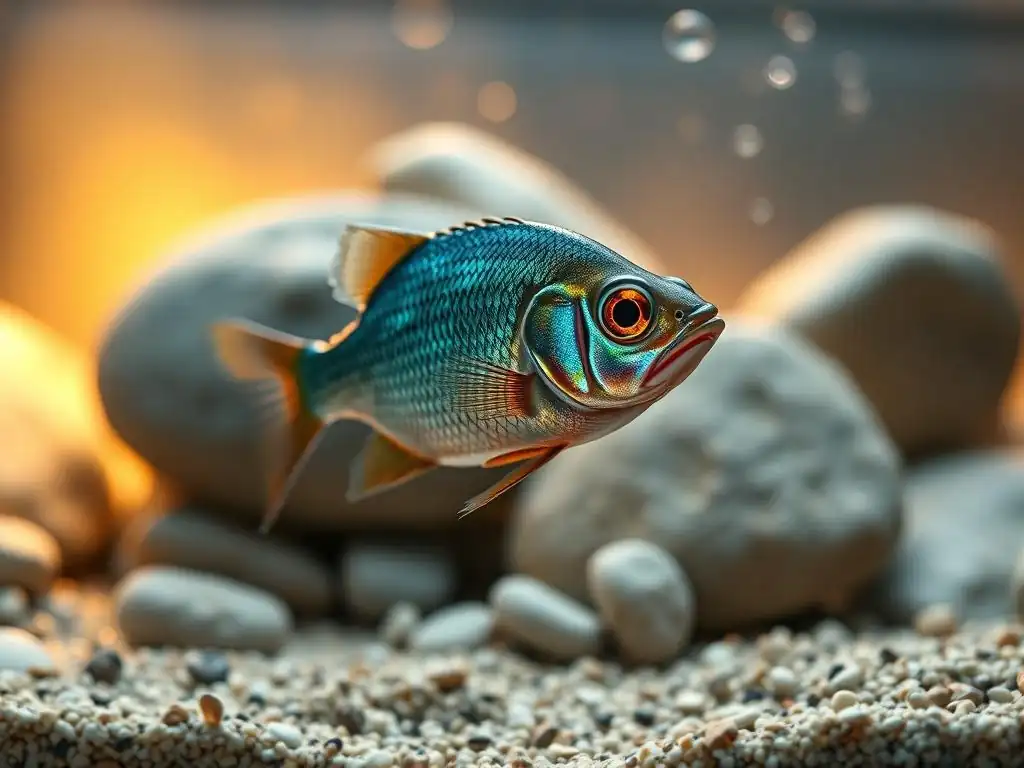
Building a harmonious community tank with Denison Barbs involves selecting tank mates that share similar environmental needs and temperaments, ensuring they do not trigger Denison barbs aggression behavior. Excellent companions include various species of Rainbowfish, such as Boesemani, Turquoise, or Red Rainbowfish, which are similarly active and robust. Other compatible barbs, like Rosy Barbs or Odessa Barbs, can also coexist peacefully. Larger Rasboras, such as Harlequin or Giant Rasboras, are another good choice.
Peaceful loaches, including Kuhli Loaches or Yo-Yo Loaches, thrive in similar conditions and occupy different tank levels, reducing competition. Congo Tetras, with their vibrant colors and active nature, also make suitable tank mates. Furthermore, some larger, peaceful catfish species like Bristlenose Plecos can be included. These species are generally non-aggressive, can handle the active nature of Denison Barbs, and will not be easily intimidated or targeted, fostering a balanced aquatic environment.
Fish to Avoid: Incompatible Tank Mates for Denison Barbs
To prevent stress and potential Denison barbs aggression behavior, certain fish species should be avoided as tank mates for Denison Barbs. Slow-moving fish with long, flowing fins are particularly vulnerable to nipping, including Angelfish, Bettas, Gouramis, and many types of Fancy Guppies. Their delicate fins can be irresistible targets for stressed or bored Denison Barbs, leading to injury and persistent stress for the victim.
Very small or delicate fish, such as Neon Tetras, Endler's Livebearers, or small shrimp species, are also generally unsuitable. They can be easily intimidated by the active and fast-swimming Denison Barbs, potentially leading to stress or even being seen as a food source. Conversely, highly aggressive or territorial fish, such as larger Cichlids like Oscars, Jack Dempseys, or certain African Cichlids, will undoubtedly stress and potentially harm Denison Barbs, leading to a constant state of fear and potentially defensive Denison barbs aggression behavior from the barbs themselves.
Troubleshooting Denison Barb Behavior Issues
Addressing Aggression: Solutions and Preventative Measures
If you observe Denison barbs aggression behavior in your aquarium, the first step is to systematically evaluate the primary contributing factors. Begin by checking the school size; if you have fewer than 8-10 individuals, adding more Denison Barbs to form a larger, more secure school is often the most effective solution. Simultaneously, assess your tank size. If it's smaller than the recommended 55-75 gallons for your group, consider upgrading to provide adequate swimming space and reduce territorial disputes.
Review your tank setup to ensure there are ample hiding spots and visual breaks created by driftwood, rocks, or plants. These allow individual fish to retreat and reduce direct line of sight, which can de-escalate tension. Lastly, re-evaluate your tank mates; remove any slow-moving or long-finned species that might be targets. Sometimes, simply increasing feeding frequency slightly can alleviate competition-driven nipping. Observing specific interactions can help pinpoint if a single dominant fish is the culprit, requiring more space or a different group dynamic.
Dealing with Stress: Identifying and Eliminating Stressors
Stress is a leading cause of abnormal behavior, including heightened Denison barbs aggression behavior, lethargy, hiding, clamped fins, or loss of vibrant coloration. Identifying and eliminating the underlying stressors is crucial for restoring peace and health to your aquarium. Common stressors include poor water quality (high ammonia/nitrite, fluctuating pH), incorrect water parameters (temperature, hardness), overcrowding, insufficient schooling numbers, incompatible tank mates, and sudden environmental changes (e.g., loud noises, rapid light changes).
Begin by performing a comprehensive water test to ensure all parameters are within the ideal range for Denison Barbs. Conduct a partial water change immediately if any harmful compounds are detected. Verify that the tank temperature is stable and within the optimal range of 72-78°F (22-26°C). Re-evaluate your tank stocking level and compatibility of species, making adjustments as necessary. Reducing stress is the most effective preventative measure against unwanted Denison barbs aggression behavior and promotes overall fish well-being.
Conclusion: Are Denison Barbs Aggressive? The Verdict
Providing the Right Environment for Peaceful Denison Barbs
The verdict on whether Denison Barbs are aggressive is clear: they are generally peaceful, schooling fish. True Denison barbs aggression behavior is not an inherent trait but rather an atypical response, almost always a symptom of environmental deficiencies, stress, or improper tank management. Their active nature and occasional, harmless social interactions within their school can be misinterpreted, but with the right conditions, they are excellent community tank inhabitants.
The key to preventing any perceived aggression and fostering their natural, captivating behaviors lies in providing the precise environment they need. This includes a spacious tank (ideally 55-75 gallons or more), a large school of at least 8-10 individuals, carefully chosen compatible tank mates, consistently pristine water quality, and a well-structured aquarium with ample open swimming space alongside hiding spots and visual barriers.
Promoting Healthy and Happy Denison Barbs in Your Aquarium
By diligently adhering to their specific care requirements, aquarists can ensure not only the physical health of their Denison Barbs but also their psychological well-being. A healthy environment allows these stunning fish to display their full spectrum of natural behaviors, including their mesmerizing schooling patterns and vibrant coloration, without the manifestation of problematic Denison barbs aggression behavior. Their active and engaging presence can truly become the highlight of a well-maintained freshwater aquarium.
Ultimately, promoting healthy and happy Denison Barbs in your aquarium is a testament to responsible fishkeeping. Thorough research and a commitment to providing an optimal habitat will allow you to enjoy these magnificent fish to their fullest, observing their peaceful interactions and dynamic movements, free from the concerns of aggression. Their beauty and grace are best appreciated when their needs are fully understood and met.
Frequently Asked Questions
Are Denison barbs truly aggressive fish?
No, Denison barbs are not typically considered aggressive. Their behavior is more accurately described as boisterous and active, especially in larger groups.
What conditions might lead to increased aggression in Denison barbs?
Small group sizes can cause increased stress and bullying among Denison barbs. Maintaining poor water quality can also exacerbate any potential aggressive tendencies.
How many Denison barbs should I keep together to minimize aggression?
It is recommended to keep Denison barbs in groups of at least six individuals. Larger groups help to spread out any potential aggression and create a more natural social dynamic.
What tank size is best for a group of Denison barbs to prevent aggression?
Denison barbs require a spacious aquarium to thrive, ideally at least 75 gallons. This allows them ample room to swim and establish their territories, reducing the likelihood of conflict.
What tank mates are suitable for Denison barbs to ensure a peaceful community tank?
Good tank mates for Denison barbs include other peaceful and active fish of similar size, such as tetras, rasboras, and peaceful bottom dwellers. Avoid slow-moving or long-finned fish that may be targeted due to the Denison Barb's energetic nature.
Final Reflection: Harmony in the Aquarium
The question of Denison barb aggression is more than just a matter of fishkeeping; it reflects our responsibility to understand and respect the complex needs of the creatures we bring into our homes. By debunking myths and promoting informed care, we move beyond superficial observations and cultivate a deeper appreciation for the delicate balance within the aquarium ecosystem. This understanding is crucial, not only for the well-being of Denison barbs, but for the ethical practice of aquascaping as a whole.
The ongoing debate surrounding Denison barb behavior underscores the importance of continuous learning and critical evaluation within the aquarium hobby. It reminds us that generalizations can be misleading, and that careful observation, coupled with a commitment to providing optimal conditions, is essential for success. The best aquarium is not just a display case, but a thriving ecosystem where every creature can flourish.
This quote encapsulates the spirit of responsible fishkeeping, urging us to prioritize the needs of our aquatic companions above mere aesthetic appeal.
As you consider the information presented in this article, I encourage you to reflect on your own approach to fishkeeping. Are you providing the space, social interaction, and environmental enrichment that Denison barbs, and indeed all your aquatic inhabitants, require to thrive? Let this be a call to action: to research, to observe, and to create a truly harmonious aquarium where aggression is minimized and natural behaviors are celebrated.
Unleash the Vibrant Potential of Your Denison Barbs!
Thank you for diving into the world of Denison Barbs! We hope you’ve gained a clearer understanding of these amazing fish and how to keep them thriving. Now it's time to translate that knowledge into action!
Here’s how you can make a real difference:
- Prioritize group size! Dedicate to purchasing at least six Denison Barbs to create a comfortable and stress-free environment, observing their social dynamics will be rewarding.
- Document your findings! Start a visual log, note growth rates, color changes, or any specific behavior you witness, which contributes to the understanding of the species.
- Share your learnings! Encourage your fellow aquarists to implement these care tips to ensure the vitality and natural behavior of these barbs in home aquariums.
Ready to create the perfect environment for your Denison Barbs and watch them flourish?