
Green Neon vs. Cardinal vs. Neon: A Definitive Identification and Care Guide

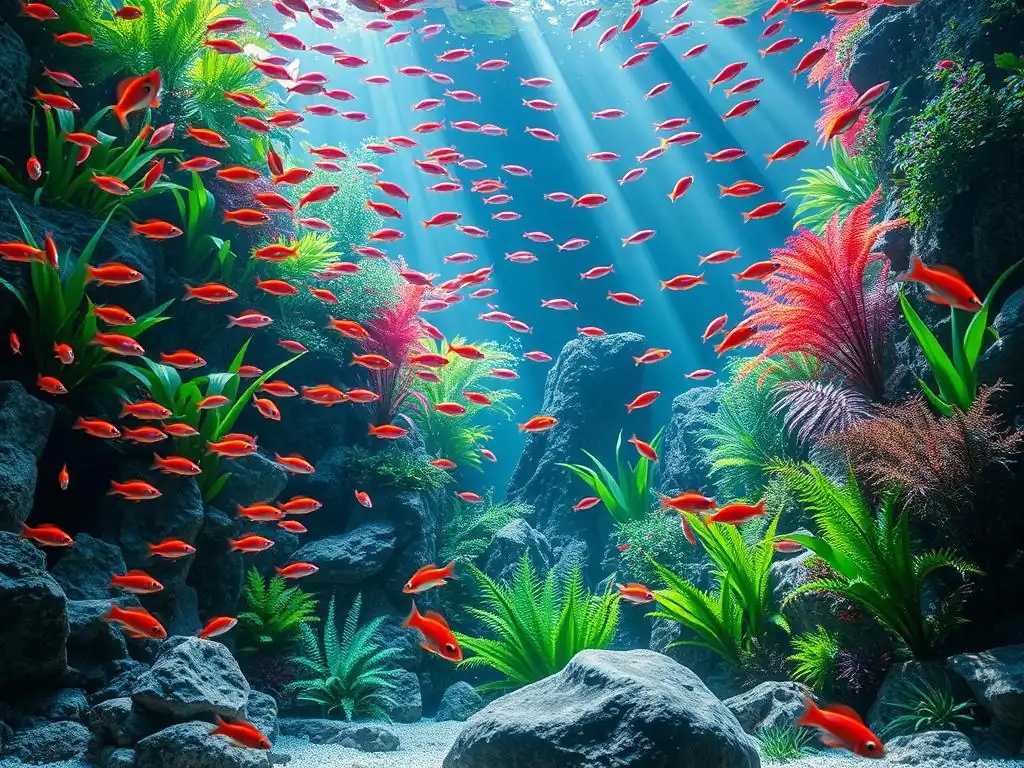
Welcome to Aquarium Mastery! Ever wondered if that shimmering streak is really a Neon Tetra, or perhaps something even more captivating? Dive in to discover the subtle, yet crucial, differences between Green Neons, Cardinals, and classic Neons. This guide unveils everything you need to know about their unique color variations, optimal care, and how to keep these freshwater gems thriving in your aquarium. Let's unlock the secrets of these captivating fish!
- Comparing Glowlight Tetra vs. Ember Tetra vs. Neon Tetra: Identification and Care Guide
- Understanding Small Tetra Species: An Aquarium Guide
- Identifying Different Tetra Species: A Visual Comparison
- Comparing Small Tetra Species: Glowlight vs. Ember vs. Neon
- Tetra Care: Ensuring a Thriving Community Tank
- Glowlight Tetra Care Specifics: Tailoring to Their Needs
- Ember Tetra Care Specifics: Creating an Ideal Environment
- Tetra Care: Common Issues and Troubleshooting
- Choosing the Right Tetra for Your Aquarium: Factors to Consider
- Maintaining Vibrant Tetra Coloration: Tips and Tricks
- Conclusion: Appreciating the Beauty of Small Tetra Species
-
Frequently Asked Questions
- What are the key differences between Green Neon, Cardinal, and Neon Tetras?
- Does the care differ significantly between Green Neon, Cardinal, and Neon Tetras?
- What size aquarium is recommended for keeping Green Neon, Cardinal, or Neon Tetras?
- Are there any specific water chemistry parameters that are critical for these tetras?
- What are some common health issues that affect Green Neon, Cardinal, and Neon Tetras?
- Final Reflection: Illuminating the Underwater Palette
- Unveil the Secrets: Master Your Tetra Tank Today!
Comparing Glowlight Tetra vs. Ember Tetra vs. Neon Tetra: Identification and Care Guide
Understanding Small Tetra Species: An Aquarium Guide
Small tetra species are among the most popular and captivating freshwater fish for community aquariums, celebrated for their vibrant coloration, peaceful schooling behavior, and relatively easy care. Their diminutive size makes them ideal for nano tanks and larger setups alike, where they add dynamic movement and splashes of color. Understanding the subtle differences between species like the Glowlight Tetra, Ember Tetra, and the classic Neon Tetra is crucial for proper identification and ensuring their specific environmental needs are met, leading to a thriving aquatic ecosystem.
Beyond their aesthetic appeal, these tetras play an important role in the aquarium hobby by encouraging responsible fishkeeping practices. Their delicate nature often requires stable water parameters and a well-maintained environment, making them excellent indicators of tank health. For aquarists looking to explore the diverse world of Neon Tetra Color Variations and similar small, schooling fish, a detailed guide on distinguishing these species and providing optimal care is indispensable for successful long-term keeping.
Identifying Different Tetra Species: A Visual Comparison
Distinguishing Glowlight Tetras: Key Features
Glowlight Tetras ( Hemigrammus erythrozonus) are easily recognized by their distinctive bright, iridescent orange-red stripe that runs horizontally from their snout to the base of their tail. This luminous stripe, reminiscent of a glowing filament, stands out vividly against their translucent, silvery-pink body. Unlike some other tetra species, the Glowlight Tetra typically lacks prominent additional markings on its fins, though the dorsal and anal fins may sometimes show a faint reddish tint.
These tetras generally grow to a maximum adult size of about 1.5 to 1.7 inches (approximately 3.8 to 4.3 cm), making them slightly larger than Ember Tetras but often comparable to or slightly smaller than classic Neon Tetras. Their body shape is slender and elongated, contributing to their graceful appearance as they school. Observing their schooling behavior, Glowlight Tetras tend to form tighter, more cohesive groups compared to the looser shoals of some other tetras, which can be a subtle identifier in a mixed-species tank.
Ember Tetra Identification: Spotting the Differences
Ember Tetras ( Hyphessobrycon amandae) are renowned for their intense, fiery orange to deep red coloration that covers almost their entire body, giving them a distinct, uniform glow. This rich, warm hue is the primary distinguishing feature, setting them apart from the striped patterns of Glowlight and Neon Tetras. While their color can vary slightly depending on their health, diet, and water conditions, a healthy Ember Tetra will always exhibit this vibrant, almost monochromatic orange-red.
These are among the smallest of the commonly kept tetra species, rarely exceeding 0.8 to 1 inch (approximately 2.0 to 2.5 cm) in length. Their diminutive size and robust, slightly more compressed body shape further differentiate them. Due to their small stature, Ember Tetras are particularly well-suited for nano aquariums or as dither fish in larger tanks with peaceful, similarly sized inhabitants. Their tendency to form dense, active schools adds to their visual appeal, creating a striking "cloud" of color in the aquarium.
Classic Neon Tetra Characteristics: What to Look For
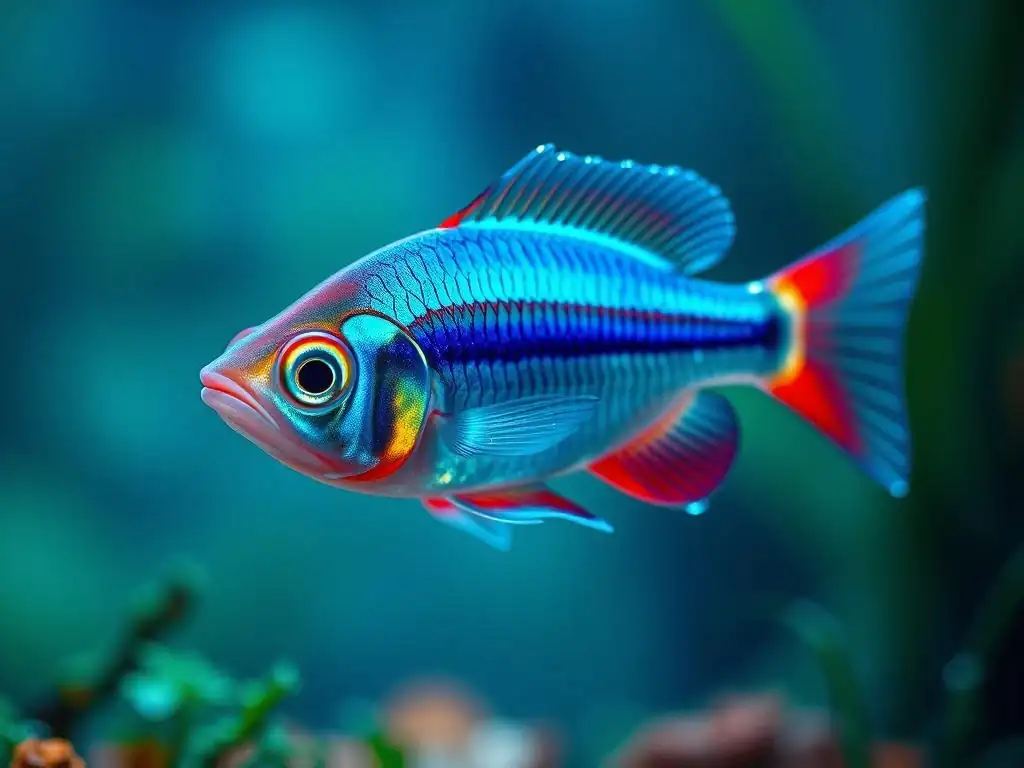
The classic Neon Tetra ( Paracheirodon innesi) is perhaps the most iconic and widely recognized freshwater aquarium fish, celebrated for its striking combination of iridescent blue and red. A prominent, shimmering neon-blue stripe runs horizontally along the upper half of its body, from the eye to the adipose fin. Below this blue stripe, a vibrant red stripe extends from the mid-body to the caudal fin, creating a breathtaking contrast that gives the species its name and contributes to the myriad of Neon Tetra Color Variations seen in the hobby.
Neon Tetras typically reach an adult size of about 1.5 inches (approximately 3.8 cm), similar to Glowlight Tetras but generally larger than Ember Tetras. Their body is slender and torpedo-shaped, optimized for schooling in open water. While the blue and red stripes are their most defining features, healthy Neon Tetras also exhibit a translucent belly. It is important to note that the intensity of their colors can fluctuate based on stress levels, water quality, and diet, making a well-maintained environment crucial for their vibrant display.
Comparing Small Tetra Species: Glowlight vs. Ember vs. Neon
Coloration and Markings: A Detailed Breakdown
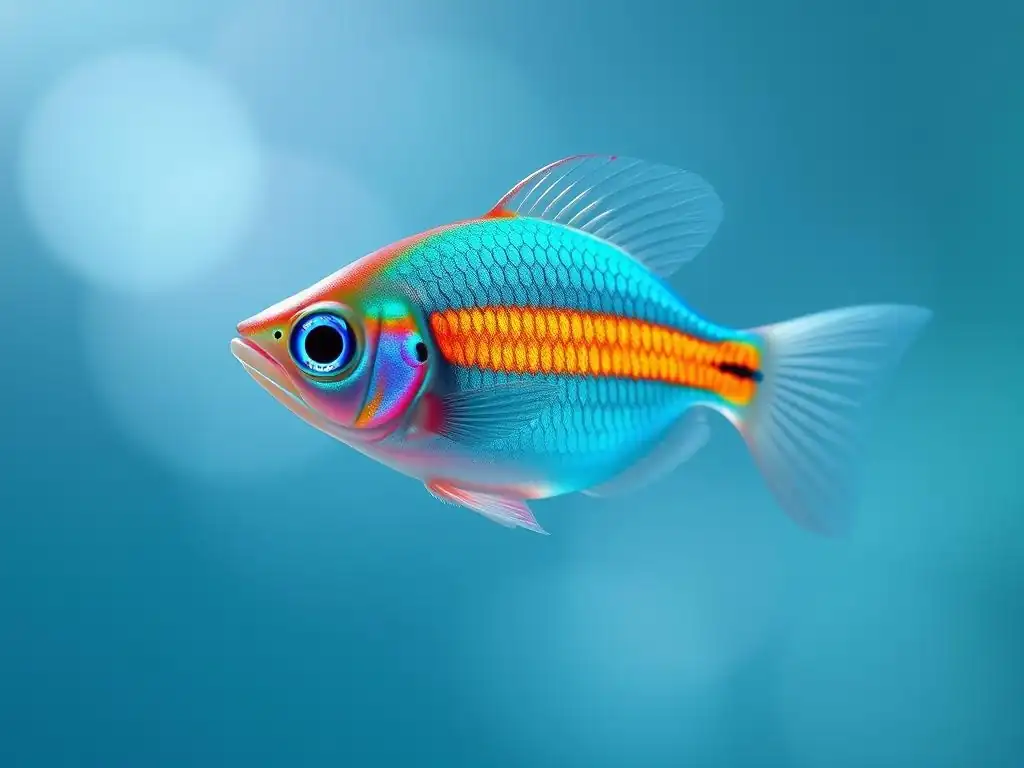
The most immediate and striking difference among these three popular tetra species lies in their coloration and specific marking patterns. The Glowlight Tetra ( Hemigrammus erythrozonus) is characterized by a single, distinct, glowing orange-red stripe that runs along its lateral line against a largely translucent body. This stripe is typically thin and sharply defined, resembling a fiber optic cable. The rest of its body is often a subtle silvery-pink, allowing the luminous stripe to be the undisputed focal point.
In contrast, the Ember Tetra ( Hyphessobrycon amandae) presents a nearly uniform, intense fiery orange to deep red hue across its entire body, with minimal to no distinct stripes. Its coloration is more of an overall wash, creating a vibrant, living ember effect in the water. This monochromatic brilliance is what sets it apart.
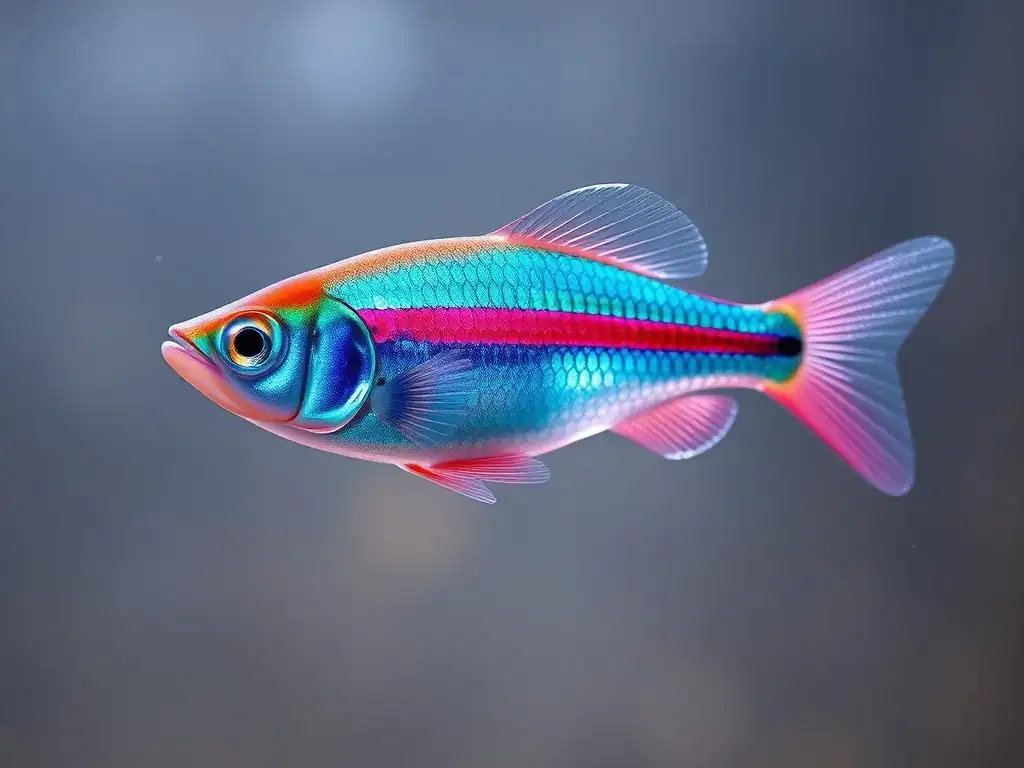
The classic Neon Tetra ( Paracheirodon innesi), on the other hand, boasts two prominent, parallel stripes: an iridescent, electric blue stripe along its upper half, and a vivid red stripe beneath it, extending from the middle of its body to the tail. This dual-stripe pattern is iconic and makes it instantly recognizable, contributing significantly to the discussion of Neon Tetra Color Variations and the distinctiveness of this specific species.
Size and Body Shape: Subtle Yet Important Clues
While all three are considered "small" tetras, there are noticeable differences in their average adult size and body morphology that aid in identification. Ember Tetras are the smallest of the trio, typically reaching only 0.8 to 1 inch (approximately 2.0 to 2.5 cm) in length. Their body is slightly more compressed and compact, giving them a dainty appearance ideal for nano aquariums. Their small size means they are often overlooked or mistaken for juvenile fish if not observed closely.
Both the Glowlight Tetra and the classic Neon Tetra grow to a similar adult size, generally around 1.5 inches (approximately 3.8 cm). However, their body shapes differ subtly. The Glowlight Tetra has a more elongated, slender, and somewhat torpedo-shaped body, which contributes to its graceful swimming. The Neon Tetra also possesses a slender, streamlined body, but it can appear slightly more robust than the Glowlight, particularly in the mid-section. These subtle variations in size and form become more apparent when the fish are mature and observed side-by-side.
Behavioral Differences: How They Act in the Aquarium
Beyond their physical attributes, the behavioral patterns of Glowlight, Ember, and Neon Tetras can offer additional clues for identification and are crucial for successful community tank management. Glowlight Tetras are generally peaceful and tend to school more loosely than Neon Tetras, often dispersing to explore but coming together when feeling threatened or during feeding. They are active swimmers, occupying the mid-water column, and can be quite hardy once acclimated.
Ember Tetras, despite their small size, are incredibly active and are known for their tight, energetic schooling behavior. They prefer to be in large groups, ideally 10 or more, which enhances their security and displays their natural shoaling instincts beautifully. Their constant, synchronized movement creates a dynamic visual effect in the aquarium.
Neon Tetras are perhaps the most famous for their schooling prowess, forming very cohesive and often mesmerizing shoals, especially when kept in sufficient numbers (minimum of 6-8, but 12+ is ideal). They are generally peaceful but can sometimes nip fins of very slow-moving, long-finned tank mates if not kept in a large enough school or if stressed. Observing these distinct schooling preferences and activity levels can provide valuable insights into which species you are observing.
Tetra Care: Ensuring a Thriving Community Tank
Water Parameters for Optimal Health: Temperature, pH, and Hardness
Maintaining precise and stable water parameters is paramount for the health and vibrant coloration of Glowlight, Ember, and Neon Tetras. While each species has its nuances, they generally thrive in soft, acidic to neutral water conditions, mimicking their natural Amazonian habitats. An ideal temperature range for all three species is between 72°F and 78°F (22°C to 26°C), with slight variations tolerated. For instance, Neon Tetras prefer the cooler end of this spectrum, around 72-75°F, which helps prevent Neon Tetra Disease.
The pH level is critical, with a preferred range of 5.5 to 7.0. Anything above 7.5 can cause stress and diminish their vibrant colors, especially the distinctive Neon Tetra Color Variations. Water hardness (GH) should be kept low, typically between 1 to 10 dGH (18 to 180 ppm). Regular testing with a reliable kit is essential to monitor ammonia, nitrite, and nitrate levels, ensuring they remain at 0 ppm, 0 ppm, and below 20 ppm, respectively. Weekly water changes of 25-30% are recommended to maintain these pristine conditions and replenish essential minerals.
Tank Size and Setup: Creating a Suitable Habitat
The appropriate tank size is crucial for the well-being and natural schooling behavior of these small tetras. While Ember Tetras can be comfortably housed in a 10-gallon (38-liter) tank for a small school (6-8 individuals) due to their tiny size, Glowlight and Neon Tetras require a minimum of a 20-gallon (75-liter) long tank to accommodate their slightly larger size and more active schooling patterns. For larger schools (10-15+ fish), a 30-gallon (113-liter) or larger tank is highly recommended to provide ample swimming space and reduce aggression.
The aquarium setup should replicate their natural environment. A planted tank with plenty of live plants like Java Fern, Anubias, and Amazon Swords provides hiding spots and a sense of security. Dark substrate, such as fine-grained sand or dark gravel, can help enhance their natural coloration, particularly the Neon Tetra Color Variations. Driftwood and smooth rocks can also be incorporated to offer additional cover and help buffer pH levels. Gentle filtration, such as a sponge filter or a hang-on-back filter with adjustable flow, is ideal, as strong currents can stress these delicate fish.
Diet and Feeding: Providing a Balanced Nutrition
A varied and high-quality diet is essential for maintaining the health, vitality, and vibrant coloration of Glowlight, Ember, and Neon Tetras. These omnivorous fish primarily feed on small invertebrates and plant matter in their natural habitat. In the aquarium, a staple diet should consist of high-quality flake food or micro-pellets specifically formulated for small tropical fish, fed once or twice daily in small amounts that can be consumed within 2-3 minutes. Overfeeding should be avoided as it can lead to water quality issues.
To supplement their diet and enhance their colors, incorporate a variety of live or frozen foods such as brine shrimp, daphnia, bloodworms (chopped for smaller mouths), and micro-worms a few times a week. These protein-rich foods are particularly beneficial for promoting strong growth and intensifying their hues, especially the striking Neon Tetra Color Variations. Vegetable matter, such as blanched spirulina flakes or algae wafers, can also be offered occasionally. A diverse diet not only provides necessary nutrients but also mimics their natural foraging behavior, contributing to their overall well-being.
Glowlight Tetra Care Specifics: Tailoring to Their Needs
Ideal Water Conditions for Glowlight Tetras
Glowlight Tetras ( Hemigrammus erythrozonus) are relatively hardy once established, but they thrive in specific water conditions that mimic their native South American blackwater habitats. The ideal temperature range for these fish is between 75°F and 80°F (24°C to 27°C), slightly warmer than some other tetra species. Maintaining a stable temperature is crucial, as fluctuations can lead to stress and susceptibility to disease. They prefer soft to moderately hard water, with a general hardness (GH) of 5-12 dGH (90-215 ppm).
For pH levels, Glowlight Tetras prefer slightly acidic to neutral water, ideally between 6.0 and 7.0. While they can tolerate a pH up to 7.5, maintaining it within the lower end of this range will enhance their vibrant orange stripe and contribute to their long-term health. Regular water changes, approximately 25% weekly, are vital to keep nitrate levels below 20 ppm and ensure overall water quality. Using RO water remineralized to appropriate parameters or aged tap water treated with a dechlorinator is recommended to avoid sudden parameter shifts.
Tank Mates for Glowlight Tetras: Compatibility Considerations
Glowlight Tetras are peaceful schooling fish and make excellent additions to a community aquarium. Their docile nature means they rarely bother other fish, making them compatible with a wide range of similarly sized, peaceful species. Ideal tank mates include other small tetras (like Ember Tetras, but avoid mixing too many species if you want distinct schooling), rasboras, small peaceful barbs, dwarf gouramis, and most species of corydoras catfish. They also coexist well with peaceful bottom dwellers and non-aggressive invertebrates like Amano shrimp or Nerite snails.
It is crucial to avoid housing Glowlight Tetras with large or aggressive fish, as their small size makes them vulnerable to predation or fin-nipping. Cichlids, even smaller ones like some Apistogramma species, should be introduced with caution and only if the tank is large enough to provide ample territories. Keeping Glowlight Tetras in a school of at least six individuals is essential for their well-being; a larger school (10 or more) will reduce stress, encourage natural schooling behavior, and display their Neon Tetra Color Variations-like glow more prominently.
Glowlight Tetra Diet: Optimizing Color and Health
A balanced and varied diet is key to maintaining the health and vivid coloration of Glowlight Tetras. As omnivores, they readily accept a variety of foods. Their staple diet should consist of high-quality flake food or micro-pellets formulated for small tropical fish. These commercial foods provide essential vitamins and minerals necessary for daily health. Feeding small amounts two to three times a day is preferable to one large feeding, as it mimics their natural foraging behavior and prevents overfeeding.
To truly optimize their color and provide a complete nutritional profile, supplement their diet with live or frozen foods several times a week. Brine shrimp, daphnia, and small bloodworms are excellent choices, providing the protein and fats needed for vibrant coloration and strong immunity. Finely crushed spirulina flakes can also be offered occasionally to provide plant-based nutrients. A diet rich in carotenoids, often found in high-quality color-enhancing foods, can significantly intensify their signature orange stripe, making their "glow" even more pronounced.
Ember Tetra Care Specifics: Creating an Ideal Environment
Water Chemistry for Ember Tetras: Maintaining Stability
Ember Tetras ( Hyphessobrycon amandae) thrive in very specific water conditions that mirror their natural habitat in the Araguaia River basin in Brazil. They prefer soft, acidic water, with a pH range ideally between 5.5 and 6.8. While they can tolerate a pH up to 7.0, anything higher can cause stress and diminish their vibrant orange coloration. Water hardness should be very low, typically 1-5 dGH (18-90 ppm), indicative of soft, blackwater conditions.
Maintaining stable water parameters is more critical than hitting exact numbers, though consistency within their preferred range is best. Sudden fluctuations in pH or temperature can be detrimental to these delicate fish. Regular, small water changes (15-20% weekly) are recommended to keep nitrate levels low and maintain water purity. The use of RO water re-mineralized to appropriate parameters, or adding Indian Almond Leaves or peat to the filter, can help achieve and maintain the soft, acidic conditions they prefer, which also contributes to the distinct Neon Tetra Color Variations seen in the hobby.
Ember Tetra Schooling Behavior: Encouraging Natural Shoaling
Ember Tetras are renowned for their strong schooling instinct, which is not only crucial for their well-being but also a major part of their aesthetic appeal. Due to their tiny size, they feel safest and display their most natural behaviors when kept in large groups. A minimum school of 8-10 Ember Tetras is highly recommended; however, a group of 15-20 or more will truly showcase their mesmerizing, synchronized movements and vibrant "cloud" effect in the aquarium.
When kept in insufficient numbers, Ember Tetras can become shy, stressed, and prone to illness. They may also lose some of their intense coloration. Providing a densely planted tank with plenty of hiding spots and open swimming areas encourages their schooling. The presence of peaceful, larger dither fish can also help them feel more secure and bold, prompting them to school more actively in the open. Observing their collective behavior is one of the most rewarding aspects of keeping these miniature gems.
Ember Tetra Feeding Guide: Ensuring Proper Nutrition
Given their small mouths, Ember Tetras require finely crushed foods to ensure they can consume them effectively. Their diet should be varied to provide all necessary nutrients for their health and vibrant coloration. A high-quality micro-flake food or very small sinking pellets designed for nano fish should form the staple of their diet, fed two to three times daily in amounts they can finish within a couple of minutes.
To enhance their diet and boost their color, offer live or frozen micro-foods such as newly hatched brine shrimp, daphnia, or grindal worms. These small, protein-rich foods are eagerly accepted and contribute significantly to their overall vitality and intense orange hue. Spirulina flakes or other vegetable-based foods can also be offered occasionally. A diet rich in carotenoids (often found in color-enhancing fish foods) will help maintain their brilliant coloration, making them stand out even among other Neon Tetra Color Variations.
Tetra Care: Common Issues and Troubleshooting
Ich (White Spot Disease): Identification and Treatment
Ich, caused by the parasite Ichthyophthirius multifiliis, is one of the most common and recognizable diseases in freshwater aquariums, affecting all tetra species including Glowlights, Embers, and Neons. It manifests as small, white spots resembling grains of salt scattered across the fish's body and fins. Affected fish may also show signs of irritation, such as flashing (rubbing against tank decorations), clamped fins, and lethargy. If left untreated, Ich can be fatal, especially in small, delicate fish.
Treatment typically involves a combination of increasing the aquarium temperature gradually to 82-84°F (28-29°C) over 24 hours (if compatible with other tank inhabitants and within the tetras' tolerance), and adding aquarium salt (1 teaspoon per 5 gallons) or a commercially available Ich medication. The elevated temperature speeds up the parasite's life cycle, making it more vulnerable to treatment.
It is crucial to continue treatment for at least 7-10 days, even after visible spots disappear, to ensure all stages of the parasite are eradicated from the tank. Removing activated carbon from the filter during medication is necessary as it can absorb the treatment.
Maintaining Water Quality: Preventing Health Problems
Poor water quality is the leading cause of stress and disease in aquarium fish, particularly sensitive species like tetras. High levels of ammonia, nitrite, and nitrate can compromise their immune systems, making them susceptible to various ailments. Ammonia and nitrite should always be at 0 ppm, while nitrates should be kept below 20 ppm, ideally much lower for these delicate species. Regular testing using a reliable liquid test kit is fundamental to monitoring these parameters.
Consistent weekly water changes of 20-30% are the most effective method for maintaining optimal water quality. This dilutes accumulated nitrates and replenishes essential trace elements. Proper filtration (mechanical, biological, and chemical if necessary), avoiding overfeeding, and not overstocking the tank are also critical preventative measures. A well-cycled aquarium with a robust biological filter is the cornerstone of a healthy tetra tank, minimizing the risk of outbreaks and ensuring the vibrant display of Neon Tetra Color Variations and other species.
Fin Rot: Causes, Prevention, and Treatment
Fin Rot is a bacterial infection characterized by the deterioration of a fish's fins, often appearing frayed, ragged, or with a milky white edge. It is commonly caused by poor water quality, stress, or injuries that allow opportunistic bacteria to take hold. Tetra species, with their delicate fins, can be particularly susceptible if their environment is not pristine. Early signs include slight fraying or discoloration at the edges of the fins, progressing to significant tissue loss if untreated.
Prevention is primarily focused on maintaining excellent water quality through regular water changes and proper filtration, as well as providing a stress-free environment with appropriate tank mates and ample space. If Fin Rot is detected, immediate action is necessary. Mild cases can often be resolved with daily small water changes (10-15%) and the addition of aquarium salt. More severe infections may require treatment with a broad-spectrum antibacterial medication, administered according to the manufacturer's instructions. Isolating severely affected fish in a hospital tank can prevent the spread and allow for more targeted treatment.
Choosing the Right Tetra for Your Aquarium: Factors to Consider
Tank Size and Compatibility: Planning Your Community
When selecting a tetra species for your aquarium, the size of your tank and the compatibility with existing or planned tank mates are paramount. For smaller aquariums, specifically those under 15 gallons (approximately 57 liters), Ember Tetras are often the most suitable choice due to their diminutive size (under 1 inch) and preference for dense schooling. A 10-gallon tank can comfortably house a school of 8-10 Ember Tetras.
For tanks 20 gallons (75 liters) and larger, both Glowlight Tetras and classic Neon Tetras become excellent options. While they are similar in adult size (around 1.5 inches), Neon Tetras are widely known for their tighter schooling patterns, requiring more linear swimming space. A 20-gallon long or a 29-gallon tank is ideal for a school of 6-10 Neon or Glowlight Tetras. When considering tank mates, always prioritize peaceful, similarly sized fish to prevent aggression or predation. Avoid large, boisterous, or fin-nipping species.
Experience Level: Selecting a Beginner-Friendly Species
The "difficulty" of keeping these tetra species varies slightly, making some more suitable for beginners than others. The classic Neon Tetra, despite its popularity and the beauty of its Neon Tetra Color Variations, is often considered moderately challenging for absolute beginners due to its susceptibility to Neon Tetra Disease and its need for consistently pristine water parameters. Sudden fluctuations in pH or temperature can quickly stress them.
Glowlight Tetras are generally regarded as one of the hardier and more forgiving tetra species, making them an excellent choice for novice aquarists. They are more tolerant of minor parameter variations once established. Ember Tetras, while small and delicate in appearance, are also quite robust once acclimated to a stable, mature tank. Their preference for soft, acidic water might require specific conditioning for tap water in some regions, but their overall resilience makes them a good option for beginners willing to maintain stable conditions.
Aesthetic Preferences: Matching Your Vision
The choice between Glowlight, Ember, and Neon Tetras often comes down to personal aesthetic preference and the overall vision for your aquarium. If you are aiming for a classic, iconic freshwater community tank with dazzling blues and reds, the Neon Tetra is the quintessential choice, offering unparalleled Neon Tetra Color Variations and a tight schooling display. Their vibrant stripes create a striking contrast against green plants.
For those who prefer a warmer, fiery theme, or are designing a nano aquarium, the Ember Tetra's uniform, intense orange-red glow is incredibly captivating. They create a "living ember" effect that is unique and mesmerizing, especially in a heavily planted setup. The Glowlight Tetra, with its distinct, luminous orange stripe against a more subtle body, offers a more understated elegance. It provides a beautiful, consistent line of color, making it an excellent choice for aquarists who appreciate subtle yet striking visual elements in their tank.
Maintaining Vibrant Tetra Coloration: Tips and Tricks
Lighting Considerations: Enhancing Colors
Proper lighting plays a significant role in enhancing the vibrant coloration of Glowlight, Ember, and Neon Tetras, including the various Neon Tetra Color Variations. While excessive light can fade colors and promote algae growth, insufficient light can make fish appear dull and stressed. A moderate lighting intensity for 8-10 hours a day is generally ideal. Using LED lights with adjustable spectrums can be particularly beneficial, allowing you to fine-tune the light to bring out specific hues.
For red and orange species like Ember and Glowlight Tetras, lights with a higher red spectrum can intensify their warm tones. For Neon Tetras, a balanced spectrum that highlights both blue and red will make their stripes pop. Furthermore, providing shaded areas within the tank, such as dense plant cover or floating plants, can help tetras feel more secure. Fish that feel safe and unstressed tend to display their most brilliant colors, as they are not "washed out" by fear or discomfort.
Water Quality Management: Preventing Fading
The most critical factor in maintaining vibrant tetra coloration is consistently excellent water quality. Poor water conditions, characterized by high ammonia, nitrite, or nitrate levels, or significant fluctuations in pH and temperature, will inevitably lead to faded colors, stress, and disease. When fish are stressed or unhealthy, their natural pigments often become less pronounced as their energy is diverted to survival.
Regular water changes (20-30% weekly), diligent tank maintenance (gravel vacuuming, filter cleaning), and appropriate filtration are non-negotiable. Keeping nitrates below 20 ppm is vital for long-term health and color intensity. Additionally, ensuring the water parameters (pH, hardness, temperature) remain stable and within the preferred range for each specific tetra species will significantly contribute to their overall well-being and the brilliance of their Neon Tetra Color Variations and other hues.
Diet and Supplements: Boosting Color Intensity
A high-quality, varied diet rich in color-enhancing nutrients is paramount for boosting and maintaining the intense coloration of your tetras. Many commercial fish foods are formulated with natural color enhancers like spirulina, astaxanthin, and other carotenoids, which are pigments that fish absorb and deposit in their skin. Look for foods specifically marketed as "color-enhancing" for tropical fish.
Supplementing their staple diet with live or frozen foods such as brine shrimp, daphnia, and bloodworms a few times a week provides essential proteins and natural pigments that intensify colors. Brine shrimp, in particular, are known to contain carotenoids that can enhance red and orange tones. Some aquarists also occasionally offer foods like krill or shrimp pellets (crushed finely) which are naturally high in astaxanthin. A well-fed, nutritionally complete fish will display its true, vibrant colors, making your aquarium a more visually stunning display of Neon Tetra Color Variations and similar species.
Conclusion: Appreciating the Beauty of Small Tetra Species
The world of small tetra species offers a captivating entry point into the freshwater aquarium hobby, combining vibrant aesthetics with engaging behaviors. Whether you are drawn to the classic, iconic Neon Tetra Color Variations of Paracheirodon innesi, the fiery uniform glow of the Ember Tetra ( Hyphessobrycon amandae), or the subtle, luminous stripe of the Glowlight Tetra ( Hemigrammus erythrozonus), each species brings its unique charm to the community tank. Understanding their distinct identification features, from precise coloration patterns to subtle differences in size and schooling habits, is the first step towards successful keeping.
Beyond identification, providing tailored care – encompassing stable water parameters, appropriate tank setups, and a diverse, high-quality diet – is crucial for ensuring their long-term health and allowing them to display their most brilliant hues. By addressing common issues proactively and focusing on preventative measures, aquarists can cultivate thriving environments where these miniature gems flourish. Ultimately, choosing the right tetra involves considering tank compatibility, your experience level, and your personal aesthetic vision, culminating in a rewarding experience of appreciating the dynamic beauty these small, schooling fish bring to any freshwater aquarium.
Frequently Asked Questions
What are the key differences between Green Neon, Cardinal, and Neon Tetras?
The primary difference lies in the extent of the red stripe. Green Neons have a shorter red stripe, Cardinal Tetras have a full-length stripe, and Neon Tetras have a half-length stripe. This stripe also impacts their overall appearance and price.
Does the care differ significantly between Green Neon, Cardinal, and Neon Tetras?
While all three are generally easy to care for, Cardinal Tetras are slightly more sensitive to water quality and require warmer temperatures. Green Neons and standard Neons are more adaptable but still need stable tank parameters.
What size aquarium is recommended for keeping Green Neon, Cardinal, or Neon Tetras?
A minimum of 10 gallons is recommended for a small school of any of these tetras, but a 20-gallon long tank is preferable. They are schooling fish and thrive in groups of at least 6, so adequate swimming space is crucial.
Are there any specific water chemistry parameters that are critical for these tetras?
Maintaining a stable pH between 6.0 and 7.0 is important. All three species also require soft, slightly acidic water to thrive and show their best coloration. Regular water changes are also essential.
What are some common health issues that affect Green Neon, Cardinal, and Neon Tetras?
Neon Tetra Disease is a common concern, causing loss of color and erratic swimming. Maintaining optimal water quality and quarantining new fish can help prevent outbreaks. Fin rot can also be a threat.
Final Reflection: Illuminating the Underwater Palette
The vibrant world of aquarium keeping, often a microcosm of nature's grand design, hinges on our ability to understand and appreciate its nuances. This exploration of Neon Tetra Color Variations is not merely about distinguishing between species; it's about fostering a deeper connection with the delicate ecosystems we recreate within our homes and a commitment to responsible fishkeeping practices.
This journey through the subtle yet significant differences between Green Neons, Cardinals, and Neons has undoubtedly broadened our understanding of these captivating fish. The ability to accurately identify and cater to the specific needs of each species is paramount to their well-being and longevity. In the end, we will conserve only what we love; we will love only what we understand; and we will understand only what we are taught.
- Baba Dioum. This quote resonates deeply, reminding us that knowledge is the cornerstone of conservation, even within the confines of our aquariums.
Now, armed with this newfound knowledge, I invite you to reflect on your own role in the aquatic ecosystem. Consider how your choices, from selecting the right species to providing optimal care, contribute to the health and vibrancy of your underwater world. Let this guide not only inform your fishkeeping practices but also inspire a lifelong commitment to responsible stewardship and a deeper appreciation for the beauty and complexity of the Neon Tetra and its captivating color variations.
Unveil the Secrets: Master Your Tetra Tank Today!
Thanks for diving deep into the world of tetras! We hope this guide has given you the knowledge to confidently identify and care for your dazzling schools of fish. Now, let's put that knowledge into action!
Here are a few things you can do to truly become a Tetra Master:
- Put your identification skills to the test! Carefully observe your tetras, noting their color patterns and sizes, and confidently identify them based on this newfound expertise.
- Share your amazing tetra insights! Spread the word by sharing this guide with your fellow aquarium enthusiasts to help them master their tetra tanks too.
- Experiment with tank scaping to enhance their natural beauty! Recreate their natural environment by adding some plants and driftwood.
Ready to start your next aquarium adventure? What's one small change you'll make to your tank this week to bring your tetras even more joy?