
Flame Tetra Intensity: Igniting Your Tank with Fiery Hues – Complete Care Guide

Welcome to Aquarium Mastery!
Ready to set your freshwater aquarium ablaze with vibrant color? Dive into our comprehensive Flame Tetra Care Guide and discover the secrets to keeping these fiery jewels healthy and thriving. But that's just the beginning! Explore everything from water parameters to perfect tank mates and unlock the full potential of your aquatic masterpiece. Let the adventure begin!
- Introduction to Flame Tetras: A Vibrant Addition to Your Aquarium
- Understanding Flame Tetra Characteristics and Behavior
- Flame Tetra Care: Essential Guidelines for a Thriving School
- Flame Tetra Tank Mates: Choosing Compatible Companions
- Flame Tetra Breeding: A Detailed Guide to Reproduction
- Common Flame Tetra Diseases and Health Issues
- Enhancing Flame Tetra Color: Tips and Tricks
- Troubleshooting Common Flame Tetra Problems
- Flame Tetra vs. Other Tetra Species: A Comparison
- Conclusion: Mastering Flame Tetra Care for a Stunning Aquarium Display
-
Frequently Asked Questions
- What are the ideal water parameters for Flame Tetras?
- What is the best diet for Flame Tetras to maintain their vibrant color?
- How many Flame Tetras should I keep in a school?
- What tank size is appropriate for a school of Flame Tetras?
- What are some common diseases that affect Flame Tetras, and how can I prevent them?
- Final Reflection: Embracing the Fiery Spark
- Ignite Your Passion: Create a Tetra Paradise!
Introduction to Flame Tetras: A Vibrant Addition to Your Aquarium
Discovering the Flame Tetra: Origins and Natural Habitat
The Flame Tetra, scientifically known as Hyphessobrycon flammeus, is a captivating freshwater fish renowned for its vibrant coloration and peaceful demeanor. Originating from the coastal river basins of southeastern Brazil, particularly in the states of Rio de Janeiro and São Paulo, these small characins were among the earliest tetra species to be introduced to the aquarium hobby, gaining popularity in the early 20th century. Their historical significance and striking appearance have cemented their status as a beloved aquarium inhabitant.
In their natural habitat, Flame Tetras typically inhabit slow-moving rivers, streams, and flooded forests characterized by dense aquatic vegetation and submerged roots. The water in these environments is often soft and slightly acidic, with a moderate flow and plenty of shaded areas provided by overhanging foliage. This biotope offers ample hiding spots and a rich source of small invertebrates, which form a significant part of their wild diet. Understanding these origins is fundamental to providing optimal Flame Tetra care in a home aquarium.
Why Choose Flame Tetras for Your Freshwater Tank?
Flame Tetras are an excellent choice for both novice and experienced aquarists looking to add a splash of color and activity to their freshwater setup. Their most appealing feature is undoubtedly their brilliant red-orange coloration, which intensifies with proper care and a healthy environment. When kept in a school, their synchronized swimming creates a dynamic and visually stunning display, truly igniting the tank with fiery hues.
Beyond their aesthetic appeal, Flame Tetras are highly regarded for their peaceful temperament and relatively hardy nature. They are generally resilient fish that adapt well to various aquarium conditions, making a comprehensive Flame Tetra care guide invaluable for their long-term health. Their small size, typically reaching around 1.5 inches, also makes them suitable for a range of tank sizes, including community setups where they can coexist harmoniously with other non-aggressive species.
Understanding Flame Tetra Characteristics and Behavior
Flame Tetra Appearance: Identifying the Fiery Colors
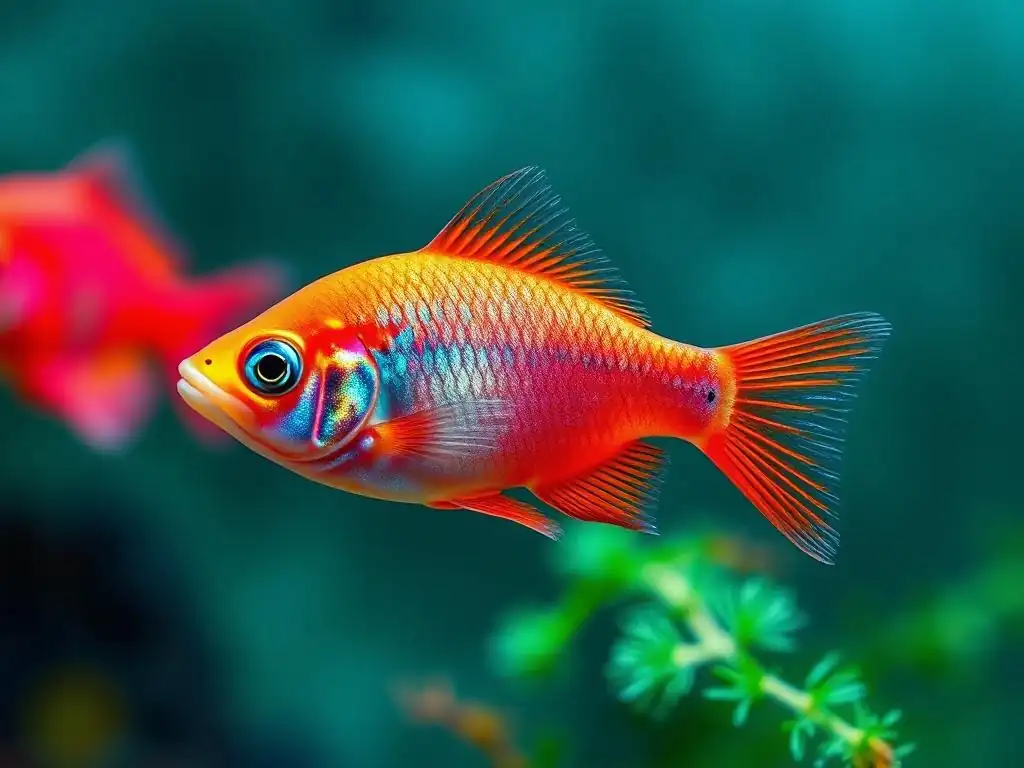
The Flame Tetra is easily recognizable by its distinctive and vibrant coloration, which gives the species its common name. The posterior half of its body, including the caudal peduncle and fins, displays an intense orange-red to deep scarlet hue, creating a striking contrast with the more silvery or golden anterior portion. Two prominent, dark vertical bars are typically visible just behind the gill plate, serving as a key identifying feature.
The intensity of a Flame Tetra's color can vary significantly based on several factors, including its diet, water quality, and overall stress levels. Well-fed, healthy fish in a stable environment will exhibit the most vivid coloration. Males often display more intense reds, especially during breeding periods, and their anal and dorsal fins may also be tipped with black, adding to their striking appearance.
Flame Tetra Size and Lifespan: What to Expect
Flame Tetras are considered a relatively small species within the tetra family, typically reaching an adult size of about 1.5 inches (approximately 3.8 centimeters) in length. This modest size makes them an ideal candidate for community aquariums where space might be a consideration, and allows for keeping a larger school without overcrowding the tank. Their compact nature contributes to their adaptability in various tank setups.
With proper Flame Tetra care, including consistent water quality, a balanced diet, and a stress-free environment, these fish can enjoy a lifespan of 2 to 4 years in a home aquarium. Some well-cared-for individuals have been known to live slightly longer, reaching up to 5 years. Factors such as genetic predisposition, tank maintenance routines, and the absence of disease significantly influence their longevity.
Flame Tetra Temperament: Are They Good Community Fish?
Flame Tetras are renowned for their peaceful and sociable temperament, making them excellent candidates for most community aquariums. They are schooling fish by nature, and thrive when kept in groups of at least six individuals, though a school of 8-10 or more will allow them to display their most natural and captivating behaviors, including synchronized swimming and reduced stress levels. Keeping them in insufficient numbers can lead to shyness or, occasionally, fin-nipping behavior towards slower-moving tank mates.
While generally placid, it's important to note that like many tetras, they can exhibit minor fin-nipping if stressed or housed with fish that have very long, flowing fins. However, this is rare when they are kept in appropriate school sizes and a well-planned community tank. Their calm demeanor makes them compatible with a wide array of other small, peaceful species, a crucial aspect covered in any comprehensive Flame Tetra care guide.
Flame Tetra Care: Essential Guidelines for a Thriving School
Setting Up the Ideal Flame Tetra Tank Environment
Choosing the Right Tank Size for Flame Tetras
Selecting an appropriately sized aquarium is a critical first step in providing optimal Flame Tetra care. While a minimum tank size of 10 gallons can house a small school of 6-8 Flame Tetras, a 20-gallon long tank or larger is highly recommended. A larger footprint provides more horizontal swimming space, which is beneficial for these active schooling fish, and significantly contributes to water parameter stability.
A 20-gallon aquarium allows for a more robust school, typically 10-12 individuals, which enhances their natural schooling behavior and reduces stress. Larger tanks also offer more dilution for waste products, making it easier to maintain pristine water quality, a cornerstone of successful Flame Tetra care. The increased volume also provides greater resilience against sudden parameter fluctuations, creating a more forgiving environment for the fish.
Water Parameters for Flame Tetra Health and Color
Maintaining stable and appropriate water parameters is paramount for the health and vibrant coloration of Flame Tetras. They thrive in temperatures ranging from 72 to 79°F (22 to 26°C), with a consistent temperature being more important than hitting an exact number. A reliable aquarium heater is essential to prevent temperature fluctuations, which can stress the fish and weaken their immune system.
Regarding water chemistry, Flame Tetras prefer soft to medium-hard water, ideally within a general hardness (GH) range of 5-15 dGH. Their preferred pH range is slightly acidic to neutral, typically between 6.0 and 7.5. While they can tolerate a broader range, aiming for parameters closer to their natural soft, acidic habitat will promote better health, more intense colors, and potentially encourage breeding. Regular testing of ammonia, nitrite, and nitrate levels is crucial; ammonia and nitrite should always be zero, and nitrates kept below 20 ppm through consistent maintenance.
Substrate and Decor Options for a Flame Tetra Biotope
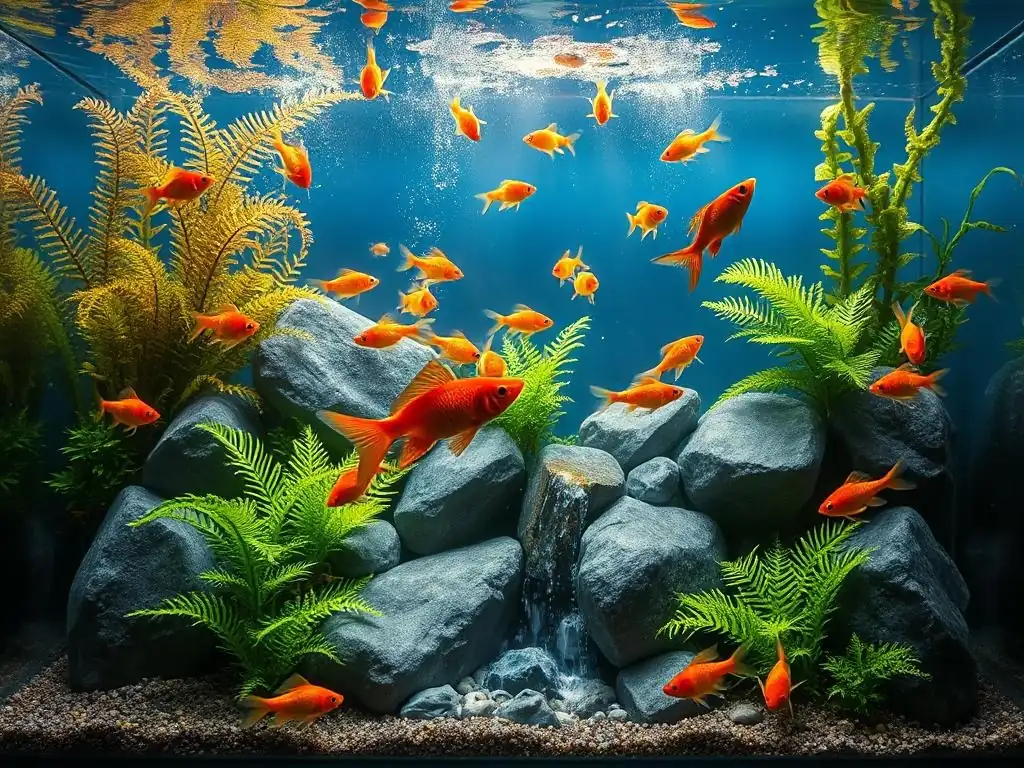
To replicate the Flame Tetra's natural habitat and enhance their vibrant colors, the choice of substrate and decor is important. A dark-colored substrate, such as fine-grained gravel or sand, is highly recommended. This not only mimics the dark riverbeds they inhabit but also provides a stark contrast that makes their fiery red hues appear even more striking and intense. Light-colored substrates can sometimes cause them to appear washed out or stressed.
For decor, dense planting along the back and sides of the aquarium is ideal, providing ample hiding spots and a sense of security. Live plants like Java Moss, Anubias, and Cryptocoryne species are excellent choices. Incorporate driftwood and smooth river rocks to create a more naturalistic biotope, offering additional cover and contributing to the water chemistry by slowly releasing tannins if unboiled. Leave open swimming space in the front of the tank to allow the school to move freely, and consider floating plants to diffuse overhead lighting, mimicking their shaded natural environment.
Flame Tetra Diet and Feeding: Ensuring Optimal Health
What Do Flame Tetras Eat? A Balanced Diet Plan
Flame Tetras are omnivores, and a varied, high-quality diet is crucial for their health, vitality, and color intensity. Their staple diet should consist of premium flake food or micro-pellets specifically formulated for small community fish. Look for brands that list fish meal, spirulina, and other beneficial ingredients as primary components, as these provide essential proteins and nutrients.
To supplement their staple diet and ensure optimal nutrition, offer a variety of live or frozen foods several times a week. Excellent choices include daphnia, brine shrimp, and bloodworms, which are rich in protein and carotenoids that enhance their red and orange pigmentation. Occasionally, blanched vegetables or spirulina flakes can be offered to provide necessary plant matter and further diversify their diet, contributing significantly to a comprehensive Flame Tetra care routine.
Feeding Frequency and Portion Control
Proper feeding frequency and portion control are vital for maintaining good water quality and preventing health issues in Flame Tetras. It is recommended to feed them small amounts 2 to 3 times a day. Each feeding portion should be consumed entirely within 2 to 3 minutes. This ensures that all fish get enough to eat without excess food decaying in the tank.
Overfeeding is a common mistake in aquarium keeping and can lead to serious problems such as elevated ammonia and nitrite levels, cloudy water, and digestive issues in the fish. If you notice uneaten food lingering on the substrate after a few minutes, reduce the portion size at the next feeding. A consistent feeding schedule helps mimic their natural foraging behavior and supports a robust immune system.
Maintaining a Healthy Flame Tetra Aquarium
Regular Water Changes: The Key to Pristine Conditions
Regular water changes are arguably the most critical aspect of maintaining a healthy environment for Flame Tetras and are a cornerstone of any effective Flame Tetra care guide. A weekly water change of 25-30% of the tank's volume is highly recommended. This routine significantly reduces the accumulation of nitrates, phosphates, and other dissolved organic compounds that can become toxic over time, even with efficient filtration.
Beyond removing harmful substances, fresh water replenishes essential trace elements and minerals that are depleted through biological processes and plant uptake. Consistent partial water changes help maintain stable water parameters, reduce overall stress on the fish, and prevent the onset of various diseases. Always use a dechlorinator to treat tap water before adding it to the aquarium to neutralize chlorine and chloramines, which are harmful to fish.
Filtration and Aeration for Flame Tetras
Effective filtration is indispensable for a healthy Flame Tetra aquarium. A good filtration system provides mechanical, biological, and chemical filtration, ensuring clear water and optimal water parameters. Mechanical filtration removes particulate matter, biological filtration converts harmful ammonia and nitrite into less toxic nitrate, and chemical filtration (e.g., activated carbon) removes odors and discoloration. Hang-on-back (HOB) filters, sponge filters, or canister filters are all suitable options, depending on tank size.
When selecting a filter, it's important to choose one that provides adequate flow without creating excessive currents, as Flame Tetras prefer calmer waters. If the filter flow is too strong, consider using a spray bar or baffling the outflow. Aeration, typically provided by an air stone connected to an air pump, is also beneficial. It ensures adequate oxygen levels in the water, which is crucial for the fish's respiration and the healthy functioning of beneficial bacteria in the filter.
Lighting Considerations for Enhancing Flame Tetra Coloration
Appropriate lighting plays a significant role not only in the health of live plants but also in enhancing the vibrant coloration of Flame Tetras. Moderate lighting levels are generally sufficient for a Flame Tetra tank. Overly bright or intense lighting can sometimes stress these fish, causing their colors to fade and making them seek more shaded areas.
To truly bring out their fiery hues, consider a lighting spectrum that leans slightly towards the warmer end (e.g., around 6500K to 7500K), which can accentuate reds and oranges. Combining this with a dark substrate and plenty of live plants that provide natural shadows will create an environment where their colors pop. A consistent light cycle, typically 8-10 hours per day, is also important for the overall well-being of both the fish and any live plants.
Flame Tetra Tank Mates: Choosing Compatible Companions
Best Tank Mates for Flame Tetras: Creating a Peaceful Community
Flame Tetras are peaceful schooling fish that thrive in a community setting, making the selection of appropriate tank mates a crucial aspect of their care. Ideal companions are other small, non-aggressive, and similarly sized fish that prefer similar water parameters. Excellent choices include other peaceful schooling tetras such as Neon Tetras, Ember Tetras, Rummy Nose Tetras, and Black Neon Tetras.
Other compatible species include small rasboras like Harlequin Rasboras, gentle bottom-dwellers such as Corydoras catfish (e.g., Panda Corys, Pygmy Corys), and algae-eating Otocinclus catfish. Small, peaceful livebearers like Guppies or Platies can also be suitable, provided water parameters are compatible and their long fins do not invite nipping. The key is to select species that will not outcompete Flame Tetras for food or bully them, ensuring a harmonious environment detailed in this Flame Tetra care guide.
Fish to Avoid: Incompatible Tank Mates for Flame Tetras
While Flame Tetras are generally peaceful, certain fish species are incompatible and should be avoided in a community tank with them. Any large, aggressive, or predatory fish should be excluded, as they will view Flame Tetras as potential prey or intimidate them, leading to severe stress and even death. This includes most larger cichlid species (like Oscars or Jack Dempseys), large barbs (such as Tiger Barbs unless in a very large, species-specific tank), and larger gouramis.
Fish with very long, flowing fins, such as fancy Guppies, Betta fish (Siamese Fighting Fish), or Angelfish (unless in a very large tank where the Angelfish are juveniles and the tetras have ample hiding space), should also generally be avoided. Although rare, stressed or under-schooled Flame Tetras might occasionally nip at such fins. Additionally, fast-moving or overly boisterous species might outcompete the more delicate Flame Tetras for food, leading to malnutrition.
Flame Tetra Breeding: A Detailed Guide to Reproduction
Setting Up a Breeding Tank for Flame Tetras
Breeding Flame Tetras in a home aquarium is achievable, though it requires specific conditions to encourage spawning and ensure fry survival. A dedicated breeding tank, typically 5 to 10 gallons in size, is recommended. This tank should be set up with very soft and acidic water, ideally with a pH between 5.5 and 6.5 and a general hardness (GH) of 2-6 dGH. Reverse osmosis (RO) water mixed with a small amount of tap water or mineral additives can help achieve these parameters.
The breeding tank should have dim lighting, as Flame Tetra eggs are light-sensitive. Provide ample spawning media, such as fine-leaved plants like Java Moss or spawning mops made from synthetic fibers, as they are egg scatterers. A mesh bottom or a layer of marbles can also be used to allow eggs to fall through, protecting them from being eaten by the parents. A small, gentle sponge filter and a heater to maintain a stable temperature of around 78-80°F (25.5-26.5°C) complete the setup.
Identifying Male and Female Flame Tetras
Differentiating between male and female Flame Tetras is relatively straightforward, especially when they are mature and in breeding condition. Males are typically more slender and streamlined in body shape. Their coloration, particularly the fiery red-orange, tends to be more intense and vibrant than that of females, especially when they are ready to spawn. The anal fin of the male is often more elongated and may have a distinct black edge.
Females, on the other hand, are generally rounder and fuller-bodied, particularly when they are gravid (carrying eggs). Their coloration is usually duller than the males', though still attractive. During the breeding period, the female's belly will become noticeably plumper as she fills with eggs. Observing these subtle differences in body shape and color intensity will help in selecting a breeding pair or group.
Spawning and Raising Flame Tetra Fry
To encourage spawning, condition a selected pair or a small group (e.g., two males to one female) with a diet rich in live and frozen foods for several days. Introduce them to the prepared breeding tank, preferably in the evening. Spawning usually occurs the following morning, often at dawn. The male will chase the female through the plants, and eggs will be scattered and adhere to the plants or fall to the bottom. Flame Tetras are prolific egg layers, with a single female capable of laying several hundred eggs.
Once spawning is complete (usually within a few hours), remove the adult fish immediately, as they will readily consume their own eggs. The eggs are tiny and translucent and will hatch within 24-48 hours, depending on temperature. The fry are extremely small and will initially feed on their yolk sacs.
After 3-5 days, they will become free-swimming and require infusoria or liquid fry food for the first few days. As they grow, transition them to newly hatched brine shrimp or micro-worms. Maintain pristine water quality with small, frequent water changes using aged or RO water to ensure the survival of the delicate fry, a crucial part of this Flame Tetra care guide.
Common Flame Tetra Diseases and Health Issues
Identifying Common Flame Tetra Ailments
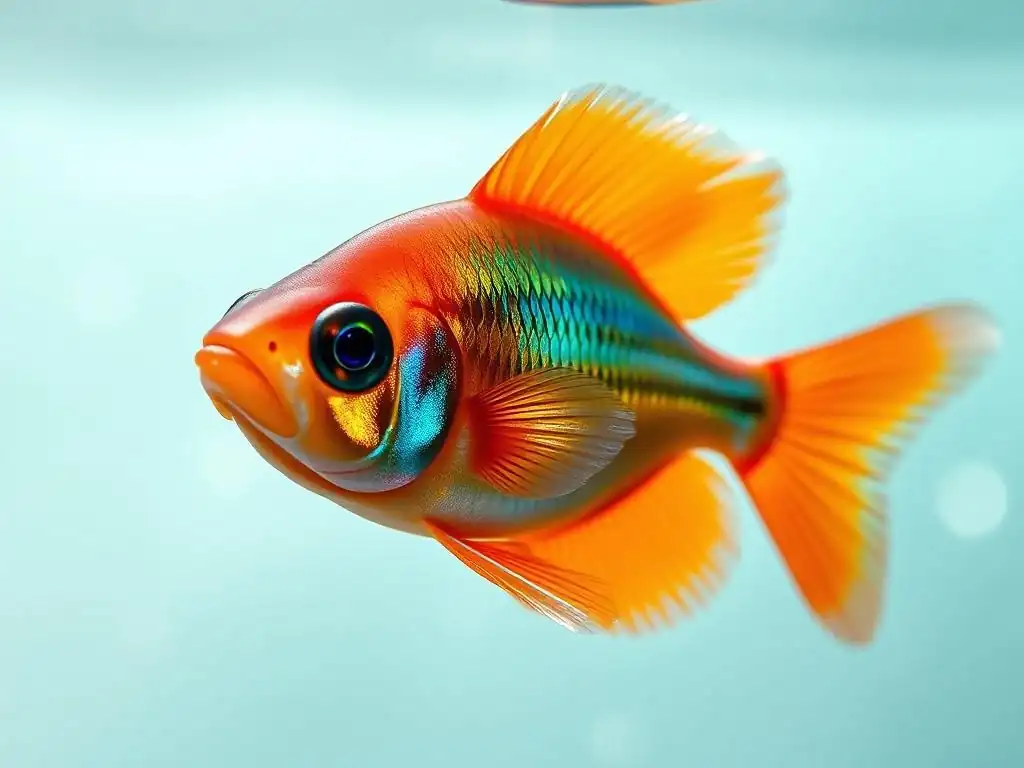
Like all aquarium fish, Flame Tetras can be susceptible to various common freshwater diseases, often brought on by poor water quality, stress, or the introduction of new, infected fish. Some of the most prevalent ailments include Ich (Ichthyophthirius multifiliis), characterized by small white spots resembling salt grains on the body and fins. Fin Rot, a bacterial infection, presents as frayed, discolored, or disintegrating fins.
Other common issues include Velvet (Oodinium), which appears as a fine, dusty, golden or brownish coating, and Columnaris (Flavobacterium columnare), a bacterial infection that can mimic fungal infections with cotton-like growths, particularly around the mouth or gills. Lethargy, clamped fins, loss of appetite, rapid breathing, and abnormal swimming patterns are general indicators of illness and should prompt immediate investigation of water parameters and fish behavior.
Treating Flame Tetra Diseases: A Step-by-Step Guide
Upon identifying signs of disease in your Flame Tetras, prompt action is essential for successful treatment. If only one or a few fish are affected, consider isolating them in a hospital tank to prevent the spread of disease and allow for targeted treatment without affecting the main display tank's biological filter or sensitive plants. For Ich, a common treatment involves slowly raising the tank temperature to 82-84°F (28-29°C) over 24 hours (if compatible with tank mates) and using an Ich-specific medication as directed.
Bacterial infections like Fin Rot or Columnaris often require antibiotic treatments, which can be administered as a bath or mixed into food. Always follow the medication manufacturer's instructions precisely regarding dosage and duration. After any treatment, perform a significant water change and consider adding activated carbon to remove residual medication. Improving water quality through regular partial water changes is often the first and most effective step in combating many fish diseases and preventing recurrence, highlighting its importance in Flame Tetra care.
Preventing Health Problems in Your Flame Tetra Tank
Prevention is always better than cure when it comes to fish health, and a proactive approach is a cornerstone of effective Flame Tetra care. The most crucial preventive measure is maintaining pristine and stable water quality. This involves performing regular weekly water changes (25-30%), ensuring adequate filtration, and consistently monitoring water parameters (ammonia, nitrite, nitrate, pH, temperature) with a reliable test kit.
Beyond water quality, a balanced and varied diet strengthens the fish's immune system, making them more resilient to pathogens. Avoid overfeeding, as excess food decomposes and degrades water quality. Quarantining all new fish for 2-4 weeks in a separate tank before introducing them to the main aquarium is highly recommended to prevent the introduction of diseases. Minimizing stress by providing appropriate tank size, a suitable school size (at least 6-8 individuals), and compatible tank mates also plays a vital role in keeping your Flame Tetras healthy and vibrant.
Enhancing Flame Tetra Color: Tips and Tricks
Optimizing Water Quality for Vibrant Colors
The intensity of a Flame Tetra's coloration is a direct reflection of its health and environment. Optimizing water quality is paramount for achieving the most vibrant hues. Consistent water parameters, particularly soft to medium-hard water with a slightly acidic to neutral pH (6.0-7.0), closely mimic their natural habitat and promote richer coloration. High nitrate levels, even if not immediately lethal, can cause stress and lead to faded colors.
Regular and diligent water changes (25-30% weekly) are essential to keep nitrate levels low and replenish vital trace elements. A well-functioning filtration system that provides excellent biological filtration will also ensure that ammonia and nitrite remain at undetectable levels. Stable, clean water minimizes stress on the fish, allowing their natural, brilliant pigments to fully develop and shine, making this a core element of any Flame Tetra care guide focused on color.
Diet and Supplements for Color Enhancement
A balanced and nutrient-rich diet is a key factor in enhancing the fiery red and orange colors of Flame Tetras. Foods high in carotenoids are particularly beneficial, as these natural pigments are directly responsible for the red and orange coloration in fish. Look for high-quality flake or pellet foods that list ingredients like spirulina, astaxanthin, or krill meal among the first few ingredients.
Supplementing their staple diet with live or frozen foods several times a week provides essential proteins and boosts color. Brine shrimp, daphnia, and especially bloodworms are excellent choices. Some aquarists also report success with specialized color-enhancing foods that contain higher concentrations of natural color boosters. A varied diet not only improves coloration but also contributes to overall vitality and immune health.
Lighting and Background Considerations
The visual appearance of Flame Tetra colors can be significantly influenced by tank lighting and background choices. Moderate lighting is generally preferred, as overly bright lights can sometimes cause the fish to appear washed out or stressed, leading them to seek shelter. A lighting system with a color temperature that accentuates reds and oranges (e.g., in the 6500K to 7500K range) can make their hues pop.
A dark background, whether a solid color or a naturalistic photographic background, creates a strong contrast that makes the vibrant red-orange of the Flame Tetras stand out dramatically. Similarly, a dark substrate, such as black sand or dark gravel, helps to reflect less light, allowing the fish's internal coloration to appear more intense. Densely planted tanks, especially with broad-leafed plants, also provide natural shaded areas and a lush green backdrop that further highlights their fiery brilliance.
Troubleshooting Common Flame Tetra Problems
Addressing Faded Color in Flame Tetras
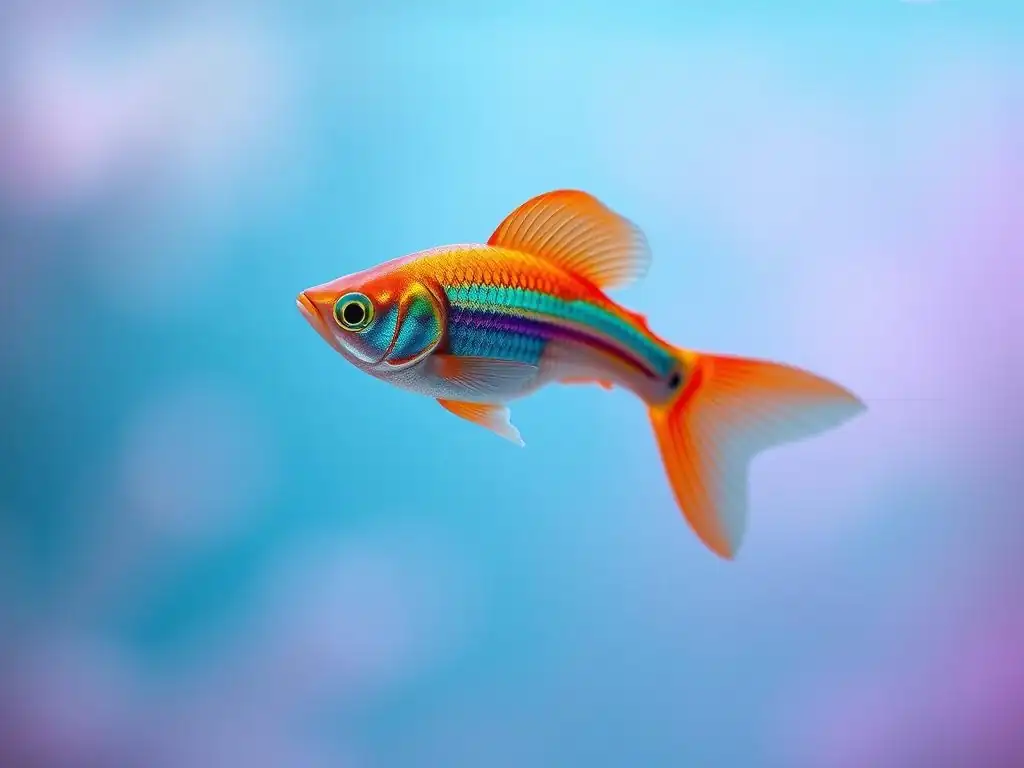
Faded coloration in Flame Tetras is a common issue and typically serves as an important indicator of underlying stress or suboptimal conditions. The most frequent culprits include poor water quality (especially high nitrate levels), an inadequate or unvaried diet, insufficient schooling numbers, or incorrect lighting. If your Flame Tetras appear less vibrant than usual, the first step is to perform a thorough check of all water parameters.
To rectify faded colors, initiate a series of small, frequent water changes to bring nitrate levels down. Enhance their diet with high-quality foods rich in carotenoids, such as spirulina flakes or frozen bloodworms, for several days. Ensure they are kept in a school of at least 6-8 individuals to reduce stress and encourage natural schooling behavior. Review your tank lighting to ensure it's not too bright, and provide ample hiding spots with plants and decor to make them feel secure.
Dealing with Aggression in Flame Tetra Schools
While generally peaceful, Flame Tetras can exhibit aggression, primarily in the form of fin-nipping, if kept in conditions that induce stress. The most common cause of aggression is an insufficient school size; keeping fewer than six individuals can make them feel insecure and more prone to nipping at tank mates or even each other. Overcrowding in the tank can also contribute to heightened stress and aggression.
To mitigate aggression, increase the school size to at least 8-10 Flame Tetras. A larger group distributes any potential aggression among more individuals and allows them to feel more secure, reducing their need to nip. Ensure the tank provides adequate space for swimming, along with plenty of visual breaks and hiding spots created by plants and decor. Re-evaluate tank mates to ensure no overly dominant or aggressive species are causing stress to the Flame Tetras.
Solving Water Quality Issues Affecting Flame Tetras
Water quality problems are the root cause of many health issues and stress in Flame Tetras. Elevated levels of ammonia, nitrite, or nitrate are common concerns. Ammonia and nitrite should always be zero, while nitrates should ideally be kept below 20 ppm. A sudden spike in these parameters can lead to immediate distress, illness, or even death.
To address water quality issues, immediately perform a significant partial water change (e.g., 50% for high ammonia/nitrite, 25-30% for high nitrates). Test the water again after an hour to confirm improvement. Review your feeding habits to ensure you are not overfeeding, which contributes to waste. Check your filtration system to ensure it is adequately sized and functioning properly; clean or replace filter media as needed. Ensuring proper biological filtration and consistent maintenance is the bedrock of successful Flame Tetra care and overall aquarium health.
Flame Tetra vs. Other Tetra Species: A Comparison
Flame Tetra vs. Neon Tetra: Key Differences
The Flame Tetra ( Hyphessobrycon flammeus) and the Neon Tetra ( Paracheirodon innesi) are both popular choices for freshwater community aquariums, but they possess distinct characteristics. Visually, the Flame Tetra is distinguished by its vibrant fiery red-orange coloration predominantly on the posterior half of its body, complemented by two subtle dark vertical bars near the gills. In contrast, the Neon Tetra is famous for its striking iridescent blue horizontal stripe running from its nose to the adipose fin, coupled with a bright red stripe extending from the middle of its body to the tail.
In terms of size and preferred parameters, Neon Tetras are typically slightly smaller, reaching about 1.2 inches compared to the Flame Tetra's 1.5 inches. While both are peaceful schooling fish, Neon Tetras generally prefer softer and more acidic water (pH 5.5-7.0, GH 1-10 dGH) more stringently than Flame Tetras, which are a bit more adaptable to a broader range of neutral to slightly acidic conditions (pH 6.0-7.5, GH 5-15 dGH). Both species thrive in schools and make excellent community tank inhabitants.
Flame Tetra vs. Ember Tetra: Choosing the Right Fiery Tetra
When considering smaller, fiery-hued tetras, the Flame Tetra ( Hyphessobrycon flammeus) and the Ember Tetra ( Hyphessobrycon amandae) are often compared. The most noticeable difference lies in their size and the distribution of their coloration. Flame Tetras are larger, reaching up to 1.5 inches, and display a more intense, solid red-orange color that typically covers the rear half of their body, creating a distinct two-toned appearance. Ember Tetras, on the other hand, are significantly smaller, usually growing to only about 0.8 inches, and exhibit a more uniform, translucent orange or reddish-orange glow across their entire body.
Due to their diminutive size, Ember Tetras are exceptionally well-suited for nano aquariums (as small as 5 gallons for a small school), while Flame Tetras require a minimum of a 10-gallon tank, with 20 gallons being ideal for a thriving school. Both species are peaceful and excellent for community tanks, but the Flame Tetra offers a bolder visual impact with its more pronounced and vibrant red, whereas the Ember Tetra provides a delicate, shimmering warmth, making the choice dependent on tank size and desired aesthetic.
Conclusion: Mastering Flame Tetra Care for a Stunning Aquarium Display
Mastering Flame Tetra care is a rewarding endeavor that culminates in a truly stunning and vibrant aquarium display. By adhering to the guidelines outlined in this comprehensive Flame Tetra care guide, aquarists can ensure the health, longevity, and brilliant coloration of these captivating fish. Key aspects include providing an adequately sized tank of at least 10-20 gallons to accommodate a schooling group of 6-10 individuals, maintaining stable and pristine water parameters within their preferred ranges of 72-79°F (22-26°C) temperature, 6.0-7.5 pH, and 5-15 dGH hardness.
A balanced diet rich in high-quality flakes and supplemented with live or frozen foods is crucial for their vitality and color intensity. Regular tank maintenance, including weekly partial water changes and effective filtration, is paramount for preventing disease and promoting a stress-free environment. When these needs are met, Flame Tetras will thrive, displaying their natural schooling behaviors and igniting your freshwater aquarium with their fiery, iridescent hues, making them a truly rewarding addition for any aquarist.
Frequently Asked Questions
What are the ideal water parameters for Flame Tetras?
Flame Tetras thrive in slightly acidic to neutral water. The ideal range is a pH between 6.0 and 7.5, a temperature of 72-78°F (22-26°C), and a hardness of 5-15 dGH.
What is the best diet for Flame Tetras to maintain their vibrant color?
A varied diet is crucial! Offer them high-quality flake food as a staple, supplemented with live or frozen foods like daphnia, bloodworms, and brine shrimp to enhance their color intensity.
How many Flame Tetras should I keep in a school?
Flame Tetras are schooling fish and need company to feel secure. A group of at least 6 Flame Tetras is recommended, but a larger school of 8-10 individuals is even better, allowing them to display their natural behaviors.
What tank size is appropriate for a school of Flame Tetras?
A minimum tank size of 10 gallons is suitable for a small school of Flame Tetras. However, a 20-gallon long tank or larger is preferable, providing more swimming space and allowing for better water quality stability.
What are some common diseases that affect Flame Tetras, and how can I prevent them?
Flame Tetras are susceptible to Ich (white spot disease) and fin rot. Maintaining excellent water quality through regular water changes, avoiding overcrowding, and quarantining new fish are key to disease prevention.
Final Reflection: Embracing the Fiery Spark
The journey of understanding and caring for Flame Tetras, as detailed in this guide, transcends simply keeping fish alive; it's about fostering a vibrant ecosystem and appreciating the inherent beauty and fragility of life. In a world increasingly disconnected from nature, nurturing these miniature flames in our aquariums offers a tangible connection to the natural world and a reminder of the delicate balance that sustains it.
The enduring allure of the Flame Tetra lies not just in its striking coloration, but also in its ability to transform a simple tank into a captivating underwater landscape. This experience has profoundly underscored the importance of responsible pet ownership and the joy of creating a thriving environment for these captivating creatures. In the end, we will conserve only what we love; we will love only what we understand; and we will understand only what we are taught.
- Baba Dioum. This quote encapsulates the essence of this guide: to foster understanding, inspire love, and ultimately, encourage conservation through responsible care.
Now, as you embark on your own journey with Flame Tetras, I urge you to reflect on the lessons learned here. Consider how you can apply these principles of attentive care and environmental stewardship to other aspects of your life. Let the vibrant flame of these remarkable fish ignite a passion for conservation and a deeper appreciation for the interconnectedness of all living things. Let their fiery hues remind you to bring passion and dedication to everything you do, creating a brighter, more vibrant world, one shimmering scale at a time.
Ignite Your Passion: Create a Tetra Paradise!
Thank you for diving into the world of Flame Tetras! We hope this guide has sparked your excitement and equipped you with the knowledge to bring these vibrant fish into your aquarium. Now, let's turn that knowledge into action!
- Prioritize the Well-being of Your Flame Tetras: Begin by meticulously planning your aquarium setup. Research compatible tank mates, ensuring a harmonious environment. This commitment is the cornerstone of a successful and fulfilling aquarium experience.
- Share your Flame Tetra journey! Join our Aquarium Mastery community forum to connect with fellow enthusiasts, exchange tips, and showcase your thriving aquarium.
- Explore unconventional tank decorations. Consider adding elements like driftwood pieces coated in vibrant, safe moss to enhance the natural beauty of your Flame Tetras and create a stunning aquascape.
What unique, unconventional element will you introduce to your tank to truly capture the essence of the Flame Tetra's fiery charm?