
Tiger Barb Deep Dive: Profile of the Iconic Striped Aquarium Dynamo


Welcome to Aquarium Mastery!
Ever been captivated by the vibrant stripes and playful energy of Tiger Barbs? This Tiger Barb Care Guide isn't just another profile; it's a deep dive into unlocking the secrets to keeping these iconic aquarium dynamos thriving. Curious to learn more about their ideal tank mates, essential care tips, and how to prevent common health issues? Let's explore the world of Tiger Barbs together!
- Introduction to Tiger Barbs: A Comprehensive Care Guide
- Tiger Barb Species Profile: Identifying Puntigrus tetrazona
- Tiger Barb Care Guide: Creating the Ideal Aquarium Environment
- Tiger Barb Diet and Feeding: Ensuring Optimal Health
- Tiger Barb Behavior and Temperament: Understanding Schooling Dynamics
- Tiger Barb Health and Disease Prevention
- Breeding Tiger Barbs: A Step-by-Step Guide
- Troubleshooting Common Tiger Barb Problems
- Conclusion: Mastering Tiger Barb Care for a Thriving Aquarium
- Frequently Asked Questions
- Final Reflection: Embracing the Vibrant Dance of Life
- Unleash Your Inner Aquarist!
Introduction to Tiger Barbs: A Comprehensive Care Guide
Why Tiger Barbs are a Popular Choice for Freshwater Aquariums
Tiger Barbs, scientifically known as Puntigrus tetrazona, have long been a staple in the freshwater aquarium hobby due to their vibrant appearance and energetic demeanor. Their distinctive striped patterns and constant activity bring a dynamic energy to any community tank, making them a captivating focal point. Beyond their aesthetic appeal, Tiger Barbs are also relatively hardy fish, capable of tolerating a range of water conditions once properly acclimated, which makes them a suitable choice for aquarists with some experience in maintaining stable environments.
Furthermore, their widespread availability in pet stores and their generally affordable price point contribute significantly to their popularity. For those seeking to populate a mid-sized to large freshwater aquarium with active, visually striking fish, Tiger Barbs offer an excellent option. Their inherent schooling behavior, when properly accommodated, creates a mesmerizing display of synchronized movement, enhancing the natural feel and overall appeal of the aquatic setup.
Understanding the Appeal: Active Schools and Striking Patterns
The primary appeal of Tiger Barbs lies in their schooling behavior and their unmistakable visual characteristics. A well-established school of Tiger Barbs, ideally consisting of 8-12 individuals, will constantly swim together, creating a beautiful, undulating mass of color and movement. This synchronous activity is not only fascinating to observe but also crucial for their well-being, as it helps diffuse their natural aggression within the group.
Their striking patterns are another major draw. The classic Tiger Barb typically features four prominent black vertical stripes on a shimmering, often orange or gold body, accented with bright red on their fins and snout. This bold coloration ensures they stand out even in a densely planted aquarium. Beyond the traditional variety, selectively bred forms such as the Green Tiger Barb, with its iridescent green sheen, and the Albino Tiger Barb, displaying a pale body with faint stripes and red eyes, offer diverse aesthetic choices for the discerning aquarist.
Tiger Barb Species Profile: Identifying Puntigrus tetrazona
Distinguishing Features: Stripes, Size, and Color Variations
The most defining characteristic of the Tiger Barb ( Puntigrus tetrazona) is its distinctive pattern of four vertical black stripes on a background color that typically ranges from a bright orange-gold to a coppery hue. The first stripe runs through the eye, the second is just before the dorsal fin, the third through the dorsal and anal fins, and the fourth near the caudal fin. Additionally, their fins, particularly the dorsal and caudal fins, often exhibit vibrant red or orange coloration, which is especially pronounced in males during breeding periods.
Beyond the classic variety, several color morphs have been developed through selective breeding. The Green Tiger Barb, for instance, possesses a deep, almost metallic green body that can appear blackish in certain lighting, with the stripes being less distinct. Albino Tiger Barbs, another popular variant, lack normal pigmentation, resulting in a pale white or yellowish body with faint stripes and characteristic red eyes. Platinum Tiger Barbs, a newer development, showcase a lighter, almost silvery body, offering a unique aesthetic for aquarists.
Tiger Barb Lifespan and Size: What to Expect
When provided with optimal conditions, including a stable and clean environment, a balanced diet, and appropriate tank mates, adult Tiger Barbs typically reach a size of about 2.5 to 3 inches (approximately 6 to 7.5 cm) in length. While some individuals, particularly robust males, might grow slightly larger, this size range is generally what an aquarist can expect. Their growth rate is influenced by factors such as tank size, diet quality, and water parameters, with juveniles growing more rapidly than adults.
Regarding their lifespan, Tiger Barbs are considered a relatively long-lived species for a small freshwater fish. With diligent care and consistent maintenance, these energetic fish can live for 5 to 7 years in a home aquarium. There have even been reports of individuals living beyond 7 years in exceptionally well-maintained setups. This longevity, coupled with their active nature, means they can provide years of enjoyment for the dedicated aquarist following a comprehensive Tiger barb care guide.
Tiger Barb Care Guide: Creating the Ideal Aquarium Environment
Tiger Barb Tank Size: Minimizing Aggression through Space
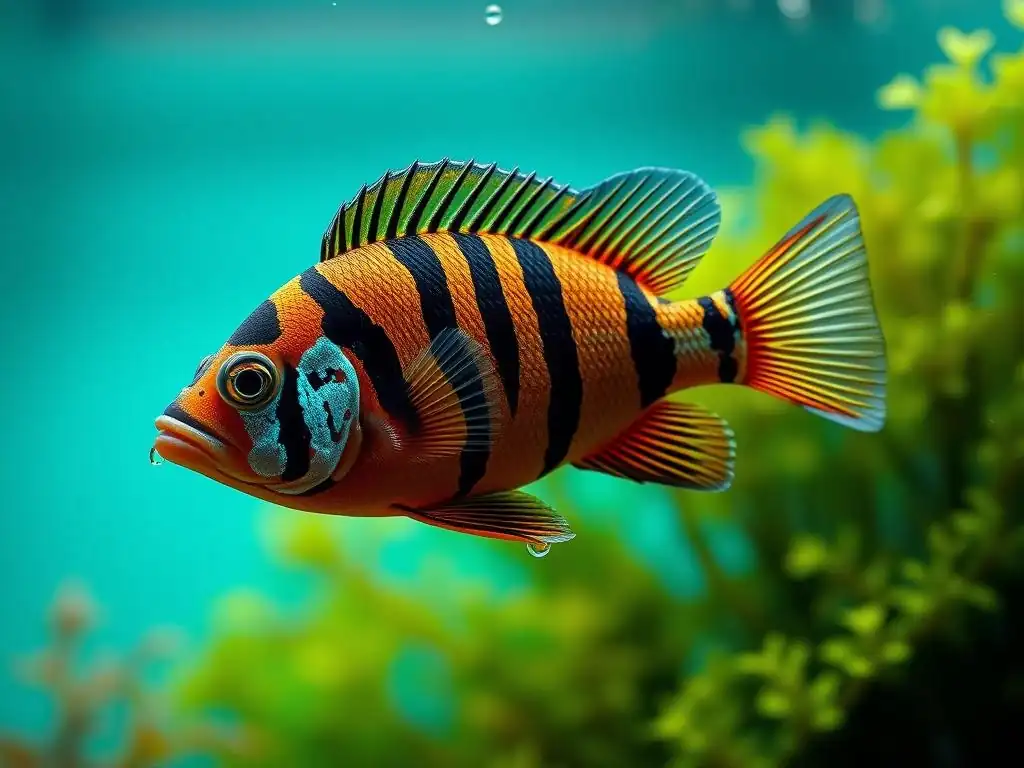
Providing adequate tank size is paramount for the well-being of Tiger Barbs and is a critical aspect of any comprehensive Tiger barb care guide. For a minimum healthy school of 6-8 Tiger Barbs, a 20-gallon long (approximately 75-liter) aquarium is often considered the absolute smallest suitable size. This elongated tank shape provides more horizontal swimming space, which is beneficial for these active fish. However, to truly minimize aggression and allow for a larger, more natural school, a 30-gallon (approximately 113-liter) or even a 40-gallon (approximately 150-liter) breeder tank is highly recommended.
The rationale behind larger tank sizes is directly related to their schooling behavior and potential for aggression. In confined spaces or with insufficient numbers, Tiger Barbs are more prone to directing their notorious fin-nipping behavior towards each other or less robust tank mates. A larger tank provides ample room for individual territories, allows for more individuals within the school (e.g., 10-12+), and creates more open swimming lanes, all of which contribute to diffusing aggression and promoting a more peaceful environment within the group.
Water Parameters for Tiger Barbs: Temperature, pH, and Hardness
Maintaining stable and appropriate water parameters is fundamental to successful Tiger Barb care. These tropical fish thrive in water temperatures ranging from 74°F to 80°F (23°C to 27°C). Consistency in temperature is crucial; sudden fluctuations can cause stress, weakening their immune system and making them susceptible to diseases. A reliable, appropriately sized aquarium heater with a thermostat is therefore an essential piece of equipment for their habitat.
Regarding pH and hardness, Tiger Barbs are relatively adaptable but prefer slightly acidic to neutral water. An ideal pH range is between 6.0 and 7.5. For water hardness, soft to medium water is preferred, typically ranging from 5 to 12 dGH (degrees of General Hardness), which translates to approximately 89 to 214 parts per million (ppm). Regular testing of these parameters using an accurate liquid-based test kit is highly recommended to ensure the water remains within these optimal ranges, preventing stress and promoting long-term health.
Ideal Tank Setup: Substrate, Plants, and Decorations for Tiger Barbs
The ideal tank setup for Tiger Barbs should balance open swimming space with sufficient hiding spots and visual breaks. A fine to medium-grade gravel or sand substrate is suitable and does not directly impact the barbs, but allows for easier cleaning and plant rooting. As active swimmers that occupy the middle to upper water columns, providing ample open space in the central area of the tank is crucial for their energetic schooling.
To mitigate their semi-aggressive tendencies and provide security, densely planted areas along the back and sides of the aquarium are highly beneficial. Robust live plants such as Java Fern ( Microsorum pteropus), Anubias species, Amazon Swords ( Echinodorus amazonicus), and various Cryptocoryne species are excellent choices, as they can withstand the barbs' activity and provide cover. Driftwood, smooth rocks, and other aquarium-safe decorations can also be strategically placed to create visual barriers and additional hiding spots, further reducing stress and promoting a more natural environment for the Tiger Barbs.
Tiger Barb Diet and Feeding: Ensuring Optimal Health
What to Feed Tiger Barbs: A Balanced Diet for Growth and Color
Tiger Barbs are omnivores, meaning their diet should consist of both plant and animal matter to ensure optimal health, vibrant coloration, and proper growth. A high-quality flake or pellet food formulated for tropical fish should form the staple of their diet, providing essential vitamins, minerals, and a good protein content, typically ranging from 35% to 45%. Look for products that list fish meal, spirulina, and various vitamins as key ingredients.
To supplement their primary diet and enrich their nutritional intake, it is important to offer a variety of live or frozen foods 2-3 times per week. Excellent choices include bloodworms, brine shrimp, daphnia, and tubifex worms. These provide crucial proteins and fats that mimic their natural diet. Additionally, vegetable matter, such as blanched spinach or spirulina flakes, should be offered periodically to ensure a well-rounded diet and aid in digestion.
Feeding Schedule: How Often and How Much to Feed
Establishing a consistent feeding schedule is vital for the health and well-being of Tiger Barbs. For adult Tiger Barbs, feeding 2-3 times per day is generally recommended. Younger, rapidly growing juveniles, however, may benefit from 3-4 smaller feedings throughout the day to support their development. Consistency in feeding times can also help reduce stress and establish a routine for the fish.
When feeding, it is crucial to offer only the amount of food that the Tiger Barbs can consume within 2-3 minutes. Overfeeding is a common mistake in aquarium keeping and can lead to several problems, including poor water quality due to uneaten food decaying, digestive issues in the fish, and an increased bioload that can strain the filtration system. Any uneaten food should be promptly removed from the tank to prevent water parameter spikes and the growth of undesirable algae.
Tiger Barb Behavior and Temperament: Understanding Schooling Dynamics
The Importance of Schooling: Reducing Aggression in Tiger Barbs
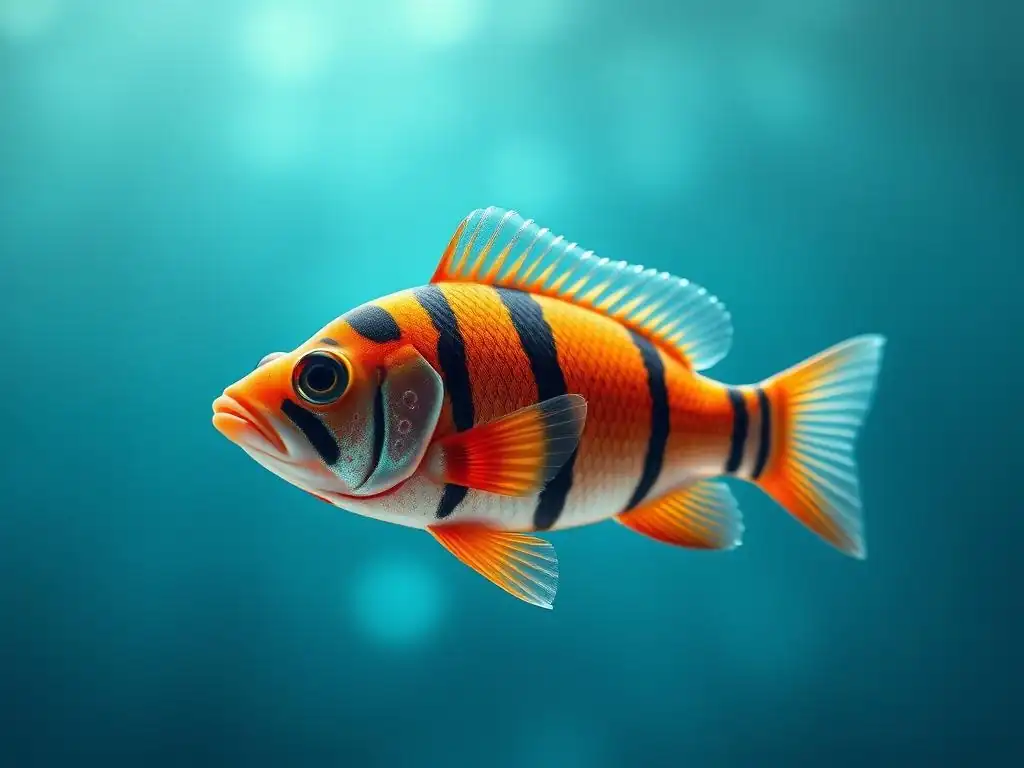
The schooling behavior of Tiger Barbs is not merely an aesthetic preference; it is a critical aspect of their social structure and a key factor in managing their notorious aggression. When kept in insufficient numbers, typically fewer than 6-8 individuals, Tiger Barbs become stressed and their inherent nippy tendencies are often amplified and directed outwards. This can result in constant harassment of other tank mates, particularly those with long, flowing fins, or even aggression among the limited group of barbs themselves.
Conversely, when maintained in a sufficiently large school, ideally 8-12 or more individuals, their aggression is largely diffused within the group. A natural pecking order forms, and any nipping tends to be directed at other Tiger Barbs, rather than vulnerable tank mates. This internal dynamic allows them to focus their energy on interacting with their own kind, leading to a more peaceful and fascinating display of natural behavior within the aquarium. A large, cohesive school is therefore a cornerstone of successful Tiger barb care.
Tank Mates for Tiger Barbs: Choosing Compatible Species
Choosing compatible tank mates is crucial when keeping Tiger Barbs, given their semi-aggressive and fin-nipping tendencies. The best tank mates are fast-moving, similarly sized, and robust fish that can hold their own and are not easily intimidated. Excellent choices include other active barb species such as Cherry Barbs, Rosy Barbs, or Denison Barbs. Other suitable options include larger Danios (e.g., Giant Danios), certain larger Rasboras, and bottom-dwellers like Bristlenose Plecos or various Corydoras catfish, which are generally ignored by the barbs.
Conversely, several types of fish are generally incompatible with Tiger Barbs and should be avoided. These include slow-moving fish, species with long, delicate fins (e.g., Angelfish, Bettas, Gouramis, Guppies, Fancy Goldfish), and very small or timid species that would be easily stressed or harassed. These vulnerable fish are prime targets for fin-nipping, which can lead to stress, injury, and even death. Additionally, avoid any fish that require significantly different water parameters than those ideal for Tiger Barbs.
Tiger Barb Aggression: Mitigation Strategies and Solutions
Despite their reputation, Tiger Barb aggression can be significantly mitigated with proper planning and tank management. The most effective strategy is to ensure they are kept in a large school of at least 8-10 individuals, preferably more, within an adequately sized aquarium (30 gallons or larger). This allows their natural aggression to be diffused internally among the group, rather than being directed at other species. Overcrowding, conversely, can exacerbate aggressive behaviors.
Beyond school size and tank volume, environmental enrichment plays a vital role. Densely planted areas and strategically placed decorations like driftwood or rocks can create visual barriers and hiding spots. These break up lines of sight, allowing less dominant individuals to escape and reducing stress. Maintaining pristine water quality and a consistent feeding schedule also contributes to overall fish health and reduces stress-induced aggression. If a particular individual is overly aggressive, sometimes temporarily removing and then reintroducing it after a day or two in a separate tank can reset its behavior, though this is a last resort.
Tiger Barb Health and Disease Prevention
Common Tiger Barb Diseases: Identification and Treatment
Tiger Barbs are generally hardy fish, but like all aquarium inhabitants, they are susceptible to common freshwater diseases, often when stressed by poor water conditions or incompatible tank mates. Two frequently encountered issues are Ich (Ichthyophthirius multifiliis), characterized by small white spots resembling salt grains on the body and fins, and Fin Rot, which causes the fins to appear frayed, ragged, or discolored. Both are often triggered by unstable water temperatures, poor water quality, or stress from bullying.
Less common but more serious diseases can include Dropsy, where the fish's body swells and scales protrude like a pinecone, indicating internal organ failure, and various fungal infections, which appear as white, cotton-like growths on the body or fins. Early detection is crucial for successful treatment. For Ich, a gradual increase in water temperature (to 82°F-84°F or 28°C-29°C) combined with aquarium salt or commercial Ich medications can be effective.
Fin Rot typically responds to improved water quality and broad-spectrum antibacterial treatments. Always consult a reputable source or a fish veterinarian for accurate diagnosis and tailored treatment plans for severe cases.
Maintaining Water Quality: The Key to Preventing Disease
Maintaining excellent water quality is the single most important aspect of preventing disease and ensuring the long-term health of your Tiger Barbs. Regular water changes are fundamental; a weekly water change of 25-30% is highly recommended to remove accumulated nitrates, replenish essential trace elements, and dilute any potential toxins. Always use a high-quality water conditioner to neutralize chlorine and chloramines from tap water, which are toxic to fish.
Beyond water changes, robust filtration is essential. A properly sized filter providing mechanical, biological, and chemical filtration will remove particulate matter, convert harmful ammonia and nitrites into less toxic nitrates, and remove impurities. Consistent monitoring of water parameters using an accurate liquid test kit for ammonia, nitrite, nitrate, pH, and temperature is vital. Keeping these parameters stable and within the optimal ranges discussed in this Tiger barb care guide significantly reduces stress on the fish, bolstering their immune system and making them more resilient to pathogens.
Quarantine Procedures for New Tiger Barbs: Protecting Your Existing School
Implementing a strict quarantine procedure for all new Tiger Barbs is a non-negotiable step to safeguard the health of your established aquarium. New fish, even those appearing healthy, can carry diseases, parasites, or bacteria that could devastate your existing school. A minimum quarantine period of 2-4 weeks in a separate, dedicated quarantine tank is strongly advised before introducing any new fish to your main display aquarium.
The quarantine tank itself does not need to be elaborate; a 10-gallon (approx. 38-liter) tank with a heater, a small sponge filter, and basic hiding spots (like PVC pipes or plastic plants) is sufficient. During the quarantine period, observe the new Tiger Barbs closely for any signs of illness, such as lethargy, clamped fins, spots, unusual swimming patterns, or loss of appetite. If any symptoms appear, treat them in the quarantine tank. This prevents the spread of potential pathogens to your main tank, protecting your existing fish population and saving considerable stress and expense in the long run.
Breeding Tiger Barbs: A Step-by-Step Guide
Setting Up a Breeding Tank for Tiger Barbs
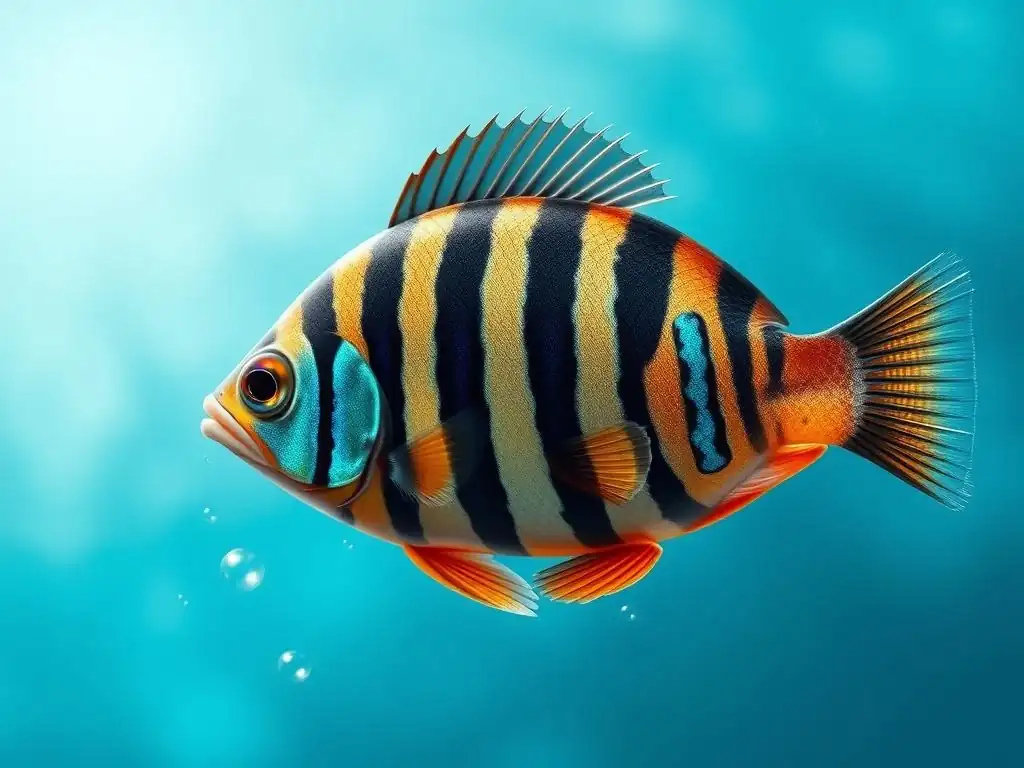
Breeding Tiger Barbs can be a rewarding experience, and a dedicated breeding tank significantly increases success rates. A separate 10-20 gallon (approx. 38-75 liter) aquarium is ideal for this purpose. The water in the breeding tank should be soft and slightly acidic, typically with a pH between 6.0 and 6.5 and a General Hardness (GH) of 3-6 dGH. The temperature should be slightly elevated to around 78-80°F (25.5-27°C) to encourage spawning. The tank should also be dimly lit to protect the sensitive eggs.
Tiger Barbs are egg scatterers, meaning they will deposit their adhesive eggs randomly throughout the tank. To prevent the parent fish from eating the eggs immediately after spawning, a suitable spawning substrate is essential. This can be a spawning mop (made of yarn), a dense clump of fine-leaved plants like Java Moss ( Taxiphyllum barbieri), or a mesh bottom that allows eggs to fall through to safety while keeping the adults above. A bare bottom tank makes egg collection and fry care easier.
Identifying Male and Female Tiger Barbs for Breeding
Distinguishing between male and female Tiger Barbs, especially mature adults, is relatively straightforward and crucial for successful breeding. Male Tiger Barbs are generally smaller and more slender than females. Their coloration, particularly the red on their snout and fins, tends to be more intense and vibrant, especially when they are in breeding condition. Their black stripes may also appear more sharply defined.
Female Tiger Barbs, on the other hand, are typically larger and noticeably rounder in the abdomen, particularly when they are gravid (full of eggs). Their body coloration is often less intense than the males. Observing the fish from above can easily reveal the fuller, more rounded belly of a female ready to spawn. Selecting a healthy, well-conditioned pair or a group of males and females (e.g., 2 males to 1 female) from your main school will maximize breeding potential.
Tiger Barb Fry Care: Raising Baby Tiger Barbs
Once the Tiger Barbs have spawned, which often results in 100-300 adhesive eggs, it is crucial to remove the adult fish immediately, as they will readily consume their own eggs. The eggs are typically quite small and will hatch within 24-36 hours, depending on the water temperature. The newly hatched fry are tiny and will initially survive on their yolk sacs for the first 2-3 days, remaining mostly immobile on the tank bottom or attached to surfaces.
Once the fry become free-swimming, usually around 3-5 days post-hatch, they will require extremely fine food. For the first week, infusoria or specialized liquid fry food is essential due to their minuscule size. After approximately one week, as they grow slightly, they can be transitioned to newly hatched brine shrimp or micro-worms. Maintaining pristine water conditions is paramount for delicate fry; perform very small, frequent water changes (e.g., 10% daily) using a siphon to avoid disturbing the young fish.
Troubleshooting Common Tiger Barb Problems
Fin Nipping and Aggression Issues: Addressing the Root Cause
Fin nipping and aggression are common concerns for aquarists keeping Tiger Barbs, but these issues almost always stem from identifiable root causes that can be addressed. The primary culprit is often an insufficient school size; when fewer than 6-8 Tiger Barbs are kept together, their natural aggression is not diffused within the group and is instead directed outwards. Increasing the school to at least 8-10 individuals, or even more for larger tanks, is the most effective solution.
Another significant factor is an undersized tank. A 20-gallon long is a bare minimum for a small school, but a 30-gallon or larger tank provides critical additional space, reducing stress and territorial disputes. Furthermore, incompatible tank mates, particularly slow-moving or long-finned species, will inevitably become targets. Re-evaluating tank mate compatibility and providing ample visual barriers (dense planting, decorations) to break up lines of sight can significantly reduce stress and aggressive interactions within the aquarium.
Loss of Color or Appetite: Identifying Potential Health Problems
A noticeable loss of vibrant coloration, often appearing pale, dull, or washed out, combined with a diminished or complete loss of appetite, are common and significant indicators of stress or underlying health problems in Tiger Barbs. These symptoms frequently point to poor water quality, such as elevated ammonia, nitrite, or nitrate levels, or unstable parameters like fluctuating pH or temperature. Environmental stressors like overcrowding or constant bullying can also lead to these signs.
Upon observing these symptoms, the immediate action should be to perform a 25-50% water change and thoroughly test all water parameters (ammonia, nitrite, nitrate, pH, temperature) using an accurate liquid test kit. Correct any parameter imbalances promptly. Observe the affected fish closely for other symptoms, such as clamped fins, rapid breathing, visible spots, or unusual swimming. If water quality is confirmed to be stable, the issue might be an internal parasite or bacterial infection, which may require specific medication, often best administered in a quarantine tank.
Cloudy Water: Causes and Solutions
Cloudy water in a Tiger Barb aquarium, particularly a milky or white cloudiness, is most commonly a sign of a bacterial bloom. This occurs when the biological filter, which processes fish waste, becomes overwhelmed. Common triggers include a new tank syndrome (when the beneficial bacteria colony is not yet established), overfeeding (leading to excess decaying organic matter), or a sudden increase in bioload (e.g., adding too many fish at once). Green cloudy water, conversely, typically indicates an algae bloom due to excess light and nutrients.
To address white or milky cloudiness, the first step is to immediately reduce feeding or stop feeding for a day or two. Perform a significant water change (30-50%) and ensure that mechanical filtration (e.g., filter floss) is clean and functioning efficiently to remove particulate matter. Avoid adding chemical "clarifiers," as these often only mask the problem without addressing the underlying cause. Test ammonia and nitrite levels; if elevated, perform daily small water changes (10-20%) until parameters stabilize. For green cloudy water, reduce lighting duration and frequency of feeding, and consider adding live plants to outcompete algae for nutrients.
Conclusion: Mastering Tiger Barb Care for a Thriving Aquarium
The Rewards of Keeping Tiger Barbs: A Vibrant and Active Addition
Mastering Tiger Barb care, while requiring attention to specific details, is incredibly rewarding. While they possess a well-known reputation for being nippy, this characteristic is largely manageable and often mitigated by providing an adequately sized aquarium and, most importantly, maintaining them in a large school of 8-12 or more individuals. When these key requirements are met, Tiger Barbs transform from potentially problematic fish into some of the most vibrant, active, and engaging inhabitants a freshwater aquarium can host.
The dynamic energy they bring to a tank, with their constant schooling and striking striped patterns, creates a captivating display that is a joy to observe. A thriving school of Tiger Barbs contributes significantly to the visual appeal and lively atmosphere of an aquatic environment. By diligently following this comprehensive Tiger barb care guide, providing the right environment, a balanced diet, and carefully chosen tank mates, aquarists can enjoy a stunning and active addition to their freshwater ecosystem for many years, truly experiencing the full rewards these iconic fish have to offer.
Frequently Asked Questions
What are the ideal water parameters for Tiger Barbs?
Tiger Barbs thrive in slightly acidic to neutral water, typically a pH of 6.0 to 7.0. The ideal temperature range is 74°F to 79°F (23°C to 26°C). Maintain good water quality through regular water changes.
How many Tiger Barbs should I keep together?
Tiger Barbs are social fish and should be kept in groups of at least six. A smaller group can lead to increased stress and fin-nipping. Keeping them in a larger school distributes aggression.
What types of food do Tiger Barbs eat?
Tiger Barbs are omnivores and will accept a variety of foods. Offer them a balanced diet of high-quality flake food, supplemented with live or frozen foods like bloodworms and brine shrimp.
Are Tiger Barbs compatible with other fish species?
Tiger Barbs have a reputation for fin-nipping, so choose tankmates carefully. Avoid slow-moving, long-finned fish like Angelfish or Guppies. Fast-swimming, robust species are generally more suitable.
What are some common health problems in Tiger Barbs?
Tiger Barbs are generally hardy, but can be susceptible to common aquarium diseases like Ich (white spot disease) and fin rot. Maintaining good water quality and observing your fish regularly can help prevent and treat these issues.
Final Reflection: Embracing the Vibrant Dance of Life
The journey through the world of Puntigrus tetrazona, the tiger barb, reveals more than just aquarium husbandry; it highlights the delicate balance between understanding and respecting the vibrant ecosystems we bring into our homes. We've explored their needs, their behaviors, and the nuances of creating a thriving environment for these energetic fish, and in doing so, we've touched upon the broader responsibility we hold as stewards of the natural world.
This exploration of tiger barb care extends beyond the glass walls of an aquarium. It's a microcosm of our relationship with nature itself, demanding attentiveness, empathy, and a commitment to providing the best possible conditions for life to flourish. In the end, we will conserve only what we love; we will love only what we understand; and we will understand only what we are taught.
- Baba Dioum. This quote resonates deeply, reminding us that understanding, like that gained through a comprehensive tiger barb care guide, is the first step towards appreciation and, ultimately, conservation.
Now, consider the lessons learned. How can you apply the principles of attentive care and responsible stewardship, not just to your aquarium, but to the wider world around you? Let the vibrant energy of the tiger barb inspire you to create environments, both big and small, where life can thrive, where balance is cherished, and where understanding guides your actions. Embrace the dance of life, and become a conscious participant in its beautiful, complex choreography.
Unleash Your Inner Aquarist!
Thanks for diving deep into the fascinating world of Tiger Barbs! Now that you've gained a mastery of these striped dynamos, it's time to put your knowledge into action and truly elevate your aquarium game.
Here's how you can take the next step:
- Create the Perfect Barb Paradise: Design or upgrade your aquarium specifically for Tiger Barbs, ensuring ample space and a stimulating environment. Consider adding fast-growing plants like Java Fern or Anubias to provide hiding spots.
- Share Your Stripes: Post pictures of your Tiger Barbs on social media using #AquariumMastery and tag us! Let's see those vibrant stripes in action and inspire other aquarists.
- Surprise and Delight: Try introducing a school of Harlequin Rasboras, known for their peaceful nature, as tank mates to see a unique blend of color and activity in your aquarium.
Ready to transform your aquarium into a thriving Tiger Barb haven?