
Researching Your Biotope: The Secret to an Authentic & Thriving Natural Setup

Welcome to Aquarium Mastery!
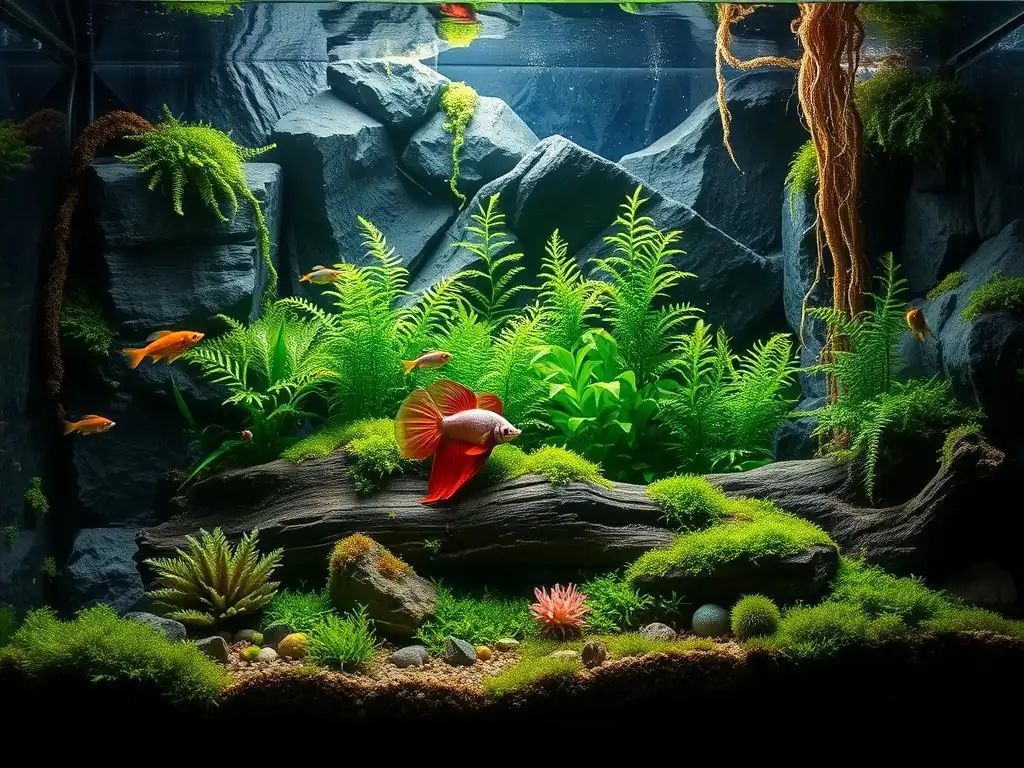
Ever wondered how to create an aquarium that truly captures the beauty and balance of a natural ecosystem? Dive into our Biotope Aquarium Setup Guide and unlock the secrets to crafting an authentic and thriving aquatic world. Intrigued? Let's explore the art of biotope aquariums together and discover how mirroring nature can revolutionize your aquascaping journey!
- Understanding Biotope Aquariums: A Comprehensive Guide
- Biotope Aquarium Setup Guide: Step-by-Step Research
-
Creating a Thriving Biotope Aquarium: Beyond the Setup
- Maintaining Water Quality: Regular Testing and Water Changes for Biotope Stability
- Biotope-Specific Feeding Strategies: Providing a Natural Diet for Your Aquarium Inhabitants
- Lighting Considerations for Plant Growth and Fish Health in a Biotope Aquarium
- Monitoring and Adapting: Adjusting Your Setup Based on Observation and Research
- Biotope Aquarium Examples: Inspiration and Case Studies
- Troubleshooting Common Biotope Aquarium Issues
- Advanced Biotope Techniques: Elevating Your Aquarium to the Next Level
-
Frequently Asked Questions
- What is a biotope aquarium and why is it important to research before setting one up?
- How does a biotope aquarium differ from a general community aquarium?
- What are some key elements to consider when researching a biotope for aquarium replication?
- Where can I find reliable information for researching a specific biotope?
- What are some potential challenges in maintaining a biotope aquarium?
- Final Reflection: Cultivating Miniature Ecosystems
- Craft Your Dream Biotope: Dive Deeper!
Understanding Biotope Aquariums: A Comprehensive Guide
What is a Biotope Aquarium? Defining the Concept
A biotope aquarium is a specialized type of aquatic setup designed to replicate a specific natural habitat from a particular geographical region. Unlike a general community tank, which might mix fish and plants from various continents, a biotope focuses on authenticity, aiming to mimic the precise environmental conditions, flora, and fauna found in a particular river, lake, or stream segment.
This includes replicating the water chemistry, substrate, hardscape (rocks, wood), and plant species, as well as housing only fish and invertebrate species native to that exact location. The goal is to create a self-sustaining ecosystem that not only looks natural but also provides the ideal living conditions for its inhabitants, fostering natural behaviors and promoting long-term health.
The concept extends beyond mere aesthetics; it's an educational endeavor that deepens an aquarist's understanding of aquatic ecology. For example, a biotope might represent a slow-moving backwater of the Amazon, characterized by soft, acidic blackwater, leaf litter, and submerged roots, housing fish like cardinal tetras ( Paracheirodon axelrodi) and discus ( Symphysodon spp.). Alternatively, it could be a rocky shoreline of Lake Tanganyika, featuring hard, alkaline water, limestone formations, and a specific array of cichlids. The meticulous research required for a successful biotope aquarium setup guide ensures that every element contributes to a cohesive and accurate representation of nature.
Why Choose a Biotope Aquarium Setup? Benefits and Considerations
Opting for a biotope aquarium setup offers numerous advantages, primarily centered around the well-being of the aquatic inhabitants and the unique aesthetic appeal. Fish and plants thrive when their specific environmental needs are met, leading to vibrant coloration, natural breeding behaviors, and reduced stress.
For instance, a species like the German Blue Ram ( Mikrogeophagus ramirezi) will display its best colors and engage in complex social interactions when housed in a soft, acidic biotope resembling its native Orinoco basin, rather than in a general community tank with incompatible water parameters. This specialized approach ensures that the biotope aquarium setup guide you follow leads to a truly flourishing ecosystem.
Beyond the biological benefits, a biotope aquarium presents a visually stunning and educational display. It tells a story of a specific place on Earth, inviting observers to appreciate the intricate relationships between organisms and their environment.
While the initial research and sourcing of authentic materials can be more demanding than a conventional tank, the reward is a stable, self-regulating system that requires less intervention in the long run once established. Considerations include the availability of specific species and materials, as some biotope-correct elements might be harder to source, and the commitment to maintaining the precise water parameters unique to the chosen habitat.
Biotope Aquarium Setup Guide: Step-by-Step Research
Phase 1: Selecting Your Biotope - Geographical Location and Ecosystem
Identifying Potential Biotope Regions: From Rio Negro to Lake Tanganyika
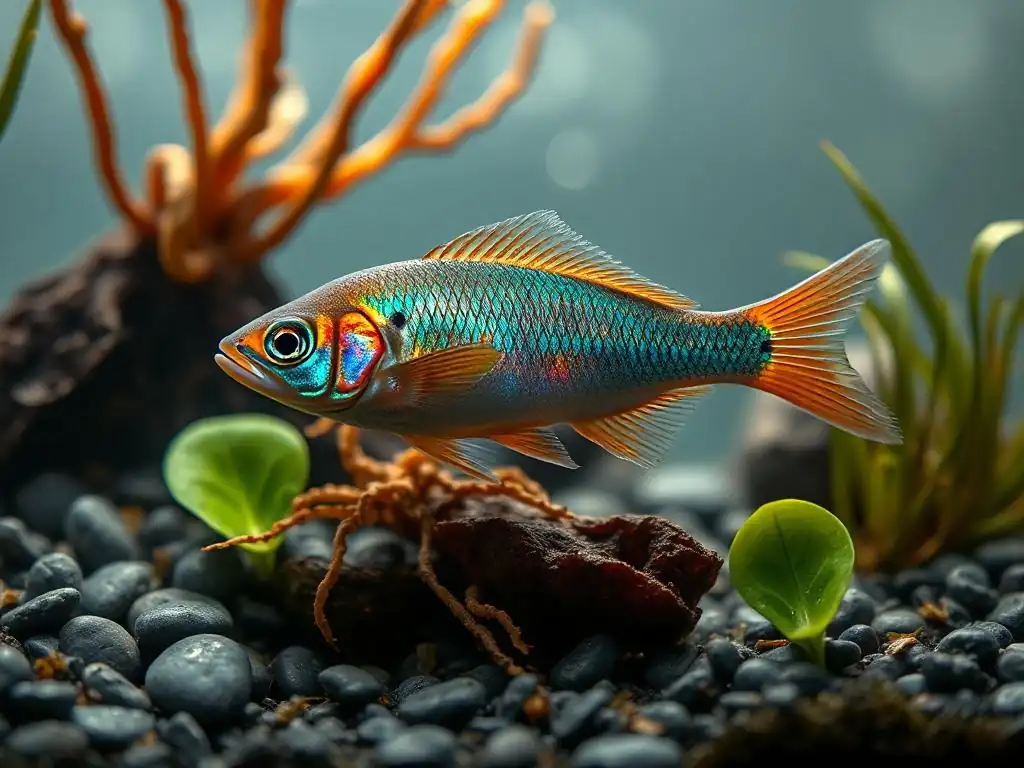
The first critical step in any biotope aquarium setup guide is to identify potential geographical regions that captivate your interest. The world's aquatic environments offer an astonishing diversity, ranging from the vast, interconnected river systems of the Amazon and Congo basins to isolated, ancient lakes like Tanganyika and Malawi, or even smaller, distinct streams in Southeast Asia. Each region boasts unique water chemistry, geological formations, and a specific array of flora and fauna.
For example, the Rio Negro, a major tributary of the Amazon, is renowned for its extremely soft (GH 0-2 dGH), acidic (pH 4.5-6.0) blackwater conditions, rich in tannins from decaying leaf litter. This environment is home to iconic species like cardinal tetras and discus.
In stark contrast, Lake Tanganyika in East Africa is one of the oldest and deepest freshwater lakes, characterized by hard (GH 10-18 dGH), alkaline (pH 7.8-9.0) water and a predominantly rocky substrate. Its unique evolution has led to an incredible diversity of endemic cichlid species, such as the shell-dwelling Neolamprologus multifasciatus or the rock-dwelling Tropheus species, which thrive in these specific conditions.
Other popular choices include the peat swamps of Borneo, with their extremely dark, acidic water, or the clear, fast-flowing streams of Southeast Asia, which might feature smooth river stones and Cryptocoryne plants. Your initial broad selection should be driven by personal interest and the visual appeal of the ecosystem.
Narrowing Your Focus: Species Availability and Tank Size Considerations
Once you have identified a few potential biotope regions, the next step in this biotope aquarium setup guide is to narrow your focus to a specific sub-habitat or even a micro-environment within that region. This process is heavily influenced by two practical considerations: the availability of the desired fish and plant species, and the size of your aquarium.
For instance, while the Amazon basin is vast, replicating a specific flooded forest section might require Pterophyllum scalare (Angelfish) and specific Echinodorus species, which are generally available. However, attempting to replicate a deep-water section of Lake Malawi might pose challenges if specific endemic cichlid species are rare in the aquarium trade.
Similarly, tank size dictates what you can realistically achieve. A 20-gallon long tank (approximately 75 liters) might be perfect for a small South American stream biotope focusing on a school of Otocinclus catfish and a pair of Apistogramma dwarf cichlids, along with Anubias barteri attached to driftwood.
However, replicating a large, open-water African Rift Lake biotope for adult Frontosa cichlids (which can reach 30-38 cm or 12-15 inches) would necessitate a tank of 180 gallons (approximately 680 liters) or more. Researching the adult size and social behaviors of target species is crucial to ensure they will thrive in the chosen tank volume, preventing overcrowding and stress.
Phase 2: In-Depth Biotope Research - Mimicking Nature's Details
Analyzing Water Parameters: pH, GH, KH, and Temperature for Your Chosen Biotope
Accurately replicating the water parameters is paramount for a successful biotope aquarium setup guide. Each natural habitat possesses a unique chemical signature that dictates which species can survive and thrive there. Key parameters to research include pH (acidity/alkalinity), GH (General Hardness, indicating mineral content like calcium and magnesium), KH (Carbonate Hardness, buffering capacity), and temperature.
For example, a biotope representing a blackwater stream in the Peruvian Amazon might have an extremely low pH of 4.5-6.0, negligible GH and KH (0-2 dGH), and a warm temperature range of 26-30°C (79-86°F). This starkly contrasts with a Lake Malawi biotope, which typically demands a pH of 7.8-8.6, high GH and KH (10-20 dGH), and a temperature of 23-28°C (73-82°F).
Gathering this precise data requires consulting scientific papers, ecological studies, and reputable aquatic forums or databases. Websites dedicated to specific regional fish species often provide detailed habitat information, including exact water parameters measured in the wild. Understanding these values allows you to plan how to achieve and maintain them in your aquarium, whether through the use of reverse osmosis (RO) water, specific buffering agents, or natural additives like peat and driftwood to lower pH and hardness, or crushed coral and limestone to raise them. Consistency is key, as fluctuating parameters can be detrimental to delicate biotope inhabitants.
Studying Natural Habitats: Substrate, Hardscape, and Plant Life
The aesthetic and functional backbone of any biotope aquarium lies in its substrate, hardscape, and plant life, all of which must accurately reflect the chosen natural environment. Researching the geological composition of your chosen biotope is essential. Is the riverbed composed of fine, silty sand, or large, smooth river stones?
Are there abundant fallen branches and roots, or is it dominated by rocky outcrops? For instance, a biotope of the Rio Xingu in Brazil would feature smooth, rounded river stones and large pieces of driftwood, mimicking its rocky, fast-flowing nature. In contrast, a Southeast Asian swamp biotope might use fine, dark sand and significant amounts of leaf litter from species like Terminalia catappa (Indian Almond) leaves.
Plant life is equally crucial. While some biotopes are naturally devoid of aquatic plants (e.g., certain open-water Lake Tanganyika zones), many are rich in specific species. Researching the native aquatic and riparian (bank-dwelling) plants that naturally occur in your chosen area will guide your selection.
For example, an Amazonian biotope might feature Echinodorus species (Swordplants), Cabomba species, or Nymphaea (Water Lilies). A West African biotope could include Anubias and Bolbitis species, typically growing on wood or rocks. The key is to select plants that not only are native but also thrive under the specific water parameters and lighting conditions you plan to replicate, ensuring a cohesive and authentic biotope aquarium setup guide.
Identifying Native Fish Species and Invertebrates: Compatibility and Biotope Accuracy
The final, and perhaps most exciting, aspect of in-depth biotope research is identifying the native fish species and invertebrates that inhabit your chosen location. This step goes beyond simply knowing which species are found in a broad region; it requires pinpointing those specifically associated with the micro-habitat you are replicating. For example, if you're creating a shallow, heavily vegetated side-channel biotope of the Peruvian Amazon, you might consider species like Nannostomus eques (Hatchetfishes), Hyphessobrycon herbertaxelrodi (Black Neon Tetras), and Corydoras sterbai (Sterba's Corydoras). These species often coexist naturally and have similar environmental requirements.
Crucially, research must also focus on species compatibility. Even if two species are native to the same biotope, they might occupy different ecological niches or exhibit aggressive behaviors towards each other in a confined aquarium environment. For instance, while both Pterophyllum scalare (Angelfish) and Symphysodon (Discus) are Amazonian, keeping them together in a smaller tank might lead to issues due to their differing temperaments and feeding speeds.
Similarly, researching native invertebrates like snails ( Neritina spp. for some Asian streams) or shrimp ( Caridina spp. for some Asian rivers) can add authenticity and functional benefits (e.g., algae control, detritus consumption) to your biotope aquarium setup guide.
Phase 3: Sourcing Authentic Biotope Elements - Recreating the Natural Environment
Selecting Appropriate Substrate: Gravel, Sand, and Soil Mixtures for Your Biotope
The substrate forms the very foundation of your biotope aquarium, not only influencing its visual authenticity but also playing a crucial role in water chemistry and plant health. Based on your research, select a substrate that accurately mimics the natural environment. For a blackwater Amazonian biotope, a fine, dark, inert sand (e.g., silica sand or specialized aquarium sand) is ideal, often combined with a layer of leaf litter (Indian almond leaves, oak leaves) to release tannins and mimic the natural detritus. This helps maintain the low pH and soft water conditions.
In contrast, a Lake Tanganyika biotope would require an alkaline-buffering substrate, such as crushed coral, aragonite sand, or specialized African cichlid mixes, which help maintain the high pH (7.8-9.6) and hardness characteristic of the lake. For a clear, fast-flowing Asian stream, smooth, rounded river pebbles or a mix of various grain sands might be appropriate.
Avoid substrates that are dyed or coated, as these can leach chemicals or appear unnatural. The chosen substrate should facilitate the specific needs of your plants and fish, such as fine sand for burrowing Corydoras or larger gravel for certain cichlids that sift through it.
Choosing Hardscape Materials: Rocks, Wood, and Root Systems Native to Your Biotope
Hardscape elements—rocks, wood, and root systems—are essential for creating the structural integrity and visual appeal of a biotope, while also providing crucial hiding spots and territorial markers for fish. The selection of these materials must be guided by your biotope research. For an Amazonian or Southeast Asian biotope, various types of driftwood (e.g., Mopani wood, Malaysian driftwood, spiderwood) are excellent choices, as they often release tannins, contributing to the desired blackwater effect and providing natural anchorage for plants like Anubias or Java Fern. Ensure any wood is aquarium-safe and properly leached to prevent excessive discoloration.
For an African Rift Lake biotope, limestone, lava rock, or other inert, non-toxic rocks that will not alter water chemistry drastically are preferred. These rocks can be stacked to create intricate cave systems, replicating the rocky shorelines where cichlids establish territories. Always ensure that the hardscape is stable and securely placed to prevent collapses, especially in tanks with large or boisterous fish. The arrangement should not only be aesthetically pleasing but also functional, providing appropriate shelter and visual barriers that mimic the natural environment of your chosen biotope.
Sourcing Biotope-Correct Plants: Aquatic and Riparian Species for an Authentic Look
The selection of plants is critical for completing the authentic look and ecological balance of your biotope. Based on your detailed research, identify aquatic and, if applicable, riparian (bank-side) plant species that naturally occur in your chosen biotope. For an Amazonian biotope, you might look for Echinodorus species (like E. bleheri or E. ozelot), Cabomba caroliniana, or Hydrocotyle leucocephala. These plants thrive in soft, acidic water and provide natural cover.
For a Southeast Asian stream, Cryptocoryne species ( C. wendtii, C. undulata) are often excellent choices, as are various Blyxa species or Rotala rotundifolia. If your biotope includes an emersed section (above water), consider plants like Pothos or Syngonium if they are native to the region and can tolerate the high humidity.
It's crucial to ensure that the chosen plants are not only biotope-correct but also compatible with your tank's water parameters, lighting, and substrate. Always source plants from reputable suppliers to minimize the risk of introducing pests or diseases, ensuring a healthy start for your biotope aquarium setup guide.
Finding Compatible Fish Species: Ethical Considerations and Sustainable Sourcing
The final, living components of your biotope are the fish and invertebrate species. After thorough research on native species and their compatibility, the next challenge is ethically and sustainably sourcing them. Prioritize reputable local fish stores or online breeders who can provide information about the origin of their stock. Whenever possible, choose captive-bred fish over wild-caught specimens, as they are often hardier, less prone to disease, and their collection does not impact wild populations. This aligns with responsible aquarium keeping and contributes to the long-term sustainability of the hobby.
For specific biotope examples, if you are creating an Amazonian blackwater setup, common choices like Cardinal Tetras ( Paracheirodon axelrodi) are widely available captive-bred. For a Lake Tanganyika biotope, many popular cichlid species like Neolamprologus brichardi or Julidochromis regani are also bred in captivity. If a species is only available wild-caught, research its collection methods to ensure they are sustainable and do not involve destructive practices. Always quarantine new fish for at least 2-4 weeks in a separate tank before introducing them to your established biotope to prevent the spread of diseases, safeguarding your meticulously crafted ecosystem.
Creating a Thriving Biotope Aquarium: Beyond the Setup
Maintaining Water Quality: Regular Testing and Water Changes for Biotope Stability
Maintaining impeccable water quality is paramount for the long-term success and stability of any biotope aquarium. This involves a consistent schedule of water testing and regular water changes. Weekly or bi-weekly testing of key parameters such as pH, GH, KH, ammonia, nitrite, and nitrate is crucial to ensure they remain within the specific ranges required by your chosen biotope. For instance, a South American blackwater biotope demands a pH typically between 5.5 and 6.5, with nitrates ideally below 10 ppm. Deviations can quickly stress fish and lead to health issues.
Regular water changes, typically 20-30% weekly or bi-weekly depending on stocking levels and bioload, are essential for removing accumulated nitrates and replenishing vital trace elements. For a very specific biotope, you might need to prepare the new water to match the exact parameters of the tank, using RO water remineralized to the target GH/KH or adding specific buffers. Ensuring the new water's temperature is consistent with the tank's prevents temperature shock. This diligent maintenance routine is a cornerstone of a successful biotope aquarium setup guide, preventing common issues and promoting a healthy environment.
Biotope-Specific Feeding Strategies: Providing a Natural Diet for Your Aquarium Inhabitants
Feeding strategies in a biotope aquarium should mirror the natural diets of your chosen fish and invertebrates as closely as possible, promoting optimal health and natural behaviors. Researching the specific feeding habits of each species in the wild is crucial. For example, many Amazonian characins, like the Neon Tetra ( Paracheirodon innesi), are omnivores, feeding on small invertebrates, algae, and detritus in their natural habitat. Therefore, a varied diet of high-quality flakes, small pellets, and occasional live or frozen foods like daphnia, bloodworms, or brine shrimp would be appropriate.
In contrast, many African cichlids from Lake Malawi are specialized feeders. Mbuna cichlids, for instance, are primarily herbivorous, grazing on algae from rocks. Feeding them high-protein, meat-based foods can lead to "Malawi bloat," a fatal digestive issue. Their diet should consist mainly of spirulina flakes, vegetable pellets, and blanched vegetables. Similarly, detritivores like Corydoras catfish benefit from sinking pellets and occasional live foods that mimic their foraging in the substrate. Overfeeding should always be avoided, as it leads to poor water quality and potential health problems, undermining the careful planning of your biotope aquarium setup guide.
Lighting Considerations for Plant Growth and Fish Health in a Biotope Aquarium
Lighting in a biotope aquarium serves dual purposes: promoting the healthy growth of biotope-correct plants and influencing the behavior and coloration of fish. The intensity, spectrum, and duration of lighting should accurately replicate the conditions of the natural habitat. For a heavily planted, clear-water biotope from a sun-drenched river, high-intensity LED lighting with a full spectrum might be necessary to support demanding plant species like Echinodorus or Rotala. A photoperiod of 8-10 hours per day is generally suitable for most planted tanks.
Conversely, a blackwater biotope, which by definition has very low light penetration due to tannins and dissolved organic matter, requires much lower intensity lighting. Overly bright lighting in such a setup can stress fish that are accustomed to dim conditions and encourage excessive algae growth. Fish like Discus or Angelfish, native to dimly lit waters, will display their best colors and behaviors under subdued lighting. Some lighting systems offer programmable features to simulate dawn and dusk, further enhancing the natural feel of the biotope. The specific lighting choices directly impact the success of your biotope aquarium setup guide.
Monitoring and Adapting: Adjusting Your Setup Based on Observation and Research
A biotope aquarium is a dynamic ecosystem, and continuous monitoring and adaptation are essential for its long-term success. Regular observation of your fish, plants, and overall tank health can provide early warnings of potential issues. Are the fish displaying natural behaviors, vibrant colors, and healthy appetites? Are plants showing signs of nutrient deficiencies or excessive algae growth? Changes in fish behavior, such as lethargy, clamped fins, or rapid breathing, often indicate declining water quality or disease.
Based on these observations and ongoing research, you may need to make adjustments. This could involve fine-tuning your feeding regimen, increasing or decreasing water change frequency, adjusting lighting duration or intensity, or even modifying the hardscape if it's not providing adequate shelter or territorial boundaries. For instance, if your water parameters consistently drift from the target range, you might need to adjust your remineralization process or introduce additional buffering agents. The iterative process of monitoring, assessing, and adapting ensures that your biotope aquarium remains a thriving, authentic representation of its natural counterpart.
Biotope Aquarium Examples: Inspiration and Case Studies
The Amazon River Biotope: Echinodorus bleheri and Cardinal Tetra
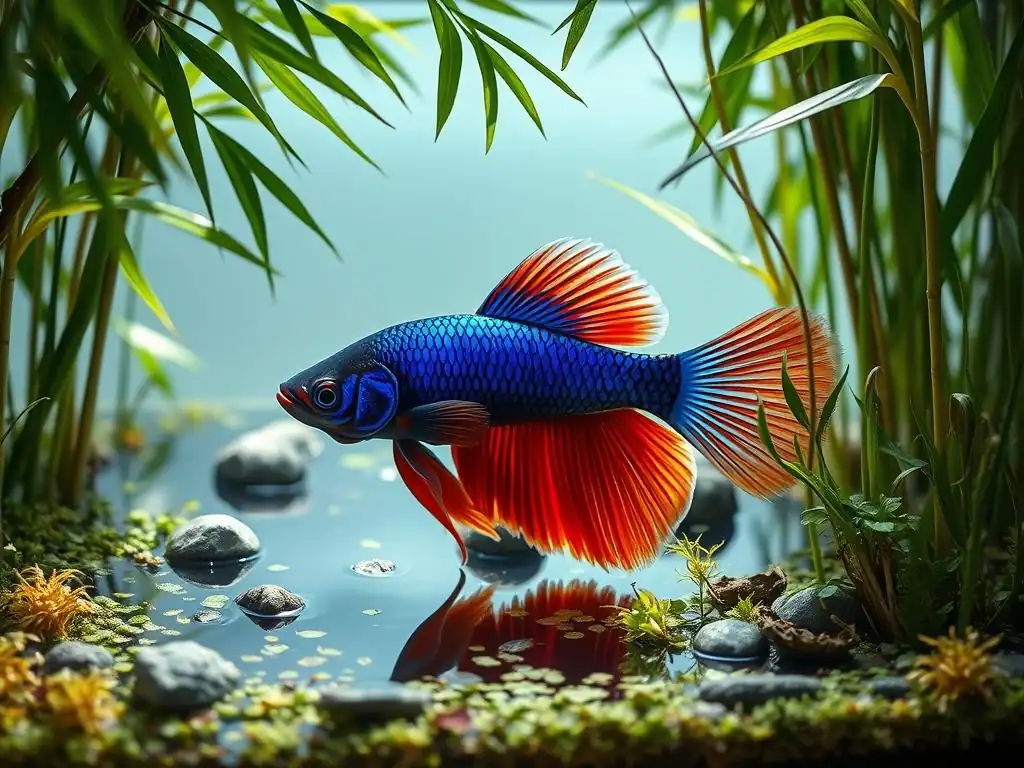
A classic and highly popular biotope choice is the Amazon River, particularly a blackwater tributary or flooded forest edge. Such a biotope typically features extremely soft water (GH 0-3 dGH), acidic pH (4.5-6.5), and a warm temperature range of 25-29°C (77-84°F). The substrate would be fine, dark sand, often covered with a thick layer of leaf litter (e.g., dried oak or Indian almond leaves) to release tannins, giving the water a characteristic tea-stained appearance. Large pieces of driftwood and submerged roots are essential hardscape elements, providing hiding spots and creating intricate structures.
Key plant species commonly found in these areas include Echinodorus bleheri (Amazon Sword), Cabomba aquatica, and various Nymphaea species (water lilies). For fish, the Cardinal Tetra ( Paracheirodon axelrodi) is an iconic choice, thriving in these conditions and displaying their brilliant colors. Other compatible species include Discus ( Symphysodon spp. ), Angelfish ( Pterophyllum scalare), various Corydoras catfish ( C. sterbai, C. aeneus), and Dwarf Cichlids ( Apistogramma spp.). This biotope exemplifies how specific water chemistry and physical elements create a perfect habitat for a diverse array of species, making it an ideal biotope aquarium setup guide example.
The African Rift Lake Biotope: Vallisneria nana and Neolamprologus multifasciatus
The African Rift Lakes, particularly Lake Tanganyika, offer a stark contrast to the Amazonian biotope, with their hard, alkaline water (pH 7.8-9.0, GH 10-20 dGH) and stable temperatures of 23-28°C (73-82°F). The substrate typically consists of fine, calcareous sand or crushed coral, which helps maintain the high pH. The hardscape is dominated by large rock formations, creating extensive caves and crevices that mimic the rocky shorelines where many endemic cichlids reside. Minimal plant life is usually present, often limited to hardy species that can tolerate the high pH and grazing cichlids.
One common plant found in the sandy zones is Vallisneria nana, which can form dense stands. The fish selection is almost exclusively cichlids, with shell-dwelling species like Neolamprologus multifasciatus (Multies) being a popular choice. These tiny cichlids famously use empty snail shells for shelter and breeding. Other examples include rock-dwelling Julidochromis species or Neolamprologus brichardi (Fairy Cichlids). This biotope showcases the importance of high mineral content and specific rock formations for species adapted to unique lacustrine environments, providing a distinct path for a biotope aquarium setup guide.
The Southeast Asian Stream Biotope: Cryptocoryne wendtii and Harlequin Rasbora
A Southeast Asian stream biotope often replicates the clear or slightly murky, slow-moving waters found in regions like Thailand, Malaysia, or Indonesia. Water parameters are typically neutral to slightly acidic (pH 6.5-7.5), with soft to moderate hardness (GH 4-10 dGH), and temperatures ranging from 24-28°C (75-82°F). The substrate usually consists of fine to medium-grain sand or small, smooth river pebbles, often interspersed with leaf litter and submerged branches.
Common plant species in these biotopes include various Cryptocoryne species, such as Cryptocoryne wendtii (often in its various color forms) and Cryptocoryne undulata, which thrive in subdued lighting and a nutrient-rich substrate. Other plants like Hygrophila corymbosa or Rotala rotundifolia might also be present. The Harlequin Rasbora ( Trigonostigma heteromorpha) is an excellent representative fish species, known for its schooling behavior and vibrant orange-pink coloration.
Other compatible species include Puntius conchonius (Rosy Barbs), Kuhli Loaches ( Pangio kuhlii), and various Danio species. This biotope offers a balance of plants and fish, providing a visually appealing and biologically accurate biotope aquarium setup guide.
Troubleshooting Common Biotope Aquarium Issues
Algae Control in Biotope Aquariums: Natural and Effective Methods
Algae outbreaks are a common frustration in any aquarium, including biotopes. However, in a biotope aquarium, the focus is on natural and effective methods that align with the ecosystem's integrity. Excessive algae often indicates an imbalance, typically too much light, too many nutrients (nitrates/phosphates), or inconsistent water parameters. For example, a sudden bloom of green spot algae might point to low phosphate levels or insufficient CO2 for plants, while hair algae often signals excess nutrients.
To naturally control algae, first ensure your lighting photoperiod is appropriate (8-10 hours maximum) and intensity is not excessive for your biotope type. Second, maintain strict water change schedules to control nitrates and phosphates. Third, introduce biotope-correct algae-eating inhabitants, such as Otocinclus catfish for Amazonian setups, or certain Ancistrus species. For Southeast Asian streams, Neritina snails can be effective. Manual removal of algae during maintenance is also crucial. Avoid chemical algae removers, as they can harm sensitive fish and plants, disrupting the delicate balance of your biotope aquarium setup guide.
Maintaining Water Clarity: Addressing Cloudiness and Discoloration
Water clarity is a key indicator of a healthy biotope. Cloudiness and discoloration can stem from various sources, each requiring a specific approach. Bacterial blooms, often appearing as milky cloudiness, usually occur in new tanks during cycling or in established tanks after a large organic load (e.g., overfeeding, decaying matter). The best remedy is diligent water changes, reduced feeding, and ensuring good filtration. Fine particulate matter can cause haziness; this often requires mechanical filtration with fine filter floss or a water clarifier (used cautiously).
Discoloration, particularly a yellow or brown tint, is common and often desirable in blackwater biotopes due to tannins released from driftwood and leaf litter. If this is not the desired effect, activated carbon in the filter can absorb tannins, though it will need regular replacement. Green water, on the other hand, is caused by a bloom of suspended algae, typically due to excessive light and nutrients.
Addressing this involves reducing light, increasing water changes, and sometimes adding a UV sterilizer (though this should be a last resort to maintain the natural integrity of the biotope). Consistent water quality management is key to preventing these issues in your biotope aquarium setup guide.
Preventing and Treating Fish Diseases in a Biotope Environment
Preventing fish diseases is paramount in a biotope aquarium, as the goal is to create a self-sustaining, healthy ecosystem. The best prevention strategies involve maintaining stable, biotope-correct water parameters, providing a varied and appropriate diet, avoiding overstocking, and minimizing stress for the fish. A robust quarantine protocol for all new fish (2-4 weeks in a separate tank) is perhaps the most critical preventative measure, preventing the introduction of pathogens into your main biotope.
Despite best efforts, diseases can sometimes occur. Early detection is vital. Observe fish daily for signs like lethargy, clamped fins, white spots (Ich), frayed fins, or unusual growths. When disease is suspected, try to identify the specific ailment.
Many common diseases can be treated with specific aquarium medications, but always research their compatibility with your specific fish species and plants, as some medications can be harmful to invertebrates or sensitive fish. For a biotope, consider natural remedies first, such as increasing water changes, raising temperature slightly (for Ich), or adding aquarium salt (for some external parasites, but check compatibility with sensitive species like Corydoras). Maintaining optimal conditions is the best defense in any biotope aquarium setup guide.
Advanced Biotope Techniques: Elevating Your Aquarium to the Next Level
Creating a Blackwater Biotope: Replicating the Unique Conditions of Tannin-Rich Environments
Creating a blackwater biotope is an advanced technique that truly elevates the authenticity of your setup by replicating the unique conditions of tannin-rich environments found in many parts of the Amazon, Orinoco, and Southeast Asia. These biotopes are characterized by their dark, tea-stained water, extremely soft (GH 0-2 dGH) and acidic (pH 4.5-6.5) conditions, and often minimal plant life due to low light penetration. The key to achieving this is the judicious use of organic materials that release humic substances and tannins.
Large quantities of driftwood, such as Malaysian wood or Mopani wood, are essential, as they slowly leach tannins over time. Indian almond leaves ( Terminalia catappa), oak leaves, and alder cones are also vital additions, forming a natural layer of leaf litter on the substrate.
These organic materials not only stain the water but also contribute to lowering the pH and GH, creating the ideal chemical environment for blackwater fish like Discus, Cardinal Tetras, and various Apistogramma species. Regular replacement of leaf litter is necessary to maintain the desired water color and chemistry, making this a specific challenge within a biotope aquarium setup guide.
Simulating Seasonal Changes: Mimicking Natural Fluctuations in Temperature and Water Level
For the truly dedicated aquarist, simulating seasonal changes can further enhance the biotope's authenticity and even trigger natural behaviors like spawning. In many tropical regions, wet and dry seasons significantly impact water levels, temperature, and water chemistry. For example, a "floodplain" biotope could involve periodically raising and lowering the water level in the tank, mimicking the expansion and contraction of floodwaters. This can encourage breeding in species like Nannostomus (Pencilfish) or Apistogramma.
Temperature fluctuations, while generally kept stable in most aquariums, can also be subtly mimicked. A slight drop in temperature (1-2°C) might simulate the onset of a cooler season, potentially triggering spawning in certain species. However, any such changes must be gradual and carefully monitored to avoid stressing the fish. For biotopes with distinct wet/dry cycles, introducing a "rainy season" effect through a spray bar or gentle misting can simulate rainfall, often prompting fish to spawn. This advanced technique requires meticulous planning and observation, pushing the boundaries of a typical biotope aquarium setup guide.
Capturing the Subtleties: Adding Fine Details for a Truly Authentic Biotope Experience
Beyond the major elements, capturing the subtle, fine details is what truly elevates a biotope to an immersive experience. This involves paying attention to the often-overlooked elements that contribute to the natural feel of an ecosystem. For instance, incorporating small, naturally occurring detritus like seed pods (e.g., from Sterculia foetida or Cariniana legalis for Amazonian setups) can add to the authenticity of a blackwater biotope, providing additional hiding spots and a food source for micro-organisms.
The placement of hardscape should appear random and natural, not arranged. Consider the flow patterns of water in the natural habitat and how they might shape the substrate or distribute leaf litter. Even the choice of lighting can be subtle; using moonlight settings or simulating dappled light filtering through a canopy can enhance the realism.
For African Rift Lake biotopes, scattering empty snail shells (cleaned and aquarium-safe) adds a layer of realism for shell-dwelling cichlids. These minor, yet impactful, additions demonstrate a deep understanding of the chosen environment and result in a truly authentic and captivating biotope aquarium setup guide.
Frequently Asked Questions
What is a biotope aquarium and why is it important to research before setting one up?
A biotope aquarium attempts to replicate a specific natural environment, including its water parameters, inhabitants, and decor. Research is crucial to ensure authenticity and the well-being of the selected species by providing the correct living conditions.
How does a biotope aquarium differ from a general community aquarium?
Unlike community tanks that mix species from various regions, a biotope aquarium focuses on a single, geographically defined ecosystem. This means inhabitants, plants, and hardscape all originate from the same natural location.
What are some key elements to consider when researching a biotope for aquarium replication?
Key research areas include water chemistry (pH, hardness, temperature), substrate composition, plant and animal species found in the area, and the natural light conditions.
Where can I find reliable information for researching a specific biotope?
Look for scientific journals, field guides, geographic surveys, aquatic ecology resources, and reputable online forums dedicated to specific biotope types. AquariumMastery.com offers guidance as well.
What are some potential challenges in maintaining a biotope aquarium?
Maintaining specific water parameters and sourcing appropriate species and materials can be challenging. You may also encounter difficulties in replicating the complex ecological interactions found in nature.
Final Reflection: Cultivating Miniature Ecosystems
The journey of creating a biotope aquarium, as we've explored, is more than just assembling plants and fish; it's about understanding and replicating the intricate web of life found in a specific natural environment. This pursuit of authenticity, of mirroring nature's design, resonates deeply in a world increasingly disconnected from the wild. It reminds us that even within the confines of a glass box, we can foster a thriving ecosystem, a microcosm of the planet's incredible biodiversity.
This endeavor extends beyond the technical aspects of water chemistry and species selection. It's about fostering a deeper appreciation for the delicate balance of nature and our role in its preservation. The act of researching and recreating a biotope is, in essence, an act of conservation, a tangible connection to a specific place and its inhabitants. In every walk with nature, one receives far more than he seeks.
- John Muir. This quote perfectly encapsulates the profound rewards of immersing ourselves in the study and replication of natural environments, even on a small scale.
Now, consider the lessons learned in this guide. Think about the dedication required to truly understand a biotope, the patience needed to nurture its inhabitants, and the responsibility that comes with recreating a piece of the natural world. We invite you to apply this same level of care and attention to detail in all aspects of your life, fostering a deeper connection with the environment and contributing to a more sustainable future, one carefully curated ecosystem at a time.
Craft Your Dream Biotope: Dive Deeper!
Thank you for exploring the fascinating world of biotope aquariums! We hope this article has sparked your imagination and provided a solid foundation for your next aquatic adventure. Now, let's turn that inspiration into action!
Here are a few ways to continue your journey:
- Embark on a focused research mission: Identify one specific biotope you're genuinely passionate about, and dedicate a week to gathering detailed information about its inhabitants, water parameters, and characteristic flora and fauna.
- Share your biotope vision: Post your ideal biotope setup idea, including chosen species and hardscape plans, on relevant aquarium forums or social media groups to gather feedback and inspiration from fellow enthusiasts.
- Connect with local experts: Reach out to local aquarium clubs or stores specializing in natural aquariums to network and learn from experienced biotope keepers in your area.
Ready to start planning your own unique biotope paradise? What specific ecological niche intrigues you the most, and what's the first plant or fish you'd want to include in your setup?