
Hybrid Lighting Systems: The Best of All Worlds for Your Demanding SPS Corals?

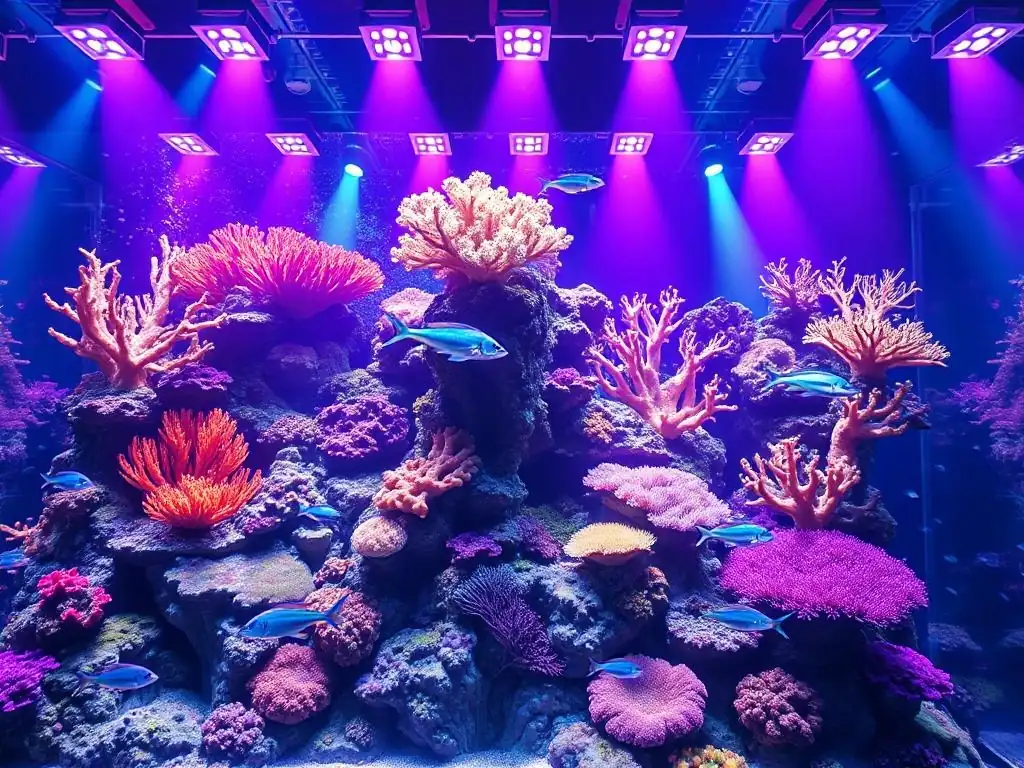
Welcome to Aquarium Mastery!
Curious about achieving vibrant colors and explosive growth in your SPS corals? You've come to the right place. Dive in as we explore the secrets behind the SPS coral hybrid lighting setup – a powerful technique that could unlock the full potential of your reef tank. Prepare to discover how combining different lighting technologies can create the perfect environment for even the most demanding SPS corals. Ready to illuminate your reefing journey?
- Hybrid Lighting Systems for SPS Corals
- Understanding SPS Coral Lighting Needs
- Defining Hybrid Lighting
- Benefits of Hybrid Lighting
- Components of a Hybrid System
- Setting Up a Hybrid System
- Fine-Tuning the Lighting Setup
- Maintaining the Lighting System
- Troubleshooting Common Problems
- Case Studies of Successful Hybrid Lighting Setups
- Considerations for Choosing a Hybrid System
- Advanced Techniques
-
Frequently Asked Questions
- What exactly is a "hybrid lighting setup" in the context of SPS corals?
- Why are SPS corals considered "demanding" when it comes to lighting?
- What are the potential benefits of using a hybrid lighting system over a single type of lighting for SPS corals?
- How do I determine the appropriate intensity and spectrum for my SPS coral hybrid lighting setup?
- What are some common mistakes to avoid when setting up a hybrid lighting system for SPS corals?
- Final Reflection: Illuminating the Future of Reef Keeping
- Ignite Your Reef: Cultivate SPS Brilliance Now!
Hybrid Lighting Systems for SPS Corals
Understanding SPS Coral Lighting Needs
The Role of Light Spectrum and Intensity
Light is the cornerstone of health and vitality for Small Polyp Stony (SPS) corals, serving as the primary energy source for their symbiotic zooxanthellae algae through photosynthesis. The quality of light is typically measured in two key aspects: Photosynthetically Active Radiation (PAR) and spectrum. PAR quantifies the amount of light available for photosynthesis, with demanding SPS corals thriving in environments delivering 250-450 PAR at the coral's tissue, though some high-light species can tolerate up to 600 PAR. Insufficient PAR leads to browning or fading, while excessive PAR can cause bleaching.
Beyond intensity, the spectrum, or color of light, is equally crucial. Zooxanthellae primarily utilize blue wavelengths (around 450-470nm) and some red wavelengths (around 650-670nm) for photosynthesis. Blue light also plays a significant role in enhancing the fluorescence of many SPS corals, making their vibrant colors "pop." A balanced spectrum, encompassing royal blue, blue, cool white, and often hints of red, green, and UV, is essential for both robust growth and optimal coloration, ensuring the coral receives the specific energy it needs.
Lighting Options for SPS Corals
Historically, aquarists relied on Metal Halide (MH) lamps for their intensity and deep penetration, providing the high PAR necessary for SPS corals. However, MH lights generate significant heat, consume substantial energy, and have a limited bulb lifespan. T5 Fluorescent lamps emerged as a popular alternative, offering excellent color rendition, broad, even light spread, and lower heat output compared to MH. Yet, T5s lack the granular control over intensity and spectrum that many advanced aquarists desire, and their bulbs require replacement every 6-12 months.
Light Emitting Diodes (LEDs) represent the modern frontier, offering unparalleled control over intensity, spectrum, and photoperiod, along with impressive energy efficiency and longevity. However, LEDs are point-source emitters, which can lead to "hot spots," shadowing, and less uniform light distribution across a wide reef tank, potentially hindering the even growth of large SPS colonies. Each lighting type possesses distinct advantages and disadvantages, highlighting the challenge of achieving the ideal environment for demanding SPS corals with a single technology.
Defining Hybrid Lighting
Combining Lighting Technologies
A hybrid lighting system for reef aquariums represents a sophisticated approach that strategically combines two or more distinct lighting technologies to leverage their individual strengths while mitigating their weaknesses. For SPS corals, the most prevalent and effective hybrid system pairs the precision and intensity of Light Emitting Diodes (LEDs) with the broad, even light distribution and color rendition of T5 Fluorescent lamps.
The fundamental goal of such an SPS coral hybrid lighting setup is to create a superior light environment that promotes optimal growth, vibrant coloration, and overall health for even the most demanding coral species, surpassing what any single technology could achieve on its own.
This synergy typically involves a central array of LED fixtures, providing the high PAR and customizable spectrum, flanked by multiple T5 bulbs that fill in any potential light gaps or shadows. The combination ensures that every part of the coral colony receives consistent, high-quality light, reducing areas of stress or stunted growth. This dual-technology approach allows aquarists to fine-tune the lighting to an unprecedented degree, adapting it to the specific needs of their diverse SPS coral collection and the unique dimensions of their display tank.
LED and T5 Synergy
The synergy between LEDs and T5s in an SPS coral hybrid lighting setup is a powerful combination. LEDs excel at delivering high Photosynthetically Active Radiation (PAR) values, providing the intense, focused light necessary for deep penetration and the robust growth of demanding SPS species like Acropora. Their advanced programmability allows for dynamic control over spectrum and intensity, enabling realistic dawn-to-dusk cycles, lunar simulations, and precise adjustments to enhance coral fluorescence, often peaking in the royal blue (450-470nm) wavelengths. This precise control also allows for easy acclimation of new corals or adjustments based on coral response.
Conversely, T5 fluorescent bulbs provide a wide, diffuse light spread that effectively eliminates shadowing and "hot spots" often associated with point-source LED fixtures. Their broad spectral output, especially with specialized phosphor blends like "Blue Plus" or "Coral Plus," ensures uniform light coverage across the entire tank footprint, promoting even polyp extension and growth throughout large coral colonies. The T5s fill in the "light valleys" that can occur between LED pucks, ensuring that even the undersides and shaded areas of complex SPS structures receive adequate light, leading to healthier, more uniformly developed corals within an "SPS coral hybrid lighting setup."
Benefits of Hybrid Lighting
Enhanced Coloration and Growth
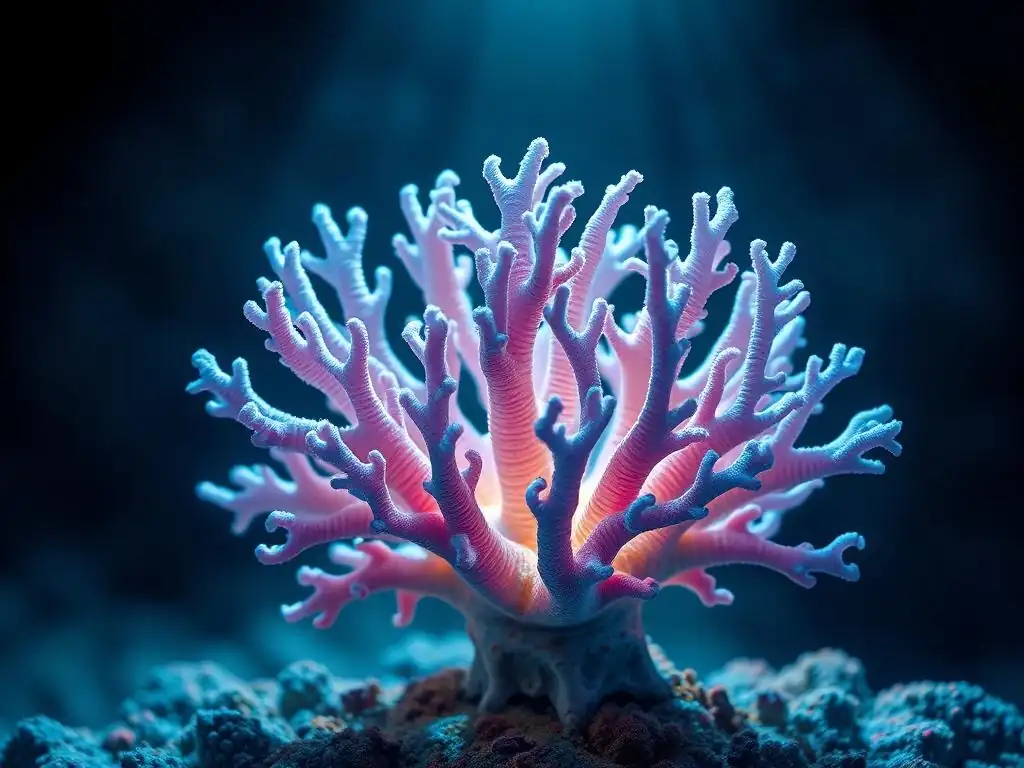
One of the most compelling advantages of an SPS coral hybrid lighting setup is its profound impact on coral coloration and growth. The precise spectral control offered by LEDs, particularly in the blue and UV wavelengths, stimulates the production of fluorescent proteins within coral tissues, leading to incredibly vibrant and "popping" colors that are often difficult to achieve with single-source lighting. Simultaneously, the broad and even light distribution from T5s ensures that all parts of the coral colony receive sufficient Photosynthetically Active Radiation (PAR) for optimal photosynthesis, fueling robust tissue growth and skeletal development.
This dual benefit is evident in tank observations: Acropora colonies under hybrid lighting frequently exhibit faster linear growth rates, often increasing by 0.5 to 1 inch per month in ideal conditions, and maintain richer, more stable pigmentation. For instance, a common Acropora valida might display deeper blues and purples, while Montipora digitata could show more intense oranges and reds, all while growing vigorously. The combination prevents the common issues of either bleached (too much intensity, poor spectrum) or browned (insufficient light) corals, providing the ideal balance for the complex needs of demanding SPS.
Improved Light Spread
The inherent nature of LED fixtures, being point-source emitters, can sometimes lead to uneven light distribution, creating "hot spots" directly beneath the fixture and shadowed areas elsewhere. This can result in inconsistent growth rates and coloration across a coral colony or within different parts of a large aquarium. An SPS coral hybrid lighting setup effectively addresses this limitation by integrating T5 fluorescent bulbs. T5s are linear light sources that provide a wide, diffuse, and incredibly even spread of light across the entire tank footprint.
By flanking the LED fixtures with T5 bulbs, the hybrid system ensures uniform Photosynthetically Active Radiation (PAR) levels from front to back and side to side, even in larger tanks (e.g., 48-inch or 72-inch long). This eliminates shadowed areas, preventing portions of corals from experiencing light starvation and subsequent tissue recession. The improved light spread means that aquarists have greater flexibility in aquascaping and coral placement, maximizing the usable space in the tank and ensuring that every coral, regardless of its position, receives consistent, high-quality light, fostering healthier and more uniformly developed specimens.
Greater Control
Hybrid lighting systems, particularly those incorporating advanced LED fixtures, offer an unparalleled degree of control over the aquarium's light environment. Modern LED components within an SPS coral hybrid lighting setup are typically controllable via dedicated controllers, smartphone apps, or integrated aquarium management systems. This allows aquarists to precisely adjust individual color channels (e.g., royal blue, cool white, red, green, UV), fine-tuning the spectrum to optimize for specific coral coloration goals or growth rates. Users can also set custom photoperiods, simulating natural dawn, peak daylight, and dusk cycles with gradual intensity ramps, reducing stress on corals.
While T5s traditionally offer less control (primarily on/off), some contemporary T5 fixtures designed for hybrid systems do incorporate dimming capabilities, further enhancing the overall flexibility. This combined control allows for nuanced adjustments, such as increasing blue intensity during the evening for enhanced fluorescence viewing or slightly reducing overall intensity during acclimation periods for newly introduced corals. This granular control empowers aquarists to tailor the lighting precisely to the evolving needs of their SPS coral collection, promoting optimal health and displaying their vibrant beauty.
Increased Energy Efficiency
When designed and configured correctly, an SPS coral hybrid lighting setup can offer a significant improvement in energy efficiency compared to traditional lighting methods like metal halides or even large all-T5 arrays, particularly for achieving high Photosynthetically Active Radiation (PAR) levels required by demanding SPS corals. While T5 bulbs themselves are less efficient per watt than LEDs, the strategic combination optimizes light delivery.
LEDs are highly energy-efficient, converting a large percentage of electrical energy into light with minimal heat waste. For instance, a high-end LED fixture might draw 200-300 watts to cover a 36-inch x 24-inch area with high PAR.
By integrating LEDs for the primary PAR output and spectral control, and using T5s to provide supplemental, even fill light, the overall wattage consumed can be lower than an equivalent all-T5 setup that might require 6-8 bulbs (e.g., 234W-312W for 6-8x39W bulbs) to achieve similar spread and intensity. For example, a system with two 100W LED fixtures and four 39W T5 bulbs consumes approximately 356 watts, often outperforming an all-T5 system drawing 400-600 watts for comparable results in a 4-foot tank.
This translates to lower electricity bills over time and a reduced heat load on the aquarium, potentially saving on chiller costs.
Components of a Hybrid System
LED Fixtures: Spectrum and PAR
The LED fixtures are the powerhouse of an SPS coral hybrid lighting setup, primarily responsible for delivering high Photosynthetically Active Radiation (PAR) and precise spectral control. For demanding SPS corals, it's crucial to select LED units that offer multiple color channels, typically including royal blue (450-470nm), blue, cool white, red, green, and often UV.
These channels allow for fine-tuning the spectrum to optimize for coral growth, coloration, and fluorescence. High-quality LED fixtures, such as the EcoTech Marine Radion series or Aqua Illumination Hydra units, are designed to penetrate deep into the water column, providing the necessary intensity for corals even at the bottom of a 24-30 inch deep tank.
When selecting LED fixtures, consider their PAR output maps and the optics they employ. Lenses are critical for shaping the light beam; narrower lenses provide deeper penetration but a smaller footprint, while wider lenses offer broader coverage but less depth. For a typical 48-inch SPS tank, two high-power LED units might be positioned centrally, each capable of delivering 300-450 PAR at the water surface, ensuring ample light for demanding Acropora species. The ability to program these channels independently allows for dynamic light cycles that mimic natural conditions and promote optimal coral health.
T5 Bulbs: Phosphor Blends
T5 fluorescent bulbs serve as the crucial complement in an SPS coral hybrid lighting setup, providing the broad, even light distribution that mitigates the "spotlighting" effect of LEDs. Unlike older T8 or T12 fluorescents, T5s are thinner (5/8 inch diameter) and more efficient, emitting higher PAR per watt. The key to their effectiveness lies in the variety of phosphor blends available, which produce different color temperatures and spectral peaks.
For SPS corals, a common and highly effective combination includes "Blue Plus" (e.g., ATI Blue Plus, Giesemann Actinic+) bulbs, which emit a strong blue spectrum (around 450-470nm) that enhances coral fluorescence and contributes significantly to photosynthesis. These are often paired with "Coral Plus" (e.g., ATI Coral Plus) or "AquaBlue Special" (e.g., Giesemann AquaBlue Special) bulbs, which provide a more balanced spectrum for overall growth and natural color rendition. A typical 48-inch hybrid system might incorporate four T5 bulbs—two Blue Plus and two Coral Plus—flanking the central LED unit, ensuring comprehensive and uniform light coverage across the entire aquascape.
Controllers and Dimmers
The brain of an SPS coral hybrid lighting setup is its controller, which provides the ability to program and manage the entire lighting schedule with precision. For the LED components, dedicated controllers (often integrated into the fixture or accessible via smartphone apps) allow for granular adjustments of individual color channels, intensity levels, and photoperiods. This enables features like gradual ramp-up and ramp-down for dawn/dusk effects, lunar cycles, and even cloud simulations, mimicking natural environmental changes. Advanced controllers often allow for the creation of custom light schedules tailored to the specific needs of different coral species.
While traditional T5 fixtures are often simple on/off, many modern T5 components designed for hybrid systems incorporate dimmable ballasts. This allows for the T5s to also participate in the gradual light transitions, reducing the shock to corals that can occur with sudden light changes. Comprehensive aquarium controllers, such as the Neptune Apex or GHL Profilux, can often integrate and control both the LED and T5 components, providing a single interface for managing the entire lighting system alongside other critical aquarium parameters like temperature, pH, and dosing, ensuring a fully synchronized and optimized environment.
Reflectors and Lenses
Reflectors and lenses are often overlooked but critical components that significantly impact the efficiency and effectiveness of an SPS coral hybrid lighting setup. For T5 fluorescent bulbs, high-quality individual reflectors are paramount.
Unlike inexpensive multi-bulb reflectors, parabolic or German-made individual reflectors are designed to capture and direct nearly all of the light emitted by the bulb downwards into the aquarium, preventing wasted light from scattering upwards or sideways. A well-designed reflector can increase the Photosynthetically Active Radiation (PAR) output of a T5 bulb by 30-50% compared to a bulb without a proper reflector, ensuring that more energy reaches your corals.
On the LED side, lenses play a crucial role in shaping the light beam. Since LEDs are point-source emitters, lenses are used to control the spread and penetration of light into the water column. Different beam angles (e.g., 80-degree, 120-degree) are available, allowing aquarists to select optics based on their tank depth and desired coverage.
Narrower lenses (e.g., 60-90 degrees) provide deeper penetration, ideal for taller tanks (24 inches or more), while wider lenses (e.g., 120 degrees) offer broader coverage for shallower or wider tanks. Correctly chosen lenses ensure that light is efficiently delivered to the corals, minimizing light spill and maximizing PAR where it's needed most.
Setting Up a Hybrid System
Planning Lighting Layout
Effective planning of your SPS coral hybrid lighting setup is crucial for achieving optimal light distribution and coral health. Begin by accurately measuring your aquarium's length, width, and height. Consider your aquascape: where are the high-light areas, and where will the most demanding SPS corals be placed?
For a typical 48-inch long, 24-inch deep reef tank, a common layout involves two LED fixtures (e.g., 12-18 inches long each) positioned centrally along the length, spaced evenly apart to ensure good coverage. These LED fixtures are then flanked by four 48-inch T5 fluorescent bulbs, two in front and two in back, running parallel to the LEDs.
The goal is to ensure even Photosynthetically Active Radiation (PAR) values across the entire footprint, especially in areas where SPS corals will reside. High-light demanding Acropora species typically require 300-450 PAR, while Montipora might thrive in slightly lower ranges of 200-350 PAR. Use a PAR meter during the initial setup (if available) to verify that target PAR levels are met at various depths and locations. This meticulous planning prevents "hot spots" or "dead spots" and ensures uniform growth and coloration across your entire SPS collection.
Mounting Fixtures
Proper mounting of your SPS coral hybrid lighting setup is essential for both performance and safety. The most common and recommended method for hybrid systems is suspension via hanging kits. This allows for precise adjustment of fixture height above the water surface, which directly impacts light spread and intensity. For most demanding SPS tanks, fixtures are typically mounted 8-12 inches above the water line. Mounting too low can create excessive intensity and narrow light spread, leading to bleaching, while mounting too high reduces Photosynthetically Active Radiation (PAR) and penetration.
Alternatively, some hybrid systems offer tank-mount brackets, which secure the fixtures directly to the rim of the aquarium. While convenient, these may limit height adjustability. If building a custom canopy, ensure adequate ventilation is incorporated. Overheating can significantly reduce the lifespan of both LED diodes and T5 ballasts, and can also contribute to unwanted heat transfer to the aquarium water. Use robust mounting hardware capable of supporting the combined weight of the fixtures, and always ensure electrical connections are secure and protected from saltwater splash.
Programming the Controller
Programming the controller for your SPS coral hybrid lighting setup is a critical step that allows you to tailor the light environment to your corals' needs and simulate natural conditions. Begin by setting the overall photoperiod, typically 10-12 hours for a reef tank. For the LED channels, program a gradual ramp-up (dawn) and ramp-down (dusk) period, usually 1-2 hours each, during which intensity slowly increases or decreases. For example, royal blue LEDs might start at 7 AM, followed by cool white and other channels an hour or two later, peaking during midday.
T5 bulbs are generally programmed to turn on during the peak photoperiod, typically running for 6-10 hours. For instance, T5s might come on at 11 AM and turn off at 7 PM, coinciding with the highest LED intensity. When introducing new corals or setting up a new tank, it is vital to start with a lower overall intensity (e.g., 50-60% of target peak) and gradually increase it by 5-10% weekly over 4-6 weeks. This slow acclimation prevents light shock and bleaching, allowing corals to adjust to the new SPS coral hybrid lighting setup.
Acclimating SPS Corals
Acclimating SPS corals to a new SPS coral hybrid lighting setup is a delicate and crucial process to prevent stress, bleaching, or even tissue necrosis. Corals, especially those moved from a lower light environment, can be severely damaged if suddenly exposed to high Photosynthetically Active Radiation (PAR) levels. The primary strategy involves a gradual increase in light intensity over several weeks.
Begin by placing new corals lower in the tank, where PAR levels are naturally reduced. Alternatively, you can use screen mesh or window screen material placed directly under the lights to temporarily diffuse the intensity by 30-50%. For the first week, run your hybrid system at a significantly reduced intensity (e.g., 50-60% of your target peak) or shorten the photoperiod to 6-8 hours.
Over the next 4-6 weeks, slowly increase the intensity by 5-10% per week, observing your corals closely for signs of stress such as paling, tissue recession, or poor polyp extension. If any stress is observed, reduce the intensity and slow down the acclimation process. Healthy acclimation ensures the zooxanthellae can adjust to the new light levels, supporting robust growth and vibrant coloration.
Fine-Tuning the Lighting Setup
Monitoring Coral Health
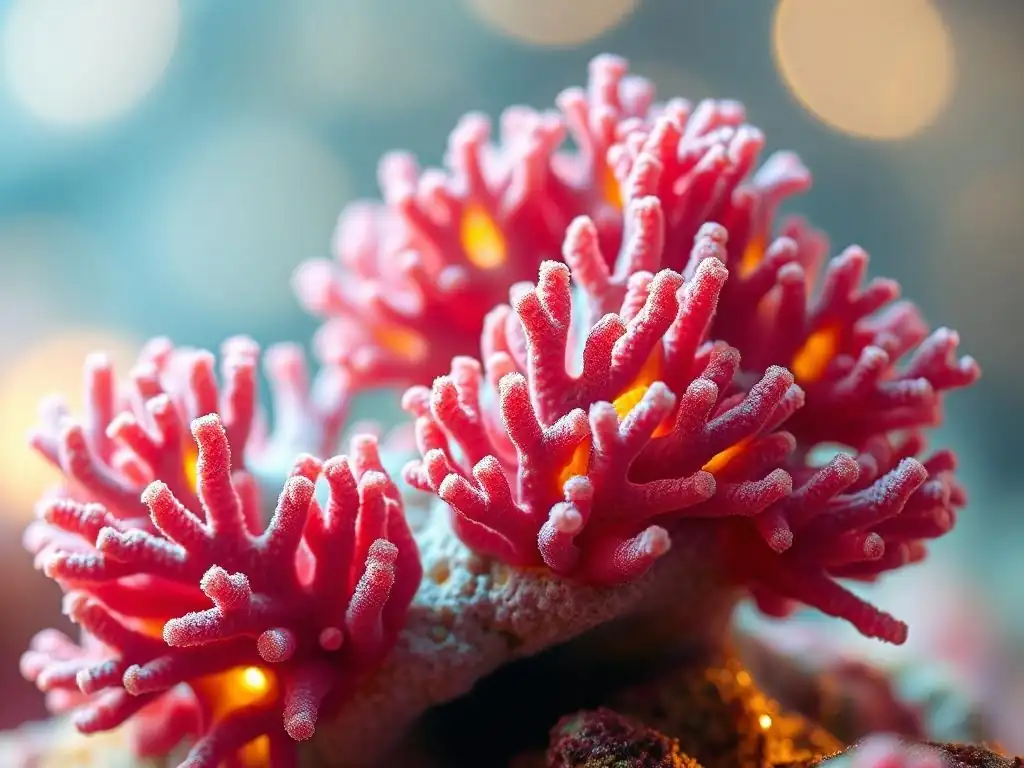
Continuous monitoring of your SPS corals' health is paramount to fine-tuning your SPS coral hybrid lighting setup. Daily observations should focus on several key indicators: polyp extension, coloration, and visible growth tips. Good polyp extension throughout the day and night suggests the coral is happy and feeding. Vibrant, consistent coloration, specific to the coral species, indicates optimal light and nutrient conditions. Paling or bleaching (loss of color) often signals too much light or a rapid change, while browning or darkening can suggest insufficient light or elevated nutrients.
Beyond visual cues, maintaining stable water parameters is inextricably linked to a coral's ability to thrive under any lighting. Regularly test alkalinity (e.g., 7-8.5 dKH), calcium (e.g., 400-450 ppm), and magnesium (e.g., 1300-1400 ppm), as these are the building blocks for skeletal growth. Also monitor nitrates (e.g., 0-5 ppm) and phosphates (e.g., 0.02-0.08 ppm), as imbalances can directly impact coral health and their response to light. A healthy coral, supported by stable chemistry, will be more resilient to light adjustments and exhibit better growth and color.
Adjusting Light Intensity and Spectrum
Fine-tuning the light intensity and spectrum in your SPS coral hybrid lighting setup is an iterative process based on coral response. If corals appear pale, bleached, or exhibit tissue recession from the base, it's a strong indicator that the light intensity is too high. In such cases, reduce the overall intensity by 10-15% or shorten the photoperiod by an hour. Conversely, if corals are browning, losing their vibrant colors, or showing poor growth despite stable water parameters, they may be receiving insufficient light. Gradually increase the intensity by 5-10% or extend the photoperiod.
For spectral adjustments, the individual channels of your LED fixture offer precise control. Increasing the blue and royal blue channels (e.g., to 60-80% of peak) can enhance fluorescence and "pop" the colors, while adjusting white or other channels (e.g., 20-40% of peak) balances growth. For example, if an Acropora is showing dull colors, a slight increase in blue and UV LED channels might bring out more vibrancy.
Always make small, incremental changes (e.g., 5% every few days) and observe the coral's reaction for several days before making further adjustments. Using a PAR meter to quantify light levels at different coral locations can provide invaluable data for precise adjustments.
Addressing Potential Issues
When fine-tuning an SPS coral hybrid lighting setup, several potential issues can arise, often signaling an imbalance. One common problem is excessive nuisance algae growth (e.g., green hair algae, diatoms, cyanobacteria). While algae can be linked to nutrient imbalances, too much light, especially coupled with elevated nitrates (above 10 ppm) and phosphates (above 0.1 ppm), can fuel their proliferation. If algae is rampant, consider reducing the light intensity or photoperiod by 1-2 hours and simultaneously addressing nutrient control through water changes, GFO (Granular Ferric Oxide) use, or carbon dosing.
Another issue is coral stress, manifesting as paling, browning, or tissue necrosis. Paling usually indicates too much light, while browning often points to insufficient light or high nutrients. If corals are paling, reduce the light intensity immediately and acclimate them more slowly. If browning, verify your Photosynthetically Active Radiation (PAR) levels; if low, gradually increase intensity. Persistent issues may indicate a need to recalibrate your PAR meter, re-evaluate your water parameters, or adjust coral placement within the tank to match their specific light requirements.
Maintaining the Lighting System
Cleaning Fixtures and Bulbs
Regular cleaning is a fundamental aspect of maintaining an SPS coral hybrid lighting setup and ensuring consistent light output. Salt creep and dust accumulation on LED lenses and T5 bulbs can significantly diminish light penetration, reducing Photosynthetically Active Radiation (PAR) levels by as much as 10-20% over a few weeks. It is recommended to wipe down the lenses of your LED fixtures and the surface of your T5 bulbs weekly or bi-weekly. Use a soft, lint-free cloth dampened with RO/DI water or a specialized lens cleaner (ensure it's aquarium-safe) to gently remove any residue.
For T5 fixtures, pay close attention to the reflectors. High-quality individual reflectors can become coated with salt spray or dust, which severely reduces their efficiency in directing light downwards. If your reflectors are removable, carefully clean them every 1-2 months. Always ensure all lighting components are unplugged from the power source before cleaning to prevent electrical hazards. This simple routine maintenance helps maximize the light output and extends the lifespan of your expensive lighting equipment, ensuring your SPS corals receive the optimal light they need.
Replacing T5 Bulbs
Unlike Light Emitting Diodes (LEDs), which have a very long lifespan (often 50,000 hours or more), T5 fluorescent bulbs degrade over time, losing both intensity and spectral quality. Even if a T5 bulb still illuminates, its Photosynthetically Active Radiation (PAR) output and crucial spectral peaks diminish significantly after a certain period, impacting coral health and coloration. Most manufacturers and experienced aquarists recommend replacing T5 bulbs every 6-12 months, depending on their daily run time (e.g., 8-10 hours per day).
To avoid shocking your SPS corals with a sudden, drastic change in light intensity and spectrum, it is advisable to replace T5 bulbs in a staggered fashion. For example, if you have four T5 bulbs in your SPS coral hybrid lighting setup, replace one or two bulbs every 3-4 months rather than replacing all four at once. This allows the corals to gradually acclimate to the new bulbs' output and helps maintain a more stable lighting environment. Keeping a spare set of your preferred T5 bulbs on hand is a good practice to ensure timely replacements.
Inspecting Controllers and Dimmers
Beyond the light-emitting components, the controllers and dimmers of your SPS coral hybrid lighting setup require periodic inspection to ensure reliable operation. Regularly check all power cables and connections for any signs of fraying, corrosion, or loose contacts, which can lead to intermittent power or complete failure. Ensure that the cooling fans on your LED fixtures are running freely and are not obstructed by dust or salt creep, as proper cooling is crucial for the longevity of the LED diodes and internal electronics.
For smart controllers, check for any error messages or unusual behavior. Many advanced LED controllers offer firmware updates that can improve performance, add new features, or address bugs. Regularly checking the manufacturer's website for these updates and applying them when available can optimize your lighting system. If your T5s are dimmable, verify that the dimming functionality is smooth and consistent. A proactive approach to inspecting these electrical components can prevent unexpected lighting outages and maintain the stable environment crucial for demanding SPS corals.
Troubleshooting Common Problems
Light Acclimation Issues
One of the most common problems encountered with a new SPS coral hybrid lighting setup, or after adding new corals, is light acclimation issues. Symptoms typically include rapid paling, bleaching (complete loss of color), or tissue recession from the base of the coral. These signs indicate that the coral is receiving too much light too quickly, causing its symbiotic zooxanthellae to expel, leading to starvation.
To address this, immediately reduce the light intensity. This can be done by lowering the overall output percentage on your LED controller (e.g., by 20-30%), shortening the photoperiod (e.g., by 2 hours), or physically moving the affected coral to a lower, less intensely lit area of the tank. For severe cases, placing a temporary mesh screen over the tank can diffuse the light significantly. Re-acclimate the coral slowly over several weeks, gradually increasing intensity by small increments (e.g., 5% per week) while closely observing its recovery. Patience is key to preventing permanent damage.
Algae Growth and Nutrient Imbalances
Excessive nuisance algae growth (such as green hair algae, diatoms, or cyanobacteria) in an SPS coral hybrid lighting setup often signals a combination of too much light and elevated nutrient levels (nitrate and phosphate). While light fuels photosynthesis for both corals and algae, algae are opportunistic and can outcompete corals for light and nutrients if conditions are favorable for them. If your tank experiences widespread algae blooms, check your water parameters: nitrates above 10 ppm and phosphates above 0.1 ppm are strong indicators of a nutrient imbalance.
To address this, implement a multi-pronged approach. First, consider reducing your light intensity or photoperiod by 1-2 hours, especially during the peak lighting cycle. Second, focus on nutrient export: increase the frequency and volume of water changes (e.g., 20% weekly), ensure your protein skimmer is operating efficiently, and consider adding GFO (Granular Ferric Oxide) for phosphate removal or carbon dosing for nitrate reduction. A robust clean-up crew (snails, hermit crabs, tangs) can also help manage existing algae, but addressing the root cause of high nutrients and potentially excessive light is paramount.
Lighting System Malfunctions
Despite the reliability of modern equipment, lighting system malfunctions can occur in an SPS coral hybrid lighting setup. Common issues include individual LED diodes failing, T5 bulbs not igniting, or controller errors. If an LED diode or cluster goes out, first check the power connection to the fixture. If power is present, it might indicate an internal component failure, requiring contact with the manufacturer for warranty or repair.
For T5 bulbs that won't light up, ensure they are properly seated in their sockets and that the ballast is receiving power. Try swapping the bulb with a known working one to determine if the issue is the bulb itself or the ballast. Controller errors, such as incorrect time display or unresponsive buttons, can sometimes be resolved by a simple power cycle (unplugging and plugging back in). If the issue persists, consult the manufacturer's troubleshooting guide or contact their support. Having spare T5 bulbs on hand is always recommended to quickly replace a failed bulb and maintain consistent lighting.
Case Studies of Successful Hybrid Lighting Setups
Case Study 1: SPS Dominant Aquarium
Consider a successful 180-gallon (60"x24"x24") SPS dominant reef aquarium utilizing an SPS coral hybrid lighting setup. This tank uses two EcoTech Marine Radion XR30w Pro LED fixtures positioned centrally along the length of the tank, flanked by four 48-inch T5 fluorescent bulbs (two ATI Blue Plus, one ATI Coral Plus, and one Giesemann Actinic+). The LEDs are programmed for a 12-hour photoperiod with a 2-hour ramp-up/down, peaking at 75% intensity, while the T5s run for 8 hours during the peak LED period.
This configuration consistently delivers Photosynthetically Active Radiation (PAR) values ranging from 350-450 PAR at the top-third of the tank, 250-350 PAR in the middle, and 150-250 PAR at the bottom. The results are striking: various Acropora species exhibit exceptional growth rates, with some colonies adding over 1 inch of new growth per month.
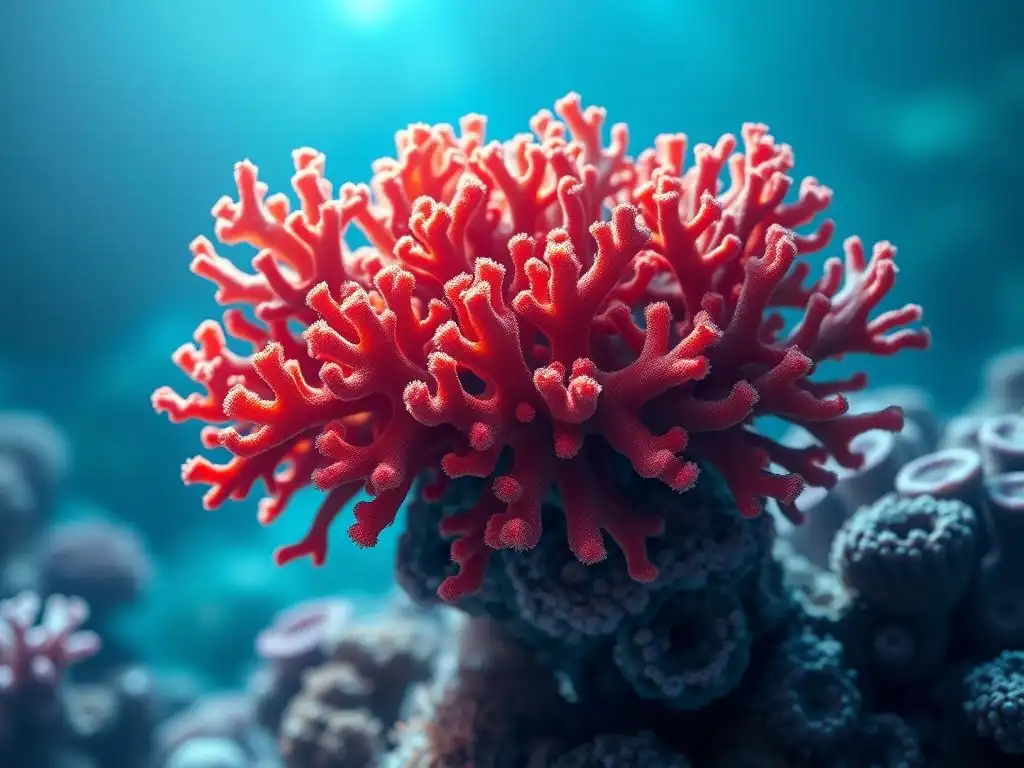
Colors are incredibly vibrant, with deep blues on Acropora valida, fiery reds on Acropora millepora, and intense greens on Montipora digitata. The T5s ensure even light distribution, preventing shading on larger colonies, while the LEDs provide the necessary punch and shimmer, demonstrating the effectiveness of a well-executed SPS coral hybrid lighting setup.
Case Study 2: Achieving Vibrant Acropora Colors
Another compelling case study involves a 90-gallon (48"x18"x24") reef tank specifically focused on maximizing the vibrant coloration of diverse Acropora species. This SPS coral hybrid lighting setup employs a single Aqua Illumination Hydra 52HD LED fixture, centrally mounted, complemented by a 4-bulb 39W T5 fixture (three ATI Blue Plus bulbs and one KZ Purple Plus). The LED is programmed with a strong emphasis on royal blue and blue channels (peaking at 90-100% blue intensity during the middle of the photoperiod), while the T5s provide broad spectral coverage and fill light for 7 hours daily.
The outcome is an aquarium where Acropora species display extraordinary and often uncommon color morphs. For instance, Acropora loripes exhibits deep purples and electric blues, while Acropora tenuis maintains brilliant green polyps against a pink base.
The high blue spectrum from both the LEDs and T5s strongly stimulates the fluorescent proteins in the corals, making them glow. While growth rates are still robust (0.5-0.75 inches per month for many species), the primary success of this setup lies in its ability to push the boundaries of Acropora pigmentation, showcasing the hybrid system's versatility for achieving specific aesthetic goals beyond just rapid growth.
Considerations for Choosing a Hybrid System
Evaluating Experience Level and Budget
Choosing an SPS coral hybrid lighting setup requires careful consideration of both your experience level and budget. Hybrid systems, with their multiple components and advanced programmability, are generally best suited for intermediate to advanced aquarists who possess a solid understanding of water chemistry, coral husbandry, and lighting principles. Beginners might find the complexity overwhelming and could achieve good results with simpler, high-quality LED or T5-only setups initially. The learning curve for optimizing a hybrid system is steeper, requiring more fine-tuning and observation.
From a financial perspective, hybrid lighting systems represent a significant investment. A complete setup for a medium-sized tank (e.g., 75-120 gallons) can range from $1,000 to $3,000 or more, depending on the brands and number of fixtures chosen. This initial cost is considerably higher than most single-technology setups. However, for those committed to keeping demanding SPS corals and achieving exceptional results, the long-term benefits in coral health, growth, and coloration often justify the higher upfront expenditure. It's a premium solution for a premium outcome.
Determining Necessity for Coral Collection
Before investing in an SPS coral hybrid lighting setup, it's crucial to assess your current and future coral collection. While hybrid systems offer superior performance, they are primarily designed to meet the rigorous lighting demands of high-light SPS corals such as various Acropora species, demanding Montipora, and Seriatopora. These corals thrive under the high Photosynthetically Active Radiation (PAR) and broad, consistent spectrum that a hybrid system provides.
If your aquarium is a mixed reef with a significant proportion of LPS (Large Polyp Stony) corals, soft corals, or less demanding SPS species, a high-quality LED-only or T5-only system might be sufficient and more cost-effective. These corals generally require lower PAR levels and are less sensitive to minor inconsistencies in light spread.
A hybrid setup would be an overkill for such a collection. However, if your long-term goal is to cultivate a thriving, dominant SPS reef with challenging and colorful species, then an SPS coral hybrid lighting setup becomes a highly recommended and almost necessary investment to ensure their success and vibrant display.
Choosing Components and Setup
Selecting the right components for your SPS coral hybrid lighting setup is a critical decision that impacts performance and longevity. Begin by researching reputable brands for both LED and T5 fixtures known for quality and customer support, such as EcoTech Marine, Aqua Illumination, ATI, and Giesemann. Consider your tank's dimensions, particularly its length and depth, to determine the appropriate number and size of LED units and T5 bulbs. For example, a 48-inch tank often benefits from two 24-inch LED units and four 48-inch T5 bulbs.
Pay attention to the spectral output of the LED fixtures (do they offer sufficient blue/royal blue and UV channels?) and the available phosphor blends for T5 bulbs (e.g., Blue Plus, Coral Plus, Actinic+). Ensure compatibility between the LED fixtures and T5 fixtures in terms of mounting options and, ideally, controller integration for seamless operation. Reading detailed reviews, consulting with experienced aquarists on forums, and even visiting local fish stores with similar setups can provide invaluable insights to help you make an informed decision for your ideal SPS coral hybrid lighting setup.
Advanced Techniques
Using PAR Meters
For advanced aquarists utilizing an SPS coral hybrid lighting setup, a Photosynthetically Active Radiation (PAR) meter is an indispensable tool that elevates lighting management from guesswork to precision. PAR meters, such as the Apogee MQ-510, directly measure the light intensity available for photosynthesis, providing objective data that visual observation alone cannot. This allows you to accurately map the PAR levels throughout your aquarium at various depths and locations.
To use a PAR meter effectively, take readings directly under your LED fixtures, at the edges of their spread, and in areas primarily lit by T5s. Measure at the top, middle, and bottom of your rockwork where corals are or will be placed. For instance, you might find PAR values of 400-500 at the top, 250-350 in the middle, and 150-250 at the bottom.
Use these readings to fine-tune your LED intensity and T5 bulb combinations, ensuring that each coral receives its optimal light range without being over- or under-exposed. This precise data-driven approach is crucial for maximizing the potential of your SPS coral hybrid lighting setup and achieving consistent, healthy growth.
Experimenting with Light Spectrum
One of the most powerful advanced techniques available with an SPS coral hybrid lighting setup is the ability to experiment extensively with light spectrum to influence coral coloration. While the primary goal is to provide adequate Photosynthetically Active Radiation (PAR) for growth, the multi-channel control of LED fixtures allows for subtle adjustments to individual color wavelengths (e.g., royal blue, blue, cool white, red, green, UV) to enhance specific pigments within your corals.
For example, slightly increasing the ratio of UV or specific blue wavelengths can often intensify the fluorescence and "pop" of certain Acropora species, bringing out deeper purples or brighter greens.
Conversely, some aquarists might slightly increase the white or red channels to promote faster growth or a more "natural" daylight appearance, though this must be done cautiously to avoid promoting nuisance algae. The key is to make very small, incremental changes (e.g., 1-2% adjustment on a single channel per week) and observe the coral's response over several days or weeks. Documenting these changes and their effects can help you discover the ideal spectral balance for each of your unique SPS coral species, pushing the boundaries of coloration beyond just standard growth.
Integrating with Other Technologies
Advanced SPS coral hybrid lighting setups can be seamlessly integrated with other smart aquarium technologies to create a fully automated and optimized reef environment. Comprehensive aquarium controllers, such as the Neptune Apex or GHL Profilux, can serve as the central hub, allowing you to manage your lighting system alongside other critical parameters. This integration means your lighting schedule can be dynamically adjusted based on real-time data from other sensors.
For instance, if your tank temperature rises above a set threshold, the controller could automatically dim the lights to reduce heat input. Similarly, lighting intensity could be linked to pH levels or even dissolved oxygen, though these are more experimental applications. Beyond environmental control, integrating your lighting with a master controller allows for remote monitoring and adjustment via smartphone apps, providing peace of mind and flexibility. This level of interconnectedness not only simplifies daily maintenance but also provides an unprecedented degree of control and responsiveness, optimizing every aspect of your SPS coral hybrid lighting setup for peak performance.
Frequently Asked Questions
What exactly is a "hybrid lighting setup" in the context of SPS corals?
A hybrid lighting setup combines different types of aquarium lighting, typically LEDs and T5 fluorescent bulbs, to provide a broader spectrum and intensity of light ideal for SPS coral growth and coloration.
Why are SPS corals considered "demanding" when it comes to lighting?
SPS (Small Polyp Stony) corals require intense and specific wavelengths of light for photosynthesis and calcification. Inadequate lighting can lead to bleaching and death of the coral.
What are the potential benefits of using a hybrid lighting system over a single type of lighting for SPS corals?
Hybrid lighting offers a balanced spectrum, combining the efficiency and controllability of LEDs with the broad spectrum and even coverage of T5s. This can result in improved coral growth, coloration, and overall health.
How do I determine the appropriate intensity and spectrum for my SPS coral hybrid lighting setup?
Consider the specific needs of your SPS species. Start with recommended PAR (Photosynthetically Active Radiation) levels and adjust based on coral response. Use a PAR meter for accurate measurements.
What are some common mistakes to avoid when setting up a hybrid lighting system for SPS corals?
Avoid over-lighting, which can cause bleaching. Ensure proper acclimation of corals to the new lighting. Regularly monitor water parameters to maintain optimal conditions.
Final Reflection: Illuminating the Future of Reef Keeping
The exploration of SPS coral hybrid lighting setups reveals more than just a technical solution; it underscores a growing commitment within the reef keeping community to optimize the health and vibrancy of our delicate ecosystems. The ability to tailor light spectrum and intensity through hybrid systems represents a significant leap forward, moving beyond simple illumination to a nuanced understanding of coral physiology and its environmental needs. This pursuit of perfection, driven by a desire to replicate natural conditions, highlights the dedication and ingenuity that defines modern reef keeping.
The impact of this technological advancement extends far beyond the individual aquarist. The adoption of hybrid lighting systems signifies a shift towards a more holistic and responsible approach to reef keeping, emphasizing sustainability and the long-term well-being of our captive corals. This dedication to replicating natural conditions is beautifully captured by the words of Jacques Cousteau: The sea, once it casts its spell, holds one in its net of wonder forever.
This "net of wonder" compels us to constantly learn, adapt, and innovate, ensuring the longevity of these miniature ecosystems we create.
As we conclude this exploration of SPS coral hybrid lighting, I invite you to consider the profound responsibility we hold as stewards of these fragile creatures. Embrace the knowledge gained, experiment with new techniques, and share your experiences with the community. Let us continue to push the boundaries of what's possible, illuminating not only our tanks but also the path towards a more sustainable and vibrant future for reef keeping.
Ignite Your Reef: Cultivate SPS Brilliance Now!
Thank you for diving into the world of hybrid lighting and discovering how it can unlock the full potential of your SPS corals! Now that you're armed with this knowledge, it's time to take action and witness the vibrant transformation of your reef.
Here's how to begin:
- Experiment with blending LED and T5 technologies to achieve the ideal spectrum and intensity for your specific SPS corals. Don't be afraid to tweak until you see the results you desire!
- Share your hybrid lighting journey! Post photos and videos of your corals under the new system on social media using #AquariumMasteryHybrid, inspiring others to embrace innovation.
- Delve deeper into coral health! Research the specific needs of each SPS coral in your aquarium to further refine your lighting strategy for maximum growth and coloration.
What unexpected color changes have you already noticed in your corals after implementing hybrid lighting?