
Identifying Common Zoanthid Pests: Nudibranchs, Spiders & Sundial Snails

Welcome to Aquarium Mastery!
Dive into the fascinating world of coral care! Are your prized zoanthids looking a little under the weather? This guide will help you unravel the mystery and protect your vibrant reef. Our Zoanthid Pest Identification Guide will arm you with the knowledge to spot and eliminate those pesky nudibranchs, spiders, and sundial snails before they wreak havoc. Ready to become a Zoanthid pest detective? Let's get started!
- Zoanthid Pest Identification Guide: Protecting Your Zoas
- Understanding Zoanthid Pests
- Zoanthid-Eating Nudibranchs: Identification and Control
- Zoanthid Spiders (Amphipods)
- Sundial Snails: A Predator
- Montipora-Eating Nudibranchs: A Cautionary Tale for Mixed Reefs
- Preventing Zoanthid Pest Infestations
- Zoanthid Pest Treatment Options
- Maintaining a Healthy Zoanthid Colony
-
Frequently Asked Questions
- What are the most common pests that affect Zoanthids?
- How can I identify Zoanthid Eating Nudibranchs?
- What damage do Zoanthid Eating Spiders cause to Zoanthids?
- How can I identify and remove Sundial Snails from my Zoanthid colony?
- What are some preventative measures I can take to protect my Zoanthids from pests?
- Final Reflection: Protecting Our Zoanthid Gardens
- Dive Deeper: Protect Your Zoanthid Paradise!
Zoanthid Pest Identification Guide: Protecting Your Zoas
Understanding Zoanthid Pests
Why Accurate Identification is Crucial
Accurate identification of zoanthid pests is paramount for the health and longevity of your reef aquarium. Misidentification can lead to ineffective treatments, unnecessary stress on your corals, and the potential spread of the infestation throughout your tank. For instance, treating a zoanthid-eating nudibranch infestation with methods designed for flatworms would yield no results and allow the nudibranch population to explode, potentially wiping out entire colonies of Zoanthids and Palythoa within weeks.
Furthermore, some organisms that appear to be pests, such as certain types of amphipods, are actually harmless or even beneficial detritivores. Incorrectly identifying these as threats could lead to the removal of beneficial members of your tank's ecosystem, disrupting the natural balance. A precise zoanthid pest identification guide empowers aquarists to apply targeted, effective interventions, minimizing collateral damage to other invertebrates and maintaining a stable reef environment.
Recognizing Infestation Signs
Early detection of zoanthid pest infestations is critical for successful eradication. One of the most common signs is unexplained tissue recession or "melting" of zoanthid polyps. Healthy zoanthids typically expand fully and display vibrant coloration; shrunken polyps, particularly those that remain closed for extended periods, should raise suspicion. Look for polyps that fail to open even under optimal lighting and water parameters.
Another key indicator is the presence of visible pests directly on or around the zoanthid colony. This might include small, slug-like creatures (nudibranchs), tiny spider-like organisms (amphipods), or spiral-shelled snails (sundial snails) clinging to the polyps or rockwork nearby. Additionally, observe any unusual white or clear "egg sacs" on the zoanthid mat, as these are often laid by predatory nudibranchs. A sudden decline in zoanthid population, despite stable water conditions, is a strong signal that a pest is actively consuming your corals.
Common Zoanthid Pests: An Overview
Zoanthids, while generally hardy, are susceptible to several common pests that can decimate a colony if left unchecked. The primary culprits include various species of zoanthid-eating nudibranchs, certain types of amphipods often referred to as "zoanthid spiders," and the predatory sundial snail. Each of these pests has distinct characteristics and feeding habits that differentiate them.
Beyond these primary threats, other general reef pests can also impact zoanthids, albeit less commonly as direct predators. These might include certain types of flatworms or even parasitic copepods. Understanding the specific nature of each common zoanthid pest is the first step in developing an effective zoanthid pest identification guide and management strategy, ensuring your vibrant zoanthid colonies thrive.
Zoanthid-Eating Nudibranchs: Identification and Control
Identifying Nudibranchs: Physical Characteristics
Zoanthid-eating nudibranchs (often species from the Aeolidiidae family, though others exist) are small, soft-bodied sea slugs typically ranging from 0.5 cm to 2 cm in length. Their coloration often mimics the zoanthids they prey upon, making them incredibly difficult to spot, especially in a densely populated colony. Some species, for instance, might be green, brown, or even purplish-blue to blend seamlessly with their zoanthid hosts.
A distinguishing feature of these nudibranchs is the presence of cerata – numerous finger-like or club-shaped appendages covering their backs. These cerata are used for respiration and often contain nematocysts (stinging cells) absorbed from the zoanthids they consume, serving as a defense mechanism. They also possess two pairs of tentacles on their head: oral tentacles for sensing and rhinophores for smell. Observing these specific anatomical details is crucial for accurate zoanthid pest identification.
Nudibranch Damage: Recognizing Symptoms
The most evident symptom of nudibranch infestation is a rapid and unexplained decline in zoanthid polyps. Nudibranchs consume the soft tissue of zoanthids, leaving behind bare mat or empty skeletal structures. You might notice polyps failing to open, or appearing shrunken and stressed, even as neighboring polyps from a different colony type remain healthy.
Another tell-tale sign is the presence of white, spiral-shaped egg masses, typically laid on the zoanthid mat or nearby rockwork. These egg masses are often a more reliable indicator of an active infestation than spotting the nudibranchs themselves, as the adults are so well camouflaged. If you observe these egg spirals, it indicates a breeding population is present and immediate action is required to prevent widespread damage to your zoanthid colonies.
Nudibranch Control Methods: Dips, Manual Removal
Effective control of zoanthid-eating nudibranchs often requires a multi-pronged approach. Chemical dips are highly effective for removing nudibranchs and their egg masses from infected zoanthid frags or colonies. Popular options include solutions containing active ingredients like potassium permanganate (e.g., a mild Lugol's iodine dip for 5-10 minutes) or proprietary coral dips such as Coral RX or Revive Coral Cleaner. Always follow product instructions carefully, typically dipping corals for 5-15 minutes while agitating gently to dislodge pests.
Manual removal is also critical, especially for established colonies in the display tank where chemical dips are impractical. This involves carefully inspecting the zoanthids, preferably with a magnifying glass, and using tweezers to physically remove any visible nudibranchs and their egg masses. This process often needs to be repeated daily or every few days for several weeks to break the nudibranch life cycle, as eggs hatch over time.
Preventing Nudibranch Infestations
Preventing nudibranch infestations is far easier and less stressful than treating them. The most effective preventative measure is a strict quarantine procedure for all new zoanthids or any coral introduced into your display tank. A dedicated quarantine tank allows you to observe new additions for several weeks, ideally 2-4 weeks, for any signs of pests.
During quarantine, inspect the corals thoroughly, perform multiple preventative dips, and observe for any emerging nudibranchs or egg masses. Even if a coral appears clean, a prophylactic dip with an appropriate coral cleaner is highly recommended before introduction. Regularly inspecting existing zoanthid colonies in your main tank, perhaps weekly during routine maintenance, can also help catch any new introductions or re-emergences of pests before they become a widespread problem.
Zoanthid Spiders (Amphipods)
What are Zoanthid Spiders?
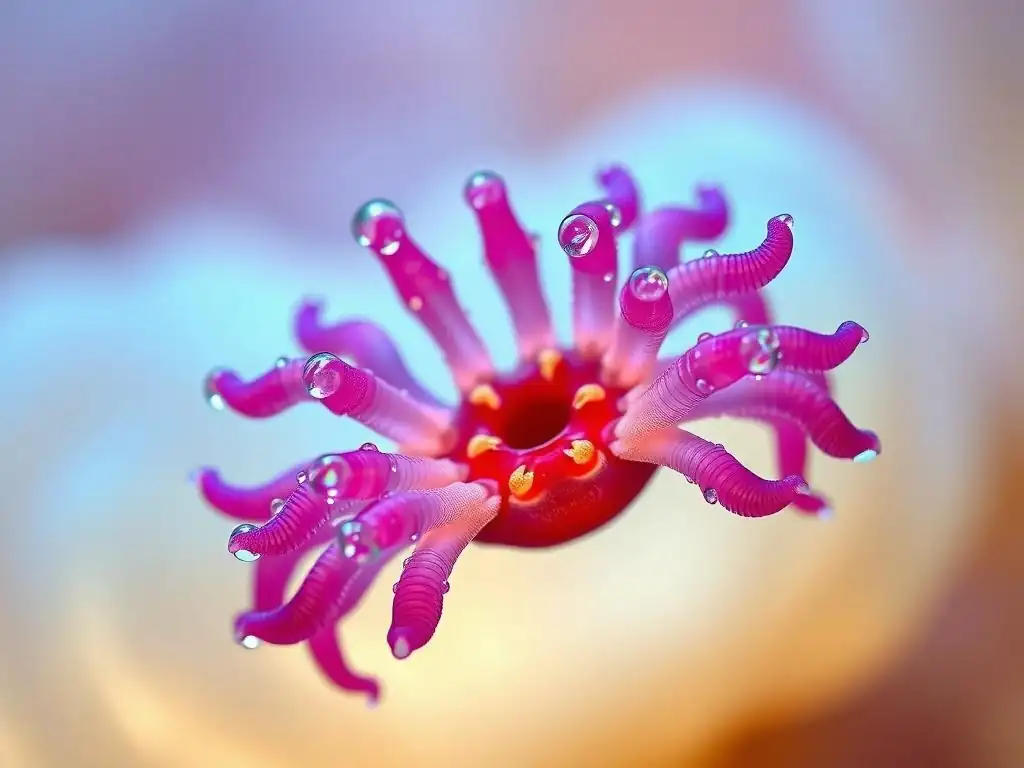
"Zoanthid spiders" is a common name given by aquarists to certain species of amphipods that exhibit predatory behavior towards zoanthids. While most amphipods are harmless detritivores, some species, particularly those with a flattened, spider-like appearance, can become problematic. These are not true spiders, but crustaceans belonging to the order Amphipoda, and they are distinct from the typical, elongated amphipods often found scavenging in a healthy reef tank.
These predatory amphipods are typically very small, often less than 2-3 mm, and can be difficult to spot without close inspection. They earned their common name due to their tendency to perch on zoanthid polyps, sometimes appearing to "spin" a web-like material, though this is often just detritus or mucous they disturb. Their presence is usually indicated by irritation and recession of the zoanthid polyps they target.
Identifying Zoanthid Spiders
Identifying zoanthid spiders requires careful observation, often with the aid of a magnifying glass or a strong flashlight pointed at the zoanthid colony after lights out. These amphipods are generally light-colored, ranging from translucent white to light brown, and possess eight legs, giving them their characteristic spider-like appearance. They tend to scurry quickly when disturbed, unlike slower-moving nudibranchs.
Look for them directly on the zoanthid polyps, particularly at the base or within the folds of the polyp's skirt. Affected polyps may remain closed or only partially open, and you might see the amphipods actively picking at the tissue. Unlike nudibranchs, they don't typically leave visible egg masses, making their direct observation the primary method for zoanthid pest identification.
Impact on Zoanthid Health
Zoanthid spiders primarily impact zoanthid health by causing irritation and tissue damage. They feed on the zoanthid's mucus and sometimes directly on the polyp tissue, leading to stress, recession, and ultimately, the death of individual polyps or entire sections of a colony. While they may not consume zoanthids as rapidly as nudibranchs, their constant irritation prevents the polyps from fully opening and thriving.
Over time, this chronic stress weakens the zoanthid colony, making it more susceptible to other issues like bacterial infections or algae overgrowth on the exposed mat. A healthy zoanthid colony can typically recover from minor irritations, but a persistent infestation of zoanthid spiders can lead to significant losses, especially in new or smaller colonies that lack the resilience of well-established mats.
Controlling Zoanthid Spiders
Controlling zoanthid spiders often involves a combination of manual removal and biological control. For isolated infestations, manual removal can be effective; using a small siphon or a turkey baster to blast water at the affected polyps can dislodge the amphipods, which can then be siphoned out of the tank. This method needs to be repeated regularly to reduce their numbers.
Introducing natural predators can also be highly effective. Certain wrasse species, such as the Six-Line Wrasse ( Pseudocheilinops hexataenia) or Yellow Coris Wrasse ( Halichoeres chrysus), are known to actively hunt and consume small invertebrates like amphipods, often making a significant impact on zoanthid spider populations. However, consider the long-term compatibility of these fish with your tank's inhabitants, as some wrasses can be aggressive or pick at other desirable invertebrates.
Are Zoanthid Spiders Always Harmful?
No, not all amphipods found in a reef tank are zoanthid spiders or harmful. The vast majority of amphipod species are beneficial detritivores, scavenging uneaten food and detritus, thereby contributing to the tank's cleanup crew. These beneficial amphipods are typically elongated and move more gracefully through the water column or on surfaces.
It is crucial to distinguish between the beneficial species and the problematic "zoanthid spiders" through careful observation of their appearance and behavior. If you see amphipods actively perching on and irritating your zoanthids, then they are likely the harmful variety. Otherwise, the presence of amphipods generally indicates a healthy, diverse microfauna within your reef ecosystem, and they should not be indiscriminately removed.
Sundial Snails: A Predator
Recognizing Sundial Snails
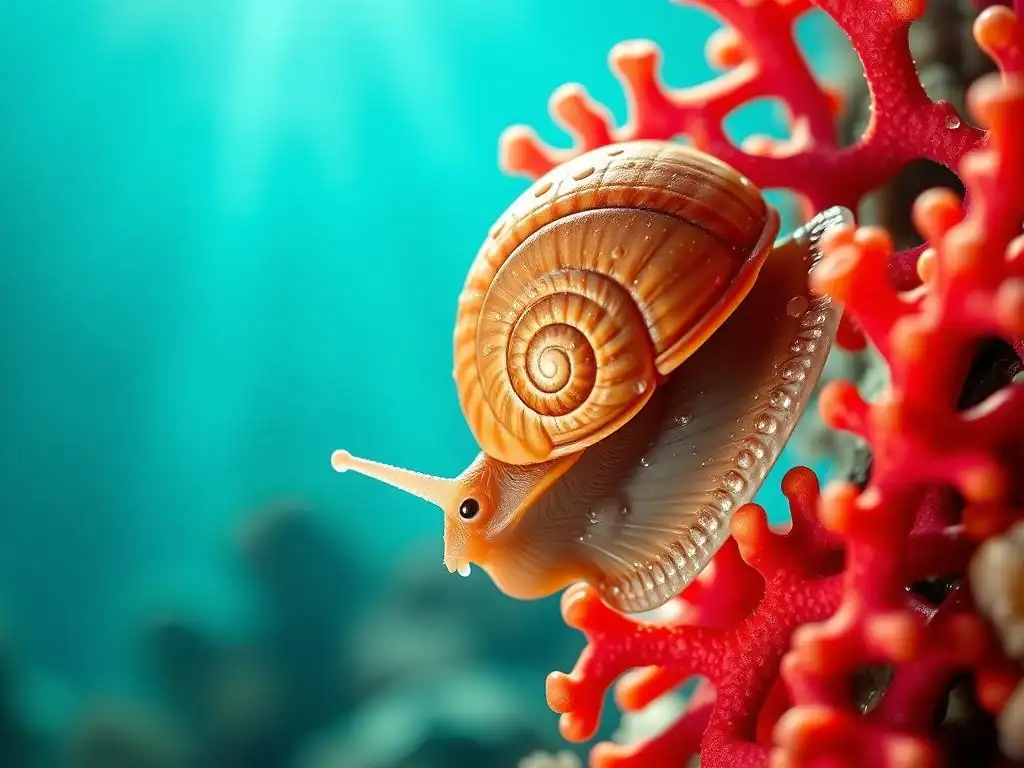
Sundial snails (genus Architectonica or Heliacus) are distinctive predatory snails that primarily feed on zoanthids and palythoa. They are relatively easy to identify due to their unique shell shape: a flat, disc-like or conical shell that resembles a sundial, often with a striped or checkered pattern. Their shells typically spiral outwards in a flat plane, unlike the more common tall-spiraled snails found in aquariums.
These snails can range in size from a few millimeters to several centimeters, with Architectonica perspectiva being one of the larger and more commonly encountered species, reaching up to 2-3 cm in diameter. They often hide in crevices or under rocks during the day and emerge at night to feed. Spotting their characteristic shell, especially when they are actively moving on or near zoanthid colonies, is a strong indicator of their presence and a key aspect of zoanthid pest identification.
Sundial Snail Damage
Sundial snail damage is typically characterized by distinct, circular bite marks on the zoanthid polyps, or polyps that appear shrunken and partially consumed. Unlike nudibranchs that consume the entire polyp, sundial snails often leave a damaged, irritated polyp that may not fully open. They feed by rasping away the soft tissue of the zoanthid, leaving the mat exposed.
A single sundial snail can cause significant damage to a zoanthid colony in a short period. If multiple polyps on a mat show signs of irritation or have open wounds, and you can't find nudibranchs, sundial snails should be high on your suspect list. Their feeding activity can also introduce secondary infections to the damaged zoanthids, further compromising their health.
Sundial Snail Removal
Manual removal is the most effective method for controlling sundial snails. Because they are relatively large and have a distinctive appearance, they are easier to spot and remove than nudibranchs or zoanthid spiders. During the day, they often hide, so it's best to search for them at night when they are most active. Use a flashlight to scan your zoanthid colonies and surrounding rockwork.
When spotted, carefully pick them off the rock or coral with tweezers or your fingers. It is crucial to remove all visible sundial snails, as even one can continue to cause significant damage. Regularly inspecting your zoanthid colonies, especially at night, for several weeks after initial removal is recommended to catch any remaining or newly hatched individuals.
Preventing Introductions: Quarantine
Preventing the introduction of sundial snails is crucial, as their presence can be devastating to zoanthid-dominant tanks. As with other pests, strict quarantine procedures for all new corals, especially zoanthids and palythoa, are essential. When acquiring new zoanthid frags, carefully inspect the frag plug and the zoanthid mat itself for any small sundial snails or their eggs.
A dedicated quarantine tank allows you to observe new additions for at least 2-4 weeks. During this period, perform thorough inspections, particularly at night, and consider a prophylactic dip for the new coral. Even if a frag appears clean, a small sundial snail can be incredibly cryptic. Scrubbing the frag plug with a toothbrush before introduction can also help dislodge any hidden pests or egg masses.
Montipora-Eating Nudibranchs: A Cautionary Tale for Mixed Reefs
Identifying Montipora-Eating Nudibranchs
Montipora-eating nudibranchs (often Phestilla sp. or Hoplodoris sp.) are specific predators of Montipora corals, particularly encrusting and plating varieties. They are typically small, ranging from 0.5 cm to 1.5 cm, and often possess coloration that perfectly camouflages them against the Montipora coral's tissue, making them extremely difficult to spot. For instance, a nudibranch on a green Montipora might be green, while one on a red Montipora could be reddish-brown.
Unlike zoanthid-eating nudibranchs, these often have a smoother body texture or less pronounced cerata, depending on the species. The most reliable sign of their presence is localized tissue recession on Montipora corals, sometimes leaving behind white skeletal patches. They also lay distinctive white, spiral-shaped egg masses, similar to zoanthid-eating nudibranchs, but specifically on Montipora tissue or nearby rock. While not a direct zoanthid pest, their presence highlights the importance of universal pest control protocols.
Why Quarantine is Essential for All New Corals
The existence of highly specific coral predators like Montipora-eating nudibranchs underscores why comprehensive quarantine procedures are absolutely essential for all new corals, regardless of species, before introducing them to your display tank. Even if you are only adding a new SPS coral to a tank primarily housing zoanthids, that SPS coral could carry pests that might spread to other parts of your system or, more commonly, devastate the new coral itself.
A quarantine tank acts as a critical buffer, allowing you to observe, dip, and treat new corals for several weeks (a minimum of 2-4 weeks is recommended). This dedicated period significantly reduces the risk of introducing not only Montipora-eating nudibranchs but also other common pests like flatworms, Acropora eating flatworms (AEFW), red bugs, zoanthid-eating nudibranchs, and sundial snails. Investing in a simple quarantine setup is a small price to pay to protect your established reef and prevent costly pest outbreaks.
Preventing Zoanthid Pest Infestations
Quarantine Procedures
Implementing robust quarantine procedures is the single most effective strategy for preventing zoanthid pest infestations. A dedicated quarantine tank (QT) allows for the isolation and observation of all new zoanthids and other corals for a period of at least 2-4 weeks before they enter the main display. During this time, the new corals should be thoroughly inspected daily for any signs of pests, particularly at night when many predators are most active.
Furthermore, all new corals, including zoanthids, should undergo a prophylactic coral dip. Use a reputable coral dip product, such as Coral RX, Revive Coral Cleaner, or a dilute Lugol's iodine solution, following the manufacturer's instructions carefully. These dips help dislodge and kill many common pests, including nudibranchs, flatworms, and even some amphipods, significantly reducing the risk of introducing them into your established reef ecosystem.
Regular Inspection
Even with stringent quarantine, regular inspection of your zoanthid colonies in the main display tank is vital for early detection of potential pest outbreaks. Make it a routine practice to closely examine your zoanthids at least once a week, preferably with a magnifying glass or a strong flashlight. Pay close attention to polyps that are not opening fully, show signs of recession, or have unusual discoloration.
During these inspections, look for any visible pests like small nudibranchs, "spider-like" amphipods, or sundial snails on the zoanthid mat or surrounding rockwork. Also, inspect for any unusual egg masses, particularly the spiral-shaped ones laid by nudibranchs. Early identification of these signs allows for prompt intervention, preventing a small, manageable problem from escalating into a widespread and difficult-to-eradicate infestation.
Maintaining Water Parameters
Maintaining stable and optimal water parameters is crucial for the overall health and resilience of your zoanthid colonies, making them less susceptible to pest damage and more capable of recovering from stress. Healthy zoanthids are better equipped to withstand minor pest attacks and recover more quickly after treatment. Key parameters for zoanthids generally include:
- Salinity: 1.025-1.026 specific gravity
- Temperature: 76-78°F (24.4-25.6°C)
- pH: 8.0-8.4
- Alkalinity: 8-12 dKH
- Calcium: 400-450 ppm
- Magnesium: 1250-1350 ppm
Consistent monitoring and adjustment of these parameters prevent stress that could weaken your zoanthids. For instance, fluctuating alkalinity can cause tissue irritation, making zoanthids appear stressed and potentially masking early signs of pest activity. A robust, healthy zoanthid colony is your first line of defense against most common zoanthid pests.
Zoanthid Pest Treatment Options
Zoanthid Dips: Types and Application
Zoanthid dips are a frontline treatment for removing external pests from zoanthid colonies. Several types of dips are available, each with different active ingredients and mechanisms of action. Common commercial dips include Coral RX, Revive Coral Cleaner, and Two Little Fishies' Revive. These products typically contain essential oils or other proprietary ingredients designed to irritate and dislodge pests without harming the coral.
Another effective dip option is a dilute Lugol's iodine solution, often used at a concentration of 5-10 drops per gallon of tank water, for a duration of 5-10 minutes. This acts as an antiseptic and can help kill some external parasites. When applying any dip, place the zoanthid frag in a separate container with tank water and the appropriate dip solution.
Gently agitate the water or use a small powerhead to create flow around the coral for the recommended duration. After dipping, rinse the coral thoroughly in clean tank water before returning it to the display. Always observe the coral closely during and after the dip for signs of stress.
Manual Removal Techniques
Manual removal is often necessary, especially for larger pests or those that are resistant to dips, and is crucial for removing egg masses. For zoanthid-eating nudibranchs and sundial snails, carefully inspect the zoanthid colony using a magnifying glass or a strong light. Use fine-tipped tweezers to gently pick off any visible pests. Be extremely gentle to avoid damaging the zoanthid polyps or mat.
For nudibranch egg masses, which appear as small, white spirals, use the tweezers or a sharp hobby knife to carefully scrape them off the frag plug or rockwork. If the infestation is severe or on a large, established colony, it may be necessary to remove the entire rock from the tank for a more thorough inspection and manual cleaning. A soft toothbrush can sometimes be used to gently brush away small pests or detritus from the zoanthid mat. Repeated manual removal over several weeks is often required to break the pest's life cycle.
Biological Control
Biological control involves introducing natural predators to help manage pest populations. For zoanthid spiders (predatory amphipods), certain wrasse species are highly effective. The Six-Line Wrasse ( Pseudocheilinops hexataenia) is a popular choice known for actively hunting small invertebrates, including various types of amphipods and flatworms. Other wrasses, such as the Yellow Coris Wrasse ( Halichoeres chrysus) or Leopard Wrasse ( Macropharyngodon spp.), can also be beneficial.
While wrasses can significantly reduce pest numbers, they are not a guaranteed solution and come with caveats. Some wrasse species can be aggressive towards other tank inhabitants or may pick at desirable invertebrates. They also require specific tank conditions and a stable food source. It's important to research the specific wrasse species thoroughly to ensure compatibility with your existing tank inhabitants and overall reef setup before introducing them as a biological control measure.
Maintaining a Healthy Zoanthid Colony
Proper Lighting and Flow
Maintaining proper lighting and flow is fundamental to the long-term health and vibrancy of your zoanthid colonies. Zoanthids generally thrive under moderate lighting conditions, typically ranging from 50 to 150 PAR (Photosynthetically Active Radiation), depending on the specific species and their coloration. Too much light can cause bleaching or recession, while too little can lead to dull coloration and poor growth. It's important to acclimate new zoanthids gradually to your tank's lighting intensity.
Moderate, indirect water flow is also crucial. Zoanthids prefer turbulent, chaotic flow rather than direct, strong laminar flow, which can cause them to remain closed. Good flow helps to keep detritus from settling on the polyps, delivers nutrients, and carries away waste products. Aim for flow that gently sways the polyps without causing them to constantly retract or be blasted by direct current.
Supplementing Nutrients
While zoanthids primarily derive energy from their symbiotic zooxanthellae, they also benefit from supplemental feeding and the presence of dissolved nutrients in the water column. They are effective filter feeders and will consume small particulate matter, phytoplankton, and dissolved organic compounds. Regular, light feeding with specialized coral foods designed for filter feeders or a high-quality phytoplankton suspension can significantly enhance their growth and coloration.
Maintaining consistent, low levels of nitrates (typically 5-15 ppm) and phosphates (0.03-0.08 ppm) is also beneficial. While some aquarists aim for ultra-low nutrient systems, zoanthids often prefer slightly elevated nutrient levels compared to SPS corals. Ensure that these nutrients are stable and not fluctuating wildly, as instability can stress the polyps and make them more susceptible to disease or pest issues.
Monitoring for Stress or Disease
Consistent monitoring of your zoanthid colonies for any signs of stress or disease is a proactive measure that goes hand-in-hand with zoanthid pest identification. Healthy zoanthids should be fully open, display vibrant colors, and show consistent growth. Signs of stress include polyps remaining closed for extended periods, tissue recession, fading coloration, or unusual slime production.
Disease can manifest as white patches, black spots, or rapid tissue necrosis. If you observe any of these symptoms, investigate immediately. Check your water parameters, lighting, and flow. If environmental factors are ruled out, consider potential pest issues or bacterial infections. Early detection and intervention are key to successfully treating stress or disease before it spreads throughout the colony.
Balanced Reef Ecosystem
A balanced reef ecosystem contributes significantly to the long-term health of your zoanthid colonies and resilience against pests. A diverse cleanup crew, including various snails (e.g., Nassarius, Trochus), hermit crabs, and copepods, helps maintain water quality and consume detritus, reducing areas where pests might thrive. A healthy microfauna population, including beneficial amphipods and copepods, can outcompete or even prey on some nuisance organisms.
Introducing appropriate fish species that are known to consume certain pests, such as wrasses for zoanthid spiders or flatworms, can also be part of a balanced approach. However, ensure that any biological control agent is compatible with your tank's size and other inhabitants. Ultimately, a stable, mature reef environment with consistent parameters and a thriving biodiversity creates a robust foundation where zoanthids can flourish and naturally resist many common threats.
Frequently Asked Questions
What are the most common pests that affect Zoanthids?
The most common pests include nudibranchs, Zoanthid Eating Spiders, and Sundial Snails. These critters can quickly decimate a Zoanthid colony if left unchecked.
How can I identify Zoanthid Eating Nudibranchs?
Zoanthid Eating Nudibranchs are often small and camouflaged, blending in with the Zoanthids themselves. Look for missing tissue or unusually closed polyps, and inspect the colony closely with a magnifying glass.
What damage do Zoanthid Eating Spiders cause to Zoanthids?
Zoanthid Eating Spiders create small webs and bite the polyps, causing them to retract and potentially die. They can be identified by their spider-like appearance and the webs they spin around the Zoanthids.
How can I identify and remove Sundial Snails from my Zoanthid colony?
Sundial Snails are small, conical snails that feed on Zoanthid tissue. Look for them at the base of the Zoanthids or on the rockwork nearby. Manual removal is often the best solution.
What are some preventative measures I can take to protect my Zoanthids from pests?
Quarantine new Zoanthids before introducing them to the main tank. Also, regularly inspect your Zoanthids for any signs of pests, and consider dipping them in a coral dip as a preventative measure.
Final Reflection: Protecting Our Zoanthid Gardens
The information presented in this Zoanthid pest identification guide is more crucial now than ever, as the popularity of reef aquariums continues to grow and more hobbyists embrace the vibrant beauty of Zoanthids. The ability to quickly and accurately identify common pests like nudibranchs, spiders, and sundial snails is the first line of defense against devastating infestations that can wipe out entire colonies and disrupt the delicate balance of a reef ecosystem.
This journey into the world of Zoanthid pests has not only highlighted the challenges reef keepers face, but also underscored the importance of vigilance and proactive care in maintaining a thriving aquarium. The price of freedom is eternal vigilance.
While often applied to political liberty, this quote resonates deeply with reef keeping; the freedom to enjoy a healthy and vibrant reef requires constant attention and a willingness to learn and adapt.
Now, armed with the knowledge to identify and combat these common Zoanthid pests, I encourage you to reflect on your own practices and consider how you can contribute to a healthier reefing community. Share your experiences, educate fellow hobbyists, and remember that even the smallest actions can make a significant difference in preserving the beauty and biodiversity of our underwater world. Let's work together to ensure that future generations can also marvel at the captivating allure of Zoanthid gardens.
Dive Deeper: Protect Your Zoanthid Paradise!
Thank you for exploring the fascinating world of zoanthid pests with us. We hope you now feel more confident in identifying and addressing these threats to your coral reef aquarium. Now, let's put that knowledge into action and create a thriving environment for your zoanthids!
Here's what you can do next:
- Take Immediate Action: Conduct a thorough inspection of your zoanthids for any signs of nudibranchs, spiders or sundial snails, using the identification tips from this article. Early detection is key!
- Share Your Wisdom: Spread the word by sharing this article with fellow reefing enthusiasts to help them protect their zoanthids, too!
- Uncover Hidden Dangers: Research compatible wrasse species known for their appetite for small invertebrates and consider adding one to your tank to naturally control pests.
What unique strategies have you used to combat zoanthid pests in your aquarium, and what were the results?