
Can You Tame a Moray Eel? The Truth About Eel Personalities in Aquaria

Welcome to Aquarium Mastery!
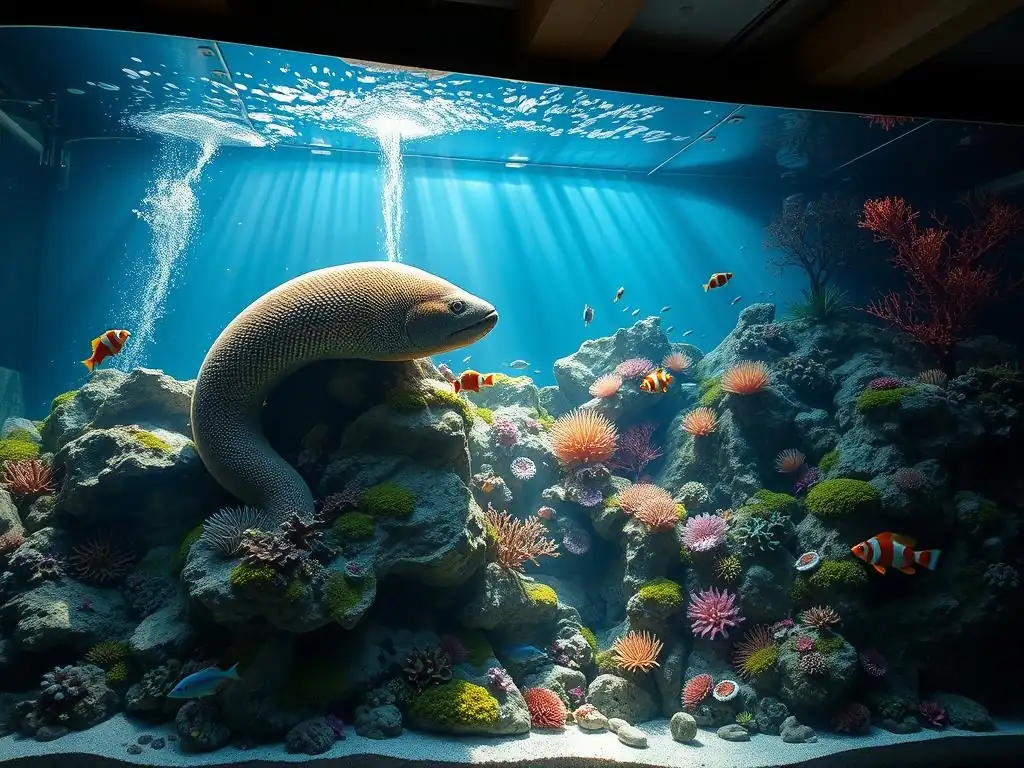
Ever wondered if those captivating Moray Eels are just as mysterious in personality as they are in appearance? Dive into our latest article, "Can You Tame a Moray Eel? ", where we unravel the secrets of Moray Eel Temperament in aquariums. Prepare to challenge your assumptions and discover fascinating insights into these enigmatic creatures! Ready to explore the underwater world of eel personalities?
- Understanding Moray Eel Temperament in the Home Aquarium
- Factors Influencing Moray Eel Behavior in Captivity
- Can You Train a Moray Eel? Exploring Interaction Possibilities
- Choosing the Right Moray Eel Species for Your Aquarium
- Tank Mates and Moray Eel Compatibility
- Maintaining a Healthy and Happy Moray Eel
- The Ethical Considerations of Keeping Moray Eels
- Conclusion: Respecting the Wild Nature of Moray Eels in Aquaria
-
Frequently Asked Questions
- What is the typical temperament of a moray eel in an aquarium setting?
- Are moray eels suitable for beginner aquarists?
- What factors influence a moray eel's temperament in an aquarium?
- Can you "tame" a moray eel in an aquarium?
- What are some signs that a moray eel is stressed or unhappy in its aquarium?
- Final Reflection: Unveiling the Enigmatic Eel
- Unleash Your Inner Eel Whisperer!
Understanding Moray Eel Temperament in the Home Aquarium
Debunking Myths About Moray Eel Taming
The idea of "taming" a Moray eel is a common misconception among aspiring aquarists, often fueled by viral videos or anecdotes. It's crucial to understand that Moray eels are wild predators, not domestic animals like cats or dogs that can be trained for obedience or affection. Their seemingly "tame" behavior in an aquarium is almost exclusively a learned association with food, a conditioned response rather than a sign of genuine domestication or emotional bonding. They are responding to a consistent source of nourishment, not forming a pet-owner relationship.
Many aquarists observe their Moray eels coming to the surface, swimming towards them, or even allowing gentle touches during feeding time. These actions are often misinterpreted as signs of affection or tameness. In reality, the eel is simply associating the aquarist's presence with an impending meal. This behavior is a survival instinct – recognizing a reliable food source – and does not imply that the eel has lost its wild instincts or predatory nature. It's a pragmatic adaptation to captivity, not a change in its fundamental Moray eel temperament aquarium.
The Reality of Moray Eel Personalities
While Moray eels cannot be "tamed," they certainly exhibit individual personalities and varying degrees of boldness or shyness. Within a single species, one individual might be a reclusive cave-dweller, rarely venturing out, while another might be an active explorer, constantly patrolling its territory. This individual variation in Moray eel temperament aquarium is fascinating to observe and contributes to the unique experience of keeping these creatures. It's important to distinguish this inherent individuality from any notion of domestication.
These individual "personalities" manifest in various ways. A bold eel might readily approach the front glass during feeding times, exhibit curiosity towards new tank decorations, or even tolerate the presence of the aquarist's hand during routine maintenance (though this is not recommended for safety). Conversely, a shy eel might only emerge from its hiding spot under the cover of darkness or when the tank is completely undisturbed. Understanding these nuances in Moray eel temperament aquarium allows aquarists to appreciate the unique character of their specific specimen.
Factors Influencing Moray Eel Behavior in Captivity
Tank Size and Aquascape: Impact on Eel Disposition
The size of the aquarium is perhaps the most critical factor influencing a Moray eel's disposition and overall well-being. Housing an eel in an undersized tank leads to chronic stress, stunted growth, and can result in aggressive or erratic behavior. For instance, a Snowflake Moray (Echidna nebulosa), which typically reaches 24-30 inches, requires a minimum of 50-75 gallons.
A larger species like a Green Moray (Gymnothorax funebris), capable of exceeding 8 feet in length, would demand hundreds, if not a thousand gallons, to thrive. Inadequate space directly contributes to a poor Moray eel temperament aquarium, often manifesting as lethargy or attempts to escape.
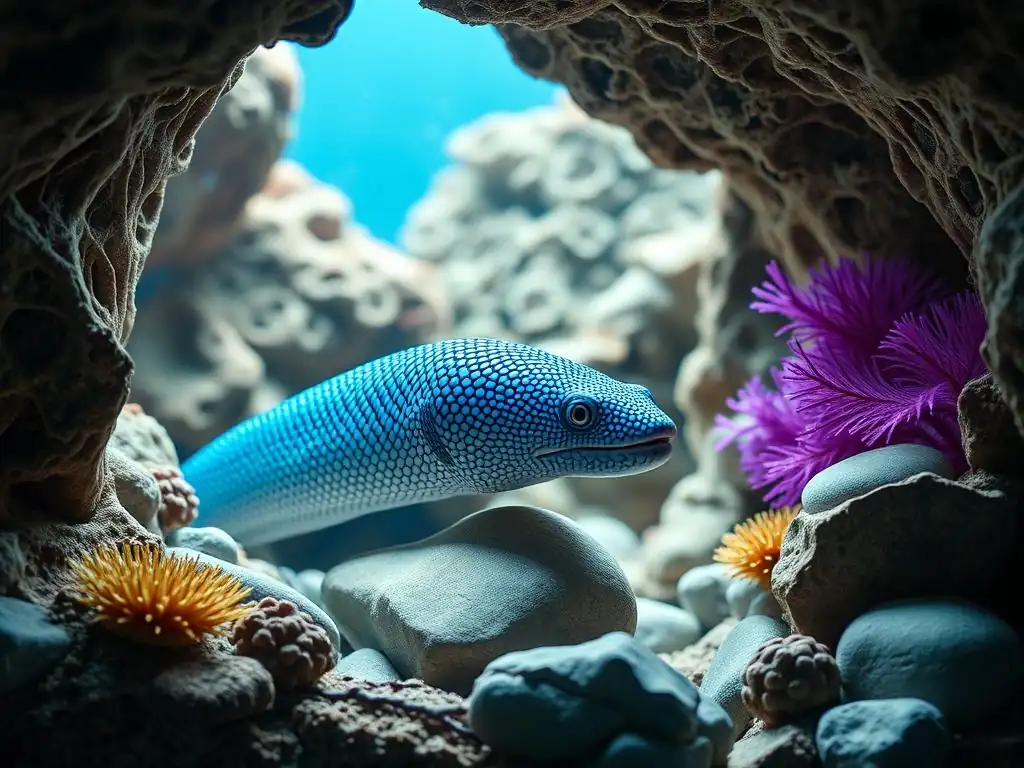
Beyond sheer volume, the aquascape plays a vital role. Moray eels are naturally secretive creatures that require ample hiding spots to feel secure. A well-designed tank should include numerous caves, crevices, and PVC pipes disguised within rockwork, providing multiple opportunities for the eel to retreat. A lack of secure refuges can make an eel feel exposed and vulnerable, leading to increased stress, reclusiveness, or conversely, heightened aggression if it feels threatened. A tight-fitting, weighted lid is also non-negotiable, as stressed eels are notorious for attempting to escape, often finding the smallest gaps.
Water Quality and Its Effect on Moray Eel Temperament
Pristine and stable water quality is paramount for the health and temperament of any marine inhabitant, and Moray eels are no exception. Elevated levels of ammonia, nitrite, or nitrate can quickly lead to stress, disease, and a significant decline in an eel's overall well-being. Ideal parameters include a salinity of 1.020-1.025, a temperature range of 72-78°F (22-26°C), and a pH between 8.1-8.4. Ammonia and nitrite should always be at 0 ppm, and nitrates should ideally be kept below 20 ppm. Regular and accurate testing, perhaps weekly, is essential to monitor these parameters.
Poor water quality directly impacts a Moray eel's health, making it susceptible to common ailments like fin rot, lateral line erosion, and bacterial infections. An unhealthy eel will almost certainly exhibit a negative Moray eel temperament aquarium, becoming lethargic, refusing food, hiding excessively, or displaying erratic swimming patterns. Consistent maintenance, including regular large water changes (e.g., 20-30% bi-weekly for smaller tanks, or weekly for larger, more heavily stocked systems) and robust filtration (protein skimmer, live rock, sump), is crucial for preventing these issues and ensuring a healthy, stable environment.
The Role of Diet and Feeding Habits in Eel Behavior
A varied and appropriate diet is fundamental to maintaining a healthy and well-adjusted Moray eel. As carnivores, their diet should consist primarily of meaty foods such as silversides, shrimp, squid, pieces of fish (like tilapia or cod), and occasionally krill. Nutritional deficiencies from a monotonous diet can lead to health problems, impacting the eel's energy levels and potentially manifesting as erratic or aggressive Moray eel temperament aquarium. Overfeeding, conversely, can lead to obesity and rapid deterioration of water quality, both detrimental to the eel's health.
Feeding frequency also plays a role in managing Moray eel temperament aquarium. Juvenile eels typically require feeding every 2-3 days, while mature adults can often be fed 1-2 times per week. Establishing a consistent feeding schedule helps the eel anticipate meals, reducing stress and potentially curbing aggressive predatory behavior towards tank mates. Always use long feeding tongs to offer food, not only for safety to prevent accidental nips but also to reinforce the association between the tongs and food, which aids in managing their behavior during feeding times.
Can You Train a Moray Eel? Exploring Interaction Possibilities
Positive Reinforcement Techniques: Target Feeding with a Tongs
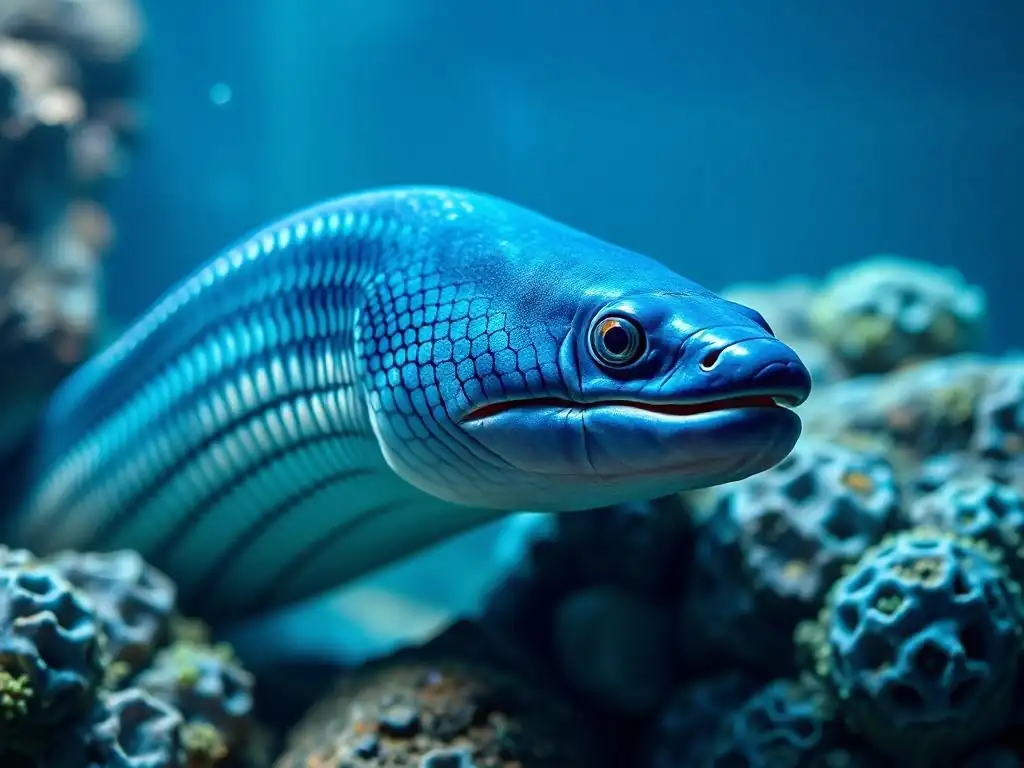
While "training" in the traditional sense of obedience is not applicable to Moray eels, aquarists can employ positive reinforcement techniques to condition certain behaviors, primarily related to feeding. Target feeding with long tongs is the most effective and safest method. By consistently presenting food on tongs at a specific spot or time, the eel learns to associate the tongs with a meal. This conditioning encourages the eel to emerge readily during feeding times, making it easier to monitor its health and ensure it receives adequate nutrition.
This technique not only ensures the eel gets its food but also reduces stress by eliminating the need for it to actively hunt or compete for food. Over time, the eel will anticipate feeding, often swimming to the front of the tank when the aquarist approaches with the tongs. This behavior, while appearing "friendly," is a clear example of operant conditioning – the eel performs a behavior (approaching the tongs) to receive a reward (food). It's a practical way to manage the Moray eel temperament aquarium, making feeding routines smoother and safer for both the eel and the aquarist.
Establishing a Bond: Building Trust with Your Moray Eel
The concept of "establishing a bond" with a Moray eel should be understood in terms of building comfort and trust, rather than an emotional connection. This means fostering an environment where the eel feels secure and does not perceive the aquarist as a threat. Consistent, non-threatening interaction, such as moving slowly around the tank, avoiding sudden movements, and performing routine maintenance without directly harassing the eel, contributes to this sense of security. The goal is for the eel to become accustomed to your presence.
Patience is key in this process. Some eels may take months to become fully comfortable with their human caretakers. Avoid tapping on the glass or making loud noises, as these can startle and stress the eel, undermining any progress made. A relaxed Moray eel is less likely to exhibit fearful or aggressive Moray eel temperament aquarium, and will be more likely to engage in natural behaviors, such as exploring its habitat or readily accepting food during feeding times. This comfort is a sign of successful husbandry, not domestication.
Understanding Eel Body Language and Communication
Interpreting a Moray eel's body language is crucial for understanding its well-being and managing its Moray eel temperament aquarium. One of the most common behaviors is gaping – opening its mouth wide. While this can appear intimidating, it's often a natural behavior for respiration, allowing water to pass over their gills, or a warning display when they feel threatened, rather than an immediate sign of aggression. Context is vital; a gaping eel that is also retreating or hiding is likely stressed, whereas one gaping in its cave might simply be breathing.
Other signs of stress or discomfort include excessive hiding, refusing food for prolonged periods (beyond their normal feeding schedule), rapid breathing, or erratic, panicked swimming. Conversely, an eel that is actively exploring its environment, readily accepting food, and appears relaxed in its hiding spots typically indicates a healthy and content specimen. Being attuned to these subtle cues allows aquarists to make necessary adjustments to the environment or care routine, ensuring the eel's continued health and a stable Moray eel temperament aquarium.
Choosing the Right Moray Eel Species for Your Aquarium
Gentle Giants: Moray Eel Species Known for Docile Temperaments (Snowflake Eel, Zebra Moray)
For aquarists seeking a Moray eel with a relatively manageable Moray eel temperament aquarium, the Snowflake Moray (Echidna nebulosa) is often recommended. Reaching an adult length of 24-30 inches, this species is known for its relatively docile nature, rarely posing a threat to appropriately sized tank mates. They are primarily piscivores (fish-eaters) but can also consume crustaceans, making them a popular choice for larger community reef tanks, provided there are no small, vulnerable fish. A minimum tank size of 50-75 gallons is generally advised for a single Snowflake Moray.
Another excellent choice for a peaceful Moray eel temperament aquarium is the Zebra Moray (Gymnomuraena zebra). While capable of reaching an impressive length of 3-5 feet, the Zebra Moray is remarkably docile. Unlike many other morays, its diet consists primarily of mollusks and crustaceans, and its small, blunt teeth are not well-suited for catching fish. This makes them significantly safer for fish tank mates. Due to their length, a minimum tank size of 120 gallons or more is recommended, but their calm demeanor makes them highly sought after by experienced aquarists.
More Aggressive Moray Eel Species to Avoid (Green Moray, Giant Moray)
Certain Moray eel species are entirely unsuitable for the average home aquarium due to their immense size and aggressive Moray eel temperament aquarium. The Green Moray (Gymnothorax funebris), for instance, can grow to an astonishing 8 feet in length and weigh over 30 pounds. These powerful predators are highly aggressive and require truly massive tanks, often exceeding 500-1000 gallons, along with specialized feeding protocols to ensure safety. Their formidable size and predatory nature make them a significant danger to most tank mates and handlers, best left to public aquariums.
Similarly, the Giant Moray (Gymnothorax javanicus) is the largest known Moray eel species, capable of exceeding 10 feet in length and weighing over 66 pounds. These are apex predators of the reef, possessing immense strength and an extremely aggressive Moray eel temperament aquarium. Keeping such a creature in a home setting is impractical and ethically questionable due to the sheer scale of the habitat required and the inherent danger they pose. It is crucial for aquarists to be aware of these species and understand why they are not viable options for private collections.
Researching Species-Specific Temperament Before Acquisition
Thorough research into the species-specific Moray eel temperament aquarium is paramount before acquiring any specimen. Each Moray eel species has distinct growth patterns, dietary requirements, and natural dispositions that dictate its suitability for a home aquarium. Relying on anecdotal evidence or general "eel care" guides is insufficient; detailed research from reputable sources, including scientific literature and experienced aquarists specializing in eels, is essential.
It's important to remember that juvenile eels often appear small and docile, but they will grow into their species' full adult size and natural temperament. An aquarist might acquire a small Green Moray, unaware that it will quickly outgrow its tank and become an unmanageable predator. Therefore, always understand the maximum adult size, typical predatory behavior, and specific care requirements of any Moray eel species before making a commitment. This proactive approach ensures a responsible and successful Moray eel temperament aquarium experience.
Tank Mates and Moray Eel Compatibility
Selecting Suitable Tank Mates for a Peaceful Aquarium
When selecting tank mates for a Moray eel, the golden rule is simple: if it fits in the eel's mouth, it's potential food. Suitable tank mates must be too large to be consumed, fast-moving, and robust enough to withstand the eel's occasional curiosity or predatory instincts. Good candidates often include large tangs (e.g., Yellow Tang, Zebrasoma flavescens, reaching 6-8 inches), substantial angelfish species, and certain triggerfish (though triggers can be aggressive themselves, so caution is advised). Fish that inhabit the upper water column are generally safer than bottom-dwellers.
Successful pairings often involve fish that occupy different ecological niches, minimizing direct competition or conflict. For instance, a Snowflake Moray can often coexist peacefully with a Foxface Rabbitfish (Siganus vulpinus) or a large Emperor Angelfish (Pomacanthus imperator). Introducing the eel last into a well-established tank can also help, as other fish will have already claimed territories. A well-fed eel is significantly less likely to actively hunt its tank mates, contributing to a more stable Moray eel temperament aquarium.
Avoiding Aggression: Fish Species That Don't Mix with Moray Eels
To prevent tragic outcomes, aquarists must strictly avoid introducing small, slow-moving, or docile fish with Moray eels. This includes common aquarium staples like gobies, blennies, small damselfish, and most wrasses, all of which will almost certainly become expensive snacks. Even larger fish that are prone to sleeping on the bottom, where eels primarily hunt, are at high risk. Any fish that exhibits signs of illness or weakness will also quickly become a target.
Furthermore, it's wise to avoid highly aggressive or territorial fish that might nip at or harass the eel. While eels are formidable, constant harassment can stress them, leading to health issues or retaliatory aggression. This includes certain types of damselfish or even some smaller, feisty triggerfish that might view the eel as a threat rather than a potential meal. The goal is to create a harmonious environment where the Moray eel temperament aquarium is not negatively influenced by constant conflict.
Creating a Harmonious Aquarium Environment
Creating a harmonious environment for a Moray eel and its tank mates requires careful planning and continuous monitoring. As mentioned, introducing the eel last can help minimize territorial disputes, allowing other fish to establish their spaces. Providing ample hiding spots for all inhabitants, not just the eel, is crucial, as it reduces stress and competition for shelter. A diverse aquascape with plenty of live rock can create natural barriers and distinct territories.
Maintaining a consistent and appropriate feeding schedule for the eel is paramount. A well-fed Moray eel is less likely to view its tank mates as food. Overfeeding, however, leads to water quality issues. Regular observation of interactions between the eel and its tank mates is essential. Any signs of stress, injury, or undue aggression should prompt immediate action, such as rehoming one of the fish, to ensure a stable and peaceful Moray eel temperament aquarium for all inhabitants.
Maintaining a Healthy and Happy Moray Eel
Essential Water Parameters for Optimal Eel Health
Maintaining a healthy and happy Moray eel hinges on consistently optimal water parameters. Beyond the standard marine requirements, eels are particularly sensitive to fluctuations. Salinity should be stable at 1.020-1.025, temperature maintained between 72-78°F (22-26°C), and pH kept within 8.1-8.4. Critically, ammonia and nitrite levels must remain at an undetectable 0 ppm, as eels are highly susceptible to nitrogenous waste poisoning. Nitrates should ideally be kept below 20 ppm to prevent chronic stress and disease.
Regular and diligent water testing (e.g., bi-weekly or weekly depending on tank maturity and stocking levels) is not merely a recommendation but a necessity. Robust filtration systems, including a high-quality protein skimmer, ample live rock for biological filtration, and potentially a refugium, are essential for maintaining these pristine conditions. Stable water quality directly correlates with a healthy immune system and a calm Moray eel temperament aquarium, preventing stress-induced behaviors or illnesses.
Preventing and Treating Common Moray Eel Diseases
Moray eels, despite their hardy appearance, are susceptible to common saltwater diseases, particularly if stressed by poor water quality, inadequate diet, or improper tank mates. Ich (Cryptocaryon irritans) and Brooklynella hostilis are common culprits. Prevention is the best medicine: always quarantine new fish for at least four to six weeks in a separate tank before introducing them to the main display, even if they appear healthy. This practice significantly reduces the risk of introducing pathogens.
Should an eel contract a disease, treatment can be challenging. Many eels are sensitive to certain medications, particularly copper-based treatments used for Ich, which must be dosed carefully and monitored closely. For bacterial infections, broad-spectrum antibiotics might be necessary, often administered via medicated food or in a hospital tank. The most effective long-term strategy for preventing disease and ensuring a stable Moray eel temperament aquarium is consistent, high-quality husbandry, which bolsters the eel's natural immune response.
Providing Enrichment and Stimulation for a Content Eel
Providing environmental enrichment is often overlooked for fish but is vital for the psychological well-being of intelligent creatures like Moray eels. This doesn't mean providing toys, but rather creating a dynamic and stimulating habitat. A complex aquascape with multiple hiding spots, tunnels, and crevices encourages natural exploration and provides mental stimulation. Periodically rearranging a few rocks or adding new, secure hiding elements can offer novel experiences for the eel to investigate.
Varied feeding methods can also serve as enrichment. Instead of always dropping food in the same spot, occasionally hiding a piece of food for the eel to "hunt" can engage its natural predatory instincts. Offering a variety of food items, rather than the same meal every time, also contributes to a more interesting diet. While eels won't "play" in the conventional sense, these forms of enrichment contribute to a more active, less stressed, and ultimately more content Moray eel temperament aquarium.
The Ethical Considerations of Keeping Moray Eels
The Importance of Responsible Ownership
Keeping a Moray eel is a significant long-term commitment that demands responsible ownership. Many Moray eel species, particularly the more common ones like the Snowflake Moray, can live for 10-20 years or even longer in captivity with proper care. They are not short-term pets that can be easily rehomed or discarded when they outgrow their initial appeal. Responsible ownership means committing to providing excellent care for the entirety of their lifespan, understanding that this involves substantial time, effort, and financial resources.
Impulsively acquiring an eel without thorough research into its specific needs, adult size, and long-term care requirements often leads to situations where the eel outgrows its tank, becomes stressed, or suffers from neglect. This is an ethical failing that contributes to poor animal welfare. The unique Moray eel temperament aquarium, coupled with their predatory nature and longevity, necessitates a level of commitment far beyond that of many other aquarium inhabitants.
Providing Adequate Space and Care for These Complex Creatures
One of the most critical ethical considerations is providing adequate space. Housing a Moray eel in an undersized tank is not only detrimental to its physical health, leading to stunted growth and spinal deformities, but also severely impacts its psychological well-being, leading to chronic stress and abnormal behaviors. For instance, attempting to house a 3-foot Zebra Moray in a 30-gallon tank is a clear example of unethical animal husbandry. The long-term consequences of such confinement are severe and irreversible.
Beyond tank size, the ongoing care requirements are substantial. This includes maintaining pristine water quality through robust filtration and regular water changes, providing a varied and nutritious diet, and offering an enriching environment with ample hiding spots. These requirements represent a significant financial investment in equipment, food, and utilities, as well as a considerable time commitment for maintenance. Failing to meet these basic needs directly compromises the eel's health and ability to exhibit a natural Moray eel temperament aquarium.
Understanding the Long-Term Commitment of Moray Eel Keeping
The long-term commitment of keeping Moray eels extends beyond daily care. It includes planning for vacations, as finding knowledgeable and trustworthy individuals to care for large, predatory marine fish can be challenging. It also involves understanding that an eel's needs may evolve as it ages and grows, potentially requiring tank upgrades or adjustments to its diet. These are not static creatures; their care is dynamic.
Ultimately, keeping a Moray eel is about providing a suitable and thriving habitat for a wild animal, respecting its inherent nature and instincts. It is not about attempting to "tame" it into a conventional pet. Understanding and embracing this distinction is crucial for ethical Moray eel keeping. The reward lies in the privilege of observing these fascinating creatures exhibit their true Moray eel temperament aquarium in a well-managed captive environment.
Conclusion: Respecting the Wild Nature of Moray Eels in Aquaria
Embracing Observation Over Domestication
The allure of the Moray eel in a home aquarium is undeniable, but it's vital for aquarists to embrace a philosophy of observation rather than domestication. Despite their often bold behavior during feeding or their seeming familiarity with their human caretakers, Moray eels remain wild, instinct-driven predators. The satisfaction of keeping these magnificent creatures comes from successfully recreating a habitat where they can thrive and exhibit their natural behaviors and unique Moray eel temperament aquarium, not from attempting to alter their fundamental nature.
True respect for Moray eels means acknowledging their wild heritage and providing an environment that caters to their biological and behavioral needs. This involves understanding their predatory instincts, their need for secure hiding spots, and their sensitivity to water quality. By focusing on creating an optimal habitat and appreciating their natural state, aquarists can enjoy a rewarding experience that honors the eel's true character, rather than imposing unrealistic expectations of tameness.
Creating a Thriving Habitat for Your Moray Eel
Creating a thriving habitat for a Moray eel is a comprehensive endeavor that encompasses several critical elements: providing ample tank space well-suited to the species' adult size, maintaining pristine and stable water parameters through robust filtration and diligent maintenance, offering a varied and nutritious diet, and ensuring an enriching aquascape with multiple secure hiding spots. These foundational elements are non-negotiable for the long-term health and well-being of the eel.
When these conditions are met, a Moray eel can indeed become a fascinating and engaging inhabitant of a saltwater aquarium. Its unique movements, striking appearance, and individual Moray eel temperament aquarium will provide endless hours of captivating observation. By prioritizing the eel's welfare and respecting its wild nature, aquarists can achieve a truly successful and ethically sound experience in keeping these extraordinary marine predators.
Frequently Asked Questions
What is the typical temperament of a moray eel in an aquarium setting?
Moray eels are often described as ambush predators and can be territorial. Their temperament varies depending on the species and individual eel, ranging from relatively docile to aggressive.
Are moray eels suitable for beginner aquarists?
Generally, no. Moray eels require specialized care due to their size, specific dietary needs, and potential for aggression. They are better suited for experienced aquarists.
What factors influence a moray eel's temperament in an aquarium?
Several factors play a role, including tank size, water quality, the presence of compatible tank mates, and the eel's individual personality. A stressful environment can greatly affect its behavior.
Can you "tame" a moray eel in an aquarium?
While you can build a relationship with your moray eel through consistent feeding and interaction, you can't truly "tame" them in the traditional sense. It's more about establishing trust and predictability than domestication.
What are some signs that a moray eel is stressed or unhappy in its aquarium?
Signs of stress include refusal to eat, hiding excessively, erratic swimming patterns, and increased aggression towards tank mates. Monitoring these behaviors is crucial for their well-being.
Final Reflection: Unveiling the Enigmatic Eel
The exploration of moray eel temperament within the aquarium setting, as we've discussed, isn't merely a niche hobbyist concern; it's a microcosm of our broader relationship with the wild. Understanding the nuances of these creatures, their individual personalities, and the ethical considerations of keeping them in captivity, reflects a growing awareness of our responsibility towards all living beings. It's a reminder that even within the controlled environment of an aquarium, the spirit of the wild persists, demanding respect and understanding.
This journey into the world of moray eels has profoundly impacted how we perceive the boundaries between observer and observed. Recognizing the unique personality of each eel, and the dedication required to provide a suitable environment, underscores the importance of responsible pet ownership and the ethical considerations of keeping wild animals. In the end, we conserve only what we love, we will love only what we understand, and we will understand only what we are taught.
- Baba Dioum. This quote resonates deeply, highlighting the crucial role of education and understanding in fostering a genuine appreciation for the natural world, and the creatures within it.
As we conclude this exploration, I invite you to reflect on your own relationship with the natural world. Consider how you can contribute to a greater understanding and respect for all living creatures, whether they reside in the ocean depths or within the confines of an aquarium. Embrace the challenge of learning, understanding, and acting responsibly. Let the lessons gleaned from the moray eel's temperament inspire you to become a more compassionate and informed steward of our planet.
Unleash Your Inner Eel Whisperer!
Thanks for diving deep into the world of moray eels with us! We hope you found some fascinating insights into their personalities and care. Now, it's time to take your newfound knowledge and turn it into action.
Here's how you can get more involved:
- Research your local aquarium to see if they have a moray eel exhibit and plan a visit to observe their behavior firsthand. This real-world experience is invaluable.
- Share this article with fellow aquarists and start a conversation about the unique challenges and rewards of caring for these misunderstood creatures.
- Explore lesser-known eel species; you might discover your next aquatic passion!
What's one surprising thing you learned about moray eel personalities that you're excited to share or explore further?