
Scott's Fairy Wrasse (Cirrhilabrus scottorum): A Regal Beauty for Your Reef Ecosystem

Welcome to Aquarium Mastery!
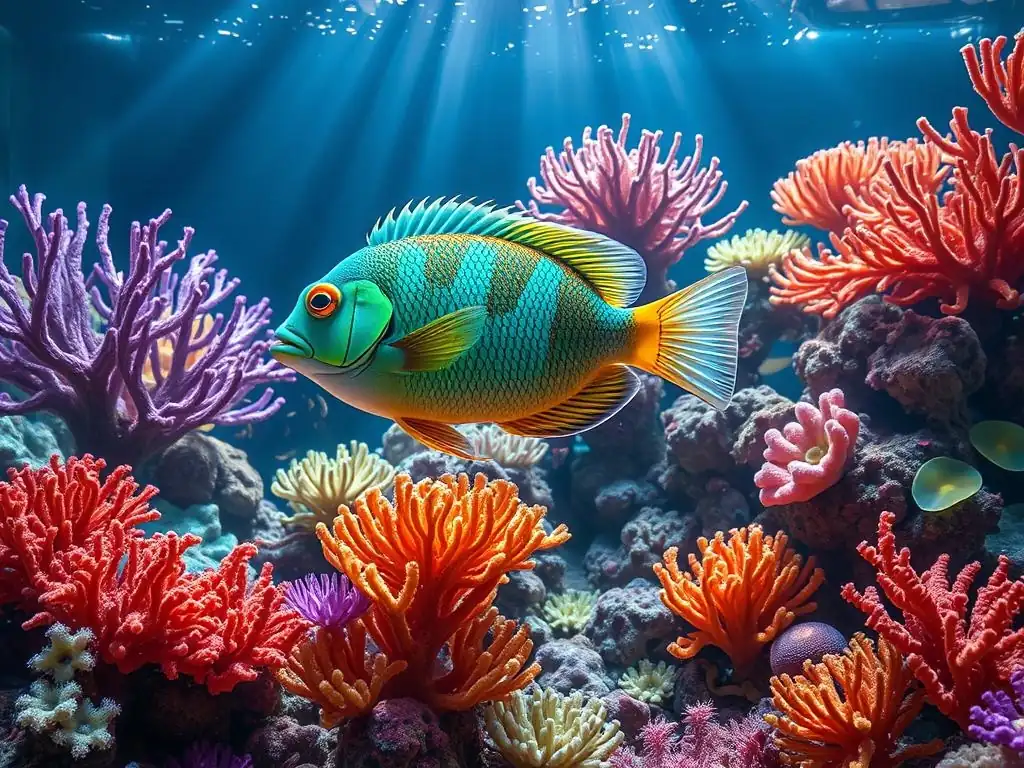
Ever been captivated by the shimmering elegance of a reef-safe fish? Dive into our latest guide and unlock the secrets to thriving Scott's Fairy Wrasse ( Cirrhilabrus scottorum ) care. Discover everything you need to know about bringing this regal beauty into your saltwater aquarium and watch it flourish. Intrigued? Let's explore what makes this fish so special and how to ensure its lasting health and happiness!
- Introduction to the Scott's Fairy Wrasse: A Reef-Safe Jewel
- Scott's Fairy Wrasse Care Guide: Essential Information for Aquarists
- Setting Up the Ideal Aquarium for Scott's Fairy Wrasse
- Scott's Fairy Wrasse Diet and Feeding Habits
- Scott's Fairy Wrasse Behavior and Compatibility
- Identifying Scott's Fairy Wrasse: Male vs. Female
- Scott's Fairy Wrasse Health and Disease Prevention
- Breeding Scott's Fairy Wrasse: Challenges and Possibilities
- Purchasing a Healthy Scott's Fairy Wrasse
- The Scott's Fairy Wrasse: A Summary of Its Benefits for Reef Aquariums
- Frequently Asked Questions
- Final Reflection: Embracing the Delicate Dance of Reef Life
- Dive Deeper: Transform Your Reef Tank Today!
Introduction to the Scott's Fairy Wrasse: A Reef-Safe Jewel
Understanding the Appeal of Cirrhilabrus scottorum
The Scott's Fairy Wrasse, scientifically known as Cirrhilabrus scottorum, is a highly sought-after marine fish prized for its dazzling array of colors and active, yet peaceful demeanor. Originating from the coral reefs of the Pacific Ocean, particularly around Fiji, Vanuatu, and Australia, these wrasses exhibit remarkable sexual dimorphism, with males displaying an extraordinary palette of iridescent blues, greens, reds, and yellows that intensify during courtship or display. Their graceful swimming patterns, characterized by constant movement and fin-flashing, add dynamic beauty to any saltwater aquarium.
Beyond their aesthetic appeal, Cirrhilabrus scottorum are valued for their reef-safe nature. Unlike some other wrasse species, they pose no threat to corals, anemones, or most invertebrates, making them an ideal inhabitant for mixed reef aquariums. Their inquisitive personalities and relatively hardy constitution, once acclimated, further contribute to their popularity among aquarists looking for a vibrant and active addition that won't disrupt the delicate balance of their reef ecosystem.
Why Choose a Scott's Fairy Wrasse for Your Saltwater Aquarium?
Choosing a Scott's Fairy Wrasse for your saltwater aquarium brings a multitude of benefits, primarily its unparalleled visual impact. The male's "flashing" behavior, where he intensifies his colors to impress females or assert dominance, is a spectacle that captivates observers. This active species constantly explores the rockwork and open water, adding constant motion and a focal point to the tank. Their relatively small adult size, typically reaching up to 5 inches (about 13 cm), makes them suitable for a variety of tank sizes, provided ample swimming room.
Furthermore, a Scott's Fairy Wrasse care guide emphasizes their adaptability and general good health once established in a stable environment. They are less prone to common marine diseases than some more delicate species, making them a good choice for intermediate aquarists. Their diet, consisting primarily of small invertebrates, can also contribute to the cleanliness of the tank by preying on unwanted micro-fauna, although they are not considered primary pest controllers. Their peaceful temperament ensures compatibility with a wide range of other reef-safe fish, enhancing the overall harmony of your aquatic community.
Scott's Fairy Wrasse Care Guide: Essential Information for Aquarists
Meeting the Basic Needs of Your Scott's Fairy Wrasse
Providing for the basic needs of your Scott's Fairy Wrasse is crucial for its long-term health and vibrancy. These active fish require a spacious environment that allows for ample swimming room, alongside numerous hiding spots within live rock formations. A secure lid is absolutely essential, as Cirrhilabrus scottorum are renowned jumpers, capable of leaping out of even small openings when startled or stressed. Ensuring a stable and mature aquarium environment, free from sudden fluctuations in water parameters, is paramount, as new tanks can stress these sensitive fish, making them susceptible to disease.
Beyond their physical environment, a comprehensive Scott's Fairy Wrasse care guide highlights the importance of a varied and high-quality diet. As carnivores, they thrive on a rich protein intake, which directly impacts their coloration and overall vitality. Consistent observation of their behavior and appetite is key to early detection of any potential health issues. Regular maintenance, including water changes and parameter monitoring, further contributes to a thriving habitat that mimics their natural reef environment, reducing stress and promoting robust health.
Optimal Tank Conditions for Cirrhilabrus scottorum Health
Optimal tank conditions are the cornerstone of Cirrhilabrus scottorum health and longevity. The ideal temperature range for these wrasses is between 72-78°F (22-26°C), with a specific gravity of 1.023-1.026, mimicking natural reef salinity. The pH should be maintained between 8.1 and 8.4. Stability in these parameters is far more critical than hitting exact numbers, as sudden shifts can cause significant stress. For instance, a temperature swing of more than 2 degrees Fahrenheit within a day can weaken their immune system.
Furthermore, excellent water quality, characterized by low nitrates (preferably below 10 ppm) and undetectable ammonia and nitrites, is vital. This requires robust filtration, including protein skimming, and regular partial water changes. For example, a 10-15% water change every two weeks is a common recommendation for maintaining pristine conditions in a well-established reef tank housing a Scott's Fairy Wrasse. Consistent water quality not only prevents disease but also allows their brilliant colors to fully manifest, ensuring your Cirrhilabrus scottorum remains a vibrant highlight of your reef ecosystem.
Setting Up the Ideal Aquarium for Scott's Fairy Wrasse
Recommended Tank Size for Scott's Fairy Wrasse
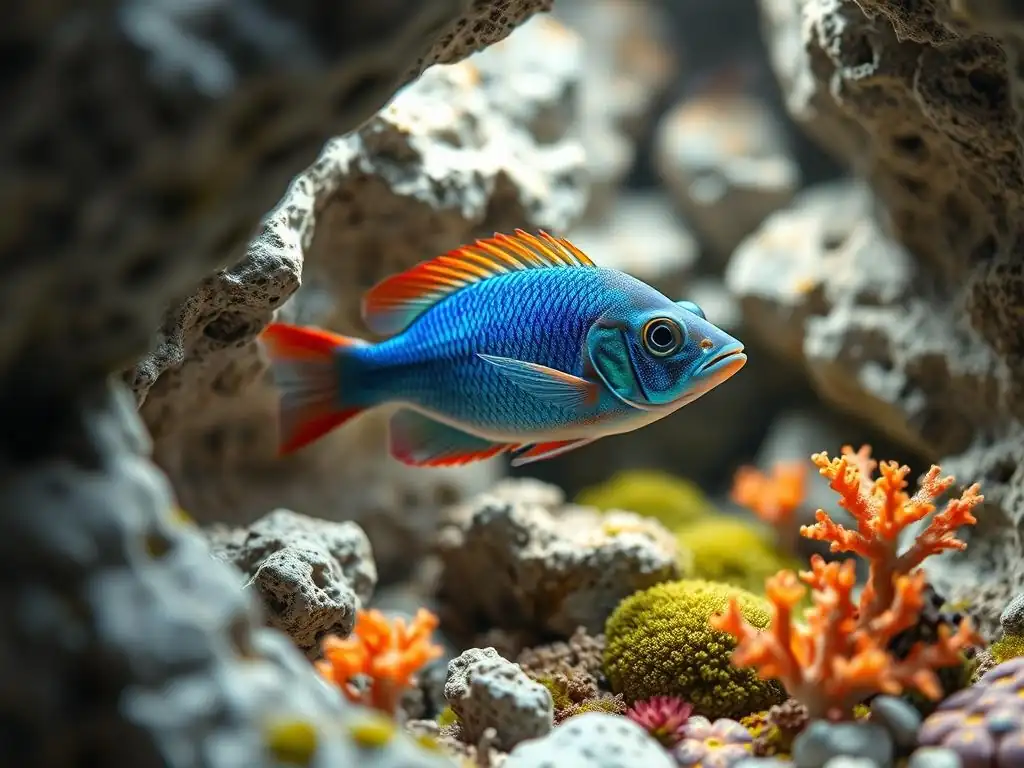
When setting up an aquarium for a Scott's Fairy Wrasse, tank size is a critical consideration for their well-being and natural behavior. While juveniles may temporarily inhabit smaller spaces, a minimum tank size of 75 gallons (approximately 284 liters) is recommended for a single adult specimen.
This volume provides adequate swimming space for these active fish, who constantly dart and weave through the water column. For a pair or a small group, especially if including multiple males or different wrasse species, a tank of 120 gallons (around 454 liters) or larger is highly advisable to mitigate potential territorial disputes and reduce stress.
The emphasis on tank volume is not just about length and width; depth is also beneficial for wrasses that enjoy vertical swimming. An aquarium that is at least 18-24 inches deep allows them to exhibit their natural behaviors more fully. For example, a 75-gallon tank measuring 48"L x 18"W x 21"H offers a good balance of swimming length and depth. Providing this generous space is a cornerstone of any effective Scott's Fairy Wrasse care guide, ensuring they have the room to thrive and display their full range of behaviors.
Water Parameters: Maintaining a Stable Environment
Maintaining precise and stable water parameters is non-negotiable for the health of your Scott's Fairy Wrasse. As inhabitants of pristine coral reefs, Cirrhilabrus scottorum are sensitive to fluctuations. The ideal temperature range is 72-78°F (22-26°C), with a specific gravity of 1.023-1.026. A pH level between 8.1 and 8.4 is also crucial. For instance, maintaining a stable temperature of 76°F (24.4°C) with minimal daily swings (less than 1°F) will significantly reduce stress on the fish and prevent susceptibility to common ailments like Ich.
Beyond these primary parameters, it is essential to keep ammonia and nitrite levels at zero, and nitrates as low as possible, ideally below 5 ppm for a thriving reef environment. Regular testing, such as weekly checks for ammonia, nitrite, nitrate, and pH, alongside bi-weekly specific gravity and temperature checks, allows for prompt corrective action.
Implementing a consistent water change schedule, such as a 15% change every two weeks using high-quality RO/DI water mixed with a good marine salt mix, will help replenish essential trace elements and dilute accumulated wastes, ensuring the longevity and vibrant health of your Scott's Fairy Wrasse.
Substrate and Aquascaping for Wrasse Comfort
The choice of substrate and the design of your aquascape are vital for the comfort and natural behavior of the Scott's Fairy Wrasse. These wrasses, particularly when resting at night or feeling threatened, prefer to bury themselves in the substrate. Therefore, a fine sand bed, at least 2 to 3 inches (5-7.5 cm) deep, is highly recommended.
For example, using aragonite sand with a grain size of 0.5-1.5 mm provides the ideal texture for burrowing without causing fin damage. A deeper sand bed, perhaps 4 inches (10 cm) in certain areas, offers even greater security and mimics their natural hiding instincts.
In terms of aquascaping, providing ample live rock structures with numerous caves, crevices, and overhangs is crucial. These features serve as vital hiding spots and territories for the wrasse, offering security and reducing stress. While they are active swimmers in the open water, having readily accessible bolt holes is essential. Ensure there are also open swimming areas for them to dart around. For instance, creating two or three distinct rock islands with swim-throughs allows for both exploration and retreat, contributing significantly to a successful Scott's Fairy Wrasse care guide.
Scott's Fairy Wrasse Diet and Feeding Habits
What to Feed Your Scott's Fairy Wrasse: A Nutritious Diet
A nutritious and varied diet is paramount for the health, coloration, and longevity of your Scott's Fairy Wrasse. As primarily carnivorous feeders, their natural diet in the wild consists of small benthic invertebrates, copepods, and other tiny crustaceans. In captivity, this translates to a need for high-quality, protein-rich foods. Excellent staples include frozen mysis shrimp, enriched brine shrimp, and finely chopped frozen seafood such as krill, clam, and squid. For example, feeding mysis shrimp, which are rich in fatty acids, two to three times a week can significantly boost their vitality.
To ensure a comprehensive nutritional intake, it's beneficial to supplement their diet with high-quality marine flakes or pellets designed for carnivorous marine fish. These often contain essential vitamins and minerals that might be lacking in a solely frozen diet. Consider offering live copepods or enriched rotifers periodically, as these mimic their natural foraging behaviors and provide excellent supplemental nutrition, especially for newly introduced or finicky specimens. A diverse diet not only supports their immune system but also enhances the brilliant colors that make the Scott's Fairy Wrasse so appealing.
Feeding Frequency and Techniques for Optimal Health
Optimal health for your Scott's Fairy Wrasse is directly tied to appropriate feeding frequency and techniques. Due to their active metabolism and continuous foraging behavior in the wild, it is best to feed them small portions two to three times per day. This approach prevents overfeeding at any single instance, which can degrade water quality, while ensuring the wrasse receives a consistent supply of nutrients throughout the day. For instance, a small pinch of frozen food in the morning, another in the afternoon, and a final one in the evening works well for many aquarists.
When feeding, broadcast the food throughout the tank to encourage natural foraging and allow the wrasse to dart and pick at it. If you have other fast-feeding tank mates, ensure the Scott's Fairy Wrasse is getting its share; sometimes, target feeding with a pipette can be beneficial if they are shy or outcompeted. Always thaw frozen foods thoroughly before feeding to prevent digestive issues. Observing their feeding behavior will help you adjust quantities, ensuring they consume all offered food within a few minutes, which is a key aspect of a successful Scott's Fairy Wrasse care guide.
Scott's Fairy Wrasse Behavior and Compatibility
Understanding Their Peaceful Temperament
The Scott's Fairy Wrasse is widely celebrated for its generally peaceful temperament, making it an excellent addition to most community reef aquariums. Unlike some other wrasse species that can become aggressive, Cirrhilabrus scottorum typically exhibits a calm and non-confrontational demeanor towards tank mates. They are active swimmers, constantly darting around the tank, exploring rockwork, and picking at the substrate for tiny invertebrates. This constant motion adds a lively dynamic to the aquarium without causing stress to other inhabitants.
One of their most captivating behaviors is the male's "flashing" display, where he rapidly intensifies his colors and extends his fins, often in the presence of females or during territorial assertions. This is a natural, albeit spectacular, display and not typically a sign of aggression towards other species. While they are peaceful, they are also quite curious and will investigate new additions or changes to the aquascape. Understanding this inherent peacefulness is a crucial part of any Scott's Fairy Wrasse care guide, ensuring compatible tank mates are chosen to maintain a harmonious environment.
Suitable Tank Mates for Scott's Fairy Wrasse
Selecting suitable tank mates is crucial to maintaining the peaceful environment desired for a Scott's Fairy Wrasse. Their generally calm disposition makes them compatible with a wide array of reef-safe species. Ideal companions include other peaceful wrasses (though caution is advised with similar-looking or very dominant wrasse species), clownfish, gobies, blennies, tangs, and smaller, non-aggressive angelfish. For example, a Yellow Tang ( Zebrasoma flavescens) or a pair of Ocellaris Clownfish ( Amphiprion ocellaris) would typically coexist well with a Scott's Fairy Wrasse.
It is important to avoid highly aggressive or overly boisterous fish that might intimidate or outcompete the wrasse for food, such as large predatory groupers or triggerfish. Similarly, extremely shy or slow-moving fish might struggle to compete during feeding times. When considering multiple wrasses, ensure ample space; a 120-gallon tank might accommodate a male Scott's Fairy Wrasse with a few other peaceful Cirrhilabrus species, provided they are introduced carefully. Always prioritize tank mates that share similar water parameter requirements and temperament to ensure a thriving community.
Potential Aggression and How to Mitigate It
While generally peaceful, Scott's Fairy Wrasses can exhibit aggression under specific circumstances, primarily towards conspecifics or very similar-looking wrasse species, particularly if multiple males are housed in insufficient space. A male Scott's Fairy Wrasse may aggressively chase or harass another male Cirrhilabrus scottorum if the tank is too small (e.g., less than 100 gallons for two males) or if one is significantly larger or more dominant. This intraspecific aggression is often territorial or related to mating displays.
To mitigate potential aggression, it is generally recommended to keep only one male Scott's Fairy Wrasse per aquarium, unless the tank is exceptionally large (e.g., 200+ gallons) and offers numerous visual barriers. If attempting to keep a male with multiple females, introduce them simultaneously or add the females before the male. When introducing new fish, especially other wrasses, do so carefully, perhaps by rearranging rockwork to break up existing territories. Providing ample hiding spots and open swimming space can also diffuse tension, as outlined in a comprehensive Scott's Fairy Wrasse care guide.
Identifying Scott's Fairy Wrasse: Male vs. Female
Color Variations and Morphological Differences
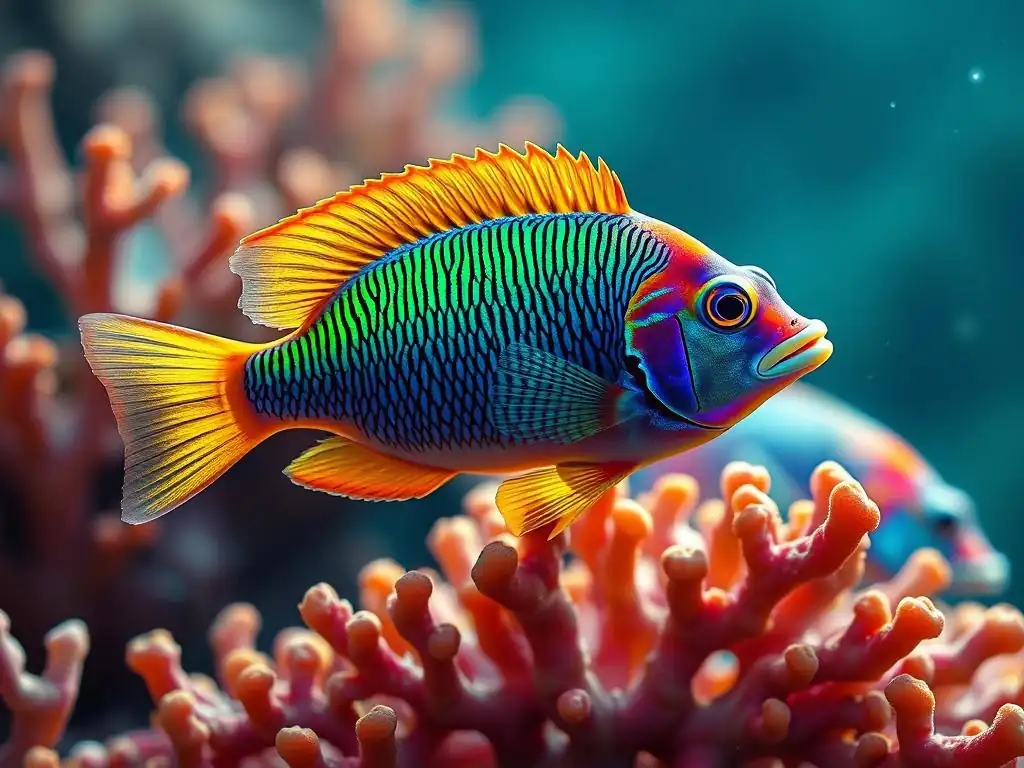
Identifying the sex of a Scott's Fairy Wrasse is relatively straightforward due to their pronounced sexual dimorphism, particularly in coloration. Males are significantly more vibrant and flamboyant, displaying a breathtaking array of iridescent blues, greens, reds, and yellows that often become more intense during courtship or display. Their patterns can vary geographically, with distinct "morphs" such as the Australian, Fijian, or Vanuatu Scott's Fairy Wrasse, each possessing unique color combinations and markings. Males also tend to develop elongated dorsal, anal, and caudal fins, making them appear more stately.
In contrast, female Scott's Fairy Wrasses exhibit a more subdued and uniform coloration, typically ranging from a reddish-orange to a pinkish or brownish hue. They lack the intense iridescence and elaborate finnage seen in males. Juveniles also resemble females in their coloration and body shape. For instance, a male from Vanuatu might display a brilliant blue body with a yellow dorsal fin and red streaks, while a female would be a uniform reddish-orange without such distinct markings or fin extensions. This clear distinction is a key aspect of understanding the Cirrhilabrus scottorum.
Distinguishing Features of Cirrhilabrus scottorum
Beyond the obvious color differences between males and females, several distinguishing features help identify Cirrhilabrus scottorum from other fairy wrasse species. Males, especially, possess unique markings and finnage that set them apart. While color patterns can vary by collection locality, many male Scott's Fairy Wrasses exhibit distinct patterns on their bodies, such as vertical banding, spotting, or a mottled appearance that contributes to their "Scott's" designation. These patterns are often more pronounced during display.
Another key morphological difference lies in the fin structure. Male Scott's Fairy Wrasses often develop elongated and sometimes filamentous rays on their dorsal and anal fins, and their caudal (tail) fin can be lyre-shaped or have extended lobes. Females, conversely, have more rounded and less elaborate fins. The maximum size also differs, with males typically reaching up to 5 inches (about 13 cm), while females remain slightly smaller, usually around 3.5 to 4 inches (9-10 cm). Observing these specific features is fundamental to accurately identifying and appreciating your Scott's Fairy Wrasse.
Scott's Fairy Wrasse Health and Disease Prevention
Common Diseases Affecting Fairy Wrasses
Despite their general hardiness once established, Scott's Fairy Wrasses are susceptible to common saltwater aquarium diseases, particularly if stressed by poor water quality, incompatible tank mates, or improper acclimation. The most prevalent parasitic diseases include Marine Ich ( Cryptocaryon irritans) and Marine Velvet ( Amyloodinium ocellatum). These manifest as white spots (Ich) or a dusty, velvet-like coating (Velvet) on the fish's body and fins, often accompanied by rapid breathing, scratching against decor, and lethargy. For example, a wrasse exhibiting rapid gill movements and rubbing against rocks might be showing early signs of Ich.
Bacterial infections, often secondary to stress or injury, can also affect them, leading to fin rot, cloudy eyes, or internal infections. Nutritional deficiencies, resulting from an inadequate diet, can weaken their immune system, making them more vulnerable to these pathogens. Stress, whether from fluctuating water parameters or aggressive tank mates, is a primary catalyst for disease outbreaks. A proactive Scott's Fairy Wrasse care guide emphasizes preventative measures over reactive treatments due to the sensitive nature of these fish.
Quarantine Procedures and Preventative Measures
Implementing rigorous quarantine procedures is the single most effective preventative measure against disease for your Scott's Fairy Wrasse. All new fish, including wrasses, should undergo a mandatory quarantine period of at least 3 to 4 weeks in a separate, dedicated quarantine tank. During this time, observe them closely for any signs of disease, such as spots, abnormal breathing, or unusual behavior. Prophylactic treatments for common parasites like Ich are often recommended during this period, even if no symptoms are visible, to ensure a truly disease-free introduction to your main display tank.
Beyond quarantine, maintaining pristine water quality is paramount. Regular water changes (e.g., 10-15% bi-weekly), consistent monitoring of parameters (temperature, salinity, pH, nitrates), and efficient protein skimming significantly reduce stress and bolster the wrasse's natural immune system. Providing a varied and nutritious diet, as detailed in any comprehensive Scott's Fairy Wrasse care guide, ensures they receive all necessary vitamins and minerals. Minimizing sudden changes in the aquarium environment and avoiding aggressive tank mates further contributes to a stress-free existence, drastically reducing the likelihood of disease.
Breeding Scott's Fairy Wrasse: Challenges and Possibilities
Understanding Their Reproductive Behavior in the Wild
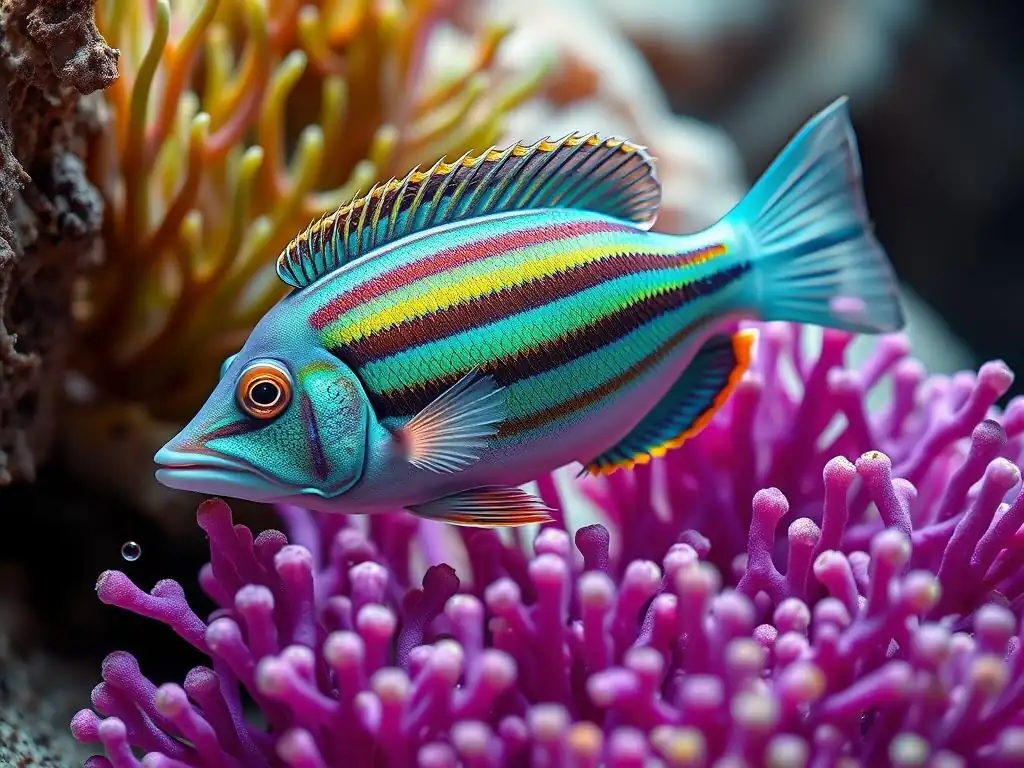
Understanding the reproductive behavior of Scott's Fairy Wrasse in the wild provides insight into the challenges of breeding them in captivity. Like many other fairy wrasse species, Cirrhilabrus scottorum are pelagic spawners. This means that during courtship and spawning, the male and female ascend into the water column, where they release their eggs and sperm simultaneously. The fertilized eggs are then buoyant and disperse into the open ocean currents, developing as part of the plankton before settling onto the reef as juveniles.
Males typically display vibrant colors and elaborate fin extensions during courtship rituals to attract females. While specific detailed studies on Cirrhilabrus scottorum breeding in their natural habitat are limited, general observations of Cirrhilabrus species suggest that spawning often occurs at dusk, a time when predators might be less active. The vastness of the ocean and the microscopic nature of the eggs and larvae highlight the complex environmental cues and immense space required for successful reproduction, making it a formidable task in an enclosed aquarium.
Breeding Attempts in Captivity: What You Need to Know
Breeding Scott's Fairy Wrasse in captivity is exceedingly challenging and has seen very limited success, primarily restricted to highly specialized public aquariums or dedicated aquaculture facilities, rather than home aquarists. The primary hurdles include conditioning a pair to spawn consistently, providing an environment large enough for their pelagic spawning behavior, and, most critically, successfully rearing the incredibly tiny and delicate larvae. For instance, the larvae are often less than a millimeter long at hatching, requiring microscopic live feeds that are difficult to culture in sufficient quantities.
Successful attempts often involve very large breeding tanks (hundreds of gallons), precise control over water parameters, specific lighting cycles, and the availability of rotifers and copepods of appropriate size for the larval stages. The survival rate of wrasse larvae is typically very low, even in controlled environments. While the Scott's Fairy Wrasse care guide focuses on their general husbandry, aspiring breeders should be aware that captive breeding of Cirrhilabrus scottorum remains a significant scientific endeavor rather than a realistic goal for the average hobbyist.
Purchasing a Healthy Scott's Fairy Wrasse
Selecting a Specimen: What to Look For
When purchasing a Scott's Fairy Wrasse, selecting a healthy specimen is paramount to its successful acclimation and longevity in your aquarium. Begin by observing the fish's overall behavior. A healthy Cirrhilabrus scottorum should be active, constantly swimming and exploring, rather than hiding excessively or appearing lethargic. Look for clear, bright eyes and intact fins without any tears, nips, or signs of fin rot. The body should be full and well-rounded, not pinched or emaciated, indicating consistent feeding.
Pay close attention to their coloration; healthy wrasses will display vibrant, intense colors characteristic of their species and sex, without any faded patches, blotchiness, or visible spots (like Ich or Marine Velvet). Observe their breathing rate; it should be steady and not rapid or labored. For example, a wrasse breathing heavily at the surface or near an air stone could indicate gill parasites or stress.
Ask the retailer to feed the fish; a healthy specimen should show immediate interest in food. Avoiding individuals with any visible signs of disease or stress is a crucial step in any Scott's Fairy Wrasse care guide.
Acclimation Process for New Arrivals
The acclimation process for a new Scott's Fairy Wrasse is critical to minimize stress and ensure a smooth transition into its new environment, whether that's a quarantine tank or the main display. A slow drip acclimation method is highly recommended over simply floating the bag and netting the fish.
This process involves slowly introducing water from the new tank into the bag or a separate container over a period of 1 to 2 hours, allowing the fish to gradually adjust to differences in temperature, pH, and salinity. For example, a drip rate of 1-2 drops per second is often sufficient.
Once acclimated, gently net the wrasse and transfer it to the tank, avoiding the introduction of the bag water into your system. Dimming the aquarium lights for several hours after introduction can help reduce stress and allow the wrasse to explore its new surroundings more calmly. Immediately after introduction, ensure the tank has a secure, tight-fitting lid, as wrasses are notorious jumpers, especially when startled or in a new environment. Following these steps diligently is a cornerstone of a successful Scott's Fairy Wrasse care guide, setting your new fish up for long-term success.
The Scott's Fairy Wrasse: A Summary of Its Benefits for Reef Aquariums
Why Cirrhilabrus scottorum is a Great Choice for Reef Keepers
The Scott's Fairy Wrasse stands out as an exceptional choice for reef keepers due to a compelling combination of aesthetic appeal, reef compatibility, and temperament. Its dazzling array of colors, particularly in mature males, provides a constant source of visual interest and adds unparalleled vibrancy to any marine display. Their active swimming patterns ensure they are always visible and engaging, bringing dynamic life to the aquarium. Furthermore, as a true reef-safe species, Cirrhilabrus scottorum poses no threat to corals, anemones, or other invertebrates, making them perfectly suited for delicate mixed reef environments.
Beyond their beauty, their generally peaceful disposition allows them to coexist harmoniously with a wide variety of other reef-safe fish, fostering a tranquil community. Their relatively hardy nature, once properly acclimated to a stable, mature system, makes them a rewarding species for intermediate aquarists seeking a captivating yet manageable addition. The sum of these qualities makes the Scott's Fairy Wrasse a jewel in the crown of any reef aquarium, enhancing both its beauty and its ecological balance.
Ensuring Long-Term Success with Scott's Fairy Wrasses in Your Aquarium
Ensuring long-term success with Scott's Fairy Wrasses in your aquarium hinges on a few critical factors that encapsulate a comprehensive Scott's Fairy Wrasse care guide. Firstly, providing a spacious and mature tank of at least 75 gallons for a single specimen, complete with a fine sand bed for burrowing and ample live rock for hiding, is fundamental. Secondly, maintaining pristine and stable water parameters—including a temperature of 72-78°F, specific gravity of 1.023-1.026, and pH of 8.1-8.4—through consistent monitoring and regular water changes, is non-negotiable for their health.
Thirdly, offering a varied and high-quality carnivorous diet, fed in small portions multiple times a day, will fuel their active metabolism and maintain their brilliant coloration. Lastly, carefully selecting compatible tank mates and diligently following quarantine procedures for all new arrivals are crucial preventative measures against stress and disease. By adhering to these guidelines, aquarists can enjoy the stunning beauty and engaging behavior of the Scott's Fairy Wrasse for many years, making them a cornerstone of a thriving and vibrant reef ecosystem.
Frequently Asked Questions
What are the ideal tank conditions for a Scott's Fairy Wrasse?
Scott's Fairy Wrasses thrive in a well-established reef tank with plenty of live rock for hiding and foraging. They require stable water parameters, including a temperature of 72-78°F and a specific gravity of 1.023-1.025.
What should I feed my Scott's Fairy Wrasse?
These wrasses are carnivorous and need a varied diet. Offer them high-quality frozen foods like mysis shrimp, brine shrimp, and copepods, supplemented with flake or pellet food designed for marine fish.
Are Scott's Fairy Wrasses reef safe?
Generally, Scott's Fairy Wrasses are considered reef safe. They will not bother corals, but may prey on small invertebrates like copepods and amphipods, which can be beneficial for nutrient control.
How large of a tank is needed for a Scott's Fairy Wrasse?
A minimum tank size of 70 gallons is recommended for a single Scott's Fairy Wrasse. This provides enough space for swimming and establishing a territory, especially if keeping multiple wrasses.
Can I keep multiple Scott's Fairy Wrasses together?
It's possible to keep a group of Scott's Fairy Wrasses, but it's best to introduce them all at the same time into a larger tank (125 gallons or more). A male-to-female ratio is crucial to minimize aggression; aim for one male with several females.
Final Reflection: Embracing the Delicate Dance of Reef Life
The journey into understanding the intricacies of Scott's Fairy Wrasse care reveals more than just the specifics of keeping a beautiful fish; it illuminates the delicate balance of the reef ecosystem and our responsibility as aquarists. The vibrant colors and captivating behavior of Cirrhilabrus scottorum serve as a constant reminder of the beauty we strive to preserve, both within our tanks and in the wild.
This exploration has underscored the profound impact our choices have on the marine environment. The commitment to responsible sourcing and meticulous care is not merely a hobby, but an act of stewardship. In the end, we will conserve only what we love; we will love only what we understand; and we will understand only what we are taught.
- Baba Dioum. This quote resonates deeply, highlighting the importance of education and awareness in protecting these fragile ecosystems.
Now, consider how you can translate this newfound knowledge into action. Reflect on your own practices, and strive to be a more conscientious aquarist. Let the vibrant beauty of the Scott's Fairy Wrasse inspire you to champion sustainable practices, educate others, and contribute to the preservation of our planet's precious coral reefs. The future of these ecosystems, and the stunning creatures that inhabit them, depends on our collective commitment.
Dive Deeper: Transform Your Reef Tank Today!
Thanks for exploring the vibrant world of the Scott's Fairy Wrasse with us! Now that you're captivated by its beauty and understand its needs, let's turn that knowledge into action.
Here's how you can enhance your reef-keeping journey:
- Consider adding a Scott's Fairy Wrasse to your established reef tank, ensuring a thriving environment for this regal fish.
- Explore other compatible reef inhabitants to build a diverse and visually stunning ecosystem.
- Share this article with fellow reef enthusiasts and spark a conversation about responsible reef keeping practices!
What specific changes will you make to your tank setup to better accommodate a Scott's Fairy Wrasse or another fascinating reef species?