
Choosing the Right Substrate and Decor for Your Lionfish Habitat

Welcome to Aquarium Mastery, fellow aquarist!
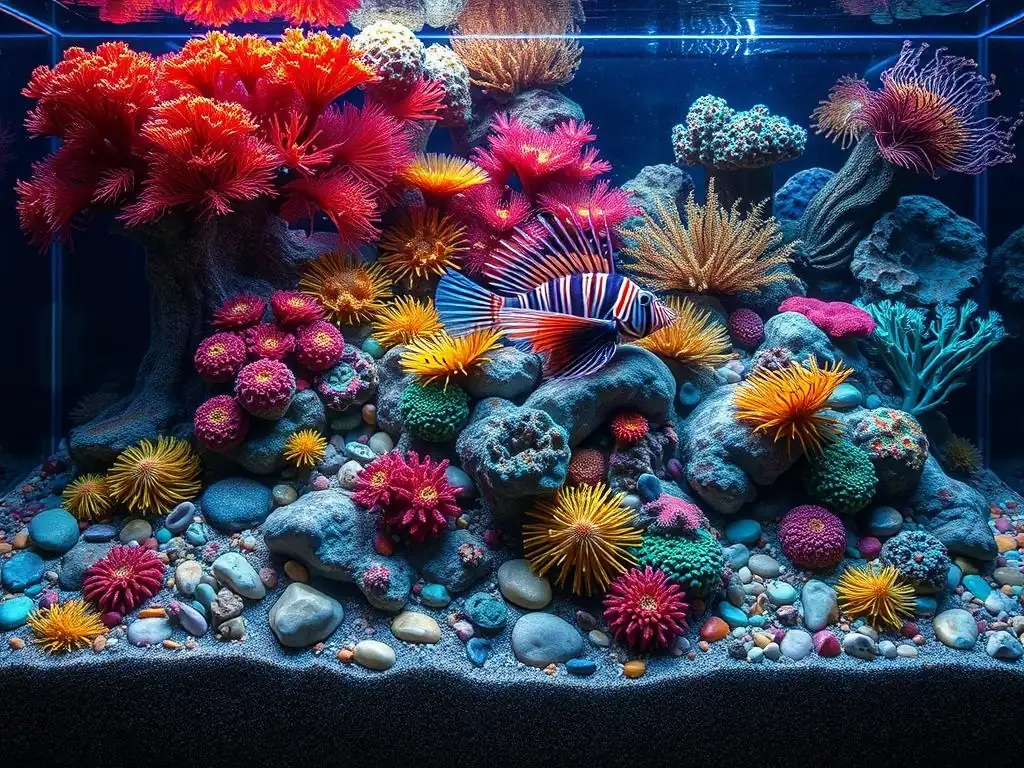
Ever wondered how to create the perfect underwater kingdom for your majestic Lionfish? Choosing the right substrate and decor isn't just about aesthetics; it's crucial for their health and well-being. Dive into our guide on Lionfish substrate and decor tips and unlock the secrets to a thriving and visually stunning saltwater habitat. Get ready to create an aquarium that will leave you, and your Lionfish, absolutely captivated!
- Setting Up a Thriving Lionfish Aquarium: Substrate, Decor, and Lighting
- Understanding Lionfish Habitat Needs: A Foundation for Decor Selection
- Substrate Selection for Lionfish Aquariums: A Comprehensive Guide
- Decorating Your Lionfish Tank: Enhancing Aesthetics and Reducing Stress
- Essential Decor Tips for a Thriving Lionfish Aquarium
- Lighting Considerations for Lionfish and Their Habitat
- Maintaining Your Lionfish Habitat: Long-Term Care and Considerations
- Lionfish Tank Aesthetics: Creating a Visually Appealing Aquarium
-
Frequently Asked Questions
- How important is the substrate when setting up a Lionfish aquarium?
- What type of substrate is best suited for a Lionfish tank?
- Can I use live rock in my Lionfish aquarium?
- What kind of decor should I avoid when setting up a Lionfish tank?
- How often should I clean the substrate in my Lionfish aquarium?
- Final Reflection: Cultivating Harmony in the Lionfish Realm
- Unleash the Majesty of Your Lionfish Tank!
Setting Up a Thriving Lionfish Aquarium: Substrate, Decor, and Lighting
Understanding Lionfish Habitat Needs: A Foundation for Decor Selection
Replicating Natural Lionfish Environments in Your Aquarium
Lionfish, native to the Indo-Pacific region, typically inhabit coral reefs, rocky crevices, and lagoons, often found at depths ranging from just a few feet to over 100 feet. Their natural environment is characterized by complex structures that offer numerous hiding spots, ambush points, and areas for exploration. Replicating this complexity in an aquarium is paramount for the well-being of your lionfish, providing them with the security and stimulation they require to thrive. This involves creating a varied landscape of rockwork and other decor that mimics the intricate nooks and crannies of a natural reef.
The goal is not just to provide shelter but to create a dynamic environment that supports their natural behaviors. Lionfish are ambush predators, and a well-structured tank with adequate cover allows them to exhibit this behavior, reducing stress and promoting a sense of security. Incorporating overhangs, caves, and varied rock formations can make the aquarium feel larger and more natural, encouraging the lionfish to explore and utilize all available space rather than simply resting in the open.
Key Considerations for Lionfish Tank Setup: Safety and Enrichment
When selecting and arranging decor for your lionfish tank, safety must be the absolute priority. Lionfish possess delicate, flowing fins and venomous spines, making them susceptible to injury from sharp or abrasive surfaces. Every piece of decor, from the lionfish substrate to the largest rock, should be thoroughly inspected for sharp edges, rough textures, or unstable components that could potentially harm the fish or the aquarist during maintenance. Smooth, inert materials are always the best choice to minimize any risk of fin tears or skin abrasions.
Beyond safety, the decor serves as a vital source of enrichment for your lionfish. A monotonous tank can lead to boredom and stress, potentially impacting the fish's health and coloration. Varied structures, different textures, and multiple hiding spots provide mental stimulation, encouraging natural behaviors like exploring, resting, and even hunting. Thoughtful decor tips include ensuring there are ample spaces for the lionfish to retreat when startled or to simply rest in a shaded area, contributing significantly to their overall well-being and longevity in the aquarium.
Substrate Selection for Lionfish Aquariums: A Comprehensive Guide
The Importance of Substrate in a Lionfish Tank
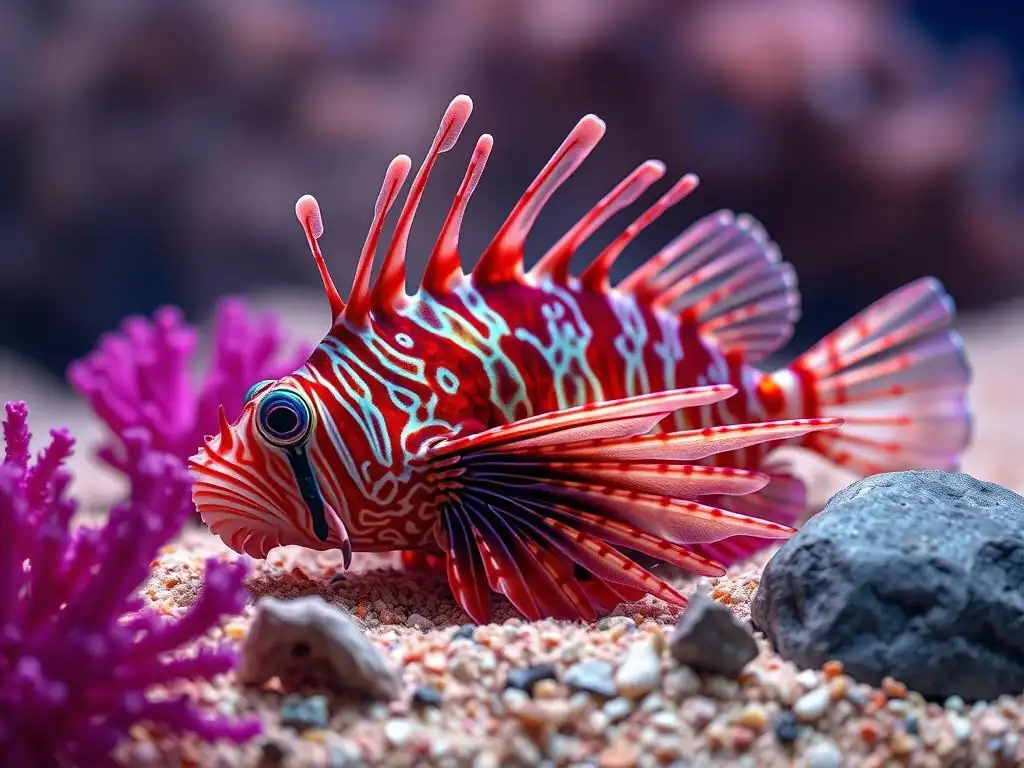
The choice of lionfish substrate extends far beyond mere aesthetics; it plays a critical role in the overall health and stability of your aquarium. A properly selected substrate can influence water chemistry, provide a vast surface area for beneficial nitrifying bacteria, and contribute to the biological filtration of the tank. For lionfish specifically, the substrate also serves as a resting surface, making its texture and composition crucial to prevent injury to their delicate fins and bodies.
Moreover, the substrate can significantly impact the cleanliness and maintenance requirements of your lionfish tank. While lionfish are not traditional bottom-dwellers that sift through sand, they do rest on the substrate. A suitable lionfish substrate helps to establish a natural ecosystem, facilitating the breakdown of waste products and contributing to clearer water. Conversely, an unsuitable substrate can trap detritus, leading to elevated nitrate levels and potentially compromising water quality.
Best Substrate Options for Lionfish: Pros and Cons
Bare Bottom Tanks: Advantages and Disadvantages for Lionfish
Bare bottom tanks offer unparalleled ease of cleaning, as there is no substrate to trap detritus or waste. This setup facilitates superior water quality control, making it an excellent choice for quarantine tanks or for aquarists prioritizing maximum hygiene and minimal maintenance. For lionfish, a bare bottom eliminates any risk of impaction from ingesting substrate, which can be a concern with certain fish species, though less common with lionfish. The absence of substrate also prevents any potential for anaerobic pockets to form, which can release harmful gases.
However, bare bottom tanks present several disadvantages. Aesthetically, they can appear unnatural and stark, reflecting light excessively, which might stress lionfish that prefer dimmer conditions. They also lack the extensive surface area for beneficial bacteria colonization that a substrate provides, potentially placing more reliance on mechanical and biological filtration systems. Furthermore, the lack of a substrate can make fish appear less comfortable, as they lack the visual breaks and natural resting surfaces that a substrate offers.
Aragonite Sand Substrates: Creating a Natural Look and Feel
Aragonite sand is a popular lionfish substrate choice due to its natural appearance and beneficial chemical properties. Composed primarily of calcium carbonate, aragonite naturally buffers the pH of saltwater aquariums, typically helping to maintain a stable pH range between 8.1 and 8.4, which is ideal for marine life. Its fine, smooth texture is generally considered safe for lionfish, posing minimal risk of fin damage or ingestion issues. Aragonite sand also provides an excellent surface area for the colonization of beneficial bacteria, contributing to the overall biological filtration.
Despite its advantages, aragonite sand does require specific maintenance. Its fine grains can be easily stirred up by strong water currents or vigorous fish activity, potentially leading to cloudy water or accumulating in powerheads and filters. If not regularly siphoned, detritus can settle within the sand bed, leading to pockets of nutrient buildup that contribute to elevated nitrate levels. Aquarists should consider a grain size that minimizes disturbance while still offering adequate surface area for bacterial growth.
Crushed Coral Substrates: Buffering Capacity and Aesthetics
Crushed coral is another widely used lionfish substrate, highly valued for its exceptional buffering capacity, similar to aragonite. It effectively helps to maintain stable pH and alkalinity (dKH) levels in a saltwater aquarium, crucial for the health of marine inhabitants. Its coarser texture provides a very natural, reef-like aesthetic, offering a good balance between visual appeal and functional benefits. The larger surface area of crushed coral fragments also supports a robust population of beneficial nitrifying bacteria.
However, the coarser nature of crushed coral can be a disadvantage in terms of maintenance. Its irregular shapes and larger gaps between particles tend to trap detritus more readily than fine sand, necessitating more vigorous and frequent siphoning to prevent nutrient accumulation. While generally considered safe, some aquarists might prefer the smoother texture of sand for lionfish, although the risk of injury from crushed coral is typically low. Fine particles can also be initially released, leading to temporary cloudiness during setup.
Substrate Depth and Maintenance: Keeping Your Lionfish Tank Clean
For a lionfish tank, an optimal substrate depth typically ranges from 1 to 2 inches. A thinner layer is often preferred as it minimizes the accumulation of detritus and makes cleaning more efficient. Deeper substrate beds, especially those exceeding 3-4 inches, can become prone to developing anaerobic zones if not properly managed, potentially leading to the release of harmful hydrogen sulfide gas. The shallower depth ensures better water circulation throughout the substrate, aiding in oxygenation and beneficial bacterial activity.
Regular maintenance of the lionfish substrate is crucial for maintaining pristine water quality. This involves weekly or bi-weekly gravel vacuuming (siphoning) to remove trapped detritus, uneaten food, and fish waste. For sand substrates, gently "stirring" the top layer during siphoning can help release trapped particles for removal, preventing compaction and nutrient buildup. Consistent substrate maintenance, combined with regular water changes, is fundamental to a healthy and stable lionfish habitat.
Decorating Your Lionfish Tank: Enhancing Aesthetics and Reducing Stress
Choosing Safe and Suitable Decor Materials for Lionfish
Live Rock: Benefits and Considerations for Lionfish Tanks
Live rock is a cornerstone of many saltwater aquariums, offering significant biological filtration benefits by providing an immense surface area for beneficial bacteria and microfauna. For lionfish tanks, live rock creates an authentic reef appearance, offering numerous natural hiding spots, caves, and overhangs that mimic their natural habitat. The porous nature of live rock also contributes to the chemical filtration, aiding in the denitrification process and improving overall water quality. Secure stacking of live rock is paramount to prevent collapses that could injure the lionfish or damage the tank.
Despite its benefits, live rock comes with certain considerations. It can be a significant initial investment, and it requires proper curing before being added to the display tank to prevent ammonia spikes from decaying organisms. There's also a potential, albeit small, risk of introducing unwanted pests or nuisance algae, though for a predatory lionfish tank, many common reef pests are not a major concern. Ensure all pieces are stable and free of sharp protrusions that could harm the lionfish's delicate fins.
Artificial Rock: Cost-Effective and Versatile Decor Options
Artificial rock, also known as dry rock or synthetic rock, offers a cost-effective and versatile alternative to live rock for lionfish tanks. Made from inert, aquarium-safe materials, it is lightweight, often highly porous for bacterial colonization, and requires no curing process. Artificial rock is available in a vast array of shapes, sizes, and colors, allowing aquarists to design custom aquascapes that perfectly suit their vision and the lionfish's needs. It also eliminates the risk of introducing unwanted pests or diseases into the aquarium.
While artificial rock lacks the immediate biological diversity of live rock, it quickly becomes colonized by beneficial bacteria once introduced to a cycled tank, providing excellent biological filtration over time. When selecting artificial rock, ensure it has no sharp edges or rough textures that could injure your lionfish. High-quality pieces are designed to look remarkably natural, mimicking the appearance of real reef rock, and are often easier to clean and rearrange without disturbing the tank inhabitants as much as heavy live rock.
Invertebrate-Safe Artificial Corals: Enhancing Aesthetics Without Risk
For aquarists desiring the vibrant colors and intricate shapes of corals without the complex care requirements or the risk to their predatory lionfish, invertebrate-safe artificial corals are an excellent decor choice. These synthetic pieces add significant aesthetic appeal, mimicking the appearance of real stony and soft corals, and can transform a tank into a visually stunning display. Crucially, they pose no threat of stinging or harming the lionfish, unlike many live corals, and do not require specialized lighting or water parameters.
When choosing artificial corals, prioritize high-quality, non-toxic materials that are specifically designed for aquarium use. Avoid pieces with sharp points or abrasive textures that could potentially snag or tear a lionfish's delicate fins. Regular cleaning, typically with a soft brush during water changes, is necessary to prevent algae buildup and maintain their vibrant appearance. These artificial additions contribute significantly to the overall decor tips for a visually appealing and safe lionfish habitat.
Creating Hiding Places and Caves for Lionfish: Reducing Stress
Providing ample hiding places and caves is paramount for the well-being of lionfish. These fish are naturally shy and appreciate areas where they can retreat, especially when initially introduced to a new environment, during periods of stress, or when resting. Well-designed caves, overhangs, and crevices within the rockwork mimic the natural protective structures found in their native reef habitats, offering a sense of security and reducing anxiety.
When constructing these shelters, ensure that all openings are sufficiently large for the lionfish to enter and exit comfortably without scraping or damaging their fins. Consider the adult size of your lionfish when planning the dimensions of these hiding spots. Providing multiple retreat options, especially in tanks with more than one lionfish or other tank mates, allows each fish to establish its own territory and minimize potential aggression or stress. These strategic hiding spots are essential decor tips for a calm and healthy lionfish.
Arranging Decor to Minimize Stress and Maximize Swimming Space
Achieving a balance between providing adequate hiding spots and ensuring sufficient open swimming space is crucial for a thriving lionfish aquarium. While lionfish appreciate cover, they also require ample room to move, hunt, and display their impressive finnage. Overcrowding the tank with decor can restrict their movement, impede water flow, and make maintenance more challenging. A good rule of thumb is to aim for approximately 50-60% of the tank volume dedicated to open water, with the remaining space for rockwork and decor.
When arranging your decor, consider the flow patterns within the tank. Position rockwork and other elements so they do not impede the circulation provided by powerheads and filters, which could create dead spots where detritus accumulates. Ensure that all structures are stable and securely placed to prevent accidental collapses. Strategic placement of decor can also help break up lines of sight, which is beneficial if you house more than one lionfish or other compatible species, further contributing to a stress-free environment.
Essential Decor Tips for a Thriving Lionfish Aquarium
Avoiding Sharp Objects and Potential Hazards
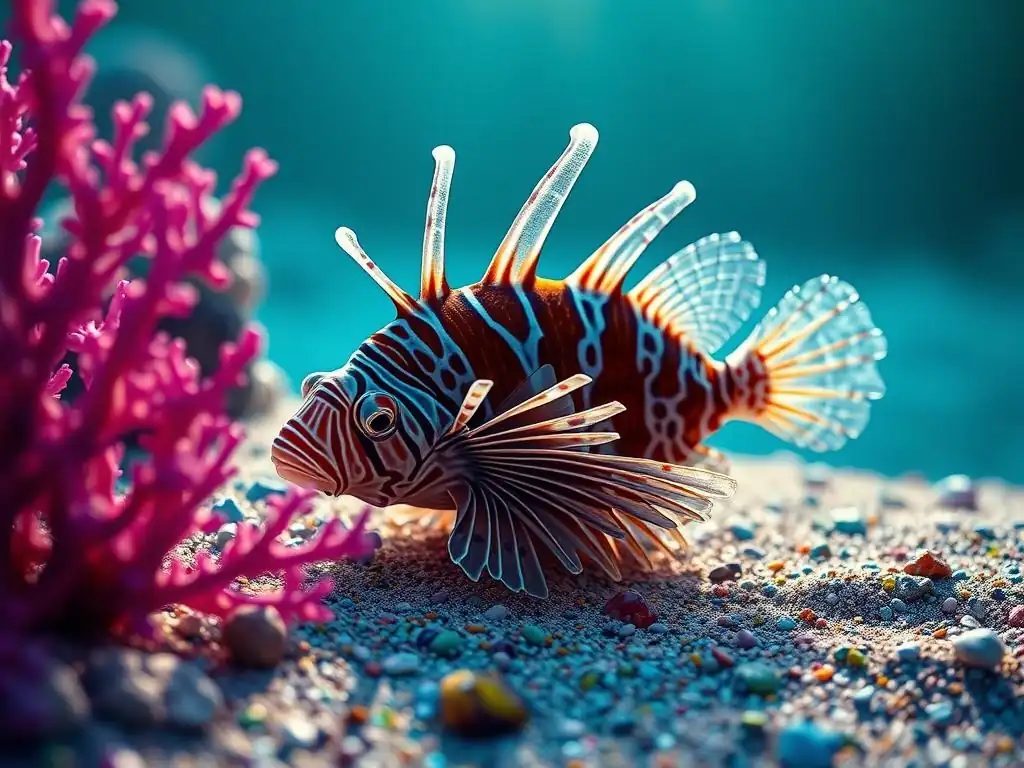
One of the most critical lionfish decor tips is to rigorously avoid any sharp objects or potential hazards within the tank. Lionfish possess long, flowing pectoral fins and delicate dorsal spines that are susceptible to tears, snags, and abrasions. Even seemingly minor injuries can lead to secondary bacterial infections, which can be difficult to treat and potentially fatal. Every piece of rock, artificial coral, or other decor must be meticulously inspected and, if necessary, sanded down to ensure all surfaces are smooth and rounded.
This vigilance extends to the substrate itself; a fine, smooth lionfish substrate like aragonite sand is preferable over coarser, jagged materials. When aquascaping, ensure that no rockwork creates tight squeezes or narrow passages where the lionfish could get stuck or scrape itself as it grows. Prioritizing safety in decor selection and arrangement is paramount for preventing injuries and maintaining the overall health of your lionfish.
Maintaining Water Quality with Appropriate Decor Choices
The decor in your lionfish tank plays an indirect but significant role in maintaining optimal water quality. Porous decor materials, such as live rock and high-quality artificial rock, provide an extensive surface area for the colonization of beneficial nitrifying bacteria. These bacteria are essential for the nitrogen cycle, converting toxic ammonia and nitrite into less harmful nitrate. Thus, the right decor actively contributes to the biological filtration capacity of the aquarium.
However, improper decor choices or arrangements can also hinder water quality. Densely packed rockwork can create dead spots with poor circulation, leading to the accumulation of detritus and anaerobic conditions. To prevent this, ensure that decor is arranged to allow for adequate water flow around and through it. Regular cleaning of decor to remove algae and trapped detritus during routine maintenance further ensures that the decor supports, rather than compromises, water quality.
Integrating Decor with Filtration and Water Flow
Effective integration of decor with your tank's filtration and water flow systems is a key aspect of successful lionfish habitat design. Strategically placed rockwork can help direct water currents, ensuring that detritus and waste are carried towards filter intakes for efficient removal. Conversely, poorly placed decor can block flow, creating stagnant areas where waste accumulates and oxygen levels drop, which is detrimental to water quality and fish health.
Consider the placement of powerheads and return nozzles relative to your decor. Arrange your lionfish substrate and rockwork to create areas of both moderate flow, which lionfish can navigate comfortably, and calmer zones where they can rest. This thoughtful integration ensures that the tank's life support systems operate at peak efficiency, preventing the buildup of harmful compounds and promoting a clean, healthy environment for your lionfish.
Lighting Considerations for Lionfish and Their Habitat
The Role of Lighting in Lionfish Behavior and Health
Lighting in a lionfish aquarium serves multiple purposes beyond just viewing pleasure. It establishes a natural day-night cycle, which is crucial for the lionfish's circadian rhythm and overall physiological health. While lionfish are somewhat crepuscular—most active during dawn and dusk—they adapt well to typical aquarium lighting schedules. A consistent photoperiod, typically 8-10 hours, helps regulate their metabolism, feeding patterns, and stress levels.
Excessively bright or constant lighting can be detrimental to lionfish. Their large eyes are adapted for lower light conditions found in deeper reef sections or shaded crevices. Too much light can cause stress, leading to reclusive behavior, faded coloration, and a general decline in well-being. Therefore, selecting appropriate lighting intensity and duration is paramount for their comfort and health, ensuring they can thrive in their habitat.
Recommended Lighting Types for Lionfish Aquariums
For lionfish aquariums, a variety of lighting types can be suitable, with LED, T5 fluorescent, or even standard fluorescent fixtures being common choices. LED lighting systems are highly recommended due to their versatility and control. Many LED fixtures offer dimming capabilities, allowing aquarists to fine-tune the light intensity to suit the lionfish's preference for moderate to dim conditions. They also allow for spectrum adjustments, which can enhance the colors of the fish and the decor.
Regardless of the type chosen, the goal is to provide sufficient illumination for viewing without overwhelming the lionfish. Avoid high-intensity reef-specific lighting unless you are also keeping light-demanding corals, and even then, ensure ample shaded areas are created by your decor to provide refuge for the lionfish. A simple, full-spectrum light that mimics natural daylight is often more than adequate for a lionfish-only tank.
Balancing Lighting for Lionfish and Invertebrate-Safe Artificial Corals
When incorporating invertebrate-safe artificial corals into your lionfish habitat, balancing lighting needs becomes a consideration for aesthetic appeal rather than biological requirements. Artificial corals do not need light to grow, but appropriate lighting can dramatically enhance their vibrant colors and intricate details, making them a focal point of the aquarium. The right spectrum can make blues pop and reds glow, creating a stunning visual display.
The challenge lies in choosing lighting that makes the artificial corals look their best without being overly bright for the lionfish. Aquarists often opt for fixtures with adjustable intensity and color channels, such as many LED units, to achieve this balance. You can select a spectrum that highlights the decor while ensuring the overall light level is comfortable for your lionfish, perhaps with a slight preference for dimmer, more diffused light that mimics their natural, shaded environments.
Maintaining Your Lionfish Habitat: Long-Term Care and Considerations
Regular Cleaning and Water Changes: Preserving a Healthy Environment
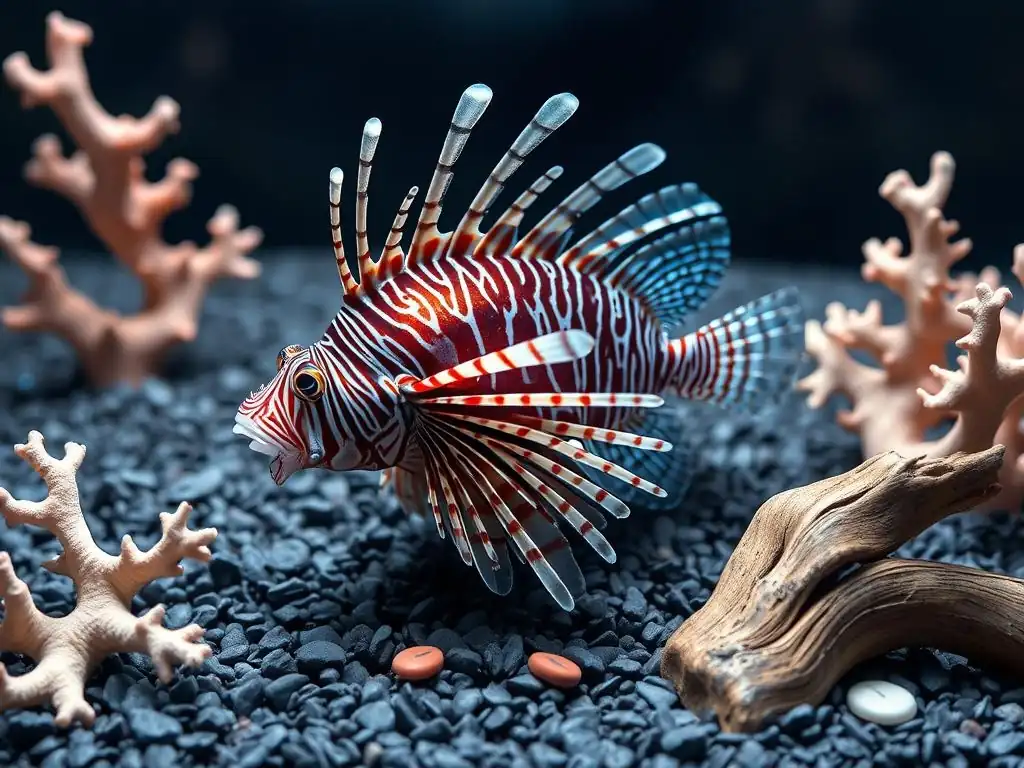
Consistent and thorough maintenance is the cornerstone of a healthy lionfish habitat. Regular water changes, typically 10-20% of the tank volume weekly or bi-weekly, are crucial for diluting accumulated nitrates and replenishing essential trace elements. During these water changes, it is imperative to thoroughly siphon the lionfish substrate to remove trapped detritus, uneaten food, and fish waste, which can otherwise decompose and degrade water quality.
Beyond water changes, periodic cleaning of the decor is also necessary. Algae growth on rocks and artificial corals should be gently scrubbed off to prevent excessive nutrient leaching back into the water. Ensuring that any removed decor is replaced exactly as it was before cleaning helps to maintain the lionfish's comfort and familiarity with its surroundings, minimizing stress from a changed environment.
Monitoring Water Parameters and Adjusting Decor as Needed
Continuous monitoring of key water parameters—including pH, salinity, ammonia, nitrite, and nitrate—is vital for the long-term health of your lionfish. Substrates like aragonite or crushed coral will inherently help maintain stable pH (e.g., 8.1-8.4) and alkalinity (dKH) levels, but regular testing confirms their effectiveness. Significant deviations in parameters can indicate underlying issues with filtration, maintenance, or even the breakdown of decor.
As your lionfish grows, its needs for space and hiding spots may evolve. Be prepared to adjust your decor arrangement or even add new pieces to accommodate its increasing size and provide continued enrichment and security. A growing lionfish may require larger caves or more open swimming areas. This adaptability in decor arrangement ensures that the habitat remains optimal for the fish throughout its life.
Recognizing and Addressing Potential Problems with Substrate and Decor
Aquarists should be vigilant in recognizing potential problems associated with the lionfish substrate and decor. Common issues include excessive detritus accumulation within the substrate, which can lead to elevated nitrate levels and unwanted algae blooms. Algae growing heavily on decor can also indicate nutrient imbalances. Unstable rockwork, though rare if properly secured, poses a significant physical hazard to the fish and the tank.
Addressing these issues promptly is critical. If detritus builds up, increase the frequency or thoroughness of substrate siphoning. Algae problems can often be mitigated by adjusting lighting duration, reducing feeding, or improving nutrient export. Any signs of instability in rockwork should be immediately addressed by re-securing the pieces. Proactive problem-solving ensures a safe, clean, and healthy environment for your lionfish.
Lionfish Tank Aesthetics: Creating a Visually Appealing Aquarium
Combining Substrate, Decor, and Lighting for a Stunning Display
The most captivating lionfish aquariums are those where the lionfish substrate, decor, and lighting are harmoniously combined to create a visually stunning and functional display. The choice of a light-colored sand or crushed coral can brighten the tank and make the lionfish's patterns pop, while strategically placed dark rockwork can create dramatic shadows and depth. The goal is to design an aquascape that not only meets the lionfish's biological needs but also serves as a beautiful piece of living art.
Consider the "rule of thirds" or other design principles to create visually appealing focal points. A larger, striking piece of rockwork can anchor the aquascape, with smaller pieces arranged around it to create depth and visual interest. Remember that the lionfish itself is the star of the tank, so ensure the decor enhances its appearance without overpowering it. Thoughtful decor tips can transform a functional tank into a breathtaking display.
Selecting a Background for Enhanced Visual Appeal
The background of your lionfish aquarium plays a significant role in its overall aesthetic impact. A simple, plain black or dark blue background is often preferred as it makes the vibrant colors of the lionfish and the intricate details of the decor stand out dramatically. These dark backgrounds absorb light rather than reflecting it, which can also contribute to a more calming environment for the lionfish, mimicking the deeper, darker areas of their natural habitat.
Alternatively, three-dimensional backgrounds can add incredible depth and realism, simulating a natural rock wall or reef. However, these can take up valuable tank space and may be more challenging to clean. Regardless of the type chosen, a well-selected background can significantly enhance the visual appeal of your lionfish aquarium, completing the picture and creating a more immersive viewing experience.
Enjoying Your Beautiful and Functional Lionfish Aquarium
After meticulous planning and careful execution of your lionfish substrate, decor tips, and lighting scheme, your lionfish aquarium will stand as a testament to your dedication. Take the time to observe your lionfish thriving in its well-designed habitat, exhibiting natural behaviors, and displaying its magnificent beauty. This living ecosystem, crafted with attention to both aesthetics and function, will provide countless hours of enjoyment and fascination.
Aquarium keeping is an ongoing journey of learning and refinement. Continue to research, observe your lionfish, and make minor adjustments to your setup as needed. The reward is a healthy, active lionfish in a habitat that not only meets all its needs but also serves as a stunning and dynamic centerpiece in your home or office.
Frequently Asked Questions
How important is the substrate when setting up a Lionfish aquarium?
Substrate is extremely important for Lionfish aquariums. It impacts water chemistry and filtration, influencing the overall health of the tank. Choose a suitable substrate that supports your biological filter.
What type of substrate is best suited for a Lionfish tank?
Bare-bottom tanks are often preferred, but if substrate is desired, coarse sand or crushed coral are good options. Avoid fine sand as it can trap debris and negatively impact water quality.
Can I use live rock in my Lionfish aquarium?
Yes, live rock is highly beneficial. It provides biological filtration, natural hiding places, and contributes to a more stable and healthy environment for your Lionfish.
What kind of decor should I avoid when setting up a Lionfish tank?
Avoid decor with sharp edges or small holes where the Lionfish could get stuck. Ensure all decorations are securely placed and won't topple over, potentially injuring the fish.
How often should I clean the substrate in my Lionfish aquarium?
If you choose to use substrate, regularly vacuum it during water changes to remove accumulated detritus. Maintaining a clean substrate helps prevent algae blooms and keeps water parameters stable.
Final Reflection: Cultivating Harmony in the Lionfish Realm
The delicate balance within a lionfish habitat, as we've explored, hinges significantly on the choices we make regarding substrate and decor. Understanding the interplay between aesthetics and functionality is paramount to creating a thriving environment for these captivating creatures. The principles discussed extend beyond mere decoration; they represent a commitment to responsible aquascaping and the well-being of the lionfish under our care.
This journey into the world of lionfish aquariums has underscored the profound impact our decisions have on the lives of these animals. It's a constant reminder that responsible pet ownership extends far beyond simply providing food and water; it demands a deep understanding of their natural needs and a commitment to replicating, as closely as possible, their native environment. In the end, we will conserve only what we love; we will love only what we understand; and we will understand only what we are taught.
- Baba Dioum's words resonate deeply, urging us to continually learn and refine our approach to lionfish husbandry.
Now, armed with this knowledge, consider the potential you hold to transform your lionfish aquarium into a true sanctuary. Reflect on the choices you've made, or plan to make, and ask yourself: are you truly prioritizing the well-being of your lionfish? Let this article serve as a catalyst, inspiring you to create not just a visually stunning display, but a harmonious and enriching habitat where your lionfish can thrive for years to come.
Unleash the Majesty of Your Lionfish Tank!
Thank you for diving into the world of lionfish habitats! We hope this guide has empowered you with the knowledge to create a thriving and stunning underwater environment. Now, it's time to put that knowledge into action and truly elevate your aquarium.
Here are a few ways to get started:
- Start planning your dream lionfish aquascape. Consider the rock formations and hiding places that will best suit your lionfish's needs and personality.
- Share your newfound knowledge! Tell your friends and fellow aquarists about the importance of appropriate substrates and décor for lionfish health and well-being.
- Brainstorm innovative décor ideas! What uncommon objects, safe for aquarium use, could you incorporate to make your lionfish tank truly unique?
What's the first element of your lionfish habitat you're most excited to reimagine or improve, and why?