
The Perils of Impulse Buys: Choosing Wisely for a Peaceful Reef Aquarium

Welcome to Aquarium Mastery!
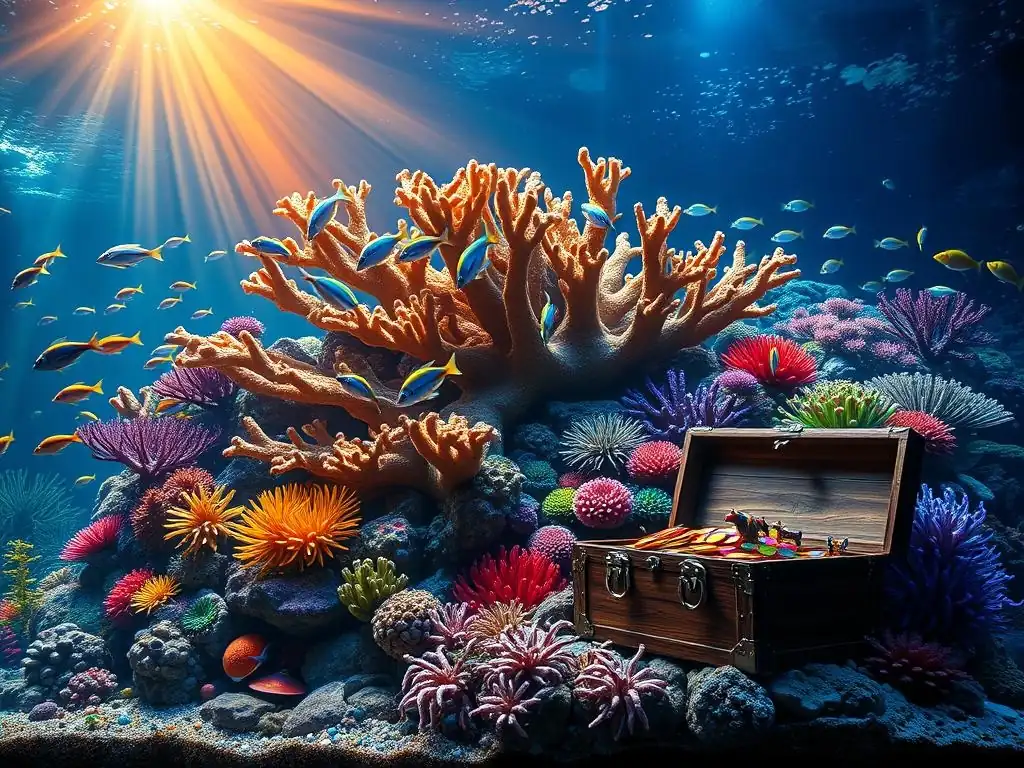
Ever stared in awe at a vibrant reef aquarium and felt the irresistible urge to bring that slice of the ocean home right now? You're not alone! But before you give in to that impulse, let's dive deep into the potential pitfalls. Our article, "The Perils of Impulse Buys: Choosing Wisely for a Peaceful Reef Aquarium," explores how a little planning can save you from costly mistakes and ensure a thriving underwater paradise. Ready to build your dream reef the right way? Let's get started!
- Understanding Reef Aquarium Impulse Buying: A Costly Mistake
- The Impact of Impulse Buys on Reef Tank Ecology
- Common Reef Creatures Often Acquired on Impulse
- Planning is Key: Avoiding Reef Aquarium Impulse Buying
- Smart Strategies to Combat Reef Aquarium Impulse Buying
- The Benefits of Patience in Reef Keeping
- Responsible Reef Keeping: Beyond the Impulse
- Making Informed Decisions for Your Reef Aquarium
-
Frequently Asked Questions
- What are the most common mistakes people make when impulse buying for a reef aquarium?
- How can I avoid impulse buying when setting up a reef aquarium?
- What are the potential consequences of buying fish or corals on impulse for my reef tank?
- What should I consider before buying any new livestock for my reef aquarium?
- What type of equipment is often purchased on impulse, and what are the risks associated with that?
- Final Reflection: Cultivating Patience in the Reef
- Unveil a Thriving Reef: Your Next Steps Await!
Understanding Reef Aquarium Impulse Buying: A Costly Mistake
Defining Reef Aquarium Impulse Purchases
Reef aquarium impulse buying refers to the unplanned acquisition of fish, corals, or invertebrates for a marine aquarium without adequate prior research or consideration for their long-term compatibility and care requirements. This often occurs when hobbyists are captivated by a visually striking specimen, such as a vibrant new coral frag or a uniquely colored fish, and make a purchase on the spot. The decision is driven by immediate desire rather than a methodical assessment of the tank's existing ecosystem.
These spontaneous purchases typically bypass the crucial steps of verifying an animal's adult size, dietary needs, temperament, or specific water parameter requirements. Common scenarios include seeing a "must-have" fish that has just arrived at a local fish store or encountering a rare coral available for a limited time at a swap meet. The lack of premeditation and research distinguishes reef aquarium impulse buying from well-thought-out additions to a thriving system.
Why Reef Aquarists Are Susceptible to Impulse Buys
The allure of new and exotic marine life is a powerful motivator for reef aquarists, often leading to susceptibility to impulse purchases. The vibrant colors and intricate forms of corals and fish can trigger a "collector's mentality," where the desire to acquire unique or rare specimens overrides practical considerations. The perceived limited availability of certain species, especially those that are wild-caught or highly sought after, creates a sense of urgency, pressuring hobbyists to buy before they miss out.
Furthermore, social media platforms and online forums, while valuable for information, can also fuel this susceptibility. Seeing stunning reef tanks filled with diverse inhabitants can inspire a desire to replicate similar setups quickly, leading to spontaneous acquisitions. The immediate gratification of bringing a new, beautiful creature home often overshadows the potential long-term consequences, making reef aquarium impulse buying a common pitfall in the hobby.
The Financial Implications of Unplanned Reef Additions
The financial implications of unplanned reef additions extend far beyond the initial purchase price of the animal itself. An impulse buy can quickly escalate into a series of unforeseen expenses, including costs for medication to treat diseases introduced by unquarantined livestock, specialized equipment required for incompatible species, or even the replacement of existing, healthy inhabitants that succumb to aggression or disease.
For instance, a single rare coral frag might cost anywhere from $100 to $500, but if it introduces pests like Montipora-eating nudibranchs, the cost of treatments and potential loss of an entire coral colony can easily exceed thousands of dollars.
Moreover, if an impulsively purchased fish proves to be aggressive or grows too large for the tank, the hobbyist might face the expense of upgrading to a larger system, constructing a separate tank for rehoming, or even losing valuable existing livestock. The total cost of an impulsive decision can often be three to five times the initial price of the animal when factoring in lost livestock, treatment costs, and the potential need for new equipment. This often makes reef aquarium impulse buying one of the most expensive mistakes a hobbyist can make.
The Impact of Impulse Buys on Reef Tank Ecology
Introducing New Species: The Quarantine Quandary
Introducing new species without proper quarantine is one of the most significant risks associated with reef aquarium impulse buying, directly jeopardizing the entire tank's health. Quarantine involves isolating new fish or invertebrates in a separate, dedicated tank for several weeks to observe for signs of disease, administer preventative treatments, and ensure they are eating well before introduction to the main display. Skipping this crucial step, a common outcome of impulsive purchases, exponentially increases the likelihood of introducing devastating pathogens like marine ich (Cryptocaryon irritans), marine velvet (Amyloodinium ocellatum), or bacterial infections.
A single fish carrying Cryptocaryon irritans can infect an entire display tank within days, leading to visible white spots, respiratory distress, and potentially wiping out over 50% of the fish population if not treated immediately and effectively. Similarly, corals or live rock purchased on impulse can harbor undesirable pests such as predatory flatworms (e.g., Acropora Eating Flatworms, AEFW) or undesirable hitchhikers that can decimate valuable coral collections. The time and expense saved by avoiding quarantine are negligible compared to the potential financial and emotional cost of a tank-wide disease outbreak or pest infestation.
Disrupting the Delicate Balance of Your Reef Ecosystem
The delicate balance of a reef ecosystem is meticulously established over time, and impulse buys can disrupt this stability in numerous ways. Each organism contributes to the overall bioload and nutrient cycle, and the sudden introduction of a new, unresearched species can overwhelm the tank's filtration capacity, leading to spikes in nitrates and phosphates. For example, adding a large, messy eater like a hungry tang to a stable low-nutrient system can lead to an increase in undesirable algae growth within weeks, as the biological filtration struggles to process the additional waste.
Furthermore, new additions compete for vital resources such as food, space, and light, potentially stressing existing inhabitants. A fast-growing, large polyp stony (LPS) coral bought on impulse might quickly shade out or sting slower-growing soft corals nearby, leading to their decline. This disruption not only affects the physical health of the tank's inhabitants but also compromises the aesthetic and ecological harmony that careful planning aims to achieve, highlighting the broad impact of reef aquarium impulse buying.
Aggression and Compatibility Issues from Spontaneous Additions
One of the most immediate and visible consequences of reef aquarium impulse buying is the emergence of aggression and compatibility issues. Many fish species, while seemingly peaceful when small, can become highly territorial or aggressive as they mature, or when introduced into an already established pecking order. For instance, a small, vibrant Dottyback purchased on a whim might grow into a relentless bully, constantly harassing or even killing smaller, more docile fish like gobies or clownfish within days or weeks of introduction.
Similarly, certain wrasses, while excellent for pest control, might develop a taste for ornamental shrimp, snails, or even smaller fish if not carefully researched. Some seemingly harmless invertebrates, like certain types of crabs or shrimp, can become predatory towards smaller tank mates or corals. These conflicts lead to chronic stress for the affected animals, which weakens their immune systems and makes them more susceptible to disease, often resulting in significant livestock losses and a perpetually stressed reef environment.
Common Reef Creatures Often Acquired on Impulse
Tempting But Troublesome: Popular Impulse Reef Fish
Several popular reef fish, despite their beauty, frequently become subjects of reef aquarium impulse buying due to their striking appearance, often leading to later complications. Tangs, particularly the iconic Yellow Tang or the stunning Powder Blue Tang, are prime examples. While visually appealing, Yellow Tangs require at least 75-100 gallons of swimming space, and Powder Blue Tangs need even more, often 100-120+ gallons, and are highly susceptible to marine ich. Yet, they are frequently purchased for tanks as small as 30-50 gallons, leading to stunted growth, aggression, and chronic stress.
Similarly, certain Damsel fish, like the Blue Devil Damsel, are inexpensive and brightly colored, making them attractive impulse buys. However, they are notorious for their aggression and territorial behavior, often bullying or even killing other tank mates as they mature. Pufferfish, while charming, are often predatory towards invertebrates and corals, making them unsuitable for most reef tanks. These examples underscore the importance of research over immediate desire when considering new fish.
Invertebrates to Avoid Buying Without Research
Just as with fish, many invertebrates are commonly acquired through reef aquarium impulse buying without sufficient understanding of their complex needs or potential negative impacts. Anemones, such as the popular Bubble Tip Anemone (BTA), are frequently purchased for their captivating movement and host potential for clownfish. However, BTAs are highly mobile and can wander throughout the tank, stinging and killing valuable corals, or even getting sucked into powerheads. They also require specific high-intensity lighting (often 200-400 PAR) and stable water parameters, which many hobbyists fail to provide, leading to their rapid decline.
Another common impulse buy is the nudibranch, often admired for its intricate patterns and vibrant colors. However, most nudibranchs are highly specialized feeders, consuming only one or two specific types of coral or sponge. Without their precise food source, which is rarely available in a typical home aquarium, they will starve to death within weeks. Similarly, certain crabs, like the Gorilla Crab, are often mistaken for beneficial hitchhikers but can be highly predatory towards fish, snails, and corals.
The Appeal of Corals: Understanding Their Specific Needs Before Buying
Corals, with their incredible diversity of shapes, colors, and textures, are perhaps the most frequent targets of reef aquarium impulse buying. The immediate visual appeal of a vibrant Montipora cap or a pulsating Euphyllia can override rational thought. However, each coral species has specific requirements for light intensity (measured in PAR), water flow, and nutrient levels, as well as unique compatibility considerations.
For instance, Small Polyp Stony (SPS) corals like Acropora demand very high PAR levels (often 300-500 PAR) and exceptionally stable water chemistry, including precise alkalinity, calcium, and magnesium levels. An impulse purchase of an SPS frag for a low-light or unstable system will almost certainly result in its bleaching and eventual death.
Furthermore, many corals possess aggressive defense mechanisms, such as long sweeper tentacles that can extend several inches and sting neighboring corals to death. A beautiful Torch Coral (Euphyllia glabrescens) purchased without considering its aggressive nature can wipe out adjacent corals up to 6 inches away. Understanding these specific needs and potential conflicts is crucial; otherwise, an impulse coral purchase can lead to significant losses not just for the new acquisition but for established, valuable corals as well.
Planning is Key: Avoiding Reef Aquarium Impulse Buying
Researching Potential Additions to Your Reef Tank
Thorough research is the cornerstone of responsible reef keeping and the most effective antidote to reef aquarium impulse buying. Before even considering a purchase, dedicate significant time to understanding every aspect of a potential addition. Utilize reliable resources such as Aquarium Mastery's detailed guides, reputable online forums, and scientific articles to gather comprehensive information. This research should cover the animal's adult size, its specific dietary needs, its typical temperament and potential for aggression, its compatibility with your existing tank inhabitants, and its precise water parameter requirements (temperature, salinity, alkalinity, calcium, magnesium, etc. ).
It is crucial to cross-reference information from multiple sources to ensure accuracy and to identify any conflicting reports. For example, while one source might list a fish as "reef safe," further research might reveal it's only safe with certain corals or when well-fed. This detailed investigative process allows you to make an informed decision based on facts, not just fleeting aesthetic appeal, significantly reducing the likelihood of costly mistakes.
Assessing Your Tank's Capacity and Compatibility
A critical step in avoiding reef aquarium impulse buying is to objectively assess your tank's current capacity and the compatibility of any potential new addition with its existing inhabitants. Tank size is paramount; a 75-gallon tank, for instance, can comfortably house 4-6 small to medium-sized fish, but adding a large angelfish or tang will quickly overwhelm its biological filtration and limit swimming space, leading to stress and aggression. Consider the total bioload your filtration system can handle and whether a new, potentially messy eater will push it past its limits.
Equally important is evaluating the temperament of your current fish and the specific needs of your corals. Will a new fish compete for food too aggressively, or will it nip at your prized LPS corals? Will a new coral require more light or flow than your existing setup provides, or will its sweeper tentacles harm nearby corals? A detailed understanding of your tank's current inhabitants and their established hierarchy is essential to prevent conflicts and ensure a peaceful, thriving environment.
Creating a Wish List and Sticking to It
Creating a meticulously researched wish list is an invaluable strategy to combat reef aquarium impulse buying. This list should be developed after extensive research into each desired species, ensuring it aligns with your tank's size, parameters, and existing inhabitants. Prioritize the animals you wish to acquire, considering their specific needs and the order in which they should be introduced to minimize stress and aggression. For example, adding peaceful fish before more territorial ones is often recommended.
Once your wish list is established, commit to it. When visiting local fish stores or browsing online, refer back to your list and resist the temptation to deviate from it, even if a seemingly "irresistible" specimen catches your eye. This discipline helps you maintain focus on your long-term vision for your reef tank, ensuring that every addition is a well-thought-out enhancement rather than a spontaneous gamble. This proactive approach transforms your buying habits from reactive to strategic, promoting a healthier reef.
Smart Strategies to Combat Reef Aquarium Impulse Buying
Implementing a "Cooling Off" Period Before Purchases
One of the most effective strategies to combat reef aquarium impulse buying is to implement a mandatory "cooling off" period before any purchase. Instead of buying an animal or coral immediately upon seeing it, commit to waiting at least 24 to 48 hours. During this time, go home and perform thorough research on the specific species, even if you think you know about it. Verify its adult size, temperament, dietary needs, specific water parameters, and compatibility with your existing livestock.
This cooling-off period allows emotions to subside and rational thought to prevail. It provides an opportunity to double-check your tank's capacity and ensure you have the necessary equipment (e.g., a quarantine tank, specific food). Often, after a day or two of reflection and research, the initial impulse fades, or you discover critical information that makes the purchase unsuitable for your system. This simple delay can prevent countless costly mistakes and significantly reduce instances of reef aquarium impulse buying.
Seeking Expert Advice from Experienced Reef Keepers
Leveraging the knowledge of experienced reef keepers is an invaluable strategy for avoiding reef aquarium impulse buying. Reputable local fish store staff, who are knowledgeable about marine life and not just focused on making a sale, can offer crucial insights into the care requirements and compatibility of various species. Beyond retail, engaging with online communities and forums, such as Reef2Reef or Humblefish (without linking), allows you to tap into a vast pool of collective experience.
Present your tank specifications and your potential purchase idea to these experts. They can often foresee potential issues that a less experienced hobbyist might overlook, such as subtle compatibility problems or specific environmental needs that your tank might not meet. Seeking and heeding this expert advice can save you from costly mistakes, livestock loss, and the frustration that often accompanies unplanned additions, making it a cornerstone of responsible reef keeping.
Focusing on Long-Term Reef Health Over Instant Gratification
Shifting your mindset from instant gratification to a focus on long-term reef health is paramount in combating reef aquarium impulse buying. The initial thrill of bringing home a new, vibrant specimen can be powerful, but true satisfaction in reef keeping comes from cultivating a stable, thriving, and diverse ecosystem that flourishes over years. This requires patience, planning, and a deep understanding that a healthy reef is built incrementally, not impulsively.
Embrace the journey of slow growth and careful selection. Understand that rushing additions can lead to stress, disease, aggression, and ultimately, significant financial losses. By prioritizing the stability and well-being of your established tank, you naturally become more discerning about new additions. This long-term perspective encourages careful research and thoughtful decision-making, transforming your approach to the hobby and protecting your investment in a beautiful, sustainable reef.
The Benefits of Patience in Reef Keeping
Building a Thriving Reef Ecosystem Through Careful Planning
Patience and careful planning are the foundations upon which a truly thriving reef ecosystem is built. By meticulously researching each potential inhabitant, assessing compatibility, and implementing proper quarantine protocols, hobbyists create a stable environment where all organisms can flourish. This methodical approach minimizes stress for the livestock, reduces the incidence of disease outbreaks, and allows corals to exhibit their most vibrant colors and natural growth forms.
A carefully planned reef setup often achieves significantly higher livestock survival rates, with many aquarists reporting over 90% survival in the first year compared to much lower rates (e.g., 50-70%) in tanks plagued by frequent impulse additions. This stability fosters natural behaviors, reduces aggression, and allows the beneficial microfauna and microflora to establish robust populations, leading to a resilient and self-sustaining system that is a joy to observe.
Avoiding Costly Mistakes and Ensuring Livestock Survival
One of the most tangible benefits of patience in reef keeping is the avoidance of costly mistakes and the subsequent assurance of livestock survival. Each impulsive purchase carries the risk of introducing disease, aggression, or incompatibility, leading to potential losses of not just the new addition but also existing, valuable inhabitants. By taking the time to research, quarantine, and plan, hobbyists drastically reduce these risks.
The financial savings can be substantial. For example, preventing a single tank-wide ich outbreak by properly quarantining a new fish can save hundreds, if not thousands, of dollars in medication, replacement livestock, and the emotional toll of seeing cherished animals perish. The average reef aquarist can save significant sums annually by avoiding the cascade of problems that stem from reef aquarium impulse buying, ensuring that their investment in the hobby is protected and their livestock thrives.
Fostering a Sustainable and Peaceful Reef Environment
Patience in reef keeping directly contributes to fostering a sustainable and peaceful reef environment within your home aquarium. By carefully selecting tank inhabitants based on their long-term compatibility and needs, you create a harmonious community where fish exhibit natural behaviors, corals grow without being stung or shaded, and competition for resources is minimized. This reduces stress levels across the board, leading to healthier, more resilient animals.
Beyond the individual tank, responsible practices born from patience, such as supporting captive-bred livestock and practicing thorough quarantine, contribute to the broader sustainability of the marine aquarium hobby. A peaceful and stable tank is not only more aesthetically pleasing but also provides a more rewarding experience for the aquarist, free from the constant troubleshooting and losses associated with impulsive decisions.
Responsible Reef Keeping: Beyond the Impulse
Ethical Considerations in the Reef Aquarium Hobby
Responsible reef keeping extends beyond simply avoiding reef aquarium impulse buying; it encompasses a range of ethical considerations that impact both the animals and the natural reef ecosystems. Hobbyists have a moral obligation to ensure the welfare of the animals they keep, which means providing an environment that meets their complex needs for space, diet, water quality, and social interaction. This includes avoiding species known to have exceptionally low survival rates in captivity or those that grow too large for typical home aquariums.
Furthermore, ethical considerations involve understanding the source of marine livestock. Many species are wild-caught, and unsustainable collection practices can severely damage natural reefs. Responsible aquarists strive to minimize their environmental footprint by making informed choices that support the health and preservation of these delicate ecosystems.
Supporting Sustainable Aquaculture and Responsible Collection Practices
A key component of responsible reef keeping is actively supporting sustainable aquaculture and responsible collection practices. Aquaculture, or captive breeding, significantly reduces the pressure on wild reef populations by providing a growing supply of marine fish and corals. For example, over 50% of the clownfish sold in the hobby are now captive-bred, a testament to the success of aquaculture efforts. When given the choice, selecting captive-bred fish and aquacultured corals is always the more ethical option.
For wild-caught specimens, it's important to support suppliers who adhere to responsible and sustainable collection methods, which minimize damage to natural reefs and ensure fair treatment of collectors. Inquire about the source of your livestock and choose vendors who prioritize ethical sourcing. By making these conscious choices, hobbyists can help drive demand for more sustainable practices within the marine ornamental trade.
Contributing to the Long-Term Health of the Reef Ecosystems
Every reef aquarist has the potential to contribute positively to the long-term health of global reef ecosystems, moving beyond the immediate gratification of reef aquarium impulse buying. By adhering to best practices in captive care, such as proper quarantine, appropriate tank sizing, and species compatibility, hobbyists demonstrate a commitment to animal welfare and reduce the demand for frequent replacements. This directly lessens the strain on wild populations.
Beyond individual tank practices, sharing knowledge and educating others about responsible choices, supporting conservation initiatives, and advocating for sustainable trade practices further amplifies this positive impact. A well-maintained home reef aquarium can serve as an educational tool, inspiring others to appreciate marine life and understand the importance of preserving the precious, yet fragile, natural reefs.
Making Informed Decisions for Your Reef Aquarium
Utilizing Online Resources and Forums for Research
Making informed decisions, rather than succumbing to reef aquarium impulse buying, heavily relies on effectively utilizing the vast array of online resources and forums available. Websites like Aquarium Mastery offer comprehensive guides, species profiles, and care sheets that provide foundational knowledge for responsible reef keeping. Beyond structured articles, online forums such as Reef2Reef or Humblefish (without providing direct links) serve as invaluable communities where hobbyists can ask specific questions, learn from the experiences of others, and get real-time advice on everything from water chemistry troubleshooting to livestock compatibility.
These platforms allow you to research potential additions thoroughly, identify common pitfalls, and understand the nuances of care for even the most challenging species before making a commitment. Engaging with these resources empowers you to become a more knowledgeable and confident aquarist, ensuring that every decision is backed by solid information.
Visiting Local Fish Stores with a Plan
When visiting local fish stores, approaching the experience with a clear plan is crucial to avoid reef aquarium impulse buying. Instead of browsing aimlessly and succumbing to the allure of a new arrival, have your meticulously researched wish list in hand. This list should detail the specific species you are looking for, along with their ideal size, temperament, and any specific visual cues for health (e.g., active swimming, clear eyes, no visible spots).
Engage with the store staff by asking specific, informed questions about the livestock's origin, how long it has been at the store, what it is currently eating, and any known compatibility issues. A reputable store will welcome these questions and provide honest answers. Resist any pressure to purchase on the spot; if a specimen isn't on your list or doesn't meet your research criteria, it's best to walk away, reinforcing your commitment to planned, responsible additions.
Continuously Learning and Adapting Your Reef Keeping Practices
The marine aquarium hobby is dynamic, with new research, techniques, and equipment constantly emerging. Therefore, continuously learning and adapting your reef keeping practices is essential for long-term success and to proactively combat the temptation of reef aquarium impulse buying. Stay updated on the latest advancements in water chemistry, filtration methods, and species-specific care requirements. Read new articles, watch educational videos, and participate in discussions with fellow hobbyists.
Your reef tank is a living, evolving ecosystem, and its needs may change over time. Being open to adapting your approach based on new knowledge or the specific conditions of your tank ensures that you can provide the best possible care for your inhabitants. This commitment to ongoing education transforms you from a reactive aquarist, prone to impulse, into a proactive, informed, and truly responsible reef keeper.
Frequently Asked Questions
What are the most common mistakes people make when impulse buying for a reef aquarium?
The most common mistakes include buying incompatible livestock, purchasing equipment that is not properly sized for the tank, and neglecting to research the specific needs of the chosen inhabitants.
How can I avoid impulse buying when setting up a reef aquarium?
Avoid impulse buying by creating a detailed plan beforehand, including the desired livestock and necessary equipment. Research extensively and stick to your budget and plan. Consider joining forums to get feedback on your choices.
What are the potential consequences of buying fish or corals on impulse for my reef tank?
Impulse buys can lead to aggression between species, introduction of diseases and parasites, and ultimately, the death of the new or existing inhabitants, causing stress and financial loss.
What should I consider before buying any new livestock for my reef aquarium?
Before buying any livestock, research its compatibility with existing inhabitants, its specific dietary needs, and its required water parameters. Quarantine new additions to prevent disease spread.
What type of equipment is often purchased on impulse, and what are the risks associated with that?
Often, people impulse buy cheap lighting or filtration systems. These may be inadequate for the tank's needs, leading to poor water quality, coral bleaching, and ultimately, a failed reef aquarium.
Final Reflection: Cultivating Patience in the Reef
The allure of a vibrant reef aquarium is undeniable, and the temptation to instantly populate it with captivating corals and fish is strong. However, as we've explored, the perils of reef aquarium impulse buying are very real and can lead to significant heartache and financial strain. Understanding the long-term consequences of these hasty decisions is crucial for fostering a thriving and sustainable reef environment.
This journey into the world of responsible reef keeping has highlighted the importance of patience and planning. My own experiences, and those of countless others, underscore the fact that a successful reef aquarium is built on a foundation of knowledge, research, and mindful choices. It's about more than just acquiring beautiful specimens; it's about creating a balanced ecosystem where every inhabitant can flourish. The best time to plant a tree was 20 years ago. The second best time is now.
This ancient proverb resonates deeply with the art of reef keeping, reminding us that delayed gratification often yields the most rewarding results.
Now, as you embark on, or continue, your reef keeping adventure, I urge you to embrace the principles we've discussed. Resist the siren song of the impulse buy and instead, cultivate a mindset of thoughtful acquisition. By prioritizing research, planning, and patience, you'll not only avoid the pitfalls of impulsive decisions but also create a truly peaceful and thriving reef aquarium that brings joy for years to come. Let's all strive to be responsible stewards of these miniature underwater worlds, ensuring their beauty and longevity for generations to come.
Unveil a Thriving Reef: Your Next Steps Await!
Thanks for diving into the world of responsible reef keeping! We hope you've gained valuable insights into avoiding the pitfalls of impulse purchases and creating a peaceful, flourishing aquarium. Now, let’s translate that knowledge into action.
- Commit to creating a detailed wish list for your aquarium additions, researching each species thoroughly before buying.
- Explore local reefing communities and forums to connect with experienced hobbyists who can offer advice and share their insights.
- Why not start a visual journal documenting your aquarium's journey, celebrating successes, and learning from challenges along the way?
What's one small change you'll make this week to avoid impulse buys and ensure a healthier reef environment?