
Favia Coral Placement: Strategies for Peace and Stunning Visuals

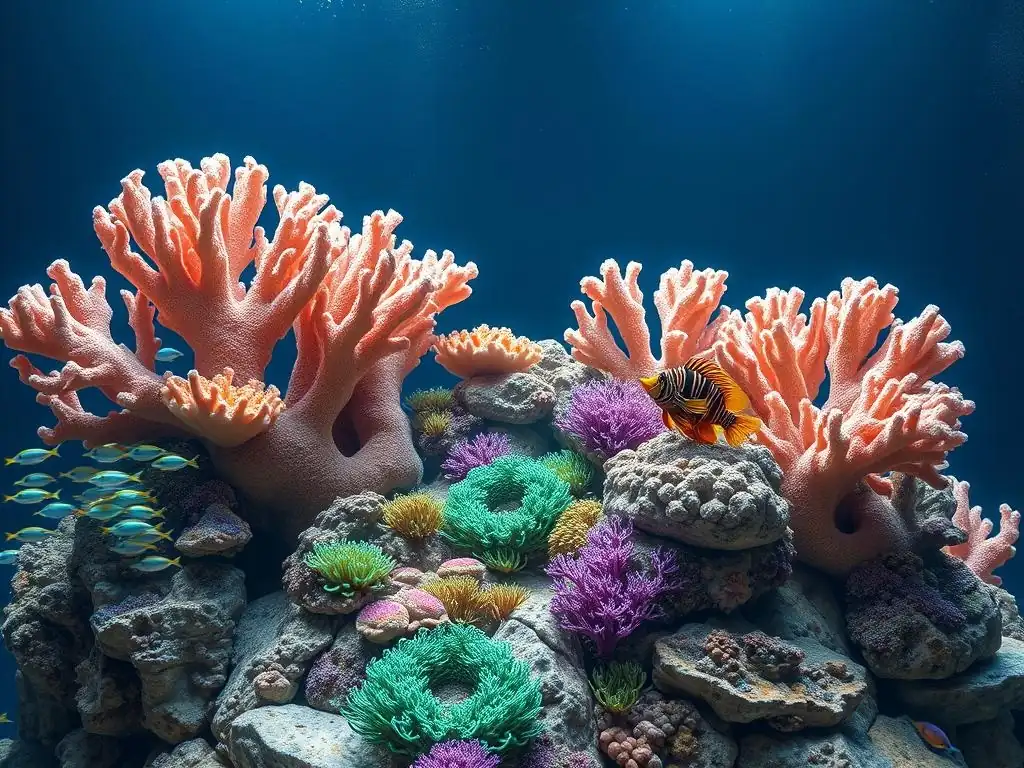
Welcome to Aquarium Mastery! Ever wonder how the perfect placement can unlock the true beauty of your Favia coral and ensure its harmonious integration within your reef tank? Dive in and discover expert Favia coral placement techniques that will not only enhance your aquarium's aesthetics but also promote the health and vibrancy of this fascinating LPS coral. Ready to create a thriving underwater landscape? Let's get started!
- Understanding Favia Coral Needs for Optimal Growth
- The Importance of Strategic Favia Coral Placement
-
Favia Coral Placement Techniques: A Step-by-Step Guide
- Step 1: Assessing Your Tank's Existing Coral Layout
- Step 2: Identifying Potential Placement Locations for Favia
- Step 3: Preparing the Favia Coral for Placement (Acclimation)
- Step 4: Securing the Favia Coral to the Rockwork or Frag Plug
- Step 5: Monitoring the Favia Coral's Reaction to Its New Environment
- Favia Coral Placement and Visual Appeal
- Troubleshooting Favia Coral Placement Issues
- Long-Term Favia Coral Care and Maintenance
- Advanced Favia Coral Placement Strategies
- Choosing the Right Favia Coral for Your Reef Tank
- Conclusion: Mastering Favia Coral Placement for a Thriving Reef Aquarium
-
Frequently Asked Questions
- What are the key factors to consider when determining Favia coral placement?
- How does lighting impact Favia coral health and coloration?
- What type of water flow is best suited for Favia corals?
- How far should I place my Favia coral from other corals in the aquarium?
- What are some common signs that my Favia coral is not happy with its placement?
- Final Reflection: Cultivating Harmony in the Reef
- Unleash the Beauty: Master Your Favia Placement!
Understanding Favia Coral Needs for Optimal Growth
Favia Coral: An Introduction to Growth Habits and Morphology
Favia corals, often referred to as "brain corals" or "pineapple corals," are a popular choice for reef aquariums due to their striking appearance and relatively straightforward care. These large polyp stony (LPS) corals typically exhibit an encrusting or massive growth habit, forming dome-like or flat colonies. Their distinct corallites, which are the skeletal cups housing individual polyps, often share common walls, giving them their characteristic "brain-like" appearance. Colonies can range significantly in size, starting from small frags of an inch or two and maturing into specimens exceeding 12 inches (30 cm) in diameter under optimal conditions over several years.
The morphology of Favia corals involves individual polyps that typically retract during daylight hours and extend their feeding tentacles, including potent sweeper tentacles, primarily at night. While their growth rate is considered moderate, a healthy Favia colony can add approximately 0.5 to 1 inch (1.2 to 2.5 cm) to its diameter annually. This growth is contingent on stable water parameters, appropriate lighting, and consistent feeding. Understanding these growth patterns is crucial for effective Favia coral placement techniques, ensuring ample space for expansion without encroaching on neighboring corals.
Key Water Parameters and Lighting Requirements for Favia Corals
Maintaining stable water parameters is paramount for the health and vibrant coloration of Favia corals. Ideal salinity levels should be kept between 1.025 and 1.026 specific gravity (SG), or 35 ppt. Alkalinity, vital for skeletal growth, should be maintained within a range of 8-10 dKH, while calcium levels should be consistently between 400-450 ppm. Magnesium, which supports the uptake of calcium and alkalinity, should be kept at 1300-1400 ppm. Temperature stability is also critical, with a preferred range of 76-78°F (24-25.5°C). Fluctuations outside these ranges can induce significant stress, leading to tissue recession or bleaching.
Favia corals thrive under moderate lighting conditions. A PAR (Photosynthetically Active Radiation) intensity of 100-250 PAR is generally considered ideal. Too much light can cause bleaching, where the coral expels its symbiotic zooxanthellae, leading to a loss of color and potential starvation. Conversely, insufficient light can result in browning as the zooxanthellae attempt to compensate, or slow growth and poor coloration. When implementing Favia coral placement techniques, it's advisable to acclimate new corals to existing lighting by initially placing them in lower light areas and gradually moving them to their final spot over several weeks, observing their response closely.
Flow Requirements: Ensuring Favia Corals Thrive
Proper water flow is another critical factor for the success of Favia corals. They prefer moderate, indirect flow that is turbulent rather than laminar (direct and constant). This type of flow helps to prevent detritus from settling on the coral's tissue, which can lead to tissue necrosis and disease. It also facilitates efficient gas exchange and nutrient delivery to the polyps. Strong, direct flow can be detrimental, causing the polyps to remain retracted or leading to tissue damage from constant buffeting.
An ideal flow pattern allows the polyps to gently sway and extend fully, indicating comfortable conditions. Insufficient flow, on the other hand, can lead to areas of stagnant water around the coral, promoting the accumulation of waste products and potentially fostering nuisance algae growth. When considering Favia coral placement techniques, assess the existing flow patterns in your tank. You might use a small amount of fish food or detritus to visualize how water moves around potential placement sites, ensuring the Favia will receive adequate, non-damaging circulation.
The Importance of Strategic Favia Coral Placement
Preventing Aggression: Favia Coral's Sweeper Tentacles
One of the most critical considerations in Favia coral placement is managing their aggressive nature, particularly their sweeper tentacles. While Favia corals may appear docile during the day with their polyps retracted, they extend long, powerful sweeper tentacles, primarily at night, to defend their territory and capture food. These tentacles are armed with nematocysts, stinging cells capable of inflicting significant damage, or even death, to neighboring corals. Sweeper tentacles can extend several inches, often reaching 2-4 inches (5-10 cm) or more, depending on the species and colony size.
To prevent inter-coral aggression, it is imperative to provide ample space around your Favia coral. A general rule of thumb for effective Favia coral placement techniques is to maintain a minimum clearance of 4-6 inches (10-15 cm) from other corals, especially less aggressive LPS or soft corals. Regularly observe your tank, particularly after the main lights turn off, to identify any instances of "stinging wars." If signs of aggression (tissue recession, discoloration) appear on adjacent corals, immediate adjustment of the Favia coral placement is necessary to protect your other inhabitants.
Minimizing Stress: Choosing the Right Location in Your Reef Tank
Minimizing stress is key to the long-term health and growth of Favia corals. The right location in your reef tank significantly contributes to this. Favia corals are sensitive to rapid changes in environmental conditions, including sudden shifts in light intensity, water flow, or even handling. A stressful environment can lead to closed polyps, tissue recession, or susceptibility to disease. Therefore, thoughtful Favia coral placement techniques are essential from the outset.
Ideal locations for Favia corals are typically in the mid-to-lower sections of the rockwork, where moderate light and turbulent, indirect flow can be consistently provided. Avoid placing them directly under high-intensity lighting or in areas of extreme, direct water flow. Furthermore, consider the proximity to other highly aggressive corals, such as certain Euphyllia species or Acanthastrea, which also possess strong stinging capabilities. A well-chosen location reduces the need for future relocation, which itself can be a source of stress for the coral.
Optimizing Light Exposure for Favia Coloration and Health
The vibrant coloration of Favia corals is largely attributed to the symbiotic zooxanthellae living within their tissues. These algae perform photosynthesis, providing the coral with essential nutrients. Therefore, optimizing light exposure is crucial not only for the coral's health but also for enhancing its aesthetic appeal. Incorrect light levels can lead to a dulling of colors (browning from too little light) or bleaching (paling from too much light), both indicating stress and potential decline.
When planning Favia coral placement techniques, aim for moderate PAR levels, as mentioned, typically between 100-250 PAR. If you are unsure of your tank's PAR levels, start the Favia in a lower-light area of the tank, such as the bottom or a shaded spot, and gradually move it upwards or into more exposed areas over several weeks.
Observe the coral's response: if it maintains vibrant colors and extends polyps, the light is likely appropriate. A loss of color or excessive retraction signals that the light may be too intense, while browning suggests insufficient light, necessitating a Favia coral placement adjustment.
Favia Coral Placement Techniques: A Step-by-Step Guide
Step 1: Assessing Your Tank's Existing Coral Layout
Before introducing a new Favia coral, a thorough assessment of your current reef tank's coral layout is essential. This involves evaluating the types, sizes, and known aggression levels of your existing inhabitants. Take note of their current Favia coral placement, growth patterns, and any areas where they might already be extending sweeper tentacles or growing rapidly. This initial assessment helps identify potential "safe zones" for your new Favia, considering both its immediate needs and its future growth.
Furthermore, visualize the long-term growth of both your existing corals and the Favia. Many LPS corals can grow significantly over time, and what seems like ample space today might become a conflict zone in six months. Map out your tank's zones for light and flow intensity, as this will directly influence optimal Favia coral placement techniques. This proactive approach minimizes the need for disruptive future relocations and helps maintain a harmonious reef environment.
Step 2: Identifying Potential Placement Locations for Favia
Once you've assessed your tank, the next step in Favia coral placement is identifying specific locations that meet its light, flow, and spacing requirements. Look for areas on your rockwork that receive moderate, indirect water flow and are not directly under the highest intensity lighting. Mid-to-lower sections of the aquascape are often ideal. Ensure the chosen spot is stable and provides a secure surface for attachment.
Consider the "line of sight" for sweeper tentacles. Even if an area seems clear, use a flashlight at night to simulate the extended reach of neighboring corals' tentacles to confirm sufficient clearance. Test the water flow by dropping a small piece of food or detritus near the potential spot to observe its movement. These practical checks are invaluable for refining your Favia coral placement techniques and preventing future aggression issues.
Step 3: Preparing the Favia Coral for Placement (Acclimation)
Proper acclimation is crucial to minimize stress when introducing a new Favia coral to your aquarium. Begin with drip acclimation, allowing water from your display tank to slowly mix with the water the coral arrived in. This process, typically lasting 30-60 minutes, helps equalize salinity and temperature, which are major shock factors for corals. A slow drip rate, perhaps 1-2 drips per second, is ideal for gradual adjustment.
After acclimation, consider performing a coral dip using a reputable reef-safe product (e.g., Revive Coral Cleaner, CoralRx). This step helps eliminate common pests like flatworms, nudibranchs, or parasitic copepods that might be hitchhiking on the coral. Handle the Favia by its base or frag plug, avoiding direct contact with its delicate tissue. If possible, initially place the coral in a lower-light, lower-flow area of your display tank or a dedicated quarantine tank for a few days to allow it to recover from shipping stress before moving it to its final Favia coral placement.
Step 4: Securing the Favia Coral to the Rockwork or Frag Plug
Once the Favia coral has been properly acclimated and dipped, the next step in Favia coral placement is securing it firmly in its chosen location. The most common and effective methods involve using reef-safe super glue gel (cyanoacrylate) or epoxy putty. If the Favia is on a frag plug, you can glue the plug directly to the rockwork. If it's a bare frag or a larger colony, you may need to apply glue directly to a clean, dry section of its base.
To ensure a strong bond, make sure the frag plug or coral base is relatively dry before applying the glue. Apply a generous amount of super glue gel to the bottom of the frag plug or the contact point on the coral, then press it firmly onto the desired rockwork for 30 seconds to a minute. For larger or irregular pieces, epoxy can provide a more robust and permanent attachment. Ensure the coral is stable and won't shift or fall, which could cause damage to the Favia itself or other tank inhabitants.
Step 5: Monitoring the Favia Coral's Reaction to Its New Environment
After Favia coral placement, continuous monitoring is paramount for its success. For the first few days, and especially the first week, observe your Favia daily for any signs of stress. These include polyps remaining retracted, tissue recession (especially around the base or edges), unusual paling or browning of coloration, or excessive mucus production. These are immediate indicators that the coral may be unhappy with its new light, flow, or water parameters.
Continue to monitor weekly thereafter, noting any changes in growth, coloration, or polyp extension. Pay particular attention to its interaction with neighboring corals, especially at night when sweeper tentacles are extended. If signs of stress or aggression persist despite stable water parameters, a slight adjustment in Favia coral placement, such as moving it slightly to a different light or flow zone, might be necessary. This vigilant observation is a critical component of successful Favia coral placement techniques.
Favia Coral Placement and Visual Appeal
Creating a Balanced Reefscape with Favia Corals
Favia corals, with their unique textures and often vibrant hues, are excellent candidates for creating focal points and adding visual interest in a balanced reefscape. Their encrusting or massive growth forms allow them to be integrated into various levels of your rockwork, from ledges to crevices. When planning your Favia coral placement, consider the overall "flow" of your aquascape. Grouping corals with similar textures, or conversely, using Favia to provide a strong contrast to smoother corals like Montipora or Acropora, can enhance visual harmony.
To achieve a balanced look, employ aquascaping principles such as the "rule of thirds" or the "golden ratio" when positioning your Favia. Placing them at different heights and depths can add dimension and draw the eye through the tank. For example, a large, colorful Favia colony positioned slightly off-center can serve as a primary focal point, complemented by smaller, less dominant corals around it. Thoughtful Favia coral placement techniques contribute significantly to the overall aesthetic coherence of your reef.
Using Favia Colors and Patterns to Enhance Your Aquarium's Aesthetics
Favia corals are renowned for their incredible diversity in coloration and intricate patterns. They come in a breathtaking array of colors, including various shades of reds, greens, blues, purples, oranges, and even multi-colored "eyes" on their corallites. This wide palette offers immense opportunities to enhance your aquarium's aesthetics. By strategically using these colors, you can create stunning visual pops and highlight specific areas of your reef.
Consider color theory when implementing your Favia coral placement techniques. Placing complementary colors next to each other (e.g., a vibrant green Favia next to a red Montipora) can create a striking contrast that makes both corals stand out. Alternatively, using analogous colors (e.g., a blue Favia next to a purple Goniopora) can create a more harmonious and flowing visual transition. Experiment with different light spectrums (e.g., actinic vs. daylight) to see how they bring out the unique fluorescence and vibrancy of your Favia corals.
Considering Growth Patterns for Long-Term Visual Impact
While Favia corals are generally slow to moderate growers, their encrusting or massive growth patterns mean they will expand outwards over time. This expansion must be factored into your initial Favia coral placement to ensure long-term visual impact and prevent overcrowding. A Favia colony can easily spread 1-2 inches (2.5-5 cm) in diameter annually under good conditions, eventually encroaching on nearby corals if not given sufficient space.
When planning, visualize the Favia's eventual size and ensure there's enough clearance not only for its own growth but also for the sweeper tentacles of both the Favia and its neighbors. Avoid placing them too close to the aquarium glass or internal equipment, as their growth could eventually obscure views or impede maintenance. Strategic Favia coral placement techniques involve anticipating future growth, allowing your reefscape to mature beautifully without constant rearrangement.
Troubleshooting Favia Coral Placement Issues
Signs of Stress: Recognizing Unhappy Favia Corals
Recognizing signs of stress early is crucial for maintaining the health of your Favia corals after placement. Common indicators of an unhappy Favia include polyps remaining consistently retracted, appearing shriveled, or not extending fully even at night. Tissue recession, particularly around the base or edges of the coral, is a serious sign of distress and needs immediate attention. Other signs include browning (indicating insufficient light or high nutrients), bleaching (too much light or unstable parameters), or excessive mucus production, which can be a defense mechanism against irritation or infection.
If you observe any of these symptoms, the first step is to meticulously check all your water parameters (salinity, alkalinity, calcium, magnesium, nitrates, phosphates, temperature) to ensure they are within optimal and stable ranges. If parameters are stable, then light or flow issues are the next likely culprits. A slight adjustment in Favia coral placement, such as moving it to a spot with less intense light or gentler flow, might be necessary to alleviate the stress and allow the coral to recover.
Addressing Algae Growth Around Favia Corals
Nuisance algae growing on or around your Favia coral can be a significant problem, as it can smother the coral's tissue, block light, and compete for nutrients. The presence of algae, particularly hair algae or diatoms, often indicates elevated nutrient levels in your aquarium (e.g., nitrates consistently above 10 ppm or phosphates above 0.05 ppm) or excessive light intensity. Algae can also proliferate in areas of low flow where detritus accumulates.
To address algae growth, first, identify and mitigate the source of excess nutrients. This can involve reducing feeding, increasing the frequency or volume of water changes (e.g., 20% weekly), improving mechanical filtration, or employing nutrient export methods like GFO (granular ferric oxide) or biopellets. Increasing water flow around the Favia can help dislodge detritus and inhibit algae growth. Manual removal of algae from the rockwork near the coral is often necessary. Introducing reef-safe herbivorous snails (e.g., Trochus, Turbo) or certain fish (e.g., tangs, if tank size permits) can also assist in algae control.
Dealing with Aggression from or to Favia Corals
Aggression is a common issue in mixed reef tanks, and Favia corals are known for their potent stinging capabilities. If you notice tissue damage, retraction, or bleaching on a neighboring coral, and your Favia is nearby, it's highly probable your Favia's sweeper tentacles are the culprit. Conversely, if your Favia shows signs of stress on one side while another aggressive coral is in close proximity, your Favia might be on the receiving end of a sting.
The primary solution for aggression, especially when related to Favia coral placement techniques, is to increase the physical separation between the conflicting corals. This might involve relocating the Favia, the aggressor, or the victim to ensure a minimum of 4-6 inches of clearance. Observing your tank after lights out, when sweeper tentacles are most active, can help confirm the source of aggression. In some cases, if space is extremely limited, using a physical barrier like a small piece of inert rock or egg crate can temporarily prevent contact, but long-term Favia coral placement adjustment is usually the best solution.
Long-Term Favia Coral Care and Maintenance
Regular Water Testing and Adjustments
Consistent monitoring and adjustment of water parameters are fundamental to the long-term health and vibrant coloration of Favia corals. It is highly recommended to perform weekly or bi-weekly tests for key parameters such as alkalinity (8-10 dKH), calcium (400-450 ppm), magnesium (1300-1400 ppm), salinity (1.025-1.026 SG), nitrates (below 10 ppm), and phosphates (below 0.05 ppm). Stability is more important than hitting exact numbers; wild swings can be detrimental.
If parameters show consistent depletion, consider implementing a dosing regimen using two-part solutions or a calcium reactor to replenish consumed elements. Regular water changes, typically 10-20% weekly or bi-weekly, are also crucial. They not only help maintain stable parameters but also replenish essential trace elements that corals utilize and export undesirable nitrates and phosphates, supporting optimal Favia coral placement conditions.
Proper Feeding Techniques for Favia Corals
While Favia corals derive a significant portion of their energy from photosynthesis via their symbiotic zooxanthellae, they are also carnivorous filter feeders and greatly benefit from supplemental feeding. Providing meaty foods can boost their growth rate and enhance their coloration. Suitable foods include small pieces of mysis shrimp, brine shrimp, finely chopped krill, or commercially prepared coral pellets and liquid foods designed for LPS corals.
It is generally most effective to feed Favia corals after the main aquarium lights have turned off, or during the "blue hour" when only actinic lights are on. This is when their polyps are fully extended and their feeding response is strongest. Use a turkey baster or pipette to target feed individual polyps, ensuring the food lands directly on their tentacles.
Target feeding minimizes the amount of excess food polluting the water column, thus helping maintain water quality and supporting the success of your Favia coral placement. Aim to feed 1-2 times per week, adjusting frequency based on coral response and nutrient levels.
Monitoring Favia Coral Health and Growth
Consistent monitoring of your Favia coral's overall health and growth is an essential aspect of long-term care. Regularly inspect the coral for any signs of tissue loss, especially around the edges or base, which can indicate stress, disease, or pest issues. Look for pests such as flatworms, nudibranchs, or other parasites that might be hidden within the coral's folds. A healthy Favia will typically display plump, extended polyps during feeding times, vibrant and consistent coloration, and visible signs of new skeletal growth around its periphery.
Documenting growth, perhaps by taking monthly photographs or even measuring the colony's diameter, can provide valuable insights into its well-being and the effectiveness of your Favia coral placement techniques. A steadily growing Favia indicates a healthy environment and proper care. Conversely, a lack of growth or any decline in appearance should prompt a thorough review of your water parameters, lighting, flow, and potential sources of stress or aggression.
Advanced Favia Coral Placement Strategies
Fragging and Propagation: Expanding Your Favia Collection
Favia corals are excellent candidates for fragging, allowing aquarists to expand their collection or share with others. This process involves carefully cutting a portion of the colony to create a new, independent frag. The most common tools for fragging Favia include a Dremel rotary tool with a diamond-coated blade or specialized bone cutters for smaller pieces. It's crucial to make a clean cut through the skeleton, ensuring that each new frag contains at least a few polyps and a piece of the original skeleton.
After fragging, it's advisable to dip the new frags in a coral dip solution to prevent potential infections. Once dipped, the frags can be glued to frag plugs using reef-safe super glue gel. Place the freshly fragged Favia in a lower-flow, lower-light area of your tank to allow them to recover from the stress of fragging. Once healed and showing signs of polyp extension, these new Favia frags can be integrated into new Favia coral placement arrangements within your tank or shared with other hobbyists.
Creating Favia Coral Gardens: Combining Different Species
For the enthusiast looking to create a visually stunning and unique display, designing a "Favia coral garden" can be an incredibly rewarding advanced Favia coral placement strategy. This involves intentionally grouping different Favia species and varieties (e.g., Favia speciosa, Favia pallida, various "War Coral" or "Dragon Soul" morphs) within a designated area of the tank. The diversity in coloration, patterns, and subtle textural differences between species can create a breathtaking mosaic of brain corals.
When creating a Favia garden, it is paramount to remember their aggressive nature. Even different species of Favia can sting each other. Therefore, maintaining adequate spacing (at least 3-4 inches initially, anticipating growth) between individual Favia colonies within the garden is crucial. Plan for their unique growth patterns – some Favia are more encrusting, while others build more massive domes – to ensure they don't overgrow and sting their neighbors. Thoughtful Favia coral placement techniques ensure harmony in your specialized garden.
Utilizing Favia Corals in Unique Aquascaping Designs
Favia corals' encrusting and massive growth forms, coupled with their vibrant colors, make them incredibly versatile for unique aquascaping designs. Beyond being simple additions, they can be utilized as foundational elements or striking accents. For instance, an encrusting Favia can be placed on a flat ledge or even allowed to grow over a small archway, creating a natural, established look that mimics a wild reef. Their ability to conform to rockwork contours makes them excellent for filling in gaps or softening harsh edges in your aquascape.
In minimalist aquascapes, a single, large, and colorful Favia colony can serve as a powerful focal point, drawing all attention to its intricate patterns. In denser reefscapes, they can be strategically placed to add pops of color and texture among other coral types. Their distinct appearance and relatively manageable growth rate, when considered in Favia coral placement techniques, allow them to be integrated into diverse designs, from naturalistic biotopes to more abstract, artistic layouts, significantly enhancing the overall visual impact of your aquarium.
Choosing the Right Favia Coral for Your Reef Tank
Exploring Different Favia Species and Varieties
The genus Favia encompasses a wide array of species and cultivated varieties, each offering unique colors, patterns, and morphological characteristics. Common species encountered in the hobby include Favia speciosa, known for its distinct "eyes" or contrasting centers on each corallite, and Favia pallida, which often exhibits a more uniform coloration across its polyps. Beyond these, numerous designer morphs have emerged, such as the highly sought-after "War Coral" with its striking green and red patterns, or the "Dragon Soul Favia" known for its vibrant multi-colored eyes and deep hues.
Before purchasing, it's beneficial to research the specific Favia coral placement requirements and growth habits of different varieties. While general care is similar, some morphs might show slight variations in preferred light intensity or flow. Understanding these nuances allows you to select a Favia that not only appeals to your aesthetic preferences but also has the best chance of thriving in your tank's existing conditions and fitting into your Favia coral placement plan.
Selecting Healthy Favia Corals from Reputable Sources
The health of your Favia coral upon purchase is a critical determinant of its long-term success in your aquarium. When selecting a Favia, look for clear signs of health: fully extended, plump polyps (when appropriate for the time of day), vibrant and consistent coloration across the colony, and no visible signs of tissue recession, damage, or pests. Avoid corals that appear pale, brown, shriveled, or have any visible algae growth on their tissue.
Purchasing from reputable sources, whether a local fish store or an online vendor, significantly increases your chances of acquiring a healthy specimen. Reputable dealers often have well-maintained systems, proper quarantine protocols, and knowledgeable staff. Don't hesitate to ask about their acclimation procedures, origin of the coral, and any specific care tips they might offer. A healthy start through careful selection is a foundational step in successful Favia coral placement.
Matching Favia Coral Temperament to Your Existing Reef Inhabitants
Before introducing a Favia coral, it's essential to consider its temperament and how it will interact with your existing reef inhabitants. Favia corals are moderately aggressive LPS corals, primarily due to their potent sweeper tentacles that extend at night. Placing them too close to less aggressive or delicate corals, such as soft corals or certain SPS corals, can lead to stinging and tissue damage.
Assess the aggression levels of your current corals. If you have highly aggressive LPS corals like certain Euphyllia species or Acanthastrea, ensure you can provide ample space (at least 6 inches or more) to prevent conflict with the Favia. Furthermore, consider your fish inhabitants. While most reef-safe fish are compatible, some species, particularly certain angelfish or butterflyfish, are known to occasionally nip at LPS corals. Verifying compatibility with your existing livestock is a crucial aspect of successful Favia coral placement, ensuring a peaceful and thriving reef environment for all.
Conclusion: Mastering Favia Coral Placement for a Thriving Reef Aquarium
Frequently Asked Questions
What are the key factors to consider when determining Favia coral placement?
The most important factors are lighting intensity, water flow, and proximity to other corals. Favia corals prefer moderate lighting and flow, and need space to avoid being stung by more aggressive species.
How does lighting impact Favia coral health and coloration?
Favia corals thrive under moderate lighting. Too much light can cause bleaching, while too little can hinder growth and diminish their vibrant colors.
What type of water flow is best suited for Favia corals?
Favia corals prefer moderate, indirect water flow. This helps deliver nutrients and remove waste without stressing the coral. Strong, direct flow can damage the coral's tissue.
How far should I place my Favia coral from other corals in the aquarium?
Favia corals can be aggressive, so it's crucial to provide adequate space. Aim for at least 6-8 inches of separation from other corals to prevent stinging and competition for resources.
What are some common signs that my Favia coral is not happy with its placement?
Signs of stress include bleaching, tissue recession, and a lack of polyp extension. Adjusting the lighting, flow, or coral placement can often resolve these issues.
Final Reflection: Cultivating Harmony in the Reef
The art of Favia coral placement, as we've explored, is more than just sticking a frag to a rock; it's about fostering a thriving ecosystem within the confines of our aquariums. Understanding the nuances of aggression, lighting, and flow is paramount to creating a visually stunning and biologically balanced reef. This understanding transcends mere aesthetics, impacting the long-term health and stability of our underwater worlds.
This delicate dance between coral species, and our role as orchestrators, mirrors the complexities of larger ecosystems. The responsibility we bear as reef keepers extends beyond our tanks, reminding us of the interconnectedness of life and the importance of mindful stewardship. In the end, we will conserve only what we love; we will love only what we understand; and we will understand only what we are taught.
- Baba Dioum. This quote perfectly encapsulates the journey of learning and appreciation that comes with mastering Favia coral placement and, indeed, all aspects of reef keeping.
Now, armed with these insights into Favia coral placement techniques, I encourage you to look at your own reef aquariums with fresh eyes. Consider the delicate balance you're striving to achieve, and the impact your choices have on the lives within. Let the principles of harmony and strategic placement guide your decisions, transforming your aquascape into a vibrant testament to the beauty and resilience of the underwater world.
Unleash the Beauty: Master Your Favia Placement!
Thanks for diving deep into the world of Favia corals with us! We hope you've unlocked the secrets to creating a thriving and visually stunning reef environment for these fascinating creatures. Now, let's put that knowledge into action and watch your aquarium flourish.
Here's how you can take the next steps:
- Strategically position your Favia coral based on your new knowledge of flow, light, and aggression. This is the key to a happy and vibrant coral!
- Share this article with fellow reefing enthusiasts to spread the knowledge and help others achieve coral-placement success.
- Consider creating a "Favia Placement Journal" to document your observations and track the health and growth of your coral over time.
What specific environmental factor (light, flow, or placement) are you most eager to experiment with to optimize your Favia's health and coloration?