
Top 10 Most Coveted Zoanthid Morphs: A Collector's Dream List

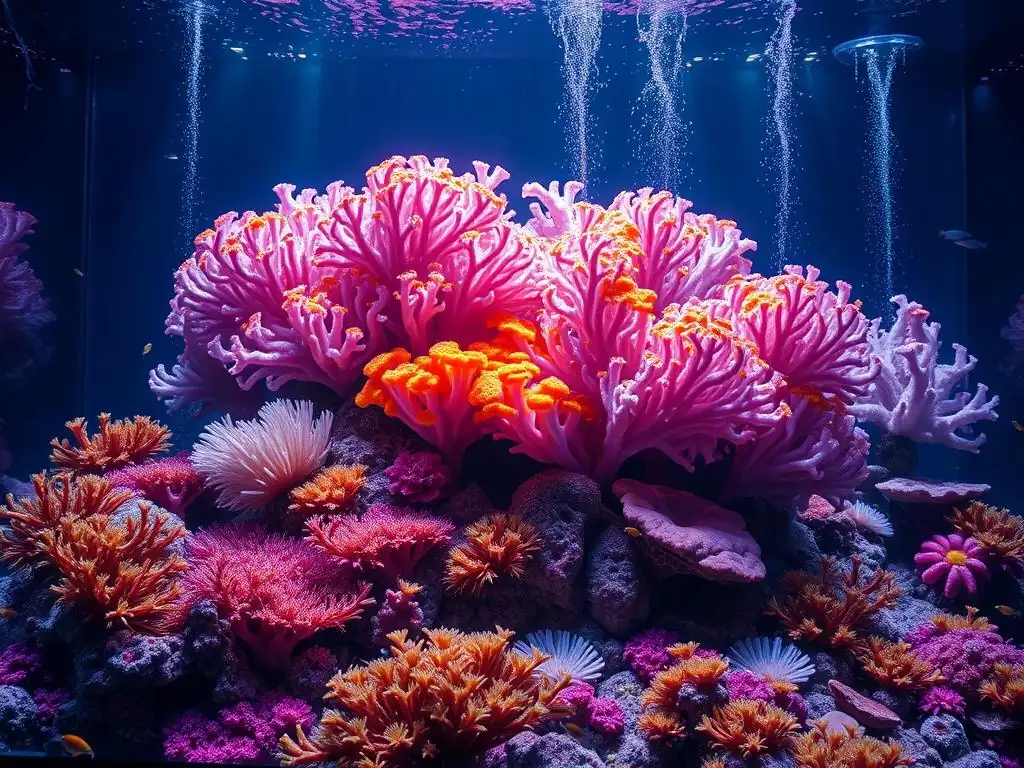
Welcome to Aquarium Mastery! Ever wondered about the most sought-after jewels of the reef? Prepare to be captivated! Our Rare Zoanthid Morphs Guide unlocks the secrets to the Top 10 most coveted Zoanthids, revealing their dazzling colors and unique characteristics. Dive in to discover which of these living treasures could become the centerpiece of your reef tank, and leave you wanting to learn more!
- Introduction: The Allure of Rare Zoanthids for Reef Tank Enthusiasts
- Understanding Zoanthid Morphs and Their Value
-
The Top 10 Most Coveted Zoanthid Morphs: A Collector's Guide
- #1. God of War Zoanthids: Fiery Colors and High Demand
- #2. Utter Chaos Zoanthids: A Kaleidoscope of Colors
- #3. Rastas Zoanthids: The Classic Collector's Choice
- #4. Blue Hornets Zoanthids: Striking Blue and Yellow Contrast
- #5. Purple People Eaters Zoanthids: Intense Purple Hues
- #6. Fire and Ice Zoanthids: A Dynamic Color Combination
- #7. Fruit Loops Zoanthids: A Rainbow of Color Variations
- #8. Mind Trick Zoanthids: Mesmerizing Patterns and Colors
- #9. Sunny D Zoanthids: Bright Yellow Centers and Dark Skirts
- #10. Bam Bams Zoanthids: Orange Centers and Dark Rings
- Essential Care Tips for Rare Zoanthid Morphs
- Acquiring Rare Zoanthid Morphs: Where to Find Them
- Conclusion: Building Your Dream Zoanthid Collection
-
Frequently Asked Questions
- What are Zoanthids and why are some considered "rare morphs"?
- What factors contribute to the rarity of a Zoanthid morph?
- How much can a single polyp of a rare Zoanthid morph cost?
- What are some key considerations when caring for rare Zoanthid morphs?
- Where can I acquire rare Zoanthid morphs for my aquarium?
- Final Reflection: The Enduring Allure of Rare Zoanthids
- Unleash Your Zoanthid Obsession!
Introduction: The Allure of Rare Zoanthids for Reef Tank Enthusiasts
What are Zoanthids and Why are Certain Morphs Highly Sought After?
Zoanthids, often simply called "zoas," are colonial polyps belonging to the order Zoantharia, known for their striking colors and relatively easy care in a home aquarium setting. These captivating soft corals derive much of their energy from symbiotic algae (zooxanthellae) within their tissues, but can also capture small food particles from the water column. Unlike hard corals, zoanthids do not build a stony skeleton, instead forming a mat-like colony over rocks or substrate. Their vibrant pigmentation, often displaying neon greens, brilliant blues, fiery reds, and deep purples, is what initially draws many aquarists to them.
Certain zoanthid morphs are highly sought after due to a unique combination of factors, primarily their rarity, the intensity and uniqueness of their coloration, and often, their limited availability in the hobby. These desirable morphs are typically genetic variations that exhibit distinct and often complex patterns, such as multi-colored skirts, contrasting centers, or intricate rings. The challenge of acquiring these specific, often limited-edition, varieties adds to their allure, transforming them from simple corals into prized collector's items. This guide aims to be a comprehensive rare zoanthid morphs guide, detailing the most coveted types.
The Growing Popularity of Zoanthid Collecting in the Reefing Hobby
The collecting of zoanthids has surged in popularity within the reefing hobby over the past decade, evolving into a dedicated niche known as "zoa collecting." This trend is fueled by several factors, including the relatively small footprint required for a vibrant zoanthid garden, making them accessible to aquarists with tanks of all sizes. The ease of fragging (propagating) zoanthids also allows for community trading and sharing, though the rarest morphs remain highly protected and command premium prices.
Online forums, social media groups, and dedicated vendor websites have created a global marketplace for these colorful polyps, driving demand for new and exotic morphs. Collectors often vie for the latest "designer" zoanthids, which are often given evocative names like "God of War" or "Utter Chaos" to reflect their unique appearance and elevate their desirability. This competitive yet collaborative environment has significantly contributed to the development of a vibrant rare zoanthid morphs guide community, where enthusiasts share tips, showcase their collections, and participate in the ongoing discovery of new and exciting variations.
AquariumMastery.com: Your Guide to Zoanthid Care and Appreciation
AquariumMastery.com is dedicated to providing comprehensive and accurate information for aquarists of all levels, from beginners to seasoned collectors. Our platform offers detailed guidance on setting up and maintaining both freshwater and saltwater aquariums, covering everything from water chemistry and equipment selection to species profiles and troubleshooting common tank issues. Within the realm of soft corals, we specialize in providing in-depth profiles, care requirements, placement strategies, and propagation techniques for a variety of species, including zoanthids, mushrooms, and leather corals.
This article, specifically designed as a rare zoanthid morphs guide, is an extension of our commitment to empowering aquarists with the knowledge needed to succeed. We understand the passion behind collecting these miniature works of art and strive to equip our readers with the best practices for their care. From understanding the nuances of water parameters crucial for vibrant coloration to identifying and addressing potential pests, AquariumMastery.com serves as your definitive resource for cultivating a thriving and visually stunning zoanthid collection.
Understanding Zoanthid Morphs and Their Value
Defining "Morph": Genetic Variation and Visual Appeal in Zoanthids
In the context of zoanthids, a "morph" refers to a distinct variation within a species, characterized by unique patterns, color combinations, or growth forms. These variations arise primarily from genetic mutations, which can occur naturally in the wild or through selective propagation in aquaculture.
While all zoanthids share a basic anatomical structure—a cylindrical body with a crown of tentacles surrounding a central mouth—their pigmentation can be incredibly diverse. A morph's visual appeal is determined by several factors, including the vibrancy and saturation of its colors, the contrast between different colored sections (e.g., skirt versus mouth), and the complexity of its pattern.
For instance, a morph might feature a bright orange skirt with a neon green mouth, or a deep purple body with striking yellow speckles. These unique visual traits are what differentiate one morph from another and largely dictate its desirability among collectors. The naming conventions for these morphs, such as 'God of War' or 'Utter Chaos,' are often descriptive of their appearance or evocative to enhance their mystique. Understanding these genetic and phenotypic differences is fundamental to appreciating the value and rarity discussed in any rare zoanthid morphs guide.
Factors Influencing Zoanthid Rarity and Price
The rarity and corresponding market price of a zoanthid morph are influenced by a confluence of factors. Primarily, the uniqueness of its coloration and pattern plays a significant role; the more distinct and visually appealing a morph is, the higher its demand. Limited availability is another critical factor; some morphs are naturally rare in the wild, while others are slow growers in captivity, leading to restricted supply. For example, a single polyp frag of a highly sought-after morph might command prices ranging from $50 to over $500, whereas common varieties might sell for $5-$15 per polyp.
Propagation difficulty also impacts rarity. Morphs that are challenging to grow or frag in aquaculture will naturally be less abundant and therefore more expensive. Furthermore, the "hype" surrounding a new or particularly striking morph can temporarily inflate its price, especially when it first enters the market. As a general rare zoanthid morphs guide, it's important to note that prices tend to stabilize as more aquacultured frags become available, though truly exceptional and slow-growing varieties often retain their high value.
Ethical Considerations in Zoanthid Collecting
As the demand for rare zoanthid morphs continues to grow, it brings ethical considerations to the forefront of the hobby. A primary concern is the potential impact of wild collection on natural reef ecosystems. Over-collection of certain rare morphs from their native habitats can deplete wild populations and disrupt delicate marine balances. Responsible aquarists prioritize purchasing aquacultured zoanthids whenever possible. Aquacultured corals are those grown in controlled environments, typically from small fragements (frags) of existing colonies, rather than being harvested from the ocean.
Supporting aquaculture not only reduces pressure on wild reefs but also generally results in hardier, healthier corals that are already accustomed to aquarium conditions. Another ethical aspect involves ensuring that vendors practice sustainable collection and propagation methods. Before acquiring any rare zoanthid morphs, it is advisable to research the vendor's practices. This rare zoanthid morphs guide strongly advocates for ethical sourcing, contributing to the long-term sustainability of the hobby and the health of our planet's coral reefs.
The Top 10 Most Coveted Zoanthid Morphs: A Collector's Guide
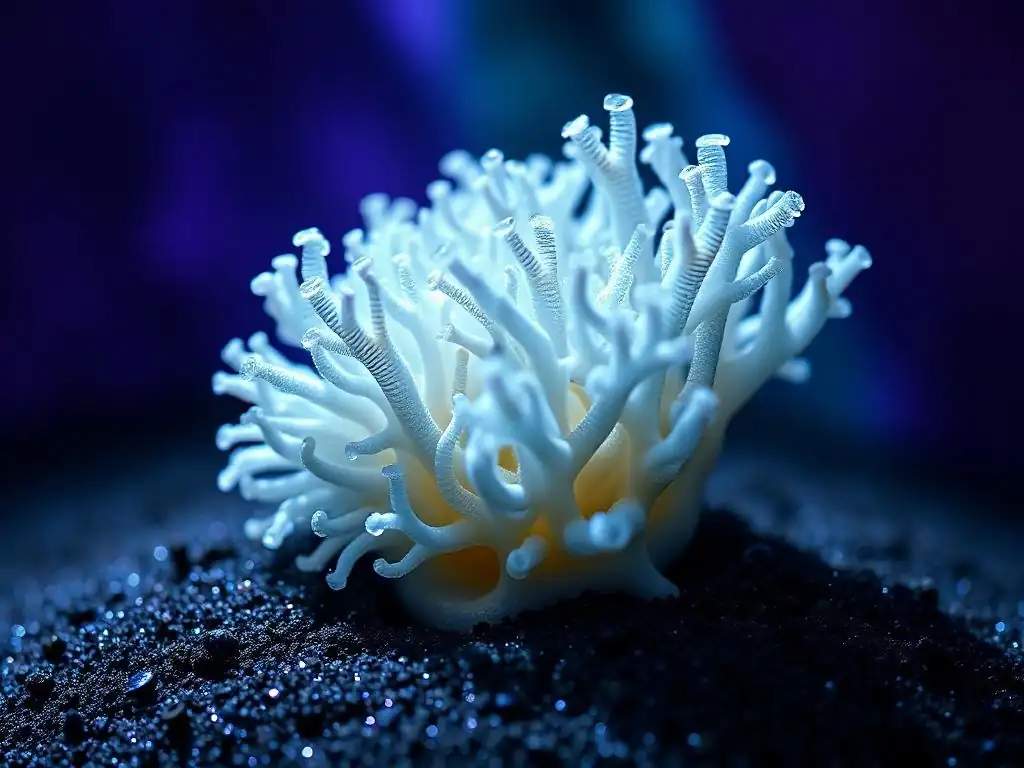
#1. God of War Zoanthids: Fiery Colors and High Demand
The God of War Zoanthid is arguably one of the most iconic and highly demanded morphs in the reefing hobby, renowned for its intense and fiery coloration. This morph typically features a vibrant orange to reddish-orange body with a contrasting bright green or yellow-green mouth, often accented by a dark, almost black, base or skirt.
The "god-like" intensity of its colors makes it a standout in any zoanthid collection, embodying the very essence of a rare zoanthid morphs guide centerpiece. A single polyp of a genuine God of War can fetch prices upwards of $100-$300, reflecting its status and desirability.
These zoanthids are prized not only for their stunning appearance but also for their relatively robust nature once established. While they are not the fastest growers, under optimal conditions, a small frag can slowly but steadily expand its colony. Their unique color combination is instantly recognizable and has set a benchmark for what constitutes a "designer" zoanthid. Collectors often aim to acquire these first, establishing them as a foundational piece in their rare zoanthid morphs guide collection.
Identifying God of War Zoanthids: Characteristics and Coloration
Identifying genuine God of War Zoanthids relies heavily on their distinct color palette and pattern. The most prominent feature is the deep, rich orange or red-orange body, which can sometimes appear almost blood-red under certain lighting. This vibrant body is sharply contrasted by a glowing green or yellow-green oral disc (mouth). Surrounding the body, the skirt often presents a darker shade, sometimes dark brown or black, which further accentuates the brilliance of the central colors. The tentacles, though small, usually match the green or yellow of the mouth.
Variations exist, but the core "God of War" look maintains this strong orange-green contrast. It's important to observe the polyps under various lighting conditions, including actinic and full spectrum, as their colors can pop differently. The size of the polyps typically ranges from 0.5 to 1 inch in diameter when fully open. When considering adding these to your rare zoanthid morphs guide collection, ensure the vibrant hues are consistent with established examples.
Care Tips for God of War Zoanthids
God of War Zoanthids, like most zoanthids, thrive in stable water parameters. They prefer temperatures between 76-79°F (24.4-26.1°C), salinity of 1.024-1.026 specific gravity, alkalinity between 8-12 dKH, calcium 400-450 ppm, and magnesium 1250-1350 ppm. Maintaining low nitrates (<10 ppm) and phosphates (<0.03 ppm) is crucial for their long-term health and vibrant coloration.
They are moderately tolerant of various lighting conditions, but generally flourish under moderate PAR levels, typically ranging from 75-150 PAR. Placing them in areas with moderate, indirect water flow is ideal to ensure they receive nutrients without being constantly blasted by strong currents, which can cause them to remain closed.
While zoanthids primarily rely on photosynthesis, occasional spot feeding with zooplankton or finely crushed pellet food can enhance their growth and intensify their colors. A weekly feeding of a high-quality coral food designed for soft corals, such as a mix of phytoplankton and zooplankton, can significantly benefit their vitality. Regular water changes (10-15% bi-weekly) are also essential for maintaining water quality and replenishing trace elements.
#2. Utter Chaos Zoanthids: A Kaleidoscope of Colors
Utter Chaos Zoanthids are another highly sought-after morph, celebrated for their truly chaotic yet mesmerizing blend of colors. These polyps typically feature a vibrant orange or reddish-orange body, often with bright green or yellow-green flecks, and a striking blue or purple skirt. The "chaos" in their name perfectly describes the seemingly random yet harmonious distribution of these intense hues across each polyp. They are a true spectacle and a must-have for any serious rare zoanthid morphs guide collector. Due to their unique appearance and high demand, single polyps often retail for $80-$250.
Their appeal lies in the fact that no two polyps look exactly alike, yet they all share the characteristic multi-colored brilliance. When a colony of Utter Chaos Zoanthids opens fully, it creates a dazzling display, resembling a miniature abstract painting in the reef tank. Their popularity continues to grow, making them a staple in high-end zoanthid collections and a frequent topic in discussions about rare zoanthid morphs guide acquisitions.
Distinguishing Utter Chaos Zoanthids from Similar Morphs
Distinguishing Utter Chaos Zoanthids requires close observation of their unique color combination. While many zoanthids feature orange and green, the defining characteristic of Utter Chaos is the prominent blue or purple skirt that contrasts sharply with the orange body and green mouth. Some similar morphs might have a blue skirt, but lack the distinct orange body with green flecks, or vice-versa. The "chaos" comes from the often speckled or mottled appearance of the orange and green on the body, rather than solid blocks of color.
The size of Utter Chaos polyps is typically medium, averaging around 0.75 inches when fully expanded. The tentacles are usually short and match the color of the mouth, which is often a bright green. When comparing them to other orange/green/blue zoanthids, look for the specific intensity of the blue skirt and the characteristic "splatter" pattern of orange and green on the oral disc. This specific combination is what makes them an unmistakable addition to a rare zoanthid morphs guide.
Optimal Placement and Lighting for Utter Chaos Zoanthids
Optimal placement for Utter Chaos Zoanthids involves finding a spot with moderate lighting and moderate, indirect water flow. They generally thrive under PAR levels between 80-180, which allows their vibrant colors to truly pop without causing bleaching or stress. If introducing them to a new tank or significantly different lighting, it's advisable to acclimate them gradually by placing them lower in the tank and slowly moving them up over several weeks. Direct, strong flow can cause the polyps to remain closed or detach from their frag plug, so aim for an area where the polyps gently sway.
Ideal placement is often on the sandbed or on a lower rock ledge, away from aggressive corals that might sting them. Ensuring they have ample space to grow is also important, as Utter Chaos zoanthids can form dense colonies over time. Providing stable water parameters, as outlined in the general care section, will further ensure their health and vibrant coloration. Consistent water quality is paramount for these highly coveted zoanthids, making them a highlight in any rare zoanthid morphs guide.
#3. Rastas Zoanthids: The Classic Collector's Choice
Rastas Zoanthids are a true classic in the reefing hobby, cherished for their iconic and unmistakable coloration that evokes the reggae flag. They typically display a bright green skirt, a vibrant yellow or gold ring around the mouth, and a striking red or orange-red oral disc. This distinct combination of green, yellow, and red is instantly recognizable and has made them a foundational piece in many zoanthid collections.
While not as rare as some of the newer designer morphs, their consistent beauty and relatively good growth rate make them perpetually popular. A good frag of Rastas can range from $20-$80, depending on polyp count and vendor.
Their popularity stems from their consistent and vibrant color display, along with their general hardiness. Rastas are often recommended for aquarists looking to start their zoanthid collection, as they are relatively forgiving with minor parameter fluctuations compared to some more delicate morphs. Their enduring appeal firmly places them in any comprehensive rare zoanthid morphs guide.
Maintaining the Vibrant Colors of Rasta Zoanthids
Maintaining the vibrant colors of Rasta Zoanthids primarily depends on stable and optimal water parameters, coupled with appropriate lighting. Like most zoanthids, they benefit from clean water with low nitrates (<10 ppm) and phosphates (<0.03 ppm). Regular water changes (10-15% bi-weekly) are crucial for replenishing trace elements that can enhance coloration, such as iodine and potassium, though these are typically sufficiently replaced through quality salt mixes.
Lighting plays a significant role; Rasta Zoanthids generally prefer moderate PAR levels, typically between 70-150 PAR. Too little light can cause them to lose some vibrancy, appearing duller, while excessive light can lead to bleaching. A light spectrum with a good amount of blue (actinic) light will often make their greens and reds pop more intensely. Ensuring consistent light cycles and avoiding sudden changes in light intensity also contributes to their color stability, making them a consistent feature in any rare zoanthid morphs guide.
Compatible Tank Mates for Rasta Zoanthids
Rasta Zoanthids are generally peaceful inhabitants and are compatible with a wide range of common reef tank inhabitants. They pose no threat to most fish species, inverts, or other peaceful corals. However, care should be taken to avoid placing them too close to aggressive corals, particularly LPS (Large Polyp Stony) corals or SPS (Small Polyp Stony) corals known for their stinging sweepers, as these can damage or kill zoanthid polyps. Examples of potentially problematic neighbors include Euphyllia (Hammer, Torch, Frogspawn corals) or Acropora species if their sweepers reach the zoanthids.
It's also wise to avoid certain invertebrates that might predate on zoanthids, such as some types of crabs (e.g., emerald crabs sometimes nip at polyps) or specific nudibranchs. Peaceful fish like gobies, clownfish, and most damselfish are excellent tank mates. When introducing new species, always observe their behavior closely to ensure compatibility and protect your rare zoanthid morphs guide collection.
#4. Blue Hornets Zoanthids: Striking Blue and Yellow Contrast
Blue Hornets Zoanthids are highly regarded for their dramatic and striking contrast, featuring a deep, almost iridescent blue body and skirt, accented by a bright, often neon yellow or green oral disc. The name "Hornet" aptly describes their intense coloration and somewhat intimidating beauty. This morph stands out vividly against rockwork, making it a highly desirable addition to any reef tank. Their unique appearance makes them a consistent entry in any rare zoanthid morphs guide. A single polyp of Blue Hornets typically sells for $40-$120, depending on the intensity of their blue and yellow.
Their blue coloration is particularly captivating under actinic lighting, where it can appear to glow with an ethereal quality. The sharpness of the color transition from blue to yellow/green is what truly sets them apart from other blue-hued zoanthids. They are known to be relatively robust once acclimated, forming beautiful, dense colonies over time.
Ensuring the Health of Blue Hornet Zoanthids
Ensuring the health of Blue Hornet Zoanthids, like all zoanthids, begins with maintaining stable and pristine water parameters. Consistent salinity (1.024-1.026), temperature (76-79°F), and appropriate levels of alkalinity (8-12 dKH), calcium (400-450 ppm), and magnesium (1250-1350 ppm) are paramount. Low levels of nitrates (ideally <5 ppm) and phosphates (ideally <0.02 ppm) are crucial to prevent algae growth that can smother polyps and to maintain vibrant coloration. Regular water changes (10-15% bi-weekly) are recommended to replenish trace elements and export accumulated waste.
Beyond water quality, proper lighting and flow are key. Blue Hornets thrive under moderate lighting, typically 80-180 PAR, and moderate, indirect water flow. Too much flow can cause them to stay closed, while insufficient flow can lead to detritus accumulation. Observing their polyp extension is a good indicator of their health; fully opened polyps suggest they are thriving. Timely intervention for any signs of stress, such as prolonged closing or color fading, is critical for their survival in your rare zoanthid morphs guide collection.
Water Parameter Recommendations for Blue Hornets
For optimal health and vibrant coloration of Blue Hornet Zoanthids, specific water parameters should be consistently maintained. Aim for a stable temperature range of 76-79°F (24.4-26.1°C), as fluctuations can stress them. Salinity should be kept at a specific gravity of 1.024-1.026. Alkalinity is critical for coral growth and should be maintained between 8-12 dKH, with consistent levels being more important than hitting an exact number. Calcium levels should be between 400-450 ppm and magnesium between 1250-1350 ppm, as these are essential for calcification and overall coral health, even for soft corals like zoanthids.
Nitrates should be kept very low, ideally below 5 ppm, and phosphates below 0.02 ppm. Higher levels of these nutrients can encourage nuisance algae growth and may inhibit zoanthid health and color. Regular testing with reliable test kits is highly recommended to monitor these parameters. Supplementation of trace elements, if needed, should be done cautiously, often through high-quality salt mixes and regular water changes. Adhering to these parameters will ensure your rare zoanthid morphs guide collection flourishes.
#5. Purple People Eaters Zoanthids: Intense Purple Hues
Purple People Eaters (PPEs) are a highly coveted zoanthid morph known for their incredibly intense and captivating purple coloration. These polyps typically feature a deep, rich purple body with a contrasting neon green or yellow-green oral disc, often surrounded by a fringe of purple tentacles. The depth and saturation of the purple are what make them so desirable, often appearing almost black in some lighting, only to reveal their true vibrant purple under actinics. They are a staple in any serious rare zoanthid morphs guide collection, with frags typically ranging from $60-$180 per polyp.
Their name, inspired by the classic song, perfectly captures their unique and somewhat whimsical appearance. PPEs are sought after not just for their color, but also for their relatively large polyp size compared to many other zoanthid morphs, often reaching 1 inch or more in diameter when fully open. They can form impressive colonies that add a dramatic splash of color to any reef tank.
Preventing Fading in Purple People Eater Zoanthids
Preventing color fading in Purple People Eater Zoanthids is crucial for maintaining their high aesthetic value. The primary factors influencing color retention are stable water parameters and appropriate lighting. Maintaining very low nitrates (<5 ppm) and phosphates (<0.02 ppm) is paramount, as elevated nutrients can lead to a dulling of colors. Regular water changes (10-15% bi-weekly) help replenish trace elements and keep the water pristine.
Lighting intensity and spectrum also play a significant role. PPEs generally prefer moderate to slightly higher PAR levels, ranging from 100-200 PAR, to maintain their vibrant purple. Too little light can cause them to brown out, while too much can bleach them. A light spectrum rich in blue (actinic) light will greatly enhance their purple hues, making them appear more vivid. Gradual acclimation to new lighting conditions is always recommended to prevent shock and maintain their signature coloration, making them a vibrant component of any rare zoanthid morphs guide.
Common Issues and Solutions for Purple People Eaters
Purple People Eaters are generally hardy, but like all zoanthids, they can encounter common issues. One frequent problem is prolonged closing, which can be due to poor water quality (high nitrates/phosphates), insufficient or excessive flow, or pest irritation. Solution: Test water parameters and adjust as needed, ensure moderate, indirect flow, and inspect for pests. Another issue is browning out or fading colors, often caused by inadequate lighting or nutrient deficiency. Solution: Adjust lighting PAR levels, ensure proper spectrum, and consider supplemental feeding.
Pests are a significant threat. Zoanthid-eating nudibranchs, sundial snails, and zoanthid pox are common culprits. Nudibranchs and sundial snails can be manually removed with tweezers, and a freshwater dip (for 30-60 seconds) or a commercial coral dip solution (following manufacturer instructions, typically 5-15 minutes) can help remove them and their eggs. Zoanthid pox appears as white lesions and can be treated with specific coral dips containing antibiotics or potassium permanganate, or by increasing water flow and stability. Regular inspection and prophylactic dips for new acquisitions are vital for protecting your rare zoanthid morphs guide collection.
#6. Fire and Ice Zoanthids: A Dynamic Color Combination
Fire and Ice Zoanthids are celebrated for their dynamic and vivid color combination, which truly lives up to their name. These polyps typically feature a brilliant, almost neon orange or reddish-orange oral disc (the "fire") contrasted sharply with a cool, icy blue or purple skirt (the "ice"). This striking juxtaposition of warm and cool tones makes them incredibly eye-catching and a highly desirable addition to any zoanthid collection. Their visual appeal makes them a consistent feature in discussions about a rare zoanthid morphs guide. Individual polyps usually range from $30-$100, depending on the intensity of their colors and size.
They are known for their relatively good growth rate under optimal conditions, allowing collectors to establish a beautiful colony over time. The vibrancy of their colors can fluctuate slightly based on lighting and water parameters, but their core "fire and ice" pattern remains distinct. They are a classic choice for aquarists looking for a visually impactful zoanthid.
Propagating Fire and Ice Zoanthids
Propagating Fire and Ice Zoanthids is a rewarding process for aquarists looking to expand their collection or trade with others. Zoanthids are relatively easy to frag compared to hard corals. The most common method involves carefully detaching a small section of the zoanthid mat, typically 3-5 polyps, from the main colony using a sharp, clean scalpel or razor blade. It's crucial to wear gloves and eye protection during this process, as zoanthids can contain palytoxin, a potent neurotoxin.
Once detached, the frag can be superglued (gel consistency works best) onto a small frag plug or a piece of rubble rock. Allow the glue to cure in the air for a minute or two before gently placing the frag in a low-flow area of the main tank or a dedicated frag tank. Providing stable water parameters and good lighting will encourage the frag to attach and begin growing within a few weeks.
Regular observation is key to ensure the frag is settling in well. This successful propagation technique makes them a popular choice for sharing within the rare zoanthid morphs guide community.
Creating Optimal Flow for Fire and Ice Zoanthids
Creating optimal water flow for Fire and Ice Zoanthids is essential for their health, growth, and vibrant coloration. They prefer moderate, indirect water flow. This means the flow should be sufficient to bring nutrients and food particles to the polyps and carry away waste, but not so strong that it causes the polyps to constantly retract or struggle to stay open. Direct, laminar flow can irritate zoanthids and cause them to remain closed, potentially leading to starvation or stress.
Aim for a turbulent, randomized flow pattern around their placement. This can be achieved using powerheads with wave-making features or by strategically positioning standard powerheads to create gentle, oscillating currents. Observing the polyps is the best indicator: if they are fully extended and gently swaying, the flow is likely ideal. If they appear shriveled, closed, or are being violently buffeted, the flow is too strong. Adjusting powerhead positions or flow intensity can significantly improve their well-being, making them a thriving part of your rare zoanthid morphs guide collection.
#7. Fruit Loops Zoanthids: A Rainbow of Color Variations
Fruit Loops Zoanthids are a delightful and highly sought-after morph, named for their resemblance to the colorful breakfast cereal. These zoanthids are characterized by a vibrant array of colors, typically featuring a bright green or yellow-green oral disc surrounded by a multi-colored skirt that can include shades of red, orange, pink, purple, and blue. The exact combination and intensity of colors can vary significantly between different "strains" of Fruit Loops, making each colony a unique display of natural artistry.
Their diverse palette makes them a standout in any rare zoanthid morphs guide. A single polyp can range from $50-$150, depending on the specific color vibrancy and rarity of the strain.
Their appeal lies in their playful and diverse coloration, often exhibiting more than three distinct colors on a single polyp. They tend to form dense, colorful mats, creating a stunning visual impact in the reef tank. Under proper lighting, their colors truly pop, making them a focal point for many collectors.
Identifying Genuine Fruit Loops Zoanthids
Identifying genuine Fruit Loops Zoanthids can be challenging due to the wide range of color variations that fall under this name. However, the consistent defining characteristic is the presence of multiple, distinct colors on the skirt, combined with a bright green or yellow-green oral disc. While some morphs might have two contrasting colors, Fruit Loops typically boast three or more, often in a speckled or striped pattern on the skirt. Look for combinations of red, orange, pink, purple, and blue alongside the central green.
The intensity and saturation of these colors are also key indicators. A genuine Fruit Loops morph will exhibit vibrant, clear colors rather than dull or muddy hues. Observing the polyps under different lighting conditions can help reveal the full spectrum of their coloration. It's also helpful to compare potential acquisitions to known, reputable examples from other collectors or vendors, ensuring you add an authentic piece to your rare zoanthid morphs guide collection.
Feeding Requirements for Fruit Loops Zoanthids
While Fruit Loops Zoanthids, like most zoanthids, primarily rely on photosynthesis from their symbiotic zooxanthellae, supplemental feeding can significantly enhance their growth rate, polyp extension, and overall coloration. They are micro-predators and will readily consume small zooplankton, phytoplankton, and other finely particulate foods. Target feeding once or twice a week is beneficial.
Recommended foods include commercially available zooplankton blends, finely crushed pellet foods (e.g., specific coral pellets), or a mixture of phytoplankton and zooplankton. When feeding, turn off powerheads temporarily to allow the food to settle on the polyps. Observe the polyps; if they show feeding responses (e.g., closing around food particles), it indicates successful feeding. Overfeeding should be avoided as it can degrade water quality. A consistent feeding regimen, alongside stable parameters, will ensure these colorful zoanthids thrive in your rare zoanthid morphs guide display.
#8. Mind Trick Zoanthids: Mesmerizing Patterns and Colors
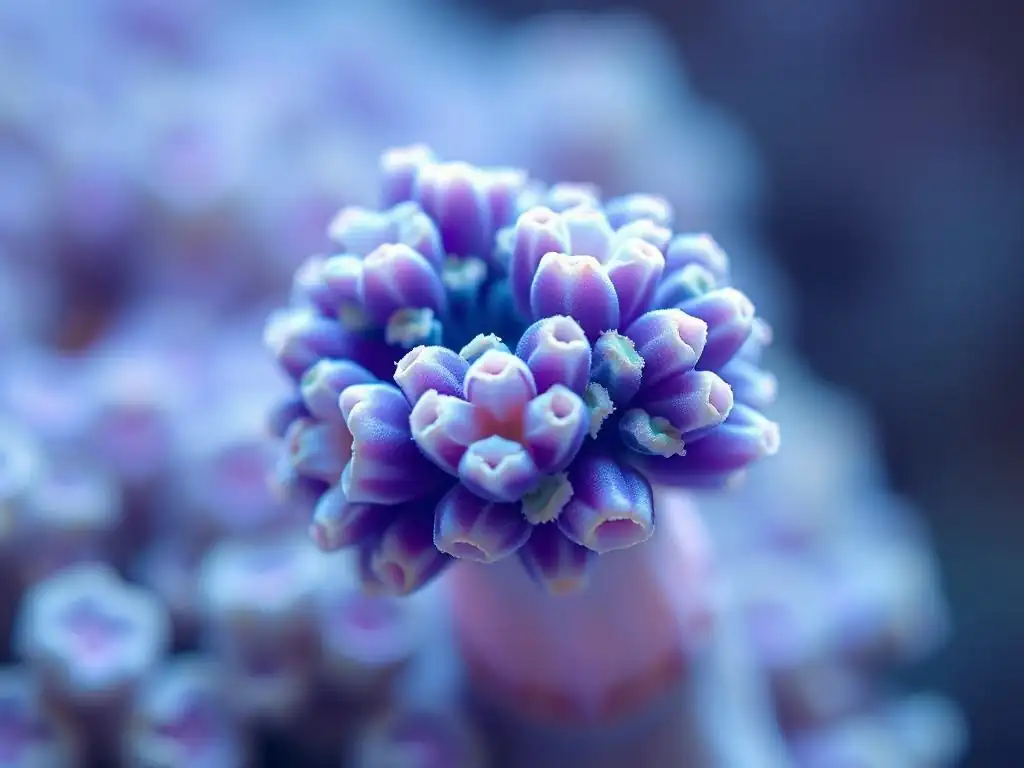
Mind Trick Zoanthids are a captivating morph known for their intricate and often mesmerizing patterns, which can appear to shift or change depending on the viewing angle and lighting. They typically feature a base color that can range from a deep blue to purple or even dark green, with complex speckles or stripes of contrasting colors like bright orange, yellow, or neon green on the oral disc and tentacles. The "mind trick" lies in how their patterns seem to play with light, creating a dynamic visual effect.
These unique visual properties make them a highly desirable inclusion in any rare zoanthid morphs guide. Prices for Mind Trick polyps often range from $70-$200.
Their appeal is rooted in the subtle yet profound complexity of their coloration, often requiring a closer look to fully appreciate their beauty. They are considered a more advanced collector's item due to their often slower growth rates and the precision required to maintain their specific vibrant patterns.
Understanding the Unique Coloration of Mind Trick Zoanthids
The unique coloration of Mind Trick Zoanthids is characterized by a sophisticated interplay of base colors and contrasting patterns. The underlying body and skirt often present a rich, deep hue such as dark blue, indigo, or even a very dark green. Overlaying this base are intricate patterns of much brighter, often fluorescent colors like electric orange, vivid yellow, or striking neon green. These brighter colors are typically concentrated on the oral disc and extend onto the tentacles, sometimes forming radial stripes or irregular speckles.
What makes them a "mind trick" is how these patterns can appear more or less prominent depending on the specific light spectrum and intensity they are viewed under. Under actinic lighting, the fluorescent colors will pop dramatically, while under full spectrum, the darker base colors provide a rich backdrop. The subtle variations in pattern from polyp to polyp within a colony add to their mystique and make them a fascinating subject for any rare zoanthid morphs guide.
Lighting Intensity for Optimal Growth of Mind Trick Zoanthids
Optimal lighting intensity is crucial for the growth and vibrant coloration of Mind Trick Zoanthids. They generally prefer moderate to slightly higher PAR levels, typically ranging from 100-220 PAR. This range allows their symbiotic zooxanthellae to photosynthesize efficiently, providing the energy needed for growth and maintaining their unique color patterns. Too little light can cause them to become dull or brown out, losing their characteristic "mind trick" effect, while excessive light can lead to bleaching or stress.
When introducing Mind Trick Zoanthids to a new tank or significantly altering lighting, it's best to start them in a lower light area and gradually move them to their desired position over several weeks. This acclimation period prevents shock and allows the coral to adjust to the new light intensity. A light spectrum with a strong blue component will particularly enhance their fluorescent colors, bringing out the full beauty of their intricate patterns. Consistent lighting cycles are also important for their overall health, making them a prized possession in any rare zoanthid morphs guide.
#9. Sunny D Zoanthids: Bright Yellow Centers and Dark Skirts
Sunny D Zoanthids are a classic and highly popular morph, instantly recognizable for their cheerful and vibrant appearance. They are characterized by a brilliant, almost glowing yellow or orange-yellow oral disc (the "sunny" center) that stands in stark contrast to a dark, often purplish-brown or black skirt. This striking combination creates a visual impact that resembles a miniature sunrise in the reef tank.
Their consistent and appealing coloration makes them a beloved component of any rare zoanthid morphs guide. A single polyp of Sunny D can typically be found for $30-$80, depending on the intensity of the yellow and the size of the frag.
While perhaps not as "rare" as some of the newer, more exotic designer morphs, their consistent beauty and relatively robust nature ensure their enduring popularity. They are excellent growers under optimal conditions, quickly forming attractive, dense colonies that add a splash of bright color.
Maintaining the Intense Yellow Coloration of Sunny D Zoanthids
Maintaining the intense yellow coloration of Sunny D Zoanthids is key to their appeal. This vibrancy is largely dependent on stable and pristine water parameters, coupled with appropriate lighting. Like other zoanthids, they require very low levels of nitrates (<5 ppm) and phosphates (<0.02 ppm) to prevent browning and maintain their bright hues. Regular water changes (10-15% bi-weekly) are crucial for replenishing essential trace elements and exporting any accumulated waste.
Lighting plays a significant role in their color intensity. Sunny D Zoanthids generally thrive under moderate PAR levels, typically ranging from 80-180 PAR. A light spectrum that includes a good amount of blue (actinic) light will make their yellow centers pop with increased fluorescence, enhancing their overall appeal. Avoiding sudden changes in light intensity and providing consistent photoperiods will help them retain their vibrant "sunny" look. Occasional spot feeding with zooplankton can also contribute to their overall vitality and color saturation, solidifying their place in a rare zoanthid morphs guide.
Preventing Pests and Diseases in Sunny D Zoanthids
Preventing pests and diseases is crucial for the health and longevity of Sunny D Zoanthids, as they are susceptible to the same common zoanthid afflictions. The most common pests include zoanthid-eating nudibranchs, sundial snails, and zoanthid pox. Nudibranchs are tiny, often camouflaged, mollusks that feed exclusively on zoanthids, leaving behind bite marks and often laying spiral egg clutches. Sundial snails are small, cone-shaped snails that also consume zoanthids. Zoanthid pox manifests as small, white, raised bumps or lesions on the polyps, potentially leading to recession and death.
To prevent infestations, always quarantine new zoanthids for at least 2-4 weeks in a separate tank before introducing them to your main display. During quarantine, perform prophylactic dips using a commercial coral dip solution (e.g., CoralRx, Revive, Bayer) following the manufacturer's instructions, typically for 5-15 minutes. Manually remove any visible pests with tweezers. If pox is observed, specific treatments like Furan-2 or potassium permanganate dips may be necessary, or in severe cases, the affected polyps may need to be removed. Regular inspection of your rare zoanthid morphs guide collection is the best defense.
#10. Bam Bams Zoanthids: Orange Centers and Dark Rings
Bam Bams Zoanthids are a highly popular and visually striking morph, instantly recognizable for their bold and contrasting coloration. They typically feature a vibrant, often glowing, orange oral disc (center) surrounded by a distinct, dark ring, which then transitions into a skirt that can be dark brown, black, or even a deep blue/purple. The "Bam Bam" name is thought to derive from the punchy, impactful nature of their colors.
They are a classic example of a desirable zoanthid and a common target for those building a rare zoanthid morphs guide collection. Individual polyps usually range from $25-$75, making them a relatively accessible "designer" zoanthid.
Their consistent and strong coloration makes them a favorite for adding a pop of orange to any reef tank. They are generally hardy and can form impressive, dense colonies over time, making them a rewarding choice for both novice and experienced aquarists.
Identifying Authentic Bam Bam Zoanthids
Identifying authentic Bam Bam Zoanthids primarily involves looking for their signature color pattern: a bright, often fluorescent, orange center encircled by a distinct, darker ring, followed by a dark skirt. The orange center should be vivid and well-defined, not faded or dull. The dark ring is typically a deep brown or black, providing a strong contrast to the orange. The skirt can vary slightly in color, from a dark brown to a purplish-blue, but the core orange center with the dark ring remains consistent.
Some morphs might have orange centers, but lack the distinct dark ring, or have a less vibrant orange. Pay close attention to the sharpness of the color transitions. The polyps are typically medium-sized, around 0.5-0.75 inches when fully open. When acquiring these, ensure the colors are true to the described vibrancy and pattern to ensure you're adding genuine Bam Bams to your rare zoanthid morphs guide.
Placement Considerations for Bam Bam Zoanthids
Placement considerations for Bam Bam Zoanthids are similar to most other zoanthid morphs, focusing on optimal lighting and water flow. They generally thrive under moderate lighting conditions, with PAR levels ranging from 80-180 PAR. Placing them too high under intense light can cause them to bleach or retract, while too little light can lead to dull coloration and slow growth. Observing their polyp extension is a good indicator of whether they are receiving adequate light.
For water flow, moderate, indirect flow is ideal. This ensures that detritus does not settle on the polyps and that they receive adequate nutrients, without being constantly battered by strong currents. They can be placed on the sandbed, on a lower rock ledge, or even higher up if the lighting is adjusted accordingly. Ensure they have enough space to grow, as they can form large, mat-like colonies over time. Avoid placing them directly next to aggressive corals that might sting them, ensuring they remain a vibrant part of your rare zoanthid morphs guide.
Essential Care Tips for Rare Zoanthid Morphs
Water Quality: Maintaining Stable Parameters for Zoanthids
Maintaining pristine and stable water quality is the single most critical factor for the health, vibrant coloration, and long-term success of rare zoanthid morphs. Zoanthids are sensitive to fluctuations and elevated nutrient levels. Key parameters to monitor and maintain include:
- Temperature: 76-79°F (24.4-26.1°C). Stability is more important than hitting an exact number.
- Salinity: 1.024-1.026 specific gravity, or 33-35 ppt. Use a quality refractometer for accuracy.
- Alkalinity (dKH): 8-12 dKH. Consistency is paramount; avoid large swings.
- Calcium (ppm): 400-450 ppm. Essential for calcification, even for soft corals.
- Magnesium (ppm): 1250-1350 ppm. Helps maintain calcium and alkalinity levels.
- Nitrates (NO3): Below 10 ppm, ideally below 5 ppm. High nitrates can lead to browning and inhibit growth.
- Phosphates (PO4): Below 0.03 ppm, ideally undetectable (0.00-0.02 ppm). High phosphates can inhibit calcification and promote nuisance algae.
Regular testing using reliable test kits (e.g., Hanna Checker, Salifert, Red Sea) is essential. Perform weekly or bi-weekly water changes (10-15% of total tank volume) using a high-quality salt mix to replenish trace elements and export accumulated waste. A well-designed filtration system, including protein skimming and potentially media reactors for carbon and GFO, will assist in maintaining these parameters, ensuring the vitality of your rare zoanthid morphs guide collection.
Lighting: Providing the Right Spectrum and Intensity
Lighting is a crucial component for the health and coloration of rare zoanthid morphs, as they rely heavily on photosynthesis. The right spectrum and intensity can significantly enhance their vibrant hues and promote optimal growth. Zoanthids generally thrive under moderate PAR (Photosynthetically Active Radiation) levels, typically ranging from 70-200 PAR, depending on the specific morph and its origin. While some zoanthids can tolerate lower light, too little light can cause them to brown out or appear dull, whereas excessive light can lead to bleaching or stress.
A light spectrum rich in blue (actinic) light is highly recommended, as it often accentuates the fluorescent pigments in zoanthids, making their colors pop more intensely. Many aquarists use LED fixtures with adjustable channels to fine-tune the spectrum. When introducing new zoanthids or upgrading lighting, always acclimate them gradually by placing them lower in the tank and slowly moving them to their desired position over several weeks.
This prevents shock and allows the zooxanthellae within the coral to adapt. Consistent photoperiods (typically 10-12 hours per day) also contribute to their stability and vibrant appearance, making them a highlight of any rare zoanthid morphs guide.
Flow: Optimizing Water Movement for Zoanthid Health
Optimizing water movement is vital for the health and vitality of rare zoanthid morphs. Zoanthids prefer moderate, indirect water flow. This type of flow provides several benefits:
- Nutrient Delivery: It ensures that food particles, nutrients, and essential trace elements are delivered to the polyps.
- Waste Removal: It helps to carry away metabolic waste products and detritus that can settle on the polyps, potentially smothering them or promoting nuisance algae growth.
- Gas Exchange: Proper flow facilitates gas exchange, ensuring adequate oxygenation around the polyps.
Avoid placing zoanthids in areas with direct, strong, or laminar flow, as this can cause the polyps to remain closed, prevent them from feeding, or even cause them to detach from their frag plug or rockwork. Instead, aim for turbulent or randomized flow patterns that gently sway the polyps. This can be achieved by using powerheads with wave-making functions, or by strategically positioning multiple powerheads to create opposing currents.
Observing the polyps is the best indicator: if they are fully extended and gently swaying, the flow is likely ideal. If they appear shriveled, closed, or constantly battered, adjustments are needed. Proper flow contributes significantly to the overall robustness of your rare zoanthid morphs guide collection.
Feeding: Supplementing Zoanthids for Enhanced Coloration
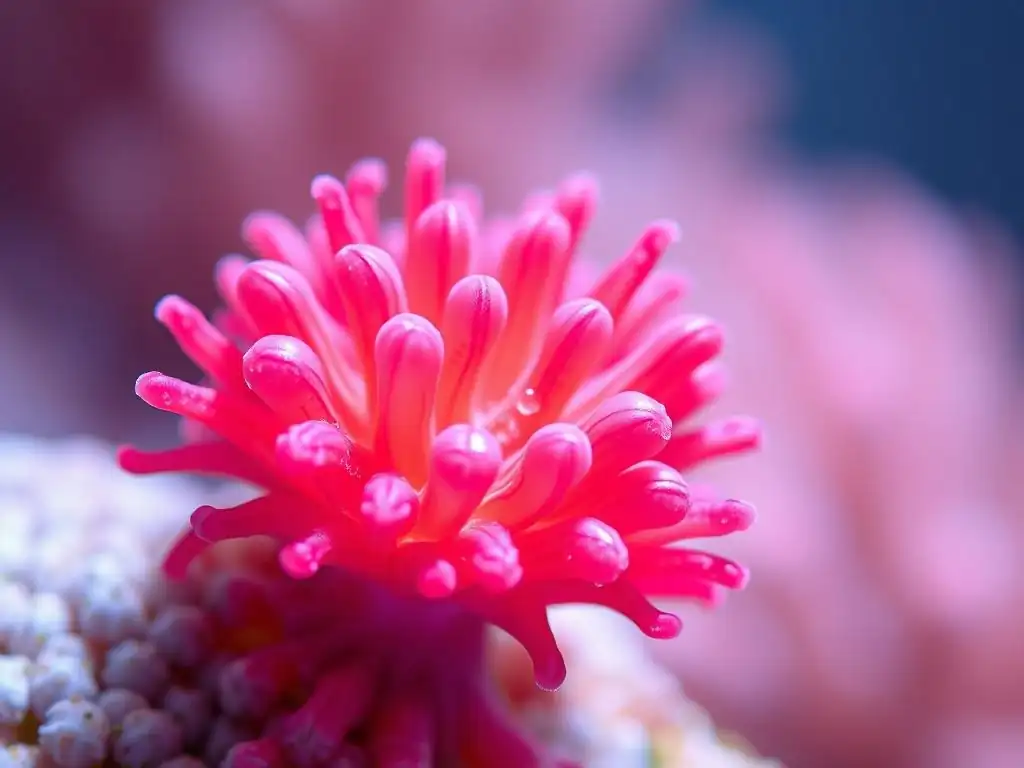
While rare zoanthid morphs primarily derive energy from their symbiotic zooxanthellae (photosynthesis), supplemental feeding can significantly enhance their growth rate, polyp extension, and intensify their vibrant coloration. Zoanthids are micro-predators and will readily consume various small food particles from the water column. Weekly or bi-weekly target feeding is often beneficial.
Recommended foods include:
- Zooplankton: Live or frozen zooplankton (e.g., rotifers, cyclopods, copepods) are excellent choices.
- Phytoplankton: While zoanthids are primarily carnivorous, phytoplankton can be beneficial indirectly by feeding the zooplankton in the water column.
- Finely Crushed Pellets/Flakes: High-quality coral-specific pellets or finely crushed fish flakes can be accepted.
- Liquid Coral Foods: Commercial liquid foods designed for soft corals often contain a blend of nutrients.
When feeding, temporarily turn off powerheads and return pumps to allow the food to settle on the polyps. Use a pipet or turkey baster to gently squirt food directly over the zoanthid colony. Observe the polyps; if they show a feeding response by closing around the food, it indicates successful feeding. Overfeeding should be avoided as it can contribute to elevated nutrient levels in the tank. A consistent feeding regimen, alongside optimal water parameters, will help your rare zoanthid morphs guide collection reach its full potential.
Pest Control: Identifying and Treating Common Zoanthid Pests
Pest control is a critical aspect of maintaining a healthy and thriving rare zoanthid morphs guide collection. Zoanthids are susceptible to several common pests that can quickly decimate a colony if left unchecked.
- Zoanthid-Eating Nudibranchs (Zoa Nudis): These are small, often camouflaged, sea slugs that exclusively feed on zoanthids. They can be difficult to spot but leave behind bite marks and often lay spiral egg clutches near the polyps.
- Treatment: Manual removal with tweezers, freshwater dips (30-60 seconds, ensuring salinity matches tank water for recovery), or commercial coral dips (e.g., CoralRx, Revive) following manufacturer instructions.
- Sundial Snails: Small, cone-shaped snails that also prey on zoanthids. They are often active at night.
- Treatment: Manual removal, often best done at night with a flashlight. Coral dips can also help.
- Zoanthid Pox: Appears as small, white, raised bumps or lesions on the polyps, causing them to retract or melt.
- Treatment: Often linked to poor water quality or stress. Improve water parameters, increase flow. Specific antibiotic dips (e.g., Furan-2) or potassium permanganate dips can be effective. Severely affected polyps may need to be removed.
- Aiptasia Anemones: While not direct zoanthid predators, Aiptasia can sting and irritate zoanthids, causing them to close.
- Treatment: Aiptasia-specific treatments (e.g., Aiptasia-X, kalkwasser paste), or natural predators like Peppermint Shrimp (Lysmata wurdemanni) or Berghia nudibranchs.
Prevention is key: Always quarantine new zoanthids in a separate tank for 2-4 weeks. During quarantine, perform prophylactic dips on all new acquisitions, even if they appear clean. Regularly inspect your colonies for any signs of pests or disease. Early detection and intervention are crucial for protecting your valuable rare zoanthid morphs guide collection.
Acquiring Rare Zoanthid Morphs: Where to Find Them
Reputable Vendors and Online Retailers
Acquiring rare zoanthid morphs requires careful consideration of the source to ensure you receive healthy, accurately identified, and ethically sourced corals. Reputable vendors and online retailers are often the best places to start your search. These sources typically specialize in aquacultured corals, meaning they are propagated in captivity rather than harvested from the wild, which is a more sustainable practice. Look for vendors with:
- Strong Reputation: Check online reviews, forums, and social media groups for feedback on their coral health, packaging, and customer service.
- Clear Identification: Reputable vendors will clearly label their zoanthid morphs, often with high-quality, unedited photos that accurately represent the coral's colors and patterns under typical reef tank lighting.
- Guarantees: Many offer a "live arrival guarantee," providing peace of mind in case of shipping issues.
- Knowledgeable Staff: They should be able to answer questions about specific morphs, their care, and origin.
Online retailers offer a vast selection, often including the newest and most sought-after rare zoanthid morphs. When ordering online, pay attention to their shipping policies, packaging methods (e.g., insulated boxes, heat/cold packs), and shipping days to minimize transit time. While prices may be higher for rare morphs, the investment in a reputable source often pays off in healthier, more resilient corals for your rare zoanthid morphs guide collection.
Local Reefing Communities and Trade Events
Local reefing communities and trade events offer excellent opportunities to acquire rare zoanthid morphs, often at more competitive prices than online retailers, and with the added benefit of direct interaction.
- Local Fish Stores (LFS): Many LFS now carry a selection of zoanthids, including some rarer morphs. Visiting in person allows you to inspect the coral's health directly before purchase. Support your local stores, as they are a vital part of the hobby.
- Reef Clubs and Forums: Joining local reef clubs or online forums dedicated to your geographic area can connect you with fellow hobbyists who frag and trade their corals. This is often a great way to get "local frags" that are already acclimated to similar water parameters in your region. Many hobbyists are passionate about sharing their rare zoanthid morphs guide collections.
- Coral Shows and Swap Meets: These events, often held annually or semi-annually, bring together multiple vendors and hobbyists under one roof. They are fantastic opportunities to see a huge variety of zoanthids, find rare morphs, compare prices, and network with other enthusiasts. You can often find great deals on larger frags or unique pieces.
When purchasing from individuals, always ask about their tank parameters and any pest issues they may have experienced. While direct interaction can be beneficial, always practice strict quarantine procedures for any new additions, regardless of the source, to protect your existing rare zoanthid morphs guide collection.
Quarantine Procedures for New Zoanthids
Implementing strict quarantine procedures for all new rare zoanthid morphs is non-negotiable for protecting your existing reef tank from pests and diseases. Even corals from reputable sources can harbor hitchhikers.
- Dedicated Quarantine Tank (QT): Set up a separate, small aquarium (5-10 gallons is often sufficient) with basic filtration (sponge filter, small powerhead), a heater, and low-intensity lighting. Avoid substrate to make cleaning easier.
- Initial Inspection & Dip: Upon arrival, carefully inspect the zoanthid frag for any visible pests like zoanthid-eating nudibranchs, sundial snails, or their eggs. Gently brush off any visible pests. Then, perform a prophylactic coral dip using a commercial coral dip solution (e.g., CoralRx, Revive, Bayer) following the manufacturer's instructions, typically for 5-15 minutes. Swirl the frag gently during the dip.
- Rinse & Place in QT: After the dip, gently rinse the frag in clean, dechlorinated saltwater (matching QT parameters) to remove any remaining dip solution or stunned pests. Place the frag in the QT.
- Observation Period: Keep the zoanthid in quarantine for at least 2-4 weeks. During this time, observe it daily for any signs of pests (e.g., new nudibranchs, snail activity, bite marks) or disease (e.g., melting, pox, unusual retraction).
- Repeat Dips: Consider repeating the coral dip once a week during the quarantine period, especially if any pests were initially found or if the zoanthid shows signs of stress.
- Transfer to Display: Only transfer the zoanthid to your main display tank after the quarantine period is complete and you are confident it is pest-free and healthy. This diligent process is a cornerstone of responsible reefkeeping and essential for safeguarding your rare zoanthid morphs guide collection.
Conclusion: Building Your Dream Zoanthid Collection
The Joy of Collecting Rare Zoanthids
The joy of collecting rare zoanthids is a multifaceted experience that captivates reef tank enthusiasts worldwide. It's a journey fueled by the thrill of the hunt, the aesthetic pleasure of vibrant, living art, and the satisfaction of nurturing delicate marine life. Each new morph acquired is a miniature masterpiece, adding a unique splash of color and pattern to the underwater canvas of a reef tank.
The process of watching a small frag grow into a thriving colony, displaying its full spectrum of hues, is incredibly rewarding. This hobby fosters a deep appreciation for the intricate beauty of coral reefs and the delicate balance of marine ecosystems.
Beyond the visual appeal, collecting rare zoanthids connects hobbyists to a passionate global community. Sharing experiences, trading frags, and discussing the nuances of care for these specific morphs creates a sense of camaraderie and shared purpose. The challenge of maintaining optimal conditions to bring out their most vibrant coloration and encourage growth further deepens the bond between aquarist and coral. Ultimately, building a rare zoanthid morphs guide collection is a continuous adventure of discovery, learning, and profound enjoyment.
Responsible Reefing Practices and Zoanthid Conservation
Responsible reefing practices are paramount for the long-term sustainability of the rare zoanthid morphs hobby and, more broadly, for marine conservation. As demand for coveted zoanthids grows, it is crucial that aquarists prioritize ethical sourcing. This primarily means choosing aquacultured corals over wild-caught specimens whenever possible. Aquacultured zoanthids are propagated in controlled environments, significantly reducing the environmental impact on natural reef ecosystems and promoting a more sustainable trade. Supporting aquaculture helps to alleviate pressure on wild populations, which are already facing threats from climate change, pollution, and habitat destruction.
Furthermore, responsible reefing extends to maintaining pristine water quality in home aquariums, preventing the accidental introduction of invasive species or diseases into natural waters, and educating others about the importance of marine conservation. By adhering to best practices in fragging, pest control, and water management, aquarists contribute to the health and longevity of their own rare zoanthid morphs guide collections and indirectly support the broader efforts to protect our planet's invaluable coral reefs. Every purchase and every successful frag contributes to a more sustainable future for the hobby.
Further Resources for Zoanthid Enthusiasts on AquariumMastery.com
AquariumMastery.com is committed to being your comprehensive resource for all things related to zoanthids and general reef tank husbandry. Building on this rare zoanthid morphs guide, we offer a wealth of additional information designed to support enthusiasts at every level of their journey.
- Detailed Species Profiles: Explore in-depth profiles for various zoanthid species, offering specific care requirements, growth habits, and identification tips beyond the top 10.
- Water Chemistry Guides: Delve deeper into the science of water parameters, understanding how to test, maintain, and troubleshoot issues related to alkalinity, calcium, magnesium, and nutrient control for optimal coral health.
- Pest and Disease Identification & Treatment: Our extensive guides provide visual aids and detailed protocols for identifying common zoanthid pests and diseases, along with effective treatment strategies.
- Propagation Techniques: Learn step-by-step fragging methods for zoanthids and other soft corals, empowering you to expand your collection or share with fellow hobbyists.
- Aquarium Setup and Maintenance: From choosing the right equipment to establishing a robust filtration system, our foundational articles ensure you have the knowledge to create a stable and thriving environment for your corals.
Visit AquariumMastery.com regularly for updated content, expert advice, and a community of passionate aquarists dedicated to mastering the art of reef keeping. Your journey to building a truly spectacular rare zoanthid morphs guide collection starts here.
Frequently Asked Questions
What are Zoanthids and why are some considered "rare morphs"?
Zoanthids are a type of colonial anemone commonly found in reef aquariums. "Rare morphs" refer to unique color patterns and characteristics that are less frequently observed in nature or cultivation, making them highly sought after by collectors.
What factors contribute to the rarity of a Zoanthid morph?
Rarity can stem from limited natural distribution, difficult propagation, slow growth rates, or complex genetic mutations. The unpredictability of color expression also plays a significant role.
How much can a single polyp of a rare Zoanthid morph cost?
The price can vary widely depending on the morph's desirability and availability, but some highly coveted rare Zoanthids can fetch prices ranging from hundreds to thousands of dollars per polyp.
What are some key considerations when caring for rare Zoanthid morphs?
Maintaining stable water parameters, providing appropriate lighting (often high-intensity LEDs), and ensuring proper water flow are crucial. Careful observation for pests and diseases is also essential.
Where can I acquire rare Zoanthid morphs for my aquarium?
Rare Zoanthids are typically found through specialized online vendors, local reefing clubs, and coral auctions. Always research the vendor's reputation and ensure the Zoanthids are ethically sourced and healthy before purchasing.
Final Reflection: The Enduring Allure of Rare Zoanthids
The vibrant world of reef keeping, and specifically the pursuit of rare zoanthid morphs, is more than just a hobby; it's a testament to our enduring fascination with the beauty and diversity of the natural world, even in miniature ecosystems. The quest for these coveted corals highlights a deep-seated human desire to collect, curate, and appreciate the unique wonders that our planet offers, a desire that continues to fuel innovation and passion within the reefing community.
This journey into the realm of rare zoanthids has not only showcased the stunning variety available but also underscored the dedication and artistry involved in maintaining these delicate ecosystems. The allure of these tiny, colorful polyps extends beyond mere aesthetics; it represents a connection to something larger than ourselves, a reminder of the intricate balance and resilience of life. In nature, nothing is perfect and everything is perfect. Trees can be contorted, bent in weird ways, and they're still beautiful.
- Alice Walker. This quote perfectly encapsulates the beauty found in the unique imperfections of each zoanthid morph.
As we conclude this exploration of the top 10 most coveted zoanthid morphs, I invite you to reflect on your own connection to the natural world. Whether you're a seasoned reef keeper or simply an admirer of beauty, consider how you can cultivate a deeper appreciation for the delicate ecosystems around us. Let the vibrant colors and intricate patterns of these rare zoanthids inspire you to seek out the extraordinary in the ordinary, and to contribute to the preservation of the beauty that surrounds us.
Unleash Your Zoanthid Obsession!
Thanks for diving into the captivating world of Zoanthid morphs! We hope this list ignited your passion for these vibrant corals. Now, let's take your collection to the next level.
Here are a few ways to keep the Zoanthid magic alive:
- Begin your hunt for your holy grail Zoanthid morph – check with local reefing clubs or online vendors.
- Share this article with your fellow reefing enthusiasts to spark discussions on their most desired Zoanthids.
- Experiment with different lighting and flow conditions to unlock the full potential of your existing Zoanthid collection’s color.
Which Zoanthid on this list are you most determined to acquire, and what are you willing to trade for it?