
Red Bugs on Acropora: Effective Treatment Plans for Saving Your Prized Colonies

Welcome to Aquarium Mastery!
Ever wondered how to truly protect your vibrant Acropora colonies from those pesky red bugs? You've come to the right place. We'll dive deep into effective Acropora red bug treatment plans, offering practical solutions to help you safeguard your prized corals and maintain a thriving reef. Intrigued? Let's get started and unravel the secrets to a red-bug-free aquarium!
- Acropora Red Bugs: Effective Treatment and Prevention Strategies
- Identifying and Understanding Acropora Red Bugs
- Diagnosing Red Bug Infestations
- Treatment Options: A Comprehensive Guide
- Step-by-Step Treatment Guide
- Long-Term Prevention Strategies
- Addressing Red Bug Resistance
- Case Studies: Successful Red Bug Eradication
- Selecting the Right Treatment
- Conclusion: Proactive Red Bug Management
-
Frequently Asked Questions
- What are red bugs, and why are they a problem for Acropora corals?
- What are some common signs of a red bug infestation on Acropora corals?
- What are the most effective treatment options for red bugs on Acropora?
- How can I prevent red bugs from infesting my Acropora corals in the first place?
- Are there any natural or reef-safe alternatives to chemical treatments for red bugs?
- Final Reflection: Protecting the Reef's Jewels
- Ignite Your Acropora's Recovery!
Acropora Red Bugs: Effective Treatment and Prevention Strategies
Identifying and Understanding Acropora Red Bugs
What are Acropora Red Bugs (Tegastes acroporanus)?
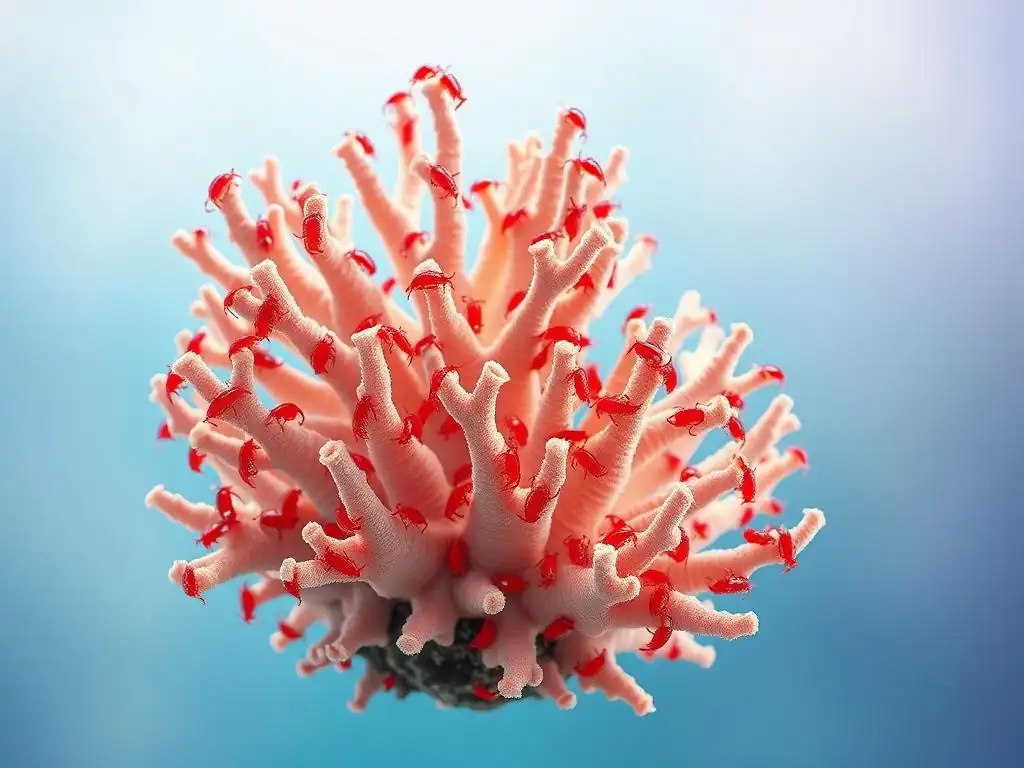
Acropora Red Bugs, scientifically known as Tegastes acroporanus, are tiny, parasitic copepods that specifically target and feed on Acropora corals. These minute crustaceans are typically 1 to 2 millimeters in length, possessing an oval, flattened body shape and a reddish-orange hue, which often allows them to camouflage effectively against the coral's polyps and branches. Their small size and coloration make them incredibly difficult to spot with the naked eye, often requiring a magnifying glass or strong macro lens for definitive identification.
These obligate parasites spend their entire life cycle on Acropora corals, from egg to adult. They reproduce rapidly, laying clutches of eggs directly on the coral's surface, which hatch into nauplii, then develop through several copepodid stages before maturing into adults. This quick reproductive cycle means that a small, unnoticed infestation can quickly escalate into a widespread problem, overwhelming a coral colony in a matter of weeks. Understanding their biology is crucial for effective Acropora red bug treatment.
The Impact of Red Bugs on Acropora Health and Growth
The primary way red bugs harm Acropora corals is by piercing the coral's tissue and siphoning off vital nutrients and zooxanthellae, the symbiotic algae that provide the coral with most of its energy. This feeding activity leads to a range of detrimental symptoms. Initially, affected corals may exhibit reduced polyp extension, appearing "bald" or having their polyps retracted even during optimal lighting conditions. Over time, the continuous feeding stress causes the coral to lose its vibrant coloration, often appearing pale, bleached, or exhibiting brown spots where tissue recession begins.
Heavy infestations can significantly stunt the growth of Acropora colonies, with anecdotal reports from aquarists suggesting growth rates can be reduced by 50% or even cease entirely. The constant irritation and nutrient depletion weaken the coral's immune system, making it more susceptible to other diseases, bacterial infections, and ultimately, necrosis. Without effective Acropora red bug treatment, severe infestations can lead to partial or complete colony death, turning prized corals into skeletal remains within a few months.
Distinguishing Red Bugs from Other Coral Pests
Accurate identification is paramount before attempting any Acropora red bug treatment, as misdiagnosis can lead to ineffective interventions and further stress on your corals. While red bugs are small, their distinct appearance and behavior differentiate them from other common coral pests. Unlike Montipora eating nudibranchs, which are typically larger (up to 5mm), white or tan, and primarily target Montipora corals, red bugs are smaller, reddish, and exclusively found on Acropora.
Another common pest, the flatworm (often Waminoa sp. or Convolutriloba retrogemma), can also appear reddish-brown and reside on corals. However, flatworms are generally larger, have a more flattened, leaf-like body, and glide across surfaces rather than scurrying like copepods. They also tend to be light-sensitive and will often retreat into crevices or under rocks when exposed to direct light. Red bugs, in contrast, are often visible directly on the coral branches, moving rapidly, particularly around the tips and undersides. A high-magnification lens is often necessary to confirm the characteristic oval body and scurrying movement unique to Tegastes acroporanus.
Diagnosing Red Bug Infestations
Early Signs of Red Bugs on Acropora
Early detection of Acropora red bugs is crucial for successful Acropora red bug treatment and minimizing damage to your coral colonies. The initial signs of an infestation can be subtle and easily overlooked. One of the earliest indicators is a noticeable reduction in polyp extension on affected Acropora corals. Healthy Acropora typically display vibrant, extended polyps, giving the coral a fuzzy appearance. When red bugs are present, polyps may appear retracted or only partially extended, even under ideal water conditions.
Another subtle sign is a slight paling or dulling of the coral's color, particularly around the branch tips or areas of higher flow where red bugs often congregate. The coral may also develop a "dusty" or speckled appearance due to the presence of numerous tiny red bugs.
Hobbyists might also observe their fish, particularly wrasses, picking at the coral more frequently, though this is often an unreliable indicator as many fish pick at corals for various reasons, and few effectively control red bug populations. Close, regular observation with a magnifying glass is the most reliable method for spotting these elusive pests in their early stages.
Visual Inspection Techniques
Effective visual inspection is the cornerstone of diagnosing Acropora red bug infestations. Given their diminutive size and ability to blend in with the coral, a systematic approach is required. The most direct method involves using a magnifying glass (10x or greater) or a macro lens attached to a smartphone or camera. Shine a bright, focused light directly onto the Acropora branches, paying close attention to the areas where polyps are retracted, the undersides of branches, and areas of high flow, as these are common hiding spots. Look for tiny, reddish, oval-shaped creatures scurrying across the coral surface.
Another effective technique involves gently removing a suspected coral frag (if possible) and placing it in a small, clear container filled with tank water. A white background under the container can make the red bugs stand out more clearly against the coral.
Gently agitating the water or lightly blowing on the coral with a pipette can dislodge some bugs, making them easier to spot as they float or settle. This method allows for a more detailed, undisturbed inspection away from the main display tank's dynamics, significantly increasing the chances of early and accurate diagnosis, which is critical for timely Acropora red bug treatment.
Treatment Options: A Comprehensive Guide
Interceptor (Milbemycin Oxime) Treatment
Interceptor, containing the active ingredient Milbemycin Oxime, is a widely recognized and highly effective solution for Acropora red bug treatment. Originally formulated as a veterinary heartworm medication for dogs, it has found off-label use in the reef aquarium hobby due to its potent efficacy against copepod parasites like Tegastes acroporanus.
Milbemycin Oxime works by interfering with the nervous system of invertebrates, leading to paralysis and death of the red bugs. Its targeted action, when used at appropriate doses, often allows it to effectively eradicate red bug populations without significantly harming corals or fish, making it a preferred choice for many aquarists.
The drug is typically available in tablet form, which must be crushed and dissolved for aquarium use. While highly effective, it is crucial to understand that Interceptor can be toxic to other desirable crustaceans in the reef tank, such as crabs, shrimp, and certain beneficial copepods. Therefore, careful consideration and preparation are necessary to mitigate potential collateral damage. Its rapid action means that often a single, well-executed treatment can be sufficient to clear an infestation, though some protocols recommend a second dose to target any newly hatched eggs.
Interceptor Protocol: Dosage and Application
The standard and most commonly cited dosage for Interceptor (Milbemycin Oxime) for Acropora red bug treatment is 0.25 milligrams (mg) per 10 gallons (approximately 37.85 liters) of aquarium water. Precision is paramount when dealing with this potent chemical. To prepare, obtain the appropriate strength Interceptor tablet (e.g., a 23 mg tablet for a medium-sized dog) and carefully crush the required portion into a fine powder.
For instance, for a 100-gallon tank, you would need 2.5 mg of Milbemycin Oxime. Dissolve the powder completely in a small amount of RO/DI water before slowly adding it to your display tank, ensuring even distribution.
For display tank treatment, it is critical to remove any activated carbon, GFO, or other chemical filtration before dosing, as these will absorb the medication. Ensure excellent water circulation during treatment. A single dose is often sufficient, with red bugs typically dying within 6-12 hours. Some aquarists opt for a second, identical dose 7-10 days later to catch any eggs that may have hatched. After 24 hours, perform a significant water change (20-30%) and reintroduce activated carbon to remove residual medication. Always wear gloves and ensure good ventilation during handling.
Safety Considerations for Interceptor Use
While effective, using Interceptor for Acropora red bug treatment requires careful consideration of its potential side effects on other tank inhabitants. The primary concern is its toxicity to beneficial invertebrates, including various species of crabs (e.g., emerald crabs, porcelain crabs), ornamental shrimp (e.g., cleaner shrimp, peppermint shrimp), and snails. These organisms should ideally be removed from the display tank prior to treatment if an in-tank application is chosen. If a quarantine tank treatment is performed, ensure these invertebrates are not present in the treatment vessel.
Fish are generally considered safe at the recommended dosage, though sensitive species, such as mandarinfish, should be closely monitored or temporarily removed as a precaution. Interceptor does not typically harm corals other than the target pests, nor does it significantly impact beneficial bacterial colonies in the sand bed or live rock. However, post-treatment, it is crucial to run activated carbon for several days and perform a large water change to completely remove the medication from the water column, preventing long-term exposure and potential harm to the ecosystem. Always store the medication safely away from children and pets.
Alternative Treatment: Levamisole
Levamisole is another powerful and widely used chemical for Acropora red bug treatment, offering an effective alternative to Interceptor. This broad-spectrum anthelmintic (dewormer) is commonly used in veterinary medicine for treating parasitic worm infections, but like Interceptor, it has found success in the aquarium hobby for eradicating various copepod and nematode pests. Levamisole works by acting on the neuromuscular system of parasites, causing paralysis and subsequent death. It is available in various forms, including powdered hydrochloride salt, which is typically dissolved in water for aquarium application.
Levamisole is particularly favored by some aquarists for its strong efficacy against red bugs and its differing mechanism of action compared to Interceptor, which can be useful in cases of suspected resistance or for rotating treatments. While generally considered safer for corals than some other harsh chemicals, it does carry risks for other invertebrates and can significantly impact water parameters if not managed correctly. Therefore, precise dosing and careful monitoring are essential for a successful and safe application.
Levamisole Protocol: Dosage and Application
The dosage for Levamisole for Acropora red bug treatment varies depending on whether an in-tank treatment or a coral dip is performed. For a dip, a common concentration is 10 milligrams (mg) of Levamisole Hydrochloride per 1 gallon (approximately 3.785 liters) of aquarium water. In a separate container, prepare the dip solution using tank water and the precisely measured Levamisole. Corals are typically dipped for 6-8 hours, during which time they should be gently agitated every hour or so to dislodge dead or dying red bugs. After the dip, return the corals to the main tank.
For an in-tank treatment, a lower concentration, such as 1-2 mg per gallon, might be used, with the medication left in the tank for up to 24 hours. However, in-tank treatment carries higher risks for the entire ecosystem. Regardless of the method, multiple treatments are generally recommended to break the red bug life cycle, typically 3-4 treatments spaced 5-7 days apart. This ensures that any eggs that hatch after the initial treatment are also eradicated. Always ensure excellent aeration during treatment, as Levamisole can deplete oxygen levels.
Safety Considerations for Levamisole Use
When using Levamisole for Acropora red bug treatment, several safety considerations must be observed. Like Interceptor, Levamisole can be toxic to certain invertebrates, including some species of crabs, shrimp, and snails. While its impact might be less severe on some than Interceptor, it is still advisable to remove highly sensitive or valuable invertebrates from the display tank if an in-tank treatment is chosen. During dips, ensure the dip water is well-aerated, as oxygen depletion can be a significant issue, especially with higher concentrations.
Levamisole can also cause skimmers to go into overdrive, producing excessive foam. It is important to turn off protein skimmers during the initial dosing period and monitor them closely upon restart. After the treatment period, a substantial water change (20-30%) and the reintroduction of activated carbon are crucial to remove residual medication and prevent long-term exposure. Observe all tank inhabitants closely for signs of stress, such as rapid breathing in fish or unusual behavior in corals. Proper ventilation and personal protective equipment, such as gloves, are recommended during handling.
Quarantine and Observation
Quarantine is arguably the most critical and often overlooked step in preventing and managing Acropora red bug infestations. Implementing a strict quarantine procedure for all new corals, especially Acropora, is the most effective long-term prevention strategy. A dedicated quarantine tank (QT) should be set up with stable water parameters, adequate lighting, and flow, mimicking the conditions of the main display tank. New corals should reside in this QT for a minimum of 4-6 weeks, allowing ample time for any hidden pests, including red bugs, to emerge and be identified.
During the quarantine period, new corals should be meticulously inspected daily using a magnifying glass. Even if no pests are visible, performing prophylactic dips with a known Acropora red bug treatment, such as a dilute Interceptor or Levamisole solution, is highly recommended upon arrival and possibly again after a week or two.
This proactive approach significantly reduces the risk of introducing red bugs or other unwanted pests into your established display tank, saving countless hours of future headache and potential losses of prized coral colonies. Consistent observation and preventative dips in quarantine are far less stressful for the entire system than treating a widespread infestation in the main tank.
Step-by-Step Treatment Guide
Preparing the Tank for Treatment
Before initiating any chemical Acropora red bug treatment in your main display tank, thorough preparation is essential to maximize efficacy and minimize potential harm to the ecosystem. First, remove all chemical filtration media, including activated carbon, GFO (Granular Ferric Oxide), and any other resins, as these will absorb the medication, rendering the treatment ineffective. If you use a UV sterilizer or an ozone generator, these should also be turned off for the duration of the treatment.
Next, ensure robust aeration in the tank. This can be achieved by adding an air stone, increasing the flow from existing powerheads directed towards the surface, or even adding a small air pump. Some treatments, like Levamisole, can significantly deplete oxygen levels, so enhanced aeration is vital.
Lastly, if performing an in-tank treatment, consider temporarily removing highly sensitive invertebrates such as ornamental shrimp (cleaner shrimp, peppermint shrimp), crabs, and snails, as they can be susceptible to the medications. Confirm that your water parameters (salinity, alkalinity, calcium, magnesium, and temperature) are stable and optimal before proceeding, as stressed corals are more vulnerable to treatment side effects.
Administering the Chosen Treatment
Administering the chosen Acropora red bug treatment requires precision and care. If using Interceptor for an in-tank treatment, precisely measure the required dosage (e.g., 0.25 mg per 10 gallons). Crush the tablet thoroughly into a fine powder, then dissolve it completely in a small cup of tank water or RO/DI water. Slowly pour the dissolved solution into a high-flow area of your display tank, ensuring it disperses evenly throughout the water column. Avoid dumping it directly onto corals.
If opting for a Levamisole dip, prepare a separate container with tank water matching the main tank's temperature and salinity. Precisely measure the Levamisole (e.g., 10 mg per gallon) and dissolve it in the dip container. Carefully remove the infested Acropora corals from your display tank and place them into the dip solution. Ensure all parts of the coral are submerged.
Gently agitate the corals periodically during the dip (typically 6-8 hours) to help dislodge dead or dying red bugs. After the recommended dip duration, remove the corals and return them to the main display tank. For in-tank Levamisole, follow similar steps to Interceptor for even distribution.
Monitoring Coral During and After Treatment
Continuous monitoring of your corals and other tank inhabitants is crucial during and immediately after Acropora red bug treatment. During treatment, observe your Acropora for any signs of severe stress, such as excessive sliming, tissue sloughing, or browning. While some temporary polyp retraction is normal, extreme distress may warrant a partial water change. Also, watch for dead red bugs accumulating on the substrate or being carried by the flow; this is a positive sign the treatment is working. Monitor fish and other remaining invertebrates for any adverse reactions, such as rapid breathing, erratic swimming, or lethargy.
After the treatment period (typically 6-24 hours for in-tank treatments or after returning dipped corals), perform a significant water change, usually 20-30%, to dilute and remove residual medication. Immediately reintroduce fresh activated carbon and other chemical filtration media to further purify the water. Continue to observe your corals daily for several weeks. Look for signs of recovery, such as increased polyp extension and improved coloration. Also, vigilantly check for any re-emergence of red bugs, as a second treatment may be necessary if the first did not eradicate all life stages.
Post-Treatment Care for Acropora Recovery
Following a successful Acropora red bug treatment, providing optimal post-treatment care is vital for the full recovery and long-term health of your Acropora colonies. The primary focus should be on maintaining pristine and stable water parameters. Ensure salinity, alkalinity, calcium, and magnesium levels are consistently within ideal ranges (e.g., Salinity 1.025-1.026 SG, Alkalinity 7.5-8.5 dKH, Calcium 400-450 ppm, Magnesium 1300-1400 ppm). Consistent water temperature (76-78°F or 24.4-25.5°C) is also critical to minimize stress.
Ensure adequate water flow around the corals, as good flow aids in nutrient delivery and waste removal, promoting coral health. While some light sensitivity might occur immediately post-treatment, gradually return to optimal lighting conditions. Consider supplementing with high-quality coral foods or amino acids to aid in tissue regeneration and growth. Avoid any additional stressors like fragging, relocating corals, or introducing new inhabitants for several weeks. Regular, small water changes can also help replenish trace elements and maintain water quality, supporting the coral's recovery process and its overall resilience against future pest issues.
Long-Term Prevention Strategies
Quarantine Procedures for New Corals
The most effective long-term strategy for preventing Acropora red bug infestations is implementing rigorous quarantine procedures for all new coral acquisitions, especially Acropora. A dedicated quarantine tank (QT) should be a standard part of any serious aquarist's setup. This QT should be equipped with basic life support, including stable temperature control, adequate water flow, and appropriate lighting. All new corals, regardless of their source or apparent health, should undergo a minimum 4-6 week quarantine period.
During quarantine, each coral should be thoroughly inspected daily using a magnifying glass for any signs of pests, including red bugs, Montipora eating nudibranchs, or flatworms. Even if no pests are visible, it is highly recommended to perform prophylactic dips using an effective Acropora red bug treatment, such as a dilute solution of Interceptor or Levamisole, upon arrival and potentially again after a week or two. This proactive dipping, combined with the extended observation period, dramatically reduces the risk of introducing these insidious pests into your established and often highly invested display tank.
Maintaining Optimal Water Parameters
Maintaining stable and optimal water parameters is a crucial, albeit indirect, long-term prevention strategy against Acropora red bugs and other coral ailments. Healthy, unstressed corals are inherently more resilient to pest infestations and can recover more effectively if an issue does arise. Fluctuations in key parameters like salinity, alkalinity, calcium, and magnesium can significantly stress Acropora corals, weakening their immune systems and making them more susceptible to parasitic attacks.
Aim for consistent parameters: salinity between 1.025 and 1.026 specific gravity, alkalinity between 7.5 and 8.5 dKH, calcium between 400 and 450 ppm, and magnesium between 1300 and 1400 ppm. Consistent temperature, ideally between 76-78°F (24.4-25.5°C), is also vital. Regular water changes (e.g., 10% bi-weekly) help dilute accumulated pollutants and replenish essential trace elements that corals utilize for growth and health. By providing a stable, nutrient-rich environment, you empower your Acropora to thrive and better withstand potential threats, reducing the likelihood of severe red bug issues that necessitate aggressive Acropora red bug treatment.
Regular Inspection Protocols
Establishing and adhering to regular inspection protocols for your Acropora colonies is a cornerstone of long-term prevention and early detection of red bugs. While quarantine prevents new introductions, ongoing vigilance is necessary because pests can sometimes bypass quarantine or emerge from latent stages. Schedule dedicated inspection times, ideally weekly or bi-weekly, to scrutinize all your Acropora corals thoroughly.
During these inspections, use a powerful magnifying glass (10x or more) and a focused light source. Pay particular attention to the undersides of branches, tight crevices, and areas near the tips, as these are common hiding spots for Tegastes acroporanus.
Look for the characteristic tiny, reddish, oval-shaped bugs scurrying across the coral surface, or subtle signs like reduced polyp extension or unusual paling. Early detection means a smaller infestation, which is easier to manage with targeted Acropora red bug treatment, potentially limiting it to a dip rather than a full display tank treatment, thereby minimizing stress on your entire reef system.
Addressing Red Bug Resistance
Understanding Resistance Mechanisms
While effective, repeated or incomplete Acropora red bug treatment with the same chemical can unfortunately lead to the development of resistance in pest populations. This phenomenon, observed in various pest control scenarios, occurs when a small percentage of the pest population naturally possesses a genetic mutation that provides some level of tolerance or immunity to the specific chemical being used. When the susceptible individuals are eliminated by treatment, these resistant individuals survive and reproduce, passing on their tolerant genes to their offspring.
Over successive generations, the proportion of resistant individuals in the population increases, making subsequent treatments with the same chemical less effective or even entirely ineffective. This can manifest as red bugs returning quickly after treatment, or not responding at all to previously successful dosages. Understanding that resistance is a real and growing concern in the hobby highlights the importance of not over-relying on a single chemical and considering alternative strategies for Acropora red bug treatment.
Alternative Treatment Strategies
When facing potential red bug resistance, diversifying your Acropora red bug treatment approach becomes critical. One primary strategy is to rotate different chemical treatments. For instance, if Interceptor has been used repeatedly without lasting success, switching to Levamisole for subsequent treatments can target the pests via a different biochemical pathway, potentially overcoming resistance to the initial chemical. Conversely, if Levamisole has been the primary treatment, Interceptor could be an effective alternative.
Beyond chemical rotation, consider physical removal methods for smaller, localized infestations. High-pressure blasts from a turkey baster or pipette can dislodge red bugs, which can then be siphoned out of the tank. While not a standalone solution for widespread infestations, this can reduce the pest load.
Biological controls, such as certain species of wrasses (e.g., Six-Line Wrasse, Yellow Coris Wrasse), are often touted as red bug eaters, but their effectiveness is highly variable and rarely sufficient for complete eradication. In severe, persistent cases of resistance, a "fallow" period for the tank, where all Acropora corals are removed to a separate quarantine system for an extended period (several months), might be considered to starve out the remaining red bugs in the main display.
Preventing Re-infestation
Preventing re-infestation after a successful Acropora red bug treatment is paramount to long-term success and maintaining a healthy reef. The cornerstone of prevention is strict adherence to quarantine procedures for all new corals, as previously detailed. Every new coral, especially Acropora, must undergo a thorough quarantine period, including prophylactic dips and close observation, before introduction to the main display. This vigilance prevents new, potentially infested colonies from re-introducing the pest.
Beyond new additions, cross-contamination is a common culprit for re-infestation. Ensure that nets, fragging tools, or any equipment that has been in contact with an infested tank or coral are thoroughly cleaned, disinfected, and ideally sterilized before being used in a clean tank. Even hands can transfer pests, so washing hands and forearms between handling corals from different tanks is a good practice. Regular, meticulous inspection of your Acropora colonies, even after successful treatment, allows for early detection of any stray red bugs, enabling immediate, targeted intervention before a full-blown re-infestation occurs.
Case Studies: Successful Red Bug Eradication
Case Study 1: Interceptor Treatment Success
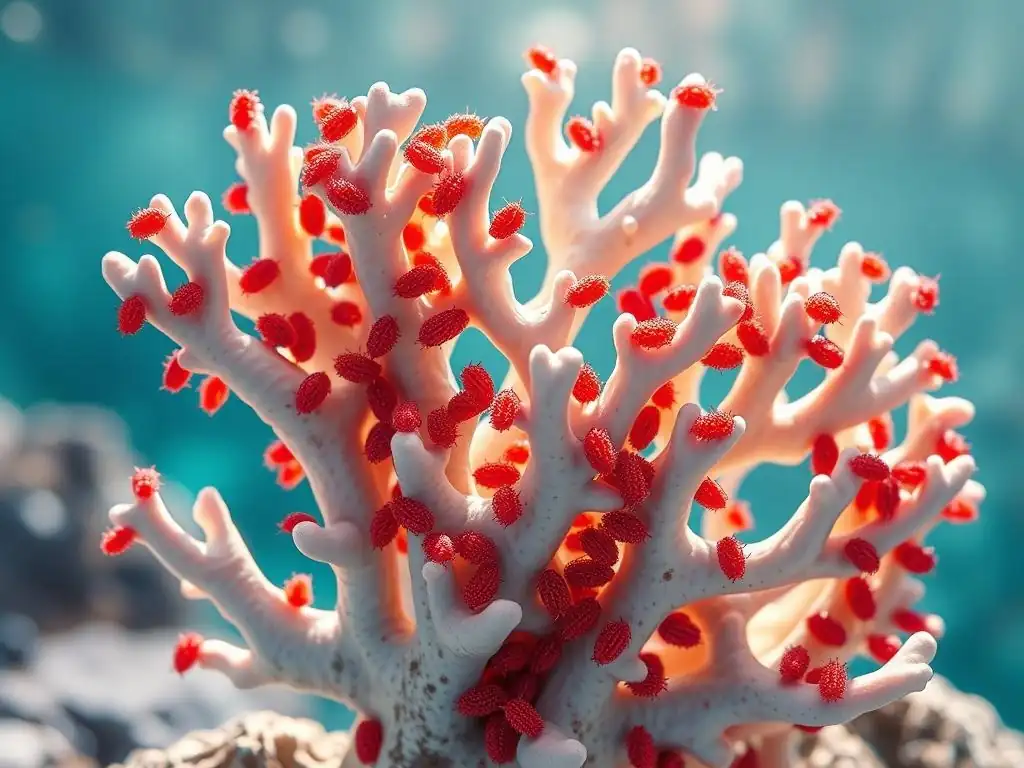
A hobbyist with a 90-gallon SPS-dominant reef tank noticed a gradual decline in the health of several of their prized Acropora colonies. Symptoms included reduced polyp extension, a pale appearance, and slowed growth on specific branches. Upon closer inspection with a magnifying glass, numerous tiny, reddish copepods were identified scurrying across the coral tissue—a clear Acropora red bug infestation. Concerned about the widespread impact, the hobbyist decided on an in-tank Interceptor (Milbemycin Oxime) treatment.
Before treatment, all activated carbon and GFO were removed, and two cleaner shrimp and a porcelain crab were temporarily transferred to a separate holding tank. The tank's volume was calculated precisely, and 2.25 mg of Interceptor was accurately measured, crushed, dissolved in RO/DI water, and slowly added to the display tank. Within 12 hours, a significant number of dead red bugs were observed on the sand bed and being pulled into the overflow.
After 24 hours, a 30% water change was performed, and fresh activated carbon was added. Over the next six weeks, daily inspections revealed no new red bugs, and the affected Acropora colonies gradually regained full polyp extension, vibrant coloration, and resumed healthy growth, demonstrating a complete eradication through this Acropora red bug treatment.
Case Study 2: Levamisole Treatment Success
A seasoned aquarist managing a 120-gallon mixed-reef tank, heavily stocked with various Acropora species, faced a persistent red bug problem. Despite previous attempts with a single Interceptor dose, the red bugs seemed to return after a few weeks, indicating a possible resistant strain or incomplete eradication of eggs. Given the recurring nature of the infestation, a more aggressive and multi-stage Levamisole treatment protocol was devised, focusing on targeted dips.
All Acropora colonies were carefully removed from the display tank. A separate 10-gallon container was set up with heated, aerated tank water. Levamisole Hydrochloride was precisely dosed at 10 mg per gallon into this container. Each Acropora colony was dipped for 6 hours, with gentle agitation every hour to dislodge pests. After the dip, corals were rinsed briefly in clean tank water before being returned to the display.
This dipping process was repeated three more times, with each dip spaced exactly 7 days apart. The first dip resulted in a massive kill-off. Subsequent dips targeted newly hatched red bugs that emerged from eggs that survived the previous treatments. After the fourth dip, no red bugs were observed on any colonies, and over the following month, all Acropora showed significant recovery, with robust polyp extension and renewed growth, confirming the success of this multi-stage Acropora red bug treatment.
Selecting the Right Treatment
Factors to Consider
Selecting the most appropriate Acropora red bug treatment for your specific situation involves evaluating several key factors to ensure both effectiveness and the safety of your overall reef ecosystem. Firstly, consider the size and inhabitants of your tank. In-tank treatments with potent chemicals like Interceptor or Levamisole carry a higher risk for sensitive invertebrates (shrimp, crabs, certain snails) and some fish. If your tank contains many such organisms, a coral dip method (if practical) or a less invasive alternative might be preferable.
Secondly, assess the severity and extent of the infestation. A localized outbreak on a single frag might be manageable with a simple dip, while a widespread infestation across multiple large colonies typically necessitates an in-tank treatment for thorough eradication. Availability of the chemicals is also a practical concern; Interceptor often requires a veterinary prescription in some regions, while Levamisole might be more readily accessible. Finally, consider your personal comfort level and experience with chemical treatments, as precise dosing and careful monitoring are crucial for success and minimizing collateral damage.
Balancing Effectiveness and Safety
The ultimate goal in Acropora red bug treatment is to achieve complete eradication of the pest while minimizing stress and potential harm to your valuable corals and other reef inhabitants. This requires a careful balance between treatment effectiveness and safety. While highly potent chemicals like Interceptor and Levamisole are very effective at killing red bugs, their use demands strict adherence to precise dosing protocols. Overdosing can lead to significant losses of desirable invertebrates and even fish, while underdosing can result in ineffective treatment and contribute to pest resistance.
Prioritize treatments with a proven track record against Tegastes acroporanus. However, always weigh the risks associated with these powerful chemicals against the benefits.
For instance, if an in-tank treatment poses too high a risk to a highly valued population of shrimp, then the labor-intensive but safer method of removing and dipping all affected corals might be the better choice. Ultimately, proactive measures such as strict quarantine procedures for all new corals and regular, meticulous inspection protocols remain the safest and most effective long-term strategies for preventing red bug infestations, thereby reducing the need for aggressive chemical interventions in your display tank.
Conclusion: Proactive Red Bug Management
Effectively managing Acropora red bugs is a critical aspect of maintaining a thriving SPS-dominant reef aquarium. The journey begins with diligent identification, understanding the subtle signs of infestation, and accurately distinguishing Tegastes acroporanus from other coral pests. Once identified, aquarists have powerful tools at their disposal, with Interceptor (Milbemycin Oxime) and Levamisole standing out as highly effective chemical Acropora red bug treatments. Each comes with specific protocols and safety considerations that demand precise application and careful monitoring to ensure success and minimize collateral impact on the delicate reef ecosystem.
However, the most effective strategy against these persistent pests lies not just in treatment, but in proactive prevention. Strict adherence to quarantine procedures for all new coral acquisitions, coupled with consistent maintenance of optimal water parameters and regular visual inspections of your Acropora colonies, forms an impenetrable first line of defense.
While resistance mechanisms necessitate an understanding of alternative strategies and treatment rotation, the overarching message remains clear: vigilance, knowledge, and a commitment to preventative measures are the keys to safeguarding your prized Acropora colonies. By embracing proactive red bug management, aquarists can ensure their SPS corals flourish, displaying their full, vibrant beauty for years to come.
Frequently Asked Questions
What are red bugs, and why are they a problem for Acropora corals?
Red bugs are tiny parasitic copepods that infest Acropora corals. They feed on the coral's tissue, causing stress, reduced growth, and even tissue necrosis, ultimately threatening the colony's survival.
What are some common signs of a red bug infestation on Acropora corals?
Key indicators include reduced polyp extension, paler coloration in the coral tissue, and the visible presence of tiny, red or orange bugs crawling on the coral surface, especially at the base of branches.
What are the most effective treatment options for red bugs on Acropora?
Common treatments involve using insecticides like Interceptor or Milbemycin Oxime, administered in a separate treatment tank. Another option is biological control using certain wrasse species known to prey on these parasites.
How can I prevent red bugs from infesting my Acropora corals in the first place?
Implementing strict quarantine procedures for all new corals is crucial. Also, regular visual inspections of your corals and maintaining optimal water parameters can help prevent infestations.
Are there any natural or reef-safe alternatives to chemical treatments for red bugs?
While chemical treatments are often most effective, some aquarists report success with prolonged dips in freshwater or iodine solutions. However, these methods may be less reliable and require careful monitoring to avoid stressing the coral.
Final Reflection: Protecting the Reef's Jewels
The information presented throughout this article underscores the critical importance of proactive measures in safeguarding our reef ecosystems. The threat posed by Acropora red bugs to these delicate corals is a stark reminder of the constant vigilance required to maintain healthy reef environments. Understanding effective treatment plans is not just about saving individual colonies; it's about preserving the biodiversity and intricate balance that defines these underwater wonders.
The impact of these tiny pests extends far beyond the immediate damage they inflict. Witnessing the resilience of Acropora corals, and the dedication of aquarists to their well-being, is a testament to our growing understanding of interconnectedness within the natural world. It highlights the responsibility we bear to act as stewards of these fragile ecosystems. We are tied to the ocean. And when we go back to the sea, whether it is to sail or to watch it, we are going back from whence we came.
- John F. Kennedy. This quote reminds us of our intrinsic connection to the ocean and the urgent need to protect its inhabitants.
Now, as you close this article, consider the role you can play in promoting responsible reef keeping and conservation. Whether you're an experienced aquarist or simply an admirer of the ocean's beauty, take the knowledge you've gained and share it with others. Let's work together to ensure that future generations can marvel at the vibrant tapestry of life that thrives within our coral reefs.
Ignite Your Acropora's Recovery!
Thanks for diving into the world of Acropora care! We hope you've gained valuable insights into combating red bugs and safeguarding your vibrant coral colonies. Now, let's turn that knowledge into action and restore your reef's health!
Here are a few steps you can take right now:
- Immediately implement a dipping treatment with the recommended concentration of Interceptor, following all safety precautions to eradicate the red bug infestation at its source.
- Explore the Aquarium Mastery community forum and share your own experiences with treating red bugs, helping others learn and grow.
- Consider documenting your treatment process with photos or videos to contribute to the growing body of knowledge on red bug eradication, becoming a resource for fellow reef keepers.
What's the first step you'll take to shield your Acropora from these pesky invaders, and how will you track your progress towards a thriving reef?