
Enrichment Essentials: Boosting Nutritional Value in Live Larval Feeds

Welcome to Aquarium Mastery!
Dive into the fascinating world of saltwater aquariums and unlock the secrets to thriving marine life. Ever wondered how to give your baby saltwater fish the best possible start? Our latest article, "Enrichment Essentials: Boosting Nutritional Value in Live Larval Feeds," explores the critical role of live larval feed nutrition in ensuring the health and vitality of your delicate fry. Intrigued? Discover how to elevate your breeding success and nurture vibrant, resilient fish from their earliest days. Let's explore the science behind superior larval nutrition together!
- Understanding the Importance of Live Larval Feed Nutrition for Saltwater Fish Breeding
- Selecting the Right Live Larval Feeds for Enrichment
- Enrichment Techniques for Boosting Live Larval Feed Nutrition
- Key Nutrients for Live Larval Feed Enrichment
- Monitoring and Adjusting Enrichment Strategies
- Best Practices for Maintaining Enriched Live Larval Feeds
- Troubleshooting Common Enrichment Problems
- The Future of Live Larval Feed Nutrition in Saltwater Aquaculture
-
Frequently Asked Questions
- What are live larval feeds, and why is their nutrition important?
- How does enriching live larval feeds improve fish health?
- What are some common methods for enriching live larval feeds?
- What happens if live larval feeds are not adequately enriched?
- How does "Aquarium Mastery" guide aquarists in optimizing live larval feed nutrition?
- Final Reflection: Cultivating a Foundation for Aquatic Life
- Supercharge Your Fry's Future!
Understanding the Importance of Live Larval Feed Nutrition for Saltwater Fish Breeding
Why Live Feeds Are Crucial for Saltwater Fish Larvae Survival
The initial stages of saltwater fish development are incredibly delicate, with larvae possessing underdeveloped digestive systems and often requiring external, motile prey for survival. Unlike their terrestrial counterparts, marine fish larvae typically hatch with minimal yolk reserves and an immature gut, making them entirely dependent on exogenous feeding shortly after hatching. This reliance necessitates a constant supply of appropriately sized, highly digestible, and nutritionally complete live organisms to trigger their feeding reflexes and support their rapid growth.
Furthermore, the gape size of many marine fish larvae is exceptionally small at hatch, often less than 100 microns for species like clownfish ( Amphiprion ocellaris) or various gobies. This physical constraint limits their prey options almost exclusively to microscopic live feeds such as rotifers ( Brachionus spp.) or copepod nauplii. These tiny organisms not only fit the larvae's mouths but also move in a way that stimulates the predatory instinct, which is crucial for initiating feeding behavior and ensuring sufficient nutrient intake during a critical period of development where metabolic rates are exceptionally high.
The Nutritional Deficiencies of Unenriched Live Larval Feeds
While live feeds are indispensable, their inherent nutritional profile is often insufficient to meet the demanding requirements of developing saltwater fish larvae. Many commonly cultured live feeds, such as rotifers grown solely on baker's yeast or freshly hatched Artemia nauplii, are deficient in crucial nutrients, most notably the highly unsaturated fatty acids (HUFA) like docosahexaenoic acid (DHA) and eicosapentaenoic acid (EPA). For instance, rotifers cultured on a basic diet of baker's yeast may contain DHA levels as low as 0.1% of their total fatty acids, which is far below the 3-5% often required for optimal larval development.
These nutritional gaps can lead to severe developmental issues, high mortality rates, and poor larval quality. Deficiencies in essential fatty acids are frequently linked to reduced growth, skeletal deformities (e.g., lordosis, scoliosis), abnormal pigmentation, and compromised immune function. Without proper Live larval feed nutrition, even if larvae consume sufficient quantities of prey, they may suffer from chronic malnutrition, making them more susceptible to disease and significantly lowering overall survival rates in aquaculture settings.
Optimizing Larval Growth and Development Through Enhanced Nutrition
Implementing robust enrichment strategies for live feeds is paramount for optimizing larval growth and development in saltwater aquaculture. By enhancing the nutritional profile of rotifers, Artemia, and copepods through targeted enrichment, aquarists can directly address the specific dietary needs of delicate larval stages. This improved Live larval feed nutrition translates into faster growth rates, reduced incidence of deformities, and significantly higher survival percentages, often increasing from less than 10% to over 60-70% in commercially important species such as yellowtail kingfish ( Seriola lalandi).
Beyond mere survival, enhanced nutrition contributes to the production of more robust, healthier juvenile fish. Larvae fed on nutrient-dense prey exhibit improved stress resistance, better immune responses, and superior overall physiological condition, which are critical factors for successful transition to nursery tanks and subsequent grow-out phases. Investing in optimal Live larval feed nutrition is not just about survival but also about producing high-quality, marketable fish, thereby enhancing the economic viability of saltwater fish breeding operations.
Selecting the Right Live Larval Feeds for Enrichment
Common Live Feeds Used in Saltwater Larval Rearing: A Comparative Analysis
Rotifers: Nutritional Profile and Enrichment Potential
Rotifers, primarily Brachionus plicatilis (L-type) and B. rotundiformis (S-type), are the cornerstone of initial feeding protocols for many marine fish larvae due to their small size (typically 100-200 µm for L-type, 50-100 µm for S-type) and slow swimming speed, making them ideal first prey. While their baseline nutritional value, especially in terms of essential fatty acids like DHA, is often low when cultured on simple diets, rotifers possess an excellent capacity for bioencapsulation. This means they can rapidly absorb and retain enrichment products, transforming into highly nutritious prey within a matter of hours.
Their ability to quickly ingest and store lipids, vitamins, and other essential compounds makes them highly amenable to various enrichment protocols. For instance, rotifers can double their DHA content within just 4-6 hours of exposure to a high-quality lipid emulsion. This rapid nutritional enhancement allows aquaculturists to precisely tailor the Live larval feed nutrition to the specific developmental stage and species requirements, making rotifers an invaluable and flexible component of larval rearing systems.
Artemia Nauplii: Enhancing Nutritional Content for Optimal Larval Health
Artemia salina nauplii, commonly known as brine shrimp, are another widely used live feed, typically introduced to larvae after the initial rotifer feeding stage, often around day 5-10 post-hatch, depending on the species. Freshly hatched Artemia nauplii are larger than rotifers (typically 400-500 µm) and are more robust, making them suitable for larvae with larger gape sizes or those transitioning to more active predation. However, like unenriched rotifers, newly hatched Artemia are nutritionally poor, containing less than 0.5% DHA by dry weight, which is insufficient for marine fish larvae that require high levels of HUFAs.
To overcome this nutritional deficiency, Artemia nauplii must undergo a process of "gut loading" or "bioencapsulation" with specialized enrichment diets. These diets are rich in HUFAs, vitamins, and other essential nutrients, which the Artemia ingest and store in their guts and tissues. This process significantly elevates their nutritional value, making them a vital component of a comprehensive Live larval feed nutrition strategy and ensuring optimal larval health and development as the fish grow.
Copepods: Maximizing Nutritional Value Through Targeted Enrichment
Copepods, particularly various species of calanoid and harpacticoid copepods, are increasingly recognized as superior live feeds for marine fish larvae, often surpassing rotifers and Artemia in their inherent nutritional quality. Many copepod species naturally contain high levels of essential fatty acids, including DHA and EPA, as well as crucial enzymes and pigments, making them an excellent natural food source that can lead to higher larval survival and growth rates, particularly for species notoriously difficult to rear on conventional feeds. For example, wild copepods often contain 2-5 times higher levels of essential fatty acids compared to unenriched rotifers.
While mass culture of copepods can be more challenging than rotifers or Artemia, their superior nutritional profile, even without extensive enrichment, makes them highly desirable. When targeted enrichment is applied, typically through feeding them specific microalgae strains, their nutritional value can be further maximized. This makes them an invaluable component for advanced Live larval feed nutrition protocols, especially for species with specific dietary needs or those that exhibit poor performance on other live feeds.
Matching Live Feed to Larval Fish Species: A Nutritional Requirements Guide
The selection of live feeds must be precisely matched to the specific larval fish species being reared, considering factors such as gape size, digestive physiology, and unique nutritional requirements at different developmental stages. For instance, very small-mouthed larvae like those of seahorses ( Hippocampus spp.) or mandarin fish ( Synchiropus splendidus) may initially require S-type rotifers or even smaller copepod nauplii, while larger larvae, such as those of snappers or groupers, might quickly transition from L-type rotifers to enriched Artemia nauplii within a few days.
Understanding the "nutritional windows" for each species is also critical. These are periods when specific nutrients are absolutely vital for proper development. For example, the first few days post-hatch are crucial for brain and eye development, making DHA an indispensable component of the Live larval feed nutrition. A common protocol for species like clownfish larvae ( Amphiprion ocellaris) involves feeding L-type rotifers (100-200 µm) for the first 5-7 days, followed by a transition to enriched Artemia nauplii (400-500 µm) from day 8-10 onwards, ensuring a continuous supply of appropriately sized and nutrient-dense prey.
Enrichment Techniques for Boosting Live Larval Feed Nutrition
Direct Enrichment Methods: Immersing Live Feeds in Nutrient Solutions
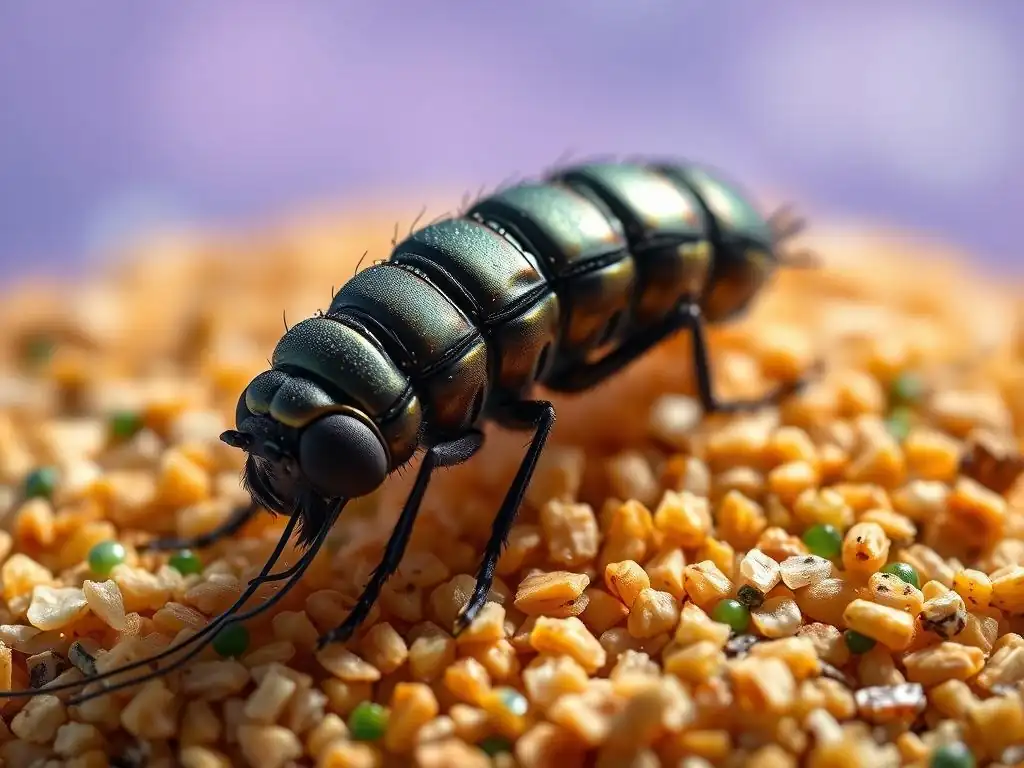
Direct enrichment involves placing live feeds in a concentrated solution of nutrient-rich products, allowing them to filter-feed and absorb the desired compounds. This method is highly effective for improving the nutritional profile of rotifers and Artemia before they are fed to larval fish. The principle behind this technique is that the live feed acts as a "bio-capsule," delivering essential nutrients directly into the larval gut.
This approach ensures that the larvae receive a bolus of concentrated nutrition with each ingested prey item, significantly enhancing their Live larval feed nutrition. The duration and concentration of the enrichment process are critical and must be carefully controlled to maximize nutrient uptake by the live feed without causing them undue stress or mortality. Typical enrichment periods range from 6 to 24 hours, depending on the live feed type and the specific enrichment product used.
Preparing Enrichment Solutions: A Step-by-Step Guide
Preparing effective enrichment solutions requires careful measurement and adherence to protocols to ensure optimal nutrient delivery. The first step involves selecting a high-quality enrichment product, which often comes as a concentrated liquid emulsion or a fine powder. For rotifer enrichment, a common protocol involves concentrating rotifers to a density of 1000-2000 cells/mL in a clean culture vessel with well-aerated, clean saltwater.
Next, the enrichment product is added to the rotifer culture at a specific concentration, typically ranging from 0.5 to 1.0 grams per liter, as recommended by the manufacturer. The mixture is then gently aerated to keep the enrichment particles suspended and ensure uniform distribution, allowing the rotifers to filter-feed efficiently for a period of 6-12 hours. After enrichment, the rotifers are typically harvested and thoroughly rinsed with clean saltwater to remove any residual enrichment solution before being fed to the larval tanks, preventing water quality issues.
Selecting the Appropriate Enrichment Product: Considerations for DHA Enrichment Products
The choice of enrichment product is paramount for successful Live larval feed nutrition, with a strong emphasis on products rich in docosahexaenoic acid (DHA). DHA is a critical omega-3 fatty acid for marine fish larvae, vital for neural development, retinal function, and pigmentation. Commercial enrichment products, such as those based on microalgal oils or specialized lipid emulsions, are formulated to deliver high concentrations of DHA, often providing over 20% DHA on a dry weight basis.
When selecting a product, consider its stability, shelf life, and ease of preparation. Some products are highly concentrated and require precise dilution, while others are ready-to-use. It is also beneficial to choose products that are balanced with other essential nutrients, including eicosapentaenoic acid (EPA), phospholipids, and fat-soluble vitamins (A, D, E, K), to provide a comprehensive nutritional package. Reputable brands like Selco (INVE Aquaculture) are widely used in professional hatcheries due to their proven efficacy in boosting DHA levels in live feeds.
Gut Loading: Providing Nutrients to Live Feeds Before Feeding to Larvae
Gut loading is a specific form of direct enrichment focused on filling the digestive tract of the live feed with a concentrated burst of nutrients just prior to feeding them to the larvae. This technique is particularly effective for Artemia nauplii, but also applicable to rotifers and copepods. The goal is to ensure that the larval fish consume prey whose guts are packed with the desired nutritional compounds, especially those that might degrade quickly or are not efficiently assimilated into the live feed's tissues over longer enrichment periods.
The process typically involves a shorter enrichment duration, often between 2 to 6 hours, to maximize the amount of nutrient-rich material in the live feed's gut without allowing the live feed itself to metabolize a significant portion of the nutrients. This rapid delivery method ensures that a high concentration of essential fatty acids, vitamins, and other compounds are transferred directly to the larval fish, significantly enhancing their immediate Live larval feed nutrition.
The Gut Loading Process: Optimizing Nutrient Uptake in Live Feeds
Optimizing the gut loading process involves careful management of environmental conditions and enrichment concentration. For Artemia nauplii, newly hatched individuals are typically concentrated in a clean, well-aerated vessel at a density of 100-200 nauplii/mL. An appropriate gut-loading product, often a highly concentrated lipid emulsion or a specialized microencapsulated diet, is then added. The nauplii are allowed to feed on this solution for 2-4 hours under moderate light and aeration.
During this period, the Artemia rapidly ingest the nutrient particles, filling their digestive tracts. Studies have shown that Artemia nauplii can take up significant amounts of lipid emulsions within this timeframe, with peak gut content often observed after 4 hours. Following the gut-loading period, the Artemia are thoroughly rinsed with clean saltwater to remove any unconsumed enrichment product, preventing contamination of the larval rearing tanks and ensuring that only nutrient-packed prey are introduced.
Best Practices for Gut Loading Rotifers, Artemia, and Copepods
Effective gut loading requires adherence to specific best practices tailored to each live feed. For rotifers, maintaining high culture densities (e.g., 1000-2000 cells/mL) during the short enrichment period ensures competitive feeding on the enrichment product. Gentle, but consistent, aeration is crucial to prevent sedimentation of the enrichment particles and maintain oxygen levels. For Artemia, using freshly hatched nauplii (within 24 hours of hatching) is critical, as their digestive systems are most active and efficient at this stage.
Copepods, while naturally more nutritious, can also benefit from targeted gut loading, although their feeding behaviors might be more selective, often requiring specific microalgae as their enrichment source. Regardless of the live feed, a fundamental best practice is to always rinse the enriched organisms thoroughly with clean, filtered saltwater before feeding them to the larvae. This step is vital to remove any residual enrichment solution, which, if introduced into the larval tanks, can rapidly degrade, leading to bacterial blooms and severe water quality deterioration that jeopardizes larval survival.
Key Nutrients for Live Larval Feed Enrichment
Essential Fatty Acids: The Role of DHA and EPA in Larval Development
Essential fatty acids (EFAs), particularly the highly unsaturated fatty acids (HUFA) docosahexaenoic acid (DHA) and eicosapentaenoic acid (EPA), are non-negotiable components of optimal Live larval feed nutrition. Marine fish larvae are generally unable to synthesize these complex fatty acids de novo, meaning they must obtain them directly from their diet. DHA is critically important for the development of the nervous system, particularly the brain and retina, influencing visual acuity and overall neurological function. Deficiencies can lead to irreversible neurological damage and poor swimming ability.
EPA, while also vital, plays a more prominent role in physiological functions such as inflammation regulation and maintaining cell membrane fluidity. The precise ratio of DHA to EPA is often considered crucial, with many enrichment products targeting a DHA:EPA ratio of 2:1 to 4:1 for optimal larval performance in various marine species. Adequate levels of these EFAs contribute significantly to robust growth, improved stress resistance, and proper organogenesis, directly impacting the survival and quality of cultured fish.
Vitamins and Minerals: Supporting Immune Function and Growth
Beyond fatty acids, a comprehensive Live larval feed nutrition strategy must include a full spectrum of essential vitamins and minerals. Vitamins, particularly water-soluble ones like Vitamin C (ascorbic acid) and fat-soluble ones like Vitamin E (tocopherol), play pivotal roles. Vitamin C is crucial for collagen synthesis, which is essential for skeletal and connective tissue development, and acts as an antioxidant, enhancing stress resistance and immune function. Deficiency in Vitamin C can lead to skeletal deformities and increased susceptibility to disease.
Vitamin E, another potent antioxidant, protects cell membranes from oxidative damage and is vital for reproductive health and immune system integrity. Essential minerals such as selenium, zinc, iron, and iodine are also critical cofactors for numerous enzymatic reactions, supporting metabolic processes, growth, and proper organ function. While required in smaller quantities, deficiencies in these micronutrients can lead to stunted growth, poor feed conversion, and compromised immune responses, underscoring their importance in a balanced larval diet.
Amino Acids: Building Blocks for Healthy Larval Fish
Amino acids are the fundamental building blocks of proteins, which are essential for tissue synthesis, growth, and enzymatic functions in developing fish larvae. Marine fish larvae have high protein requirements due to their rapid growth rates and the continuous formation of new tissues. While live feeds inherently contain proteins, their amino acid profile can sometimes be suboptimal, especially if the live feeds themselves are not cultured on a protein-rich diet.
Enrichment products often contain protein components or are designed to be fed to live feeds that naturally synthesize a complete amino acid profile. Essential amino acids (e.g., lysine, methionine, threonine, tryptophan) are particularly critical as larvae cannot synthesize these and must obtain them directly from their diet. Ensuring a balanced and complete amino acid profile through enriched Live larval feed nutrition is paramount for maximizing growth rates, promoting healthy muscle development, and supporting the overall physiological integrity of the larval fish, as their demand for these building blocks is proportionally higher than in juvenile or adult fish.
Monitoring and Adjusting Enrichment Strategies
Assessing the Nutritional Value of Enriched Live Feeds
Microscopic Examination: Evaluating Gut Content and Enrichment Success
A primary, immediate method for assessing the success of Live larval feed nutrition enrichment is through microscopic examination of the live feeds. After the enrichment period, a sample of rotifers or Artemia can be viewed under a microscope. Successful enrichment is often visually evident by the presence of colored particles or lipid droplets within the gut of the live feed. For instance, if an enrichment product contains astaxanthin (a red pigment), the guts of Artemia nauplii will appear distinctly orange or reddish, indicating successful ingestion and filling of the digestive tract.
This visual inspection provides a quick, qualitative assessment of whether the live feeds have consumed the enrichment product. It also allows for observation of the live feed's health and motility post-enrichment; healthy, motile enriched feeds are crucial for successful larval feeding. While not providing precise quantitative data, microscopic examination is an invaluable daily tool for troubleshooting and ensuring that the enrichment process is indeed delivering nutrients to the prey.
Biochemical Analysis: Measuring Nutrient Levels in Live Feeds
For a precise, quantitative understanding of Live larval feed nutrition, biochemical analysis is essential, though it requires specialized laboratory equipment and expertise. Techniques such as gas chromatography (GC) are used to measure the exact fatty acid profile, including DHA and EPA levels, in enriched live feeds. High-performance liquid chromatography (HPLC) can be employed to quantify specific vitamin concentrations. These analyses provide empirical data on the actual nutrient content, allowing aquaculturists to verify if their enrichment protocols are achieving target nutritional values.
For instance, a target DHA level for enriched rotifers might be 3-5% of their dry weight, while for Artemia, it could be 5-10%. Regular biochemical analysis, even if conducted periodically by an external lab, helps fine-tune enrichment protocols, compare the efficacy of different enrichment products, and ensure consistent delivery of optimal nutrition to the larval fish. This data-driven approach is critical for high-volume commercial aquaculture operations aiming for maximum larval survival and quality.
Adjusting Enrichment Protocols Based on Larval Growth and Survival Rates
The ultimate indicator of successful Live larval feed nutrition is the health, growth, and survival of the larval fish themselves. Continuous monitoring of larval performance is paramount. If larval growth is slower than expected, if there's an increase in deformities (e.g., swim bladder inflation issues, skeletal abnormalities), or if mortality rates are higher than historical averages for the species, it signals a need to re-evaluate the enrichment strategy.
Adjustments might involve increasing the concentration or duration of the enrichment period, switching to a different enrichment product with a higher concentration of specific nutrients (e.g., more DHA), or introducing a wider variety of enriched live feeds. For example, if larvae show signs of poor pigmentation in species like yellow tangs, increasing the use of astaxanthin-rich enrichment products might be considered. This iterative process of monitoring, assessing, and adjusting is fundamental to optimizing Live larval feed nutrition and achieving consistent success in saltwater fish breeding.
Best Practices for Maintaining Enriched Live Larval Feeds
Storage and Handling of Enriched Live Feeds to Preserve Nutritional Value
Once live feeds are enriched, their nutritional value begins to degrade due to their own metabolism. Therefore, proper storage and handling are crucial to preserve the enhanced Live larval feed nutrition. Enriched rotifers should ideally be fed to larvae within 2-4 hours post-enrichment to minimize nutrient loss, especially of highly perishable fatty acids like DHA. If short-term storage is necessary, enriched live feeds can be held in clean, well-aerated containers at slightly reduced temperatures (e.g., 15-20°C for rotifers), which slows their metabolism and thus nutrient consumption, but this should be for no more than a few hours.
Avoid overcrowding enriched feeds, as high densities can lead to rapid oxygen depletion and accumulation of metabolic wastes, further stressing the organisms and accelerating nutrient degradation. Always use clean, dedicated equipment for handling enriched live feeds to prevent cross-contamination. Timely delivery to larval tanks ensures that the larvae receive the maximum nutritional benefit from the enriched prey.
Preventing Contamination and Maintaining Water Quality
Maintaining impeccable hygiene is critical in all stages of Live larval feed nutrition and delivery. Contamination from bacteria, fungi, or other undesirable microorganisms can rapidly degrade water quality in enrichment cultures and subsequently in larval tanks, leading to disease outbreaks. All vessels, air lines, and equipment used for enrichment should be thoroughly cleaned and disinfected regularly. Using filtered and, ideally, UV-sterilized or ozonated water for preparing enrichment solutions and rinsing live feeds can significantly reduce bacterial loads.
Over-enrichment or incomplete rinsing of enriched live feeds can introduce excess organic matter and unconsumed enrichment product into the larval rearing tanks. This organic load can quickly lead to bacterial blooms, rapid oxygen depletion, and spikes in ammonia and nitrite, which are highly toxic to delicate larval fish. For instance, excessive unused enrichment product in a larval tank can rapidly degrade, leading to ammonia levels exceeding 0.1 mg/L, which is lethal to many marine larvae. Therefore, precise dosing and thorough rinsing are non-negotiable best practices to maintain optimal water quality and prevent larval mortality.
Optimizing Feeding Schedules to Maximize Nutrient Delivery
The feeding schedule for larval fish is as important as the nutritional content of their diet. Marine fish larvae have very high metabolic rates and small stomachs, requiring a continuous supply of food. Therefore, frequent, small feedings throughout the day are typically more effective than a few large feedings. Many professional hatcheries feed larvae 8-12 times per day, or even continuously, to ensure a constant supply of enriched prey items in the water column.
This strategy maximizes the nutrient delivery from the Live larval feed nutrition to the larvae by ensuring that food is always available, reducing periods of starvation and allowing the larvae to feed whenever they are ready. Consistent availability of enriched prey promotes optimal growth, reduces competition among larvae, and minimizes the risk of nutritional deficiencies that can arise from intermittent feeding. An automated dosing system can be highly beneficial for maintaining a stable prey density in larval tanks and optimizing nutrient delivery.
Troubleshooting Common Enrichment Problems
Poor Enrichment Uptake in Live Feeds: Identifying and Addressing the Causes
One common issue in Live larval feed nutrition is the insufficient uptake of enrichment products by live feeds. This can manifest as low lipid content in the live feeds or a lack of visual indicators (like gut coloration) after the enrichment period. Several factors can contribute to poor uptake:
- Water Quality: High levels of ammonia, nitrite, or low dissolved oxygen in the enrichment vessel can stress the live feeds, causing them to cease filter-feeding. Ensuring proper aeration and using clean, conditioned water for enrichment is crucial.
- Temperature: Suboptimal temperatures can reduce the metabolic activity of live feeds, impacting their feeding rates. Maintain the recommended temperature range for the specific live feed species.
- Enrichment Product Issues: The enrichment product itself might be expired, improperly stored, or incorrectly prepared (e.g., not fully dispersed). Always check product expiry dates and follow mixing instructions precisely.
- Concentration: Too low a concentration of the enrichment product might not provide enough particles for efficient uptake, while too high a concentration can foul the water or inhibit feeding. Adjust concentrations based on recommendations and observation. For example, if rotifers stop filter-feeding, it could be due to an oxygen crash in the enrichment vessel; increasing aeration can resolve this.
The enrichment process, if not managed carefully, can lead to significant water quality problems in both the enrichment culture and the larval rearing tanks. Over-enrichment or insufficient rinsing of live feeds can introduce excessive organic matter, leading to rapid bacterial blooms, oxygen depletion, and spikes in ammonia and nitrite. These conditions are highly detrimental, if not lethal, to delicate larval fish.
Prevention is key:
- Precise Dosing: Adhere strictly to recommended enrichment concentrations.
- Thorough Rinsing: Always rinse enriched live feeds thoroughly with clean saltwater before introducing them to larval tanks. This removes unconsumed enrichment media and metabolic byproducts.
- Adequate Filtration: Ensure larval rearing tanks have appropriate filtration (e.g., biological filtration, protein skimming, frequent water changes) to handle any residual organic load.
- Monitoring: Regularly test water parameters (ammonia, nitrite, nitrate, pH, oxygen) in both enrichment and larval tanks to detect and address issues promptly.
Larval Fish Mortality: Investigating Potential Nutritional Deficiencies
Unexplained larval fish mortality, poor growth, or the appearance of deformities (e.g., skeletal malformations, swim bladder issues, abnormal pigmentation) are strong indicators that the Live larval feed nutrition may be suboptimal. When these symptoms arise, a systematic investigation is necessary:
- Review Enrichment Protocol: Verify that the correct enrichment product, concentration, and duration are being used. Check for consistency in the enrichment process.
- Evaluate Live Feed Quality: Assess the health and density of the live feed cultures themselves. Stressed or unhealthy live feeds will not effectively transfer nutrients.
- Consider Specific Nutrient Deficiencies:
- DHA/EPA: If larvae exhibit neurological issues, poor pigmentation, or high mortality, insufficient HUFAs are a prime suspect. Increase DHA-rich enrichment.
- Vitamins: Skeletal deformities or immune suppression might point to vitamin deficiencies (e.g., Vitamin C). Ensure the enrichment product is vitamin-fortified.
- Amino Acids: Stunted growth despite adequate feeding volume could indicate an incomplete amino acid profile.
- Real Case Approximation: In a commercial hatchery, recurring larval mortality in seahorse fry was traced to low Vitamin C levels in their enriched Artemia, leading to swim bladder issues and poor buoyancy control. Adjusting the enrichment product to include a higher concentration of stabilized Vitamin C resolved the problem, significantly improving survival rates.
The Future of Live Larval Feed Nutrition in Saltwater Aquaculture
Emerging Enrichment Technologies and Techniques
The field of Live larval feed nutrition is continuously evolving, driven by the demand for higher survival rates and more robust fish in aquaculture. Emerging technologies focus on improving nutrient delivery and exploring novel feed sources. One promising area is the direct use of specific strains of microalgae, such as Nannochloropsis oculata or Isochrysis galbana, which are naturally rich in DHA and EPA, as primary enrichment sources or even as direct feeds for early larval stages. These microalgae can be cultured to optimize their nutritional profile, providing a more natural and potentially more bioavailable nutrient package.
Furthermore, advancements in microencapsulated diets for larvae are gaining traction. These diets aim to reduce the reliance on live feeds by providing a complete, stable nutritional package in a particle form that larvae can ingest. While live feeds remain critical for early stages, these technologies represent a future where the transition from live to inert diets can occur earlier and more smoothly, potentially reducing labor and production costs while maintaining optimal Live larval feed nutrition.
Sustainable Sources of Nutrients for Live Larval Feed Enrichment
As aquaculture expands, there is a growing imperative to find sustainable and environmentally responsible sources for the nutrients used in Live larval feed nutrition. Traditionally, fish oil has been a primary source of DHA and EPA for enrichment products, but reliance on wild-caught fish for this purpose raises sustainability concerns. The future sees a shift towards alternative, more sustainable sources.
Algal-based oils are at the forefront of this shift. Microalgae, cultivated in bioreactors, can produce high concentrations of omega-3 fatty acids, offering a renewable and scalable alternative to fish oil. For example, algal oils now represent a significant sustainable source of omega-3 fatty acids for aquafeeds, including enrichment products, reducing the pressure on marine fisheries. Research also explores insect-based proteins and single-cell proteins as sustainable sources of amino acids and other essential nutrients, contributing to a more circular and environmentally friendly approach to Live larval feed nutrition.
The Ongoing Pursuit of Optimal Larval Fish Nutrition
The pursuit of optimal Live larval feed nutrition remains a dynamic and crucial area of research and development in saltwater aquaculture. As new marine fish species are brought into cultivation, understanding their unique and often highly specific nutritional requirements at their earliest life stages becomes paramount. This involves detailed studies on digestive enzyme activity, nutrient absorption pathways, and the precise dietary needs for various developmental milestones.
Future efforts will focus on developing even more precise and efficient enrichment products that can be tailored to the exact needs of specific larval species, potentially incorporating novel probiotics or prebiotics to enhance gut health and nutrient assimilation. The integration of advanced technologies like artificial intelligence and IoT for real-time monitoring of larval health and environmental parameters will also allow for instantaneous adjustments to feeding and enrichment protocols.
The ultimate goal is to achieve consistently high survival rates, often targeting 80% or more from hatch to juvenile stage, for commercially important marine fish species, ensuring a robust and sustainable future for saltwater aquaculture through superior Live larval feed nutrition.
Frequently Asked Questions
What are live larval feeds, and why is their nutrition important?
Live larval feeds are microscopic organisms like rotifers and artemia used to feed newly hatched fish. Their nutrition is crucial because they are the primary food source for young fish, directly impacting their growth and survival.
How does enriching live larval feeds improve fish health?
Enriching live feeds, such as rotifers and artemia, significantly boosts their nutritional content, providing essential fatty acids and vitamins. This leads to improved growth rates, disease resistance, and overall health in larval fish.
What are some common methods for enriching live larval feeds?
Common enrichment methods include using commercial enrichment products like SELCO or DHA Selco, or feeding the live feeds algae cultures rich in essential nutrients. Another method is providing them with vitamin supplements.
What happens if live larval feeds are not adequately enriched?
If live larval feeds lack sufficient nutrients, larval fish may suffer from malnutrition, leading to stunted growth, increased susceptibility to disease, and higher mortality rates. This can severely impact the success of fish breeding and rearing.
How does "Aquarium Mastery" guide aquarists in optimizing live larval feed nutrition?
Aquarium Mastery offers detailed articles on selecting appropriate enrichment products and methods for various live larval feeds. It provides guidance on creating enrichment schedules and monitoring the nutritional value of the feeds to ensure optimal fish health.
Final Reflection: Cultivating a Foundation for Aquatic Life
The journey from microscopic beginnings to thriving aquatic ecosystems hinges on a single, crucial element: the nutritional foundation provided by live larval feeds. As we've explored the nuances of enrichment techniques, it becomes undeniably clear that optimizing the nutritional profile of these feeds is not merely a scientific endeavor, but a vital investment in the health and sustainability of aquaculture and beyond. The principles discussed resonate deeply in a world increasingly focused on responsible and efficient food production.
This exploration has underscored how profoundly the quality of live larval feed impacts the entire life cycle of aquatic organisms, influencing growth, survival, and overall resilience. It's a reminder that even the smallest details can have cascading effects on complex ecosystems. As the saying goes: Give a man a fish, and you feed him for a day. Teach a man to fish, and you feed him for a lifetime.
In our context, enriching live larval feeds is akin to teaching future generations of aquatic life to thrive.
Now, consider how you can apply these insights to your own practices. Whether you're a researcher, a hatchery manager, or simply an enthusiast, take a moment to reflect on the power of Live larval feed nutrition. How can you contribute to a future where aquatic life flourishes, supported by the very best nutritional foundations? Let us all strive to cultivate a more sustainable and vibrant aquatic world, one enriched larval feed at a time.
Supercharge Your Fry's Future!
Thank you for exploring the vital world of live larval feed enrichment! We hope you've gained valuable insights into optimizing your fry's nutrition for robust growth and vibrant health. Now, let's put that knowledge into action.
- Master the Art of Rotifer Enrichment: Experiment with different enrichment products like DHA Selco to discover the optimal diet for your fry species. Document your results for future reference.
- Share your enriched feeding successes (and challenges!) in online aquarium forums. Helping other hobbyists contributes to a stronger community.
- Challenge yourself to culture a new live food source next month! Expand your arsenal of larval feeds for even greater control over your fry's diet.
What unique enrichment technique have you found most effective for your specific fry?