
Aquarium Mastery: Priming Your Broodstock for Peak Saltwater Spawning Success

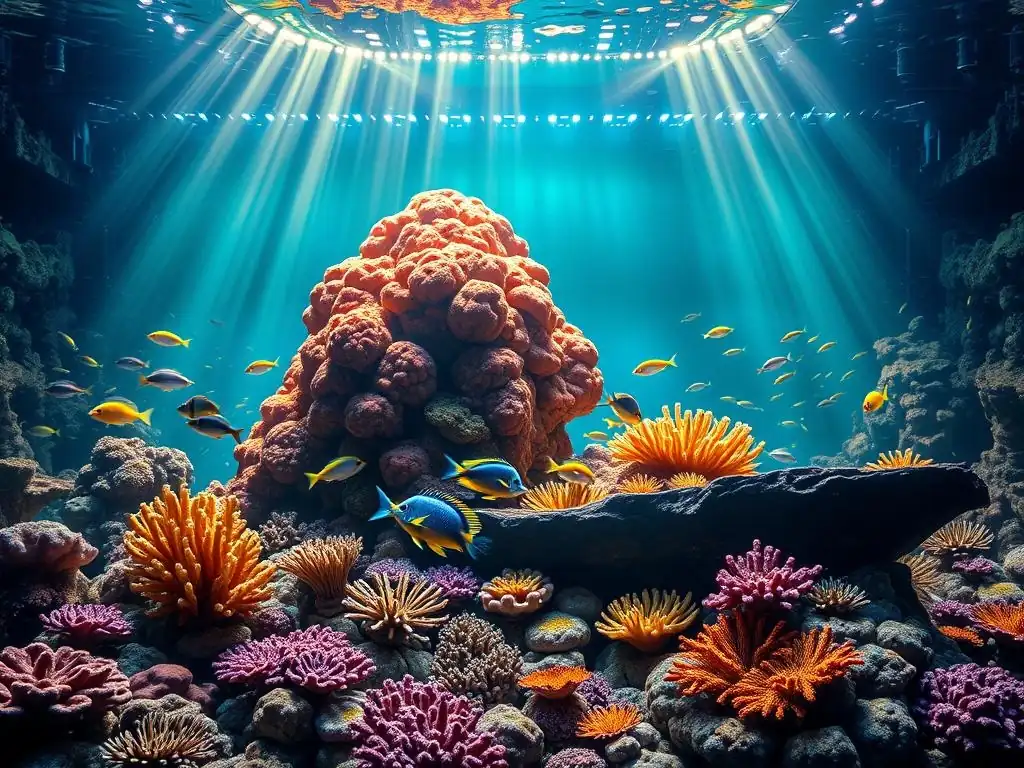
Welcome to Aquarium Mastery, where your saltwater dreams take shape! Ever wondered how to unlock the secrets of successful saltwater spawning? Dive in to our comprehensive guide on Saltwater Spawning Broodstock Priming and discover the crucial steps to prepare your fish for optimal breeding. Uncover the mysteries behind healthy broodstock and get ready to witness the miracle of life in your own aquarium. Let's get started!
- Understanding Saltwater Spawning Broodstock Priming: The Foundation for Success
- Pre-Spawning Broodstock Preparation: Optimizing Conditions for Successful Saltwater Spawning
- Environmental Manipulation: Triggering Saltwater Spawning Events
- Monitoring Broodstock Behavior: Recognizing Spawning Cues
- Post-Spawning Care: Ensuring Egg and Larval Survival in Saltwater Aquariums
- Troubleshooting Saltwater Spawning Issues: Addressing Common Challenges
- Advanced Techniques in Saltwater Fish Breeding
- Conclusion: Achieving Consistent Saltwater Spawning Success Through Broodstock Priming
-
Frequently Asked Questions
- How does Aquarium Mastery define broodstock priming for saltwater spawning?
- What are the key elements of water chemistry that Aquarium Mastery recommends monitoring during broodstock priming?
- What dietary recommendations does Aquarium Mastery make for priming saltwater broodstock?
- What are some common troubleshooting areas that Aquarium Mastery addresses regarding failed saltwater spawning attempts?
- How often does Aquarium Mastery recommend performing water changes during the broodstock priming process?
- Final Reflection: Cultivating Life's Potential
- Ignite Your Aquarium: Champion Saltwater Spawning!
Understanding Saltwater Spawning Broodstock Priming: The Foundation for Success
Defining Saltwater Broodstock and Their Importance in Breeding
Saltwater broodstock refers to a group of mature, healthy, and genetically sound marine fish or invertebrates specifically selected and maintained for reproductive purposes in a controlled aquarium environment. These individuals are the foundational parents for any successful aquaculture or home breeding project, as their genetic makeup, health, and physiological readiness directly influence the quantity and quality of offspring produced. The careful selection and management of broodstock are paramount, as issues at this stage can cascade into poor egg viability, low larval survival rates, and even the propagation of undesirable traits.
The importance of robust saltwater broodstock cannot be overstated; they represent the living capital of a breeding operation. For instance, in commercial aquaculture, a healthy broodstock of species like Ocellaris clownfish ( Amphiprion ocellaris) can consistently produce thousands of viable eggs per spawn, sometimes every 10-14 days, given optimal conditions. In contrast, poorly conditioned broodstock might produce infrequent spawns with low fertilization rates, leading to significant economic losses or frustrating failures for hobbyists attempting to breed at home. Effective saltwater spawning broodstock priming ensures these critical reproductive assets are at their peak biological capacity.
The Critical Role of Priming in Saltwater Fish Spawning Success
Priming, in the context of saltwater fish breeding, is the comprehensive process of preparing broodstock physiologically and environmentally to maximize their reproductive potential and induce spawning. This goes beyond basic maintenance; it involves a targeted regimen of specialized nutrition, precise environmental conditioning, and stress reduction designed to mimic the natural cues that trigger reproduction in the wild. Without proper priming, even naturally prolific species may fail to spawn, or if they do, the resulting eggs and larvae may be weak, infertile, or prone to early mortality.
The success of saltwater spawning broodstock priming is directly correlated with the subsequent viability of eggs and larvae. For example, a well-primed pair of Banggai Cardinalfish ( Pterapogon kauderni) will exhibit vibrant coloration, active courtship behaviors, and consistent spawning cycles, often producing clutches of 50-100 eggs or more.
Conversely, broodstock that are underfed or kept in suboptimal conditions might never spawn, or if they do, the eggs may be small, deformed, or quickly consumed by the parents due to nutritional deficiencies. Priming effectively prepares the fish's reproductive organs for gamete production and ensures the necessary energy reserves are in place for the demanding process of spawning and subsequent parental care, where applicable.
Saltwater Spawning: Identifying Ideal Broodstock Candidates
Identifying ideal broodstock candidates for saltwater spawning broodstock priming involves a meticulous assessment of several key factors, including age, size, health, and genetic background. Mature fish that have reached their reproductive age, typically ranging from 1-3 years for many common aquarium species like clownfish or gobies, are preferred. Larger, well-developed individuals often produce more eggs and sperm, but it's crucial to select fish that are not excessively old, as their fertility may decline. Observing their behavior for signs of aggression or listlessness can also provide clues about their suitability.
Beyond physical attributes, the health history of potential broodstock is paramount. Fish that have frequently suffered from diseases, exhibit chronic stress, or have deformities should be avoided, as these issues can be passed on to offspring or indicate underlying genetic weaknesses.
Ideally, broodstock should be acquired from reputable sources that can provide information on their lineage, ensuring genetic diversity and reducing the risk of inbreeding depression, which can lead to reduced fertility and increased larval deformities. A quarantined period for new additions is also essential to prevent the introduction of pathogens into the breeding system, safeguarding the overall health of the entire broodstock population.
Pre-Spawning Broodstock Preparation: Optimizing Conditions for Successful Saltwater Spawning
Setting Up the Broodstock Tank: Mimicking Natural Saltwater Habitats
The design and setup of a broodstock tank are fundamental to successful saltwater spawning broodstock priming, as they aim to replicate the specific environmental conditions that trigger natural reproductive behaviors. The tank should be dedicated solely to the broodstock, minimizing external stressors and providing a stable, secure environment. Factors such as tank size, dimensions, aquascaping, and substrate choice must be carefully considered to provide comfort, security, and appropriate spawning sites for the target species.
For instance, species like clownfish prefer a host anemone or a suitable substitute structure (e.g., a clay pot or PVC pipe) for egg deposition, whereas gobies may require a sandy substrate for burrowing or rocky crevices. Providing these specific elements can significantly reduce stress and encourage spawning. The overall layout should also allow for adequate swimming space, hiding spots, and territorial boundaries if multiple pairs or groups are housed, although single-pair breeding tanks are often preferred to minimize aggression and maximize spawning success for specific saltwater spawning broodstock priming efforts.
Tank Size and Dimensions for Saltwater Broodstock
The appropriate tank size and dimensions for saltwater broodstock are crucial for their long-term health, stress reduction, and successful reproduction. While larger tanks generally offer greater stability in water parameters, the specific needs of the species dictate the minimum volume. For example, a pair of Ocellaris clownfish might comfortably breed in a 20-gallon long (approximately 30" x 12" x 12") or 30-gallon breeder tank, which provides ample horizontal space for territory establishment and spawning. In contrast, larger angelfish species might require tanks of 100 gallons or more to thrive and breed.
The footprint of the tank is often more important than its height for many bottom-dwelling or territorial species, providing more surface area for territory establishment and spawning sites. Adequate space reduces aggression between mates, allows for natural courtship displays, and minimizes the accumulation of metabolic waste, which can negatively impact water quality. Overcrowding is a common pitfall that can lead to chronic stress, disease, and a complete cessation of spawning activity, directly hindering any saltwater spawning broodstock priming efforts.
Substrate and Aquascaping for Optimal Broodstock Comfort
The choice of substrate and the design of the aquascape are integral to creating a comfortable and conducive environment for saltwater spawning broodstock priming. Many marine species have specific preferences for spawning sites. For instance, species such as clownfish readily spawn on smooth, flat surfaces like a clay flowerpot, a piece of slate, or the base of an anemone. Providing these specific structures encourages natural behavior and gives the fish a secure location to deposit their eggs, which aids in parental care and protection.
For species that are sand-burrowers, such as certain gobies or blennies, a deep bed of fine sand (at least 3-4 inches or 7-10 cm) is essential for them to create burrows for shelter and spawning. Rocky aquascaping with caves and crevices is vital for fish that prefer to spawn in secluded areas, offering security and a sense of privacy. The overall aquascape should provide visual barriers to reduce aggression, ample hiding spots to minimize stress, and open areas for swimming and courtship displays, all contributing to the successful saltwater spawning broodstock priming process.
Water Quality Parameters: The Key to Healthy Saltwater Broodstock
Maintaining pristine and stable water quality parameters is arguably the single most critical factor in successful saltwater spawning broodstock priming. Even slight deviations or fluctuations can induce stress, suppress reproductive hormones, and lead to a complete cessation of spawning. Consistent monitoring and precise adjustments are non-negotiable, as the physiological demands of reproduction require the fish to be in optimal health, free from the burden of coping with poor environmental conditions.
The parameters to closely monitor include salinity, temperature, pH, alkalinity, and the levels of nitrogenous compounds like ammonia, nitrite, and nitrate. Regular testing, ideally daily or every other day, using reliable test kits, allows for immediate corrective action when necessary. A stable environment minimizes physiological stress, allowing the broodstock to allocate their energy towards gamete production and spawning, thereby directly supporting the goals of saltwater spawning broodstock priming.
Maintaining Ideal Salinity Levels for Saltwater Spawning
Maintaining stable and appropriate salinity levels is fundamental for successful saltwater spawning broodstock priming. Most marine fish species thrive and reproduce within a narrow range of salinity, typically between 1.020 and 1.025 specific gravity, or 30-35 parts per thousand (ppt). Fluctuations outside this range can cause osmotic stress, impairing kidney function and disrupting the delicate balance of internal fluids, which directly impacts reproductive health and gamete viability.
For instance, a sudden drop in salinity might trigger a stress response that inhibits spawning, while excessively high salinity can dehydrate fish and reduce egg quality. It's crucial to use a high-quality refractometer calibrated regularly with a reference solution to ensure accurate readings. Consistent top-offs with purified freshwater (RO/DI water) are necessary to counteract evaporation, which otherwise increases salinity. Small, frequent water changes with properly mixed saltwater also help maintain stability and replenish essential trace elements, supporting the overall saltwater spawning broodstock priming effort.
Controlling Temperature for Enhanced Broodstock Spawning
Temperature plays a critical role in the metabolic processes and reproductive cycles of saltwater fish, making precise control essential for saltwater spawning broodstock priming. Most tropical marine species prefer temperatures ranging from 76°F to 82°F (24.4°C to 27.8°C). Within this range, slight adjustments can often be used as a trigger for spawning, mimicking seasonal changes in their natural habitats. For example, a gradual increase of 1-2 degrees Fahrenheit over several days can sometimes stimulate reproductive activity.
However, rapid or extreme temperature fluctuations must be avoided, as they cause significant stress and can lead to disease or even death. A reliable heater with an accurate thermostat is indispensable, and it's often wise to use two smaller heaters in larger tanks to provide redundancy and ensure even heat distribution. Consistent temperature allows for stable physiological functions, ensuring that the broodstock's energy is directed towards gamete development and successful spawning, which is key to effective saltwater spawning broodstock priming.
Monitoring and Adjusting pH and Alkalinity for Saltwater Spawning
The pH and alkalinity levels are crucial water quality parameters that directly impact the health and reproductive success of saltwater broodstock. For most marine fish, a stable pH range of 8.0 to 8.4 is ideal. Fluctuations outside this range can cause metabolic stress, impair enzyme function, and lead to conditions like acidosis or alkalosis, which severely hinder gamete production and overall fish vitality. Alkalinity, often measured as carbonate hardness (KH), acts as a buffer to maintain pH stability, typically recommended to be between 8-12 dKH (degrees of carbonate hardness) or 2.8-4.3 meq/L.
Maintaining these parameters consistently is vital for saltwater spawning broodstock priming. Low alkalinity can lead to pH crashes, while chronically low pH can inhibit calcification processes in fish and invertebrates, impacting egg development. Regular testing with accurate kits and the use of appropriate buffering solutions or calcium reactors, especially in larger systems, are necessary to keep these parameters within optimal ranges. Stable pH and alkalinity ensure the biochemical environment is conducive for all physiological processes, including those critical for reproduction.
Managing Ammonia, Nitrite, and Nitrate Levels in Broodstock Tanks
The precise management of nitrogenous waste products—ammonia, nitrite, and nitrate—is non-negotiable for successful saltwater spawning broodstock priming. Ammonia (NH3) and nitrite (NO2) are highly toxic to marine fish, even at very low concentrations. Ammonia levels should always be undetectable (0 ppm), and nitrite should also be undetectable (0 ppm). Even slight elevations can cause gill damage, internal organ failure, and suppress the immune system, making fish susceptible to disease and completely inhibiting reproductive activity.
Nitrate (NO3), while less toxic than ammonia or nitrite, can accumulate to high levels and cause chronic stress, reduced growth, and decreased reproductive output. For broodstock tanks, nitrate levels should ideally be kept below 10-20 ppm, and certainly below 40 ppm.
This is achieved through a robust biological filtration system, regular large water changes (e.g., 20-30% weekly), and conscientious feeding practices to avoid overfeeding. Maintaining these parameters near zero for ammonia and nitrite, and low for nitrate, provides a pristine environment that allows broodstock to channel their energy into reproduction rather than detoxification, which is the essence of effective saltwater spawning broodstock priming.
Nutritional Strategies: Fueling Saltwater Broodstock for Spawning
Proper nutrition is a cornerstone of saltwater spawning broodstock priming, directly influencing gamete quality, spawning frequency, and larval viability. A diverse and high-quality diet provides the necessary protein, lipids, vitamins, and minerals required for the intensive physiological demands of egg and sperm production. A diet lacking in essential nutrients can lead to small, infertile eggs, reduced spawning frequency, or even a complete cessation of reproductive activity.
The feeding regimen for broodstock should be more rigorous and varied than for typical display fish. It often involves multiple feedings per day, incorporating a mix of live, frozen, and high-quality prepared foods, supplemented with specific vitamins and minerals. The goal is to build up the broodstock's energy reserves and provide the building blocks for healthy reproductive tissues, ensuring they are robust enough to endure the energy-intensive process of spawning and subsequent parental duties, if applicable.
Live Food Options for Saltwater Spawning Broodstock
Live foods are often considered indispensable for saltwater spawning broodstock priming due to their high nutritional value, palatability, and natural stimulatory effect. The movement of live prey can trigger a stronger feeding response, ensuring the fish consume adequate nutrients. Common live food options include enriched Artemia (brine shrimp), copepods, rotifers, and various worms like blackworms or bloodworms.
Enrichment of live foods, by feeding them a nutrient-dense diet (e.g., phytoplankton or specialized enrichment formulas) before feeding to broodstock, significantly boosts their fatty acid (especially DHA and EPA) and vitamin content. For example, feeding Artemia nauplii to clownfish broodstock daily, enriched with an HUFA (highly unsaturated fatty acid) boosting product, has been shown to improve egg quality and hatching rates. Providing a variety of live foods mimics natural foraging and ensures a comprehensive nutritional profile, vital for optimal saltwater spawning broodstock priming.
Frozen Food Supplements for Saltwater Fish Breeding
Frozen foods serve as an excellent and convenient supplement to live foods in saltwater spawning broodstock priming diets, offering a wide array of nutritional profiles. High-quality frozen preparations often contain a blend of marine proteins, such as mysis shrimp, krill, spirulina-enriched brine shrimp, and various chopped seafood like squid or fish flesh. These foods are typically gut-loaded, meaning the prey animals were fed a nutritious diet before freezing, and often fortified with vitamins and minerals.
When selecting frozen foods, look for brands that specify their nutritional content and avoid those with excessive binders or fillers. Thawing frozen foods in a small amount of tank water or RO/DI water, sometimes with added liquid vitamin supplements, before feeding helps prevent nutrient leaching and ensures the fish consume the full benefit. For species like marine gobies, fine-chopped frozen mysis shrimp or copepods can be a staple, providing essential proteins and lipids for gonad development and energy reserves required for spawning.
Vitamin and Mineral Supplementation for Saltwater Fish Broodstock
Vitamin and mineral supplementation is a critical, yet often overlooked, component of successful saltwater spawning broodstock priming. While a diverse diet provides many essential nutrients, specific vitamins and trace minerals can be deficient or rapidly depleted during the high metabolic demands of reproduction. Key vitamins include Vitamin C (ascorbic acid), vital for immune function and collagen synthesis; Vitamin E, a powerful antioxidant crucial for reproductive health; and various B vitamins, essential for metabolic processes.
Trace minerals such as iodine, selenium, and zinc are also important for hormone production and overall physiological function. These can be supplied through liquid vitamin supplements added directly to the water or by soaking frozen foods in a vitamin solution before feeding.
For example, some breeders will soak frozen mysis shrimp in a marine vitamin supplement containing high levels of astaxanthin, which not only enhances coloration but also acts as an antioxidant and can improve egg viability. Consistent supplementation helps prevent nutritional deficiencies that could otherwise lead to poor egg quality, reduced fertility, or a complete failure to spawn, undermining saltwater spawning broodstock priming efforts.
Feeding Schedules for Optimal Broodstock Health
Establishing an optimal feeding schedule is paramount for saltwater spawning broodstock priming, ensuring consistent nutrient intake and energy reserves without overfeeding. Unlike general display tanks where one or two feedings per day might suffice, broodstock typically benefit from more frequent, smaller feedings. This approach mimics natural foraging patterns, reduces the amount of uneaten food decaying in the tank, and allows for better nutrient absorption.
For many species, 3-5 small feedings per day are ideal. For example, a pair of clownfish being primed for spawning might receive small portions of enriched Artemia in the morning, followed by finely chopped frozen mysis shrimp midday, and a final feeding of a high-quality pellet or flake food in the evening. The amount fed should be consumed within a few minutes, leaving no excess food to foul the water. This consistent, nutrient-rich feeding regimen supports the high metabolic demands of gamete production, contributing significantly to the success of saltwater spawning broodstock priming.
Environmental Manipulation: Triggering Saltwater Spawning Events
Environmental manipulation involves carefully adjusting tank parameters to mimic the natural environmental cues that trigger spawning in the wild. This is a powerful component of saltwater spawning broodstock priming, as it can simulate seasonal changes, lunar cycles, or tidal patterns that naturally induce reproductive behavior. These changes signal to the fish that conditions are favorable for breeding and that their offspring will have the best chance of survival.
Common environmental triggers include changes in photoperiod (light/dark cycles), water flow, temperature fluctuations, and even strategic water changes. The key is to implement these changes gradually and systematically, observing the broodstock's response. Abrupt or extreme changes can induce stress rather than spawning. By carefully orchestrating these environmental cues, aquarists can significantly increase the likelihood of consistent and successful spawning, making it a critical aspect of saltwater spawning broodstock priming.
Photoperiod Manipulation: Simulating Seasonal Light Cycles
Photoperiod manipulation, or the controlled adjustment of the duration of light and dark cycles, is one of the most effective environmental triggers used in saltwater spawning broodstock priming. In their natural habitats, many marine fish species use changes in day length as a cue for seasonal reproduction. Replicating these longer daylight hours, typical of spring and summer, can signal to the broodstock that it is time to spawn.
A common approach is to gradually increase the light cycle over several weeks, from perhaps 10-12 hours of light to 14-16 hours. This extended photoperiod stimulates hormonal changes in the fish, promoting gonad maturation and gamete production. For instance, increasing the light cycle for clownfish broodstock from 12 hours to 14 hours over a two-week period often results in a noticeable increase in spawning frequency and consistency.
Adjusting Light Intensity for Saltwater Spawning Triggers
Beyond the duration of light, adjusting the intensity of illumination can also serve as a subtle but effective trigger in saltwater spawning broodstock priming. In the wild, changes in light intensity can be associated with varying water depths, cloud cover, or even lunar cycles, all of which can influence reproductive behavior. For captive breeding, a brighter environment during the "day" cycle can simulate more favorable conditions for spawning and larval development.
However, it's important to avoid excessively high light intensity that could stress the fish or promote undesirable algal growth. A balanced approach involves ensuring adequate PAR (Photosynthetically Active Radiation) levels appropriate for the species, potentially increasing it slightly during the "breeding season" simulation. For instance, using full-spectrum LED lights with adjustable intensity allows for fine-tuning that mimics natural conditions without causing photophobia in the broodstock, contributing to a more effective saltwater spawning broodstock priming environment.
Implementing Dawn and Dusk Simulation for Broodstock
Implementing gradual dawn and dusk simulation is a sophisticated technique in saltwater spawning broodstock priming that significantly enhances the naturalness of the photoperiod. Rather than an abrupt on/off transition, a gradual increase in light intensity in the morning and a slow dimming in the evening mimics the natural sunrise and sunset. This reduces stress on the fish and can encourage more natural behaviors, including courtship and spawning.
Many modern aquarium lighting systems, particularly LED units, come with programmable controllers that allow for custom ramp-up and ramp-down periods. For example, programming a 30-minute to 1-hour ramp-up and ramp-down period before and after the main light cycle can create a more biologically appropriate environment. This subtle environmental cue contributes to the overall well-being of the broodstock and can encourage consistent spawning by providing a less jarring and more natural transition between light and dark periods, optimizing the saltwater spawning broodstock priming process.
Water Changes and Flow: Mimicking Natural Tides and Currents
Strategic water changes and the manipulation of water flow are powerful environmental cues used in saltwater spawning broodstock priming. In many marine habitats, tidal cycles and currents play a significant role in triggering reproduction, stimulating spawning, and dispersing gametes or larvae. Replicating these dynamic conditions in the aquarium can encourage fish to spawn by signaling favorable conditions for the survival of their offspring.
Increased water flow can also improve water quality by preventing the buildup of detritus and ensuring oxygen saturation, both of which are beneficial for broodstock health. The combination of fresh, clean water and varied flow patterns can create a more invigorating environment that prompts reproductive activity.
Strategic Water Changes to Stimulate Saltwater Spawning
Strategic water changes are a key component of saltwater spawning broodstock priming, often acting as a significant trigger for spawning. Large, frequent water changes (e.g., 20-30% every few days or weekly) introduce fresh, clean saltwater, replenish essential trace elements, and reduce accumulated nitrates and other metabolic waste products. This influx of pristine water can mimic the "flush" of a new tide or heavy rainfall in coastal areas, signaling favorable conditions for reproduction.
For many species, a sudden, significant water change after a period of stable conditions can be enough to induce spawning within 24-48 hours. This is particularly effective for species that spawn after heavy rains or tidal surges in their natural environment. The improved water quality reduces physiological stress, allowing the fish to redirect energy towards reproductive processes, making this a simple yet highly effective method in saltwater spawning broodstock priming.
Utilizing Wave Makers and Powerheads for Optimal Flow
Utilizing wave makers and powerheads to create dynamic water flow is an essential aspect of saltwater spawning broodstock priming, mimicking the natural currents and tidal movements that many marine species experience in the wild. Consistent, unidirectional flow can be beneficial, but varying flow patterns can be even more stimulatory. Intermittent or oscillating flow can simulate wave action or strong currents, which may trigger spawning in certain species.
For example, species like dottybacks or some gobies that naturally inhabit areas with moderate to strong currents may respond positively to increased water movement. Strategic placement of powerheads can also ensure that detritus does not settle in low-flow areas, maintaining cleaner water, and providing a more oxygenated environment. The turbulence created can also help to aerate the water surface, increasing gas exchange. This dynamic environment can reduce stagnation, stimulate natural behaviors, and contribute significantly to successful saltwater spawning broodstock priming.
Temperature Cycling: Simulating Seasonal Temperature Variations
Temperature cycling, involving gradual and subtle changes in water temperature, is another effective environmental manipulation technique in saltwater spawning broodstock priming. While stable temperatures are generally preferred for health, a slight, controlled fluctuation can mimic seasonal changes that often trigger spawning in the wild. Many fish species reproduce during specific times of the year when water temperatures are optimal for larval development and food availability.
This technique typically involves a small, gradual increase or decrease in temperature (e.g., 1-2°F or 0.5-1°C) over several days or weeks, followed by a return to baseline or a new breeding temperature. This subtle shift can cue the fish that conditions are ripe for reproduction, prompting the maturation and release of gametes.
Gradual Temperature Adjustments for Saltwater Spawning
Gradual temperature adjustments are a refined technique in saltwater spawning broodstock priming designed to mimic the subtle seasonal temperature shifts that trigger reproduction in many marine species. Instead of a sudden change, the temperature is altered by no more than 0.5 to 1 degree Fahrenheit (approximately 0.3 to 0.6 degrees Celsius) per day over several days or a week. For instance, if a broodstock is typically kept at 78°F (25.6°C), the temperature might be gradually raised to 80°F (26.7°C) over four days.
This slow adjustment minimizes stress on the fish, allowing their physiology to adapt naturally to the perceived change in season. For some species, a slight increase in temperature signals the onset of warmer, more productive breeding seasons, while for others, a slight decrease might simulate a cool-down period before a major spawning event. This controlled manipulation can effectively stimulate gonad development and induce spawning without causing thermal shock, making it a valuable tool in saltwater spawning broodstock priming.
Avoiding Temperature Shock in Saltwater Broodstock
Avoiding temperature shock is paramount during any temperature manipulation for saltwater spawning broodstock priming. Temperature shock occurs when fish are subjected to rapid and significant changes in water temperature, leading to severe physiological stress, weakened immune systems, and potentially death. Even a sudden change of a few degrees can be detrimental, especially for sensitive species or those already under stress.
To prevent temperature shock, all adjustments must be made slowly and incrementally, as described in the previous section. When performing water changes, ensure the new water is precisely matched in temperature to the existing tank water. Using reliable heaters with precise thermostats, and potentially two smaller heaters for redundancy in larger tanks, helps maintain stable temperatures and allows for controlled, gradual adjustments. Consistent monitoring with an accurate thermometer is essential to ensure that the broodstock are not inadvertently exposed to harmful temperature fluctuations, thereby safeguarding the success of saltwater spawning broodstock priming.
Monitoring Broodstock Behavior: Recognizing Spawning Cues
Close observation of broodstock behavior is a crucial, often underestimated, aspect of successful saltwater spawning broodstock priming. Fish exhibit distinct behavioral changes when they are ready to spawn, and recognizing these cues allows the aquarist to confirm the effectiveness of their priming efforts and prepare for egg collection or larval rearing. These behaviors can range from subtle changes in aggression or coloration to elaborate courtship rituals.
Understanding the specific spawning behaviors of your target species is essential. Documenting these observations can help identify patterns and predict future spawning events. This proactive monitoring allows for timely intervention, such as adjusting feeding, preparing rearing tanks, or making final adjustments to environmental parameters to optimize the chances of successful reproduction.
Identifying Courtship Behaviors in Saltwater Fish
Identifying courtship behaviors is a clear indicator that saltwater spawning broodstock priming is progressing successfully and that fish are preparing to reproduce. These behaviors vary significantly among species but often include increased interaction between the male and female, vibrant coloration, and specific displays. For instance, in clownfish, the male often "dances" or quivers rapidly near the female, sometimes nipping gently at her fins or body, and meticulously cleans a chosen spawning site (e.g., a clay pot or rock).
Other species might exhibit elaborate fin displays, chasing, or circling behaviors. For example, some dottybacks perform a "shimmy" dance. Observing these interactions helps confirm that a pair bond has formed and that both individuals are physiologically ready to spawn. It's crucial to distinguish these courtship displays from aggression; while some nipping or chasing might occur, excessive aggression can indicate an incompatible pair or unsuitable tank conditions that need immediate adjustment, potentially hindering saltwater spawning broodstock priming.
Recognizing Egg Development and Release Cues
Recognizing the physical cues of egg development and release is a definitive sign of successful saltwater spawning broodstock priming. In many oviparous (egg-laying) marine fish, the female's abdomen will appear noticeably distended or swollen with ripe eggs, a condition often referred to as "gravid." This swelling is particularly evident just prior to spawning. In some species, the female's ovipositor (a small tube used for egg deposition) may become visible and extended.
During the actual spawning event, the female will typically deposit eggs onto a prepared surface, often in rows, while the male follows closely behind, fertilizing them. The eggs themselves vary in appearance by species; clownfish eggs are typically orange to reddish-brown and are laid in a neat oval or circular patch. Observing the actual deposition and fertilization process confirms that the saltwater spawning broodstock priming efforts have culminated in successful reproduction, allowing for timely egg collection if artificial rearing is planned.
Understanding Male and Female Roles During Spawning
Understanding the distinct roles of male and female fish during spawning is crucial for successful saltwater spawning broodstock priming and subsequent egg/larval care. While roles vary greatly by species, a common pattern involves the female depositing eggs and the male fertilizing them. In many species, such as clownfish, the male then takes on the primary responsibility of fanning and guarding the eggs until they hatch, which can last for 7-10 days depending on temperature.
The male's fanning behavior, using his pectoral fins, ensures proper oxygenation of the eggs and removes detritus, preventing fungal or bacterial growth. He also defends the egg clutch vigorously from potential predators, including other tank inhabitants or even the female in some cases. Recognizing these roles allows the aquarist to provide appropriate support, such as ensuring the male has sufficient space and is not overly stressed, or deciding when to remove the eggs for artificial incubation, thereby optimizing the outcomes of saltwater spawning broodstock priming efforts.
Post-Spawning Care: Ensuring Egg and Larval Survival in Saltwater Aquariums
Post-spawning care is as critical as the priming process for achieving overall success in saltwater fish breeding. Once spawning has occurred, the focus shifts to ensuring the survival and healthy development of the eggs and subsequently, the delicate larvae. This phase demands meticulous attention to detail, as marine fish larvae are notoriously fragile and have very specific environmental and nutritional requirements that differ significantly from those of adult fish.
Proper egg collection, incubation, and initial larval rearing strategies are paramount. This includes maintaining pristine water quality in the larval rearing tank, providing appropriately sized and nutritious first foods, and preventing common larval diseases. Success at this stage directly translates into the number of viable juvenile fish produced from your saltwater spawning broodstock priming efforts.
Egg Collection and Incubation Techniques
Egg collection and incubation techniques are vital steps immediately following successful saltwater spawning broodstock priming, especially for species where parental care is not feasible in a community tank or when higher survival rates are desired through artificial rearing. The method of collection depends on whether the eggs are demersal (laid on a substrate) or pelagic (free-floating). For demersal eggs, like those of clownfish, the entire spawning substrate (e.g., a clay pot or tile) can often be carefully removed from the broodstock tank.
Once collected, eggs are typically transferred to a dedicated incubation container, which can be a small, bare-bottom tank or a specialized egg tumbler. Proper water flow around the eggs is crucial to provide oxygenation and prevent fungal growth. Gentle aeration via an airstone placed near the eggs, or a slow flow from a powerhead, is often sufficient. Some breeders use a very dilute methylene blue solution as an antifungal agent for a short period. Maintaining stable temperature and salinity identical to the spawning tank is paramount during this delicate incubation phase, which typically lasts 7-10 days for many species.
Larval Rearing Strategies: Providing Optimal Nutrition
Larval rearing strategies, particularly providing optimal nutrition, are the most challenging aspect of saltwater fish breeding and the ultimate test of successful saltwater spawning broodstock priming. Marine fish larvae are often tiny, with undeveloped digestive systems and very specific dietary requirements. Their first food must be microscopically small and highly nutritious. Rotifers ( Brachionus plicatilis) are the most commonly used first food for a vast majority of marine fish larvae, as their size (typically 50-250 microns) is appropriate for the larvae's small mouths.
Rotifers must be "gut-loaded" or enriched with highly unsaturated fatty acids (HUFAs) and vitamins, often using commercially available enrichment products containing phytoplankton or specialized emulsions. As larvae grow, their diet transitions to larger live foods like Artemia nauplii (brine shrimp), which are also enriched. Later, finely ground dry foods or frozen foods are introduced. Consistent availability of appropriately sized and enriched live food is critical for the first few weeks; any interruption or deficiency can lead to mass larval mortality, making this a pivotal stage following saltwater spawning broodstock priming.
Maintaining Water Quality for Saltwater Larval Development
Maintaining impeccable water quality is even more critical for saltwater larval development than for adult broodstock, as larvae are incredibly sensitive to environmental fluctuations and pollutants. Larval rearing tanks are typically small, bare-bottom aquariums to facilitate cleaning and minimize places where uneaten food and waste can accumulate. Ammonia and nitrite must remain at absolute zero, and nitrates should be kept as low as possible, ideally below 5 ppm.
This necessitates frequent, small water changes, often daily or even multiple times per day, using perfectly matched, aged saltwater. Gentle aeration is crucial for oxygenation, but strong currents that could harm the delicate larvae must be avoided.
A sponge filter with very gentle air flow or a slow drip system can provide biological filtration without creating excessive turbulence. The high metabolic rate of rapidly growing larvae, combined with their small size and undeveloped osmoregulation, means that any compromise in water quality can quickly lead to widespread mortality, underscoring the absolute necessity of diligent water quality management after successful saltwater spawning broodstock priming.
Preventing and Treating Common Larval Diseases
Preventing and treating common larval diseases is a critical component of post-spawning care, as marine fish larvae are highly susceptible to pathogens due to their underdeveloped immune systems and small size. The most common issues include bacterial infections (often appearing as cloudy water, lethargy, or fin rot), fungal infections (appearing as white cottony growths), and parasitic infestations (less common in sterile rearing environments but possible). The first line of defense is rigorous hygiene: sterilizing all equipment, maintaining pristine water quality, and using only clean, enriched live foods.
Prophylactic measures are often taken, such as dipping eggs in dilute antifungal solutions (e.g., methylene blue) before incubation. If disease outbreaks occur, treatment options are limited due to the larvae's fragility. Broad-spectrum antibiotics or antifungals are sometimes used, but dosage must be extremely precise and often requires moving larvae to a separate treatment container. Early detection through constant observation is key. A healthy, well-nourished larval culture, stemming from successful saltwater spawning broodstock priming and optimal rearing conditions, is naturally more resistant to disease.
Troubleshooting Saltwater Spawning Issues: Addressing Common Challenges
Even with meticulous saltwater spawning broodstock priming, challenges can arise. Troubleshooting is an essential skill for any aquarist attempting to breed marine fish, as it allows for the identification and correction of issues that prevent spawning or lead to poor outcomes. Common problems include broodstock refusing to spawn, eggs failing to fertilize, or high larval mortality rates.
Effective troubleshooting requires a systematic approach, reviewing all aspects of the broodstock's environment, diet, and behavior against established best practices. It's often a process of elimination, adjusting one variable at a time to determine the root cause. Patience and persistence are key, as some issues may require subtle adjustments over time.
Identifying and Resolving Non-Spawning Broodstock
Identifying and resolving non-spawning broodstock is a common challenge even after extensive saltwater spawning broodstock priming. If your fish are healthy but simply not spawning, several factors could be at play. First, ensure the pair is truly compatible and sexually mature; some fish may need more time to form a bond. Verify that environmental parameters (temperature, salinity, pH, alkalinity, photoperiod) are within optimal ranges and are stable, as fluctuations can inhibit spawning.
Review the diet: Is it varied, rich in protein and HUFAs, and are you feeding frequently enough? Nutritional deficiencies are a frequent cause of non-spawning. Consider environmental triggers: Are you using appropriate photoperiod manipulation, water changes, or slight temperature cycling to induce spawning? Lastly, stress from tank mates, inadequate hiding spots, or excessive noise/vibration can prevent spawning. Systematically addressing each of these points, perhaps by isolating the pair or increasing environmental enrichment, can often resolve the issue and lead to successful saltwater spawning broodstock priming outcomes.
Addressing Egg Fertilization Problems
Addressing egg fertilization problems is crucial when eggs are laid but fail to develop, indicating an issue with sperm viability or the fertilization process itself. Even with successful saltwater spawning broodstock priming, unfertilized eggs often turn opaque or white within 24-48 hours, unlike viable eggs which remain clear or show signs of embryonic development. The primary culprits are usually male infertility, poor egg quality, or environmental factors during spawning.
First, assess the male's health and diet. Is he receiving adequate nutrition, particularly fatty acids and vitamins, to support healthy sperm production? Ensure water quality is pristine, as poor conditions can affect sperm motility. Sometimes, simply increasing the male's food intake or providing specific supplements can improve sperm quality.
If the male is old, his fertility may be naturally declining. In rare cases, the female's eggs might be unviable due to age or nutritional deficiencies. Observing the actual spawning process closely can reveal if the male is properly fertilizing the eggs, or if environmental disturbances are preventing successful gamete fusion. If all else fails, a different male may be needed to achieve successful saltwater spawning broodstock priming.
Managing Larval Mortality
Managing larval mortality is one of the most disheartening challenges in saltwater fish breeding, often occurring rapidly and in large numbers. Despite successful saltwater spawning broodstock priming and egg hatching, high larval mortality can be attributed to several factors, with the most common being starvation, poor water quality, or disease. Starvation often occurs because the larvae are not receiving food of the correct size or nutritional value; their mouths are tiny, and they require highly specific first foods like enriched rotifers.
Poor water quality, specifically elevated ammonia or nitrite, or rapidly fluctuating parameters, is lethal to delicate larvae. Regular, small water changes with perfectly matched, aged saltwater are essential. Disease outbreaks, often bacterial, can decimate a larval batch quickly, stemming from poor hygiene or stressed larvae. Prophylactic treatments for eggs and maintaining sterile rearing conditions can help. Lastly, physical trauma from strong aeration or filtration can also contribute to mortality. Meticulous attention to water quality, precise feeding, and strict hygiene are the cornerstones of successful larval rearing and the ultimate measure of effective saltwater spawning broodstock priming.
Advanced Techniques in Saltwater Fish Breeding
Beyond the fundamental aspects of saltwater spawning broodstock priming, several advanced techniques can be employed to further enhance breeding success, especially for difficult-to-spawn species or for commercial aquaculture operations. These methods often require specialized knowledge, equipment, and a deeper understanding of fish physiology and genetics. While not always necessary for hobbyist breeding of common species, they represent the cutting edge of marine fish propagation.
These techniques include the controlled use of hormones to induce spawning, which can synchronize reproduction or trigger it in species that are reluctant to spawn naturally. Additionally, genetic considerations play an increasingly important role in selective breeding programs, aiming to improve traits such as growth rate, disease resistance, or desirable coloration.
Hormone Injections for Saltwater Spawning
Hormone injections are an advanced technique used in saltwater spawning broodstock priming, primarily in commercial aquaculture or research settings, to induce or synchronize spawning in marine fish that are otherwise difficult or inconsistent breeders in captivity. The most commonly used hormones are Gonadotropin-Releasing Hormone (GnRH) analogues, which stimulate the fish's own pituitary gland to release gonadotropins, thereby promoting final gamete maturation and ovulation/spermiation.
This method bypasses natural environmental cues when they are insufficient or impractical to replicate. For example, some valuable food fish species or endangered ornamental species may only spawn once a year in the wild, but hormone injections can induce multiple spawns. The precise dosage, timing, and route of administration (e.g., intramuscular injection) are critical and species-specific, requiring expert knowledge to avoid harming the fish or producing unviable gametes. While highly effective, this technique is typically beyond the scope of the average hobbyist due to its complexity and the regulatory aspects of handling hormones.
Genetic Considerations in Saltwater Broodstock Selection
Genetic considerations are increasingly vital in saltwater spawning broodstock priming, especially for long-term breeding programs aimed at improving specific traits or maintaining genetic diversity. Simply breeding any two fish can lead to inbreeding depression over generations, resulting in reduced fertility, slower growth rates, increased susceptibility to disease, and higher rates of deformities in offspring. This is particularly relevant for species that have been heavily bred in captivity, such as certain clownfish lines.
Selective breeding involves choosing broodstock with desirable traits (e.g., vibrant coloration, robust health, good growth rate, disease resistance) and avoiding individuals with undesirable characteristics. For example, breeding clownfish with unique patterns like "Picasso" or "snowflake" involves careful selection of parents. Maintaining a diverse genetic pool by periodically introducing new bloodlines from unrelated individuals is also crucial to prevent the accumulation of deleterious genes. A well-managed breeding program, informed by genetic principles, ensures the health and vigor of future generations, making it a sophisticated aspect of saltwater spawning broodstock priming.
Conclusion: Achieving Consistent Saltwater Spawning Success Through Broodstock Priming
Achieving consistent saltwater spawning success is a rewarding endeavor that hinges fundamentally on meticulous saltwater spawning broodstock priming. This comprehensive process, encompassing everything from initial broodstock selection to precise environmental manipulation and nutritional strategies, lays the groundwork for robust gamete production and successful fertilization. By understanding and diligently applying the principles of optimal tank setup, pristine water quality maintenance, and targeted feeding, aquarists can significantly elevate their chances of inducing regular and productive spawns from their marine fish.
Furthermore, recognizing and responding to critical environmental cues, such as photoperiod and temperature changes, empowers breeders to actively trigger reproductive cycles, moving beyond passive observation. The ultimate measure of effective saltwater spawning broodstock priming lies not just in the act of spawning itself, but in the subsequent viability of eggs and the successful rearing of delicate larvae. Continuous learning, diligent observation, and a systematic approach to troubleshooting common issues will pave the way for sustained breeding success, contributing valuable insights and potentially new captive-bred marine life to the aquarium hobby and aquaculture industry.
Frequently Asked Questions
How does Aquarium Mastery define broodstock priming for saltwater spawning?
Broodstock priming, as we use it, refers to the process of optimizing the health and environmental conditions of your mature saltwater fish to encourage and maximize successful spawning. This involves carefully controlling factors like water quality and diet.
What are the key elements of water chemistry that Aquarium Mastery recommends monitoring during broodstock priming?
We suggest close monitoring of salinity, pH, temperature, and ammonia/nitrite/nitrate levels. Maintaining these within the optimal range for your target species is crucial for spawning success.
What dietary recommendations does Aquarium Mastery make for priming saltwater broodstock?
A varied and nutrient-rich diet is essential. This typically includes a combination of high-quality flake food, frozen foods like mysis shrimp and brine shrimp, and potentially specialized supplements to boost reproductive health and egg production.
What are some common troubleshooting areas that Aquarium Mastery addresses regarding failed saltwater spawning attempts?
Common issues include poor water quality, inadequate diet, incorrect temperature or lighting, and stress from tankmates or environmental changes. Addressing these is key to improving spawning rates.
How often does Aquarium Mastery recommend performing water changes during the broodstock priming process?
We generally recommend more frequent, smaller water changes during the priming period. For example, 10-20% water changes two to three times per week can help maintain optimal water quality and remove any accumulated waste.
Final Reflection: Cultivating Life's Potential
The journey of priming saltwater spawning broodstock extends far beyond the confines of our aquariums. It's a testament to our dedication to understanding and nurturing the delicate balance of life, a pursuit that resonates deeply in a world increasingly aware of the fragility of our ecosystems. This meticulous process, detailed throughout this article, underscores the profound responsibility we bear as stewards of the marine environment, even in our own homes.
This endeavor has not only deepened my appreciation for the intricate dance of marine life but has also highlighted the critical role each of us plays in conservation. The success of saltwater spawning hinges on understanding and respecting the natural rhythms of these creatures. In the end, we will conserve only what we love; we will love only what we understand; and we will understand only what we are taught.
- Baba Dioum. This quote perfectly encapsulates the essence of our work: education, understanding, and ultimately, conservation through dedicated practice.
Now, I invite you to reflect on the power of your own actions. Consider how you can apply the principles of careful observation, patient nurturing, and informed decision-making – not just in your aquariums, but in all aspects of your life. Embrace the challenge of cultivating potential, fostering growth, and contributing to a world where life, in all its vibrant forms, can thrive. Let the lessons learned in priming saltwater spawning broodstock inspire you to become a champion of life, a guardian of our planet's precious resources.
Ignite Your Aquarium: Champion Saltwater Spawning!
Thanks for diving into the world of saltwater broodstock preparation! You've gained valuable insights into optimizing your aquarium for spawning success. Now, let's put that knowledge into action and witness the magic of marine reproduction firsthand.
Here are a few ways to get started:
- Immediately implement one key adjustment to your broodstock's diet based on what you learned – even a small change can make a big difference!
- Share this article with fellow aquarists who are passionate about breeding, and compare notes on your experiences.
- Research a saltwater species you've never considered breeding before – could your aquarium be the perfect environment for a new challenge?
What's one concrete step you'll take this week to improve your broodstock's spawning readiness? Share your plans in the comments below!