
Troubleshooting SPS Frag Fails: Why Aren't Your New Corals Growing or Attaching?

Welcome to Aquarium Mastery!
Ever wondered why your prized SPS coral frag just won't seem to take hold in your reef tank? You're not alone! Discover the secrets behind successful coral propagation and attachment in our latest deep dive. We'll uncover the common pitfalls that prevent these vibrant corals from thriving, and provide you with the expert tips to finally conquer the challenge of SPS coral not attaching. Let's get your reef growing!
- Introduction: Understanding SPS Coral Attachment Challenges
-
Frequently Asked Questions
- Why is my SPS coral frag not attaching to the plug or rock?
- What are the most common water quality issues that prevent SPS coral attachment?
- How important is lighting for SPS coral attachment and growth?
- What role does water flow play in successful SPS coral frag attachment?
- Besides water quality, lighting, and flow, what else could be preventing my SPS coral from attaching?
- Final Reflection: The Fragile Beauty of Growth
- Ignite Your Reef: Transform SPS Setbacks into Success!
Introduction: Understanding SPS Coral Attachment Challenges
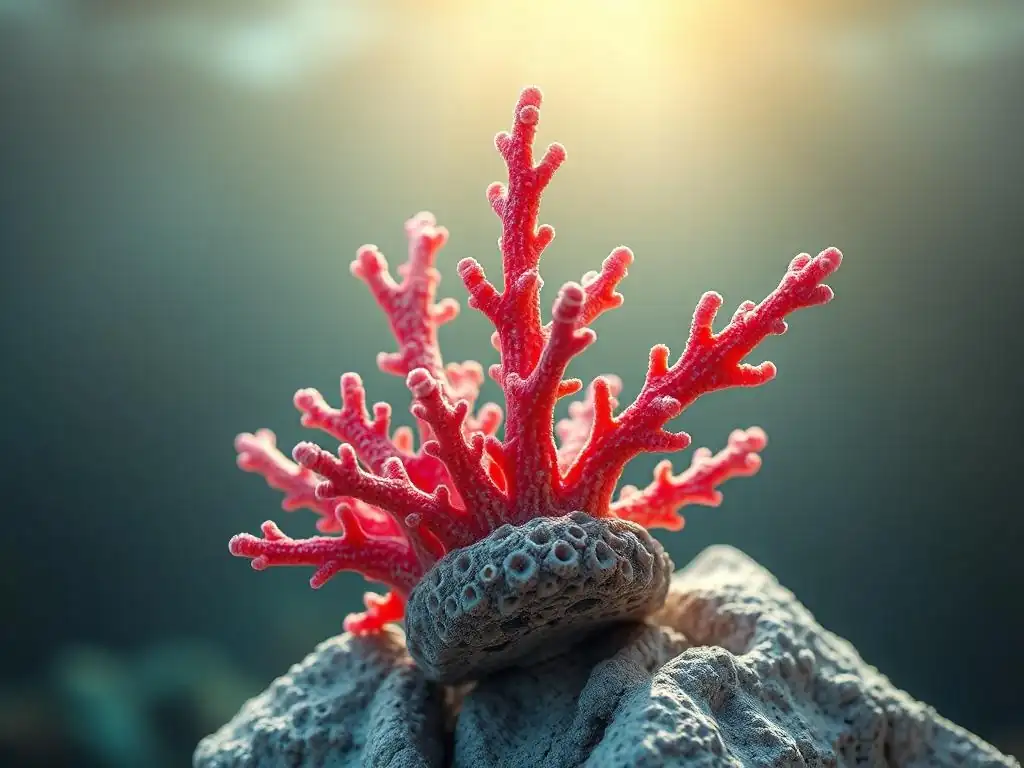
Successfully integrating new Small Polyp Stony (SPS) coral frags into a reef aquarium is a rewarding yet often challenging endeavor for aquarists. These corals, including popular genera like Acropora, Montipora, and Seriatopora, are renowned for their vibrant colors and intricate growth forms, but they demand precise environmental conditions to thrive. One of the most common hurdles encountered by hobbyists is the failure of new SPS frags to attach to their designated substrate, whether it's a frag plug, rock rubble, or the main aquascape.
This lack of attachment is not merely an aesthetic concern; it is a critical indicator of underlying issues that can prevent the coral from growing, coloring up, or even surviving long-term. Understanding the nuances of coral physiology and environmental requirements is paramount to diagnosing and resolving these attachment failures.
Why is My SPS Coral Frag Not Attaching? Common Causes
When an SPS coral frag fails to attach, it often signals that the coral is under significant stress, diverting its energy from growth and adhesion to basic survival. A primary culprit behind an SPS coral not attaching is often found in the aquarium's water chemistry, particularly the stability and optimal levels of key parameters.
SPS corals are calcifying organisms, meaning they extract calcium and carbonate ions from the water to build their aragonite skeletons. If alkalinity (dKH) fluctuates by more than 0.5 dKH over a 24-hour period, or if calcium levels drop below 400 ppm or magnesium below 1250 ppm, the coral's ability to calcify and produce the skeletal material needed for attachment is severely hampered.
For instance, a common scenario involves new frags being introduced to a system with slightly elevated nitrates (e.g., above 10 ppm) or phosphates (e.g., above 0.05 ppm), which, while not immediately lethal, can inhibit calcification and tissue growth, making it difficult for the frag to fuse with its new substrate.
Beyond water chemistry, environmental stressors like inadequate water flow or lighting can significantly impede an SPS coral not attaching. SPS corals require strong, turbulent, and varied water flow to deliver essential nutrients, remove waste products, and prevent the accumulation of detritus on their delicate tissue, especially at the base where attachment occurs.
If flow is too weak, detritus can settle around the frag's base, leading to tissue necrosis and preventing the coral from extending its growth plate to bond with the substrate. Conversely, excessively strong or direct laminar flow can physically stress the coral, causing polyp retraction and inhibiting the energy-intensive process of calcification and adhesion.
Similarly, insufficient Photosynthetically Active Radiation (PAR) levels (e.g., below 200 PAR for many common Acropora species) can prevent the symbiotic zooxanthellae within the coral's tissue from producing enough energy for the coral to grow and attach, leaving the frag in a perpetual state of attempting to recover rather than thrive.
Frequently Asked Questions
Why is my SPS coral frag not attaching to the plug or rock?
Several factors can prevent successful attachment, including poor water quality, insufficient light intensity, or inadequate flow. Ensuring stable parameters is crucial.
What are the most common water quality issues that prevent SPS coral attachment?
High levels of nitrates and phosphates, or unstable alkalinity, can inhibit coral growth and attachment. Regular testing and adjustments are vital.
How important is lighting for SPS coral attachment and growth?
SPS corals require intense lighting to photosynthesize and build their skeleton. Insufficient light will severely hinder attachment and overall health.
What role does water flow play in successful SPS coral frag attachment?
Adequate water flow is essential for delivering nutrients and removing waste products from the coral. Stagnant water hinders attachment.
Besides water quality, lighting, and flow, what else could be preventing my SPS coral from attaching?
Consider pests, such as coral-eating nudibranchs, or aggressive tank mates that might be bothering the coral. Inspect the frag carefully.
Final Reflection: The Fragile Beauty of Growth
The challenges discussed throughout this article, from water chemistry imbalances to pest infestations, highlight the delicate balance required for successful SPS coral propagation. Understanding the nuances of coral care is more crucial than ever, as the health of our reefs, both in our tanks and in the ocean, faces increasing pressures from climate change and pollution. The ability to successfully propagate these corals, even in a controlled environment, represents a small but significant step towards preserving their future.
This journey into the intricacies of SPS coral care has underscored the importance of patience, observation, and continuous learning. The frustration of a frag failing to attach is a universal experience for reef aquarists, but it's also an opportunity to deepen our understanding and refine our techniques. The sea, once it casts its spell, holds one in its net of wonder forever.
- Jacques Cousteau. This quote reminds us of the profound connection we share with the ocean and the responsibility we have to protect its inhabitants, even within the confines of our own aquariums.
Now, armed with this knowledge, consider how you can apply these lessons to your own reef-keeping journey. Reflect on your past experiences, identify areas for improvement, and embrace the challenges that lie ahead. By diligently applying the principles of careful observation, proactive maintenance, and a commitment to continuous learning, you can not only increase your success with SPS corals but also contribute to a greater understanding and appreciation for the fragile beauty of our marine ecosystems.
Ignite Your Reef: Transform SPS Setbacks into Success!
Thank you for diving into the world of SPS corals with us! We hope this guide has equipped you with valuable insights to overcome common challenges. Now, let's turn knowledge into action.
Here's how you can immediately improve your SPS coral propagation efforts:
- Reassess your water parameters TONIGHT. Focus on alkalinity, calcium, and magnesium – aim for stability above all else!
- Dive deeper: Research a less common SPS coral species that tolerates slightly different water conditions. Could it be a better fit for your current setup?
- Share your SPS fragging experiences! Connect with fellow reefers on social media and discuss your challenges and triumphs using #AquariumMasterySPS.
What specific adjustment will you make to your reef tank this week to create a more nurturing environment for your SPS corals?