
**Zoanthids**

Welcome to Aquarium Mastery!
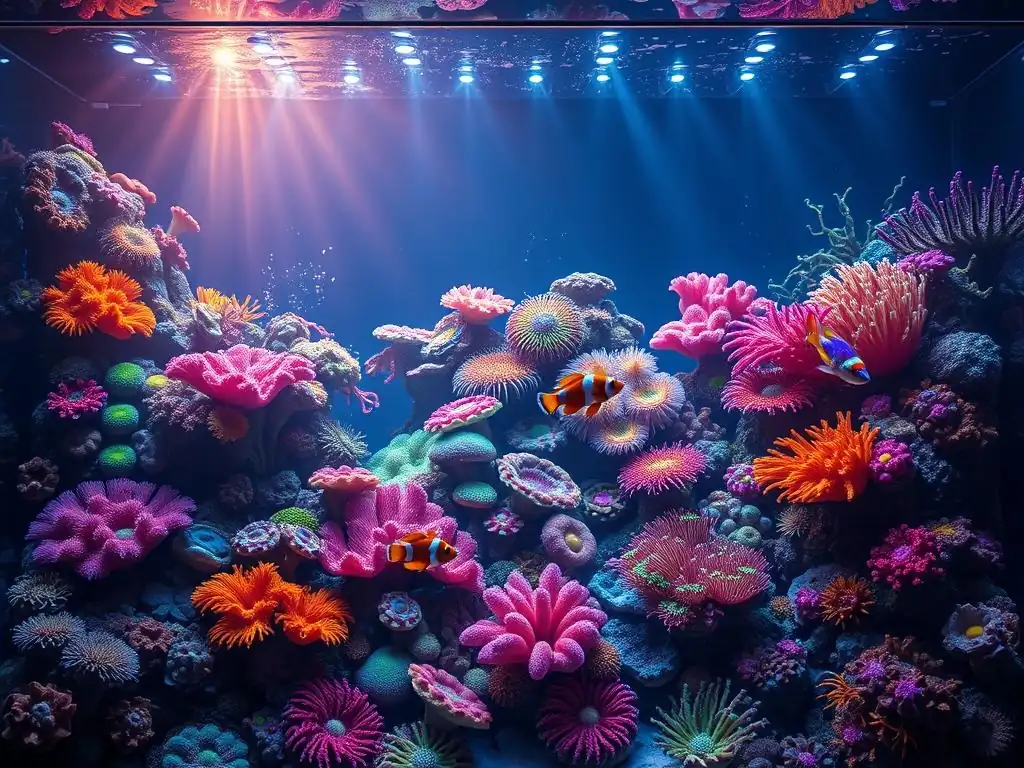
Ever wondered how to unlock the vibrant beauty of Zoanthids in your reef tank? These captivating corals can bring a splash of color and life to your aquarium, but mastering their care can feel like a secret. Dive in and discover our guide to the best zoanthid care tips, and learn how to cultivate a thriving colony in your slice of the ocean. Ready to unlock the secrets? Let's get started!
- Zoanthids: A Comprehensive Guide to Care, Placement, and Propagation
- Understanding Zoanthids for a Thriving Reef Aquarium
- Essential Zoanthid Care Tips for Vibrant Colonies
- Zoanthid Placement: Creating a Happy Habitat in Your Reef Tank
- Zoanthid Propagation: Fragging and Expanding Your Colony
- Common Zoanthid Problems and Solutions
- Maintaining Zoanthid Color: Enhancing Vibrancy and Preventing Fading
- Choosing the Right Zoanthids for Your Aquarium
- Zoanthid Safety: Palytoxin Concerns and Handling Precautions
- Conclusion: Mastering Zoanthid Care for a Stunning Reef Display
- Frequently Asked Questions
- Final Reflection: Cultivating Reefing Beauty
- Ignite Your Reef Tank: Dive Deeper into Zoanthid Beauty!
Zoanthids: A Comprehensive Guide to Care, Placement, and Propagation
Understanding Zoanthids for a Thriving Reef Aquarium
What are Zoanthids? Identifying These Popular Soft Corals
Zoanthids are a diverse group of colonial polyps belonging to the order Zoantharia, often mistaken for small anemones due to their appearance. They are a highly sought-after soft coral for reef aquariums due to their vibrant colors and relatively straightforward care requirements, making them an excellent choice for both novice and experienced aquarists. While commonly referred to as "zoas," this term broadly encompasses species from genera such as Zoanthus, Palythoa, and Protopalythoa, each with unique characteristics and growth patterns.
These captivating corals are widely distributed across the world's tropical and subtropical oceans, thriving in various reef environments from shallow, turbulent zones to deeper, calmer waters. Their ability to adapt to different light and flow conditions contributes to their popularity in home aquariums. Identifying specific species can be challenging due to their wide range of color morphs and subtle morphological differences, but their general colonial nature and small, individual polyps are hallmark features.
Zoanthid Morphology: Polyps, Mats, and Color Variations
Zoanthids typically consist of individual polyps, each with a central oral disc surrounded by a fringe of tentacles, usually numbering between 24 and 48. These polyps are connected by a fleshy mat-like tissue called a stolon, which allows the colony to spread across rockwork and substrate. The growth form can vary from encrusting mats that tightly adhere to surfaces to more loosely aggregated polyps.
One of the most striking features of zoanthids is their incredible diversity in coloration, which stems from the symbiotic zooxanthellae algae living within their tissues, as well as various pigments the coral produces. Available in virtually every color of the rainbow, some popular morphs are famously named, such as "Rastas" (green and orange), "Godzilla" (large, multi-colored), or "Utter Chaos" (red and green with yellow centers). These vivid hues can be influenced by lighting conditions and water parameters, making their care a rewarding endeavor for aquarists aiming for peak vibrancy.
Why Choose Zoanthids for Your Reef Tank? Benefits and Considerations
Choosing zoanthids for a reef tank offers numerous benefits, primarily their stunning aesthetic appeal, which can transform an ordinary aquarium into a kaleidoscope of color. They are generally considered hardy corals, forgiving of minor fluctuations in water parameters compared to more sensitive LPS (Large Polyp Stony) or SPS (Small Polyp Stony) corals. Their relatively fast propagation rate means a small frag can quickly grow into a substantial colony, providing excellent value and the opportunity for aquarists to share or trade frags.
However, there are important considerations. Some species, particularly those in the Palythoa genus, can produce palytoxin, a potent neurotoxin that requires careful handling. While not all zoanthids are highly toxic, it is prudent to treat all of them with caution. Additionally, their rapid growth can sometimes lead to them overgrowing and outcompeting slower-growing corals if not managed with appropriate placement and trimming. Understanding these aspects is key to successful zoanthid integration.
Essential Zoanthid Care Tips for Vibrant Colonies
Achieving Optimal Water Parameters for Zoanthids: Temperature, Salinity, and pH
Maintaining stable and optimal water parameters is fundamental to the health and vibrant coloration of zoanthids. For temperature, a consistent range of 76-82°F (24-28°C) is ideal, with stability being more critical than hitting an exact number. Sudden temperature swings can stress zoanthids, leading to polyp retraction or even melting.
Salinity should be maintained at a specific gravity of 1.025-1.026 (35 ppt), mirroring natural reef conditions. The pH level should consistently remain between 8.0 and 8.4. Beyond these, adequate levels of alkalinity (8-12 dKH), calcium (400-450 ppm), and magnesium (1250-1350 ppm) are important for their overall health, though zoanthids are less demanding in their uptake compared to stony corals. Regular water testing, ideally weekly or bi-weekly, helps identify and correct any deviations before they become problematic, ensuring these best zoanthid care tips are effectively applied.
The Importance of Lighting for Zoanthid Health and Coloration
Lighting is a critical factor for zoanthid health, as these corals rely heavily on their symbiotic zooxanthellae for energy through photosynthesis. Insufficient light can lead to browning and a lack of vigor, while excessive light can cause bleaching, where the zooxanthellae are expelled, resulting in a loss of color and potentially coral death. The goal is to provide a moderate intensity that encourages vibrant coloration and healthy growth without overwhelming the polyps.
Different zoanthid morphs may exhibit varying light preferences; some thrive under higher light, while others prefer shadier spots. Observing the polyps' behavior—whether they are fully extended and colorful or retracted and dull—can provide clues about their light comfort. Gradual acclimation to new lighting conditions is crucial, especially when introducing new corals or upgrading lighting fixtures, to prevent shock.
Choosing the Right Light Spectrum and Intensity for Zoanthids
When selecting lighting for zoanthids, a blue-dominant spectrum (typically between 450-470nm) is highly beneficial as it accentuates their natural fluorescence and promotes healthy zooxanthellae activity. Full-spectrum lighting that includes white, green, and red components can also be very effective, providing a balanced visual appearance for the tank. For intensity, most zoanthids thrive in PAR (Photosynthetically Active Radiation) levels ranging from 50 to 150 PAR.
LED lighting systems offer excellent control over both spectrum and intensity, allowing aquarists to fine-tune conditions for optimal zoanthid health and color. For example, a modest 20-gallon nano reef tank might flourish with a 30-watt LED fixture, while a larger 100-gallon display would require more powerful, broad-coverage units to achieve adequate PAR levels across the coralscape. Always start with lower intensity and gradually increase it over several weeks to allow the zoanthids to adapt.
Effective Water Flow for Zoanthid Growth and Prevention of Issues
Appropriate water flow is essential for zoanthids, serving multiple vital functions. Moderate, indirect flow helps to keep the polyps free of detritus and sediment, which can accumulate and irritate them, leading to retraction or even necrosis. It also facilitates the exchange of gases and nutrients around the polyps, ensuring they receive necessary elements for growth and expelling waste products efficiently.
Too strong or direct flow can cause zoanthid polyps to remain closed or appear "blown out," preventing them from feeding and photosynthesizing effectively. Conversely, insufficient flow can lead to stagnant areas where detritus settles, promoting the growth of undesirable algae around the colony. Aim for a gentle, turbulent flow that causes the polyps to sway gently without being constantly battered. For instance, achieving a total tank turnover rate of 10-20 times per hour, distributed by strategically placed powerheads, often provides the ideal diffused water movement.
Feeding Zoanthids: Supplementation for Enhanced Color and Growth
While zoanthids primarily derive their energy from photosynthesis through their symbiotic zooxanthellae, supplemental feeding can significantly enhance their growth rates, improve coloration, and boost overall vitality. They are filter feeders, capturing microscopic particles from the water column with their tentacles. Providing targeted nutrition can help them thrive beyond what light alone can offer.
Many aquarists observe a noticeable increase in polyp size and colony expansion when a consistent feeding regimen is implemented. This additional nutrient intake supports the coral's metabolic processes, leading to more robust health and resilience. The best zoanthid care tips often highlight the benefits of a varied diet to ensure all nutritional needs are met.
Recommended Zoanthid Foods and Feeding Schedules
For supplemental feeding, zoanthids respond well to a variety of small-particle foods. Recommended options include liquid phytoplankton, zooplankton, and specialized coral foods designed for filter feeders, such as Reef Roids or Polyp Lab's Polyp Booster. The key is to select foods with a particle size typically less than 200 microns, small enough for the polyps to ingest.
Feeding can be done 1-2 times per week, depending on the overall nutrient levels in the tank and the desired growth rate. Target feeding with a pipette or turkey baster can ensure that the food reaches the zoanthid polyps directly, minimizing waste and preventing excess nutrients from polluting the water. For example, spot feeding a small amount of concentrated zooplankton solution directly onto open polyps will yield better results than broadcasting food throughout a large tank.
Zoanthid Placement: Creating a Happy Habitat in Your Reef Tank
Ideal Substrate and Rock Placement for Zoanthid Colonies
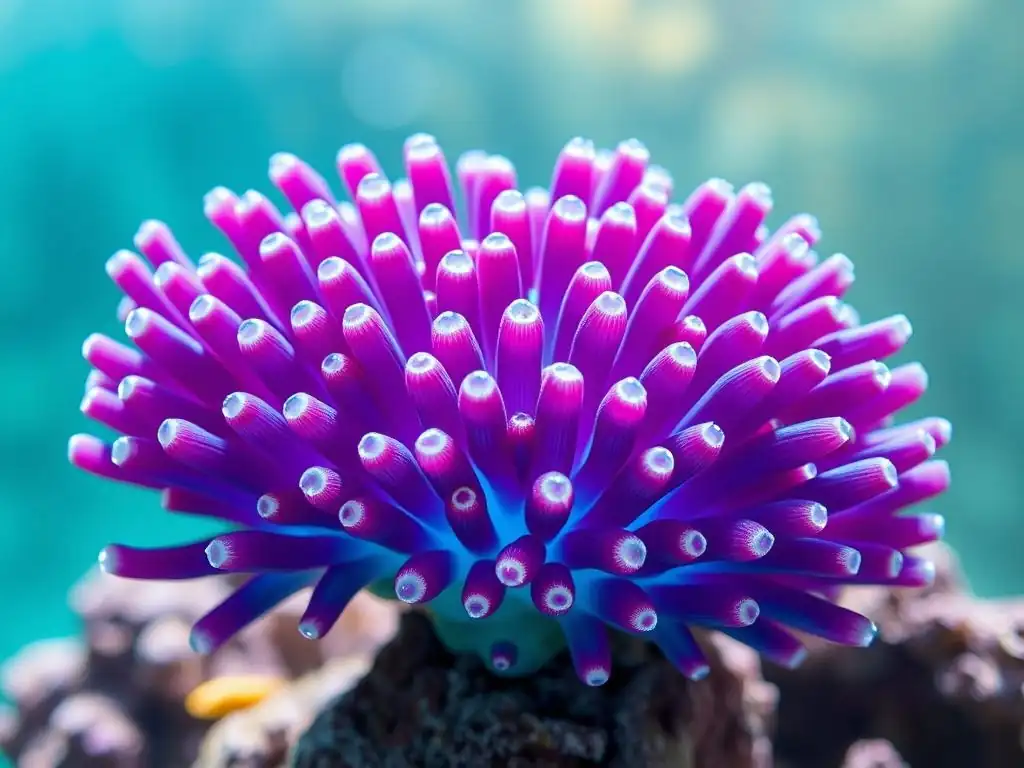
Strategic placement is crucial for the long-term success and aesthetic integration of zoanthids within a reef aquarium. Most zoanthids thrive when placed on stable rockwork, where their encrusting mats can spread and attach securely. While some species can grow on sand, they generally prefer solid surfaces.
Consider placing zoanthids in the mid to lower levels of the tank, where they receive moderate light intensity. Ensure they have ample space around them, as they can spread rapidly and potentially overshadow or irritate neighboring corals. For example, a colony placed on a flat, isolated rock can create a stunning "zoanthid garden" that allows for unimpeded growth and vibrant display.
Zoanthid Compatibility: Avoiding Conflicts with Other Corals and Invertebrates
Zoanthids are generally considered peaceful corals, but their rapid growth and potential for allelopathy (chemical warfare) necessitate careful consideration of their neighbors. While they typically don't possess long sweeping tentacles like some LPS corals, their proximity can still irritate or sting sensitive corals.
It is advisable to provide at least 3-6 inches of clearance between zoanthids and other corals, especially more delicate SPS or LPS species. Avoid placing them directly next to corals that are known to be aggressive stingers, as this can lead to a losing battle for the zoanthid colony. Observing how nearby corals react to zoanthid presence can help identify compatibility issues early on.
Understanding Zoanthid Allelopathy: Chemical Warfare in the Reef Tank
Allelopathy refers to the chemical competition between corals, where certain species release toxins or inhibitory compounds into the water to suppress the growth of competitors. Some zoanthid species, particularly Palythoa, are known to engage in allelopathy, releasing compounds that can negatively affect nearby corals. Symptoms in affected corals might include tissue recession, prolonged closing, or stunted growth.
To mitigate the effects of zoanthid allelopathy, maintaining excellent water quality is paramount. Regular water changes (e.g., 10-20% bi-weekly) help dilute any released toxins. The consistent use of activated carbon (e.g., 1-2 tablespoons per 50 gallons, changed every 2-4 weeks) is highly effective at absorbing these harmful compounds from the water column. Ensuring robust water flow also helps to dissipate chemicals and prevent their concentration in localized areas, contributing to overall reef harmony.
Zoanthid Propagation: Fragging and Expanding Your Colony
Safe Zoanthid Fragging Techniques: A Step-by-Step Guide
Propagating zoanthids, commonly known as fragging, is a rewarding process that allows aquarists to expand their colonies or share them with others. However, due to the potential presence of palytoxin, safety is paramount. Always wear eye protection (goggles) and sturdy nitrile or thicker gloves throughout the process. Perform fragging outside the main display tank in a separate container filled with tank water.
The most common technique involves using a sharp scalpel or bone cutters to carefully cut around a small cluster of polyps, ensuring that a piece of the mat-like tissue connecting them is included. Aim for clusters of 3-5 polyps for optimal success. Avoid crushing or tearing the polyps, as this can cause them to release toxins. After cutting, rinse the frag gently in clean tank water before proceeding to attachment.
Preparing Zoanthid Frags for Attachment: Glue, Plugs, and Mesh
Once zoanthid frags are safely separated, they need to be attached to a suitable substrate for growth. The most common method involves using cyanoacrylate gel glue, which is reef-safe and dries quickly. Apply a small dab of glue to a frag plug, a small piece of live rock rubble, or a ceramic disk. Then, gently press the base of the zoanthid frag onto the glue, holding it in place for 10-20 seconds until it adheres.
Some aquarists prefer to use a small piece of bridal veil mesh or a rubber band to secure larger, more irregularly shaped zoanthid mats to a plug until they naturally attach. Allow the glue to cure for a few minutes outside the tank before carefully returning the frag to the aquarium. Placing the newly fragged zoanthids in a low-flow, moderate-light area initially can help them recover and attach more quickly.
Optimizing Conditions for Zoanthid Frag Growth and Success
To ensure newly fragged zoanthids recover quickly and begin to grow, stable and optimal water parameters are crucial. Maintain consistent temperature, salinity, alkalinity, calcium, and magnesium levels as outlined in the general care section. Moderate water flow will help prevent detritus buildup and aid in nutrient delivery to the healing polyps, while moderate lighting will support their photosynthetic needs without causing stress.
Some aquarists utilize a dedicated "frag tank" or a specific area within their main display with slightly elevated nutrient levels to accelerate growth and healing. Dosing amino acids or coral vitamin supplements (e.g., 5ml per 50 gallons twice weekly) can also significantly boost the recovery process and encourage rapid new polyp formation. With these best zoanthid care tips, even small frags can quickly develop into thriving colonies.
Common Zoanthid Problems and Solutions
Recognizing and Treating Zoanthid Pests: Nudibranchs, Spiders, and More
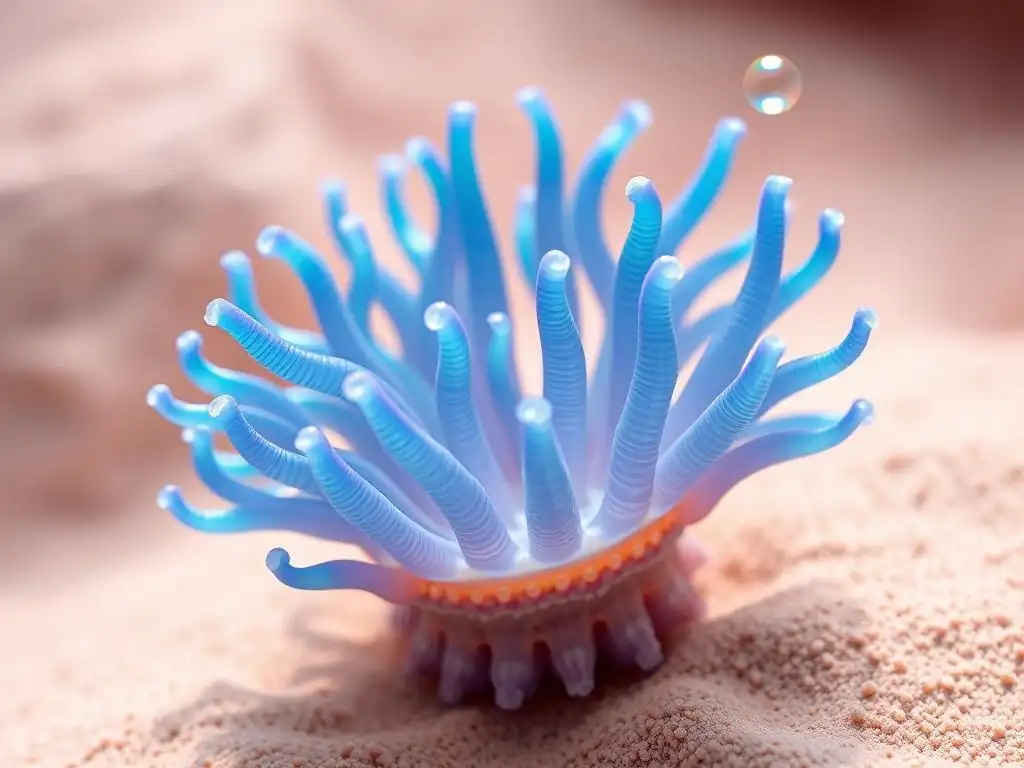
Zoanthids, while hardy, are susceptible to several pests that can quickly decimate a colony if left unchecked. Common zoanthid pests include zoanthid-eating nudibranchs, Sundial snails, and certain species of Asterina starfish. Symptoms of infestation often include polyps that remain closed, visible tissue damage, or the presence of the pests themselves, which can be camouflaged.
Regular, close inspection of zoanthid colonies, especially new arrivals, is the first line of defense. If pests are suspected, immediate action is required. Manual removal with tweezers is often effective for larger pests, while coral dips can help dislodge smaller ones. It's crucial to understand the specific pest to apply the most effective treatment.
Diagnosing and Treating Zoanthid Eating Nudibranchs
Zoanthid-eating nudibranchs (e.g., Aeolidiella stephanieae) are perhaps the most notorious zoanthid pest. They are small, often brown or tan, and expertly camouflaged to blend in with the zoanthid mat, making them difficult to spot. Their presence is usually indicated by polyps that fail to open, or by visible bite marks and tissue recession on the zoanthid mat. You might also spot their distinctive spiral egg masses.
Treatment typically involves a multi-pronged approach. Manual removal using tweezers is effective for visible nudibranchs. Following this, a coral dip using products like iodine-based dips, Revive Coral Cleaner, or Coral Rx can help dislodge remaining pests and their eggs.
Dips should be performed in a separate container with tank water, following manufacturer instructions carefully. Repeat treatments every 3-5 days for several weeks are often necessary to break the nudibranch life cycle, as eggs are resistant to dips. Quarantining all new zoanthids for at least 4-6 weeks in a separate tank allows for observation and treatment before introduction to the main display.
Addressing Zoanthid Diseases: Bacterial Infections and Fungal Issues
Zoanthids can occasionally suffer from diseases, often triggered by stress, poor water quality, or physical damage. Common symptoms include rapid tissue necrosis, white or fuzzy patches on the polyps or mat, or a general "melting" appearance where polyps dissolve. These issues can be indicative of bacterial infections or, less commonly, fungal problems.
Addressing these diseases requires prompt action. First, thoroughly check all water parameters to ensure they are stable and within optimal ranges, as poor water quality is a significant stressor. If only a small portion of the colony is affected, carefully removing the diseased polyps or fragging around the healthy tissue can prevent further spread. For more widespread issues, broad-spectrum coral dips specifically formulated for bacterial infections, such as those containing Furan-2 or similar antibiotics, can be used in a separate quarantine container. Always follow the product's instructions precisely.
Preventing Zoanthid Melt: Maintaining Stability and Addressing Stress
Zoanthid melt is a dreaded condition where polyps rapidly recede, appearing to dissolve or "melt" away from the mat, often turning into a slimy mess. This phenomenon is typically a severe stress response rather than a specific disease and can be caused by drastic swings in water parameters (e.g., sudden temperature drops, pH crashes), prolonged exposure to high nitrates or phosphates, light shock, or severe physical damage.
Prevention is the best cure for zoanthid melt. This involves maintaining unwavering stability in all water parameters, performing regular water changes to keep nutrient levels low, and ensuring proper acclimation for all new corals. When introducing new zoanthids, always acclimate them slowly to your tank's lighting and water chemistry. If melt begins, immediately perform a large water change (e.g., 25-30%), ensure strong filtration with activated carbon, and meticulously re-check all water parameters to identify and correct any underlying issues. Removing affected polyps before they completely dissolve can sometimes halt the spread.
Maintaining Zoanthid Color: Enhancing Vibrancy and Preventing Fading
The Role of Trace Elements in Zoanthid Coloration
While zoanthids primarily rely on light for their vibrant colors, certain trace elements play a crucial role in enhancing and maintaining their pigmentation. Elements such as iodine, potassium, strontium, and iron are vital for various metabolic processes within the coral and its symbiotic zooxanthellae, directly influencing the production of colorful pigments.
For instance, iodine is often associated with the intensification of pinks, purples, and reds in corals, while iron can boost green and yellow hues. While regular water changes typically replenish some trace elements, in heavily stocked or mature reef tanks, these elements can become depleted. Dosing high-quality, reef-safe trace element supplements according to the manufacturer's instructions can significantly contribute to the vibrancy and health of zoanthid colonies, making it one of the best zoanthid care tips for color.
Understanding Zoanthid Color Morphs and Variations
The dazzling array of zoanthid colors is due to a combination of genetic predisposition and environmental influences. Each "color morph" or "strain" (e.g., "Gatorade," "Vampire," "Blue Hornets") possesses a unique genetic makeup that dictates its potential color palette. However, the expression of these colors can be profoundly affected by the aquarium environment, particularly lighting.
The specific light spectrum and intensity provided can significantly impact how vibrant and true-to-type a zoanthid's colors appear. For example, a blue-heavy light often enhances fluorescence, making certain colors pop, while a more balanced spectrum might bring out deeper, richer tones. Understanding that a zoanthid's color can shift slightly based on your tank's conditions helps in optimizing its placement and lighting to achieve peak aesthetic appeal.
Advanced Zoanthid Care: Optimizing for Peak Performance
For aquarists seeking to achieve the absolute best performance from their zoanthids, advanced care involves a holistic and meticulous approach. Beyond maintaining stable core parameters, consistency in daily and weekly maintenance routines is paramount. This includes regular water testing, precise dosing of trace elements and amino acids, and diligent nutrient export strategies.
Implementing a refugium with macroalgae or utilizing biopellets can help maintain ultra-low nutrient levels, which often correlates with better coral coloration and reduced nuisance algae. Dosing high-quality amino acids and vitamins (e.g., 5ml per 50 gallons twice weekly) can provide additional building blocks for coral growth and vitality, leading to larger polyps and more intense colors. Regularly observing zoanthid behavior and color changes allows for proactive adjustments, ensuring these best zoanthid care tips result in truly stunning reef displays.
Choosing the Right Zoanthids for Your Aquarium
Popular Zoanthid Species and Color Variations
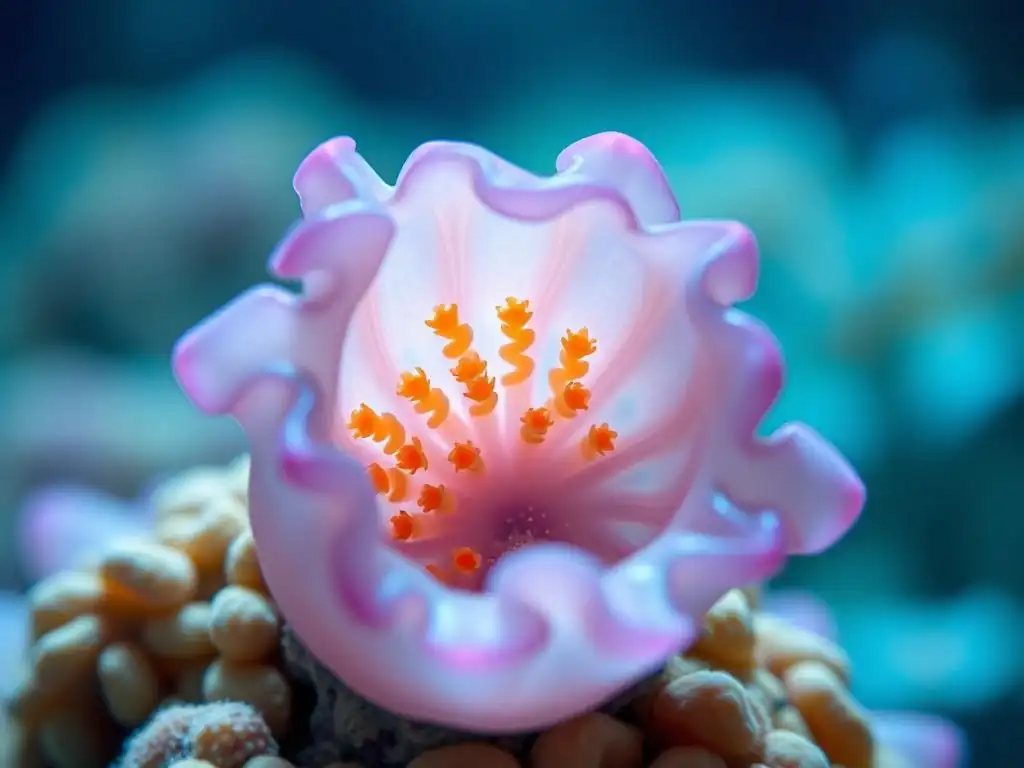
When selecting zoanthids for your aquarium, you'll encounter a vast array of species and countless color variations, often given catchy trade names. The most common genera are Zoanthus spp., Palythoa spp., and Protopalythoa spp. Popular Zoanthus morphs include the bright "Rastas" (green skirt, orange center), "Utter Chaos" (red with green and yellow accents), and "Blue Hornets" (dark blue with a yellow-orange eye).
Palythoa species tend to have larger polyps and often come in earthier tones, while Protopalythoa features even larger polyps, sometimes with a more anemone-like appearance. Each offers unique visual appeal and generally shares similar care requirements, making them accessible to a wide range of aquarists. Their relative ease of care and widespread availability make them an excellent choice for adding vibrant splashes of color to any reef tank.
Sourcing Healthy Zoanthids: Reputable Vendors and Quarantine Procedures
Sourcing healthy zoanthids is a critical step in preventing the introduction of pests and diseases into your reef aquarium. Always purchase from reputable vendors, whether online or at local fish stores, who can provide information on the coral's origin and husbandry. Look for zoanthids that have fully open polyps, vibrant coloration, and no visible signs of damage, tissue recession, or pests.
Upon bringing new zoanthids home, a strict quarantine procedure is essential. Place new corals in a separate quarantine tank for at least 3-4 weeks. During this period, observe them daily for any signs of pests (like nudibranchs or Sundial snails) or diseases. All new arrivals should receive a prophylactic coral dip, even from trusted sources, to dislodge any hitchhikers. This proactive approach significantly reduces the risk of introducing unwanted organisms into your main display, safeguarding your existing inhabitants.
Zoanthid Acclimation: Introducing New Corals to Your Reef Tank
Proper acclimation is vital for minimizing stress and ensuring the successful integration of new zoanthids into your reef tank. Begin with temperature acclimation by floating the sealed bag in your sump or display tank for 15-20 minutes to equalize temperatures. For water chemistry acclimation, a slow drip acclimation method is highly recommended.
Carefully open the bag, transfer the zoanthid and its water into a small container, and slowly drip water from your display tank into the container using airline tubing. Aim for a drip rate that doubles the volume of water in the container over 30-60 minutes. Once acclimated, carefully place the zoanthid in a lower-light area of your tank initially. Over several days to a week, gradually move it to its desired permanent location, allowing it to slowly adjust to your tank's specific lighting intensity and flow, promoting its long-term health and vibrancy.
Zoanthid Safety: Palytoxin Concerns and Handling Precautions
Understanding the Risks of Palytoxin Exposure
Palytoxin is an extremely potent neurotoxin produced by some species of Palythoa and, to a lesser extent, certain Zoanthus species. It is considered one of the most toxic non-protein substances known. Exposure can occur through skin contact, inhalation of aerosols, or ingestion. The toxin can be released when polyps are damaged, cut, scraped, or when dried rock containing zoanthid remnants is boiled or cooked.
Symptoms of palytoxin exposure can range from localized skin irritation to severe systemic effects, including respiratory distress, fever, muscle pain, flu-like symptoms, and in extreme cases, hospitalization or worse. Even small amounts can be dangerous, making safe handling practices non-negotiable for anyone working with these corals. Understanding these risks is a foundational part of the best zoanthid care tips.
Safe Handling Practices for Zoanthids and Palytoxin Mitigation
Given the potential for palytoxin exposure, strict safety protocols must always be followed when handling zoanthids. Always wear appropriate personal protective equipment (PPE), including eye protection (goggles or safety glasses) and sturdy, disposable gloves (nitrile gloves are a minimum; thicker chemical-resistant gloves are preferred). Never handle zoanthids with open cuts or abrasions on your skin.
All fragging or any procedure that might damage the polyps should be performed outside the main display tank, in a separate container filled with tank water. Work in a well-ventilated area to prevent inhalation of any aerosols that might be released. Crucially, never boil or use hot water on rocks or decorations that have had zoanthids on them, as this can aerosolize the toxin. After handling, thoroughly wash your hands and any exposed skin with soap and water.
First Aid for Palytoxin Exposure: What to Do in Case of Contact
In the unfortunate event of palytoxin exposure, immediate action is critical.
- Skin contact: If skin contact occurs, immediately and thoroughly wash the affected area with soap and plenty of water for several minutes.
- Eye contact: If zoanthid material gets into the eyes, rinse them continuously with water for at least 15 minutes and seek immediate medical attention.
- Inhalation: If symptoms such as coughing, shortness of breath, or flu-like symptoms develop after potential inhalation, move to fresh air immediately and seek urgent medical attention.
- Ingestion: If zoanthid material is ingested, do NOT induce vomiting. Seek immediate medical attention or contact a poison control center right away.
Always err on the side of caution. If you suspect palytoxin exposure and experience any symptoms, no matter how mild, contact your local emergency services or a poison control center immediately. Inform medical personnel that you were handling corals potentially containing palytoxin.
Conclusion: Mastering Zoanthid Care for a Stunning Reef Display
Mastering zoanthid care is a rewarding journey that culminates in a vibrant, dynamic reef display. By adhering to the best zoanthid care tips, aquarists can ensure these popular soft corals not only survive but truly thrive. The core principles revolve around maintaining unwavering water parameter stability, providing appropriate lighting and moderate water flow, and offering supplemental nutrition to enhance their growth and breathtaking coloration.
Equally important are diligent observation for pests and diseases, and above all, strict adherence to safety protocols when handling these potentially toxic corals. With attention to detail and a proactive approach to husbandry, zoanthids will reward you with their captivating beauty, transforming your aquarium into a stunning underwater masterpiece for years to come.
Frequently Asked Questions
What are Zoanthids and why are they popular in reef aquariums?
Zoanthids are a type of soft coral known for their bright colors and relatively easy care. They are popular because they add visual interest and are generally more forgiving than many other coral species.
What are the key water parameters to maintain for healthy Zoanthids?
Maintaining stable water parameters is crucial. Keep alkalinity between 8-11 dKH, calcium around 400-450 ppm, and magnesium between 1250-1350 ppm. Regular testing is recommended.
What type of lighting is best for Zoanthids?
Zoanthids generally thrive under moderate lighting. While they can adapt to different intensities, too much or too little light can cause them to close up or bleach.
What should I feed my Zoanthids?
While Zoanthids can survive on photosynthesis and absorbing nutrients from the water, supplementing their diet with small particulate foods like phytoplankton or coral-specific foods can improve their growth and coloration.
What are some common problems Zoanthids face and how can I prevent them?
Common issues include zoanthid eating nudibranchs, bacterial infections, and rapid tissue necrosis (RTN). Quarantine new additions and maintain excellent water quality to prevent these problems.
Okay, here's a final reflection you can use for your article on Zoanthids, designed to resonate with readers and encourage further engagement, while keeping the SEO focus in mind:
Final Reflection: Cultivating Reefing Beauty
The journey through the vibrant world of Zoanthids, as we've explored, highlights not only their captivating beauty but also the delicate balance required for their thriving existence in our reef aquariums. Understanding the nuances of their care, from water parameters to lighting, is paramount to unlocking their full potential and ensuring a healthy, flourishing reef ecosystem.
The allure of Zoanthids extends beyond their aesthetic appeal; they represent a microcosm of the larger marine environment, demanding our respect and responsible stewardship. My own experiences with these fascinating corals have underscored the importance of patience and observation in reef keeping, a lesson applicable far beyond the confines of a glass tank. In the end, we will conserve only what we love; we will love only what we understand; and we will understand only what we are taught.
- Baba Dioum. This quote resonates deeply, reminding us that informed care is the foundation of appreciation and conservation.
As you embark on your own Zoanthid-keeping adventure, remember that success lies not just in following the "best zoanthid care tips," but in cultivating a deeper understanding of these remarkable creatures. Let the knowledge shared here inspire you to create a thriving reef environment, contributing to the beauty and health of our planet, one polyp at a time.
Ignite Your Reef Tank: Dive Deeper into Zoanthid Beauty!
Thank you for exploring the mesmerizing world of Zoanthids with us! We hope you've gained a newfound appreciation for these vibrant corals and are ready to take your reef tank to the next level. Now, let's turn that inspiration into action!
- First, take the plunge and select a Zoanthid frag that speaks to you – consider its color, pattern, and growth form, then introduce it carefully into your reef aquarium.
- Next, document your Zoanthids' growth journey! Start an aquarium journal or share photos and tips with fellow reef enthusiasts on social media using #ZoanthidLove.
- Finally, surprise yourself (and your Zoanthids!) by experimenting with targeted feeding – try a small amount of phytoplankton or coral-specific food to see if their colors pop even more!
What's the single, boldest Zoanthid color combination you're dreaming of adding to your reef tank right now? Share your inspiration in the comments below!