
The Secret to Vibrant Euphyllia Colors: Beyond Basic Care

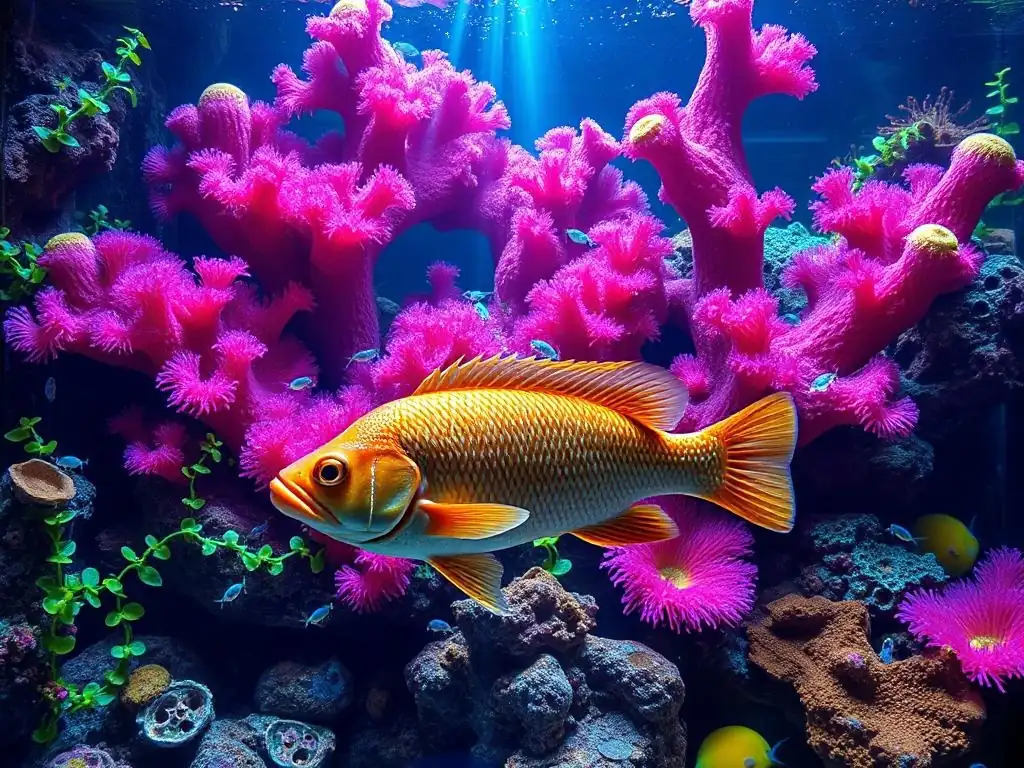
Welcome to Aquarium Mastery!
Ever wondered why some Euphyllia corals explode with breathtaking color while others remain… well, just okay? This isn't just about luck! Dive into our deep-dive on Euphyllia coral color tips and unlock the secrets to achieving truly vibrant hues in your own LPS masterpiece. Get ready to go beyond basic care and discover the hidden factors that will transform your Euphyllia corals into a stunning focal point of your reef tank. Intrigued? Let's get started!
- Achieving Vibrant Euphyllia Colors: A Comprehensive Guide
- Understanding Euphyllia Coral Coloration
- Optimizing Lighting for Intense Euphyllia Coral Color
- Water Chemistry and its Influence on Euphyllia Color
- Feeding for Enhanced Euphyllia Coloration
- Identifying and Addressing Factors Affecting Euphyllia Coral Color
- Advanced Techniques for Maximizing Euphyllia Color Potential
- Maintaining Long-Term Vibrant Colors in Your Euphyllia
- Conclusion: Mastering the Art of Vibrant Euphyllia Coral Color
-
Frequently Asked Questions
- How important is water quality for Euphyllia coral color?
- What role does lighting play in Euphyllia coral coloration?
- Can feeding Euphyllia corals enhance their color?
- What are some common signs that my Euphyllia coral is losing its color?
- Are there specific additives that can improve Euphyllia coral color?
- Final Reflection: Unlocking the Rainbow Within
- Unleash the True Colors of Your Euphyllia!
Achieving Vibrant Euphyllia Colors: A Comprehensive Guide
Understanding Euphyllia Coral Coloration
The Role of Zooxanthellae in Euphyllia Colors
The vibrant colors often observed in Euphyllia corals are significantly influenced by a symbiotic relationship with microscopic algae called zooxanthellae. These single-celled dinoflagellates reside within the coral's tissue, performing photosynthesis and providing the coral host with up to 90% of its energy needs in the form of sugars and amino acids.
The primary pigments within zooxanthellae, such as chlorophyll a, chlorophyll c2, and peridinin, impart various shades of brown, green, and yellowish hues to the coral. The density of these zooxanthellae, which can fluctuate based on light availability and nutrient levels, directly impacts the perceived color; higher densities often result in browner corals, while lower densities can reveal the coral's underlying skeletal or protein-based colors.
Beyond providing essential energy, the health and population of zooxanthellae are critical for maintaining the coral's overall vitality and color stability. When a Euphyllia coral is stressed due to adverse conditions like sudden temperature shifts (e.g., an increase of just 2-3°F above optimal), extreme lighting (e.g., PAR levels consistently above 200), or poor water quality, it may expel its zooxanthellae, leading to coral bleaching and a drastic loss of color.
Conversely, conditions that promote healthy zooxanthellae growth, such as stable parameters and appropriate light spectrum, contribute to the robust appearance and coloration of the coral, making these Euphyllia coral color tips crucial for aquarists.
Genetic Factors Influencing Euphyllia Color Expression
While zooxanthellae contribute to some of the coral's coloration, many of the striking blues, purples, greens, and even some reds seen in Euphyllia corals are a result of the coral's own production of fluorescent and non-fluorescent proteins. These proteins, often categorized as GFP-like proteins (Green Fluorescent Proteins) and chromoproteins, absorb light at specific wavelengths and re-emit it at different, longer wavelengths, creating a dazzling display of colors.
For instance, blue light (around 450-470 nm) is particularly effective at exciting many of these fluorescent proteins, leading to the characteristic glow of torch ( Euphyllia glabrescens) or hammer ( Euphyllia ancora) corals under actinic lighting.
The specific array and concentration of these genetic proteins are determined by the coral's unique genetic makeup, leading to the vast diversity of Euphyllia morphs available in the hobby. Different genetic lineages of Euphyllia, whether they are a 'Holy Grail' Torch, a 'Toxic Green' Hammer, or a 'Cotton Candy' Frogspawn, inherently possess the genetic blueprint to express particular color combinations.
This means that while optimal care can enhance the vibrancy of these genetically predetermined colors, it cannot fundamentally change a coral's genetic potential from, say, a green variant to a red one. Understanding these inherent genetic predispositions is key among Euphyllia coral color tips when selecting specimens for your aquarium.
Environmental Impact on Euphyllia Color: Light, Water, and Stability
The environmental conditions within an aquarium profoundly impact the expression and vibrancy of Euphyllia coral colors. Light is arguably the most significant factor, influencing both the health of zooxanthellae and the production of the coral's intrinsic fluorescent proteins. Inadequate light (low PAR) can lead to dulling or browning as zooxanthellae attempt to maximize light capture, while excessive light (high PAR) can cause bleaching or stress, leading to a loss of both zooxanthellae and coral tissue. The spectrum of light also plays a crucial role, with blue-heavy lighting often enhancing the fluorescence of many Euphyllia species.
Beyond lighting, the stability and quality of water parameters are paramount for maintaining vibrant Euphyllia hues. Fluctuations in salinity, temperature, alkalinity, calcium, and magnesium levels can induce stress, diverting the coral's energy from color protein production to basic survival and repair. For instance, a sudden drop in alkalinity from 8.5 dKH to 7.0 dKH over a few days can significantly stress a Euphyllia, leading to polyp retraction and a noticeable dulling of its colors. Consistent maintenance and minimal parameter swings are therefore essential Euphyllia coral color tips for long-term health and aesthetic appeal.
Optimizing Lighting for Intense Euphyllia Coral Color
The Importance of PAR for Euphyllia Color Development
Photosynthetically Active Radiation (PAR) is a critical metric for assessing the light energy available for photosynthesis, directly impacting the health and color development of Euphyllia corals. Euphyllia species generally thrive in moderate PAR levels, typically ranging from 75 to 150 PAR at the coral's location. Within this range, zooxanthellae can efficiently convert light energy into food, supporting the coral's metabolic processes and allowing it to allocate energy towards producing vibrant coloration. If PAR levels are too low, the coral may appear dull, brown, or stretched as zooxanthellae proliferate to capture more light, leading to a less desirable appearance.
Conversely, excessively high PAR levels, such as those consistently above 200 PAR for an unacclimated coral, can be detrimental. High intensity light can cause oxidative stress, leading the coral to expel its zooxanthellae in a process known as bleaching, resulting in a stark loss of color.
Some vibrant colors, particularly certain greens and blues, are produced by the coral's own fluorescent proteins which often thrive under specific, moderate PAR conditions combined with the right spectrum. Therefore, understanding and accurately measuring PAR with a PAR meter is one of the most fundamental Euphyllia coral color tips to ensure both health and intense coloration.
Best Lighting Spectrum for Enhancing Euphyllia Colors (LED, T5, Hybrid)
The spectrum of light, specifically the wavelengths provided, plays a crucial role in enhancing the diverse colors of Euphyllia corals. Blue and royal blue wavelengths (approximately 450-470 nm) are particularly effective at exciting the fluorescent proteins within many Euphyllia species, making their blues, greens, and purples pop.
Actinic lighting (400-420 nm), which includes violet and near-UV wavelengths, can also contribute to deeper blues and fluorescence. While a predominantly blue spectrum enhances fluorescence, a balanced spectrum including some white light (e.g., 6,500K to 14,000K) is necessary to support the full photosynthetic needs of zooxanthellae and promote overall coral health and growth, which in turn supports vibrant colors.
Modern lighting options like LEDs, T5 fluorescents, and hybrid systems each offer unique advantages for optimizing Euphyllia coral color tips. LEDs provide unparalleled control over spectrum and intensity, allowing aquarists to fine-tune specific wavelengths to maximize desired color expression, often with programmable schedules that mimic natural light cycles.
T5s, known for their broad and even light spread, can deliver excellent PAR and a consistent spectrum, often in combinations like a 2:1 blue to white ratio (e.g., four blue bulbs to two white bulbs) to achieve a visually appealing and coral-beneficial light. Hybrid systems, combining the power and spread of T5s with the customization of LEDs, are often considered by advanced aquarists to provide the best of both worlds for achieving peak Euphyllia coloration.
Acclimation Strategies: Preventing Light Shock and Color Changes
Introducing a new Euphyllia coral to an aquarium or significantly changing the lighting intensity or spectrum requires a careful acclimation strategy to prevent light shock and subsequent color loss. Corals that are suddenly exposed to much higher PAR levels than they are accustomed to can become stressed, leading to polyp retraction, tissue recession, or even bleaching as their zooxanthellae are overwhelmed and expelled. This can result in a significant dulling or complete fading of the coral's vibrant hues, making slow and controlled acclimation a vital component of effective Euphyllia coral color tips.
To acclimate Euphyllia effectively, aquarists can employ several methods. One common approach is to start the coral lower in the tank where PAR levels are reduced, and gradually move it up over a period of several weeks, assessing its response daily. Alternatively, if using adjustable LED lighting, the intensity can be dimmed significantly (e.g., to 50% or less of the target intensity) and slowly increased by 5-10% weekly over 2-4 weeks until the desired PAR level is reached.
Using multiple layers of screen mesh over the coral for the first few days can also help diffuse intense light. Observing the coral's polyp extension and color consistency throughout this process is crucial to ensure it adapts well and maintains its stunning coloration.
Water Chemistry and its Influence on Euphyllia Color
Maintaining Optimal Alkalinity, Calcium, and Magnesium Levels for Coloration
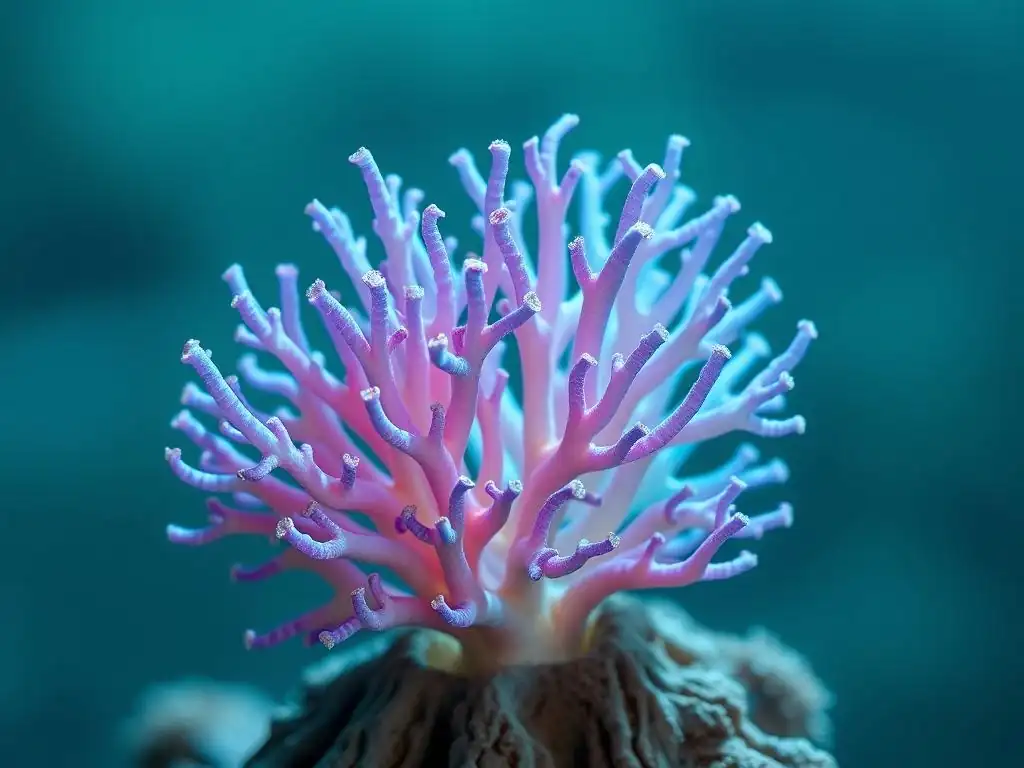
Stable and optimal levels of alkalinity, calcium, and magnesium are foundational for the health and vibrant coloration of Euphyllia corals, as these elements are crucial for calcification – the process by which corals build their aragonite skeletons. Alkalinity, ideally maintained between 7-9 dKH, provides the carbonate ions necessary for skeletal growth. Calcium, typically kept at 400-450 ppm, is the primary building block of the skeleton. Magnesium, at 1300-1400 ppm, helps maintain the correct balance for calcium uptake and prevents precipitation of calcium carbonate, ensuring these ions are bioavailable for the coral.
Fluctuations or deficiencies in these parameters can severely stress Euphyllia corals, leading to reduced growth, poor polyp extension, and a noticeable dulling of their colors. When a coral is stressed by unstable parameters, its energy is diverted from maintaining vibrant coloration to basic survival and repair processes.
For instance, if alkalinity drops too low, calcification slows, and the coral's overall vitality diminishes, which will inevitably impact its color. Regular testing (e.g., alkalinity daily or every other day, calcium and magnesium 2-3 times weekly) and consistent dosing to maintain these levels within their ideal ranges are paramount Euphyllia coral color tips for sustaining long-term, intense hues.
The Impact of Nitrate and Phosphate on Euphyllia Coral Color
Nitrate and phosphate, often referred to as nutrients, play a nuanced role in Euphyllia coral coloration. While extremely high levels are detrimental, leading to nuisance algae growth and potential coral tissue degradation, overly low levels can also be problematic. Zooxanthellae, the symbiotic algae within the coral tissue, require small amounts of these nutrients for their photosynthetic processes. A "sweet spot" for Euphyllia typically involves nitrate levels between 2-10 ppm and phosphate levels between 0.02-0.08 ppm. Maintaining this balance is a critical aspect of Euphyllia coral color tips.
When nitrate and phosphate levels are excessively high (e.g., nitrates consistently above 20 ppm, phosphates above 0.1 ppm), Euphyllia corals can "brown out." This occurs because the zooxanthellae proliferate excessively in the nutrient-rich environment, increasing their density within the coral tissue and masking the coral's own vibrant fluorescent proteins, resulting in a dull, brownish appearance.
Conversely, if nutrient levels are too low (e.g., undetectable nitrates and phosphates), the zooxanthellae may starve, leading to lighter colors or even bleaching, as the coral lacks sufficient energy. Therefore, a balanced nutrient management strategy is essential for achieving and maintaining optimal Euphyllia coral color.
Trace Elements and Their Role in Vibrant Euphyllia Hues (Iodine, Strontium)
While macronutrients and major elements are widely recognized for their impact on coral health, trace elements, present in very small concentrations, also contribute to the overall vitality and potentially the coloration of Euphyllia corals. Elements like iodine and strontium are often discussed in the context of coral care.
Iodine is believed by some aquarists to play a role in zooxanthellae health and may help corals cope with stress, indirectly supporting color retention. Strontium, being chemically similar to calcium, is incorporated into the coral's aragonite skeleton, and its presence is thought to aid in calcification and healthy growth, which in turn supports robust tissue and vibrant colors.
However, the direct link between specific trace element supplementation and enhanced coral coloration is often anecdotal and less scientifically established compared to the roles of light and major water parameters. Many high-quality salt mixes already contain a balanced array of trace elements, and regular water changes with these mixes can replenish them sufficiently.
Overdosing trace elements can be harmful, so caution is advised. If considering supplementation, a broad-spectrum reef trace element mix designed for reef aquariums is generally preferred over single-element dosing, as it aims to provide a comprehensive profile of what corals naturally absorb from seawater, contributing to overall health and optimizing Euphyllia coral color potential.
Feeding for Enhanced Euphyllia Coloration
Target Feeding Euphyllia: Selecting the Right Foods (Mysis, Brine Shrimp)
Euphyllia corals are predatory LPS (Large Polyp Stony) corals capable of capturing and consuming relatively large food particles, making target feeding an effective strategy for enhancing their growth, health, and ultimately, their color vibrancy. While they derive most of their energy from photosynthesis by their zooxanthellae, supplemental feeding provides essential nutrients, proteins, and fatty acids that contribute to tissue mass and the production of their intrinsic fluorescent proteins. Suitable food items include frozen Mysis shrimp, which are rich in protein and highly nutritious lipids, and enriched brine shrimp.
When target feeding, it's best to turn off circulation pumps briefly to allow the food to settle on the coral's polyps without being immediately washed away. Euphyllia corals have strong feeding responses; their sweeping tentacles will extend and grasp food particles. Feeding 2-3 times per week is generally sufficient for most Euphyllia colonies. The size of the food particle should be appropriate for the coral's polyp size, typically ranging from 0.5mm to 3mm. Consistent, appropriate feeding is one of the most direct Euphyllia coral color tips that directly contributes to the coral's robust health and capacity for vibrant coloration.
The Link Between Amino Acids and Euphyllia Color Intensity
Amino acids are the fundamental building blocks of proteins, including the fluorescent and chromoproteins responsible for the striking blues, greens, and purples seen in many Euphyllia corals. While corals can produce some amino acids internally and obtain others from their zooxanthellae, supplementing with specific amino acid solutions can provide a direct and readily available source for these vital compounds. This can be particularly beneficial for enhancing the intensity of the coral's genetically expressed colors, especially in specimens that rely heavily on their own protein production for their coloration.
Commercial amino acid supplements designed for reef aquariums typically contain a blend of essential and non-essential amino acids. When dosed according to manufacturer instructions, these supplements can support the coral's metabolic processes, promote tissue growth, and provide the raw materials for pigment synthesis. Many aquarists observe a noticeable increase in the vibrancy and "pop" of their Euphyllia's colors after consistent amino acid supplementation. While not a substitute for optimal water parameters and lighting, incorporating amino acids into a feeding regimen can be a powerful addition to your Euphyllia coral color tips arsenal for maximizing their aesthetic appeal.
Supplementing with Coral Foods to Boost Color Pigmentation
Beyond specific items like Mysis and brine shrimp, a variety of commercial coral foods are available that can significantly boost Euphyllia color pigmentation by providing a comprehensive nutritional profile. These foods often come in liquid, powdered, or frozen forms and are formulated to deliver a balanced mix of proteins, lipids, carbohydrates, vitamins, and minerals that support overall coral health and specific color-producing pathways. Many formulations include components like phytoplankton and zooplankton, which mimic the natural diet of corals in the wild.
Regular supplementation with a diverse range of coral foods ensures that Euphyllia corals receive all the necessary micronutrients that may not be fully supplied by photosynthesis or infrequent target feeding. For instance, some foods are enriched with carotenoids, which are pigments that can be directly incorporated by corals or their zooxanthellae, potentially enhancing reds, oranges, and yellows. Rotating different types of coral foods (e.g., a liquid blend one day, a frozen blend another) can provide a broader spectrum of nutrients, leading to more robust health and a greater capacity for Euphyllia coral color expression.
Identifying and Addressing Factors Affecting Euphyllia Coral Color
Recognizing Signs of Coral Stress and Color Fading
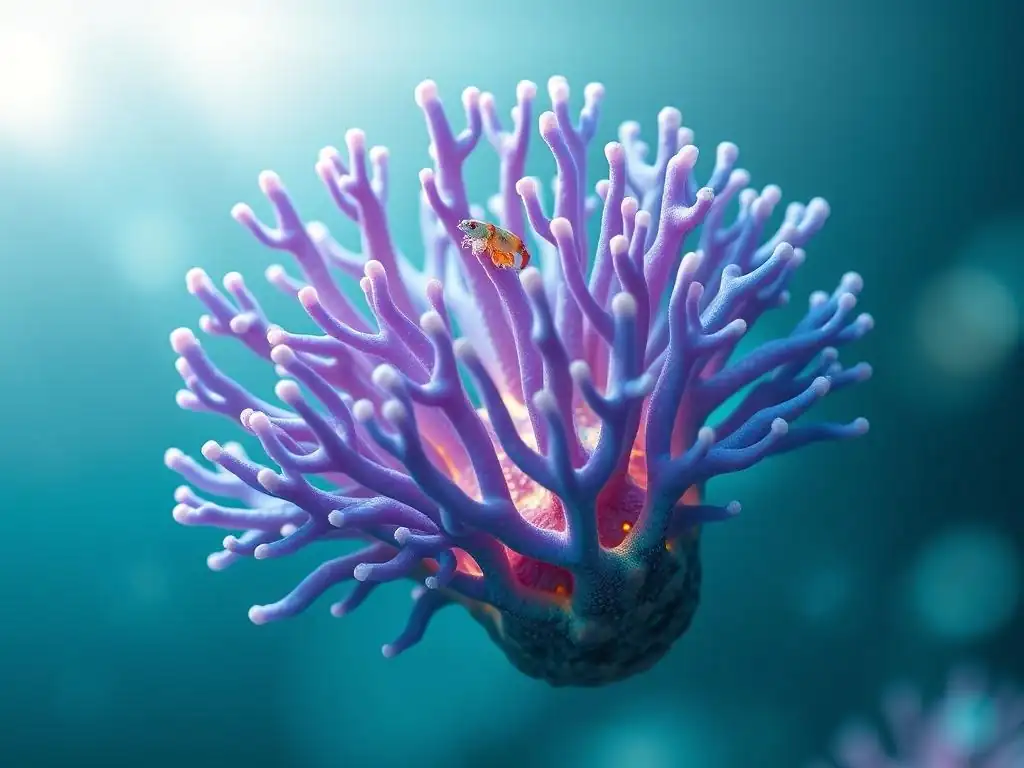
Recognizing the early signs of stress in Euphyllia corals is crucial for preventing significant color loss and promoting recovery. One of the most immediate indicators is a noticeable fading or dulling of the coral's characteristic vibrant hues. For example, a bright green hammer coral might begin to appear a muted olive or even brownish. This can be accompanied by reduced polyp extension, where the tentacles appear shorter or less inflated than usual, even during periods when they would normally be fully extended. The coral may also appear "deflated" or shrink in size, indicating tissue retraction.
Other visual cues include the presence of excessive mucus or sliminess on the coral's surface, which can be a response to irritation or a precursor to disease. In more severe cases, localized bleaching (patches of white skeleton showing through) or overall browning (due to an overpopulation of zooxanthellae as a stress response) can occur.
Any deviation from the coral's normal appearance and behavior, such as a change in the texture of the polyps or an unusual odor, should prompt an immediate investigation into water parameters, lighting, and potential pests. Early identification is key among Euphyllia coral color tips for successful intervention.
Common Causes of Euphyllia Color Loss: Brown Jelly Disease, Flatworms
Beyond general stress, specific pathogens and pests can rapidly lead to Euphyllia coral color loss and even colony death. Brown Jelly Disease (BJD) is a particularly virulent and fast-acting condition characterized by a brown, slimy, stringy substance that consumes coral tissue rapidly, often within 24-48 hours. This protozoan infection typically starts at an injury site or a stressed area of the coral and quickly spreads, causing complete tissue necrosis and an irreversible loss of color. Immediate removal of the affected coral or fragging off healthy portions is often the only recourse.
Another common cause of color loss and decline, though slower acting, can be parasitic flatworms or nudibranchs. While specific flatworms like Acropora eating flatworms primarily target SPS corals, other types of parasitic flatworms or generalist nudibranchs can irritate or feed on Euphyllia tissue, causing stress, retraction, and a gradual fading of color. These pests are often difficult to spot due to their small size and camouflage. Regular inspection, especially of new corals, and appropriate dipping protocols are essential Euphyllia coral color tips to prevent these biological threats from impacting your coral's health and vibrancy.
Troubleshooting Color Problems: A Step-by-Step Guide
When a Euphyllia coral begins to lose its vibrant coloration, a systematic troubleshooting approach is essential to identify and rectify the underlying cause. The first step should always be a comprehensive check of all major water parameters: alkalinity (target 7-9 dKH), calcium (400-450 ppm), magnesium (1300-1400 ppm), salinity (1.025-1.026 SG), temperature (76-78°F), nitrates (2-10 ppm), and phosphates (0.02-0.08 ppm). Even slight deviations or rapid fluctuations can induce stress and color fading.
If water parameters are stable and within optimal ranges, the next step is to evaluate lighting. Check the PAR levels at the coral's location and ensure the spectrum is appropriate for Euphyllia; too much or too little light can cause issues. Observe water flow around the coral; excessive direct flow can cause polyp retraction and stress, while insufficient flow can lead to detritus accumulation.
Finally, meticulously inspect the coral for any visible signs of pests (flatworms, nudibranchs) or disease (brown jelly). If no obvious culprits are found, consider your feeding regimen and the possibility of trace element deficiencies, making small, controlled adjustments one at a time to determine the most effective Euphyllia coral color tips for recovery.
Advanced Techniques for Maximizing Euphyllia Color Potential
The Benefits of Coral Dipping for Color Enhancement (Iodine Dips)
While coral dipping is primarily a prophylactic measure for pest control and disinfection, it indirectly contributes to maximizing Euphyllia color potential by ensuring the coral's overall health. New corals, or those showing signs of irritation, often harbor unwanted pests such as parasitic flatworms, predatory snails, or bacterial infections. A proper coral dip, using solutions like iodine-based products (e.g., Lugol's solution), can effectively dislodge or kill many of these external irritants before they can cause significant stress or damage to the coral tissue.
By removing these stressors, the coral can dedicate its energy to growth, tissue repair, and the production of its vibrant fluorescent proteins, rather than fighting off pests. It's important to note that dips themselves do not "add" color; rather, they remove impediments that prevent the coral from expressing its full color potential.
Always follow the manufacturer's instructions carefully for dip duration and concentration, and ensure the coral is rinsed thoroughly with tank water before being placed back into the display tank. Incorporating regular dipping into your quarantine protocol is one of the proactive Euphyllia coral color tips for maintaining pristine specimens.
Fragging and its Effects on Euphyllia Color
Fragging, the process of propagating corals by carefully cutting a portion of the colony, can have a temporary but ultimately beneficial effect on Euphyllia color. Initially, the act of fragging is a significant stressor for the coral. The physical trauma of cutting causes tissue damage, and the coral must expend considerable energy on healing the wound and regenerating new tissue. During this healing period, which can last from a few days to several weeks, it's common for the frag to retract its polyps, appear duller, or even exhibit some localized bleaching as it reallocates resources away from color production.
However, once the frag heals and begins to grow in optimized conditions, it often regains and sometimes even surpasses its original vibrancy. A healthy frag, free from the constraints of a larger, potentially older colony and placed in ideal lighting and flow, can thrive and express its colors with renewed intensity. Furthermore, fragging allows aquarists to share or sell corals, contributing to the diversity of Euphyllia coral color tips available in the hobby and making space for new acquisitions in their own tanks. Proper healing involves stable parameters, good flow, and minimal disturbance.
Optimizing Water Flow for Enhanced Color and Health
Optimizing water flow is a critical, yet often underestimated, factor in achieving and maintaining vibrant Euphyllia coral colors and overall health. Euphyllia corals thrive in moderate, indirect, and turbulent water flow. This type of flow ensures that detritus and waste particles are effectively removed from the coral's surface, preventing the accumulation of harmful bacteria or algae that can lead to tissue irritation, recession, and color dulling. Adequate flow also prevents "dead spots" where water stagnates, which can be detrimental to coral health.
Beyond waste removal, proper water flow is essential for nutrient delivery. It brings essential elements like calcium, alkalinity, and trace elements, as well as dissolved organic compounds and food particles, directly to the coral's polyps, supporting their metabolic processes and growth. Conversely, overly strong or direct laminar flow can stress Euphyllia polyps, causing them to retract excessively, appear "burnt" at the tips, or even lead to tissue necrosis, resulting in significant color loss. Aim for a gentle, swaying motion of the polyps, indicating ideal flow conditions that are crucial Euphyllia coral color tips for long-term vibrancy.
Maintaining Long-Term Vibrant Colors in Your Euphyllia
Regular Water Testing and Adjustment for Sustained Color
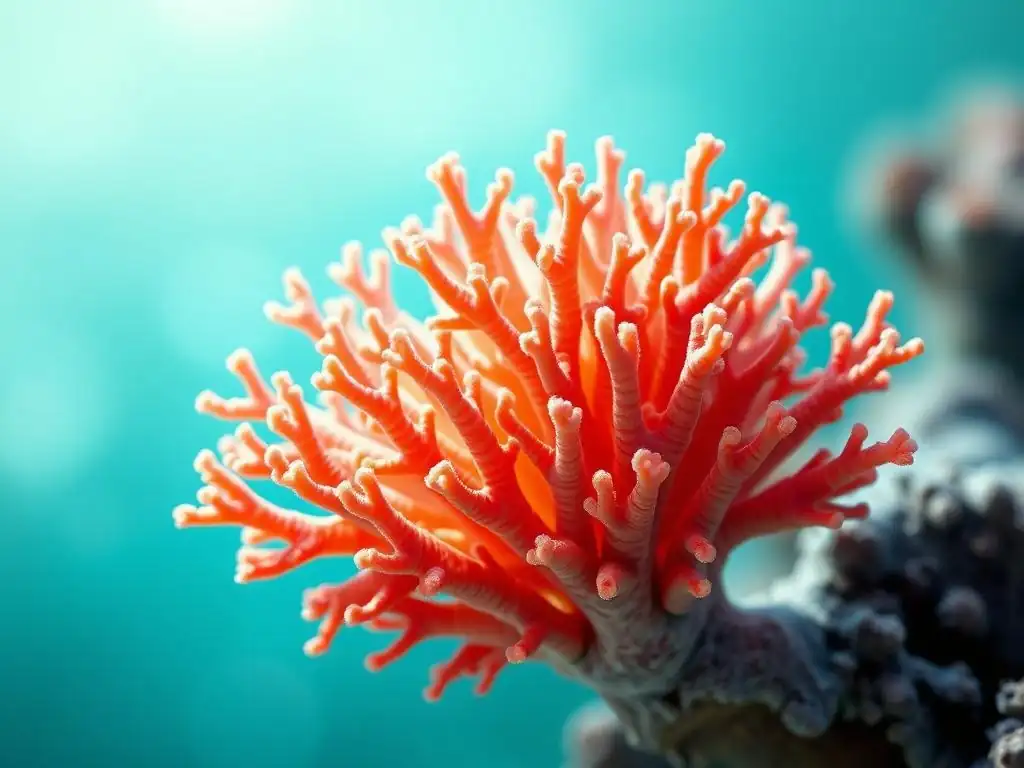
Sustaining vibrant Euphyllia coral colors over the long term hinges on an unwavering commitment to regular water testing and consistent parameter adjustment. Even subtle, prolonged deviations from optimal water chemistry can gradually diminish a coral's vibrancy, making it appear dull or faded. Key parameters to monitor frequently include alkalinity (aim for 7-9 dKH, tested daily or every other day), calcium (400-450 ppm, 2-3 times weekly), magnesium (1300-1400 ppm, weekly), nitrates (2-10 ppm, weekly), and phosphates (0.02-0.08 ppm, weekly). Salinity (1.025-1.026 SG) and temperature (76-78°F) should also be checked daily.
The emphasis should be on stability rather than simply hitting target numbers once. For instance, an alkalinity swing from 7.0 dKH to 9.0 dKH and back down in a week is far more stressful than consistently maintaining 8.0 dKH. Utilizing reliable test kits, understanding their results, and implementing a consistent dosing regimen (e.g., two-part solutions, calcium reactors) are paramount. This proactive approach to water chemistry management is arguably the most fundamental of all Euphyllia coral color tips for ensuring your corals maintain their dazzling hues year after year.
Proactive Pest Control for Healthy and Colorful Euphyllia
Proactive pest control is an indispensable strategy for maintaining the long-term health and vibrant coloration of Euphyllia corals. Pests like parasitic flatworms, nudibranchs, or certain types of snails can feed on coral tissue, irritate polyps, and introduce pathogens, all of which stress the coral and lead to a significant loss of color and vitality. While some pests are visible, many are cryptic and can go unnoticed until significant damage has occurred.
Implementing a strict quarantine protocol for all new corals is the most effective preventative measure. This involves housing new additions in a separate tank for several weeks, performing regular coral dips (as discussed previously), and observing them closely for any signs of pests before introducing them to the main display. Even in an established tank, routine visual inspections of your Euphyllia, especially around the base and under the polyps, can help identify and remove any emerging threats early. A healthy, pest-free coral is a colorful coral, making diligent pest control a non-negotiable among Euphyllia coral color tips.
Documenting and Tracking Color Changes Over Time
Documenting and tracking the color changes of your Euphyllia corals over time is an invaluable practice for long-term success and a highly effective Euphyllia coral color tip. Keeping a reef journal or a photographic log allows you to monitor the coral's progress, identify subtle shifts in coloration, and correlate these changes with specific adjustments made to your aquarium's environment. For example, if you notice your green Euphyllia is browning, reviewing your log might reveal a recent increase in nitrates or a decrease in light intensity, allowing for targeted corrective action.
Regularly taking photos of your Euphyllia under consistent lighting conditions (e.g., once a month, always at the same time of day and with the same camera settings) provides a visual history that is far more accurate than memory alone. Alongside photos, jot down notes on water parameters, feeding schedule, lighting changes, and any observed coral behaviors. This detailed record helps you understand what makes your specific Euphyllia thrive and allows you to quickly diagnose and troubleshoot any issues that arise, ensuring sustained, vibrant Euphyllia coral color for years to come.
Conclusion: Mastering the Art of Vibrant Euphyllia Coral Color
Frequently Asked Questions
How important is water quality for Euphyllia coral color?
Water quality is absolutely critical for maintaining vibrant Euphyllia colors. Poor water quality, especially elevated nutrient levels, can lead to browning and loss of color.
What role does lighting play in Euphyllia coral coloration?
Lighting is a major factor in Euphyllia coral coloration. Providing the correct light spectrum and intensity is essential for zooxanthellae photosynthesis, which directly impacts coral color.
Can feeding Euphyllia corals enhance their color?
Yes, supplemental feeding can contribute to enhanced coloration and overall health. Providing amino acids and other nutrients can support the coral's metabolism and pigment production.
What are some common signs that my Euphyllia coral is losing its color?
Common signs include browning of the tentacles, a dull or faded appearance, and reduced polyp extension. These symptoms often indicate stress from poor water quality or inadequate lighting.
Are there specific additives that can improve Euphyllia coral color?
While not always necessary, certain additives like trace elements and amino acids can enhance coloration. However, it's crucial to maintain stable water parameters first and use additives judiciously.
Okay, here's a final reflection designed to close your article "The Secret to Vibrant Euphyllia Colors: Beyond Basic Care," optimized for the keyword "Euphyllia coral color tips," and following the structure you provided:
Final Reflection: Unlocking the Rainbow Within
The pursuit of vibrant Euphyllia coral colors is more than just a hobby; it's a testament to our dedication to understanding and replicating the delicate balance of the reef ecosystem within our own homes. As we've explored the nuances of lighting, water chemistry, and feeding, it becomes clear that achieving those stunning hues requires a holistic approach, moving beyond basic care to embrace a deeper connection with these fascinating creatures.
This journey into the world of Euphyllia has underscored the profound responsibility we bear as aquarists to create thriving environments for these corals. It's a constant learning process, demanding patience, observation, and a willingness to adapt our methods. The sea, once it casts its spell, holds one in its net of wonder forever.
- Jacques Cousteau. This quote perfectly encapsulates the allure of reef keeping and the enduring fascination that drives us to unlock the secrets of vibrant coral coloration.
Now, armed with these Euphyllia coral color tips, I invite you to reflect on your own aquariums. Consider how you can refine your approach, experiment with new techniques, and ultimately, contribute to the health and beauty of these magnificent corals. Let's continue to learn, share our experiences, and strive to create reef environments that are not only visually stunning but also sustainable and thriving for generations to come.
Unleash the True Colors of Your Euphyllia!
Thank you for diving into the world of Euphyllia corals! We hope you’ve gained valuable insights into nurturing their vibrant beauty. Now, let’s transform that knowledge into action and watch your Euphyllia truly flourish.
Here’s how you can take the next step:
- Immediately adjust your lighting schedule by slightly reducing intensity for one week, then gradually increasing it while monitoring for color changes. This will help you find the sweet spot for your particular Euphyllia.
- Share your most stunning Euphyllia photo on social media using #AquariumMasteryEuphyllia and inspire other reef keepers.
- Consider adding a supplemental feeding of zooplankton twice a week to enhance growth and coloration – a treat they'll definitely appreciate!
What's the first color enhancement technique you're excited to try on your Euphyllia, and how will you measure its success?