
Geosesarma Tiomanicum Profile: Another Stunning Vampire Crab Variety to Discover

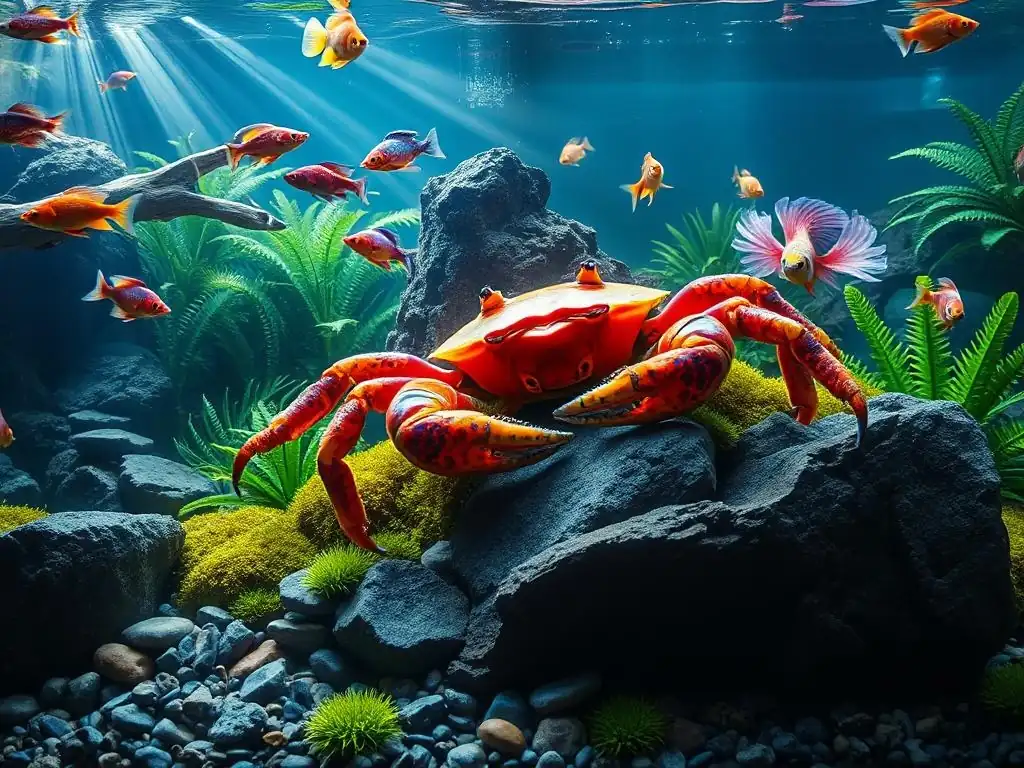
Welcome to Aquarium Mastery!
Ever been captivated by the miniature world thriving within an aquarium? Get ready to be even more amazed! Dive in and explore the fascinating world of the Geosesarma Tiomanicum, a stunning vampire crab variety that's stealing the hearts of aquarists everywhere. Curious about their unique needs and how to keep them happy and healthy? Let's unlock the secrets of this captivating creature together!
- Discovering the Geosesarma Tiomanicum: A Captivating Freshwater Crab
- What is a Geosesarma Tiomanicum? Unveiling the Tioman Vampire Crab
- Geosesarma Tiomanicum Care Guide: Creating the Ideal Habitat
- Common Health Issues and Troubleshooting for Geosesarma Tiomanicum
- Geosesarma Tiomanicum vs. Other Vampire Crab Species: A Comparison
- Where to Buy Geosesarma Tiomanicum: Finding Reputable Sources
- Conclusion: The Allure of the Geosesarma Tiomanicum in Your Aquarium
-
Frequently Asked Questions
- What are the key differences between Geosesarma Tiomanicum and other vampire crab species?
- What type of enclosure is best suited for Geosesarma Tiomanicum?
- What do Geosesarma Tiomanicum eat, and how often should they be fed?
- What are the ideal water parameters for Geosesarma Tiomanicum?
- What are some common health problems that Geosesarma Tiomanicum are susceptible to, and how can they be prevented?
- Final Reflection: Unveiling the Miniature Wonders
- Unleash Your Inner Explorer: Begin Your Vampire Crab Journey!
Discovering the Geosesarma Tiomanicum: A Captivating Freshwater Crab
The Geosesarma Tiomanicum, often referred to as the Tioman Vampire Crab, is a truly captivating addition to the specialized world of paludariums. Known for its striking appearance and intriguing behaviors, this small, semi-terrestrial crab offers a unique experience for dedicated aquarists. Its relatively manageable Geosesarma Tiomanicum care guide requirements, when understood and met, make it a rewarding species to observe, bringing a dynamic splash of life to a carefully crafted habitat that mimics its natural home.
These fascinating invertebrates are a testament to the diversity found within the crab family, particularly the Geosesarma genus, which encompasses many species known for their vibrant colors and terrestrial adaptations. The Tioman Vampire Crab's distinct features and need for a specific environment make it an excellent subject for enthusiasts looking to delve deeper into the care of brackish and freshwater invertebrates, offering a rewarding challenge beyond typical aquatic setups.
What is a Geosesarma Tiomanicum? Unveiling the Tioman Vampire Crab
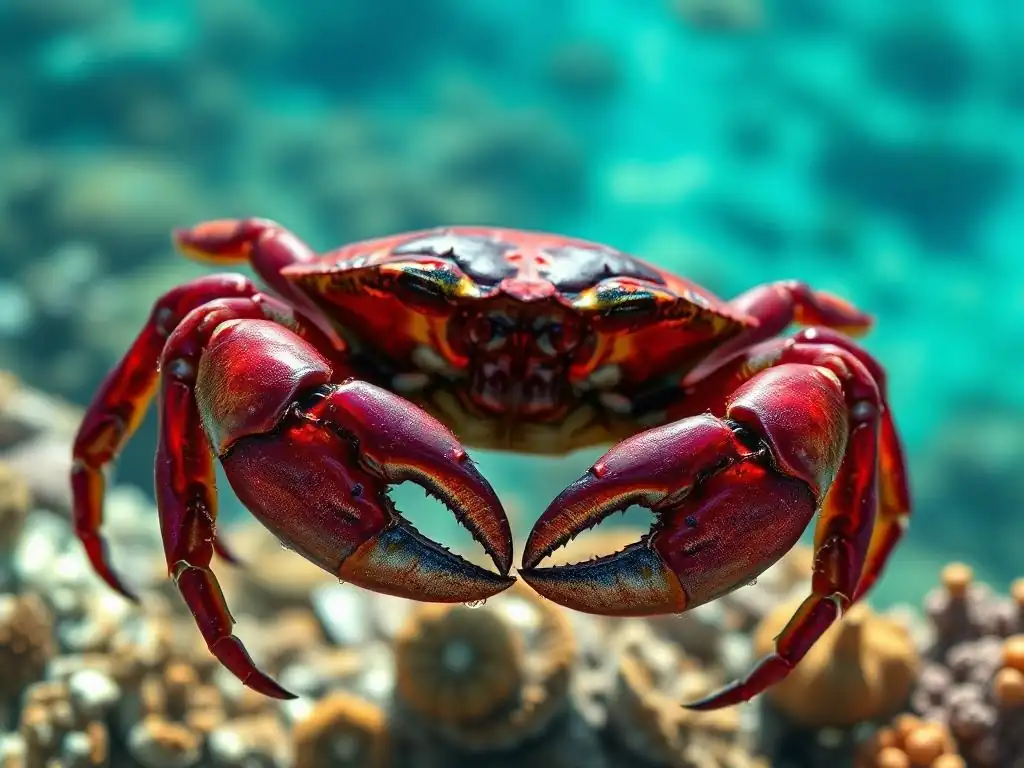
The Geosesarma Tiomanicum is a small, freshwater crab belonging to the family Sesarmidae. It is commonly identified by its dark, often purplish to black body coloration, which provides a stark contrast to its most distinctive feature: bright yellow or orange eyes, giving rise to its popular "vampire crab" moniker. These crabs are primarily terrestrial, spending the majority of their time on land, but require constant access to a small body of water for hydration and molting.
Adult Geosesarma Tiomanicum typically reach a carapace width of approximately 1 to 2 centimeters (0.4 to 0.8 inches), with a leg span often extending to 4-5 centimeters (1.6 to 2 inches). Their relatively small size makes them suitable for smaller paludarium setups. They are known for their shy, nocturnal nature, often hiding during the day and emerging at dusk to forage for food, showcasing their intricate behaviors in a well-structured environment.
Geosesarma Tiomanicum Origin and Natural Habitat: Tioman Island, Malaysia
The Geosesarma Tiomanicum originates exclusively from Tioman Island, a small island off the east coast of Peninsular Malaysia. This specific geographic origin is crucial to understanding their natural habitat and, consequently, their captive care requirements. On Tioman Island, these crabs inhabit the lush, humid rainforests, typically found in areas close to freshwater streams, rivers, and waterfalls.
Their natural environment is characterized by high humidity, dense vegetation, and an abundance of leaf litter, moss, and decaying wood. They thrive in moist, damp soil where they can burrow and find shelter. The climate on Tioman Island is tropical, with consistently high temperatures ranging from approximately 25°C to 30°C (77°F to 86°F) and very high relative humidity, often exceeding 85-90%. This specific habitat dictates the need for a semi-aquatic, high-humidity setup in captivity to ensure their health and well-being.
Distinguishing Features: Identifying the Tiomanicum Vampire Crab
The primary distinguishing features of the Geosesarma Tiomanicum lie in its unique coloration and morphology, which set it apart from other Geosesarma species. As mentioned, their deep, often purplish-black body serves as a striking backdrop for their intensely bright, almost luminous yellow or orange eyes. This vivid eye color is a hallmark of the species and contributes significantly to its popular appeal.
Beyond eye color, the Tiomanicum Vampire Crab's carapace is typically smooth and relatively flat, lacking any prominent spines or intricate patterns found on some other crab species. Males can often be identified by their narrower, inverted 'V'-shaped abdomen, whereas females possess a broader, more rounded abdomen, which is adapted for carrying eggs. While subtle variations in color intensity may occur between individuals, the overall dark body and bright eyes remain consistent, making the Geosesarma Tiomanicum a readily identifiable and aesthetically pleasing member of the vampire crab family.
Geosesarma Tiomanicum Care Guide: Creating the Ideal Habitat
Providing an optimal habitat is the cornerstone of any successful Geosesarma Tiomanicum care guide. These crabs are not suitable for fully aquatic setups and require a specialized paludarium that meticulously mimics their natural semi-terrestrial environment. A well-designed enclosure will feature a significant land area, a small, accessible water section, and high humidity, crucial for their respiration and molting processes.
The most critical aspect of their habitat is maintaining consistently high humidity, ideally between 75% and 90% relative humidity. This can be achieved through frequent misting, using a fogger, or incorporating a humid substrate and dense plant cover. Without adequate humidity, Geosesarma Tiomanicum crabs can quickly suffer from respiratory distress and molting complications, which are often fatal.
Essential Tank Setup for Tiomanicum Vampire Crabs
Setting up the ideal environment for Tiomanicum Vampire Crabs involves creating a paludarium that offers both a substantial land portion and a small, shallow water area. The land-to-water ratio should heavily favor land, typically around 70-80% land and 20-30% water. This setup allows them ample space for burrowing, foraging, and climbing, while still providing the necessary access to water.
Crucially, the enclosure must be escape-proof. Geosesarma Tiomanicum are excellent climbers and can squeeze through surprisingly small gaps. A tight-fitting lid with adequate ventilation is essential to prevent escapes while maintaining the required high humidity. Incorporating live plants, driftwood, and rocks not only enhances the aesthetic appeal but also provides vital hiding spots and climbing surfaces, mimicking their natural, densely vegetated habitat.
Tank Size Recommendations for Geosesarma Tiomanicum
For a small group of Geosesarma Tiomanicum (e.g., 3-5 crabs), a 10-gallon (approximately 38-liter) aquarium converted into a paludarium can serve as a minimum starting point. However, to provide ample space for territory establishment and reduce potential aggression, especially among males, a larger footprint is always preferable. A 20-gallon long (approximately 75-liter) or even a 40-gallon breeder (approximately 150-liter) tank offers significantly more horizontal space, which is more beneficial than vertical height for these primarily terrestrial crabs.
When considering tank size, it's vital to prioritize floor space. Each crab will establish a small territory, and sufficient room minimizes stress and conflict, particularly during molting periods when crabs are most vulnerable. For larger colonies, allocating at least 0.5 to 1 square foot (approximately 465 to 930 square centimeters) of land area per crab is a good guideline, ensuring they have enough personal space and hiding opportunities.
Substrate and Decoration: Mimicking Their Natural Environment
The substrate for Geosesarma Tiomanicum is paramount for their well-being, as it needs to facilitate burrowing and retain moisture effectively. An ideal substrate mix consists of coco fiber, sphagnum moss, and a layer of leaf litter (such as Indian almond leaves, oak leaves, or magnolia leaves). This combination mimics the forest floor of their natural habitat, providing a soft, damp medium for digging and a source of beneficial microfauna and detritus. The substrate should be at least 5-10 cm (2-4 inches) deep to allow for comfortable burrowing.
Decorations should focus on creating a complex environment with numerous hiding spots and climbing opportunities. Cork bark, driftwood branches, and various rocks are excellent choices. Live plants that thrive in high humidity, such as Pothos, various ferns (e.g., Boston fern, maidenhair fern), Anubias, or Java Moss (for the water section), not only enhance the aesthetic but also contribute to humidity maintenance and provide essential cover. Ensure all decor items are free from pesticides or harmful chemicals.
Water Parameters: Maintaining Optimal Conditions for Vampire Crabs
While Geosesarma Tiomanicum are primarily terrestrial, the small water section in their paludarium is critical. This water should be dechlorinated and kept pristine. The ideal temperature range for both the air and water in their enclosure is 22-28°C (72-82°F), aligning with the tropical climate of Tioman Island. Maintaining a stable temperature is more important than precise fluctuations.
For pH, a range of 7.0-8.0 (neutral to slightly alkaline) is generally suitable, reflecting the conditions found in many tropical forest streams. The water should be moderately hard. Regular water changes (e.g., 25-50% weekly) are essential to prevent the buildup of ammonia, nitrites, and nitrates, even in small water volumes. A small sponge filter can be used for biological filtration, but manual cleaning and frequent changes are often sufficient for very small water bodies.
Geosesarma Tiomanicum Diet and Feeding Habits
Geosesarma Tiomanicum are omnivorous, with a natural diet that largely consists of detritus, decaying plant matter, and small invertebrates found in their humid forest floor habitat. In captivity, a varied diet is crucial to ensure they receive all necessary nutrients, particularly calcium for healthy molting and exoskeleton development. Their opportunistic feeding habits mean they will readily accept a wide range of foods.
They are active scavengers, especially during their nocturnal foraging periods. Providing a diverse array of food items that mimic their natural intake will promote optimal health and vibrant coloration. It's important to remember that while they are omnivores, a significant portion of their diet should be protein-rich to support their growth and molting cycles.
What to Feed Your Tiomanicum Vampire Crabs: Flake Food, Frozen Bloodworms, Fruit Flies, Small Pieces of Fruit and Vegetables
To provide a comprehensive diet for your Tiomanicum Vampire Crabs, a mix of protein and plant-based foods is essential. Protein sources can include:
- High-quality sinking pellets or flake food designed for omnivorous invertebrates.
- Frozen foods such as bloodworms, brine shrimp, and daphnia.
- Small live feeder insects like flightless fruit flies ( Drosophila melanogaster or hydei) or small pinhead crickets.
- Occasionally, small pieces of blanched, unseasoned fish (e.g., salmon or tilapia).
Vegetable and fruit sources should be offered in moderation:
- Small, blanched pieces of zucchini, cucumber, carrot, spinach, or peas.
- Tiny pieces of apple, pear, or banana (sparingly due to sugar content).
- Calcium supplementation is critical; cuttlebone can be placed in the tank, or feeder insects can be dusted with a calcium supplement. Always remove uneaten food promptly, typically within a few hours, to prevent mold growth and bacterial contamination, which can be detrimental to crab health.
Feeding Schedule: Ensuring Proper Nutrition
For adult Geosesarma Tiomanicum, a feeding schedule of 3-4 times per week, or every other day, is generally sufficient. Juvenile crabs, which are growing rapidly, may benefit from more frequent, smaller feedings. It is important to observe your crabs' consumption habits to adjust portion sizes; they should consume most of the offered food within a few hours. Overfeeding can lead to water quality issues and attract pests.
Since these crabs are primarily nocturnal, feeding them in the evening or at night is ideal, as this aligns with their natural foraging behavior. Distribute food in several different locations throughout the terrestrial and shallow water areas of the paludarium. This encourages natural foraging behavior and helps to reduce competition among crabs, ensuring all individuals have access to food, especially in a group setting.
Geosesarma Tiomanicum Behavior and Compatibility
Geosesarma Tiomanicum are generally shy and reclusive, especially during daylight hours. They spend a significant portion of their time burrowed in the substrate or hidden among plants and decor. Their activity typically increases at dusk and throughout the night as they emerge to forage for food. They are known to be active climbers, exploring all levels of their enclosure.
Molting is a critical period for these crabs; they will typically hide away for several days to a week while shedding their old exoskeleton. During this time, they are extremely vulnerable and should not be disturbed. A successful molt indicates good health and proper environmental conditions. While they can be kept in groups, understanding their social dynamics is crucial for maintaining a peaceful environment.
Social Dynamics: Are Tiomanicum Vampire Crabs Social?
While not truly "social" in the communal sense of some fish species, Geosesarma Tiomanicum can be kept in groups, provided their environmental needs are met. They exhibit some territoriality, particularly among males. To minimize aggression and stress, it is recommended to maintain a male-to-female ratio of approximately 1 male to 2-3 females. This helps to disperse male attention and reduce direct male-on-male conflict.
Overcrowding is a significant stressor and can lead to increased aggression, cannibalism (especially towards molting individuals), and overall poor health. Providing ample hiding spots (at least one per crab, preferably more) and a large enough footprint for individual territories is paramount. Monitor interactions closely, especially when introducing new crabs, to ensure harmony within the group.
Tank Mates: Choosing Compatible Invertebrates and Fish
Choosing tank mates for Geosesarma Tiomanicum is challenging due to their semi-terrestrial nature and opportunistic predatory instincts. For the small water section, very small, fast-moving, and peaceful fish that primarily occupy the upper water column might be considered, such as Endler's Livebearers or certain micro Rasboras (e.g., Chili Rasbora), provided the water volume is adequate for the fish. However, there is always a risk that the crabs may attempt to prey on them, especially if the fish are slow or spend time near the bottom.
Most aquarists recommend a species-only tank for Geosesarma Tiomanicum to ensure their safety and well-being. Avoid any bottom-dwelling fish, slow-moving invertebrates like snails (unless intended as food), or other crab species and crayfish, as these will likely be seen as competition or prey. Larger, aggressive fish are also entirely unsuitable, as they will undoubtedly stress or prey upon the crabs.
Breeding Geosesarma Tiomanicum: Challenges and Possibilities
Breeding Geosesarma Tiomanicum in captivity is possible, making them one of the more attainable crab species for home propagation. Unlike many other crab species, Geosesarma are direct developers, which significantly simplifies the breeding process by eliminating the complex planktonic larval stage that requires specific marine water conditions. This characteristic makes them a rewarding project for dedicated enthusiasts.
Once a male and female have successfully mated, the female will carry a clutch of eggs under her abdomen for several weeks, typically 25-35 days. She will seek out a secluded, humid spot within the paludarium for the eggs to develop and hatch. The number of offspring per clutch is generally small, usually ranging from 5 to 20 miniature crablets.
Setting Up a Breeding Tank: Creating the Ideal Conditions
While breeding can sometimes occur in a well-established community paludarium, setting up a separate, dedicated breeding tank (e.g., a 5-gallon or 19-liter tank) significantly increases the chances of successful propagation and survival of the crablets. This breeding setup should replicate the main tank's conditions, with an emphasis on extremely high humidity (close to 90%) and an abundance of fine hiding spots.
Provide ample amounts of damp sphagnum moss, leaf litter, and small pieces of cork bark or driftwood for the gravid female to shelter in during the incubation period and immediately after hatching. The water section should be very shallow and easily accessible for both the adults and the emerging crablets. Maintaining stable temperatures (22-28°C) and offering a high-protein diet to the breeding pair will support healthy egg development and the subsequent emergence of vigorous crablets.
Raising Geosesarma Tiomanicum Crab Larvae: Marine Water Setup and Specific Food
It is important to clarify a common misconception regarding the reproduction of Geosesarma tiomanicum. Unlike many other crab species that have a free-swimming, planktonic larval stage requiring specialized marine water conditions, Geosesarma tiomanicum are direct developers. This means their eggs hatch directly into fully formed miniature crabs, bypassing any larval stage. Therefore, there is no need for a marine water setup or specific larval food for this species.
The newly hatched crablets, typically only 1-2 millimeters in size, are fully terrestrial and immediately begin foraging for food. For their survival, it is crucial to provide a constant supply of very fine food particles, such as powdered flake food, spirulina powder, or specialized invertebrate micro-pellets. Maintaining extremely high humidity and numerous tiny hiding spots (e.g., small pieces of leaf litter, fine moss, or even crushed coco fiber) is vital for these delicate juveniles. This helps prevent desiccation and offers protection from larger tank mates, including their parents, if they are not separated.
Common Health Issues and Troubleshooting for Geosesarma Tiomanicum
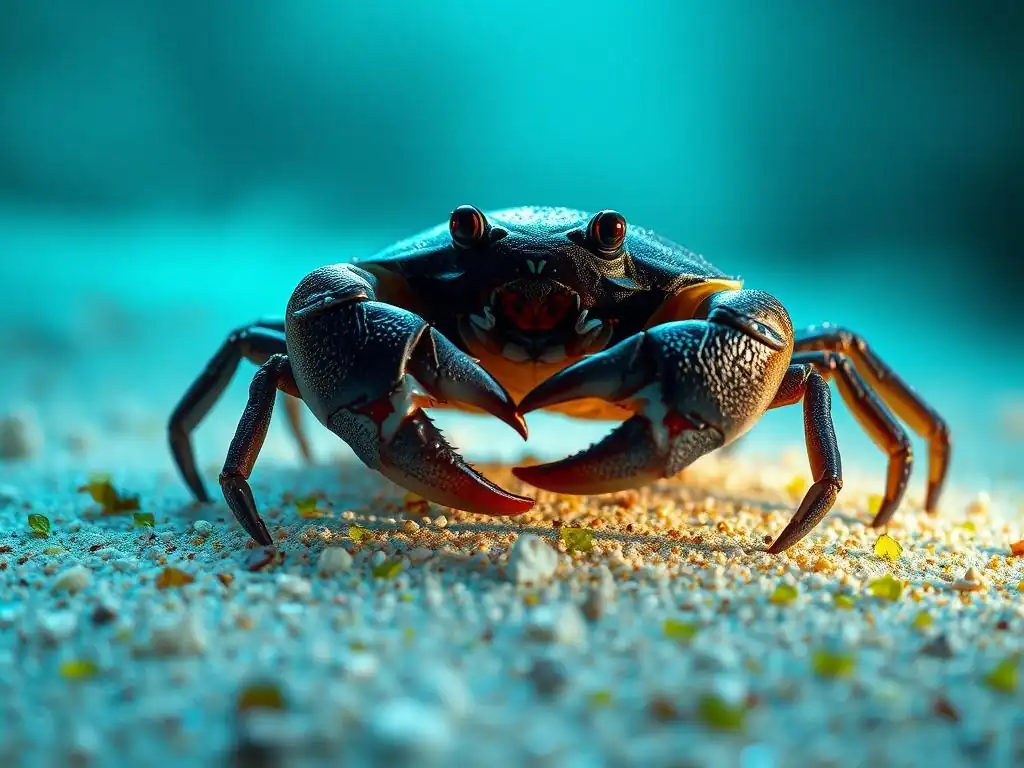
Maintaining optimal environmental conditions is the best defense against common health issues in Geosesarma Tiomanicum. These crabs are generally robust, but they are susceptible to problems stemming from inadequate humidity, poor water quality, or nutritional deficiencies. Early identification of symptoms and prompt corrective action are key to successful Geosesarma Tiomanicum care guide practices.
One of the most critical periods for a vampire crab's health is during molting. Problems with shedding their exoskeleton, often referred to as a "stuck molt" or "failed molt," are frequently fatal. These issues are almost always linked to insufficient humidity or a lack of calcium in their diet, highlighting the importance of precise environmental control and a balanced nutritional intake.
Identifying Potential Health Problems in Your Vampire Crab
Observing your Geosesarma Tiomanicum daily is essential for early detection of potential health problems. A healthy crab will be active (especially at night), have bright, clear eyes, and a clean, intact carapace. Signs of illness or distress can include:
- Lethargy or reduced activity: The crab remains hidden for extended periods or is unresponsive.
- Loss of appetite: Refusal to eat offered food.
- Discolored or fuzzy patches on the carapace: Indicative of fungal or bacterial infections, often due to excessively wet conditions or poor hygiene.
- Difficulty molting: The crab struggles to shed its old exoskeleton, with parts of it remaining attached. This can be fatal.
- Missing limbs: While they can regenerate limbs after a molt, multiple missing limbs or chronic loss can indicate stress, aggression from tank mates, or a nutritional deficiency.
- Shriveled or dull appearance: A sign of dehydration due to insufficient humidity.
Preventing and Treating Common Diseases
Prevention is paramount in the Geosesarma Tiomanicum care guide. The vast majority of health issues can be avoided by strictly adhering to optimal husbandry practices:
- Maintain consistent high humidity: Aim for 75-90% relative humidity through regular misting, a fogger, or a humid substrate. This is critical for successful molting and respiration.
- Stable temperature: Keep the enclosure between 22-28°C (72-82°F).
- Pristine water quality: Regularly change the water in the small aquatic section to prevent ammonia and nitrite buildup.
- Varied and nutritious diet: Ensure a balanced intake of protein and vegetables, and always provide a calcium source (e.g., cuttlebone) to support exoskeleton health and successful molting.
- Adequate hiding spots: This reduces stress and aggression among crabs.
For minor issues like fungal patches, ensuring proper ventilation and slightly less saturated substrate in some areas (while maintaining overall high humidity) can help. For severe cases, immediate improvement of environmental conditions is the best course of action. If a crab is struggling to molt, gently increasing humidity can sometimes assist, but direct intervention is rarely successful.
Geosesarma Tiomanicum vs. Other Vampire Crab Species: A Comparison
The genus Geosesarma is remarkably diverse, encompassing over 50 described species, with many more yet to be formally classified. Many of these species are commonly referred to as "vampire crabs" due to their characteristic bright eye coloration set against a darker body. While they share general care requirements, there are distinct differences in appearance and sometimes subtle variations in their specific needs.
Understanding these distinctions is important for aquarists who might consider keeping multiple Geosesarma species or wish to accurately identify their crabs. Each species, including the Geosesarma Tiomanicum, has its own unique charm and specific visual cues that differentiate it from its relatives within this captivating genus.
Key Differences in Appearance and Care Requirements
Appearance:
The Geosesarma Tiomanicum is primarily distinguished by its deep, often purplish to black body, which provides a stark contrast to its intensely bright yellow or orange eyes. Its carapace is relatively smooth, lacking prominent patterns. In comparison:
- Geosesarma dennerle (Purple Vampire Crab): Features a more vibrant, often iridescent purple carapace with yellow eyes. The legs may also exhibit purple or reddish hues.
- Geosesarma bicolor: Typically displays a two-toned body, often with a reddish-brown or dark carapace and lighter, sometimes cream or orange, legs. It also has striking yellow eyes.
- Geosesarma sp. "Red Devil": As its name suggests, often has a reddish or orange carapace with darker legs and distinct yellow eyes.
Care Requirements:
While the core Geosesarma Tiomanicum care guide principles apply across most Geosesarma species (paludarium setup, high humidity, omnivorous diet, access to land and water), subtle differences can exist. Some species might be slightly more territorial or sensitive to specific temperature or humidity ranges. For example, some Geosesarma species might prefer slightly cooler temperatures (e.g., 20-25°C), while others thrive in the warmer range (25-30°C). Researching the precise origin and specific care needs of any Geosesarma species is crucial to ensure their optimal health and longevity in captivity, even if general guidelines seem similar.
Where to Buy Geosesarma Tiomanicum: Finding Reputable Sources
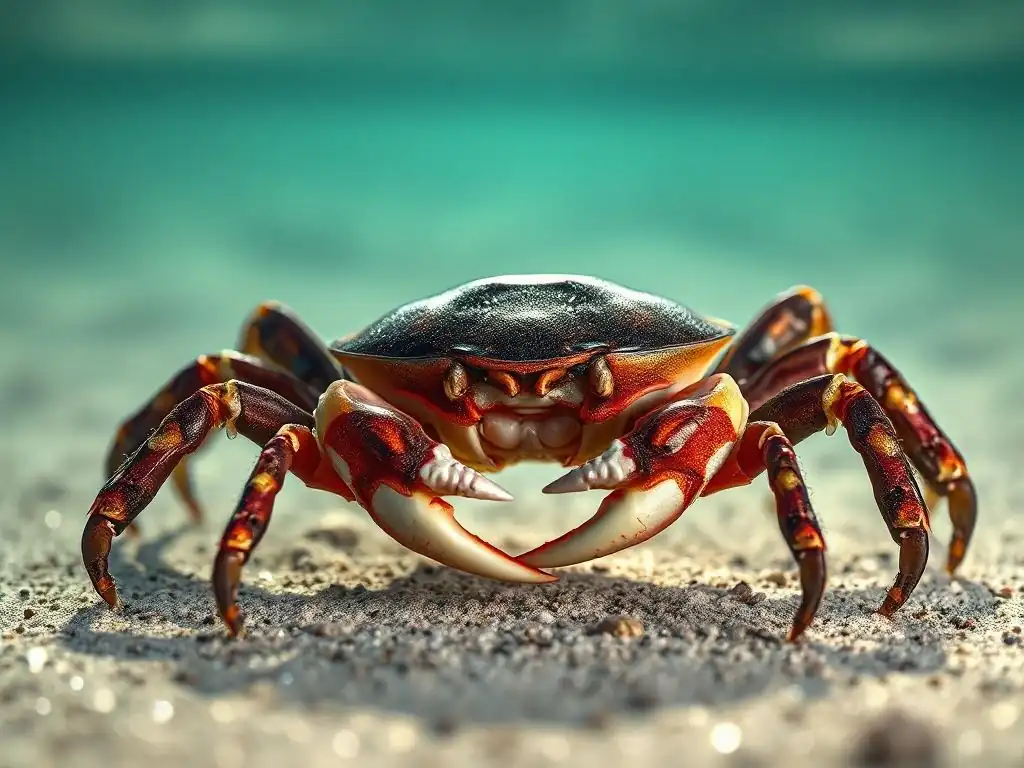
Acquiring healthy Geosesarma Tiomanicum is crucial for a successful experience. Due to their specific care needs and relatively niche appeal, they are not typically found in large chain pet stores. Instead, the best sources are often specialized online invertebrate retailers, reputable local fish stores with an exotic animal section, or direct breeders who focus on Geosesarma species.
When considering a purchase, it's vital to ask questions about the crabs' origin, their current care conditions, and any health guarantees provided by the seller. Avoid impulse buys, as the long-term health of these crabs heavily depends on proper initial care and a suitable environment.
Ensuring Healthy and Ethically Sourced Vampire Crabs
When purchasing your Geosesarma Tiomanicum, prioritize health and ethical sourcing. Look for crabs that are:
- Active and alert: They should respond to stimuli and be moving around their enclosure.
- Intact: Possess all their limbs (though recent regeneration of one or two limbs is common after molting).
- Clear-eyed: Their distinctive yellow or orange eyes should be bright and free of cloudiness.
- Clean carapace: The shell should be free of any visible damage, fungal growth, or discolored patches.
Avoid crabs that appear lethargic, shriveled, or are missing multiple limbs, as these are signs of poor health or severe stress.
Ethical sourcing is a significant consideration. Many Geosesarma species are still collected from the wild, which can impact their natural populations. Supporting breeders who actively propagate these crabs in captivity is generally preferred, as it reduces pressure on wild populations and often results in hardier, healthier specimens accustomed to captive conditions. A reputable dealer should be transparent about their sourcing practices and provide comprehensive Geosesarma Tiomanicum care guide information.
Conclusion: The Allure of the Geosesarma Tiomanicum in Your Aquarium
The Geosesarma Tiomanicum, with its striking appearance and intriguing behaviors, offers a truly unique and rewarding experience for the dedicated aquarist. While they require a specialized paludarium setup and consistent attention to detail, their relatively small size and captivating nature make them an excellent choice for those looking to explore the fascinating world of semi-terrestrial invertebrates.
By diligently following a comprehensive Geosesarma Tiomanicum care guide, providing a meticulously crafted habitat that mimics their humid, forested origins, and offering a varied, nutritious diet, enthusiasts can ensure the thriving health and longevity of these stunning vampire crabs. Their presence in a well-maintained paludarium adds a dynamic and visually appealing element, transforming a simple enclosure into a vibrant miniature ecosystem.
Frequently Asked Questions
What are the key differences between Geosesarma Tiomanicum and other vampire crab species?
Geosesarma Tiomanicum is distinguished by its unique coloration, often featuring a vibrant mix of orange, purple, and black. They also tend to be slightly smaller than some other popular vampire crab species. Their specific care requirements are relatively similar, but understanding their size and coloration is key.
What type of enclosure is best suited for Geosesarma Tiomanicum?
A paludarium setup is ideal, providing both land and water areas. A good rule of thumb is a minimum tank size of 10 gallons for a small group, with a ratio of approximately 70% land to 30% water. This ensures they have ample space to explore and forage.
What do Geosesarma Tiomanicum eat, and how often should they be fed?
These crabs are omnivores and enjoy a varied diet. Offer a mix of high-quality crab pellets, frozen foods (like bloodworms and brine shrimp), and fresh vegetables. Feeding every other day is generally sufficient, ensuring uneaten food is removed to prevent water quality issues.
What are the ideal water parameters for Geosesarma Tiomanicum?
They thrive in water with a temperature range of 72-78°F (22-26°C) and a pH of 6.5-7.5. Maintaining stable water parameters is crucial, so regular testing and water changes are essential for their health and well-being.
What are some common health problems that Geosesarma Tiomanicum are susceptible to, and how can they be prevented?
Common issues include stress from poor water quality or inadequate hiding places, leading to molting problems or susceptibility to infections. Proper tank setup, regular water changes, and a varied diet are key to preventing these problems and keeping your crabs healthy.
Final Reflection: Unveiling the Miniature Wonders
The journey into the world of Geosesarma tiomanicum, as explored in this care guide, highlights more than just the specifics of keeping these miniature crabs. It underscores the broader importance of responsible pet ownership and the appreciation of biodiversity. The rising popularity of exotic pets demands a deeper understanding of their needs and the ethical considerations surrounding their acquisition and care, ensuring their well-being and the sustainability of their wild populations.
This fascination with Geosesarma tiomanicum reflects a growing desire to connect with nature, even within the confines of our homes. It reminds us that even the smallest creatures can offer profound lessons in responsibility, observation, and the interconnectedness of life. In the end, we will conserve only what we love; we will love only what we understand; and we will understand only what we are taught.
- Baba Dioum's powerful words resonate deeply, urging us to cultivate knowledge and empathy towards all living beings.
As you embark on your own journey with Geosesarma tiomanicum, or simply reflect on the beauty of these tiny crabs, consider the impact of your choices. Let this care guide be more than just a set of instructions; let it be a catalyst for mindful engagement with the natural world. Embrace the opportunity to learn, to care, and to contribute to the preservation of these miniature wonders for generations to come.
Unleash Your Inner Explorer: Begin Your Vampire Crab Journey!
Thank you for diving into the fascinating world of the Geosesarma Tiomanicum. We hope you've enjoyed learning about this stunning vampire crab variety and are inspired by its unique charm. Now, it’s time to turn that inspiration into action!
- Take the Plunge: Begin Planning Your Own Tiomanicum Habitat!: Research tank setups, compatible tank mates, and acquire the essential elements to mimic their natural environment.
- Spread the Vampire Love:Share this article with a fellow aquarium enthusiast and ignite their passion for these captivating creatures.
- Delve Deeper: Explore our other articles on rare and unusual aquarium inhabitants and discover even more hidden gems!
Ready to transform your aquarium into a mesmerizing vampire crab haven?