
Red Claw Crayfish (Cherax quadricarinatus): Gentle Giants or Tank Terrors?

Welcome to Aquarium Mastery, fellow aquarist!
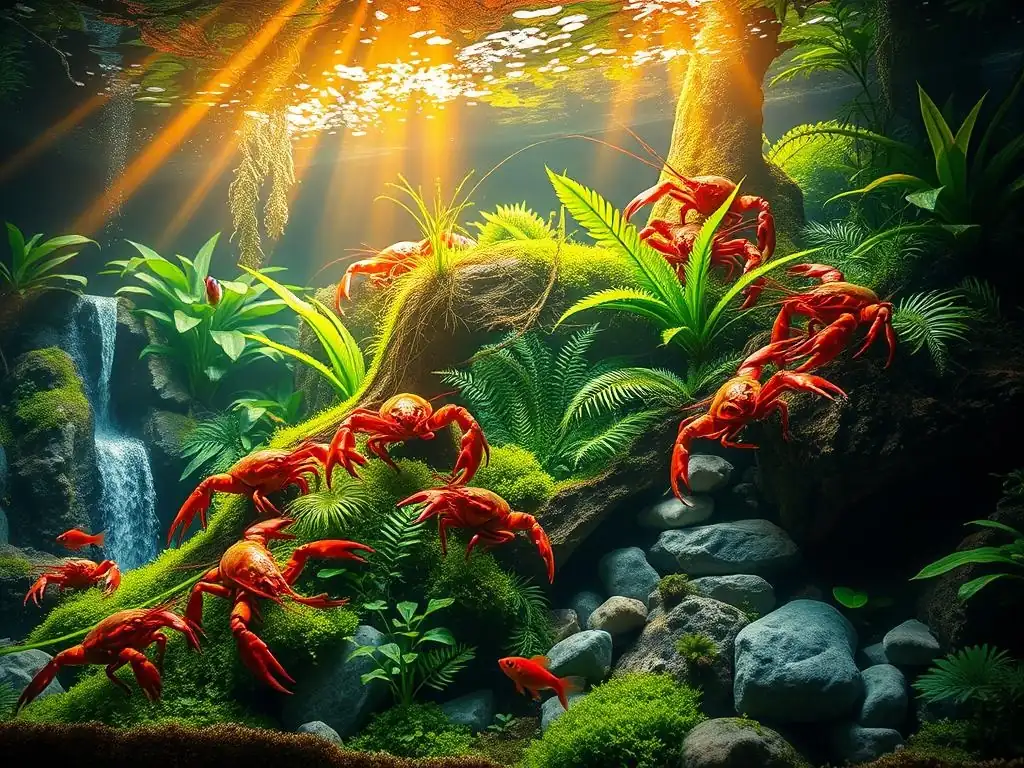
Ever wondered if those vibrant Red Claw Crayfish are truly the gentle giants they seem to be? Or could they be secretly plotting a tank takeover? Dive into our latest article where we unravel the mysteries of Cherax quadricarinatus and equip you with essential Red Claw Crayfish care tips to ensure a thriving, balanced aquarium. Discover everything you need to know, from habitat setup to feeding habits, and decide if these fascinating invertebrates are the right addition to your aquatic world. Ready to unlock the secrets? Let's get started!
- Red Claw Crayfish (Cherax quadricarinatus): A Comprehensive Care Guide
- Understanding the Red Claw Crayfish: An Introduction to Cherax quadricarinatus
- Red Claw Crayfish Care: Creating the Ideal Aquarium Environment
- Diet and Feeding: Ensuring Proper Nutrition
- Behavior and Temperament: Understanding Social Dynamics
- Breeding: A Guide to Reproduction in Captivity
- Common Health Problems and Prevention
- Red Claw Crayfish vs. Other Crayfish Species: A Comparative Analysis
- Pros and Cons of Keeping Red Claw Crayfish
- Red Claw Crayfish: Are They Right for Your Aquarium?
-
Frequently Asked Questions
- How big do Red Claw Crayfish get and how much space do they need?
- What do Red Claw Crayfish eat, and how often should they be fed?
- Are Red Claw Crayfish compatible with other aquarium inhabitants?
- What are the ideal water parameters for Red Claw Crayfish?
- How do I prevent my Red Claw Crayfish from escaping the tank?
- Final Reflection: Appreciating the Nuances of Red Claw Crayfish Keeping
- Unleash Your Inner Crayfish Keeper!
Red Claw Crayfish (Cherax quadricarinatus): A Comprehensive Care Guide
Understanding the Red Claw Crayfish: An Introduction to Cherax quadricarinatus
Origin and Natural Habitat: Northern Australia and Papua New Guinea
The Red Claw Crayfish, scientifically known as Cherax quadricarinatus, originates from the freshwater systems of Northern Australia, particularly Queensland, and parts of Papua New Guinea. In their native range, these robust invertebrates inhabit a variety of environments, including slow-moving rivers, tranquil lakes, billabongs (oxbow lakes), and even temporary water bodies that may dry up seasonally. Their adaptability to fluctuating water levels and varying oxygen concentrations is a testament to their hardiness in the wild.
These natural habitats typically feature abundant submerged vegetation, leaf litter, and numerous rocky crevices and burrows. Such environments provide ample hiding spots, which are crucial for protection from predators and for establishing territories. In the wild, they are opportunistic omnivores, scavenging on detritus, decaying plant matter, algae, and small invertebrates, which informs the diverse dietary requirements for optimal red claw crayfish care tips in captivity.
Distinguishing Features: Identifying a Healthy Specimen
Red Claw Crayfish are notable for their large, robust bodies and relatively smooth carapaces, distinguishing them from some other crayfish species that possess spiny textures. The most iconic feature, and the source of their common name, is the prominent red patch that develops on the outer margin of the claws of mature males. While blue, brown, or greenish colorations can be observed depending on diet, genetics, and water parameters, the red claw mark is a key identifier for males.
When selecting a healthy specimen, look for active movement, clear and alert eyes, and a complete set of antennae and walking legs. A healthy crayfish will have an unblemished, clean shell without any signs of pitting, discoloration, or fungal growth. Lethargy, cloudy eyes, missing limbs (unless a very recent, clean molt), or a dull, patchy shell are indicators of stress or illness, making these red claw crayfish care tips essential for initial assessment.
Size and Lifespan: Considerations for Aquariums
Red Claw Crayfish are among the larger freshwater crayfish species commonly kept in aquariums. In captivity, adult specimens typically reach a body length of 6 to 8 inches (approximately 15 to 20 cm), excluding their claws, with some individuals capable of growing up to 10 inches (25 cm) or more under optimal conditions. Their significant size necessitates careful consideration of tank dimensions to ensure adequate space.
With proper red claw crayfish care tips and a well-maintained environment, these invertebrates can live for 3 to 5 years in an aquarium. Some exceptionally well-cared-for individuals have been reported to live even longer. Factors such as consistent water quality, a balanced diet, minimal stress, and appropriate tank mates significantly contribute to their longevity, whereas poor conditions can drastically shorten their lifespan.
Red Claw Crayfish Care: Creating the Ideal Aquarium Environment
Tank Size Requirements: Minimizing Aggression
Providing adequate space is paramount for successful red claw crayfish care tips and for minimizing aggression. A single adult Red Claw Crayfish requires a minimum tank size of 20 to 30 gallons (approximately 75 to 115 liters). This volume allows for sufficient swimming and foraging space, as well as the establishment of a personal territory.
For a pair or a small group, a significantly larger tank, such as 55 to 75 gallons (210 to 285 liters) or more, is highly recommended. The tank's footprint is more crucial than its height, as these crayfish primarily move horizontally. A longer, wider tank provides more surface area for burrowing and establishing multiple territories, thereby reducing potential territorial disputes and stress among conspecifics.
Water Parameters: Temperature, pH, and Hardness
Maintaining stable and appropriate water parameters is critical for the health of Red Claw Crayfish. The ideal water temperature range is between 68-78°F (20-25.5°C), with a slight preference for the warmer end of this spectrum for optimal activity and growth. The pH level should be kept between 6.5 and 8.0, with a target range of 7.0-7.5 being ideal.
Water hardness (GH) is also an important factor, with a recommended range of 5-15 dGH (80-250 ppm). This moderate to hard water provides the essential calcium needed for strong shell development and successful molting. Regular water changes (e.g., 25% weekly or bi-weekly), efficient filtration, and routine testing are crucial red claw crayfish care tips to maintain these stable conditions and prevent dangerous fluctuations.
Substrate and Decoration: Providing Hiding Places
The choice of substrate is important for Red Claw Crayfish, as they are natural burrowers and enjoy digging. A fine gravel or sand substrate (e.g., 1-3 mm grain size) is ideal, allowing them to dig without injuring their delicate appendages. Avoid sharp or coarse substrates that could cause cuts or abrasions. Be prepared for your crayfish to rearrange the tank decor to their liking.
Ample hiding places are absolutely essential for their well-being and to reduce stress. Provide a variety of caves, PVC pipes, ceramic pots, driftwood, and rocks. Each crayfish should have at least one dedicated hiding spot large enough for them to fully retreat into. Ensure all decorations are stable and heavy enough not to be toppled by the crayfish's digging activities, which is a key red claw crayfish care tip for preventing accidents.
Compatible Tank Mates: Avoiding Predation and Aggression
Red Claw Crayfish are opportunistic omnivores and can be aggressive, especially towards slower-moving or bottom-dwelling tank mates. Small fish like neon tetras, guppies, or bottom-dwelling species such as corydoras are highly susceptible to predation. It is generally advised to avoid keeping them with other invertebrates like snails or dwarf shrimp, as these will likely become food.
If you choose to house them in a community tank, select fast-moving, robust, and preferably top-dwelling fish species. Examples include larger tetras (e.g., Congo Tetras), various species of danios, or adult rainbowfish. Even with seemingly compatible tank mates, constant vigilance is required, as individual crayfish temperament can vary widely. The most reliable red claw crayfish care tip for preventing predation is often to keep them in a species-only tank.
Diet and Feeding: Ensuring Proper Nutrition
A Comprehensive Diet Guide: Omnivorous Needs
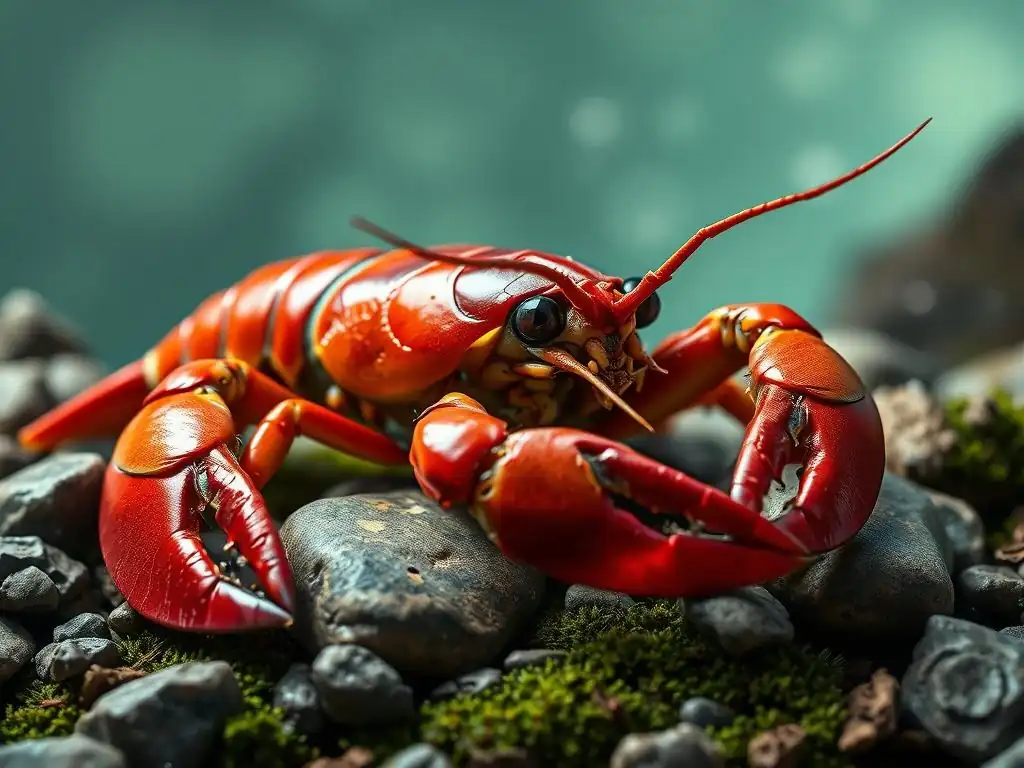
Red Claw Crayfish are omnivores and require a diverse diet to thrive in captivity. Their primary diet should consist of high-quality sinking pellets or wafers specifically formulated for crustaceans or omnivorous bottom-feeders. These commercial foods are designed to provide a balanced nutritional foundation, including essential vitamins and minerals.
Supplement their diet with a variety of fresh and frozen foods. Blanched vegetables such as zucchini, spinach, peas, and carrots are excellent sources of plant matter. Protein supplements can include small pieces of defrosted frozen shrimp, bloodworms, brine shrimp, or earthworms. Offering this varied diet ensures they receive all necessary nutrients, which is a crucial aspect of red claw crayfish care tips.
Feeding Frequency and Portion Control: Avoiding Overfeeding
For adult Red Claw Crayfish, feeding once a day or every other day is generally sufficient, depending on their size and activity level. The key is portion control: only offer what they can consume within a few minutes, or a small amount that will be eaten before it can significantly decay. For instance, 1-2 sinking pellets per adult crayfish is often adequate.
Overfeeding is a common mistake that can lead to significant water quality issues. Uneaten food quickly decomposes, releasing ammonia and nitrites, which are highly toxic to aquatic life. Excess food can also contribute to obesity in the crayfish. Regularly observing how much food your crayfish consumes helps refine feeding amounts, making this an important red claw crayfish care tip for maintaining water quality.
Supplementing the Diet: Calcium and Vegetable Matter
Calcium is an absolutely vital nutrient for Red Claw Crayfish, particularly for the development and hardening of their exoskeleton. Without sufficient calcium, they can experience difficulties during molting, leading to a soft shell syndrome or even death. Ensure their diet includes calcium-rich foods like blanched leafy greens (e.g., kale, spinach), or supplement with cuttlebone pieces placed in the tank. Specialized calcium supplements for invertebrates are also available.
Vegetable matter provides essential fiber and contributes to overall digestive health. While they will graze on algae and live plants in the aquarium, these should not be their sole source of plant-based nutrition. Offering a consistent supply of blanched vegetables ensures a well-rounded diet, reinforcing effective red claw crayfish care tips for their long-term health.
Aggression: Assessing Potential Tankmate Conflicts
Red Claw Crayfish are known for their territorial and opportunistic nature. While individual personalities can vary, they possess the potential for aggression, especially towards other bottom-dwelling invertebrates, smaller fish, or even conspecifics in overcrowded conditions. They will actively defend their chosen territory, which often includes their primary hiding spot.
Factors influencing their aggression include tank size, the availability of sufficient hiding places, and the presence of suitable tank mates. Overcrowding significantly exacerbates aggressive tendencies, leading to stress, injuries, and even fatalities among tank inhabitants. Understanding this territorial behavior is a fundamental red claw crayfish care tip when planning your aquarium setup.
Activity Levels and Typical Behaviors: Nocturnal Habits
Cherax quadricarinatus are primarily nocturnal creatures. They are most active during the twilight hours and throughout the night, when they emerge from their hiding spots to forage for food, explore their environment, and rearrange substrate or decorations. During daylight hours, they typically retreat to their burrows or other secure hiding places, appearing more reclusive.
Common behaviors include extensive burrowing, which can lead to significant substrate displacement and the uprooting of plants. They are also adept at climbing and exploring, often attempting to scale decorations or even tank equipment. Observing these natural behaviors can provide insights into their health and well-being, serving as informal red claw crayfish care tips for monitoring their condition.
Molting Process: Supporting a Successful Shed
Molting is a critical biological process for crayfish, as it is how they grow. As a crayfish prepares to molt, it may become more reclusive, hide more frequently, and temporarily cease eating. The actual molting process involves shedding their old, rigid exoskeleton, which can take anywhere from a few minutes to several hours. The old shell, known as the exuvia, is left behind.
After molting, the crayfish's new shell is soft and extremely vulnerable to injury or predation. It is crucial to leave the old shell in the tank, as the crayfish will often consume it to reabsorb vital calcium, which helps harden the new shell. During this post-molt period, which can last several days (e.g., 3-7 days), the crayfish should be left undisturbed. Maintaining stable, calcium-rich water parameters is an indispensable red claw crayfish care tip to ensure successful molts.
Breeding: A Guide to Reproduction in Captivity
Creating Optimal Breeding Conditions: Temperature and Hiding Places
Breeding Red Claw Crayfish in captivity is achievable with the right conditions. Optimal breeding success is often encouraged by maintaining water temperatures at the higher end of their preferred range, typically 75-78°F (24-25.5°C). Pristine water quality, achieved through excellent filtration and regular water changes, is also paramount to stimulate breeding.
A well-established aquarium with an abundance of hiding places is essential. These hiding spots provide security for the female during gravidity and offer crucial refuge for the newly hatched fry. A larger tank, ideally 75 gallons or more, is highly recommended for breeding pairs to minimize aggression between the male and female and to provide ample space for the resulting offspring.
Identifying Male and Female Crayfish: Claws and Genital Pores
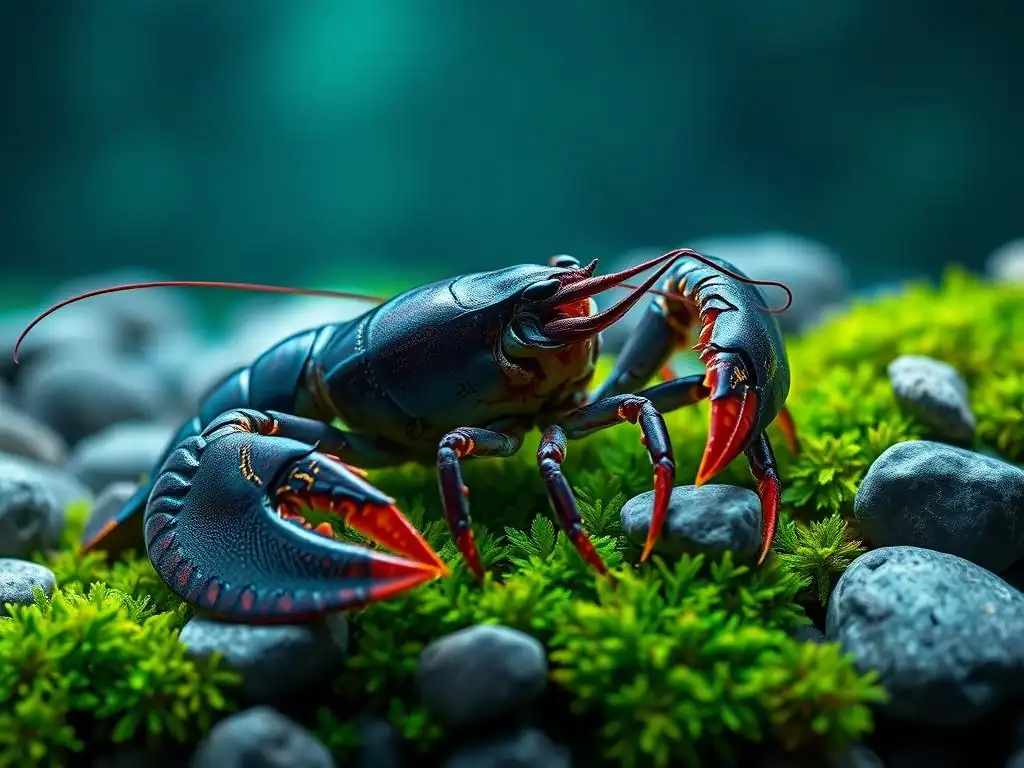
Distinguishing between male and female Red Claw Crayfish is relatively straightforward, especially in mature individuals. Males generally possess significantly larger, more robust claws than females. Additionally, mature male Cherax quadricarinatus exhibit the distinctive red patches on the outer edge of their claws, which are absent in females.
For a definitive identification, examine the underside of the crayfish. Males have two small, pointed reproductive organs called gonopores located at the base of their fifth pair of walking legs (the rearmost pair). Females, conversely, have two larger, rounder gonopores at the base of their third pair of walking legs (closer to the head). Accurate sexing is a fundamental red claw crayfish care tip for successful breeding efforts.
Caring for Eggs and Fry: Ensuring Survival
After mating, the female will carry the fertilized eggs underneath her tail, attached to her swimmerets (pleopods). She constantly fans them to ensure proper oxygenation and to prevent fungal growth. This incubation period typically lasts 4 to 6 weeks, during which the eggs will change color as they develop. It is crucial not to disturb the female during this time.
Once hatched, the tiny fry are miniature versions of the adults. They will remain attached to their mother's pleopods for a few days before becoming fully independent. During this initial period and once free-swimming, the fry require micro-foods such as spirulina powder, finely crushed flakes, or specialized liquid fry food. Providing numerous small hiding places (e.g., fine-leaved plants, small tubes) and maintaining impeccable water quality are vital red claw crayfish care tips to maximize the survival rate of the fragile fry.
Common Health Problems and Prevention
Recognizing Signs of Illness: Lethargy and Discoloration
Prompt recognition of illness signs is crucial for effective intervention in red claw crayfish care tips. Common indicators of poor health include a significant decrease in activity or lethargy, loss of appetite, or unusual posture. Discoloration of the shell, such as the appearance of dull patches, brown or black spots, or a general lack of vibrancy, can also signal underlying issues.
Cloudy eyes, missing limbs (not due to a recent clean molt), or a failure to successfully molt are also serious warning signs. Any deviation from their typical active and curious behavior warrants immediate investigation into water parameters, diet, and potential environmental stressors. Early detection significantly improves the chances of successful treatment and recovery.
Preventing Diseases: Water Quality and Quarantine
The cornerstone of disease prevention for Red Claw Crayfish is maintaining consistently pristine water quality. Regular and adequate water changes (e.g., 25% weekly), efficient mechanical and biological filtration, and avoiding overfeeding are paramount. Stable water parameters reduce stress on the crayfish's immune system, making them far less susceptible to bacterial, fungal, or parasitic infections.
Another critical preventative measure is quarantining new specimens. Before introducing any new crayfish or fish to your main aquarium, house them in a separate quarantine tank for at least 2 to 4 weeks. This allows for observation for signs of disease and provides an opportunity for treatment without risking the health of your established tank inhabitants. This is a non-negotiable red claw crayfish care tip for preventing widespread outbreaks.
Treating Common Ailments: Shell Disease and Parasites
Shell disease, often caused by chitinolytic bacteria, manifests as black or brown lesions, pits, or erosions on the exoskeleton. Mild cases may resolve with significant improvements in water quality and diet. More severe infections might require targeted antibiotic treatments, sometimes administered via medicated food or short-term baths, under the guidance of an experienced aquarist or veterinarian.
Parasitic infections, while less common in well-maintained home aquariums, can occur. Symptoms may include lethargy, loss of appetite, or the visible presence of external parasites like leeches or trematodes. Treatment depends on the specific parasite identified, often involving antiparasitic medications. Always ensure accurate diagnosis before administering any medication, as improper treatment can cause more harm than good. These red claw crayfish care tips for treatment require careful attention.
Red Claw Crayfish vs. Other Crayfish Species: A Comparative Analysis
Red Claw Crayfish vs. Dwarf Crayfish: Tank Size Considerations
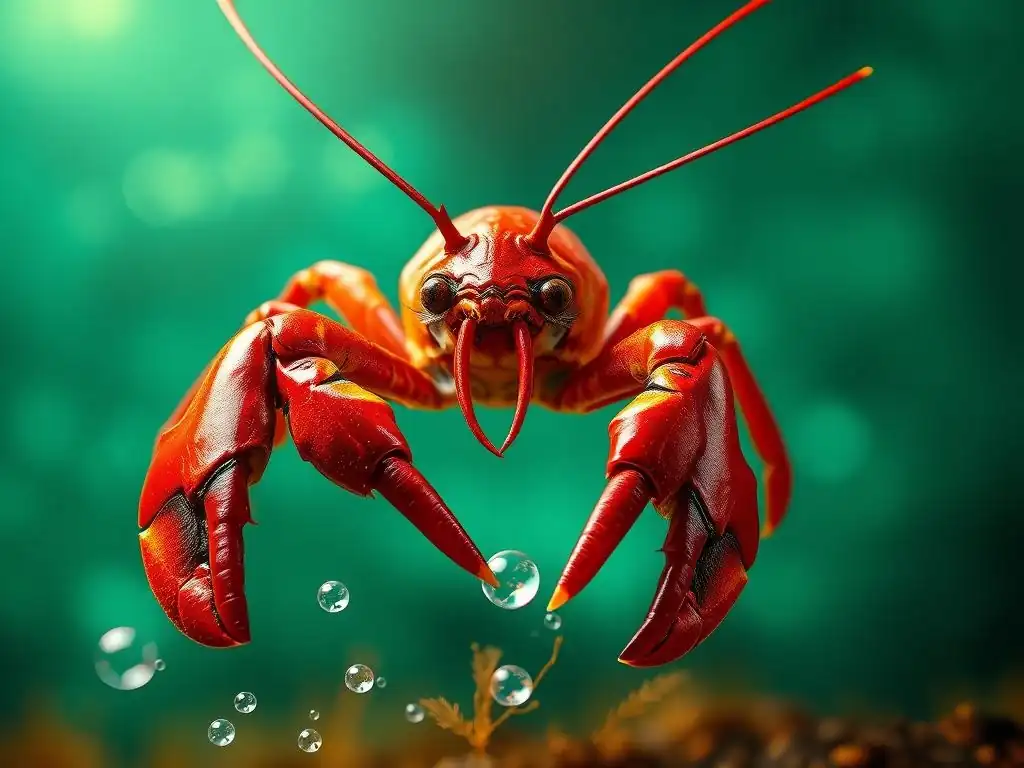
The most significant distinction between Red Claw Crayfish ( Cherax quadricarinatus) and Dwarf Crayfish ( Cambarellus species like Cambarellus patzcuarensis or C. diminutus) lies in their adult size. Red Claws are large crayfish, reaching up to 10 inches, necessitating tanks of 20-30 gallons for a single specimen and much larger for groups.
In stark contrast, Dwarf Crayfish are miniature, typically growing only 1 to 2 inches (2.5 to 5 cm) in length. This size difference directly impacts their housing needs; dwarf species can thrive in much smaller setups, such as 5 to 10-gallon nano tanks. Consequently, the red claw crayfish care tips regarding tank size are vastly different from those for their smaller cousins.
Cherax quadricarinatus vs. Other Large Species: Temperament and Compatibility
When comparing Cherax quadricarinatus to other large crayfish species like the Marbled Crayfish ( Procambarus fallax f. virginalis) or the Louisiana Red Swamp Crayfish ( Procambarus clarkii), differences in temperament and compatibility become apparent. While all are robust, Cherax quadricarinatus is generally considered less aggressively destructive than the notoriously invasive and predatory P. clarkii.
P. clarkii is known for its highly aggressive nature, often preying on fish and extensively destroying live plants, making it largely unsuitable for community aquariums. Cherax quadricarinatus, while still opportunistic and capable of preying on small or slow fish, can sometimes be kept with specific larger, faster-moving fish. This comparative understanding of aggression levels is a vital aspect of comprehensive red claw crayfish care tips when considering species choice.
Pros and Cons of Keeping Red Claw Crayfish
Advantages: Unique Behaviors and Algae Control
Keeping Red Claw Crayfish offers several distinct advantages for the dedicated aquarist. Their striking appearance, particularly the vibrant red claws of mature males, makes them a visually impressive addition to an aquarium. They exhibit fascinating and intelligent behaviors, including active foraging, intricate burrowing, and curious exploration of their environment, providing endless entertainment.
Furthermore, their omnivorous diet includes detritus and certain types of algae, which can contribute to the overall cleanliness of the tank by consuming uneaten food and some nuisance algae. Once established in optimal conditions, they are relatively hardy invertebrates with a decent lifespan, making the application of red claw crayfish care tips a rewarding endeavor for many aquarists.
Disadvantages: Destructive Behavior and Aggression
Despite their appeal, Red Claw Crayfish come with notable disadvantages that potential owners must consider. Their propensity for extensive burrowing and rearranging the substrate can be highly destructive to aquascapes, often leading to the uprooting of live plants and the displacement of decorations. This makes maintaining a meticulously planted tank challenging.
Their opportunistic predatory nature and potential for aggression significantly limit their compatible tank mates. Small, slow, or bottom-dwelling fish are at high risk of being caught and eaten. Their large size also necessitates a substantial tank footprint, which may not be feasible for all aquarists. These are crucial red claw crayfish care tips to weigh before committing to ownership.
Red Claw Crayfish: Are They Right for Your Aquarium?
Assessing Your Setup and Experience
Before acquiring a Red Claw Crayfish, it is essential to honestly assess your existing aquarium setup and your level of experience in the hobby. Do you have a tank that meets the minimum size requirements—at least 20-30 gallons for a single specimen, or 55-75 gallons for a pair? Is your filtration system robust enough to handle their bioload and maintain pristine water quality consistently?
Furthermore, consider your commitment to regular maintenance, including frequent water changes and diligent monitoring of water parameters. While not considered extremely difficult, successful red claw crayfish care tips demand dedication to providing a stable environment, understanding their unique behaviors, and being prepared for their potential for aggression and redecorating. They are not a suitable choice for a novice seeking a low-maintenance community tank.
Recommendation: For Experienced Aquarists with Large Tanks
Red Claw Crayfish are best suited for experienced aquarists who can provide a dedicated, large aquarium environment. They thrive when housed in a species-specific tank or a carefully planned community tank with robust, fast-moving, and preferably top-dwelling fish that can evade their claws. The ability to offer ample hiding places and maintain excellent water chemistry is paramount for their well-being.
While they are undeniably fascinating and rewarding pets, their potential for destructive behavior and aggression means they are not an ideal fit for every aquarium setup or every aquarist. For those prepared to meet their specific needs, applying comprehensive red claw crayfish care tips will result in a captivating and long-lived addition to their aquatic world.
Frequently Asked Questions
How big do Red Claw Crayfish get and how much space do they need?
Red Claw Crayfish can grow up to 8-10 inches in length. A single crayfish requires at least a 20-gallon aquarium, with larger tanks recommended for multiple individuals to reduce aggression.
What do Red Claw Crayfish eat, and how often should they be fed?
They are omnivores and will eat almost anything, including algae, vegetables, and protein-rich foods. Offer a varied diet of sinking pellets, blanched vegetables, and occasional meaty treats 2-3 times a week.
Are Red Claw Crayfish compatible with other aquarium inhabitants?
They can be aggressive and may prey on small fish, invertebrates, and even plants. It's best to keep them with larger, fast-moving fish that can defend themselves, or ideally, in a species-only tank.
What are the ideal water parameters for Red Claw Crayfish?
Maintain a water temperature of 68-82°F (20-28°C), a pH between 6.5 and 8.0, and ensure proper filtration. Regular water changes are crucial to keep the water clean and healthy.
How do I prevent my Red Claw Crayfish from escaping the tank?
Red Claw Crayfish are known for their escape artist abilities. Ensure the aquarium has a tight-fitting lid with no gaps, as they can climb and squeeze through surprisingly small spaces.
Final Reflection: Appreciating the Nuances of Red Claw Crayfish Keeping
The journey through understanding Cherax quadricarinatus, the Red Claw Crayfish, reveals more than just practical care tips; it highlights the responsibility we bear when introducing any species into our aquariums. The delicate balance of an ecosystem, even a contained one, demands informed decisions and a commitment to the well-being of its inhabitants. Ignoring this responsibility can lead to unintended consequences, both for the crayfish and the broader aquatic environment.
This exploration has underscored the importance of diligent research and mindful observation in the world of aquascaping. It's not simply about aesthetics; it's about creating a thriving habitat. As we've seen, the Red Claw Crayfish, while possessing a certain charm, requires specific conditions and careful consideration to prevent them from becoming "tank terrors." In the end, we will conserve only what we love; we will love only what we understand; and we will understand only what we are taught.
- Baba Dioum. This quote perfectly encapsulates the need for education and understanding before bringing any animal into our care.
Now, armed with these insights, I invite you to reflect on your own approach to aquascaping. Are you prepared to dedicate the time and resources necessary to provide a truly enriching environment for your Red Claw Crayfish? Consider the long-term implications of your choices, and strive to be a responsible and informed aquarist. By embracing this mindset, you can transform your aquarium from a mere display into a testament to the beauty and complexity of the natural world.
Unleash Your Inner Crayfish Keeper!
Thanks for diving deep into the world of Red Claw Crayfish! We hope you've found some valuable insights to help you decide if these fascinating creatures are right for your aquarium. Now, let's put that knowledge into action!
Here are a few next steps you can take:
- Consider your tank size and environment: Evaluate whether your current setup, or one you are planning, adequately meets the Red Claw Crayfish’s space and environmental needs, prioritizing their well-being.
- Dive into further research: Explore specific care requirements for Red Claw Crayfish, focusing on diet, tank mates, and potential challenges, using reputable sources like aquarium forums and scientific articles.
- Share your newfound knowledge! Discuss this article with fellow aquarium enthusiasts or start a thread on a relevant forum to learn from their experiences.
Ready to take the plunge and welcome a Red Claw Crayfish into your aquarium, or are you leaning towards a different aquatic companion after learning more?