
Documenting Your Line Breeding Journey: A Guide for Swordtail Enthusiasts

Welcome to Aquarium Mastery!
Ever wondered how to unlock the full potential of your Swordtail line? Dive in and discover our comprehensive Swordtail Line Breeding Guide, where we'll walk you through the techniques, tips, and tricks needed to cultivate vibrant, healthy, and genetically superior Swordtails. Curious about documenting your progress and refining your methods? Let's explore the fascinating world of selective breeding together and unlock the secrets within!
- Documenting Your Swordtail Line Breeding Journey: A Comprehensive Guide
- Introduction to Swordtail Line Breeding and Documentation
- Essential Tools for Documenting Your Swordtail Line Breeding
- Creating a Swordtail Lineage Tracking System
- Detailed Data Collection for Swordtail Line Breeding Success
- Implementing a Consistent Documentation Process
- Analyzing Your Swordtail Line Breeding Data
- Implementing a Consistent Documentation Process
- Analyzing Your Swordtail Line Breeding Data
- Troubleshooting Common Documentation Challenges
- Sharing Your Swordtail Line Breeding Journey
- Advanced Documentation Techniques for Swordtail Breeders
- Conclusion: The Benefits of Detailed Swordtail Line Breeding Documentation
-
Frequently Asked Questions
- How does AquariumMastery.com define line breeding for Swordtails?
- What are the key benefits of following a Swordtail line breeding guide from AquariumMastery.com?
- What types of records should I keep when following a Swordtail line breeding program?
- How does the AquariumMastery.com guide address the risks of inbreeding in Swordtails?
- Where can I find more information about specific Swordtail genetics and breeding techniques on AquariumMastery.com?
- Final Reflection: The Enduring Legacy of Lineage
- Ignite Your Swordtail Legacy!
Documenting Your Swordtail Line Breeding Journey: A Comprehensive Guide
Introduction to Swordtail Line Breeding and Documentation
Why Document Your Swordtail Line Breeding Program?
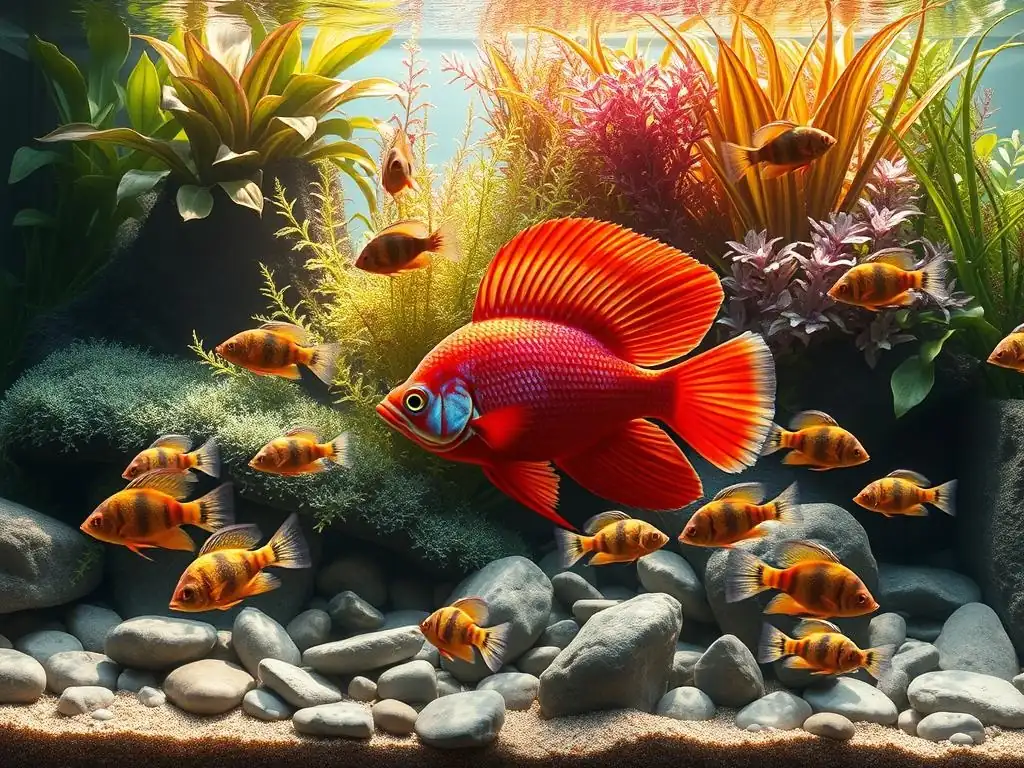
Documenting your Swordtail line breeding program is not merely an optional task; it is a foundational pillar for success and advancement in the hobby. Without meticulous records, breeders often struggle to replicate desirable traits, understand genetic inheritance patterns, or even identify the parentage of specific fish. For instance, if you're aiming to develop a pure strain of Lyretail Swordtails with vibrant red coloration, detailed records allow you to track which pairings consistently produce the most intense reds and the desired finnage, enabling you to refine your selections over generations.
Furthermore, comprehensive documentation serves as an invaluable resource for troubleshooting and problem-solving. Imagine a scenario where your Swordtail fry consistently exhibit a certain deformity, like a shortened caudal fin. By cross-referencing your breeding records – including parental lineage, water parameters during spawning, and feeding regimens – you can potentially pinpoint the environmental or genetic factors contributing to the issue. This systematic approach, central to any effective Swordtail line breeding guide, transforms guesswork into informed decision-making, significantly increasing the efficiency and success rate of your breeding efforts.
The Importance of Record Keeping in Fish Breeding
Record keeping in fish breeding, particularly for complex projects like developing specific Swordtail strains, provides a clear historical account of your efforts and their outcomes. This historical data is crucial for understanding the cumulative effects of selective breeding. For example, if you're working on a strain of Berlin Swordtails, tracking the number of fry per spawn, their survival rates, and the percentage exhibiting the desired Berlin pattern over several generations (e.g., from an initial 30% to a current 75%) allows you to quantify your progress and identify effective breeding strategies.
Beyond tracking progress, robust record keeping is essential for maintaining the genetic integrity and health of your Swordtail lines. Without precise records, it's easy to accidentally introduce undesirable traits or inadvertently inbreed too closely, leading to reduced vigor, fertility issues, or increased susceptibility to disease. Many experienced Swordtail line breeders recommend keeping detailed records for at least 5-7 generations to fully understand the genetic stability of a particular trait. This commitment to documentation ensures that your Swordtail breeding program remains healthy, productive, and continues to move towards its defined genetic goals.
Selecting Quality Swordtail Stock for Breeding
The foundation of any successful Swordtail line breeding program begins with the careful selection of high-quality initial breeding stock. This crucial step directly impacts the potential for achieving desired genetic traits and minimizing undesirable characteristics in future generations. For example, if your goal is to breed a strain of Pineapple Swordtails with intense yellow coloration and robust health, you must start with parent fish that exemplify these traits, ideally free from deformities, signs of disease, or genetic weaknesses such as stunted growth or poor fin development.
When selecting Swordtails for your breeding project, it's not just about visual appeal; it's also about understanding their lineage, if possible. While this can be challenging with commercially acquired fish, asking about the source and any known genetic background can provide valuable insights.
For instance, a breeder might inform you that their Red Velvet Swordtails typically produce a high percentage of offspring with excellent finnage and vibrant color, indicating a stable line. Aim for fish that are active, show good appetite, and exhibit the specific traits you wish to enhance, as these characteristics are more likely to be passed down through careful Swordtail line breeding.
Essential Tools for Documenting Your Swordtail Line Breeding
Physical Notebooks vs. Digital Spreadsheets for Data Management
When embarking on a Swordtail line breeding journey, choosing the right method for data management is paramount. Physical notebooks offer a tangible, immediate way to record observations right at the tank side. They require no batteries or software, making them reliable in any environment.
Many breeders appreciate the freedom to sketch fin patterns or color variations directly into their notes, a visual aid that can be harder to integrate seamlessly into digital formats. However, notebooks can be prone to loss, damage, or becoming unwieldy as data accumulates, making cross-referencing specific information, like the average spawn size for a particular female over five breeding cycles, a time-consuming manual search.
In contrast, digital spreadsheets, such as Microsoft Excel or Google Sheets, provide powerful organizational and analytical capabilities for your Swordtail breeding data. Data can be easily sorted, filtered, and searched, allowing for quick retrieval of specific information, such as all offspring from a particular male that exhibited a specific caudal fin mutation.
Furthermore, spreadsheets can perform calculations automatically (e.g., survival rates, growth averages) and even generate basic graphs to visualize trends in your Swordtail line breeding program. While they require a device and basic software knowledge, the long-term benefits in terms of data analysis and accessibility often outweigh the initial learning curve, making them a preferred choice for serious Swordtail line breeders.
Photography and Videography for Visual Documentation of Swordtail
Visual documentation through photography and videography is an indispensable component of any effective Swordtail line breeding guide. A still photograph can capture the precise coloration, fin shape, and body conformation of a specific Swordtail at a given age, providing an objective reference point that written descriptions often fail to convey fully.
For instance, documenting the development of a high-fin Swordtail strain requires capturing images of fry at 2 weeks, juveniles at 6 weeks, and adults at 4 months to observe the progression of fin development. It's recommended to take photos under consistent lighting conditions against a neutral background to ensure comparability over time.
Videography offers an even more dynamic perspective, allowing breeders to record behaviors, swimming patterns, and the subtle nuances of fin movement that still images cannot convey. For a Swordtail line breeding project focused on vigor or courtship displays, a short video clip can provide invaluable insights into the overall health and reproductive readiness of your fish. Many modern smartphones are capable of capturing high-quality video, making this an accessible tool. Labeling files with precise dates and fish identifiers (e.g., Male_001_12-05-2023_Courtship.mp4) ensures that these visual records are easily retrievable and contribute meaningfully to your comprehensive Swordtail line breeding guide.
Utilizing Software for Pedigree Tracking and Data Analysis
Specialized software can significantly streamline the complex task of pedigree tracking and data analysis for Swordtail line breeding. While generic spreadsheets are useful, dedicated breeding software (or even robust database programs like Access) can automate the generation of pedigree charts, calculate inbreeding coefficients, and track genetic traits across multiple generations with greater precision.
For example, some programs allow you to input parents' IDs and automatically link offspring, creating a visual family tree that instantly shows the lineage of any given Swordtail. This is particularly valuable when managing multiple lines or trying to avoid accidental sibling pairings within a large breeding colony.
Beyond simple lineage tracking, advanced software can offer powerful analytical tools. You might input data points such as "number of fry with desired coloration," "average growth rate at 60 days," or "prevalence of specific deformities."
The software can then generate reports, identify trends, and even predict the probability of certain traits appearing in future generations based on historical data. While commercial breeding software can sometimes be an investment, free or open-source alternatives exist, and even a well-structured custom database in a program like LibreOffice Base can dramatically enhance the efficiency and analytical depth of your Swordtail line breeding efforts, helping you make more informed decisions.
Creating a Swordtail Lineage Tracking System
Establishing Unique Identifiers for Each Swordtail
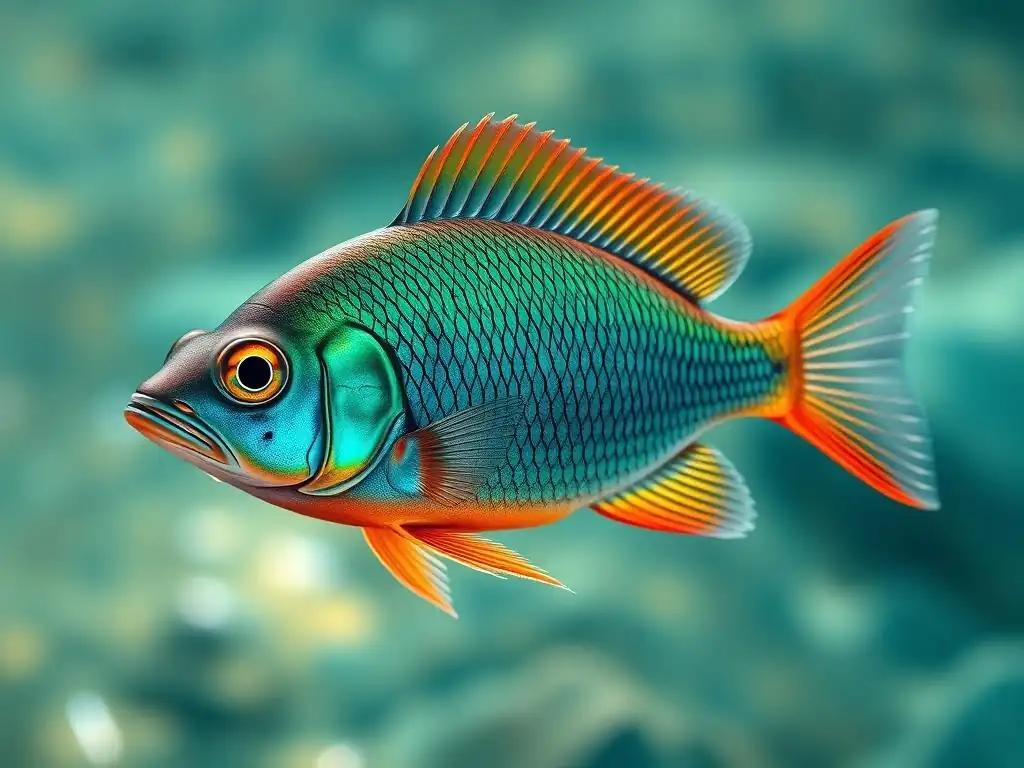
A cornerstone of effective Swordtail line breeding documentation is the establishment of a robust system for uniquely identifying each individual fish. This prevents confusion, ensures accurate pedigree tracking, and is critical for any serious Swordtail line breeding guide. A common method involves assigning a sequential number to each fish within a spawn, combined with a code for the parents and the spawn date. For example, M001-F002-231026-001 could denote the first fry ( 001) from male M001 and female F002 spawned on October 26, 2023 ( 231026). For larger operations, a simple running numerical ID (e.g., SWD-0001, SWD-0002) can be assigned upon initial observation or selection.
These unique identifiers are then linked to all associated data points, such as birth date, parentage, observed traits, health records, and eventual disposition (e.g., kept for breeding, sold, culled). While individual tagging of small fish like Swordtails is impractical, their tanks, containers, or even specific sections within a grow-out tank can be labeled with the unique ID of the group or spawn.
For selected breeders, isolating them in individual tanks with clear labels ensures their identity is maintained. This systematic approach ensures that every piece of data collected contributes to a clear, traceable lineage, vital for successful Swordtail line breeding.
Designing a Pedigree Chart for Your Swordtail Lines
A well-designed pedigree chart is the visual backbone of your Swordtail line breeding documentation, illustrating the genetic relationships between individuals and generations. It typically starts with an individual fish and traces its ancestry backward, showing parents, grandparents, and so on. For Swordtails, this chart might include the unique identifier of each fish, its sex, and key traits. A common format uses squares for males and circles for females, with lines connecting offspring to their parents, often spanning 3-5 generations to provide sufficient genetic context.
Beyond basic parentage, a comprehensive pedigree chart for Swordtail line breeding can be enhanced with additional information. You might include a small note next to each fish's identifier indicating its primary phenotype (e.g., "Red Wag," "Pineapple Lyretail," "Black Berlin") or specific genetic markers if known.
Highlighting fish that were selected as future breeders, or those that exhibited undesirable traits, can also be beneficial for quick visual assessment. Regularly updating and reviewing these charts allows breeders to quickly identify potential inbreeding issues, track the spread of desired traits, and make informed decisions about future pairings, making this a critical tool in any Swordtail line breeding guide.
Recording Key Traits: Coloration, Fin Morphology, Body Shape
Detailed and consistent recording of key traits is paramount for achieving specific goals in Swordtail line breeding. For coloration, don't just note "red"; instead, use a more descriptive scale or reference system. For example, you might rate the intensity of red from 1-5, or note the specific pattern (e.g., "solid red," "red with black wag," "pineapple with faint marbling"). This allows for objective comparison across generations and helps in selecting fish that exhibit the most desirable hues and patterns. Consistency in observation conditions, such as lighting, is crucial to ensure accurate comparisons of Swordtail coloration.
Fin morphology in Swordtails offers a wide range of variations to document, from standard to lyretail, high-fin, and even sword length and shape. For each fish, record the type of caudal fin, the dorsal fin height and shape (e.g., "standard," "sailfin," "lyretail dorsal"), and any unique characteristics of the pectoral or anal fins.
Body shape, including overall size, robustness, and any deformities (e.g., "straight spine," "slight curvature," "stunted growth"), should also be meticulously noted. Using a standardized checklist or scoring system for each trait ensures that data is comparable and actionable, enabling you to track the inheritance and expression of these characteristics through your Swordtail line breeding program.
Detailed Data Collection for Swordtail Line Breeding Success
Water Parameters: pH, Temperature, Ammonia, Nitrite, Nitrate
Meticulous recording of water parameters is a non-negotiable aspect of successful Swordtail line breeding. Fluctuations in water chemistry can profoundly impact fish health, spawning success, and fry development. For Swordtails, which generally prefer slightly alkaline to neutral water (pH 7.0-8.0), tracking the pH daily or weekly is crucial, especially during spawning and fry rearing. Consistent temperature (typically 75-80°F or 24-27°C) is also vital, as deviations can stress fish and hinder reproduction. Any significant changes or deviations from optimal ranges should be noted, along with any actions taken to correct them.
Beyond pH and temperature, monitoring nitrogenous compounds – ammonia, nitrite, and nitrate – provides critical insights into water quality and tank cycling. Ammonia and nitrite should always be at 0 ppm, as even low levels are highly toxic to Swordtails, especially delicate fry.
Nitrate levels, while less acutely toxic, should be kept below 20 ppm through regular water changes. Documenting these readings (e.g., "Ammonia: 0 ppm, Nitrite: 0 ppm, Nitrate: 10 ppm on 2023-11-15") allows you to identify patterns, such as a spike in nitrates correlating with reduced fry survival, or to confirm that your filtration system is adequately managing the bioload of your Swordtail breeding tanks.
Feeding Regimen and Growth Rates of Swordtail Fry
The feeding regimen directly impacts the growth rate, health, and vigor of your Swordtail fry, making its detailed documentation essential for any comprehensive Swordtail line breeding guide. Record the type of food offered (e.g., "Hikari First Bites," "live baby brine shrimp," "crushed flake food"), the frequency of feeding (e.g., "4 times daily"), and the approximate quantity given. For instance, you might note, "Day 1-7: Baby brine shrimp, 5x daily, 0.5 ml per feeding. Day 8-21: Finely crushed high-protein flake, 4x daily, pinch size." This allows you to correlate feeding strategies with fry development and overall success.
Tracking the growth rates of Swordtail fry provides objective data on the effectiveness of your feeding and rearing protocols. While measuring individual fry is impractical, you can periodically measure a representative sample or observe the average size of the cohort. For example, "Spawn A (2023-10-26): Avg. size at 30 days: 0.5 inches.
Avg. size at 60 days: 1.2 inches." Significant deviations from expected growth rates can signal issues with diet, water quality, or even genetic predispositions within a specific Swordtail line. This data empowers you to adjust your feeding strategies to optimize development and ensure your Swordtail line breeding program produces robust, healthy fish.
Monitoring Health and Identifying Genetic Issues in Swordtail
Consistent monitoring and documentation of Swordtail health are critical for maintaining a robust breeding program and identifying potential genetic issues. Any signs of illness, such as clamped fins, lethargy, loss of appetite, or external lesions, should be recorded immediately with date, symptoms, and any treatments administered. For instance, "2023-11-01: Female SWD-045 showing mild fin rot. Treated with daily 25% water changes and API Melafix for 7 days." Tracking the prevalence of specific ailments across different spawns can highlight vulnerabilities in certain Swordtail lines or indicate a need to adjust husbandry practices.
Furthermore, meticulous observation is key to identifying genetic issues that might manifest as deformities or weaknesses. These could include spinal curvatures, missing fins, stunted growth unrelated to nutrition, or unusual susceptibility to common diseases.
For example, if 15% of fry from a particular pairing consistently exhibit a bent spine, this strongly suggests a genetic predisposition that needs to be addressed in your Swordtail line breeding choices. Documenting the percentage of fry with specific deformities (e.g., "Spawn B (2023-09-15): 3/50 fry (6%) with severe spinal curvature") provides concrete data for culling decisions and for refining your breeding goals to eliminate undesirable traits from your Swordtail line.
Implementing a Consistent Documentation Process
Daily, Weekly, and Monthly Reporting Schedules
Establishing a structured reporting schedule is fundamental to maintaining comprehensive and accurate documentation for your Swordtail line breeding efforts. Daily observations should focus on immediate critical factors: feeding success, general activity levels of fish, any visible signs of distress or illness, and perhaps quick checks of tank temperature. For instance, a daily entry might be: "11/15/2023: All tanks fed, fish active. Spawn C fry accepting live brine shrimp well. No visible issues." This routine ensures immediate issues are caught and addressed.
Weekly reports should delve deeper, encompassing water parameter tests (pH, ammonia, nitrite, nitrate), water change logs, and more detailed observations on growth and development, especially of fry. This is also a good time to update individual fish records for selected breeders or growing juveniles. For example: "Week of 11/13-11/19: All tank nitrates <15ppm. Spawn A juveniles showing good growth, avg 1.5 cm.
Noted 2 female SWD-050 fry developing strong red coloration." Monthly reports provide a broader overview, summarizing progress for each Swordtail line, reviewing breeding successes and failures, assessing overall population health, and planning future pairings. This tiered approach ensures both granular detail and macroscopic oversight in your Swordtail line breeding guide.
Standardizing Data Entry for Accurate Analysis
Standardizing data entry is crucial for the accuracy and comparability of your Swordtail line breeding records. Without consistent terminology and formats, analyzing trends or comparing different spawns becomes difficult and prone to error. For example, instead of using varied descriptions like "red fish," "very red," or "dark red," establish a specific color grading scale (e.g., R1-R5 for red intensity, or specific hex codes if using digital image analysis). Similarly, for fin morphology, define terms precisely: "Lyretail Type A" vs. "Lyretail Type B" if there are subtle variations you're tracking.
This standardization extends to numerical data as well. Always record measurements in the same units (e.g., centimeters for length, degrees Celsius for temperature). Use consistent date formats (e.g., YYYY-MM-DD). For qualitative observations, consider using a controlled vocabulary or a dropdown menu in a digital system. Implementing a template for each type of record (e.g., "Spawn Record Template," "Individual Fish Profile Template") ensures that no critical information is missed and that all data points are entered in a uniform manner. This rigor in data entry transforms raw observations into a reliable dataset, making your Swordtail line breeding guide truly data-driven.
Creating a Visual Journal: Documenting Swordtail Development
A visual journal, comprising a chronological collection of photographs and videos, is an incredibly powerful tool for documenting the developmental progression within your Swordtail line breeding program. This goes beyond individual fish portraits and focuses on capturing the evolution of specific traits and overall growth across a cohort.
For instance, you might take weekly or bi-weekly photos of a designated "reference group" of fry from a particular spawn, always under the same lighting and background conditions. This visual timeline allows you to observe subtle changes in coloration, fin development, and body shape that might be missed in written notes alone.
The visual journal can also document the entire life cycle of your Swordtails, from newly hatched fry to mature breeders. Capturing images of spawning behavior, egg development (if applicable), and the progression of fry through different growth stages provides invaluable insights into the reproductive success and developmental milestones of your lines.
For example, documenting the transition of a "Sunset" Swordtail from a pale juvenile to a fully colored adult demonstrates the expression of its genetic potential. This visual narrative not only serves as a critical reference for your Swordtail line breeding guide but also provides a rewarding visual history of your efforts.
Analyzing Your Swordtail Line Breeding Data
Identifying Trends and Patterns in Your Swordtail Lines
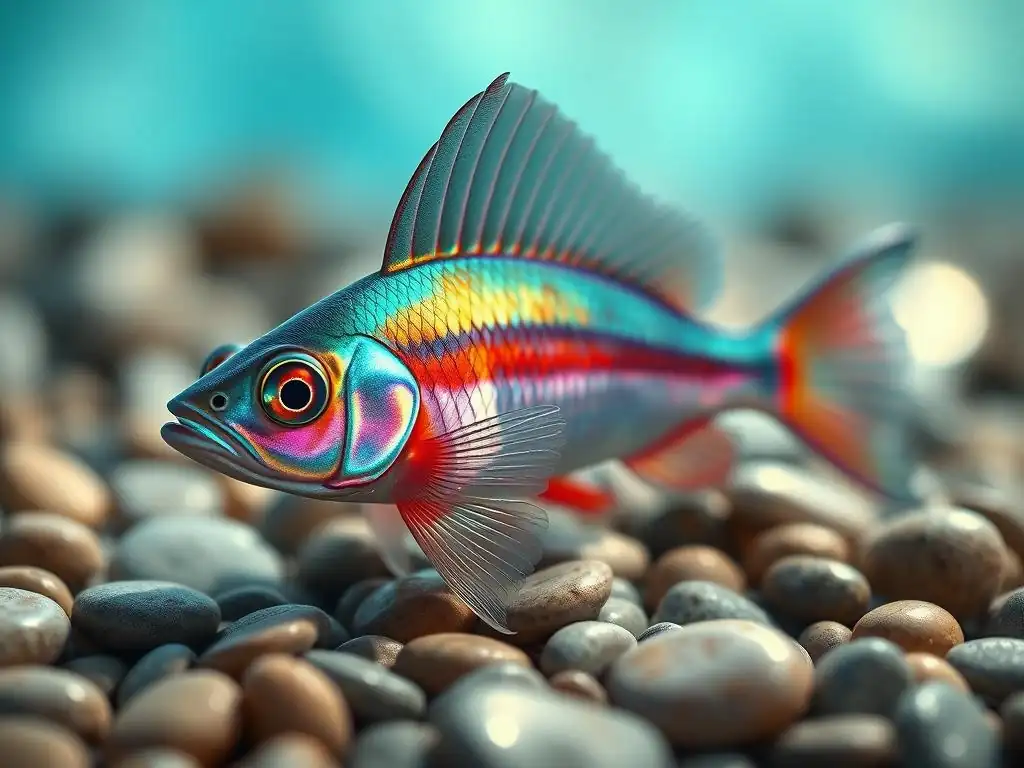
Analyzing the meticulously collected data is where the true power of documentation for Swordtail line breeding becomes evident. By systematically reviewing your records, you can identify significant trends and patterns that might not be obvious from day-to-day observation. For example, you might notice that a particular male consistently produces a higher percentage of offspring with the desired "high-fin" trait compared to other males, or that fry from certain pairings exhibit a faster growth rate. This kind of pattern recognition is crucial for understanding the genetic contributions of individual breeders and optimizing future pairings.
Furthermore, data analysis can help pinpoint potential issues or bottlenecks in your Swordtail line breeding program. Perhaps you observe a consistent decline in fry survival rates in tanks where nitrates exceed 20 ppm, or a higher incidence of deformities in offspring from closely related parents. By correlating different data points – water parameters with health, parentage with trait expression, feeding with growth – you can uncover causal relationships. This analytical approach, a core component of any effective Swordtail line breeding guide, allows you to move beyond anecdotal observations and make data-backed improvements to your breeding strategies.
Using Data to Make Informed Breeding Decisions
The ultimate goal of comprehensive documentation and analysis in Swordtail line breeding is to make informed, strategic breeding decisions that propel your program towards its objectives. Once you've identified trends and patterns, you can use this data to select the next generation of breeders with greater precision. For example, if your goal is to enhance the "Red Velvet" coloration, and your data shows that pairing male A (from spawn X) with female B (from spawn Y) consistently yields the most vibrant reds, you can prioritize this pairing or use their offspring as future foundation stock.
Conversely, data can also guide culling decisions. If a particular Swordtail consistently produces offspring with undesirable traits (e.g., poor finnage, susceptibility to disease), despite being visually appealing, the data clearly indicates that this fish should be removed from the breeding pool to prevent the propagation of those characteristics. This objective, data-driven approach minimizes guesswork and emotional bias, ensuring that your Swordtail line breeding program is based on genetic merit and contributes to the advancement of the strain.
Refining Breeding Goals Based on Documentation Analysis
Documentation analysis is not just about confirming current strategies; it's also about refining and even redefining your Swordtail line breeding goals. As you collect and analyze data across multiple generations, you might discover that a trait you initially aimed for is proving difficult to stabilize, or that an unexpected, desirable trait is emerging consistently in your lines. For example, you might have initially focused solely on "Lyretail" development, but through your records, you notice a surprising number of offspring with exceptionally broad dorsal fins. This could lead you to incorporate "Sailfin" development into your new or refined breeding objectives.
Conversely, if your data consistently shows that a specific trait is causing health issues (e.g., extreme finnage leading to mobility problems), you might adjust your goals to prioritize health and vigor over exaggerated features. This iterative process of setting goals, documenting, analyzing, and refining is a hallmark of successful Swordtail line breeding. It ensures that your efforts remain flexible, responsive to genetic realities, and continuously optimized for the long-term health and improvement of your Swordtail strains, making your Swordtail line breeding guide a living document.
Implementing a Consistent Documentation Process
Daily, Weekly, and Monthly Reporting Schedules
Establishing a structured reporting schedule is fundamental to maintaining comprehensive and accurate documentation for your Swordtail line breeding efforts. Daily observations should focus on immediate critical factors: feeding success, general activity levels of fish, any visible signs of distress or illness, and perhaps quick checks of tank temperature. For instance, a daily entry might be: "11/15/2023: All tanks fed, fish active. Spawn C fry accepting live brine shrimp well. No visible issues." This routine ensures immediate issues are caught and addressed.
Weekly reports should delve deeper, encompassing water parameter tests (pH, ammonia, nitrite, nitrate), water change logs, and more detailed observations on growth and development, especially of fry. This is also a good time to update individual fish records for selected breeders or growing juveniles. For example: "Week of 11/13-11/19: All tank nitrates <15ppm. Spawn A juveniles showing good growth, avg 1.5 cm.
Noted 2 female SWD-050 fry developing strong red coloration." Monthly reports provide a broader overview, summarizing progress for each Swordtail line, reviewing breeding successes and failures, assessing overall population health, and planning future pairings. This tiered approach ensures both granular detail and macroscopic oversight in your Swordtail line breeding guide.
Standardizing Data Entry for Accurate Analysis
Standardizing data entry is crucial for the accuracy and comparability of your Swordtail line breeding records. Without consistent terminology and formats, analyzing trends or comparing different spawns becomes difficult and prone to error. For example, instead of using varied descriptions like "red fish," "very red," or "dark red," establish a specific color grading scale (e.g., R1-R5 for red intensity, or specific hex codes if using digital image analysis). Similarly, for fin morphology, define terms precisely: "Lyretail Type A" vs. "Lyretail Type B" if there are subtle variations you're tracking.
This standardization extends to numerical data as well. Always record measurements in the same units (e.g., centimeters for length, degrees Celsius for temperature). Use consistent date formats (e.g., YYYY-MM-DD). For qualitative observations, consider using a controlled vocabulary or a dropdown menu in a digital system. Implementing a template for each type of record (e.g., "Spawn Record Template," "Individual Fish Profile Template") ensures that no critical information is missed and that all data points are entered in a uniform manner. This rigor in data entry transforms raw observations into a reliable dataset, making your Swordtail line breeding guide truly data-driven.
Creating a Visual Journal: Documenting Swordtail Development
A visual journal, comprising a chronological collection of photographs and videos, is an incredibly powerful tool for documenting the developmental progression within your Swordtail line breeding program. This goes beyond individual fish portraits and focuses on capturing the evolution of specific traits and overall growth across a cohort.
For instance, you might take weekly or bi-weekly photos of a designated "reference group" of fry from a particular spawn, always under the same lighting and background conditions. This visual timeline allows you to observe subtle changes in coloration, fin development, and body shape that might be missed in written notes alone.
The visual journal can also document the entire life cycle of your Swordtails, from newly hatched fry to mature breeders. Capturing images of spawning behavior, egg development (if applicable), and the progression of fry through different growth stages provides invaluable insights into the reproductive success and developmental milestones of your lines.
For example, documenting the transition of a "Sunset" Swordtail from a pale juvenile to a fully colored adult demonstrates the expression of its genetic potential. This visual narrative not only serves as a critical reference for your Swordtail line breeding guide but also provides a rewarding visual history of your efforts.
Analyzing Your Swordtail Line Breeding Data
Identifying Trends and Patterns in Your Swordtail Lines
Analyzing the meticulously collected data is where the true power of documentation for Swordtail line breeding becomes evident. By systematically reviewing your records, you can identify significant trends and patterns that might not be obvious from day-to-day observation. For example, you might notice that a particular male consistently produces a higher percentage of offspring with the desired "high-fin" trait compared to other males, or that fry from certain pairings exhibit a faster growth rate. This kind of pattern recognition is crucial for understanding the genetic contributions of individual breeders and optimizing future pairings.
Furthermore, data analysis can help pinpoint potential issues or bottlenecks in your Swordtail line breeding program. Perhaps you observe a consistent decline in fry survival rates in tanks where nitrates exceed 20 ppm, or a higher incidence of deformities in offspring from closely related parents. By correlating different data points – water parameters with health, parentage with trait expression, feeding with growth – you can uncover causal relationships. This analytical approach, a core component of any effective Swordtail line breeding guide, allows you to move beyond anecdotal observations and make data-backed improvements to your breeding strategies.
Using Data to Make Informed Breeding Decisions
The ultimate goal of comprehensive documentation and analysis in Swordtail line breeding is to make informed, strategic breeding decisions that propel your program towards its objectives. Once you've identified trends and patterns, you can use this data to select the next generation of breeders with greater precision. For example, if your goal is to enhance the "Red Velvet" coloration, and your data shows that pairing male A (from spawn X) with female B (from spawn Y) consistently yields the most vibrant reds, you can prioritize this pairing or use their offspring as future foundation stock.
Conversely, data can also guide culling decisions. If a particular Swordtail consistently produces offspring with undesirable traits (e.g., poor finnage, susceptibility to disease), despite being visually appealing, the data clearly indicates that this fish should be removed from the breeding pool to prevent the propagation of those characteristics. This objective, data-driven approach minimizes guesswork and emotional bias, ensuring that your Swordtail line breeding program is based on genetic merit and contributes to the advancement of the strain.
Refining Breeding Goals Based on Documentation Analysis
Documentation analysis is not just about confirming current strategies; it's also about refining and even redefining your Swordtail line breeding goals. As you collect and analyze data across multiple generations, you might discover that a trait you initially aimed for is proving difficult to stabilize, or that an unexpected, desirable trait is emerging consistently in your lines. For example, you might have initially focused solely on "Lyretail" development, but through your records, you notice a surprising number of offspring with exceptionally broad dorsal fins. This could lead you to incorporate "Sailfin" development into your new or refined breeding objectives.
Conversely, if your data consistently shows that a specific trait is causing health issues (e.g., extreme finnage leading to mobility problems), you might adjust your goals to prioritize health and vigor over exaggerated features. This iterative process of setting goals, documenting, analyzing, and refining is a hallmark of successful Swordtail line breeding. It ensures that your efforts remain flexible, responsive to genetic realities, and continuously optimized for the long-term health and improvement of your Swordtail strains, making your Swordtail line breeding guide a living document.
Troubleshooting Common Documentation Challenges
Addressing Lost or Incomplete Data
Lost or incomplete data is a common and frustrating challenge in any long-term project like Swordtail line breeding. To mitigate data loss, always implement redundant backup strategies for digital records. This means not just saving to your computer's hard drive, but also to a cloud service (e.g., Google Drive, Dropbox) and/or an external hard drive. For physical notebooks, consider scanning important pages periodically or making photocopies of critical pedigree charts. A robust Swordtail line breeding guide emphasizes prevention over cure when it comes to data integrity.
When data is inevitably incomplete, the best approach is to acknowledge the gap and, if possible, reconstruct the missing information using other available records. For instance, if a specific spawn date is missing, you might approximate it based on the known birth dates of siblings or the last recorded breeding activity of the parents. Clearly mark any reconstructed or estimated data as such (e.g., "Spawn Date: ~2023-08-15 (estimated)"). While perfect data is ideal, a well-documented approximation is always better than a blank space, allowing your Swordtail line breeding efforts to continue with minimal disruption.
Maintaining Accuracy and Consistency Over Time
Maintaining accuracy and consistency in your Swordtail line breeding documentation over extended periods requires discipline and a systematic approach. One key strategy is to conduct regular audits of your records. Periodically (e.g., quarterly or semi-annually), review your data for discrepancies, typos, or inconsistencies in terminology. For example, check if all fish identified as "Lyretail" truly fit your established definition, or if all pH readings are within a logical range. This proactive review helps catch errors before they propagate throughout your dataset.
Furthermore, consider implementing a "documentation style guide" for yourself or anyone assisting with your Swordtail line breeding project. This simple document outlines preferred naming conventions, data formats, and observation protocols. For instance, it might specify that all fish lengths are recorded in millimeters, or that "health status" is rated on a scale of 1-5. Regular review of this guide, perhaps annually, helps reinforce consistent practices and ensures that your Swordtail line breeding guide remains a reliable and accurate record of your progress.
Preventing Documentation Burnout in Swordtail Breeding
Documentation burnout is a real risk for dedicated Swordtail breeders, as the sheer volume of data can become overwhelming. To prevent this, integrate documentation into your daily routine in small, manageable chunks rather than letting it accumulate into daunting tasks. For example, spend 5-10 minutes each morning updating daily observations, rather than trying to input a week's worth of data on Sunday. This consistent, bite-sized approach makes the process feel less burdensome, a key tip for any practical Swordtail line breeding guide.
Another strategy is to streamline your methods wherever possible. Utilize templates, checklists, and automated calculations in spreadsheets to minimize manual effort. If practical, consider voice-to-text options for initial observations, which can be transcribed and organized later. Most importantly, remember the "why": documentation is a tool for achieving your breeding goals, not an end in itself. Focusing on the long-term benefits – improved strains, deeper understanding of Swordtail genetics, and contributions to the hobby – can provide the motivation needed to overcome the drudgery and ensure your Swordtail line breeding efforts are sustained.
Contributing to the Swordtail Community with Your Findings
Sharing your Swordtail line breeding journey and findings is a valuable way to contribute to the broader aquatic community. Your detailed documentation, including successes and challenges, can provide invaluable insights for other enthusiasts looking to embark on similar projects. For example, if you've successfully stabilized a new color morph of Swordtails or overcome a specific genetic predisposition, sharing your breeding methodology and the data supporting your claims can accelerate the progress of the hobby as a whole.
This contribution can take many forms: writing articles for online forums or dedicated aquarium websites, participating in discussions, or even creating short, informative videos. When sharing, focus on providing concrete data and methodologies rather than just anecdotal observations. For instance, instead of saying "my fish grew fast," specify "My Swordtail fry reached an average length of 1.5 inches by 60 days on a diet of daily live baby brine shrimp and twice-daily high-protein flake." This level of detail makes your contributions highly actionable and positions your work as a valuable Swordtail line breeding guide for others.
Presenting Breeding Results at Aquarium Societies
Presenting your Swordtail breeding results at local or national aquarium societies is an excellent way to share your knowledge, gain feedback, and network with fellow aquarists. Such presentations allow you to showcase your fish, discuss your methodology, and highlight the progress of your Swordtail line breeding program. For example, you could prepare a presentation detailing the journey of developing a specific "Pineapple High-Fin" Swordtail strain, using your documented pedigree charts, growth data, and visual records to illustrate your points.
When preparing a presentation, focus on clear, concise communication of your key findings. Highlight the challenges you faced and how your documentation helped you overcome them. Visual aids, such as photographs of different generations of your Swordtails or graphs illustrating trait prevalence over time, are particularly effective. These presentations not only educate others but also provide a platform for recognition of your dedication and success in Swordtail line breeding, enriching the collective knowledge base of the hobby.
Documenting for Future Generations of Swordtail Breeders
One of the most profound impacts of meticulous documentation in Swordtail line breeding is its potential to benefit future generations of breeders. Your comprehensive records can serve as a historical archive, preserving knowledge about specific Swordtail strains, their genetic lineage, and the breeding techniques that proved successful or unsuccessful. Imagine the value of accessing detailed records from a breeder 50 years ago who successfully developed the "Black Molly" Swordtail – such information would be priceless for modern attempts to recreate or understand these classic strains.
By clearly documenting your methodologies, genetic lines, and the rationale behind your breeding decisions, you create a legacy that can be built upon by others. This includes not only your successes but also your failures, as understanding what didn't work is often as valuable as knowing what did. Ensuring your records are organized, legible, and stored in a durable format (e.g., cloud backups, printed binders) guarantees that your Swordtail line breeding guide can continue to inform and inspire breeders for decades to come, contributing to the long-term diversity and health of the species in the hobby.
Advanced Documentation Techniques for Swordtail Breeders
Genetic Testing and Marker Analysis
For the dedicated Swordtail line breeder, incorporating genetic testing and marker analysis represents an advanced frontier in documentation and understanding. While not yet widely accessible or affordable for all hobbyists, genetic testing can provide definitive insights into the genetic makeup of individual Swordtails, identifying specific genes responsible for traits like coloration (e.g., red, black, albino), fin morphology, or even disease resistance. For instance, if a specific genetic marker is known to be linked to the "Berlin" pattern, testing can confirm the presence of this marker in your breeding stock, even before the trait is fully expressed phenotypically.
Marker analysis can also help in confirming parentage with 100% certainty, eliminating any doubt in your pedigree charts. This is particularly useful in situations where multiple males might have access to a female, or if you acquire fish with uncertain backgrounds. As genetic sequencing becomes more affordable, it offers the potential to precisely map the genetic landscape of your Swordtail lines, allowing for highly targeted selective breeding based on genotype rather than just phenotype. This level of scientific rigor transforms your Swordtail line breeding guide into a truly cutting-edge resource.
Using Image Analysis for Trait Quantification
Image analysis software offers a powerful, objective method for quantifying specific traits in your Swordtail line breeding program, moving beyond subjective visual assessment. Instead of simply noting "bright red," you can use software to analyze color saturation, hue, and luminance from standardized photographs, assigning numerical values. Similarly, fin morphology can be precisely measured (e.g., sword length relative to body length, dorsal fin height in pixels) and compared across individuals and generations.
For example, a breeder aiming to maximize the sword length in males could use image analysis to measure the exact length of the caudal fin extension from a set viewpoint, then correlate these measurements with parentage and environmental factors. This provides quantitative data that is far more precise than qualitative descriptions, allowing for more rigorous statistical analysis of trait inheritance. While requiring specialized software and consistent photographic techniques, image analysis adds a layer of scientific precision to your Swordtail line breeding guide, enabling more effective selection for complex traits.
For Swordtail breeders engaged in larger-scale projects or those collaborating with other enthusiasts, utilizing collaborative documentation platforms can significantly enhance efficiency and data sharing. Platforms like shared cloud spreadsheets (Google Sheets), dedicated project management tools (e.g., Trello for task tracking, Notion for database management), or even specialized breeding software with multi-user access allow multiple individuals to contribute to and access the same dataset in real-time.
This is particularly beneficial when working on complex Swordtail line breeding projects that might involve multiple breeding facilities or distributed efforts to maintain genetic diversity. For instance, if one breeder focuses on "Red Wag" Swordtails and another on "Black Berlin" Swordtails, a shared platform can facilitate the exchange of genetic information, breeding results, and even plans for future outcrosses. These platforms ensure consistency in data entry, reduce redundancy, and foster a more integrated and effective approach to advancing Swordtail genetics within the community, making your Swordtail line breeding guide a truly collaborative effort.
Conclusion: The Benefits of Detailed Swordtail Line Breeding Documentation
Improving Swordtail Breeding Skills Through Documentation
Detailed documentation is the single most effective tool for continuous improvement in your Swordtail line breeding skills. By systematically recording every aspect of your breeding program – from water parameters and feeding regimens to genetic lineage and trait expression – you create a rich dataset that serves as a personalized learning resource. Each successful spawn, each unexpected outcome, and each challenge encountered becomes a documented lesson.
For example, realizing that a slight increase in tank temperature (from 24°C to 26°C) consistently yields larger Swordtail fry spawns, a fact only discernible through meticulous temperature and spawn size records, directly enhances your practical breeding knowledge. This iterative process of observation, recording, analysis, and adjustment, guided by your comprehensive Swordtail line breeding guide, transforms trial-and-error into a scientific endeavor, sharpening your expertise over time.
Contributing to the Advancement of Swordtail Genetics
Beyond personal skill development, the ultimate benefit of detailed Swordtail line breeding documentation lies in its potential to contribute significantly to the broader advancement of Swordtail genetics within the aquarium hobby. Every meticulously recorded pedigree, every quantified trait, and every identified genetic pattern adds to the collective understanding of how Swordtail traits are inherited and expressed.
Imagine a future where breeders can access a vast database of documented Swordtail lines, allowing them to make highly informed decisions about outcrossing to introduce new genes or to avoid known genetic weaknesses. Your commitment to a thorough Swordtail line breeding guide helps to preserve genetic diversity, prevent the loss of unique strains, and ultimately ensures the long-term health and vitality of Swordtails for generations of aquarists.
Next Steps: Resources for Swordtail Genetics and Breeding
For those dedicated to deepening their understanding of Swordtail genetics and refining their breeding techniques, several avenues offer further resources. Explore established online forums and communities specifically dedicated to livebearers and Swordtails; these platforms often house decades of collective experience and detailed discussions on specific genetic projects. Seek out academic papers or books on fish genetics and aquaculture, which provide a scientific foundation for understanding inheritance patterns and selective breeding principles.
Consider joining local or national aquarium societies, as many offer specialized groups or study programs focused on livebearer breeding, providing invaluable mentorship and access to diverse genetic stock. Engaging with these resources will further enrich your journey in Swordtail line breeding, transforming your passion into a truly scientific pursuit.
Frequently Asked Questions
How does AquariumMastery.com define line breeding for Swordtails?
Line breeding, as described on our site, involves strategically mating closely related Swordtails to concentrate desired traits while minimizing the risk of inbreeding depression. This involves careful record-keeping and selection of breeding pairs.
What are the key benefits of following a Swordtail line breeding guide from AquariumMastery.com?
Our guide helps you improve specific traits like color, finnage, or size in your Swordtail line. It also provides a structured approach to avoid common pitfalls associated with inbreeding.
What types of records should I keep when following a Swordtail line breeding program?
Detailed records are crucial. You should document the parentage of each fish, their physical characteristics (size, color, finnage), and any health issues. AquariumMastery.com offers templates to help with this.
How does the AquariumMastery.com guide address the risks of inbreeding in Swordtails?
Our guide emphasizes the importance of introducing new genetic material periodically to prevent inbreeding depression. This can be done by outcrossing to unrelated, but phenotypically similar, Swordtails. We also explain how to identify and cull fish showing signs of inbreeding.
Where can I find more information about specific Swordtail genetics and breeding techniques on AquariumMastery.com?
AquariumMastery.com has a dedicated section on Swordtail species profiles and breeding. You can find articles on specific color morphs, recommended breeding ratios, and troubleshooting common breeding problems.
Final Reflection: The Enduring Legacy of Lineage
The meticulous process of line breeding, as explored in this guide, might seem like a niche pursuit within the world of swordtail enthusiasts, but its principles resonate far beyond the aquarium. The dedication to preserving and enhancing specific traits, the careful observation, and the patient selection are all skills applicable to countless endeavors, from scientific research to artistic creation. This guide serves not just as a practical manual, but as a testament to the power of focused effort and the beauty of controlled evolution.
The act of documenting a line breeding journey, as emphasized throughout this article, is more than just record-keeping; it's a form of storytelling. It's about tracing the lineage, understanding the genetic tapestry, and appreciating the subtle nuances that differentiate one generation from the next. This connection to the past, present, and future of a bloodline fosters a deeper appreciation for the delicate balance of nature and the responsibility we bear as caretakers. The best time to plant a tree was 20 years ago. The second best time is now.
This ancient proverb perfectly encapsulates the long-term vision required for successful line breeding and the importance of starting, even if the results aren't immediately apparent.
As you embark on your own swordtail line breeding journey, remember that you are not simply breeding fish; you are shaping a legacy. Take the lessons learned here – the importance of meticulous documentation, the value of patience, and the power of observation – and apply them to all aspects of your life. Let the vibrant colors and graceful forms of your swordtails inspire you to cultivate beauty, precision, and dedication in everything you do. Embrace the challenge, document your progress, and contribute to the ongoing story of these remarkable creatures.
Ignite Your Swordtail Legacy!
Thank you for diving into the world of swordtail line breeding! We hope you've gained valuable insights into documenting and refining your breeding efforts. Now, let's turn that knowledge into action.
Here are a few ways to continue your swordtail journey:
- Start your Lineage Logbook Today: Dedicate a notebook or digital document to recording your swordtail breeding progress. Note every pairing, fry count, and notable trait.
- Share Your Successes (and Challenges!): Join our Aquarium Mastery community forum and post photos and updates of your line breeding project. Let's learn from each other!
- Experiment with Unusual Traits: Once you have a stable line, introduce a completely new trait to your breeding program. Document the outcomes meticulously and share your unexpected results!
What unique characteristic are you most excited to cultivate in your swordtail line, and how do you plan to document its emergence?