
Severum Water Parameters: Perfecting Their Aquatic Environment for Peak Health


Welcome to Aquarium Mastery! Ever wondered if your Severum's water is really optimal? Dive into our deep dive on Severum optimal water parameters and unlock the secrets to a thriving aquatic environment for these stunning fish. Ready to perfect their world? Let's get started!
- Understanding the Importance of Optimal Water Parameters for Severum Health
- Ideal Severum Water Parameter Ranges: A Comprehensive Guide
- Setting Up Your Severum Tank for Optimal Water Quality
- Monitoring and Maintaining Severum Water Parameters
- Common Water Quality Issues Affecting Severums and How to Solve Them
- The Relationship Between Water Parameters and Severum Disease
- Maintaining Water Parameter Stability for Severum Breeding
- Advanced Techniques for Water Parameter Control in Severum Aquariums
- Conclusion: Ensuring Long-Term Health and Happiness for Your Severums Through Precise Water Management
-
Frequently Asked Questions
- What are the optimal water parameters for Severum fish?
- Why is maintaining consistent water parameters so important for Severums?
- What water chemistry levels should I regularly test for in a Severum tank?
- How often should I perform water changes to maintain ideal water parameters for Severums?
- What type of filtration is best for maintaining stable water parameters in a Severum aquarium?
- Final Reflection: Cultivating Thriving Severums
- Transform Your Severum's Life: Dive Deeper into Optimal Care!
Understanding the Importance of Optimal Water Parameters for Severum Health
Why Stable Water Chemistry is Crucial for Severum Cichlids
Maintaining stable water chemistry is paramount for the health and longevity of Severum cichlids. These striking New World Cichlids, originating from the slow-moving waters of the Amazon and Orinoco basins, are accustomed to environments where water parameters fluctuate minimally in the wild. Replicating this stability in a home aquarium significantly reduces stress on the fish, allowing their immune systems to function optimally and preventing a host of stress-related diseases. Consistent Severum optimal water parameters also encourage natural behaviors, such as foraging, social interaction, and even breeding, contributing to a thriving and vibrant display.
Sudden shifts in pH, temperature, or hardness can cause severe osmotic shock, which is a rapid change in the balance of salts and water in a fish's body. This shock can lead to immediate distress, organ damage, and even death, making gradual adjustments and consistent monitoring of Severum water parameters absolutely essential.
For instance, a rapid pH drop of just 0.5 units within a few hours can be fatal, even if the new pH level is still within the acceptable range for the species. Therefore, stability is often more critical than hitting exact numbers, though ideal ranges should always be the target.
The Impact of Poor Water Quality on Severum Well-being
Poor water quality directly compromises the well-being of Severum cichlids, leading to a cascade of negative health effects. Elevated levels of ammonia, nitrite, or nitrate, for example, are highly toxic and can cause gill damage, internal organ failure, and a weakened immune system, making Severums highly susceptible to opportunistic infections. Common ailments such as fin rot, bacterial infections, and the dreaded "Hole-in-the-Head" disease (often linked to poor water conditions and nutrient deficiencies) frequently manifest in tanks with subpar water management.
Beyond acute toxicity, chronic exposure to poor Severum water quality results in persistent stress, which manifests as lethargy, loss of appetite, faded coloration, clamped fins, and erratic swimming patterns. Over time, this chronic stress inhibits growth, reduces lifespan, and can even sterilize the fish, preventing successful breeding. Ignoring ideal Severum tank parameters and neglecting regular maintenance, such as water changes and filter cleaning, inevitably leads to a decline in the fish's overall health and vitality, ultimately resulting in premature death.
Ideal Severum Water Parameter Ranges: A Comprehensive Guide
Temperature Requirements for Severums: Maintaining a Tropical Environment
Severum cichlids thrive in warm, tropical waters, mirroring their natural habitat. The ideal temperature range for Severums is typically between 75°F and 82°F (24°C to 28°C). Maintaining the Severum optimal water parameters within this range is crucial for their metabolic rate, digestion, and overall immune system function. Temperatures below this range can lead to sluggishness, reduced feeding, and increased susceptibility to diseases like Ich (white spot disease), as their immune response is weakened.
Conversely, temperatures exceeding 82°F (28°C) can increase their metabolic rate excessively, leading to higher oxygen consumption and potentially oxygen deprivation, especially in tanks with inadequate aeration. Prolonged exposure to high temperatures can also stress the fish, making them more prone to bacterial infections and even causing permanent organ damage. A reliable aquarium heater with a thermostat and an accurate thermometer are indispensable tools for consistently maintaining the correct Severum water parameters.
pH Levels for Severum Aquariums: Achieving the Right Acidity
The pH level, a measure of the water's acidity or alkalinity, is a critical Severum water parameter. Severums generally prefer slightly acidic to neutral water, with an ideal pH range of 6.0 to 7.0. While some sources suggest they can tolerate up to 7.5, maintaining pH closer to the acidic side of neutral often promotes better health and coloration, reflecting their natural Amazonian origins. The pH directly influences the functionality of a fish's enzymes and its ability to osmoregulate, which is the process of maintaining proper salt and water balance within its body.
Extreme deviations from this range can be detrimental. A pH that is too low (acidic) can cause acid burns on the fish's skin and gills, leading to severe respiratory distress. Conversely, a pH that is too high (alkaline) can make ammonia more toxic, even if ammonia levels themselves are low. For example, at a pH of 8.0, a given amount of ammonia is significantly more harmful than the same amount at a pH of 6.5. Gradual adjustments, never more than 0.2 pH units per day, are essential when attempting to alter Severum optimal water parameters to prevent pH shock.
Water Hardness (GH and KH) for Severums: Balancing Mineral Content
Water hardness, encompassing both General Hardness (GH) and Carbonate Hardness (KH), plays a significant role in Severum water parameters. Understanding both is key to providing a stable environment.
Understanding General Hardness (GH) for Severums
General Hardness (GH) refers to the concentration of dissolved mineral ions, primarily calcium and magnesium, in the water. For Severum cichlids, an ideal GH range is typically between 5 to 12 dGH (degrees of General Hardness), which translates to approximately 90 to 215 ppm (parts per million). These minerals are vital for a fish's osmoregulation, bone development, and overall cellular function. Water that is too soft (very low GH) can lead to osmotic stress, as the fish struggles to maintain its internal salt balance.
Conversely, extremely hard water (high GH) can also be stressful and may sometimes contribute to kidney problems over extended periods, although Severums are generally more tolerant of moderately hard water than many other Amazonian species. Consistent monitoring of GH helps ensure that the fish have access to the necessary minerals without being subjected to conditions that hinder their physiological processes. Maintaining the Severum optimal water parameters for GH also supports healthy scale and fin development.
Understanding Carbonate Hardness (KH) and its Role in pH Stability
Carbonate Hardness (KH), also known as alkalinity, measures the concentration of carbonate and bicarbonate ions in the water. These ions act as buffers, neutralizing acids that naturally build up in an aquarium from fish waste and decomposition, thereby preventing drastic pH swings. For Severums, a KH range of 3 to 8 dKH (approximately 50 to 140 ppm) is generally recommended. This range provides sufficient buffering capacity to maintain a stable pH within the desired range of 6.0-7.0.
A dangerously low KH level (below 3 dKH) leaves the water vulnerable to sudden pH crashes, which can be lethal to Severums due to the rapid osmotic shock they induce. As acids accumulate, if there aren't enough carbonate buffers, the pH can plummet overnight. Conversely, very high KH can make it challenging to lower the pH if desired, as the buffering capacity will resist changes. Therefore, balancing KH with the target pH is a crucial aspect of managing Severum optimal water parameters.
Ammonia, Nitrite, and Nitrate Levels: The Nitrogen Cycle and Severum Care
The nitrogen cycle is fundamental to maintaining healthy Severum water parameters. This biological process converts toxic fish waste into less harmful compounds. Fish excrete ammonia (NH3), which is highly toxic. Beneficial bacteria in the filter and substrate then convert ammonia into nitrite (NO2-), which is also highly toxic. A second group of beneficial bacteria converts nitrite into nitrate (NO3-), which is significantly less toxic but still harmful in high concentrations.
For Severum cichlids, ammonia and nitrite levels must always be 0 ppm. Any detectable amount indicates a problem with the nitrogen cycle or overstocking/overfeeding, posing an immediate threat to the fish's health. Nitrate levels should ideally be kept below 20 ppm, with many aquarists aiming for below 10 ppm for sensitive species like Severums, particularly younger or stressed individuals. Regular partial water changes are the primary method for controlling nitrate accumulation, alongside adequate filtration and live plants which absorb nitrates. Consistent testing of these Severum tank parameters is non-negotiable for a healthy aquarium.
Setting Up Your Severum Tank for Optimal Water Quality
Choosing the Right Substrate for a Severum Aquarium
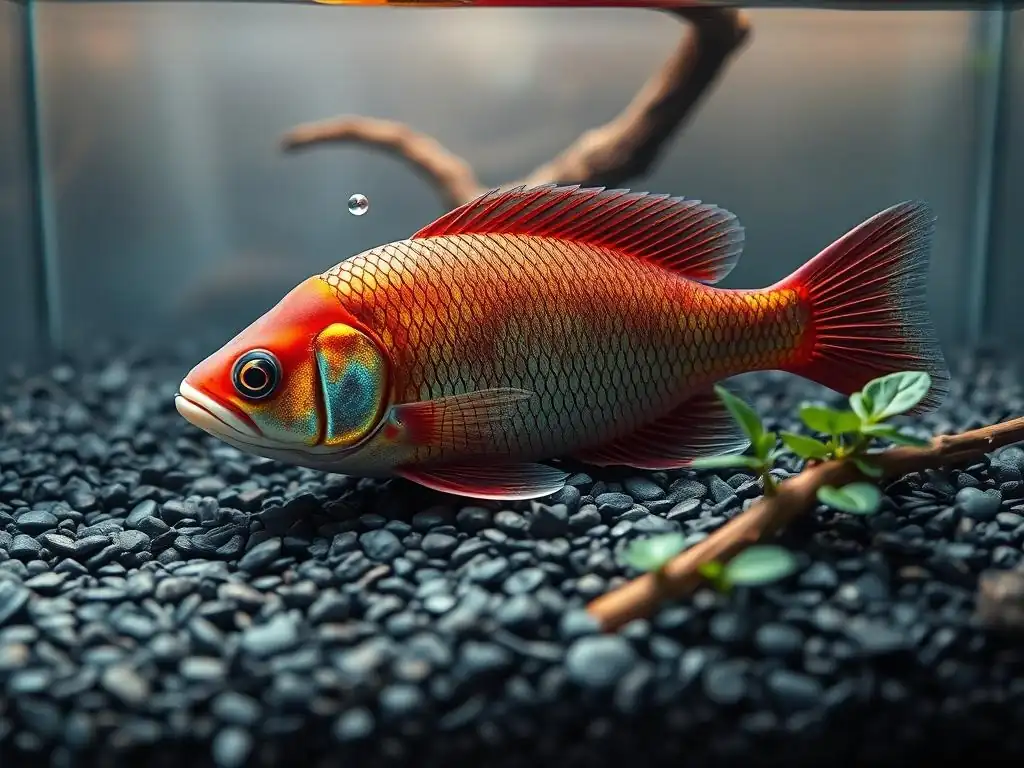
The choice of substrate for a Severum aquarium significantly impacts not only the aesthetics but also the water quality and the fish's well-being. Severums are known for sifting through the substrate in search of food and for digging, especially during breeding. Therefore, a fine to medium-grade gravel or sand is ideal. Substrates with sharp edges, such as crushed lava rock or coarse, angular gravel, can injure their delicate mouths and barbels as they sift, leading to infections or discomfort.
Inert substrates are generally preferred as they do not significantly alter Severum water parameters. Some substrates, like crushed coral or aragonite, can buffer the water and raise pH and hardness, which might be undesirable if you are aiming for softer, more acidic conditions. If using sand, ensure it is aquarium-specific to avoid introducing impurities. A substrate depth of at least 2-3 inches (5-7.5 cm) allows for proper biological filtration within the substrate itself and provides ample material for the Severums' natural digging behaviors.
Filtration Systems for Severum Tanks: Biological, Mechanical, and Chemical
Effective filtration is paramount for maintaining Severum optimal water parameters due to their significant bio-load. A comprehensive filtration system combines three essential types: mechanical, biological, and chemical. Mechanical filtration physically removes particulate matter like uneaten food and fish waste, preventing water cloudiness. Biological filtration, the most crucial type, provides a vast surface area for beneficial bacteria to colonize and perform the nitrogen cycle, converting toxic ammonia and nitrite into less harmful nitrate.
Chemical filtration, often utilizing activated carbon or specialized resins, removes dissolved organic compounds, odors, and certain toxins from the water, improving clarity and overall water quality. For Severum tanks, it is often recommended to use a combination of these, typically through a robust external canister filter, a large hang-on-back (HOB) filter, or a sump system. The chosen filtration system must be capable of handling the substantial waste produced by these larger cichlids.
Selecting an Appropriate Filter for Severum Bio-Load
Given the size and waste production of Severum cichlids, selecting an appropriately sized and powerful filter is critical for maintaining Severum optimal water parameters. It is generally advisable to "over-filter" a Severum tank. Look for filters rated for tanks at least 1.5 to 2 times the actual volume of your aquarium, or even higher for heavily stocked tanks. For example, if you have a 75-gallon Severum tank, consider a filter rated for 100-150 gallons.
Consider the Gallons Per Hour (GPH) rating of the filter, which indicates how many gallons of water it processes per hour. A good rule of thumb is to aim for a GPH rating that circulates the entire tank volume at least 4-6 times per hour. Canister filters are often preferred for Severum tanks due to their large media capacity, allowing for extensive biological filtration, and their ability to handle high flow rates. Ensure the filter is designed to accommodate ample biological media, as this is the cornerstone of a stable nitrogen cycle.
The Importance of Regular Filter Maintenance
Regular and proper filter maintenance is as important as having a good filter to uphold Severum optimal water parameters. Over time, mechanical filter media (like sponges and filter floss) become clogged with detritus, reducing flow and efficiency. Biological media, while robust, can also become less effective if flow is severely restricted or if it's cleaned too aggressively. It is crucial to clean mechanical filter media regularly, typically every 2-4 weeks, or when you notice a reduction in water flow.
When cleaning filter media, especially biological media, always rinse it in old aquarium water removed during a water change. Never use tap water, as the chlorine can kill the beneficial bacteria essential for the nitrogen cycle. Chemical media, such as activated carbon, has a limited lifespan (usually 2-4 weeks) and should be replaced regularly to prevent it from leaching absorbed toxins back into the water. Neglecting filter maintenance can quickly lead to a decline in Severum water quality, resulting in ammonia or nitrite spikes.
Water Changes: A Key Component of Severum Tank Maintenance
Regular partial water changes are arguably the most critical aspect of maintaining Severum optimal water parameters. Even with excellent filtration, nitrates will accumulate in the aquarium water, and essential trace minerals will be depleted. Water changes dilute nitrates and other dissolved organic compounds, replenish beneficial minerals, and remove pollutants that filtration alone cannot handle. They are the most effective way to reset the water chemistry and ensure long-term health.
Always ensure that the new water added to the tank is dechlorinated and matches the temperature and pH of the existing tank water as closely as possible. Sudden temperature or pH shocks from adding significantly different water can severely stress or kill your Severums. Using a reliable water conditioner that neutralizes chlorine and chloramines is non-negotiable, and a thermometer is essential for temperature matching.
How Often Should You Perform Water Changes for Severums?
The frequency and volume of water changes for Severum tanks depend on several factors, including tank size, stocking density, feeding habits, and the efficiency of your filtration system. For most well-maintained Severum aquariums, a weekly or bi-weekly water change of 25-30% of the total tank volume is a good starting point. In heavily stocked tanks or those with a higher bio-load, more frequent or larger water changes, such as 30-40% weekly, may be necessary to maintain Severum optimal water parameters.
The most accurate way to determine the optimal water change schedule is through consistent water testing. If your nitrates consistently rise above 20 ppm before your scheduled water change, you should increase the frequency or volume of your changes. For example, if you test nitrates at 30 ppm just before your weekly 25% change, consider increasing to a 35-40% change weekly, or performing two smaller changes per week. Never perform a 100% water change unless absolutely necessary in an emergency, as this will crash your nitrogen cycle and severely stress your fish.
Best Practices for Water Changes in a Severum Aquarium
Performing water changes correctly is crucial to avoid stressing your Severums and upsetting Severum optimal water parameters. First, always use a gravel vacuum to siphon out water from the bottom of the tank, simultaneously removing detritus and waste accumulated in the substrate. This mechanical cleaning significantly contributes to overall water quality. Second, ensure the new water is conditioned to remove chlorine and chloramines. It is best to treat the water in a separate container before adding it, or add the conditioner directly to the tank while refilling.
Third, match the temperature of the new water to the tank water within 1-2 degrees Fahrenheit (0.5-1 degrees Celsius) to prevent temperature shock. Slowly add the new water back into the tank to avoid rapid changes in water chemistry and to minimize disturbance to the fish. Avoid over-cleaning during water changes; it's generally not necessary to scrub all decorations or tank walls every time, as this can remove beneficial bacteria or stress the fish unnecessarily.
Monitoring and Maintaining Severum Water Parameters
Testing Your Aquarium Water: Essential Tools and Techniques
Consistent and accurate water testing is the cornerstone of maintaining Severum optimal water parameters. Relying on visual cues alone is insufficient, as many dangerous water quality issues are invisible to the naked eye. Essential tools include a high-quality liquid test kit, which is significantly more accurate and reliable than test strips. The fundamental tests you should perform regularly are for Ammonia, Nitrite, Nitrate, pH, General Hardness (GH), and Carbonate Hardness (KH).
During the initial cycling phase of a new tank, testing should be conducted daily to monitor the nitrogen cycle's progress. Once the tank is fully cycled and stable, weekly or bi-weekly testing of ammonia, nitrite, nitrate, and pH is usually sufficient. GH and KH can be tested less frequently, perhaps once a month or after major water changes, unless you are actively trying to adjust them. Always follow the test kit instructions precisely, and record your results to track trends and identify potential problems early.
Adjusting Water Parameters: Safe and Effective Methods
Adjusting Severum water parameters should always be done gradually and with caution to prevent stressing the fish. Rapid changes can be more harmful than slightly off parameters. Before attempting any adjustments, understand the root cause of the parameter deviation.
Lowering pH in a Severum Tank: Using Peat Moss, Driftwood, or pH-Lowering Products
To lower pH in a Severum tank and achieve slightly acidic Severum optimal water parameters, several natural methods can be employed. Peat moss, specifically aquarium-grade peat, can be added to a filter bag in the sump or filter. It slowly releases humic acids, which naturally lower pH and soften water. Similarly, natural driftwood releases tannins and humic substances that contribute to a lower pH and provide a natural, dark "blackwater" tint that Severums appreciate.
Commercially available pH-lowering products are also an option, but they should be used with extreme caution. These products often contain strong acids that can cause rapid and dangerous pH drops if not dosed precisely, and their effects can be temporary, leading to pH instability. It is crucial to monitor KH when lowering pH, as a high KH will buffer against pH changes, making it difficult to achieve a stable lower pH.
Raising pH in a Severum Tank: Using Crushed Coral or Aragonite Substrate
If your Severum water parameters indicate a pH that is too low and you wish to raise it, several methods can be used to increase alkalinity. Crushed coral or aragonite substrate can be added to the tank or placed in a filter bag. These calcium carbonate-based materials dissolve slowly, releasing carbonates and bicarbonates into the water, which naturally increase KH and, consequently, pH. This method provides a stable and long-term solution.
Another method for a more immediate, but temporary, increase in pH is adding a small amount of baking soda (sodium bicarbonate). However, baking soda should be used with extreme care and only in very small, dissolved increments, as it can cause rapid pH swings if overused. It's generally best reserved for emergency adjustments or for preparing new water, rather than directly dosing the main tank. Always re-test the water after any pH adjustment to ensure it falls within the Severum optimal water parameters.
Increasing Water Hardness: Adding Calcium Chloride and Magnesium Sulfate
To increase the General Hardness (GH) in your Severum tank, you are essentially adding calcium and magnesium ions back into the water. This is often necessary if you are using very soft tap water or RO/DI water. Commercially available GH boosters are designed for this purpose and typically contain a balanced blend of calcium chloride and magnesium sulfate. These products allow for precise control over the increase in hardness.
Alternatively, you can create your own solution using pharmaceutical-grade calcium chloride and magnesium sulfate (Epsom salt), though this requires careful measurement and understanding of the concentrations. Always add these compounds gradually, dissolving them in a small amount of tank water before slowly introducing them to the main aquarium. Monitor the GH levels closely with a test kit after each addition to reach and maintain the Severum optimal water parameters for hardness.
Decreasing Water Hardness: Using RO/DI Water or Water Softening Pillows
Decreasing water hardness to align with Severum optimal water parameters is often achieved by diluting tap water with Reverse Osmosis (RO) or Deionized (DI) water. RO/DI systems filter out nearly all dissolved solids, including hardness minerals, producing water that is essentially pure. This pure water can then be mixed with your tap water in varying ratios to achieve the desired GH and KH. For example, a 50/50 mix of RO/DI water and hard tap water will roughly halve the hardness.
Another option, though less precise and often less effective for significant hardness reduction, is the use of water softening pillows or resins. These products contain ion-exchange resins that temporarily absorb hardness ions. They typically need to be recharged with a salt solution after a period of use. RO/DI water is the preferred method for precise and consistent control over water hardness, especially when aiming for specific Severum optimal water parameters for breeding or sensitive fish.
Common Water Quality Issues Affecting Severums and How to Solve Them
Cloudy Water in Severum Tanks: Causes and Solutions
Cloudy water in a Severum tank is a common issue with several underlying causes, each requiring a different solution to restore Severum optimal water parameters. One frequent cause is a bacterial bloom, often seen in newly set up tanks undergoing the nitrogen cycle or in established tanks after a large disturbance or overfeeding. This appears as a milky white haze. Solutions include ensuring the tank is fully cycled, reducing feeding, and maintaining stable conditions. Biological filtration will eventually clear this.
Another cause is suspended particulate matter, such as fine substrate dust, uneaten food, or detritus stirred up by the fish. This typically looks like a grayish cloudiness. Increasing mechanical filtration (e.g., adding filter floss or a polishing pad to your filter) and performing thorough gravel vacuuming during water changes can resolve this. Finally, green cloudy water indicates an algae bloom, which is usually caused by excess light and nutrients. Addressing algae requires controlling light duration, reducing nitrates and phosphates through water changes, and potentially increasing live plants.
Algae Blooms: Preventing and Controlling Algae Growth
Algae blooms are a common nuisance in aquariums and, while not directly harmful to Severums, indicate an imbalance in Severum optimal water parameters, specifically excess nutrients and light. The primary causes are excessive light exposure (more than 8-10 hours per day) and high levels of nitrates and phosphates in the water, often resulting from overfeeding or infrequent water changes. Prevention is key: establish a consistent lighting schedule, typically 8-10 hours, and ensure your tank is not exposed to direct sunlight.
Controlling existing algae blooms involves several steps. Manual removal of algae from tank walls and decorations is the first line of defense. Increase the frequency and volume of water changes to dilute nitrates and phosphates. Reduce feeding to minimize excess nutrients. Introducing live plants can help by outcompeting algae for nutrients. In some cases, compatible algae-eating fish or invertebrates can assist, but they should only be added if appropriate for a Severum tank. Chemical algaecides should be a last resort, as they can sometimes be harmful to fish or plants.
Dealing with Ammonia Spikes in a Severum Aquarium
An ammonia spike is a critical emergency in a Severum aquarium, as ammonia is highly toxic and can quickly lead to fish illness or death. Common causes include a newly set up tank that hasn't fully cycled ("new tank syndrome"), overfeeding, a dead fish decaying unnoticed, filter malfunction (e.g., power outage killing beneficial bacteria), or adding too many fish at once. Signs of ammonia poisoning include rapid gill movement, gasping at the surface, lethargy, red gills, and clamped fins.
Immediate action is required to restore Severum optimal water parameters. Perform a large water change, typically 50% or more, using temperature-matched, dechlorinated water. Add an ammonia-binding detoxifier product, which temporarily neutralizes ammonia's toxicity while the filter catches up. Reduce or stop feeding immediately. Check your filter to ensure it's functioning correctly and not clogged. Increase aeration to maximize oxygen levels. Continue testing ammonia and nitrite daily, performing smaller (25%) water changes as needed until levels return to zero. It is vital to identify and rectify the underlying cause of the spike to prevent recurrence.
The Relationship Between Water Parameters and Severum Disease
How Poor Water Quality Contributes to Severum Illnesses
Poor water quality is arguably the leading cause of disease in aquarium fish, including Severums. When Severum optimal water parameters are not met, fish experience chronic stress, which severely compromises their immune systems. This weakened state makes them highly susceptible to opportunistic pathogens that are always present in an aquarium environment. For instance, consistently high nitrate levels, even if not immediately lethal, can lead to chronic stress, fin rot, and bacterial infections.
Specific parameter imbalances have direct links to certain ailments. Fluctuating pH levels or rapid temperature swings can cause pH shock or temperature shock, which often manifests as Ich (white spot disease) or velvet, as the fish's natural slime coat defense is compromised. High ammonia and nitrite levels directly damage gills and internal organs, leading to respiratory distress and secondary bacterial infections. Overfeeding, which directly impacts water quality by increasing organic waste, can lead to digestive issues and internal bacterial infections.
Recognizing Signs of Stress in Severums Due to Incorrect Water Parameters
Recognizing the signs of stress in Severums due to incorrect Severum optimal water parameters is crucial for early intervention and preventing full-blown disease. Behavioral indicators of stress include lethargy, hiding more than usual, rapid gill movement (gasping), rubbing or "flashing" against tank decorations, swimming erratically, or staying clamped at the surface or bottom with clamped fins. Severums might also refuse food or spit it out.
Physical signs can include faded or dull coloration, excessive slime coat production (appearing as a cloudy film on the body), visible lesions or sores (often secondary infections), frayed or clamped fins, and in severe cases, a "shimmies" appearance where the fish trembles or shivers. Any deviation from their normal vibrant appearance and active behavior should prompt an immediate and thorough water parameter test. Addressing the underlying water quality issue promptly is the most effective way to alleviate stress and allow the fish to recover.
Maintaining Water Parameter Stability for Severum Breeding
Specific Water Parameter Adjustments for Severum Spawning
To encourage Severum breeding, specific adjustments to Severum optimal water parameters can often act as triggers, mimicking the conditions in their natural spawning grounds. While Severums can sometimes breed in general community tank conditions, slightly softer and more acidic water is often preferred for optimal spawning success. Aim for a pH range of 6.0-6.5 and a General Hardness (GH) of 3-8 dGH (50-140 ppm). This softer, more acidic environment can signal to the fish that conditions are ideal for egg development and fry survival.
A gradual increase in temperature, typically to the upper end of their preferred range, around 80-82°F (27-28°C), can also stimulate spawning behavior. This temperature rise simulates the onset of the rainy season in their natural habitat, which often precedes breeding. It is crucial that any adjustments are made slowly over several days to avoid stressing the fish. Maintaining pristine water quality with zero ammonia and nitrite, and very low nitrates (below 10 ppm), is paramount throughout the breeding process.
Ensuring Optimal Water Quality for Severum Fry Development
Severum fry are incredibly sensitive to water quality, making the maintenance of Severum optimal water parameters for their development a critical task. For successful fry rearing, maintaining pristine water conditions is even more important than for adult fish. Ammonia and nitrite levels must remain at an absolute zero, and nitrate levels should be kept as low as possible, ideally below 5-10 ppm. Even slight elevations can be lethal to young fry.
This often necessitates daily small water changes, typically 10-15% of the water volume, to dilute waste products from feeding and maintain stable parameters. Using an air-driven sponge filter is highly recommended for fry tanks, as it provides gentle filtration without the risk of sucking in tiny fry, while also offering ample surface area for beneficial bacteria. Overfeeding, which is a common mistake when rearing fry, must be avoided to prevent rapid deterioration of Severum water quality.
Advanced Techniques for Water Parameter Control in Severum Aquariums
Using RO/DI Water for Precise Parameter Management
For aquarists seeking the most precise control over Severum optimal water parameters, particularly for breeding specific color morphs or for highly sensitive wild-caught specimens, using Reverse Osmosis (RO) or Deionized (DI) water is an advanced technique. RO/DI systems remove virtually all dissolved minerals and impurities from tap water, providing a "blank slate" water source with a GH and KH of 0 dGH. This allows the aquarist to then remineralize the water to exact specifications.
Remineralization is achieved by adding specific mineral salts, such as calcium chloride, magnesium sulfate, and potassium bicarbonate, or by using commercially available remineralization products designed for freshwater aquariums (e.g., Seachem Equilibrium for GH, or Salty Shrimp GH/KH+). This method offers unparalleled control over GH, KH, and even trace element concentrations, ensuring Severum optimal water parameters are consistently met. However, it requires diligent testing and consistent application to avoid rapid parameter swings.
CO2 Injection for Planted Severum Tanks: Considerations and Cautions
For Severum aquariums that are heavily planted, CO2 injection is an advanced technique used to boost plant growth. Plants utilize CO2 for photosynthesis, and injecting it can significantly enhance their health and vibrancy. However, CO2 injection directly impacts Severum optimal water parameters, particularly pH and KH, and must be implemented with extreme caution in a Severum tank. When CO2 dissolves in water, it forms carbonic acid, which lowers the pH.
While a slight pH drop can be beneficial for Severums, excessive CO2 can lead to dangerously low pH levels and, more critically, CO2 poisoning in fish. Signs of CO2 poisoning include rapid breathing, gasping at the surface, and lethargy. It is essential to use a CO2 regulator with a solenoid valve, a bubble counter for precise dosing, and a drop checker to continuously monitor CO2 levels in the water. A pH controller, which automatically turns the CO2 off if the pH drops too low, is highly recommended for safety. Proper balance between plant needs and fish safety is paramount.
Conclusion: Ensuring Long-Term Health and Happiness for Your Severums Through Precise Water Management
Achieving and maintaining Severum optimal water parameters is not merely a recommendation; it is the cornerstone of their health, vitality, and longevity in the home aquarium. From the stable temperature range of 75-82°F (24-28°C) to the slightly acidic to neutral pH of 6.0-7.0 and moderate hardness (5-12 dGH, 3-8 dKH), every parameter plays a crucial role in their physiological well-being. The diligent management of the nitrogen cycle, ensuring zero ammonia and nitrite, and low nitrates (below 20 ppm), directly prevents the most common and dangerous water quality issues.
Successful Severum husbandry hinges on a combination of robust filtration, regular partial water changes, and consistent water testing. Understanding how each element, from substrate choice to advanced CO2 injection, influences Severum water parameters empowers aquarists to create an environment that truly mimics their natural habitat. By committing to precise water management, aquarists can ensure their Severums not only survive but truly thrive, displaying their full coloration, natural behaviors, and contributing to the beauty and tranquility of a well-maintained aquatic ecosystem.
Frequently Asked Questions
What are the optimal water parameters for Severum fish?
Severums thrive in slightly acidic to neutral water, typically with a pH between 6.0 and 7.5. The water temperature should be maintained between 75°F and 82°F.
Why is maintaining consistent water parameters so important for Severums?
Fluctuations in water parameters can cause stress, weaken their immune system, and make them susceptible to diseases. Consistent conditions promote optimal health and longevity.
What water chemistry levels should I regularly test for in a Severum tank?
Regularly test for ammonia, nitrite, and nitrate levels. Ammonia and nitrite should always be at 0 ppm, while nitrate levels should be kept below 20 ppm through regular water changes.
How often should I perform water changes to maintain ideal water parameters for Severums?
A 25-50% water change should be performed weekly to maintain optimal water quality and prevent the build-up of harmful substances. This helps keep water parameters stable.
What type of filtration is best for maintaining stable water parameters in a Severum aquarium?
A robust filtration system, including mechanical, chemical, and biological filtration, is crucial. This ensures efficient removal of waste and helps maintain stable and healthy water parameters.
Final Reflection: Cultivating Thriving Severums
The meticulous attention to detail required to maintain Severum optimal water parameters isn't merely about keeping fish alive; it's about fostering an environment where these magnificent creatures can truly flourish. The principles of water quality, stability, and understanding the specific needs of Heros severus extend far beyond the aquarium, mirroring the delicate balance required for any ecosystem to thrive.
This journey into the world of Severum care has profoundly influenced my understanding of responsible fishkeeping. It's a constant reminder that we are stewards of these animals, entrusted with providing them with the best possible lives. The best aquarium is not just a tank, but a miniature ecosystem where every element contributes to the well-being of its inhabitants.
This quote encapsulates the essence of our responsibility, urging us to move beyond simply meeting basic needs and strive for creating truly enriching environments.
As you reflect on the information shared, consider how you can apply these principles not only to your Severum tank, but also to your broader understanding of environmental stewardship. Let the dedication required to achieve Severum optimal water parameters inspire you to cultivate a greater appreciation for the interconnectedness of life and to actively contribute to the health and well-being of the world around you.
Transform Your Severum's Life: Dive Deeper into Optimal Care!
Thank you for exploring the nuances of Severum water parameters! Now that you're equipped with the knowledge to create an ideal aquatic environment, it's time to translate that understanding into action for the wellbeing of your fish.
Here are a few steps you can take to ensure your Severums thrive:
- Implement a weekly water testing and adjustment routine, using your newfound knowledge to maintain stable and pristine conditions. This is crucial for their health and vibrancy!
- Share this article with fellow Severum enthusiasts and spark a discussion about best practices for water management within the community.
- Consider creating a detailed log of your water parameters and Severum behavior to track their response to changes and refine your care approach.
What specific water parameter challenge are you currently facing with your Severums, and how do you plan to tackle it this week?