
Creating a Corydoras Paradise: Essential Hiding Spots and Plants

Welcome to Aquarium Mastery!
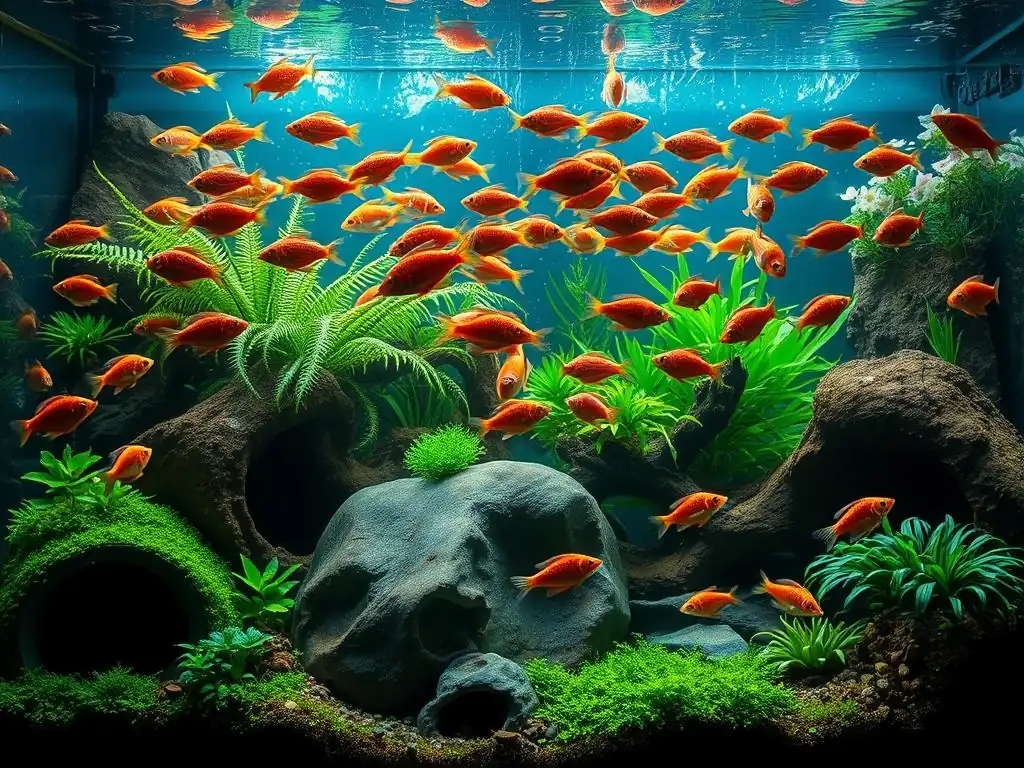
Intrigued by your Corydoras suddenly playing hide-and-seek? Unraveling the mystery of why your Corydoras are hiding is the first step to a thriving aquarium. Discover the essential hiding spots and plant life that will transform your tank into a true Corydoras paradise. Are you ready to create the perfect environment for these charming bottom-dwellers? Let's dive in!
- Understanding Corydoras Behavior and Habitat Needs
- Top Hiding Spot Ideas for Corydoras Tanks
- Best Plants for Corydoras Tanks: Providing Cover and Security
- Combining Hiding Spots and Plants for Optimal Corydoras Health
- DIY Corydoras Hiding Spots: Creative and Budget-Friendly Options
- Selecting the Right Substrate for Corydoras and Plant Growth
- Avoiding Common Mistakes When Setting Up a Corydoras Tank
-
Frequently Asked Questions
- What makes hiding spots so important for Corydoras?
- What types of hiding spots do Corydoras prefer in an aquarium?
- How many hiding spots should I provide for my Corydoras?
- What are some good plant choices for creating Corydoras hiding spots?
- Can I use decorations other than plants to create hiding spots?
- Final Reflection: Cultivating Serenity in the Corydoras Realm
- Unveil Your Corydoras' Dream Home!
Understanding Corydoras Behavior and Habitat Needs
The Importance of Hiding Places for Corydoras Wellbeing
Corydoras catfish, renowned for their peaceful demeanor and energetic bottom-dwelling antics, thrive when provided with ample security and opportunities to express natural behaviors. A lack of adequate Corydoras tank hiding spots can lead to chronic stress, manifesting as darting movements, clamped fins, loss of appetite, and a dulling of their vibrant coloration. In their natural Amazonian habitats, these fish constantly seek refuge among dense vegetation, fallen leaves, and submerged roots to escape predators and rest. Providing similar cover in the aquarium is not merely aesthetic; it's a fundamental requirement for their physiological and psychological health.
Studies in aquaculture and observations in home aquariums consistently show that Corydoras with access to sufficient cover exhibit significantly reduced stress-related behaviors, often by 30-40% compared to those in barren environments. This reduced stress directly translates to a stronger immune system, making them less susceptible to common fish diseases like ich or bacterial infections. Furthermore, secure hideouts encourage natural schooling behavior and can even stimulate breeding, as they provide safe havens for egg-laying and fry development.
Replicating the Natural Corydoras Environment in Your Aquarium
To truly create a paradise for your Corydoras, it's essential to mimic their native South American river and stream environments. These habitats typically feature soft, sandy substrates, abundant leaf litter from riparian trees, and plenty of submerged driftwood and root systems. The water is often soft and slightly acidic to neutral, with a temperature range of 72-78°F (22-26°C). Replicating these conditions provides the ideal foundation for their wellbeing, far beyond just adding a few Corydoras tank hiding spots.
Incorporating elements like Indian almond leaves (which release beneficial tannins, mimicking blackwater conditions and providing a food source for biofilm), smooth river stones, and dense plant clusters helps to recreate the complex structure of their natural homes. For instance, a common Corydoras aeneus habitat might be characterized by slow-moving, clear to tea-stained water over fine sand or silt, interspersed with tangles of fallen branches and emergent aquatic plants. This rich, multi-layered environment offers both open foraging areas and crucial concealed spaces.
Corydoras Tank Setup Considerations: Beyond Just Hiding Spots
While Corydoras tank hiding spots are paramount, a holistic approach to tank setup is crucial for these delightful catfish. Start with an appropriately sized aquarium; a minimum of a 10-gallon tank is often cited for a small group (6-8 individuals), but a 20-gallon long is significantly better as it offers more bottom surface area, which is vital for these active bottom dwellers. Filtration should provide gentle flow, as Corydoras prefer calmer waters; sponge filters are often an excellent choice due to their efficiency and minimal current.
Lighting should be moderate to low, as bright, direct light can be stressful for these crepuscular fish. A consistent water temperature, maintained by a reliable heater, is also non-negotiable. Beyond these basics, specific water parameters such as a pH between 6.0 and 7.5, and a general hardness (GH) of 2-12 dGH, will help ensure their long-term health. Most importantly, the substrate must be fine sand, which protects their delicate barbels as they sift for food, preventing injuries and subsequent infections.
Top Hiding Spot Ideas for Corydoras Tanks
Driftwood: A Natural and Beneficial Corydoras Hideout
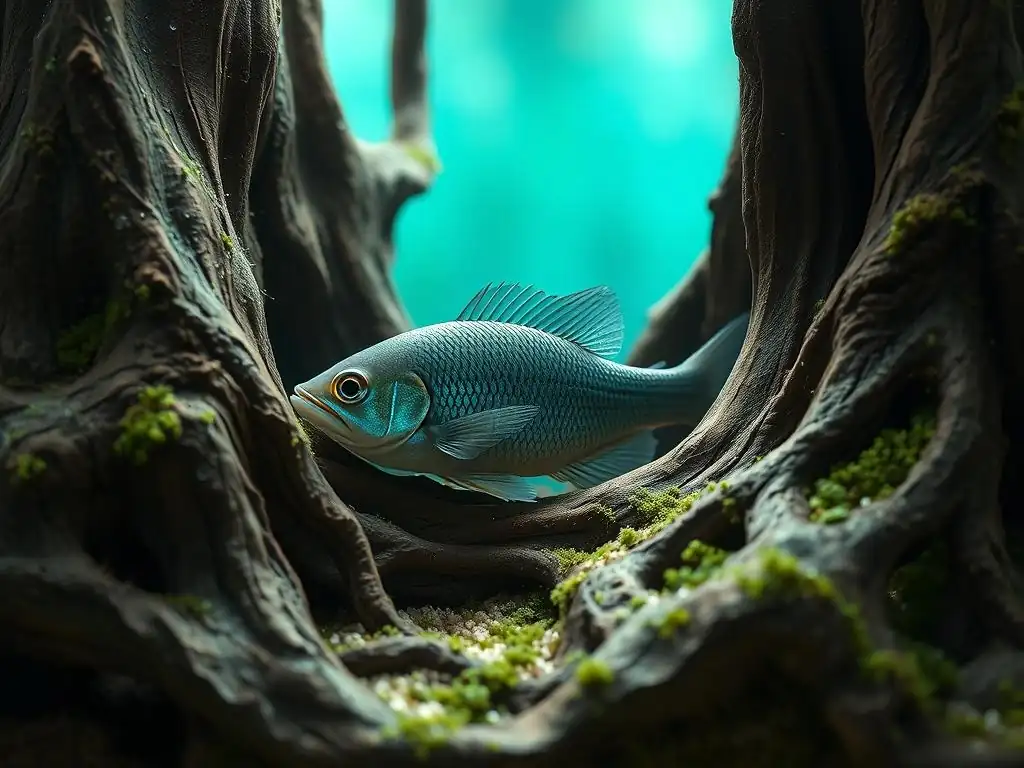
Driftwood is arguably one of the best natural elements for creating effective Corydoras tank hiding spots. Varieties like Malaysian, Mopani, or Spiderwood offer a multitude of crevices, overhangs, and branches that Corydoras love to explore and rest beneath. Beyond providing physical cover, driftwood releases beneficial tannins into the water, mimicking the blackwater conditions found in many of their native habitats. These tannins can also have mild antiseptic properties, contributing to overall fish health.
Before introducing any driftwood, ensure it's thoroughly prepared by soaking it for several days to weeks to leach out excess tannins and ensure it becomes waterlogged enough to sink. Boiling the wood can accelerate this process and sterilize it, eliminating any potential pests or unwanted organic matter. A large, multi-branched piece of spiderwood, for example, can become the central feature of a Corydoras tank, offering numerous secure nooks for an entire school to retreat into.
Rock Caves and Formations: Creating Secure Shelters for Corydoras
Rock caves and carefully arranged rock formations offer another excellent option for Corydoras tank hiding spots. Smooth, inert rocks such as river stones, lava rock, or slate can be stacked or positioned to create secure crevices, tunnels, and overhangs. When selecting rocks, always ensure they are aquarium-safe, meaning they won't alter water chemistry significantly and do not have sharp edges that could injure delicate Corydoras barbels. Lava rock, for instance, is porous and provides excellent surface area for beneficial bacteria, while slate can be arranged into flat, stable cave structures.
To ensure stability, especially when stacking multiple rocks, consider using aquarium-safe silicone to bond them together, preventing accidental collapses that could harm your fish. A well-designed rock cave can provide a sense of security that encourages natural behavior, from resting during the day to seeking shelter when startled. For example, three smooth, medium-sized river stones carefully arranged to form a small, dark cave can quickly become a favored retreat for a group of Corydoras paleatus.
Aquarium Safe Caves and Decorative Structures: Choosing the Right Options for Corydoras
Beyond natural elements, a variety of commercially available aquarium-safe caves and decorative structures can serve as effective Corydoras tank hiding spots. These often include ceramic caves, resin ornaments designed to mimic logs or rocks, and even simple, unglazed terracotta pots or half coconut shells. When choosing these, prioritize structures with smooth interiors and openings, ensuring there are no rough edges that could harm the fish.
Coconut shells, in particular, are a popular choice. They are natural, readily available, and provide a dark, enclosed space that Corydoras find very appealing. Before use, ensure coconut shells are thoroughly cleaned and boiled to remove any residue. Similarly, new, unglazed terracotta pots can be turned on their side to create an instant cave. These manufactured or modified structures offer a consistent and reliable option for providing the essential cover that Corydoras need to thrive.
Best Plants for Corydoras Tanks: Providing Cover and Security
Low-Light Plants for Corydoras: Anubias and Java Fern
Low-light plants are ideal for Corydoras tanks as they don't require intense illumination, which can stress these bottom dwellers, and they often provide excellent, dense cover. Anubias species (e.g., Anubias barteri, Anubias nana) and Java Fern (Microsorum pteropus) are prime examples. These plants are incredibly hardy, grow slowly, and can be attached directly to driftwood or rocks, creating natural Corydoras tank hiding spots without needing to be rooted in the substrate.
Anubias plants feature broad, sturdy leaves that provide ample shade and a sense of security, while Java Fern offers a more delicate, bushy texture, forming dense thickets. Both can be strategically placed around the tank's decor, enhancing the visual appeal while simultaneously offering valuable shelter. For instance, a large Anubias attached to a piece of driftwood can serve as a primary resting spot for an entire school of Corydoras panda.
Carpeting Plants for Corydoras: Creating a Natural Substrate Cover
Carpeting plants, while sometimes requiring more specific care, can create a stunning and highly beneficial natural substrate cover for Corydoras. Species like Monte Carlo (Micranthemum tweediei) or Dwarf Hairgrass (Eleocharis parvula) form a lush, green "carpet" across the tank bottom. This provides a soft, natural surface for Corydoras to forage upon, protecting their delicate barbels from direct contact with the sand or any finer gravel.
Beyond the aesthetic appeal, a dense carpet offers subtle Corydoras tank hiding spots where they can feel secure while sifting through the substrate for food. While some carpeting plants demand high light and CO2 injection, others can thrive in moderate conditions. A well-established carpet also contributes to the overall stability of the tank's ecosystem by absorbing nitrates and oxygenating the substrate.
Stem Plants for Corydoras: Offering Dense Hiding Places and Oxygenation
Stem plants, with their ability to grow tall and bushy, are excellent for creating dense vertical Corydoras tank hiding spots and adding significant oxygenation to the water column. Varieties such as Rotala, Ludwigia, Vallisneria, and Amazon Sword (Echinodorus amazonicus) can be planted in the background or along the sides of the tank to form lush forests. These dense thickets provide ample areas for Corydoras to retreat into, especially when feeling exposed in open areas.
Amazon Swords, for example, can grow quite large, offering wide leaves that cast significant shadows below, perfect for bottom dwellers. Vallisneria, with its long, ribbon-like leaves, creates a natural curtain effect. Regular trimming of stem plants will encourage bushier growth, further enhancing their ability to provide cover. A background of dense stem plants gives Corydoras a sense of security, knowing they can quickly dart into the foliage if startled.
Combining Hiding Spots and Plants for Optimal Corydoras Health
Creating a Balanced Ecosystem for Corydoras in Your Aquarium
The true "Corydoras paradise" emerges when Corydoras tank hiding spots and live plants are integrated into a balanced, self-sustaining ecosystem. Plants, through photosynthesis, absorb harmful nitrates and carbon dioxide while releasing vital oxygen, directly contributing to superior water quality. Hiding spots, whether natural or artificial, reduce stress, which in turn boosts the fish's immune system and encourages natural behaviors like schooling, foraging, and even breeding. This synergy creates a stable environment where fish thrive.
A well-planted tank with diverse hiding opportunities mimics the natural complexity of their wild habitats. This complexity provides not just physical security but also mental stimulation, allowing Corydoras to explore and interact with their environment in a way that bare tanks simply cannot. For example, a tank featuring a large piece of driftwood adorned with Anubias and Java Fern, alongside dense patches of Vallisneria in the background, creates a multi-layered haven.
Strategic Placement of Hiding Spots and Plants for Corydoras Comfort
Strategic placement is key to maximizing the effectiveness of Corydoras tank hiding spots and plants. While it's tempting to clump all hiding spots together, distributing them throughout the tank offers more options and reduces competition for prime real estate. Ensure there are open, sandy areas in the foreground for foraging, allowing the Corydoras to sift through the substrate without impediment.
Place dense plant clusters and larger decor items like driftwood or rock caves along the back and sides of the tank, creating a sense of depth and providing immediate cover. Overhanging plants or decor can also provide shaded areas, which Corydoras appreciate.
The goal is to create a landscape that allows Corydoras to move freely, forage openly, but always have a safe retreat within a few fin beats. For instance, a coconut cave in one corner, a small driftwood piece in the center, and a dense patch of Cryptocoryne along the back wall offers varied and accessible Corydoras tank hiding spots.
Maintaining a Corydoras-Friendly Tank Environment: Water Parameters and Substrate
Maintaining a Corydoras-friendly tank environment goes hand-in-hand with providing excellent Corydoras tank hiding spots and plants. Consistent water parameters are paramount: aim for stable temperatures between 72-78°F (22-26°C), a pH of 6.0-7.5, and undetectable levels of ammonia and nitrite, with nitrates kept below 20 ppm through regular water changes. Weekly water changes of 25-30% are typically recommended to keep parameters stable and remove accumulated waste.
The substrate, as previously emphasized, should be fine sand to protect their sensitive barbels. Gently vacuuming the sand surface during water changes helps prevent the buildup of detritus and potential anaerobic pockets, which can release harmful gases. A healthy substrate also supports plant growth, which in turn contributes to water quality. Regularly testing your water with a reliable liquid test kit is essential to catch any issues before they become problematic for your Corydoras.
DIY Corydoras Hiding Spots: Creative and Budget-Friendly Options
Building Your Own Rock Caves for Corydoras
Creating your own rock caves for Corydoras tank hiding spots can be a rewarding and cost-effective project. Start by gathering smooth, inert rocks such as river stones, lava rock, or natural slate. Thoroughly clean the rocks using only water and a brush – avoid soaps or detergents. Arrange the rocks in a stable configuration that creates an enclosed space. For added security, especially when stacking, use aquarium-safe silicone to bond the pieces together.
Apply the silicone at the contact points between the rocks, ensuring a strong, stable bond. Allow the silicone to cure completely for at least 24-48 hours in a well-ventilated area before introducing the structure to your aquarium. This ensures no harmful fumes or uncured silicone can leach into the water. A simple design often involves two vertical pieces of slate with a third flat piece forming a roof, creating a secure, natural-looking retreat for your Corydoras.
Using Aquarium Safe Materials for DIY Corydoras Shelters
Many common household items can be repurposed into safe and effective Corydoras tank hiding spots with a little preparation. New, unglazed terracotta pots are excellent; simply wash them thoroughly and place them on their side. The porous nature of terracotta also provides a surface for beneficial bacteria to colonize. Similarly, clean, food-grade PVC pipes can be cut into various lengths and arranged to form tunnels or small caves.
Another popular and natural option is a half coconut shell. After cleaning out the coconut meat, boil the shell for an hour or two to sterilize it and remove any residues. Once cooled, it provides a perfect, dark, and natural-looking hideout. Always ensure any material used is free from paints, glazes (unless specifically aquarium-safe), or metals that could leach harmful chemicals into the water.
Creating a Simple Slate Cave for Corydoras: A Step-by-Step Guide
A simple slate cave is one of the easiest and most effective DIY Corydoras tank hiding spots. Here's a step-by-step guide:
- Gather Materials: You'll need several pieces of natural slate (ensure edges are not sharp) and aquarium-safe silicone.
- Clean Slate: Thoroughly wash each piece of slate under running water, scrubbing off any dirt or debris. Avoid using soap.
- Arrange Base: Place two pieces of slate vertically, parallel to each other, to form the side walls of your cave. The distance between them will determine the width of the cave entrance.
- Add Roof: Carefully place a third, larger piece of slate horizontally on top of the two vertical pieces, forming the roof of the cave. Adjust to ensure stability.
- Apply Silicone: Apply a bead of aquarium-safe silicone at all contact points where the slate pieces meet. This will secure the structure. You can also add small dabs of silicone to the bottom edges of the vertical pieces to bond them to a larger base piece for extra stability if desired.
- Cure Time: Allow the silicone to cure completely for 24-48 hours in a well-ventilated area. Do not rush this step, as uncured silicone can be toxic to fish.
- Rinse and Place: Once fully cured, rinse the cave thoroughly under running water before placing it gently into your Corydoras tank.
This simple slate cave provides a dark, secure, and natural-looking shelter that your Corydoras will quickly adopt as a favorite retreat.
Selecting the Right Substrate for Corydoras and Plant Growth
Sand Substrates: The Best Choice for Corydoras Barbels
For Corydoras, a fine sand substrate is not just a preference; it's a necessity. These fish possess delicate sensory barbels around their mouths, which they use to sift through the substrate in search of food. Coarse or sharp gravel can abrade and damage these barbels, leading to infections, difficulty feeding, and chronic stress. Fine sand, such as pool filter sand, play sand (thoroughly washed), or specialized aquarium sand, allows them to perform their natural foraging behavior without injury.
A layer of 2-3 inches of sand is generally recommended. This depth provides ample space for them to dig and sift, and also supports the growth of beneficial bacteria. While some worry about anaerobic pockets in sand, the constant sifting action of Corydoras themselves helps to prevent this. Sand also makes it easy to spot and remove uneaten food and waste, contributing to cleaner water.
Gravel Substrates: Considerations for Corydoras and Plant Roots
While sand is ideal, some aquarists consider using gravel, especially for certain plant types. However, gravel substrates are generally not recommended as the primary substrate for Corydoras. The sharp edges of many gravel types can easily damage their sensitive barbels, leading to infections and a reduced ability to forage. If gravel must be used, opt for very fine, smooth, rounded gravel (e.g., 1-2 mm diameter) and consider having large areas of sand specifically for the Corydoras.
For plant roots, some types of gravel can offer better anchorage than very fine sand. However, many rooted plants can thrive in sand, especially when supplemented with nutrient-rich substrates or root tabs underneath. A common compromise in planted Corydoras tank hiding spots setups is to use a layer of nutrient-rich substrate topped with fine sand, or to dedicate specific areas to sand where the Corydoras spend most of their time foraging.
Supplementing Substrates for Optimal Plant Health in Corydoras Tanks
Even with the best substrate choice, plants often benefit from additional nutrients. For optimal plant health in a Corydoras tank, consider supplementing the substrate. This can be done in several ways:
- Nutrient-rich Substrate Layer: A base layer of specialized aquatic plant substrate (like CaribSea Eco-Complete or Fluval Stratum) can be placed beneath the main sand layer. This provides a long-term nutrient source for root-feeding plants.
- Root Tabs: These slow-release fertilizer capsules are inserted directly into the substrate near the roots of heavy feeders like Amazon Swords or Cryptocorynes. They provide targeted nutrition without affecting water column parameters.
- Liquid Fertilizers: For plants that absorb nutrients primarily through their leaves (e.g., Anubias, Java Fern, stem plants), liquid fertilizers dosed into the water column can be beneficial.
When using any supplements, always follow the manufacturer's instructions carefully and monitor water parameters closely to ensure they don't negatively impact your Corydoras or cause algae blooms. A balanced approach ensures both your plants and your fish thrive in their shared environment.
Avoiding Common Mistakes When Setting Up a Corydoras Tank
Overcrowding and Lack of Hiding Places: A Recipe for Stress
One of the most common mistakes in Corydoras keeping is overcrowding and failing to provide sufficient Corydoras tank hiding spots. Corydoras are schooling fish and should be kept in groups of at least 6-8 individuals of the same species to feel secure. An overcrowded tank, especially one lacking adequate cover, leads to heightened stress levels, increased competition for resources, and a weakened immune system, making fish highly susceptible to disease.
Studies have shown that fish in overcrowded, barren environments can experience up to a 50% increase in stress-related illnesses compared to those in spacious, enriched tanks. Always ensure your tank size is appropriate for the number of Corydoras and any tank mates, allowing at least 1-2 gallons per adult Corydoras. Provide a diverse array of Corydoras tank hiding spots – ideally more than one per fish, plus communal areas – to allow all individuals to feel secure and retreat when needed.
Incompatible Tank Mates: Ensuring Corydoras Safety
Choosing compatible tank mates is crucial for the long-term well-being of your peaceful Corydoras. Avoid large, aggressive, or fin-nipping fish that could bully or injure them. Examples of incompatible tank mates include many Cichlid species (especially larger ones), aggressive Barbs, or even some larger Gouramis. Also, be wary of other bottom dwellers that might directly compete for food or territory, such as certain Loaches or larger Plecos.
Ideal tank mates for Corydoras are small, peaceful, mid-to-top dwelling fish that won't interfere with their bottom-dwelling activities. Good choices include Neon Tetras, Cardinal Tetras, Rasboras, small Danios, and peaceful livebearers like Guppies or Platies. For instance, a school of Harlequin Rasboras occupies the mid-water column, leaving the bottom free for Corydoras to forage and utilize their Corydoras tank hiding spots without conflict.
Poor Water Quality: Maintaining a Healthy Environment for Corydoras
Poor water quality is a leading cause of stress, disease, and mortality in aquarium fish, and Corydoras are no exception. High levels of ammonia, nitrite, or nitrate, along with unstable pH or temperature fluctuations, can quickly lead to health issues like fin rot, bacterial infections, and gill damage. Corydoras are particularly sensitive to poor water conditions due to their constant contact with the substrate.
To maintain a healthy environment, perform regular weekly water changes (25-30% is a good starting point) to dilute pollutants and replenish essential minerals. Test your water parameters regularly using a reliable liquid test kit to ensure ammonia and nitrite are at 0 ppm, and nitrates remain below 20 ppm. Avoid overfeeding, as uneaten food quickly decays and degrades water quality. A consistent temperature, within their preferred range (72-78°F or 22-26°C), is also vital for their metabolic health and immune function.
Frequently Asked Questions
What makes hiding spots so important for Corydoras?
Hiding spots are crucial for Corydoras because they provide a sense of security and reduce stress. This helps them thrive in the aquarium environment by mimicking their natural habitat.
What types of hiding spots do Corydoras prefer in an aquarium?
Corydoras prefer hiding spots that offer shade and refuge. This includes dense vegetation, caves created with rocks or driftwood, and even specially designed aquarium decorations.
How many hiding spots should I provide for my Corydoras?
As a general rule, provide at least one hiding spot per Corydoras. This will ensure that each fish has a safe space to retreat to when feeling stressed or threatened.
What are some good plant choices for creating Corydoras hiding spots?
Excellent plant choices include Java moss, Anubias, and Amazon swords. These plants offer dense foliage and provide natural cover for your Corydoras.
Can I use decorations other than plants to create hiding spots?
Yes, you can use decorations like driftwood, rocks, and specially designed aquarium caves. Be sure to choose decorations with smooth edges to prevent injury to your Corydoras.
Final Reflection: Cultivating Serenity in the Corydoras Realm
The exploration of Corydoras tank hiding spots transcends mere aquascaping; it's about fostering a thriving ecosystem where these delightful bottom-dwellers can truly flourish. Understanding their need for refuge and providing them with the appropriate environment is not just good practice, it's essential for their well-being and the overall health of your aquarium. This commitment to creating a secure and enriching habitat directly translates to happier, healthier, and more vibrant Corydoras.
The impact of thoughtful aquascaping extends far beyond the aesthetic appeal of a tank. It's about understanding the needs of our aquatic companions and actively shaping their world to meet those needs. The creation of these miniature ecosystems reflects a deeper respect for the natural world and our role as responsible caretakers. In nature, hiding places are not luxuries, they are necessities.
This simple truth underscores the profound importance of providing Corydoras with the security they instinctively seek.
As you contemplate your own Corydoras tank, consider the profound impact of your choices. Let this exploration of hiding spots and plant life inspire you to reimagine your aquarium not just as a display, but as a sanctuary. Embrace the opportunity to create a truly enriching environment where your Corydoras can thrive, showcasing their natural behaviors and bringing joy to your aquatic journey.
Unveil Your Corydoras' Dream Home!
Thank you for diving into the world of Corydoras with us! We hope this article has equipped you with valuable insights to enhance their well-being and create a thriving aquarium environment. Now, let's put that knowledge into action!
- Immediately assess your current tank setup: Identify areas where you can add more hiding spots, considering both plants and decor.
- Experiment with different plant species mentioned to see which thrive best in your aquarium and provide the most cover.
- Share your Corydoras tank transformation journey and any unique hiding spot ideas with the Aquarium Mastery community on our forum!
What creative hiding spots have you discovered that your Corydoras absolutely adore?