
Feeding Your Wrasse for Vibrant Health: A Comprehensive Dietary Guide

Welcome to Aquarium Mastery!
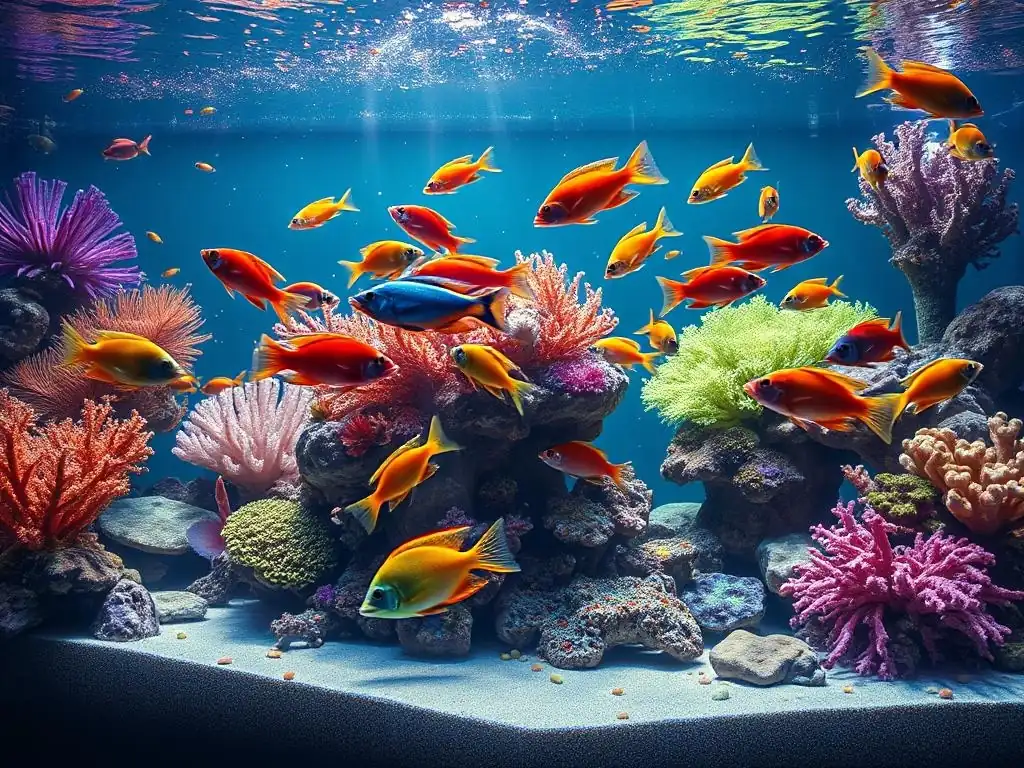
Ever wondered how to unlock the secret to vibrant colors and boundless energy in your Wrasse fish? Dive in to our comprehensive "Wrasse Fish Feeding Guide" where we unravel the mysteries of their dietary needs. Discover the optimal foods, feeding schedules, and techniques to ensure your Wrasse thrives in your saltwater aquarium. Curious to learn more? Let's explore the fascinating world of Wrasse nutrition!
- Introduction to Wrasse Nutrition: The Key to a Thriving Saltwater Aquarium
- Decoding the Wrasse Diet: Natural Foods and Aquarium Alternatives
- Wrasse Fish Feeding Guide: Choosing the Right Food for Your Specific Species
- Essential Food Types for Wrasse: A Detailed Breakdown
- Wrasse Feeding Techniques: Maximizing Nutrient Intake and Minimizing Waste
- Addressing Common Wrasse Feeding Challenges: Solutions and Tips
- Creating a Wrasse Feeding Schedule: A Sample Plan for Success
- Wrasse Nutrition and Reef Compatibility: Maintaining a Balanced Ecosystem
- Conclusion: Mastering Wrasse Fish Feeding for a Healthy and Vibrant Aquarium
- Frequently Asked Questions
- Final Reflection: Cultivating Underwater Radiance
- Ignite Your Wrasse's Vibrance!
Introduction to Wrasse Nutrition: The Key to a Thriving Saltwater Aquarium
Understanding the Dietary Needs of Wrasse Species
Wrasses, members of the expansive Labridae family, represent an incredibly diverse group of marine fish, encompassing over 500 distinct species. This vast diversity directly translates to a wide spectrum of dietary needs, making a "one-size-fits-all" feeding approach ineffective for optimal health. While many wrasses are carnivorous, preying on small invertebrates, others exhibit omnivorous tendencies, and a select few are primarily herbivorous. For instance, a Cleaner Wrasse (Labroides dimidiatus) primarily consumes parasites from other fish, whereas a Leopard Wrasse (Macropharyngodon meleagris) meticulously sifts sand for tiny crustaceans and worms.
Understanding the specific dietary classification of your wrasse species—whether it's a sand-sifting specialist, a generalist hunter, or a parasite picker—is the foundational step in developing an effective wrasse fish feeding guide. Their active metabolisms, especially in smaller species like the Six-Line Wrasse (Pseudocheilinus hexataenia), often necessitate frequent, small feedings throughout the day to sustain their high energy levels. Ignoring these species-specific requirements can lead to nutrient deficiencies, impacting their long-term vitality and vibrant coloration.
Why Proper Feeding is Crucial for Wrasse Health and Coloration
The adage "you are what you eat" holds particularly true for wrasses in a captive environment. Proper nutrition is not merely about preventing starvation; it is the cornerstone of a robust immune system, significantly enhancing a wrasse's resistance to common aquarium diseases like marine ich (Cryptocaryon irritans). A well-fed wrasse is less susceptible to stress-related ailments and recovers more quickly from any health challenges.
Beyond disease resistance, the visual splendor of wrasses, characterized by their brilliant and often iridescent colors, is a direct reflection of their dietary intake. Malnutrition can quickly lead to faded or dull coloration, a clear indicator of poor health. Furthermore, a balanced diet supports healthy growth, maintains appropriate body mass, and influences their natural behaviors, such as active foraging and social interactions within the tank. Conversely, an inadequate wrasse fish feeding guide can result in stunted growth, fin erosion, or even lateral line disease, significantly shortening their lifespan.
Decoding the Wrasse Diet: Natural Foods and Aquarium Alternatives
In their natural coral reef habitats, wrasses exhibit a fascinating array of feeding behaviors, primarily acting as benthic foragers. This means they spend a significant portion of their day meticulously exploring the substrate, live rock, and coral crevices in search of prey. For carnivorous wrasses, their wild diet is a rich tapestry of small invertebrates, including an abundance of copepods, amphipods, and isopods. They also consume various worms, tiny mollusks, echinoderms, and even fish eggs. Species like the Flasher Wrasse (Paracheilinus spp.) are known for their intricate hunting of minute copepods in the water column and on surfaces.
Cleaner Wrasses, as mentioned, specialize in consuming external parasites from larger fish, providing a vital symbiotic service to the reef ecosystem. While fewer wrasse species are exclusively herbivorous, many omnivorous types will graze on various forms of algae and detritus found on rocky surfaces. This diverse natural menu underscores the importance of offering a wide variety of foods in the home aquarium to mimic their wild diet as closely as possible, ensuring a comprehensive wrasse fish feeding guide.
Replicating the Natural Diet: Suitable Food Options for Wrasses in Aquariums
Successfully replicating the varied natural diet of wrasses in a captive environment is paramount for their long-term health and vitality. The key lies in offering a diverse selection of high-quality foods rather than relying on a single staple. Frozen foods are a cornerstone of an aquarium wrasse's diet, with options such as Mysis shrimp, enriched brine shrimp, finely chopped krill, and bloodworms proving highly beneficial. Mysis shrimp, for example, are particularly rich in protein and fatty acids, making them an excellent choice.
Live foods, such as copepods and amphipods, are invaluable additions, especially for finicky eaters or new arrivals, as they stimulate natural hunting instincts and provide superior nutrition. Many aquarists culture these micro-crustaceans or purchase them from specialized suppliers. For omnivorous and any potentially herbivorous wrasses, high-quality spirulina-based flakes or pellets, as well as nori seaweed clipped to a rock, should be part of the regular feeding regimen. Gut-loading live foods by feeding them nutrient-rich diets before offering them to your wrasses further enhances their nutritional value, providing a complete wrasse fish feeding guide.
Wrasse Fish Feeding Guide: Choosing the Right Food for Your Specific Species
Carnivorous Wrasses: Feeding Strategies and Ideal Food Choices
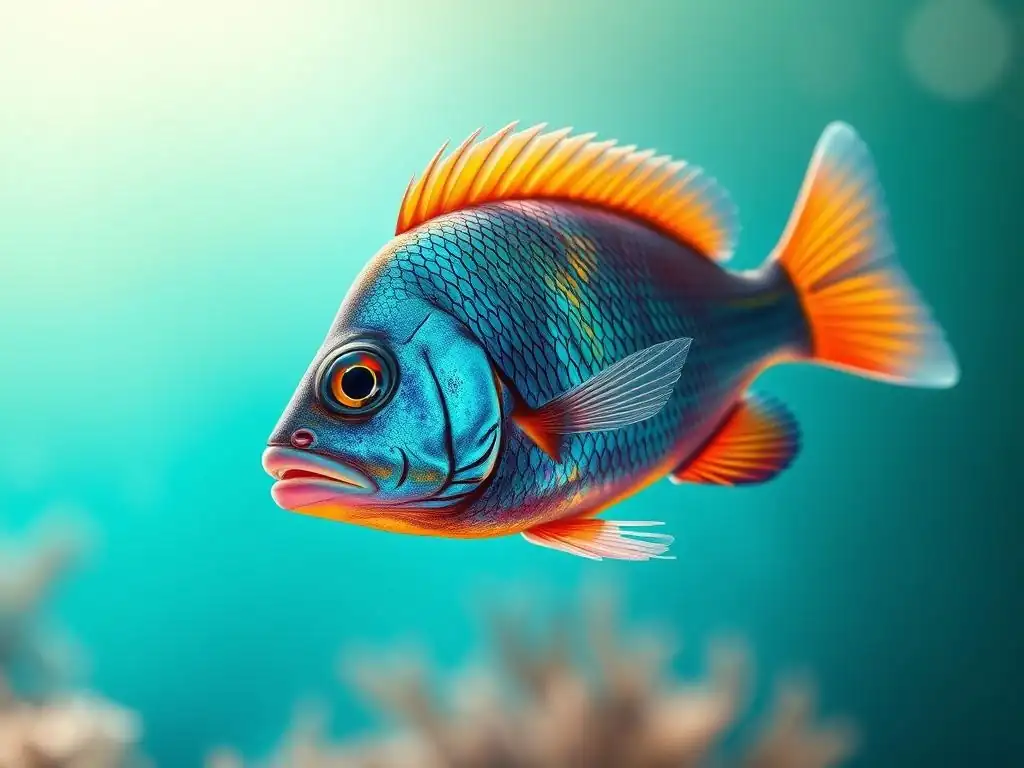
Carnivorous wrasses constitute a large segment of the species popular in home aquariums, including the active Six-Line Wrasse, the sand-sifting Leopard Wrasse, and the elusive Mystery Wrasse. Their primary dietary need revolves around small invertebrates, which they actively hunt and consume. For these species, the ideal food choices include a variety of meaty frozen foods such as Mysis shrimp, enriched brine shrimp, finely chopped krill, and bloodworms. Small, high-quality marine pellets designed for carnivorous fish are also suitable as a staple.
Due to their high metabolism and constant foraging behavior, carnivorous wrasses benefit significantly from frequent feedings. Aim for two to three small feedings per day rather than one large meal. For instance, a typical 3-inch Six-Line Wrasse might thrive on consuming approximately 1/4 teaspoon of frozen Mysis shrimp twice daily, alongside a variety of other small meaty foods. This consistent nutrient intake supports their high energy levels and maintains their vibrant coloration, making it a critical aspect of any wrasse fish feeding guide.
Herbivorous Wrasses: Meeting Their Algae and Plant-Based Dietary Requirements
While less common as strict herbivores in the home aquarium trade, some wrasse species, or omnivorous wrasses with a strong herbivorous component, require significant plant-based matter in their diet. These species typically graze on algae and detritus found on rocks and substrate in their natural environment. In an aquarium setting, meeting these requirements is crucial for their digestive health and overall well-being.
Suitable food options for herbivorous or omnivorous wrasses include high-quality spirulina flakes and pellets, which are rich in plant proteins and essential nutrients. Nori seaweed, a popular choice, can be clipped to the side of the aquarium or a rock, allowing the wrasse to graze throughout the day, mimicking their natural feeding behavior. For example, a small, predominantly herbivorous wrasse might benefit from continuous access to a 2x2 inch piece of nori daily. This constant access to plant matter prevents nutritional deficiencies and supports a healthy gut, a vital component of a comprehensive wrasse fish feeding guide.
Omnivorous Wrasses: Balancing Protein and Plant Matter for Optimal Health
The majority of wrasses kept in home aquariums fall into the omnivorous category, requiring a balanced diet that includes both protein-rich meaty foods and plant matter. This group encompasses many popular species like the various Fairy Wrasses (Cirrhilabrus spp.) and Flasher Wrasses (Paracheilinus spp. ), known for their stunning colors and active personalities. Providing a balanced diet for these species is key to unlocking their full health potential and maintaining their exquisite appearance.
An effective wrasse fish feeding guide for omnivorous species will involve a rotating menu. This should include a mix of frozen Mysis shrimp, brine shrimp, finely chopped seafood like shrimp or clam, along with high-quality marine flakes. Supplementing with occasional spirulina flakes or small pieces of nori seaweed ensures they receive adequate plant-based nutrients. The balance is critical; avoid over-reliance on either protein or plant matter alone, as this can lead to imbalances. A varied diet supports their diverse nutritional needs, promotes robust health, and enhances their natural vibrancy.
Essential Food Types for Wrasse: A Detailed Breakdown
Live Foods: The Benefits and Considerations for Feeding Wrasses
Live foods are often considered the gold standard for feeding wrasses, offering unparalleled benefits that go beyond mere nutrition. They closely mimic the wrasse's natural prey, stimulating their innate hunting instincts and providing mental enrichment. This active pursuit of live prey can significantly reduce stress and promote more natural behaviors.
Furthermore, live foods, especially if gut-loaded with nutrient-rich diets, offer superior nutritional value compared to their processed counterparts, making them particularly effective for conditioning breeding pairs or encouraging finicky eaters to accept food. For instance, a 50-gallon tank housing a single Leopard Wrasse might benefit from a weekly introduction of a 16 oz bottle of live copepods to ensure a continuous foraging supply.
However, there are considerations. Live foods can be more costly and less readily available than frozen or dried options. There's also a potential, albeit minimal, risk of introducing unwanted parasites or pathogens if the source is not reputable. To mitigate this, always source live foods from trusted aquatic suppliers. While highly beneficial, live foods may not always be practical as a daily staple for all aquarists due to cost and availability, but they remain an invaluable component of a comprehensive wrasse fish feeding guide.
Frozen Foods: Nutritional Value and Proper Thawing Techniques
Frozen foods are a cornerstone of modern aquarium feeding, offering a convenient, highly varied, and generally nutritious option for wrasses. Their nutritional value varies significantly by type; for example, Mysis shrimp typically boast a high protein content of around 60% and 10% fat (dry weight), providing essential amino acids and fatty acids. Enriched brine shrimp, while lower in protein (around 40%) and fat (8%), are often fortified with vitamins, boosting their overall nutritional profile. The convenience of frozen foods, combined with their long shelf life when stored correctly, makes them an indispensable part of any wrasse fish feeding guide.
Proper thawing techniques are crucial to preserve nutritional integrity and prevent water pollution. Always thaw frozen foods in a small amount of tank water or RO/DI (Reverse Osmosis/Deionized) water, never tap water, which may contain chlorine or chloramines. Place the desired portion in a small cup for 5-10 minutes until fully thawed.
It is vital to thaw only what will be consumed in a single feeding and never refreeze thawed food, as this degrades its nutritional quality and can promote bacterial growth. After thawing, straining the food through a fine mesh net to remove excess liquid is recommended, as this prevents nutrient-leaching water from polluting the aquarium.
Flake and Pellet Foods: Selecting High-Quality Options for Wrasse Nutrition
Flake and pellet foods offer unmatched convenience, a long shelf life, and are often fortified with a wide array of vitamins and minerals, making them suitable as a staple or supplementary food source for wrasses. However, the quality can vary dramatically between brands. When selecting these dry foods, it is paramount to scrutinize the ingredient list. Look for options with a high protein content, ideally above 40% for marine flakes, and a low ash content, typically less than 8%. High-quality ingredients such as fish meal, spirulina, krill, and various algae should be prominently listed.
Avoid products that list excessive fillers like corn starch, wheat, or soy as primary ingredients, as these offer little nutritional value to marine fish and can contribute to water pollution. The size of the flakes or pellets is also a critical factor; choose a size appropriate for your wrasse's mouth to ensure easy consumption and digestion. While not as universally accepted by all wrasse species as frozen or live foods, premium marine flakes and small sinking pellets can provide a consistent and convenient source of nutrition when integrated into a diverse wrasse fish feeding guide.
Supplementing Your Wrasse's Diet: Vitamins and Minerals for Enhanced Health
Even with a varied diet of high-quality foods, supplementing your wrasse's diet with additional vitamins and minerals can provide an extra layer of nutritional security, particularly during periods of stress, disease recovery, or simply for long-term vitality. Liquid vitamin supplements specifically formulated for marine fish, such as Selcon or Vita-Chem, can be easily soaked into frozen or dry foods before feeding. This method ensures that the vitamins are directly ingested by the fish, maximizing their benefit.
The benefits of supplementation include a boosted immune system, enhanced and more vibrant coloration, improved overall vitality, and better resilience against environmental stressors. While beneficial, supplementation should be done judiciously. Typically, soaking food in 2-3 drops of a high-quality marine vitamin supplement for 15 minutes, once or twice per week, is sufficient. Over-supplementation can potentially be harmful, so always adhere to the product's recommended dosage. Integrating these supplements thoughtfully enhances the comprehensive nature of your wrasse fish feeding guide.
Wrasse Feeding Techniques: Maximizing Nutrient Intake and Minimizing Waste
Optimal Feeding Frequency and Portion Sizes for Wrasses
Establishing the optimal feeding frequency and portion sizes is paramount for the health of your wrasses and the overall stability of your aquarium ecosystem. Due to their active foraging behavior and generally high metabolic rates, most wrasses thrive on two to three small feedings per day. Some highly active or juvenile species may even benefit from four to five tiny feedings, mirroring their continuous grazing in the wild. This frequent, small-portion approach ensures a steady supply of nutrients without overwhelming the tank's biological filtration.
The key to portion control is to feed only what your wrasses and other tank inhabitants can consume within a short timeframe, ideally two to three minutes. Any uneaten food left floating or sinking to the substrate will quickly decompose, leading to elevated nitrate and phosphate levels, fostering nuisance algae growth, and potentially compromising water quality. Continuous observation of your wrasse's activity levels, body condition, and the tank's water parameters will allow you to fine-tune portion sizes, making this a flexible and responsive wrasse fish feeding guide.
Target Feeding: Ensuring All Wrasses Receive Adequate Nutrition
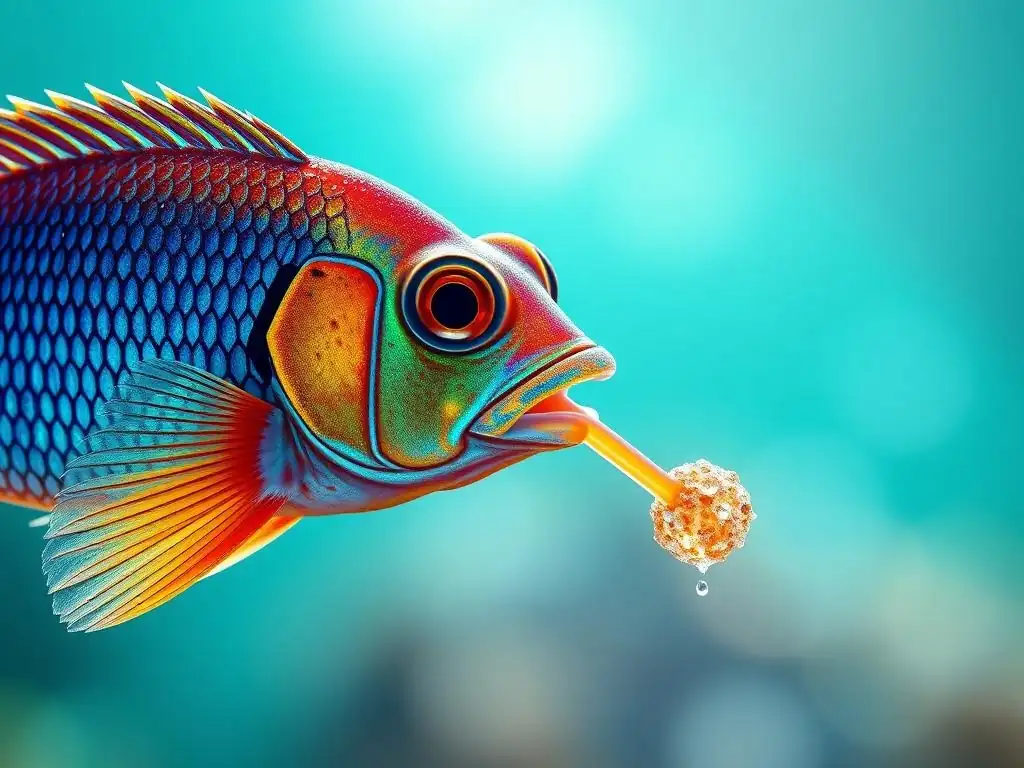
In a bustling community aquarium, ensuring that all wrasses receive adequate nutrition can be a challenge, especially for shy species or those competing with more aggressive or faster-eating tank mates. This is where target feeding becomes an invaluable technique. By using a turkey baster or a long pipette, you can precisely deliver food directly to individual wrasses, bypassing faster fish and ensuring that even the most timid members of your collection get their share.
Target feeding is particularly beneficial for newly introduced wrasses that may be stressed or reluctant to feed, or for species known to be finicky eaters, such as some types of Leopard Wrasses. This method reduces stress for the wrasse by eliminating the need to compete, promotes even growth among tank inhabitants, and allows for close observation of feeding behavior. It can be done during regular feeding times or even after the main tank lights dim slightly, which can encourage more nocturnal or shy species to emerge and feed.
Preventing Overfeeding and Maintaining Water Quality: Key Considerations
Overfeeding is one of the most common pitfalls in aquarium husbandry and can have severe consequences for both your wrasses and the entire tank ecosystem. Excess food rapidly breaks down, releasing ammonia, nitrites, nitrates, and phosphates into the water. This nutrient buildup leads to a cascade of problems, including persistent algae blooms, cloudy water, reduced oxygen levels, and increased susceptibility of fish to bacterial infections and stress. For instance, a 100-gallon tank with moderate fish load should ideally maintain nitrate levels below 10 ppm; overfeeding can quickly push this to 50 ppm or higher.
To prevent overfeeding, strictly adhere to the "2-3 minute rule" for portion sizes. Regularly test your water parameters (especially nitrates and phosphates) to monitor nutrient levels. If levels begin to climb, it's a clear signal to reduce feeding amounts or frequency. Promptly removing any uneaten food after feeding sessions is also crucial. Implementing robust nutrient export methods, such as a high-quality protein skimmer, a well-maintained refugium, and regular partial water changes (e.g., 10-20% bi-weekly), further supports pristine water quality, solidifying this wrasse fish feeding guide.
Addressing Common Wrasse Feeding Challenges: Solutions and Tips
Picky Eaters: Encouraging Finicky Wrasses to Accept New Foods
Encountering a picky eater is a common challenge, especially with wild-caught wrasses or certain specialized species like some Leopard Wrasses, which are highly selective in their natural diet. Encouraging these finicky individuals to accept new foods requires patience and a strategic approach. Begin by offering live foods such as copepods or enriched brine shrimp, which often stimulate a strong feeding response due to their natural movement. Once the wrasse is actively feeding on live prey, gradually introduce frozen foods by mixing small amounts with the live offerings.
Experiment with different textures and sizes of food, as some wrasses may prefer finer particles while others prefer larger pieces. Soaking foods in attractants like garlic extract (e.g., Garlic Guard) can significantly increase their palatability. Maintaining impeccable water quality and minimizing stress in the tank environment are also crucial, as a stressed fish is less likely to feed. Remember that acclimating a finicky wrasse to a new diet can take days or even weeks, so persistence is key.
Competition for Food: Strategies for Feeding Wrasses in a Community Tank
In a vibrant community tank, wrasses, particularly those that are shy or slow-feeding, can struggle to acquire sufficient food due to competition from faster or more aggressive tank mates like tangs or damsels. This can lead to malnutrition and stress for the wrasse. Several strategies can mitigate this competition. One effective method is to feed small amounts of food in multiple locations simultaneously, dispersing the food and allowing more timid fish a chance to feed without direct confrontation.
Another technique involves distracting faster fish with their preferred food (e.g., a pinch of flake food for surface feeders) at one end of the tank, while simultaneously target-feeding the wrasses with a pipette at the other end. Feeding at different times, such as just after the main lights dim for more nocturnal or crepuscular wrasse species, can also provide them with a window to feed without intense competition. Ensuring adequate tank size and appropriate stocking levels also helps reduce overall aggression and competition for resources, making this a crucial part of your wrasse fish feeding guide.
Recognizing and Addressing Nutritional Deficiencies in Wrasses
Recognizing the signs of nutritional deficiencies early is vital for corrective action and the long-term health of your wrasses. Common symptoms include faded or dull coloration, which is often one of the first indicators. Other signs may include lethargy, poor growth or stunted development, fin erosion, and in severe cases, conditions like Head and Lateral Line Erosion (HLLE). Weight loss, characterized by a pinched or sunken belly, is another clear sign of inadequate nutrition.
If these symptoms are observed, immediate action is required to diversify and enrich the wrasse's diet. Begin by offering a wide range of high-quality live and frozen foods, ensuring a varied menu. Supplementing the diet with marine vitamins, as discussed previously, can help address specific micronutrient deficiencies.
Review and adjust your feeding frequency and portion sizes to ensure the wrasse is receiving enough food. Additionally, assessing and improving overall water quality can reduce stress and allow the wrasse to better utilize the nutrients provided. For example, a wrasse showing signs of HLLE might benefit from daily feedings of vitamin-enriched frozen foods and an increased intake of nori for omnivorous types, as some theories link HLLE to nutritional deficiencies.
Creating a Wrasse Feeding Schedule: A Sample Plan for Success
Tailoring Your Feeding Schedule to Your Wrasse Species and Tank Environment
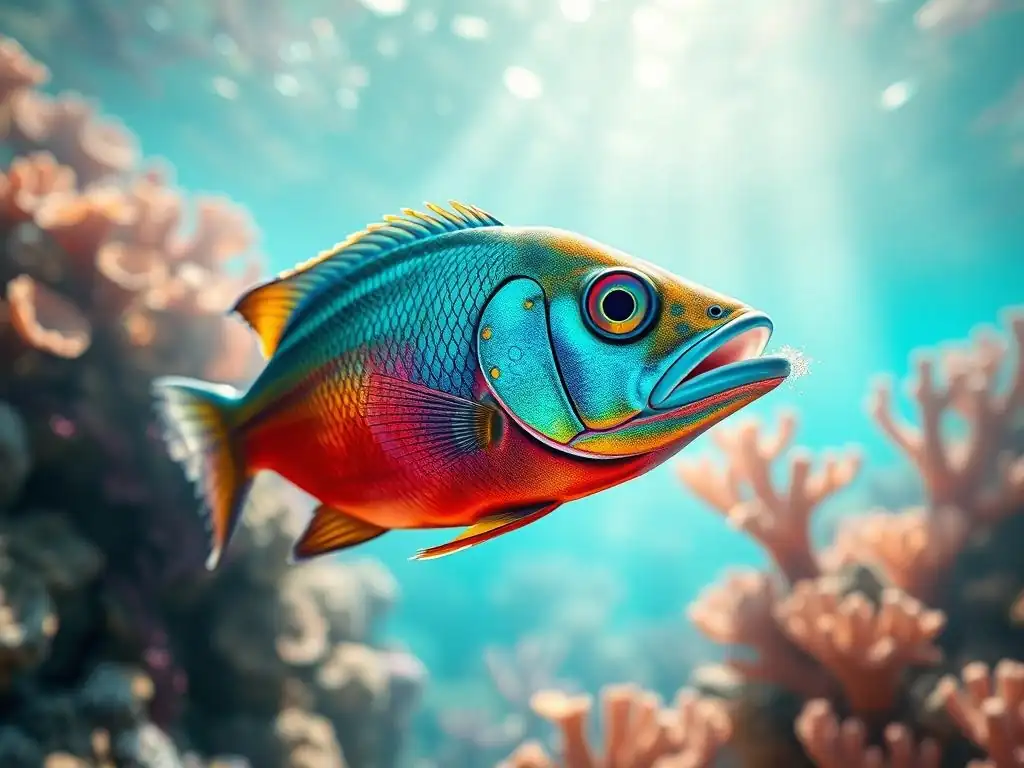
There is no universal "one-size-fits-all" feeding schedule for wrasses, as their needs vary based on species, age, size, activity level, tank mates, and overall tank environment. A tailored wrasse fish feeding guide considers these factors. For instance, young, rapidly growing wrasses or highly active species like Cleaner Wrasses may require more frequent feedings, perhaps three to four times daily, to support their high metabolic rates. In contrast, larger, more mature, or less active wrasses might thrive on two substantial feedings per day.
Consider your tank's specific setup as well; a tank with robust filtration and a protein skimmer can handle more frequent feedings than one with less efficient nutrient export. For a practical example, consider a 75-gallon reef tank housing a mix of active wrasses. A sample feeding schedule might look like this:
- Morning (8:00 AM): A small pinch of high-quality marine flake or small sinking pellet for general consumption by all tank inhabitants.
- Mid-day (1:00 PM): A targeted feeding of frozen Mysis shrimp or enriched brine shrimp, ensuring the wrasses receive ample protein.
- Evening (7:00 PM): Another targeted feeding of varied frozen foods, perhaps soaked in a marine vitamin supplement, to provide a nutrient boost before the night.
Monitoring Your Wrasse's Health and Adjusting the Diet as Needed
A successful feeding schedule is not static; it requires continuous monitoring and flexible adjustments based on your wrasse's observable health and behavior. Regularly observe your wrasse for key indicators of health: bright, vibrant coloration; active and fluid swimming; a full but not bloated belly; clear eyes; and intact, healthy fins. A healthy wrasse should exhibit active foraging behavior and maintain a rounded, non-sunken belly.
If you notice any signs of decline, such as fading colors, decreased activity, or weight loss, it's a clear signal to reassess and adjust their diet. This might involve increasing the variety of foods offered, incorporating more live foods, or boosting vitamin supplementation. Conversely, if water quality begins to decline (e.g., consistently high nitrates), it may indicate overfeeding, necessitating a reduction in portion sizes or frequency. Keeping a simple log of food types, amounts, and your wrasse's response can be invaluable in fine-tuning your feeding regimen, making your wrasse fish feeding guide truly effective.
Wrasse Nutrition and Reef Compatibility: Maintaining a Balanced Ecosystem
Choosing Foods That Support Both Wrasse Health and Reef Invertebrates
In a mixed reef aquarium, the choice of food for your wrasses has implications not only for the fish themselves but also for the delicate balance of corals and other invertebrates. The goal is to provide foods that are highly nutritious for wrasses while minimizing their potential negative impact on the reef ecosystem. Foods that are quickly consumed by wrasses, such as frozen Mysis shrimp, brine shrimp, and live copepods, are generally excellent choices.
These foods are less likely to break down and release excess nutrients if consumed promptly. High-quality pellets and flakes designed for marine fish can also be suitable, but care must be taken to ensure they don't linger and decay, which can lead to elevated phosphate levels.
A robust nutrient export system is crucial when feeding wrasses in a reef tank. A high-quality protein skimmer, a well-maintained refugium, and consistent partial water changes are essential to process the nutrient input from feeding. For instance, a 100-gallon reef tank with an adequately sized protein skimmer can typically handle daily feedings of Mysis shrimp without experiencing significant nitrate or phosphate spikes, maintaining a healthy environment for both fish and corals.
Avoiding Foods That Can Harm Corals or Other Tank Inhabitants
While most foods appropriate for wrasses are generally safe for a reef environment when fed responsibly, certain feeding practices or food types can inadvertently harm corals or other sensitive invertebrates. Overfeeding, regardless of the food type, is the primary culprit, as it leads to an accumulation of decaying organic matter and a surge in nitrates and phosphates. These elevated nutrient levels fuel the growth of nuisance algae (such as bryopsis or hair algae), which can outcompete and smother corals, and can also directly stress sensitive coral species, leading to tissue necrosis or bleaching.
Foods that are very large, unprocessed, or high in fat content can also be problematic if left uneaten, as they decay rapidly and release a significant nutrient load. While not directly food-related, it's also worth noting that some wrasse species, particularly certain Coris wrasses, may naturally pick at small snails, crabs, or other desirable microfauna in the reef tank, which is part of their natural foraging behavior.
While this is not a food choice issue, it's a compatibility consideration to bear in mind when selecting wrasse species for your reef, ensuring a comprehensive wrasse fish feeding guide for a harmonious ecosystem.
Conclusion: Mastering Wrasse Fish Feeding for a Healthy and Vibrant Aquarium
Key Takeaways for Providing Optimal Wrasse Nutrition
Mastering the art of feeding your wrasses is a journey that culminates in a truly vibrant and thriving saltwater aquarium. The foundational principle of any effective wrasse fish feeding guide is diversity. Offering a wide range of high-quality live, frozen, and dry foods is paramount to ensuring your wrasses receive a complete spectrum of essential nutrients, mirroring their varied diets in the wild.
Secondly, always prioritize understanding the species-specific dietary needs of your wrasse, recognizing whether it is primarily carnivorous, herbivorous, or omnivorous. This knowledge will guide your food selections and feeding strategies. Thirdly, adopt a routine of frequent, small feedings throughout the day, which aligns with their natural foraging behaviors and supports their active metabolisms while minimizing water pollution.
Fourthly, maintain vigilant oversight of your aquarium's water quality, as preventing overfeeding and managing nutrient input are critical for both fish health and the overall ecosystem's stability. Finally, consistent observation of your wrasse's health and behavior is key; be prepared to adjust their diet as needed, responding to subtle cues of health or deficiency. By embracing these principles with patience and consistency, you will not only ensure the optimal nutrition of your wrasses but also foster a healthy, colorful, and dynamic aquarium environment for years to come.
Frequently Asked Questions
How often should I feed my Wrasse fish?
Generally, Wrasse fish should be fed two to three times a day with small portions. This helps to mimic their natural feeding habits in the wild and ensures they receive consistent nutrition.
What types of food are best for Wrasse fish?
Wrasses thrive on a varied diet that includes both meaty foods and high-quality flake or pellet food. Good choices include frozen mysis shrimp, brine shrimp, and appropriately sized commercial fish food.
How can I ensure my Wrasse fish is getting enough food, especially in a community tank?
Wrasses can be quick eaters, so consider targeted feeding using a turkey baster or feeding tube. This ensures they get their share before other fish consume all the food.
What should I do if my Wrasse fish refuses to eat?
A new Wrasse may take time to adjust. Try offering live foods like blackworms or brine shrimp to entice them. If the problem persists, check water parameters and look for signs of illness.
Are there any foods I should avoid feeding my Wrasse fish?
Avoid feeding Wrasses low-quality flake food that lacks essential nutrients. Also, avoid large pieces of food that they may struggle to swallow, as this can cause health issues.
Final Reflection: Cultivating Underwater Radiance
The journey through understanding the dietary needs of wrasse fish, as explored in this guide, resonates deeply with the broader responsibility we have towards maintaining the delicate balance of our aquatic ecosystems. What begins as a practical guide to feeding becomes a powerful reminder of the interconnectedness of life and the impact our choices have on the health and vibrancy of the underwater world.
This understanding extends beyond simply keeping our wrasse alive; it's about fostering their well-being and allowing them to flourish. The dedication to providing a species-appropriate diet is a testament to our commitment to responsible fishkeeping and a deeper appreciation for the beauty and complexity of marine life. In the end, we will conserve only what we love; we will love only what we understand; and we will understand only what we are taught.
- Baba Dioum's words remind us that education and understanding are the cornerstones of conservation.
As you close this guide, consider how you can translate this knowledge into action. Let the principles of responsible feeding and species-specific care inspire you to become a steward of the aquatic realm. By embracing a mindful approach to fishkeeping, you not only ensure the vibrant health of your wrasse but also contribute to a greater understanding and appreciation for the wonders that lie beneath the surface.
Ignite Your Wrasse's Vibrance!
Thank you for diving into the world of wrasse nutrition! We hope this guide has empowered you with the knowledge to keep your wrasse healthy and thriving. Now, let's put that knowledge into action!
Here are some steps you can take to ensure your wrasse enjoys a long and vibrant life:
- Implement a varied diet based on the principles outlined in this guide. Observe your wrasse's feeding habits and adjust accordingly.
- Share your wrasse's feeding successes (and challenges!) on the Aquarium Mastery forum. Helping others helps everyone.
- Explore offering your wrasse a novel, nutrient-rich food item like live blackworms or high-quality prepared mysis shrimp to add variety and excitement to their diet.
What unique food item have you found that your wrasse absolutely loves? Share your secret ingredient in the comments below!